Introduction to Centipede Concerns in Decatur

Imagine it’s a quiet night in your Decatur home. You’re half‑asleep when a long‑sided, six‑legged creature darts across the bedroom floor, its legs scattering the darkness like tiny wind‑mills. The sudden sight of a centipede can send a chill down anyone’s spine, especially when you’re not expecting a house‑guest of the arthropod variety.
That uneasy moment isn’t just a one‑off scare. Decatur sits in the heart of Georgia’s humid, rain‑rich climate, where average humidity hovers above 70 % during summer and rains roll in frequently. Moisture seeps into basements, crawl‑space gaps and even the gaps around window‑sills, creating the perfect oasis for moisture‑loving arthropths like centipedes.
Because they thrive in damp, dark places, centipedes often find their way into the very rooms we spend most of our time in—bedrooms, bathrooms and kitchen cabinets. While most species in Georgia are harmless to humans, their rapid, skittering movement can cause anxiety, and a heavy infestation may indicate deeper moisture issues that attract other pests like termites or mold.
This guide walks you through what to expect when a professional from Anthem Pest Control steps inside your home for a centipede inspection. We’ll break down the step‑by‑step process—from the initial visual walk‑through and moisture‑source identification to the detailed report you’ll receive. By the end, you’ll know exactly when it’s time to call a pro and how to avoid future “six‑legged surprise” moments.
The approach we take is data‑driven and actionable. Rather than relying on guess‑work, we’ll reference local moisture trends, historical pest‑activity trends for Decatus, and the latest evidence‑based treatment methods. Think of it as a friendly, technically sound conversation you’ll have with a local pest‑expert who is as interested in preserving your home’s integrity as you are.
Early detection not only prevents a night‑time shock but also saves you money, as addressing moisture and entry points before they attract larger infestations is the most cost‑effective strategy.
What Makes Centipedes Tick?
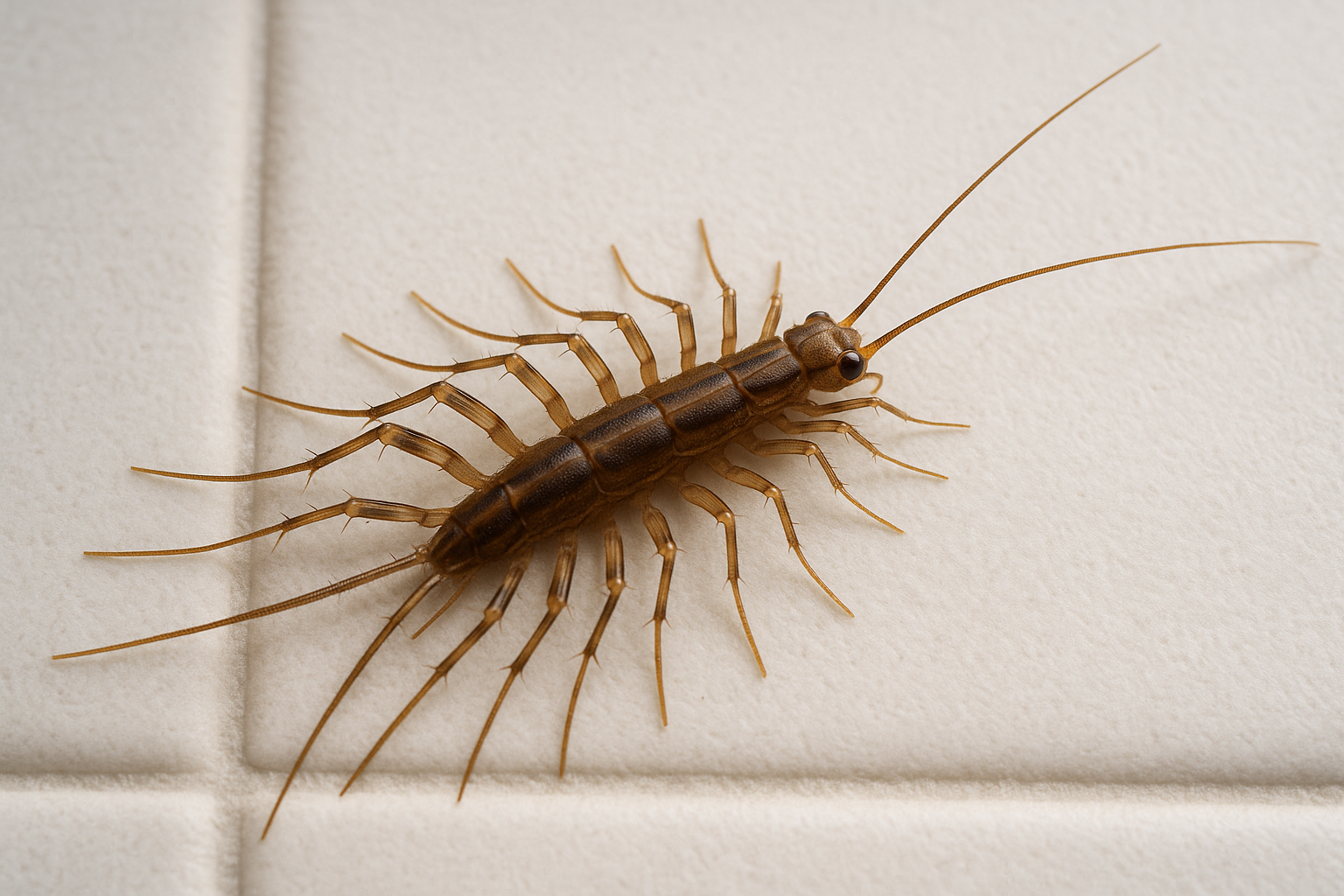
Centipedes belong to the class Chilopoda, but the two groups you’ll most likely meet at home are quite different. The common house centipede, Scutigera coleoptrata, is a sleek, gray‑blue creature that rarely exceeds 2 inches (5 cm) in length. In contrast, the larger Scolopendra species—often called “giant centipedes”—can grow beyond 6 inches (15 cm) and sport a more robust, reddish body. While the house centipede is a frequent indoor guest, the Scolopendra family prefers outdoor habitats such as mulch, leaf litter, and stone walls.
These arthropods are true nocturnal hunters. After sundown they emerge to chase down soft‑bodied insects, spiders, and even tiny wood‑lice, using their 15‑30 fast‑moving legs to dart across surfaces. Moisture is a key driver of their activity; they gravitate toward damp areas where prey hides and where their own thin, permeable exoskeleton stays hydrated. Their predatory role is often beneficial—house centipedes can dramatically reduce populations of pantry pests and other nuisance insects, acting as a natural form of pest control.
Georgia’s climate creates an ideal backdrop for centipedes, and the numbers reflect that. The Georgia Department of Agriculture logs roughly 2,300 centipede‑related complaints each year, a figure that spikes during the humid summer months. While most sightings are harmless, the volume of reports underscores why homeowners should understand what they’re sharing their home with.
Inside a typical Decatur residence, centipedes favor the same micro‑environments that retain moisture:
- Under kitchen and bathroom sinks, where pipe leaks or condensation collect.
- In laundry rooms, especially near washing machines and dryer vents.
- Along garden rock piles, mulch beds, and the edges of outdoor planters.
These spots also serve as hunting grounds, offering a steady supply of insects and spiders. If you notice rapid movement along baseboards or a sudden increase in small insects, it may be a sign that centipedes have set up a temporary base.
| Species | Typical Length | Preferred Habitat |
|---|---|---|
| Scutigera coleoptrata (House centipede) | 1–2 inches (2.5–5 cm) | Indoor damp corners, basements |
| Scolopendra heros (Giant desert centipede) | 4–6 inches (10–15 cm) | Outdoor mulch, stone piles |
For a deeper dive into centipede biology, pest‑management recommendations, and safety tips, the EPA’s fact sheet offers a reliable reference: EPA – centipede facts. Understanding these details helps you decide when a professional inspection is warranted and how to coexist—or intervene—safely.
Decaut — Climate and Neighborhood Factors
Decaut, Georgia enjoys a temperate, humid subtropical climate that is especially friendly to centipedes. According to NOAA’s local climate archive, the area receives an average of ≈ 50 inches of rain annually, with the wettest months falling in June and July. This generous precipitation, combined with average summer humidity hovering in the high‑50 to 70 percent range, creates the moist micro‑habitats that centipedes need to thrive—think damp leaf litter, moist leaf‑sheltered foundations and the occasional puddled soil in a garden.
Indoor moisture is just as critical. The EPA’s indoor moisture guideline advises keeping relative humidity below 50 percent to deter mold and “shelter‑seeking” arthropods. In many Decaut homes, especially older ones, the lack of a central de‑humidifier means indoor humidity often spikes after a night of heavy rain, turning basements, crawl‑space areas and under‑sink cabinets into perfect hunting grounds for centip‑s.
High‑Risk Neighborhoods
- Oakhurst
- Decaut Heights
- Historic Downtown
When you combine the town’s rainfall, the high ambient humidity, and the older, moisture‑prone construction typical of these neighborhoods, it’s no surprise that Decaut sees a higher incidence of centipede sightings than many neighboring towns. Understanding how the climate and local architecture interact is the first step in spotting potential problem areas before the pests become a nuisance.
Red Fl a s in Your Home
Spotting a few centipedes is one thing; recognizing the signs that they are establishing a foothold is another. Here are the most common visual and indirect clues that suggest a growing infestation:
- Live sightings
- Shed exoskeletons
- Egg sacs
- Increased spider activity
- Musty odors – Persistent dampness or a “musty” smell in a room often points to chronic moisture, which attracts centipedes.
Case study
Most homeowners can manage occasional sight‑s of a centipede, but certain thresholds signal it’s time to enlist a professional: In Decaut, a typical comprehensive inspection by a local provider such as Anthem Pest runs between $150 and $300, reflecting the time needed to assess interior and exterior moisture, locate potential entry points and provide a detailed treatment plan. While centipedes are not known to transmit disease, the CDC notes that “centipedes are not known to be disease‑transmitting pests” but their sting can cause localized pain, swelling and, in rare cases, an allergic reaction. Read the CDC statement here. Prompt professional intervention not only halts a potential infestation but also addresses the underlying moisture issues that attracted the pests in the first place. A professional centipede inspection follows a systematic, evidence‑driven approach. Understanding each phase helps you feel confident in the service you receive. The key advantage of this method is transparency: the technician documents each finding, explains why it matters, and offers a clear path forward, so you know exactly what will be done and why. Before you call in a professional, there are several homeowner‑friendly steps that can dramatically reduce the likelihood of a centipede invasion. For a quick reference, download our printable “Centipede Prevention Checklist” and walk through each item before the start of the rainy season. Download the checklist here. Do centipedes bite? While they can sting, bites are rare and usually result in a mild, localized sting similar to a bee sting. Medical attention is only needed if there is significant swelling, severe pain or an allergic reaction. Are chemical treatments safe for pets? Most professional treatments in Decaut use EPA‑approved, low‑toxicity products that are safe for pets when applied according to label instructions. Technicians will advise you on any temporary restrictions. How long does treatment take? A typical centipede treatment involves one‑to‑two onsite visits, followed by a 30‑day post‑treatment inspection to ensure the population has been eliminated and to address any lingering moisture issues.When to Call a Professional
Step‑by‑Step Inspection Walkthrough

DIY Measures to Keep Centipedes Out
Frequently Asked Questions
Who to Call in Decaut
Anthem Pest offers local expertise with transparent pricing, a 30‑day guarantee and a dedicated line for immediate assistance: 877‑371‑8196Anthem Pest website for a free‑inspection request.
Other reputable options include Procare Pest and Peachtree Pest Control, both of which provide targeted centipede treatments in the area. While all three offer similar application methods, Anthem Pest tends to offer a slightly lower price range ($150‑$300) and a more detailed moisture‑assessment as part of the initial inspection.
Take Action with Anthem Pest Today
Now you know how to identify centipedes, spot the red‑flag signs, and understand when a professional inspection is warranted. A professional inspection offers peace of mind, protects your family’s health and preserves the value of your home.
Schedule a free, no‑obligation inspection today by calling 877‑371‑8196 or visiting Anthem Pest website. Let our local experts handle the moisture‑tightening and pest‑removal so you can enjoy a safe, centipede‑free home.