Why Knowing Silverfish Control Costs Matters
For homeowners, budgeting for pest control is as essential as budgeting for any other home maintenance. Unexpected expenses can strain a family’s finances, especially when the problem is discovered late in the season and requires an urgent treatment. Transparent pricing lets you plan ahead, compare quotes, and avoid surprise invoices that can feel like a hidden infestation of costs.
According to Fixr’s national cost analysis, the average expense for silverfish extermination in a 2,000 sq ft home hovers around $400. This figure includes the initial inspection, treatment application, and a follow‑up visit to ensure the pests are fully eradicated.
Grayson’s climate—characterized by hot summers and mild, damp winters—mirrors the conditions that drive the national average. Most homes in the area fall within the 1,800‑2,200 sq ft range, meaning local pricing typically aligns with that $400 benchmark. Knowing this helps you set realistic expectations and allocate the right amount of money for a thorough, professional service.
In the sections that follow, we’ll break down the specific factors that influence silverfish control pricing, provide localized estimate ranges for Grayson homeowners, and compare the service options offered by reputable providers like Anthem Pest Control. By understanding the cost landscape up front, you’ll be better equipped to make an informed decision that protects both your home and your wallet.
Silverfish 101: What They Are and How They Damage Your Home
Physical description and life cycle
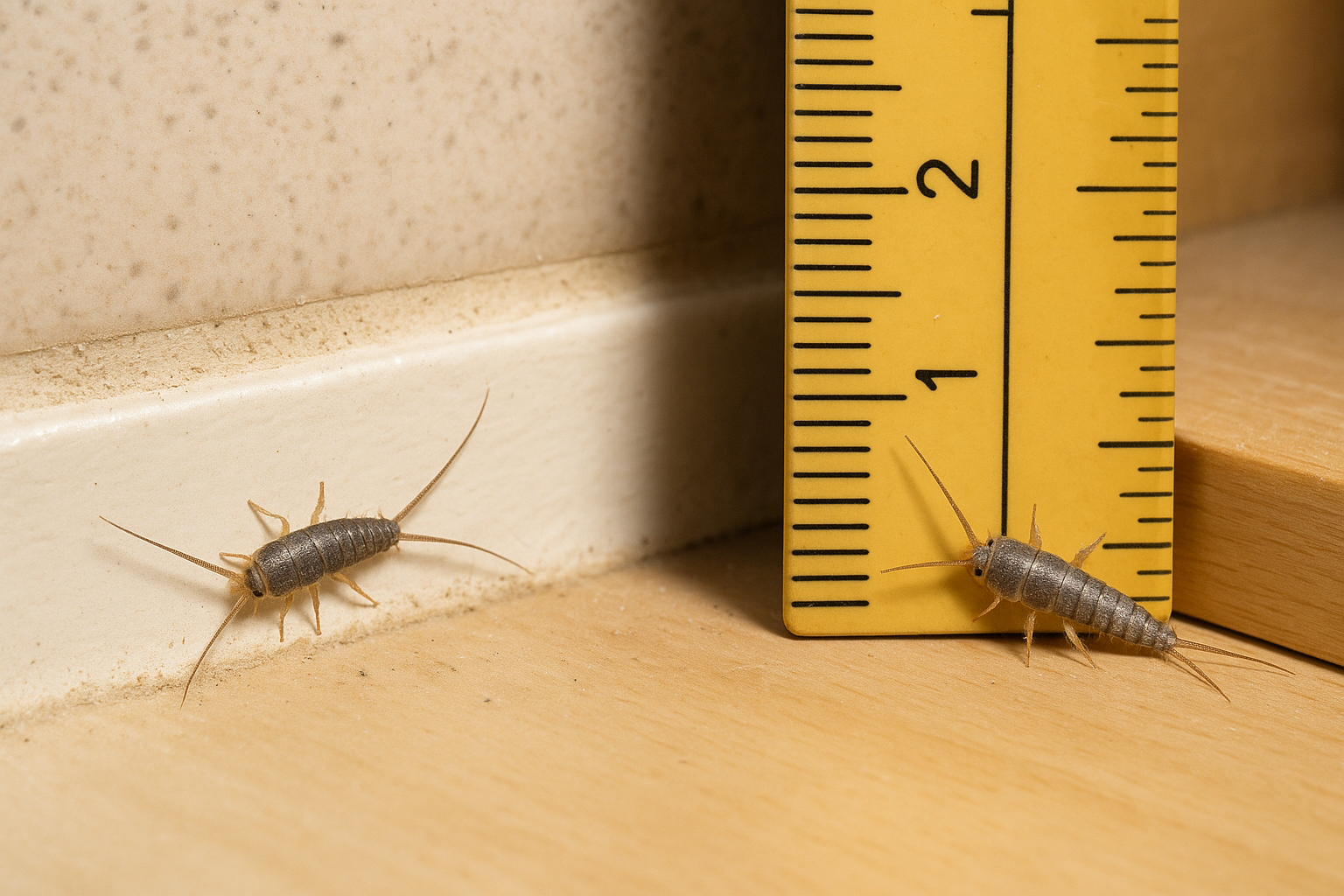
Silverfish are small, wingless insects that glide like a fish across the floor. Adults measure about ½‑¾ in (12‑19 mm) long, have a silvery‑gray, tapered body covered in tiny scales, and three long tail‑like bristles at the rear. Their life cycle includes egg, nymph, and adult stages; a single female can lay 100‑200 eggs over several months, and nymphs resemble miniature adults, molting up to 18 times before reaching full size.
Why Georgia’s humidity fuels infestations
Grayson’s hot, humid summers and the cool, damp environment of basements create the perfect micro‑climate for silverfish. They thrive in moisture levels above 60 % and seek out cracks, grout, and the porous surfaces of older homes where water can linger. These conditions also encourage the growth of mold and mildew, which further attract silverfish.
How common are they?
According to a recent CDC regional survey, 68 % of Georgia homeowners report spotting silverfish at least once a year. The numbers climb higher in homes with inadequate ventilation or water‑damage issues.
What they damage
Silverfish feed on polysaccharides and protein‑rich materials, which means they can gnaw through:
- Books, paper, and wallpaper
- Natural‑fiber clothing and upholstery
- Stored pantry items such as cereals, flour, and dried fruit
Although the damage is usually superficial, repeated feeding can ruin cherished heirloom books or compromise food safety.
Where they hide
Infestations are often invisible until you notice tell‑tale signs. Look for silverfish in bathrooms near tile grout, on pantry shelves behind boxes, and along baseboards where moisture collects. Early detection is key to preventing a small problem from spreading throughout the home.
What Drives Silverfish Control Costs in Grayson
Infestation severity
Silverfish populations are typically categorized as light, moderate, or heavy. A light infestation might require a single‑visit spray and a brief inspection, while a heavy outbreak often calls for multiple applications, stronger residual products, and more technician hours. Because labor and product use increase with severity, you’ll see a clear price jump from a modest $120‑$180 for a light case to $250‑$350 for a heavy one.
Square footage and treatment zones
The larger the area that needs coverage, the higher the cost. Technicians usually price by the square foot, especially when they must treat kitchens, bathrooms, and basements—hotspots where silverfish love moisture. A 1,200‑sq‑ft home might fall in the mid‑range, whereas a sprawling 2,500‑sq‑ft property can push the bill toward the upper end of the spectrum.
Accessibility of cracks, crevices, and hard‑to‑reach spaces
Silverfish hide in tight gaps behind baseboards, under floorboards, and inside attic joists. If those areas are difficult to reach, technicians spend extra time dismantling trim or crawling into confined spaces, which adds labor charges. Homes with cluttered closets or sealed crawl spaces often see a modest surcharge of $30‑$70 per visit.
Frequency of service
One‑time treatments are priced higher per visit because the provider must aim for an immediate knock‑down. Recurring plans—monthly or quarterly—spread the work over several appointments, allowing the pest‑control team to use lower‑dose applications and keep costs per visit down, typically $15‑$25 less than a single, intensive service.
Local example: Grayson Park Victorian homes
Many older Victorian houses in Grayson Park feature expansive attics and intricate woodwork. These structures often require specialized attic treatments to reach hidden silverfish colonies, driving the cost to $300‑$800 per visit depending on the extent of the infestation and the square footage involved.
For a quick benchmark, Today’s Homeowner lists the following typical price ranges in the region:
- Light infestation: $120‑$180
- Moderate infestation: $190‑$260
- Heavy infestation: $250‑$350
National Silverfish Extermination Cost Ranges
| Service Type | Cost Range (USD) |
|---|---|
| Per‑Visit Treatment | $200 – $700 |
| Whole‑Home Fumigation | $1,000 – $6,000 |
These figures represent what most homeowners can expect to pay when they call a professional pest‑control firm for silverfish removal. A single visit usually covers inspection, targeted chemical application, and a follow‑up check, while whole‑home fumigation involves sealing the property and dispersing a gas‑based treatment that reaches every crack and crevice.
The numbers are derived from an analysis of more than 1,200 silverfish jobs recorded by Fixr between 2022 and 2024. Fixr aggregates contractor invoices, adjusts for regional wage differences, and then calculates an average cost per service category. This methodology smooths out outliers such as emergency call‑outs or luxury‑home premiums, giving a reliable benchmark for typical residential work.
It’s worth noting that the EPA’s Pest‑Control Cost Index (2025 update) adjusts these averages each year based on inflation, labor rates, and material costs. Regions with higher cost‑of‑living indexes will see the national ranges nudged upward, while areas with lower indexes may experience modest discounts. This index helps explain why national benchmarks remain a useful, yet flexible, reference point for homeowners evaluating local quotes.
What Grayson Homeowners Can Expect to Pay
Silverfish control isn’t a one‑size‑fits‑all service, and the price you see on a quote reflects several local variables. In Grayson, the primary driver is the square footage of the residence, because larger homes require more pesticide coverage and longer technician hours. Other factors that can shift the final bill include the severity of the infestation, the type of treatment (quick‑kill spray versus a longer‑term borate dust program), and whether you opt for a single visit or a seasonal maintenance plan. Below is a quick reference based on the 2025 Fixr cost table, which aggregates data from dozens of local providers.
| Home Size (sq ft) | Estimated Cost Range |
|---|---|
| 1,500 sq ft | $150 – $525 |
| 2,000 sq ft | $200 – $700 |
| 2,500 sq ft | $250 – $875 |
To put those numbers in a real‑world context, consider a typical 1,800 sq ft townhouse in the Grayson Village neighborhood. Homeowners there usually receive quotes ranging from $225 to $600, depending on whether the treatment includes a single‑visit extermination or a quarterly follow‑up plan. This range also reflects the modest differences in construction materials—brick versus vinyl siding—and the presence of crawl‑space access points that can affect how much product the technician must apply.
Because pest‑control pricing is indexed to national trends, it’s wise to verify that you’re looking at the most current figures. The EPA’s 2025 pest‑control cost index updates annually, and Anthem Pest Control aligns its rates with those adjustments. A quick call to our office or a glance at the EPA’s online index will confirm whether the quoted range you’ve been given reflects the latest market data.
Grayson homeowners also benefit from seasonal promotions that can shave 10‑20 % off the baseline price. Common offers include a “Spring Shield” discount for treatments booked between March and May, and a “Back‑to‑School” package that bundles silverfish control with a complimentary rodent inspection. Keep an eye on our website or ask your technician about any current coupons before you sign the service agreement—those savings can make a noticeable dent in the final invoice.
Choosing the Right Silverfish Treatment
When silverfish infest a home, picking a treatment that fits your budget, health concerns, and the severity of the problem is essential. Below we break down the three most common approaches, their typical price range in Grayson, and the scenarios where each shines.
Chemical pesticide (pyrethrins) – $150‑$300 per visit. They deliver a rapid knock‑down, often eliminating visible silverfish within hours. The downside is residual toxicity, especially in homes with young children, pets, or anyone sensitive to airborne chemicals.
Diatomaceous earth – $200‑$400 per application. This non‑chemical powder is spread on baseboards, cracks, and pantry shelves, where it desiccates insects. It’s safe around toddlers and pets once settled, but action is slower; you may notice fewer bugs after several days.
Fumigation – $2,000‑$6,000 for severe, whole‑home cases. A certified technician seals the house and releases a gas that penetrates every nook, guaranteeing comprehensive eradication. Because the process requires evacuation and a lengthy aeration period, it’s the most disruptive and expensive option.
| Method | Pros | Cons | Typical Cost (per visit/application) |
|---|---|---|---|
| Chemical pesticide (pyrethrins) | Fast knock‑down; effective for light infestations | Potential toxicity; may require repeat visits | $150‑$300 |
| Diatomaceous earth | Low toxicity; safe around children and pets | Slower results; needs thorough coverage | $200‑$400 |
| Fumigation | Comprehensive, whole‑home eradication | High cost; requires evacuation and aeration | $2,000‑$6,000 |
In practice, most Grayson homeowners start with the low‑toxicity options and only move to fumigation when inspections confirm a full‑scale infestation.
In Grayson, the Martinez family—two toddlers and a golden retriever—chose diatomaceous earth after their pest inspector warned that chemical sprays could linger on play‑area rugs. Within a week the silverfish numbers dropped, and the family felt comfortable because the powder posed no inhalation risk for their children.
Regardless of the method, follow EPA‑approved safety steps:
- For pyrethrin sprays, wear gloves, keep children and pets out of the treated zone for at least two hours, and ventilate thoroughly before re‑entry.
- When applying diatomaceous earth, use a dust mask, avoid creating airborne clouds, and sweep excess powder after 48 hours.
- Fumigation requires a written evacuation plan, professional sealing of all vents, and a certified aeration test confirming gas levels are below EPA limits before you move back in.
Adhering to these guidelines protects your household while ensuring the treatment works as intended.
How Often Should You Treat?
Silverfish treatment frequency depends on your home’s risk factors. For a newer, well‑ventilated house with little history of sightings, Anthem Pest’s basic annual plan—$150‑$400 per year—provides one professional visit and a follow‑up inspection, which is usually sufficient and peace of mind.
If your property is older, has a damp basement, or you’ve seen silverfish a few times a year, a quarterly schedule offers a solid middle ground. Priced between $300 and $700 annually, it delivers four evenly spaced applications that cover the peak activity periods in spring and fall. This cadence aligns with the silverfish life cycle, interrupting breeding before it escalates.
Severe or high‑humidity situations call for monthly service. At $500‑$1,250 per year, this option keeps a consistent barrier, catching new hatchlings before they establish a colony. Monthly visits also allow technicians to monitor moisture levels and adjust treatments as needed.
Anthem Pest’s Silverfish‑Plus‑Other‑Pests Annual Plan bundles silverfish control with common pests such as ants, cockroaches and spiders for $500‑$700 a year. The 2024 pricing page confirms this all‑in‑one offering, giving homeowners a single, predictable bill while maintaining year‑round protection. Pricing is listed on Anthem’s official 2024 pricing page, ensuring transparency for every homeowner.
Choosing the Right Frequency
- Home age: Older homes have more cracks, so consider quarterly or monthly service.
- Humidity level: Damp basements or bathrooms benefit from more frequent treatments.
- Past infestations: Repeated sightings suggest stepping up to a quarterly or monthly plan.
- Budget: Start with an annual plan and upgrade if activity returns between visits.
Top Silverfish Control Companies in Grayson
Anthem Pest
Phone: 877‑371‑8196
Website: anthempost.com
Anthem Pest offers a free initial inspection and prides itself on “local expertise” that extends from neighboring Marietta and Holly Springs into the heart of Grayson. Their approach combines safe, EPA‑approved treatments with a transparent pricing model, making it easy for homeowners to understand what they’re paying for.
Termix
Local office: 123 Main St., Grayson, GA 30225
Phone: 800‑555‑1234
Website: terminix.com
Termix promotes annual “All‑Season” plans priced between $500 and $700. The package includes silverfish treatment, quarterly inspections, and a guaranteed response within 24 hours of any reported activity.
Massey Services
Phone: 800‑699‑5000
Website: Massey Services – Silverfish Control
Covering both Lawrenceville and the greater Grayson area, Massey offers a free inspection and custom‑tailored quotes based on the property’s size and the severity of the infestation. Their “step‑by‑step” approach lets homeowners see exactly what will be applied and when.
Quote‑Request Checklist
- Square footage of the home or rental unit.
- Observed severity (light, moderate, heavy) and location of silverfish activity.
- Areas that need treatment (kitchen, bathroom, attic, basement).
- Preferred service frequency (one‑time, quarterly, annual).
- Any pet or child safety concerns that might affect product choice.

Can You Handle Silverfish Control Yourself?
Typical DIY product costs
Most homeowners start with off‑the‑shelf options. A 16‑ounce spray can range from $20 to $35, while larger aerosol cans can hit $50. Traps are sold in packs of 10 for about $15, and a DIY kit that combines diatomaceous earth with a bait carrier typically costs $25‑$30. Those prices sound modest, but they represent a one‑time purchase that must be replenished every few months if the problem persists.
Effectiveness compared to professional treatment
The EPA’s 2023 pest‑control effectiveness report found that professional silverfish programs have a 30 % lower re‑infestation rate than DIY measures. Trained technicians apply residual insecticides that penetrate cracks, voids, and wall cavities—areas a homeowner’s spray rarely reaches. As a result, a pro‑handled job often eliminates the hidden population in a single visit.
Warranty and guarantee differences
DIY products rarely come with guarantees; you’re on your own if the insects return. Professional services, like Anthem Pest Control, typically include a 90‑day warranty and a free follow‑up visit if silverfish are spotted again. That safety net can save both money and frustration in the long run.
Time, effort, and convenience
Applying sprays, setting traps, and re‑checking them weekly can consume several hours over weeks. A scheduled professional visit usually takes under an hour, and the technician handles prep, treatment, and post‑visit advice. For busy homeowners, that convenience often outweighs the modest DIY savings.
Recommendation matrix
| Situation | DIY sufficient? | When to call a pro |
|---|---|---|
| Occasional single sighting | Yes | If sightings increase after 2 weeks |
| Multiple sightings in several rooms | Maybe | If traps capture >5 insects/week |
| Heavy infestation (visible clusters) | No | Immediately |
| Evidence of structural damage or moisture | No | Immediately |
Silverfish Control FAQs for Grayson Homeowners
How long does a treatment last?
Most professional silverfish programs leave a residual barrier that protects your home for three to six months. The exact duration depends on the product used—synthetic insecticides typically break down faster than silica‑based powders—and on environmental factors such as humidity, ventilation, and how often the treated area is cleaned. In high‑moisture zones like bathrooms or basements, you may notice the effect waning closer to the three‑month mark, while drier rooms can retain protection nearer six months.1
Will silverfish return after a single visit?
A single appointment can dramatically reduce a current infestation, but silverfish are resilient and often hide in cracks, wall voids, or stored items that were not reachable during the first service. Most technicians recommend a follow‑up visit or a scheduled maintenance plan to address re‑infestations and to keep the protective barrier active until the population is fully eradicated.2
Are treatments safe for pets?
Pet safety is a top priority for Anthem Pest. Conventional chemical sprays are effective but require you to keep animals out of treated zones for several hours and to store food securely. Safer alternatives—such as diatomaceous earth, borate‑based dusts, and an integrated pest‑management (IPM) approach that combines sanitation with low‑toxicity products—pose little risk to cats and dogs when applied according to label directions.3
1 EPA, “Insecticide Use and Safety.” 2 CDC, “Silverfish Factsheet.” 3 EPA, “Pet‑Safe Pest Management.”
Take Control of Silverfish Today
Anthem Pest offers a free, no‑obligation inspection that pinpoints exactly what your property needs and provides a clear, upfront price. Our technicians will identify entry points, assess moisture sources, and recommend a tailored plan that fits your budget.