Why Centipedes Matter in Brookhaven
Centipede Control in Brookhaven starts with understanding why you should care about these six-legged intruders before they multiply. In Brookhaven’s humid climate, even a single centipede sighting can signal a larger hidden population developing behind walls, under sinks, or inside damp basements.
Centipedes are recognized by their long, flattened bodies and dozens of legs—one pair per segment. A female can lay up to 150 eggs, hatching into tiny offspring that mature within weeks. This rapid lifecycle allows a small introduction to quickly become a frustrating household nuisance if not addressed early.
Georgia’s climate fuels that growth. The EPA’s indoor air quality guide notes that humidity above 60% creates a perfect breeding ground for moisture-loving pests. Brookhaven’s warm, humid summers and occasional damp basements keep humidity in that ideal range, allowing centipedes to thrive year-round.
The EPA (Indoor Air Quality Guide) reports that maintaining indoor humidity below 60 % can reduce centipede activity by up to 70 %.
Beyond the unsettling sight, centipedes pose hidden risks. Their bite is painless, but allergic reactions can affect sensitive people. More importantly, they are voracious predators of other insects, leading to a cascade of infestations as they attract beetles and cockroaches. Their constant presence also signals excess moisture, a warning sign for structural issues like wood rot or mold.
Because they hide in cracks, baseboards, and under appliances, a single centipede sighting often signals a larger, unseen population.
Homeowners in Brookhaven neighborhoods such as Peachtree Corners and Brookhaven Village, as well as nearby counties—Cobb, Bartow, Cherokee, and Paulding—should stay vigilant. The same conditions that lure centipedes to a suburban home also attract termites and carpenter ants, compounding potential damage.
Early detection lets Anthem Pest Control intervene with targeted treatments before the infestation spreads to other vulnerable areas of your home.
Understanding the biology, climate drivers, and downstream effects empowers you to act before a few centipedes multiply into a costly problem.
Spotting the Six‑Legged Intruder
Centipedes may be fast, but they’re not invisible. Knowing what they look like and where they love to set up shop is the first step toward effective centipede control in Brookhaven homes. Early identification allows homeowners to act quickly and prevent infestations from spreading into damp basements, bathrooms, crawl spaces, and other moisture-prone areas common in Brookhaven properties.
Physical characteristics
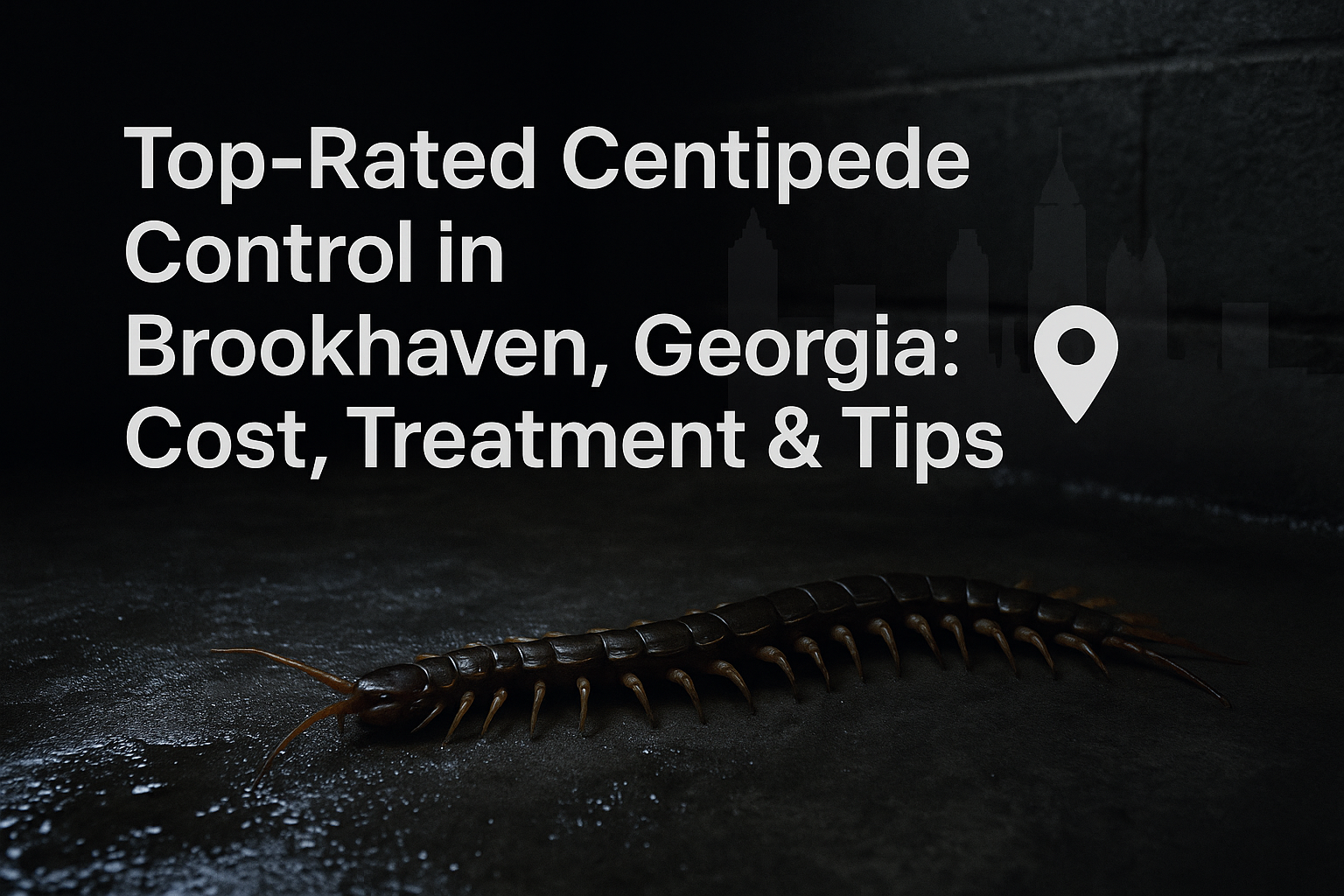
Most household centipedes in Georgia measure between 1 and 6 inches in length. Their bodies are flattened, segmented, and each segment bears a pair of legs—ranging from 30 to 354 legs depending on the species. Color runs the spectrum from a glossy golden‑brown to a reddish hue, often with darker stripes along the dorsal line. The rapid, side‑to‑side “wiggle” you see when one darts across a tile is a hallmark movement pattern.

Typical habitats in a Brookhaven home
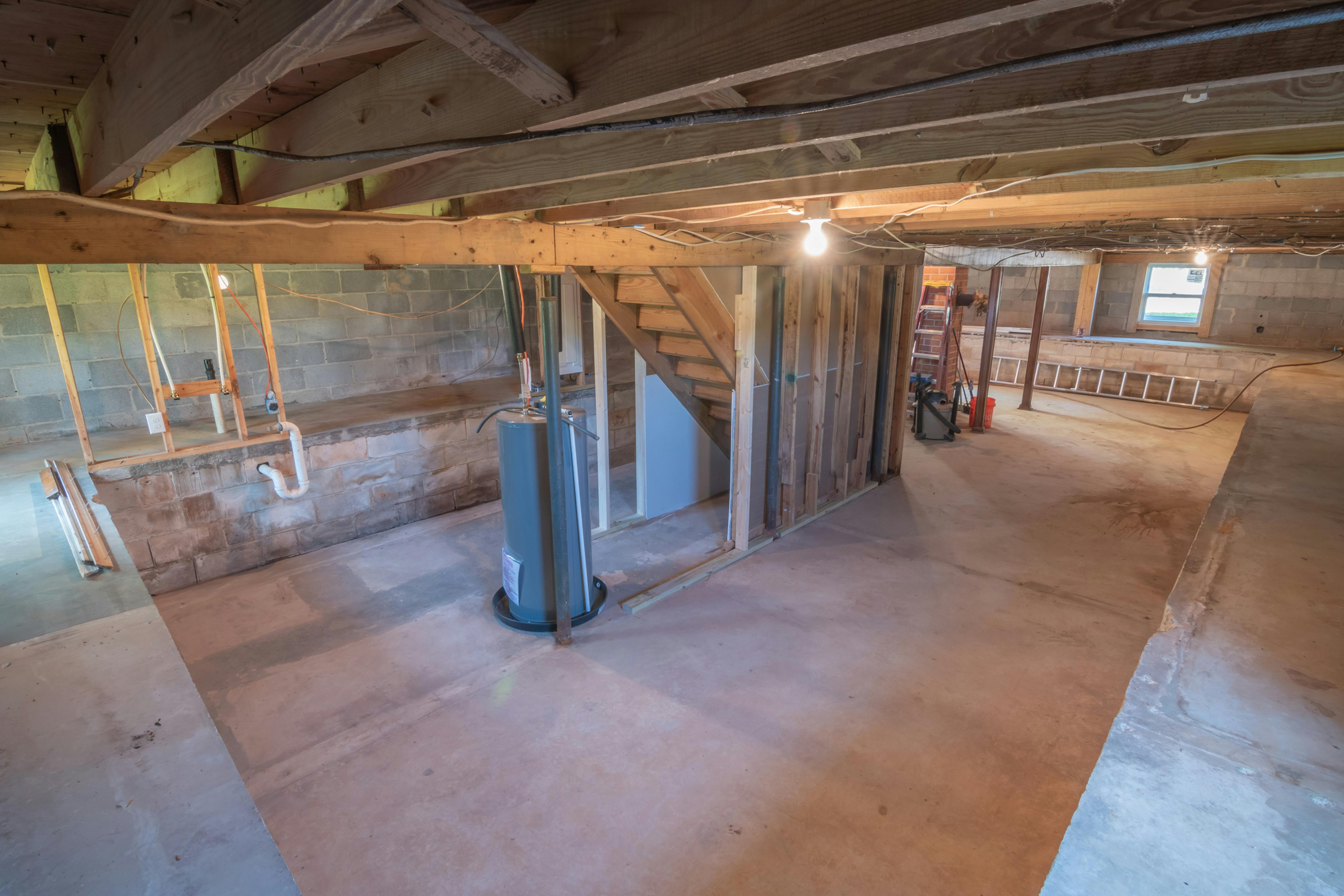
Centipedes thrive in moisture. In a typical Georgia residence you’ll find them in:
- Basements and crawl spaces where humidity lingers.
- Under kitchen and bathroom sinks.
- Bathrooms, especially near showers or tubs.
- Any damp corner—behind washing machines, leaky pipes, or condensation‑prone windows.
These areas stay cool and wet, creating an ideal breeding ground for the insects.
Local numbers tell the story
According to recent Cobb County extension data, 42 % of homeowners report seeing centipedes at least once a year. The figure spikes after heavy rains or when a home’s drainage system falters, confirming the strong link between moisture and sightings.
Real-World Example of Centipede Control in Brookhaven
One Brookhaven Village HOA homeowner discovered a sudden influx of centipedes after a roof leak went unrepaired for several weeks. Water seeped into the attic, then dripped down into the ceiling joists, creating a damp corridor that invited the arthropods. Once the leak was fixed and the affected area dried, the centipede activity dropped dramatically.
Visual cues: centipedes vs. millipedes and house centipedes
Distinguishing a centipede from a millipede is easier than you think. Millipedes have two pairs of legs per segment and crawl slowly. Centipedes have one pair per segment and zip across surfaces in a flash. The common “house centipede” (Scutigera coleoptrata) has long, delicate legs that fan out, giving a spider‑like silhouette. Regular centipedes are bulkier, with shorter legs tucked close to the body. If you spot a fast, flat creature with many short legs and a reddish‑golden tint, you’re likely looking at the pest that needs professional attention. A quick flashlight sweep at night can reveal their silvery glow, confirming the identification.
For a deeper dive into identification, visit Peachtree Pest Control’s centipede guide.
How Much Does Expert Treatment Cost?
When centipedes start marching across your kitchen floor, the first question on every homeowner’s mind is the price tag attached to a professional fix. At Anthem Pest Control we keep our pricing transparent, so you know exactly what you’re paying for and why it’s a smart investment for your Brookhaven home.
Quarterly Maintenance Plan – Predictable Protection
Our most popular option is the quarterly maintenance plan, designed to keep centipedes at bay year‑round. Prices range from $119 to $189 per quarter. Each visit includes a thorough inspection, targeted treatment, and a follow‑up check to verify that the area remains pest‑free. All treatments are performed using products that meet EPA standards and are approved by the Georgia Department of Agriculture, ensuring safety for your family and pets.
One‑Time Emergency Treatment – Fast Relief
If you’re dealing with an urgent infestation, our emergency service steps in quickly. The cost falls between $150 and $250 for a single visit, covering an initial inspection, immediate treatment, and a post‑treatment evaluation to confirm effectiveness. This option is ideal for homeowners who need rapid results but may not yet be ready for an ongoing plan.
How Anthem’s Rates Stack Up Against the Market
According to zonepest.com, the typical centipede control rates in the Atlanta metro area hover between $130 and $210 per quarter for maintenance plans and $160 to $280 for emergency visits. Anthem’s pricing sits comfortably within the lower‑mid range, delivering the same high‑quality, EPA‑approved treatments at a more affordable price point.
Cost‑Benefit Comparison
| Service Tier | Annual Cost | Typical Savings vs. Emergency‑Only |
|---|---|---|
| Quarterly Maintenance Plan (average $154/quarter) | $616 | $200–$300 |
| Emergency‑Only (average $200 per visit, 3 visits/year) | $600–$900 | — |
By spreading the cost across four scheduled visits, the quarterly plan not only saves you $200–$300 annually compared with treating emergencies as they arise, it also prevents the hidden expenses of property damage and repeated infestations.
What’s Included in Each Tier?
- Inspection: Certified technicians conduct a detailed walkthrough, identifying entry points, breeding sites, and any contributing moisture issues.
- Treatment: Targeted application of EPA‑registered insecticides, focusing on cracks, baseboards, and outdoor perimeters where centipedes hide.
- Follow‑Up: A post‑treatment check ensures the chemicals have taken effect and that no new activity is observed.
- Documentation: You receive a written report, complete with treatment dates, product names, and safety certifications.
Ready to see the exact numbers for your home? Visit our Anthem Pest Control cost page for a personalized quote and to schedule your first visit.
What Anthem Pest Does Differently
At Anthem Pest we treat every centipede problem as a unique puzzle, combining science‑backed methods with local knowledge of Brookhaven homes. Our step‑by‑step process guarantees that we not only eliminate the visible insects but also dismantle the conditions that let them thrive.
Inspection & Assessment
Our certified technicians begin with a thorough walkthrough of the property, noting moisture‑prone zones, cluttered areas, and potential entry points. Using a handheld hygrometer, they create a moisture map that pinpoints the exact habitats favored by centipedes. Species identification follows, allowing us to tailor the treatment to the specific centipede type found in your home. We also use infrared thermometers to detect hidden damp spots behind walls, ensuring no hidden harbor is missed.
Targeted Insecticide Sprays
We apply EPA‑registered insecticides only where they will be most effective—along baseboards, under appliances, and in cracks that serve as travel corridors. Sprays are calibrated to create discreet “zones of application” that protect your family and pets while delivering a lethal dose to the pests. Application is performed with low‑pressure foggers that minimize drift, protecting neighboring gardens while concentrating the active ingredient where centipedes travel. All products meet strict EPA safety standards, and we provide a link to the EPA pesticides database for full transparency.
Baiting & Dusting
In addition to sprays, we place low‑toxicity bait stations and dust formulations in hidden crevices where centipedes hunt for insects. The bait attracts prey, drawing the centipedes out of hiding, while the dust adheres to their exoskeletons, delivering a slow‑acting poison that reduces the population without flooding the home with chemicals. All bait stations are child‑proof and labeled, so families can feel safe even in homes with toddlers or pets.
Trapping & Monitoring
Sticky traps are positioned in high‑traffic corridors and near moisture sources to catch wandering centipedes. Traps serve two purposes: they provide immediate removal and give us real‑time data on activity levels. Our technicians review trap counts during each visit, adjusting treatment intensity as needed to stay ahead of any resurgence.
Integrated Pest Management (IPM)
Anthem Pest embraces an IPM philosophy that prioritizes source reduction over blanket pesticide use. We advise homeowners on proper landscaping, drainage improvements, and clutter reduction to eliminate the humidity and shelter centipedes love. By combining cultural changes with targeted chemicals, we keep the environment safe while achieving lasting control.

Exclusion Services
After the chemical phase, we seal every potential entry point. Door sweeps, vent screens, and crack‑filling compounds create a physical barrier that prevents new centipedes from slipping inside. Our exclusion work is documented with before‑and‑after photos, giving homeowners confidence that the house is fortified against future invasions.
Case Study: Six‑Month Infestation Tamed
A Brookhaven homeowner contacted us after battling a six‑month centipede surge that appeared after a recent roof leak. Our team performed the full inspection, applied targeted sprays and dusts, set up monitoring traps, and sealed all identified entry points. Within the first quarterly visit, trap counts dropped by 60 %. After the second visit, the infestation was reduced by 95 %, and no new centipedes were observed during the subsequent six‑month follow‑up.
Keep Centipedes Out Before They Enter
Moisture Control
Centipedes thrive in damp environments, so the first line of defense is to eliminate excess moisture. Inspect your home for leaky pipes, dripping faucets, or condensation on windows, and repair any issues promptly. In areas prone to high humidity, run a dehumidifier set to maintain indoor levels between 45 % and 50 %—the range recommended by the EPA for mold prevention, which also discourages centipedes. Outside, grade the yard away from the foundation and install French drains or catch‑basins to direct rainwater away from the house.
Physical Barriers
Centipedes can slip through the tiniest cracks, so seal every entry point you can find. Apply a bead of polyurethane caulk to foundation cracks, gaps around utility penetrations, and where pipes meet the slab. Install door sweeps on all exterior doors, and fit fine‑mesh screens over vents, crawl‑space openings, and attic access doors. These barriers not only block centipedes but also keep out other unwanted guests like rodents and insects.
Pest Reduction
Centipedes are opportunistic predators; they hunt silverfish, ants, cockroaches, and other small insects. By reducing these secondary food sources, you make your home far less attractive. Place ant bait stations in kitchen cabinets, under appliances, and along baseboards to curb ant colonies. Vacuum regularly, especially in dark corners, closets, and under furniture, to remove stray insects and centipede eggs. For a DIY approach, a mixture of boric acid and sugar can be spread in cracks to target ants without harming pets when used as directed.
Ongoing Maintenance
Prevention is a habit, not a one‑time project. Schedule a quarterly inspection of your home’s exterior and interior moisture points. Clean gutters and downspouts at least twice a year to prevent water pooling near the foundation. Trim shrubs, trees, and any vegetation to a distance of 2–3 feet from the house; this reduces shade and humidity at the base of your walls, making it harder for centipedes to find a foothold.
| Task | Frequency | Quick Tip |
|---|---|---|
| Inspect for leaks | Weekly | Check under sinks and around appliances |
| Run dehumidifier | Daily (if humidity >50 %) | Use a hygrometer to monitor levels |
| Vacuum corners & baseboards | Bi‑weekly | Focus on dark, undisturbed areas |
| Replace or refill ant baits | Monthly | Position baits near known ant trails |
| Check and reseal cracks | Monthly | Use a flashlight to spot new openings |
| Trim vegetation | Monthly (spring/fall) | Maintain a 2–3 ft buffer zone |
Following the EPA’s indoor humidity guidelines and using EPA‑approved DIY products (such as low‑odor caulks and non‑toxic ant baits) ensures you protect both your family and the environment while keeping centipedes at bay. When in doubt, a quick call to Anthem Pest Control can provide a professional assessment without breaking the bank.
The Anthem Advantage in Brookhaven
For more than a decade, Anthem Pest has been a fixture on the streets of Brookhaven, Peachtree Corners, Brookhaven Village, and the surrounding counties of Cobb, Bartow, Cherokee, and Paulding. That longevity proves families in our community trust us to keep homes free of unwanted guests, from centipedes to termites. Our technicians live and work in the same neighborhoods they service, so they know the local pest pressures, seasonal patterns, and construction styles that invite insects inside.
Tailored Plans That Fit Your Home
One‑size‑fits‑all doesn’t work for pest control. Anthem creates a customized treatment plan after a free, no‑obligation inspection. We assess entry points, identify species, and schedule applications that target problem areas while minimizing disruption. Whether you need a quarterly centipede barrier, a one‑time rodent exclusion, or ongoing mosquito suppression, the plan fits your specific needs and budget.
Safe, EPA‑Compliant Products
All of our solutions meet strict EPA standards, so they are effective against pests while posing the lowest risk to children, pets, and the environment. We stay current with the latest formulations and application techniques, giving you confidence that the chemicals on your porch or walls are both powerful and responsibly chosen.
Round‑the‑Clock Support
Pests don’t keep office hours, and neither do we. Anthem offers 24/7 emergency assistance, so a sudden centipede sighting at midnight can be handled before it becomes a larger infestation. Our call center staffs knowledgeable professionals who can dispatch a technician within hours, ensuring you’re never left to battle unwanted critters alone.
What Brookhaven Residents Are Saying
“After Anthem’s quarterly plan, we haven’t seen a centipede in 18 months.” – Brookhaven resident
This result is typical for homeowners who stay on our proactive schedule. By treating the perimeter, sealing cracks, and conducting regular inspections, we create a lasting shield that keeps centipedes, ants, and other pests at bay.
Ready to experience the Anthem difference? Call us today at 877‑371‑8196 or visit our centipede control service page to schedule a free inspection. Let our local expertise protect your home for a pest‑free environment year after year.
Quick Answers for Homeowners
Are centipedes dangerous to humans?
Centipedes will bite only when they feel threatened or are accidentally stepped on. The bite is usually a quick, localized pinch that may cause mild redness, swelling, or a brief stinging sensation. For most healthy adults the reaction is comparable to a bee sting and rarely requires medical attention. Children, the elderly, or individuals with allergies might experience slightly stronger irritation, so it’s best to avoid handling them directly. Although they can look unsettling, centipedes actually help control other household pests such as spiders and cockroaches, providing a natural, low‑risk benefit. If a bite does occur, clean the area with soap and water and apply a cold compress; over‑the‑counter antihistamines can ease any itching. EPA pesticide safety
How long does treatment last?
A one‑time centipede treatment typically provides control for 4–6 weeks, depending on the severity of the infestation, moisture levels, and outdoor activity around the home. For continuous protection, many homeowners choose a quarterly service plan. By re‑applying low‑toxicity products every three months, you maintain a barrier that suppresses centipedes year‑round, even during seasonal spikes in late summer and early fall when moisture draws them indoors. Our technicians also address underlying conditions—such as excess humidity, clutter, or cracks—so the chemical barrier works more effectively and lasts longer. EPA pesticide safety
Will chemicals affect pets?
Professional pest technicians use EPA‑registered products that are formulated for low toxicity to mammals when applied according to label directions. When a certified technician follows proper placement, ventilation, and drying times, the risk to dogs, cats, and other pets is minimal. We always advise keeping pets off treated areas for the recommended period—usually a few hours—until the product has fully dried. Additionally, we can apply treatments in pet‑free zones or use granules that are less likely to be disturbed by curious paws. Following these simple post‑treatment guidelines keeps your furry family members safe while still delivering effective centipede control. EPA pesticide safety
Take Action to Protect Your Home Today
In the humid climate of Brookhaven, a single centipede can quickly become a larger infestation if left unchecked. Professional, proactive treatment not only eliminates the immediate threat but also blocks future incursions that thrive in moist, clutter‑filled corners of your house.
Choosing a quarterly maintenance plan offers a clear financial advantage. Instead of paying for urgent, one‑time emergency treatments—often double the price of a scheduled service—homeowners enjoy predictable, lower monthly costs and the peace of hand‑t‑hand with a technician who tracks seasonal trends and adjusts treatment accordingly.
Here’s what you gain with a quarterly plan:
- Average 30% reduction in emergency call‑out ‑ type ‑ costs.
- Quarterly visits catch early activity before it spreads.
- Lock‑in the current promotional rate for the first year.
Ready to safeguard your home? Schedule a free inspection today by visiting our website or calling 877‑371‑8196. Our friendly staff will book a convenient time, assess your property, and detail how a custom plan fits your budget.
Our experienced technicians are ready to safeguard your home with EPA‑approved solutions—no pressure, just peace of mind. We focus on safe, effective treatment that respects your family and pets while eliminating centipedes and other pests.
Take the first step now: Visit Anthem Pest Control