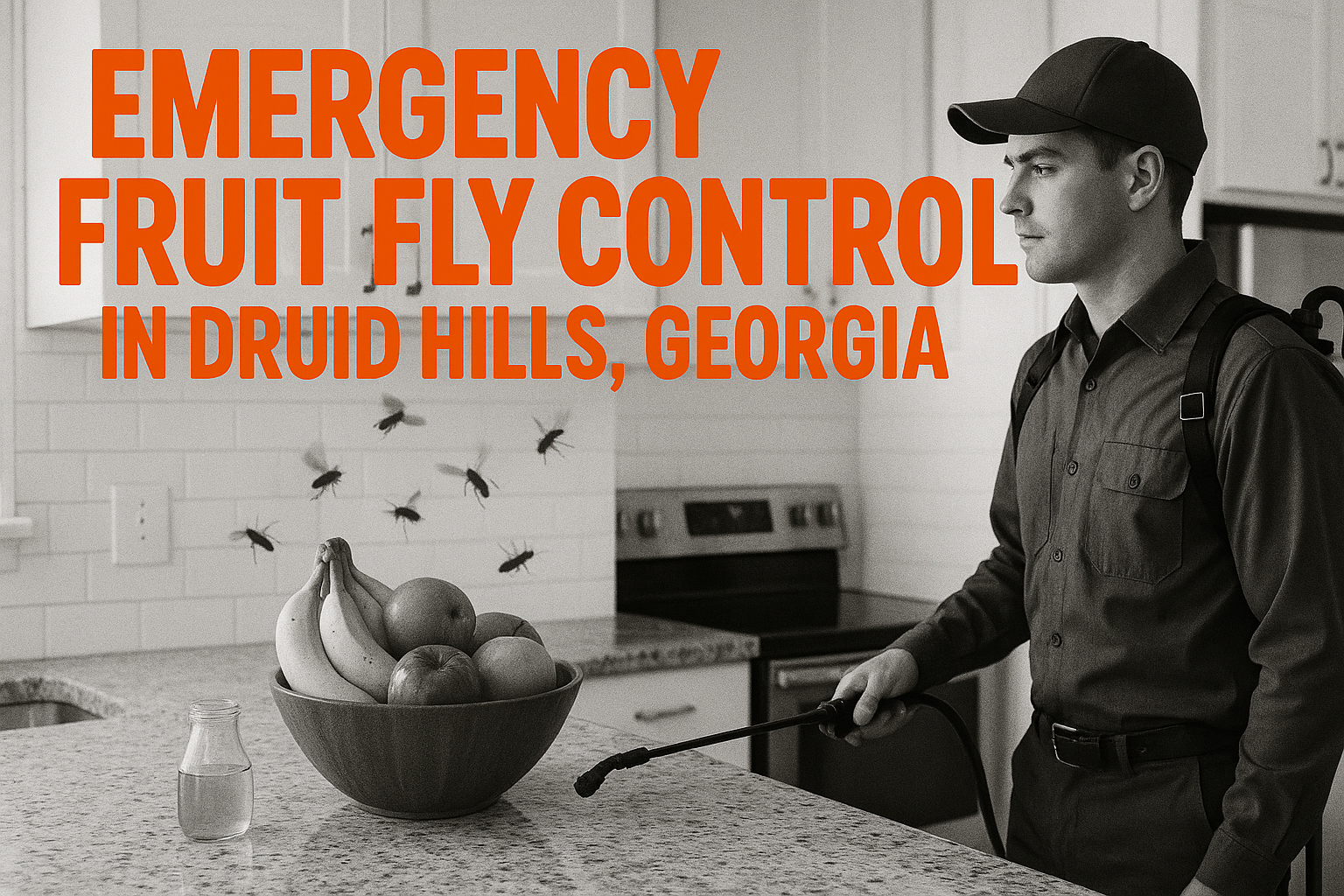
Why Fruit Flies Become an Emergency in Druid Hills
Emergency Fruit Fly Control Druid Hills homeowners need often begins during late summer, when kitchens suddenly transform into breeding grounds for fruit flies. The surge coincides with the ripening of backyard berries, peaches, and the influx of fresh market fruit brought indoors. In a matter of days, a handful of eggs laid on a piece of overripe fruit can explode into thousands of buzzing insects, turning a simple snack into a full-blown infestation. Even a single forgotten banana on the counter can serve as a launchpad for the next generation, because fruit flies can detect fermenting sugars from several feet away.
Food safety at risk
Fruit flies are more than a nuisance; they carry bacteria from decaying organic matter directly onto your countertops, utensils, and prepared meals. Their constant landing on sugary surfaces creates a pathway for pathogens such as E. coli and Salmonella. Moreover, the flies attract secondary pests—spiders, ants, and even cockroaches—compounding the contamination problem.
Homeowner stress and confidence loss
When a kitchen becomes a fly hotspot, confidence in household hygiene plummets. Homeowners report feeling embarrassed when guests notice the swarms, and the relentless need to discard fruit or clean surfaces creates daily inconvenience. The lingering worry about possible health effects—especially for children, seniors, or anyone with a weakened immune system—adds emotional strain that few expect during the fruit‑picking season.
Climate accelerates the crisis
Druid Hills sits in a humid subtropical zone, where warm nights and high humidity shorten fruit‑fly development. Under these conditions, a single female can lay up to 500 eggs, and the entire life cycle—from egg to adult—can complete in just 7‑10 days. According to the University of Georgia Extension (2024), “Fruit flies can complete a life cycle in as little as 7‑10 days in warm Georgia kitchens.” This rapid turnover means populations can double or triple before most homeowners even notice the problem.
Understanding these factors—seasonal fruit abundance, food‑safety threats, homeowner anxiety, and a climate that fast‑tracks breeding—sets the stage for data‑driven, emergency‑level actions. Ignoring the warning signs only gives the flies more time to multiply, turning a manageable nuisance into a costly, health‑related emergency.
The Biology and Habits of Fruit Flies Near Emory and North Druid Hills
When fruit flies start buzzing around your kitchen, it’s not just an annoyance—it’s a sign that a tiny, fast‑reproducing pest has found a perfect home. In the Emory and North Druid Hills neighborhoods, the culprit is almost always Drosophila melanogaster, the common fruit fly that thrives in our subtropical climate.
Species Identification
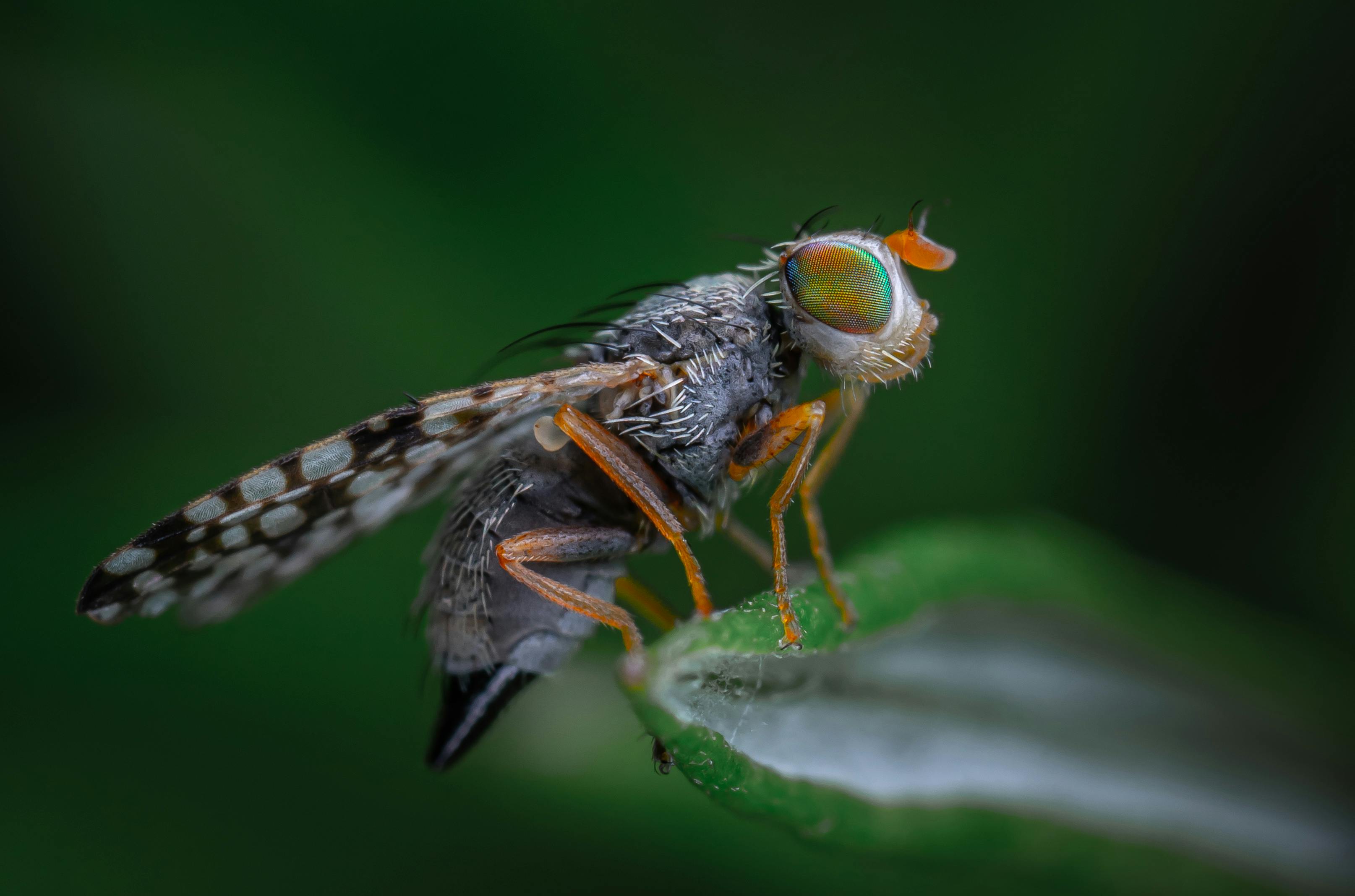
Drosophila melanogaster is a small, tan‑brown fly about 3 mm long, with red eyes and distinctive black spots on its wings. Unlike house flies, fruit flies are attracted primarily to fermenting sugars, which is why you’ll see them hovering near ripe fruit, vegetables, and any source of moisture.
Life Cycle and Lifespan
Under ideal indoor conditions, a fruit fly can complete its life cycle in as little as 7 days. Adults live 10‑21 days, and each female can lay up to 500 eggs. This rapid turnover means that a single infestation can generate multiple generations before you even notice the problem.
Preferred Breeding Sites
Fruit flies are opportunistic breeders. In our area they gravitate toward:
- Overripe produce—bananas, melons, tomatoes, potatoes, onions
- Kitchen drains and garbage disposals where organic matter accumulates
- Garbage cans with loose, decomposing food scraps
- Compost piles or outdoor bins that stay damp
Real‑World Example
Take a typical suburban home on Ponce de Leon Avenue. The family keeps a fruit bowl on the counter and a slow‑draining kitchen sink. Within a week, dozens of fruit flies are swarming the sink drain and the fruit bowl—both perfect breeding hotspots. Because the flies lay eggs in the moist organic film inside the drain, larvae develop unnoticed, and the adult population spikes dramatically.
These flies can also carry bacteria from decaying food into your kitchen, raising the risk of food‑borne illness. The CDC’s food‑borne illness brief outlines how microbial contamination from insects can lead to stomach upset and more serious health issues.
Why Quick Identification Matters
Spotting the breeding sites early is the fastest way to halt an outbreak. Once you locate and eliminate the source—cleaning drains, discarding overripe fruit, sealing trash containers—fruit fly numbers drop dramatically, and emergency treatment becomes far less invasive.
Step‑by‑Step Emergency Control You Can Do Right Now
Fruit flies multiply faster than you can notice, so a rapid, organized response is essential. The following DIY plan lets you locate the problem, eliminate breeding sites, trap the adults, and apply a safe knock‑down spray—all in under an hour.
Locate and Clean Breeding Sites
Start with a systematic sweep of the kitchen and any area where food or moisture gathers. Look closely at countertops, fruit bowls, trash cans, sink drains, and even the pantry shelves. Overripe produce—especially bananas, melons, tomatoes, potatoes, and onions—acts as a perfect nursery. Place every suspect item in a sealable plastic bag, squeeze out the air, and toss it straight into an outdoor trash bin.
- Inspect each countertop surface for sticky residues; wipe them down with a 50/50 solution of water and white vinegar.
- Empty the kitchen trash can, line it with a new bag, and seal the old bag before removal.
- Cover kitchen drains with a large zip‑top plastic bag overnight. The bag traps emerging flies and makes it easy to dispose of them in the morning.
By removing the food source and blocking the exit routes, you cut the life cycle short and make the next steps far more effective.
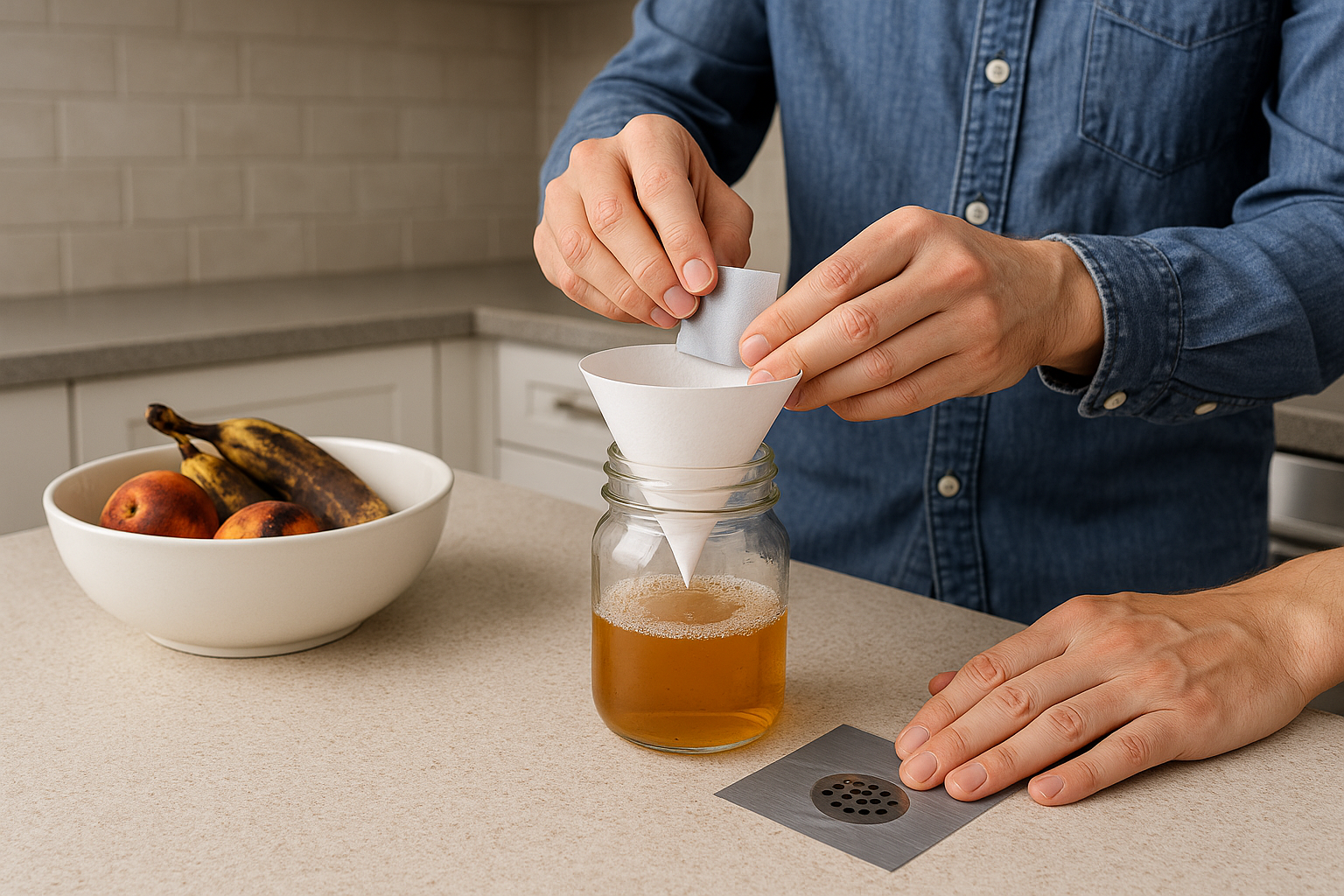
Deploy Traps
Traps are the fastest way to reduce the adult population while you finish cleaning. The classic apple cider vinegar (ACV) trap is cheap, non‑toxic, and surprisingly potent.
- Pour 1 cup of ACV into a glass jar.
- Add 1–2 teaspoons of dish soap; the soap breaks the surface tension so flies can’t escape.
- Cut a piece of paper into a funnel shape, roll it, and insert the narrow end into the jar opening, leaving a small gap for entry.
- Place the trap near the most active spots—usually under the fruit bowl, by the sink, or close to a light source.
If you prefer a living solution, position a small sundew plant (Drosera) on a sunny windowsill. The sticky leaves capture flies naturally, adding a decorative touch while you work.
Another quick method is the vacuum technique: turn on a handheld vacuum, aim it at flies hovering near lights, and empty the canister immediately to prevent escape.
Cost estimate: All supplies (vinegar, dish soap, a jar, paper, and optional sundew) total between $5 and $10.
Secure Food Storage
After you’ve cleared the obvious sources, prevent new ones from forming. Transfer any remaining fresh produce to airtight containers or, better yet, refrigerate it within two hours of purchase. For items that must stay at room temperature, use sealed plastic bins with a tight‑fit lid.
Finally, give the sink drains a hot‑water rinse. Boil a kettle of water, pour it slowly down each drain, and repeat twice. The heat destroys residual eggs and larvae that may have clung to the pipe walls.
Apply Knockdown Spray
When the breeding sites are gone and traps are in place, a targeted pyrethrum‑based aerosol can finish the job. “Naturally Derived Fruit Fly Spray” is a reputable option that combines fast knockdown with a low toxicity profile.
- Safety first: Wear disposable gloves, open windows for ventilation, and keep children and pets out of the treated area.
- Application timing: Spray during the early evening, when fruit flies are most active and the household lights are dimmed.
- Technique: Hold the can 12–18 inches from surfaces, spray a thin, even mist over countertops, trash can lids, and around drain openings. Avoid overspraying the food preparation area; a light coating is sufficient.
Price range: Expect to pay $12–$18 per 12‑oz can at Home Depot (2024 pricing). One can typically treats an entire kitchen for several weeks.
By following these four steps—locating and cleaning breeding sites, deploying inexpensive traps, securing food storage, and applying a safe knockdown spray—you can dramatically cut fruit‑fly numbers within hours. If the infestation persists after a full day of diligent effort, it’s time to call a professional like Anthem Pest Control for a targeted treatment plan.
Why Apple Cider Vinegar Works – The Science Behind the Trap
Fruit flies are attracted to the scent of fermenting sugars, the same aroma that ripening fruit emits. Apple cider vinegar (ACV) is essentially a fermented apple juice, so its volatile compounds closely mimic the natural odor profile that adult flies use to locate food and breeding sites. This chemical mimicry is the cornerstone of any effective DIY trap.
When a fly lands on the liquid surface, the addition of a few drops of dish soap dramatically changes the physics. The soap reduces surface tension, breaking the film that would normally let the insect walk or rest. As a result, the fly sinks and drowns, preventing it from escaping.
A 2023 University of Georgia Extension study measured capture rates of several homemade traps over a two‑week period in residential kitchens. The researchers reported that an ACV‑plus‑soap mixture captured an average of 85 % of the flies that entered the test area, outperforming both red‑wine and yeast‑sugar blends. You can read the full findings here: University of Georgia Extension 2023 study.
Below is a quick‑compare table that summarizes the three most common trap recipes, their primary attractants, typical cost, and the capture percentages reported in the same UGA trial.
| Trap Type | Attractant | Cost | Capture Rate (Study) |
|---|---|---|---|
| Apple Cider Vinegar | Fermenting sugars | $5‑$7 | 85 % |
| Red Wine | Ethanol & tannins | $6‑$9 | 78 % |
| Yeast + Sugar | CO₂ & aroma | $4‑$6 | 72 % |
Red wine relies on ethanol and tannins, which do attract flies but tend to evaporate quickly, reducing longevity. Yeast‑plus‑sugar releases carbon dioxide and a sweet aroma, yet the mixture can become overly foamy and spill. Both alternatives cost slightly more and show lower capture percentages, making ACV the most reliable, low‑maintenance option for homeowners.
Because ACV combines a strong, fruit‑like lure with a low price tag and a proven 85 % capture rate, it remains the go‑to solution for emergency fruit‑fly control in Druid Hills homes. Pair the trap with proper sanitation, and you’ll see the population drop within days.
Using Insecticide Sprays Without Worsening the Problem
When fruit flies are buzzing around your kitchen, a quick spray can feel like the fastest fix. However, using chemicals the wrong way can turn a short‑term win into a long‑term headache. Below is a concise guide that lets you knock down the adults safely while keeping resistance at bay.
Pyrethrum‑based aerosols are derived from chrysanthemum flowers and break down rapidly, making them a good choice for spot treatments. Synthetic permethrin products offer longer residual activity but can linger on surfaces and affect non‑target insects. Knowing the difference helps you pick the right can for the situation.
Both ingredient families are listed on the EPA’s fruit‑fly registration page. Verify that the label states “EPA‑registered” before you buy, and keep the product’s safety sheet handy.
Proper application steps
- Shake the can vigorously for 30 seconds to mix the propellant and active ingredient.
- Hold the nozzle 12–18 in. from the surface and spray, covering only the visible flies and their landing spots.
- Apply a light, even mist; over‑application creates excess residue that can encourage resistance.
- Close doors and windows, then wait at least 15 minutes before re‑entering the treated area.
Using too much spray not only wastes product, it can also select for resistant flies and even attract secondary pests like ants that feed on dead insects. If you notice reduced efficacy after a few applications, it’s a sign to pause chemical use.
In many cases, especially during a mild outbreak, you can skip the spray altogether and rely on fruit‑fly traps placed near ripe fruit or trash cans. Traps reduce the adult population without adding chemicals to your home, preserving both your family’s health and the environment.
Red Flags That Require Professional Intervention
Even if you’ve scrubbed counters, emptied trash, and removed overripe fruit, some scenarios show a DIY approach won’t cut it. When any of these red flags appear, call a licensed pest‑control professional—like Anthem Pest Control—who can eliminate fruit flies safely and permanently.
- Infestation persists after 48 hours. If fruit flies are still buzzing around a day and a half after you’ve eliminated every obvious source, the problem has likely moved beyond the visible.
- Multiple hidden breeding sites. Dense landscaping, under potted plants, or compost piles can harbor eggs and larvae that are invisible from the kitchen window.
- Flies showing up in sealed rooms or HVAC vents. This indicates they’re traveling through ductwork or finding cracks you can’t see, a sign that professional inspection is needed.
- Allergic or respiratory reactions among occupants. Sudden sneezing, coughing, or irritation may be triggered by the flies or their waste, and it warrants immediate expert intervention.
- Neighborhood context. In the Druid Hills Historic District and nearby Decatur homes, lush foliage and mature trees create perfect concealment for breeding sites, making a thorough, licensed treatment essential.
When you recognize any of these warning signs, don’t wait. A qualified technician can locate hidden sources, apply targeted treatments, and restore a fly‑free home for you and your family.
Anthem Pest’s Rapid‑Response Fruit Fly Treatment in Druid Hills
Inspection
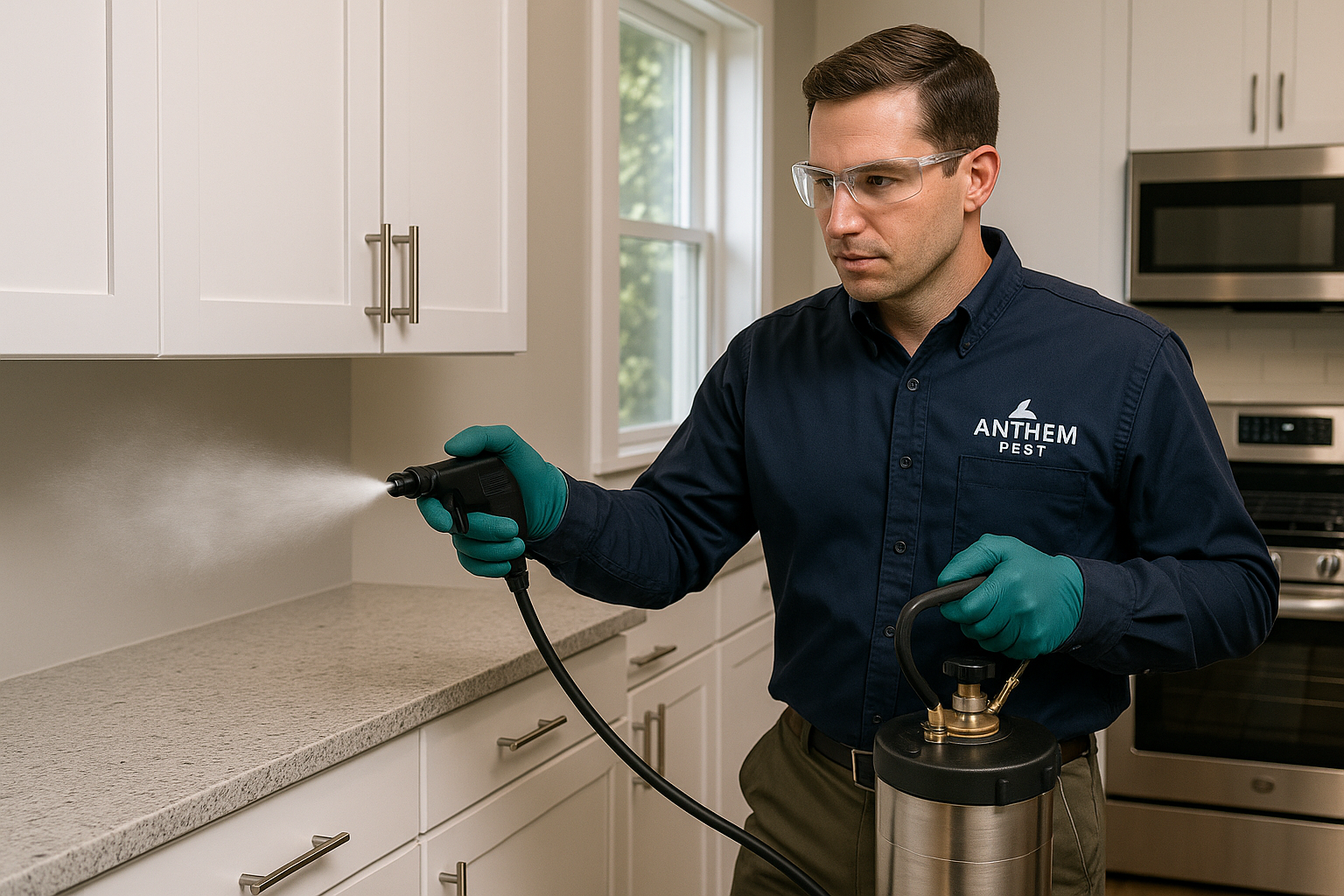
When you call Anthem Pest, the first step is a thorough visual inspection combined with a trap assessment. A certified technician walks through every room, checks fruit‑fly hotspots, and sets or evaluates monitoring traps to gauge the severity of the infestation. The inspection fee ranges from $75 to $95, a modest cost that ensures the treatment plan is precisely tailored to your home’s layout and the specific species present.
Treatment Options
Based on the inspection findings, Anthem offers three proven interventions designed to eliminate fruit flies quickly and keep them from returning.
- Targeted pyrethrum aerosol – A fast‑acting spray applied by a certified technician directly onto breeding sites. This aerosol knocks out adult flies on contact and provides immediate relief.
- Residual indoor spray – A low‑odor formulation that adheres to walls, ceilings, and other surfaces, offering protection for up to 30 days. It continues to kill any flies that land in treated zones long after the technician has left.
- Drain treatment – Fruit‑fly larvae often hide in kitchen and bathroom drains. Anthem uses an EPA‑approved larvicide that penetrates pipe walls, eradicates hidden larvae, and prevents future hatches.
Pricing
Anthem bundles the above options into convenient packages that keep costs transparent. All packages include the initial inspection fee.
| Package | Included Services | Price Range |
|---|---|---|
| Basic | Inspection + Targeted pyrethrum aerosol | $150 – $180 |
| Standard | Inspection + Aerosol + 30‑day residual spray | $200 – $230 |
| Premium | Inspection + Aerosol + Residual spray + Drain treatment | $250 – $280 |
Scheduling
Fruit‑fly outbreaks don’t wait, and neither does Anthem. Homeowners can secure a 24‑hour emergency appointment, and for truly critical cases, the company offers same‑day service. Once you confirm the appointment, a technician is dispatched within the promised window, ensuring the infestation is addressed before it spreads further.
Guarantee
Anthem stands behind its work with a 100 % satisfaction guarantee. If fruit flies persist after the initial treatment, the company will return for a free re‑treatment within 30 days. This guarantee underscores Anthem’s confidence in both the products used and the expertise of its technicians.
Ready to schedule your rapid‑response service? Visit Anthem Pest’s Druid Hills service page or call 877‑371‑8196 to speak directly with a local specialist.
Keeping Fruit Flies Out Year‑Round
Daily Kitchen Sanitation
Fruit flies thrive on the tiniest food residues. Wipe down countertops after each meal, sweep away crumbs, and rinse dishes before loading the dishwasher. A quick rinse of the sink and a dry wipe of the faucet help eliminate the moisture they love.
Weekly Deep Clean
Set aside an hour each week for a deeper dive. Pour boiling water down kitchen drains to melt organic buildup, then scrub the drain cover. Empty and scrub trash cans with a mild disinfectant, and give your pantry a thorough inspection—remove any forgotten fruit, spilled sugar, or damp packaging.
Trash Management
Use sealed, lidded trash bins both inside and outside the home. Schedule your curbside collection for the same day each week and keep the bin doors closed until pickup. If you compost, store the bin outdoors and line it with a tight‑fitting lid to keep flies from accessing fermenting material.
Drain Maintenance
Once a month, run an enzyme‑based cleaner through all kitchen drains. Enzymes break down the organic film that attracts flies, keeping the pipe walls clean without harsh chemicals. Follow the product directions and finish with a flush of hot water.
Seasonal Fruit Storage
During the summer harvest, move ripe fruit straight to the refrigerator or into airtight containers. Overripe produce should be discarded promptly—its soft interior is a perfect breeding ground. For fruit you want to keep at room temperature, place it on a tray away from the sink and clean the tray daily.
Printable Prevention Checklist
Print this quick reference and hang it on your fridge. A visual reminder makes it easier to stay consistent.
- Wipe counters & sweep crumbs after each meal
- Rinse dishes before loading the dishwasher
- Boil water down drains weekly; scrub drain covers
- Empty and disinfect trash cans every week
- Use sealed bins; schedule weekly trash pickup
- Run enzyme cleaner in drains once a month
- Store harvested fruit in the fridge or airtight containers
- Discard overripe produce immediately
Georgia and Atlanta Resources You Can Trust
Quick access to reliable information makes fruit‑fly emergencies easier to manage. Below are the key state, federal and local resources every Druid Hills homeowner should bookmark.
Georgia Department of Agriculture – Pest Fact Sheets
Find printable fact sheets on fruit‑fly biology, seasonal activity and treatment recommendations at the Georgia Department of Agriculture pest fact sheets page.
U.S. Environmental Protection Agency
The EPA’s indoor‑air‑quality guide explains how fruit flies affect indoor environments and outlines integrated pest‑management steps. Visit the EPA fruit‑fly page for details.
Centers for Disease Control and Prevention
CDC’s brief covers health risks, proper sanitation, and when professional help is needed. Read it here: CDC fruit‑fly brief.
Active Pest Control Blog – Georgia Insights
Active Pest Control regularly posts Georgia‑specific updates, seasonal alerts and DIY prevention tips that complement official guidance.
City of Atlanta – Solid Waste Division
Proper trash disposal reduces breeding sites. The city’s solid‑waste page lists Druid Hills collection days, recycling schedules and fruit‑waste disposal rules: City of Atlanta solid‑waste division.
Keeping these resources handy ensures you stay compliant with local regulations and can act swiftly when fruit flies appear.
Act Now, Protect Your Home
Fruit flies finish their life cycle in as little as seven days, turning a tiny nuisance into a full‑blown infestation fast. Within days they lay hundreds of eggs on fruit skins, kitchen counters, and damp garbage bins, creating a relentless cycle of contamination that can spread bacteria to food and threaten family health.
Quick DIY actions—cleaning drains, removing overripe produce, and setting traps—can slow the surge, but they rarely reach every hidden breeding site. Our certified Anthem Pest technicians use EPA‑approved tools and targeted treatments that are safe for children and pets, guaranteeing the colony is eliminated, not just suppressed.
Don’t wait for the problem to spread. Call Anthem Pest today at 877‑371‑8196 for a free, no‑obligation quote and same‑day emergency scheduling. Acting now prevents costly re‑treatments and safeguards your pantry, countertops, and peace of mind. Visit Anthem Pest Control to protect your home now.