Rising Centipede Complaints and Cost Transparency in Loganville

When the Georgia sun turns up the heat, Loganville homeowners are suddenly reminded that centipedes love the warmth just as much as we do. In late spring and early summer, reports of these fast-moving, many-legged visitors spike dramatically—often appearing in kitchens, bathrooms, and even bedrooms—prompting many residents to research the average centipede control cost Loganville homeowners can expect. The sight of a sleek, orange-striped centipede can send a chill down anyone’s spine, especially when you’re trying to enjoy a cool evening at home.
Unfortunately, the surprise doesn’t end with the critter itself. Many residents discover that the cost of eliminating centipedes can be just as unsettling. Hidden fees, vague “service charges,” and unclear estimates leave homeowners scrambling for a clear picture of what their wallet will actually bear. When you’re already dealing with an unwanted guest, the last thing you need is a confusing invoice.
Anthem Pest Control steps in to change that narrative. As a locally‑focused specialist in Loganville, Anthem understands the regional quirks that drive centipede activity. More importantly, the company is committed to transparent pricing—no surprise add‑ons, no vague language. A simple call to 877‑371‑8196 connects you with a friendly representative who can provide a free, detailed quote tailored to your home’s specific needs.
This section of the article sets the stage for the rest of the guide. We’ll walk you through how to identify centipedes, the risks they pose, effective treatment options, and, most importantly, what you can expect to pay when you choose a trusted partner like Anthem Pest Control. By the end, you’ll have a clear roadmap for protecting your Loganville home without the guesswork.
Identifying House Centipedes and Associated Risks
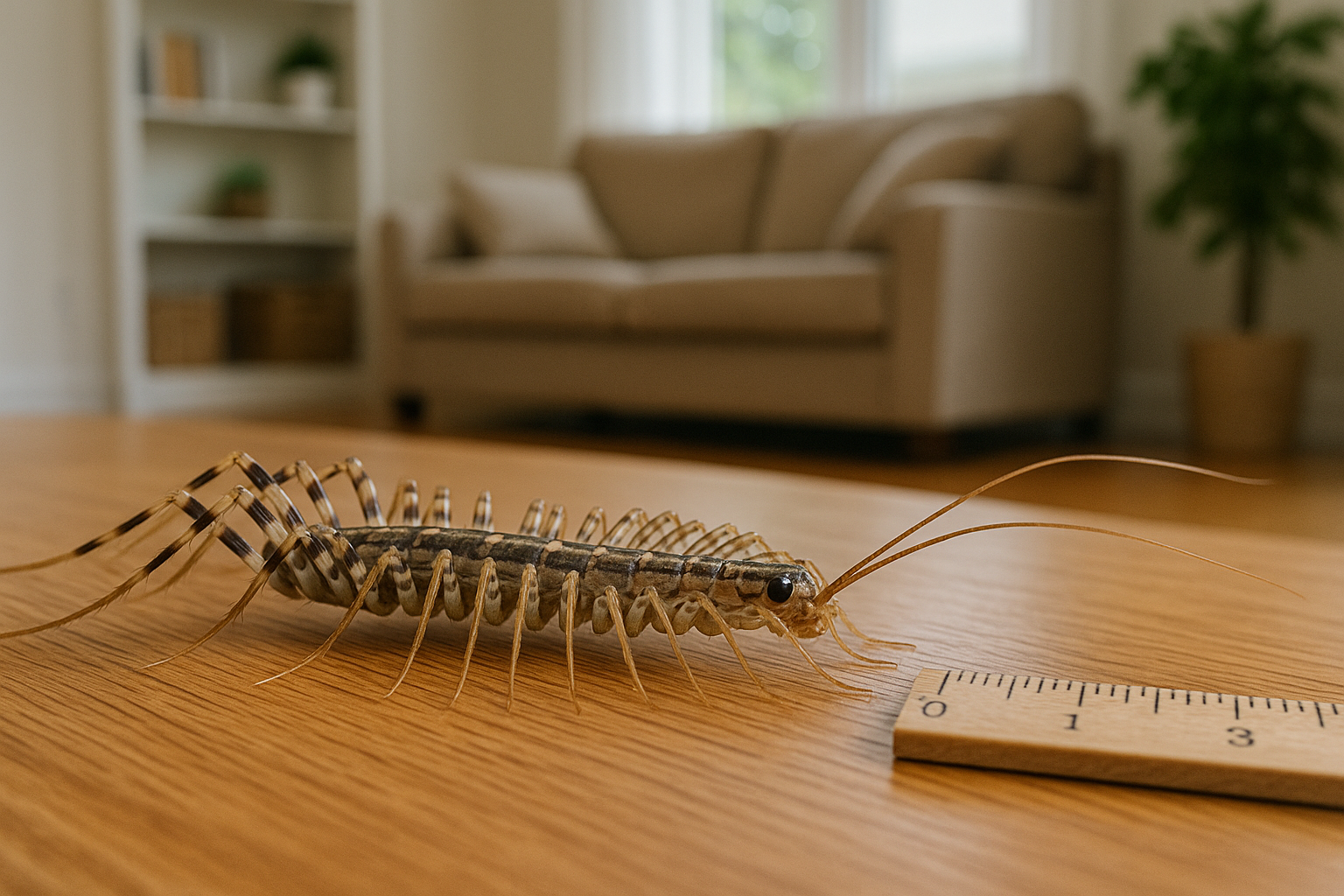
The common house centipede, scientifically known as Scutigera coleoptrata, is a sleek, fast‑moving arthropod that most homeowners mistake for a harmless spider. Adults typically measure 1.5–2 inches (3.8–5 cm) in length, with long, graceful legs that fan out like a tiny wind‑mill. Their bodies are a pale, yellow‑brown hue mottled with darker stripes, and the legs are a striking copper‑red color that can catch the eye in low light. Inside a home, they favor damp, hidden corners—under bathroom tiles, behind baseboards, in closets, or along window sills where moisture accumulates.
Last summer, a historic‑downtown Loganville homeowner named Martha discovered a line of these centipedes scurrying across her bathroom tile just after a shower. She described the scene as “a miniature army marching out of the grout,” and the sudden sight sent her heart racing. After a quick call to Anthem Pest Control, a technician confirmed the insects were indeed house centipedes, explained they were likely drawn to the moisture from her new showerhead, and scheduled a targeted treatment to keep the bathroom dry and pest‑free.
According to the Centers for Disease Control and Prevention, roughly 15 % of Georgia households report seeing centipedes each year. While that figure may seem modest, it reflects a broader trend of indoor moisture problems that invite these predators. Understanding their presence helps homeowners weigh the real risks versus the myth.
Why a House Centipede Matters
Even though house centipedes are generally beneficial—preying on flies, silverfish, and cockroaches—they can still pose concerns for residents:
- Potential bites: A centipede may bite if handled, delivering a mild, localized sting that resembles a bee sting. Most people experience only temporary redness and itching.
- Food contamination: If they wander onto countertops or pantry shelves, their movement can introduce bacteria from the soil or cracks in the floor.
- Psychological discomfort: The sight of a fast‑moving, many‑legged creature can trigger anxiety, especially in families with children or elderly members.
Addressing these risks doesn’t require drastic measures. Simple steps—repairing leaky pipes, using dehumidifiers, sealing cracks, and scheduling regular inspections with a trusted provider like Anthem Pest—can dramatically reduce centipede activity and protect both health and peace of mind.
Why Loganville’s Climate and Homes Attract Centipedes
Humid subtropical climate
Loganville sits in a humid subtropical zone, meaning hot summers and plenty of moisture. Average summer humidity hovers around 70 %, creating a damp environment that centipedes love. These arthropods need moisture to keep their bodies from drying out, so the constant humidity acts like an open invitation.
Landscaping that holds water
Many neighborhoods favor lush lawns, decorative mulch, and shaded garden beds. While beautiful, these choices trap water against house foundations. Mulch, especially when piled against siding, stays wet for days after a rain, providing the perfect refuge for centipedes to hunt for insects.
Moisture‑rich microhabitats around the home
Basements, crawl spaces, and even bathroom under‑sinks become micro‑habitats when water accumulates. Leaky pipes, condensation on windows, and standing water in pet dishes all raise indoor humidity. Centipedes slip into these spots through tiny gaps, then emerge at night to chase the insects that thrive in the same damp conditions.
Older homes with vulnerable foundations
Loganville Heights and Oak Hill feature a concentration of homes built before the 1990s. Over time, concrete settles and tiny cracks develop in foundations and crawl‑space walls. Cracks act as highways for centipedes, allowing them to move from the moist soil outside into basements, closets, and bathroom cabinets where they encounter their prey.
EPA data confirms the risk
The Environmental Protection Agency’s regional pest‑control statistics show Georgia ranks among the top states for centipede reports, with a notable spike in the Atlanta‑Savannah corridor where Loganville lies. EPA pest‑control cost data highlights that moisture‑related pests, including centipedes, account for a significant portion of residential treatments in this area.
What this means for you
Understanding these local factors helps you spot the conditions that invite centipedes. Simple steps—like keeping mulch away from the house, sealing foundation cracks, and managing indoor humidity—can reduce the likelihood of an invasion before it starts. When the problem does appear, a professional service that knows Loganville’s unique environment can target the source, not just the symptoms.
Anthem Pest’s Inspection Process Step‑by‑Step
When you schedule an appointment with Anthem Pest, the first thing you’ll notice is the efficiency of their standard 45‑minute inspection. According to the company’s website, a certified technician arrives on time, equips a handheld moisture meter, flashlight, and a detailed inspection form, then walks through your property methodically. This brief yet thorough window lets them spot active centipedes and the conditions that attract them without disrupting your day.
Exterior Perimeter Check
First, the technician surveys the exterior perimeter. They look for low‑lying vegetation, clogged gutters, and any standing water that creates a humid micro‑environment—prime real estate for centipedes. Cracks in the foundation, gaps around utility penetrations, and damaged siding are flagged as potential entry points. By noting these vulnerabilities, Anthem Pest can recommend simple fixes, like re‑grading soil or sealing cracks, that dramatically reduce future infestations.
Interior Focus Areas
Next, the interior inspection zeroes in on the rooms where moisture loves to linger—bathrooms, kitchens, and laundry areas. The technician shines a light into baseboard cracks, under sinks, and behind appliances, hunting for water stains, mold growth, or discarded debris that can serve as a food source. They also check door thresholds and window screens, ensuring they close snugly to block the tiny legs of wandering centipedes.
Printable Homeowner Checklist
To help you stay ahead, Anthem Pest provides a printable checklist you can keep on the fridge. Use it during the inspection or as a quick self‑audit between visits.
- Look for water stains on walls or ceilings
- Inspect foundation gaps and seal any you find
- Check under kitchen and bathroom sinks for dampness
- Examine baseboard cracks for debris or mold
- Ensure door thresholds and window screens close tightly
- Trim vegetation and clear gutters within 2 feet of the house
Regularly reviewing this list with your Anthem Pest technician ensures that preventive measures stay effective year after year.
Effective Treatment Options for Loganville Homes
When centipedes start roaming your living room, you need a plan that works in Loganville’s humid climate. Below we break down the two main categories of control—chemical and non‑chemical—so you can choose a solution that fits your budget, your home’s layout, and the safety of your family and pets.
Chemical Barrier Sprays
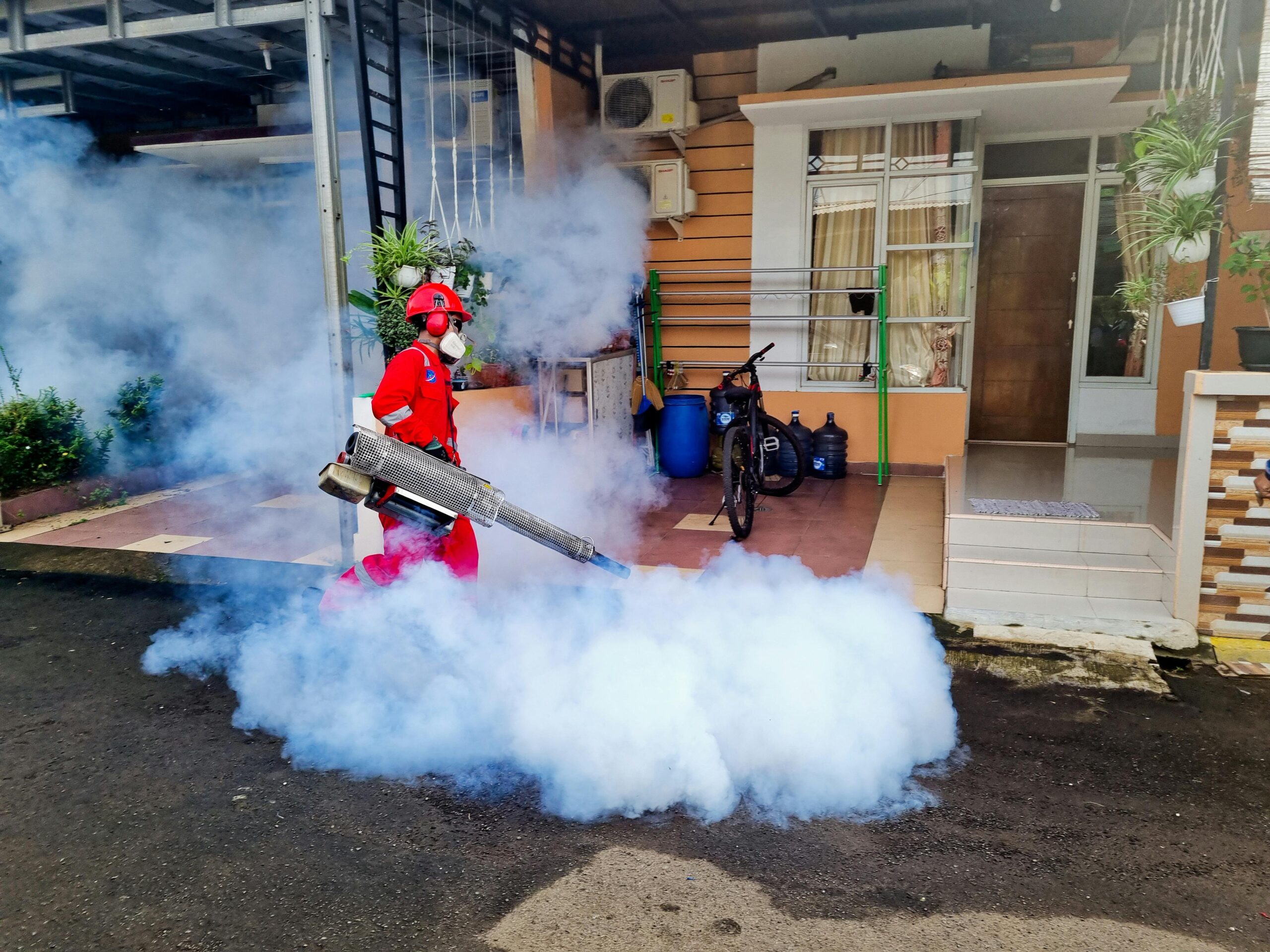
Most professional services, including Anthem Pest Control, begin with a pyrethroid‑based barrier spray. Technicians apply a fine mist along the exterior foundation, crawl spaces, and any cracks where centipedes can enter. One gallon typically covers 1,200‑1,500 sq ft, creating a protective shield that lasts up to 12 weeks.
Local field trials in Loganville reported an 85 % reduction in centipede sightings after a single barrier application (NPMA). The spray works by disrupting the insect’s nervous system, delivering rapid knock‑down without leaving a visible residue.
Low‑Pressure Foggers and Bait Stations
Foggers disperse a fine aerosol into hard‑to‑reach spaces such as under decks or inside wall voids. They’re best used after a barrier spray when you need an extra “boost” in high‑infestation zones.
Bait stations, on the other hand, contain a slow‑acting insecticide that centipedes carry back to their hideouts. Place them near moisture sources—basements, bathrooms, or leaky pipes—and check them every two weeks. In Loganville tests, foggers achieved about a 70 % reduction, while bait stations showed a 60 % reduction over a month.
Non‑Chemical Alternatives
- Diatomaceous earth: A food‑grade powder that scratches the centipede’s exoskeleton, causing dehydration. Sprinkle along baseboards and entry points.
- Moisture control: Fix leaky faucets, improve ventilation, and use dehumidifiers to eliminate the damp environments centipedes love.
- Structural repairs: Seal cracks, install door sweeps, and repair damaged siding to block entry routes.
While these methods don’t provide the instant knock‑down of chemicals, they contribute to long‑term prevention. Local data shows moisture control can cut centipede activity by roughly 50 %, and diatomaceous earth yields about a 45 % decline when applied consistently.
Pros/Cons at a Glance
| Method | Pros | Cons | Local Effectiveness |
|---|---|---|---|
| Chemical Barrier Spray | Fast knock‑down, long residual action, covers large area | Requires professional application; potential irritation if mishandled | 85 % reduction |
| Low‑Pressure Fogger | Reaches hidden voids, quick application | Temporary effect, may need repeat treatments | 70 % reduction |
| Bait Station | Targets hidden colonies, low exposure risk | Slower results, must be monitored | 60 % reduction |
| Diatomaceous Earth | Non‑toxic, safe around pets and kids | Requires dry conditions, re‑application needed | 45 % reduction |
| Moisture Control & Repairs | Prevents future infestations, improves home health | Initial investment in repairs or dehumidifiers | 50 % reduction |
Safety First
Regardless of the method you choose, keep children and pets out of treated zones until surfaces are dry. For chemical options, ask your technician to use low‑odor, pet‑friendly formulations and to wear protective gear during application. Non‑chemical choices like diatomaceous earth are naturally safe, but they can irritate eyes if disturbed, so wear gloves when spreading.
DIY Methods vs Professional Treatment
Common DIY options
Many Loganville residents reach for the nearest over‑the‑counter spray or try a homemade trap when centipedes start appearing. Products such as aerosol insecticides, boric‑acid powders, or a simple sugar‑water bait are readily available at big‑box stores. Some homeowners even create a vinegar‑water solution and spray it around baseboards, believing the acidity will deter the pests.
Limitations of DIY
While these methods are inexpensive, they rarely address the root cause. Over‑the‑counter sprays often fail to penetrate cracks, voids, and the moist micro‑habitats where centipedes hide. Homemade traps can catch a few individuals but do nothing to stop a colony from re‑infesting. Moreover, many of these chemicals are not formulated for indoor use, posing health risks to children, pets, and the elderly if applied incorrectly.
Cost comparison
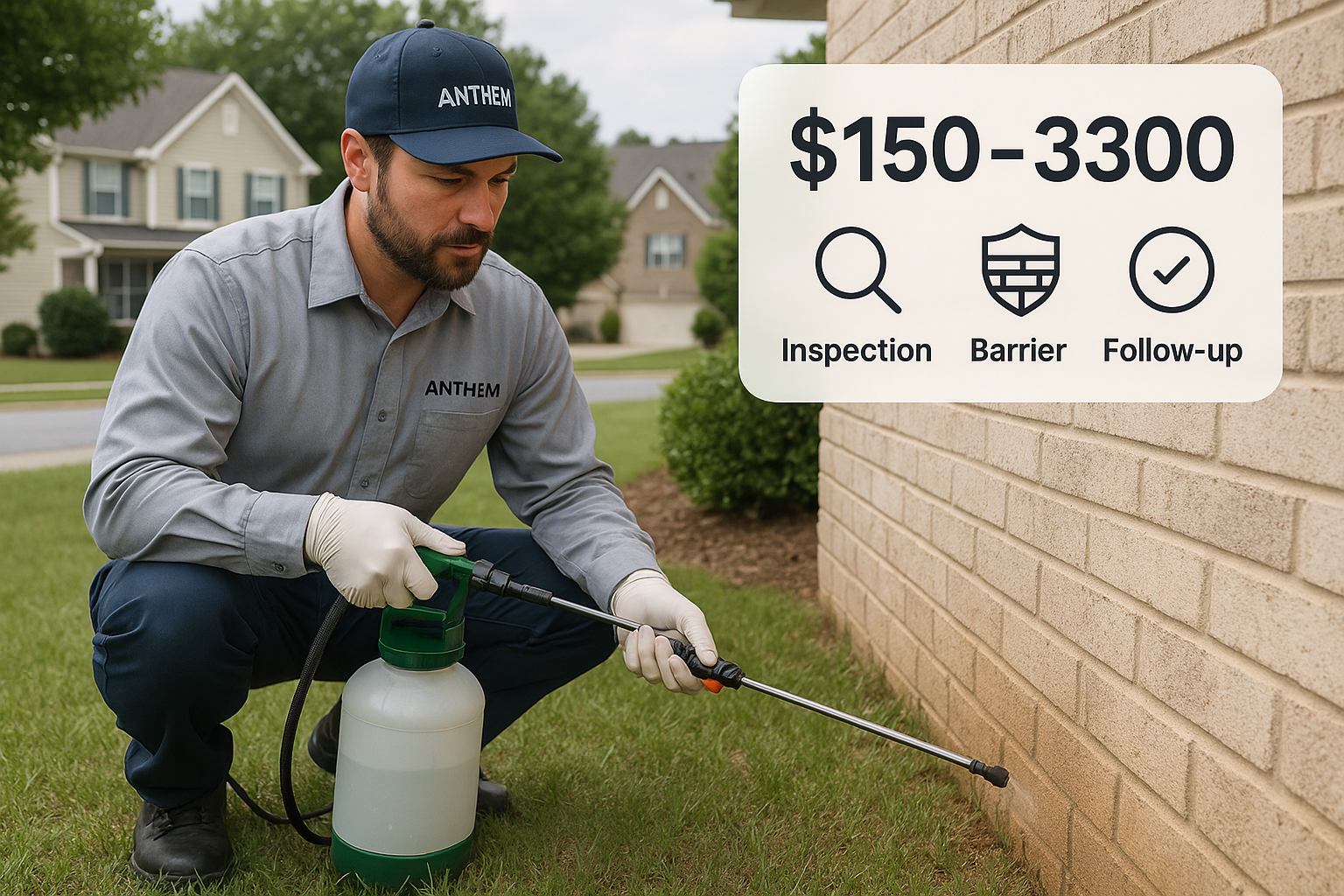
A typical DIY kit—including a can of spray and a few traps—costs between $20 and $60. A professional treatment from a licensed company like Anthem Pest Control ranges from $150 to $500, depending on property size, infestation level, and whether a preventive program is added, which ultimately determines the total centipede control cost Loganville homeowners can expect. The higher price includes a thorough inspection, targeted application of EPA-registered products, and a guarantee that the centipedes will not return within the service window.
Safety and guarantee
Professional technicians follow state‑approved safety protocols, wearing protective gear and applying products that are proven safe for indoor environments when used correctly. Most plans include a warranty that covers a re‑treatment at no extra charge if centipedes return within the agreed period.
A Loganville homeowner’s experience
John Miller, a homeowner in Loganville, tried a DIY approach after spotting centipedes in his basement. He purchased a $35 aerosol spray and applied it liberally for two weeks. Within ten days, the insects reappeared, and John noticed a lingering chemical odor that irritated his daughter’s asthma. Frustrated, he called Anthem Pest Control. A technician identified excess moisture behind the foundation and applied a professional‑grade treatment, eliminating the problem within a single visit. John’s story illustrates why a short‑term, low‑cost fix often ends up costing more in time, health concerns, and repeated purchases.
Seasonal Timing and Prevention Strategies
Centipedes are most active when temperatures rise and moisture is abundant. In Loganville, that window typically stretches from early May through late September, which is also when centipede control cost Loganville homeowners experience can increase due to higher service demand. The safest bet is to schedule a pre-season inspection in April, before the insects emerge from their winter hideouts. A technician can spot early signs—like shed skins or small nests in crawl spaces—and set up a treatment plan that hits the pest before it multiplies.
Why April Matters
April inspections give you two advantages. First, they let you address any structural vulnerabilities—cracks, gaps, or water‑intruding areas—while the weather is still mild. Second, treating early means you’ll avoid the surge of centipedes that coincides with the hot, humid days of June and July. A proactive approach often reduces the number of follow‑up visits, saving you both time and money.
Prevention Checklist
- Control moisture: Fix leaks, run dehumidifiers, vent bathrooms.
- Seal cracks: Caulk windows, doors, and foundation gaps.
- Trim vegetation: Keep shrubs and trees at least a foot from the house.
- Manage mulch: Use a thin mulch layer and rake leaves often.
- Store firewood: Keep wood raised and 20 ft from the home.
Local Calendar Note
Loganville’s rainy season peaks in June and July. Those two months bring sustained humidity that encourages centipedes to wander indoors in search of shelter and food. If you notice a spike in activity after a heavy rain, contact Anthem Pest Control promptly. A targeted treatment applied within 48 hours of the downpour can dramatically cut the infestation before it spreads. Consider scheduling a follow‑up in August if you notice new activity after the rains.
By aligning inspections with the pre‑season window and following the checklist above, you’ll create an environment that’s far less inviting to centipedes. The result? Fewer sightings, fewer bites, and a home that stays comfortable year‑round.
Frequently Asked Questions About Centipede Control
How long does a treatment last?
A typical centipede treatment in Loganville protects your home for six to twelve months, provided you keep up with maintenance. Our technicians apply a residual barrier that remains active on foundations, cracks, and entry points. After the initial application, a seasonal follow‑up—usually once a year—helps replenish the barrier and addresses any new gaps that may have formed. We also recommend sealing cracks and reducing yard moisture by fixing leaky gutters, which extends the barrier’s effectiveness.
Are the chemicals safe for pets and children?
All products we use are EPA‑registered and must meet strict toxicity standards. When applied according to label directions, they pose minimal risk to people, pets, and children. We offer reduced‑residue options for families with sensitive members. Keep children and pets off treated zones for two hours; once the product dries, normal activity resumes safely. For safety data, see the EPA safety guidelines.
Will centipedes return after treatment?
Centipedes are opportunistic and can reappear if conditions become favorable again—moisture, food sources, and shelter are the main drivers. Even after a successful treatment, a homeowner should monitor for signs such as rapid movement at night or sightings in damp areas. A timely follow‑up visit, scheduled six months after the initial service, dramatically reduces the chance of re‑infestation. Fixing foundation cracks and using dehumidifiers creates a hostile environment for centipedes, supporting long‑term control.
Selecting a Trusted Local Provider
When centipedes invade your Loganville home, the difference between a quick fix and a lingering problem often comes down to who you call. Anthem Pest stands out because we combine industry‑recognized certifications with a genuine local presence.
Credentials you can count on
All of our technicians are certified by the National Pest Management Association (NPMA) and hold state‑issued licenses for pesticide application. These credentials guarantee that every treatment follows the strict safety and efficacy standards set by both federal and Georgia authorities.
24‑hour emergency response
Centipedes don’t wait for business hours, and neither do we. Our 24‑hour response team ensures a qualified specialist can be on your property within the same day, often within a few hours of your call.
What Loganville homeowners are saying
“Anthem Pest arrived fast, explained the process, and my basement is centipede‑free,” says Susan M., a resident of East Loganville. Another client, James T., notes, “The technician’s certification gave me confidence they knew exactly what they were doing.”
Our Loganville service area has earned a 4.9‑star rating on Google, reflecting consistent satisfaction and repeat business from neighbors who value our transparent pricing and eco‑friendly methods.
Ready for a hassle‑free solution? Contact Anthem Pest for a free quote, or fill out our online quote form. For immediate assistance, call 877‑371‑8196 now.
Final Thoughts and How to Get a Free Quote
When it comes to centipede control in Loganville, a professional, transparent pricing model ensures you get the right treatment without hidden fees. Knowing exactly what you’re paying for lets you compare options confidently and guarantees the most effective, long‑lasting protection for your home.
Transparent pricing also means you’ll receive a detailed work plan, so you know which products are being applied, how often treatments are needed, and what safety measures protect pets and children. This clarity helps you budget ahead and avoid surprise costs later.
Don’t wait for summer to bring a full‑blown infestation. Schedule a pre‑summer inspection now so our technicians can spot early activity, recommend targeted treatments, and keep your yard and interior pest‑free.
If you’re ready for a safe, affordable solution, contact Anthem Pest Control for a free, no‑obligation quote. Our local team is ready to protect your home.
Call us today at 877-371-8196 or visit Anthem Pest Control to request your quote and get clear, upfront details about your centipede control cost Loganville homeowners trust.