Introduction – Why Cockroach Control Matters in Lilburn
In the spring of 2023 the CDC released a county‑wide report that showed a 12 % jump in indoor cockroach complaints across Gwinnett County. That spike isn’t just a statistic—it translates to more families in Lilburn waking up to the sight of roaches scurrying across kitchen counters or hidden in bathroom cracks.
Beyond the “ick” factor, roaches carry a serious health baggage. They routinely contaminate food with bacteria such as Salmonella and E. coli, turning a simple snack into a potential stomach‑upset. Their shed skins, droppings, and dead bodies become potent allergens that can trigger sneezing, skin rashes, and, for many asthma sufferers, a full‑blown attack. In a humid climate like Lilburn’s, these allergens linger longer, making every unchecked infestation a hidden health hazard.
Health Risks at a Glance
- Food contamination: Bacteria from roach saliva and feces can spoil meals and cause food‑borne illness.
- Allergic reactions: Proteins in roach debris often provoke skin irritation, sneezing, and watery eyes.
- Asthma triggers: Inhalation of airborne allergens can provoke asthma attacks, especially in children and seniors.
Lilburn’s dense neighborhoods and the region’s warm, moist weather create an ideal breeding ground for cockroaches. Small cracks in foundations, stacked firewood, and even the occasional outdoor gathering can provide the shelter and food sources roaches need to thrive. When one home becomes infested, the insects can easily migrate to the next door, turning a single problem into a block‑wide concern.
Beyond health, an unchecked roach problem can damage cabinets, upholstery, and lower a home’s resale value. Prompt, professional control stops the damage before it spreads and protects the investment you’ve made in your property.
That’s why we’ve built this guide: to give Lilburn homeowners a crystal‑clear picture of what they can expect to pay for professional cockroach control and which service options best fit their situation. Whether you’re dealing with a first‑time sighting or a long‑standing infestation, understanding the cost structure helps you make an informed decision without surprise invoices.
Quick Fact: The average national cost for cockroach control ranges from $150 – $350 per treatment. (Source: NPMA 2024 Cost Survey)
Lilburn’s Cockroach Landscape – Species, Seasons, and Hotspots
What’s crawling in Lilburn?
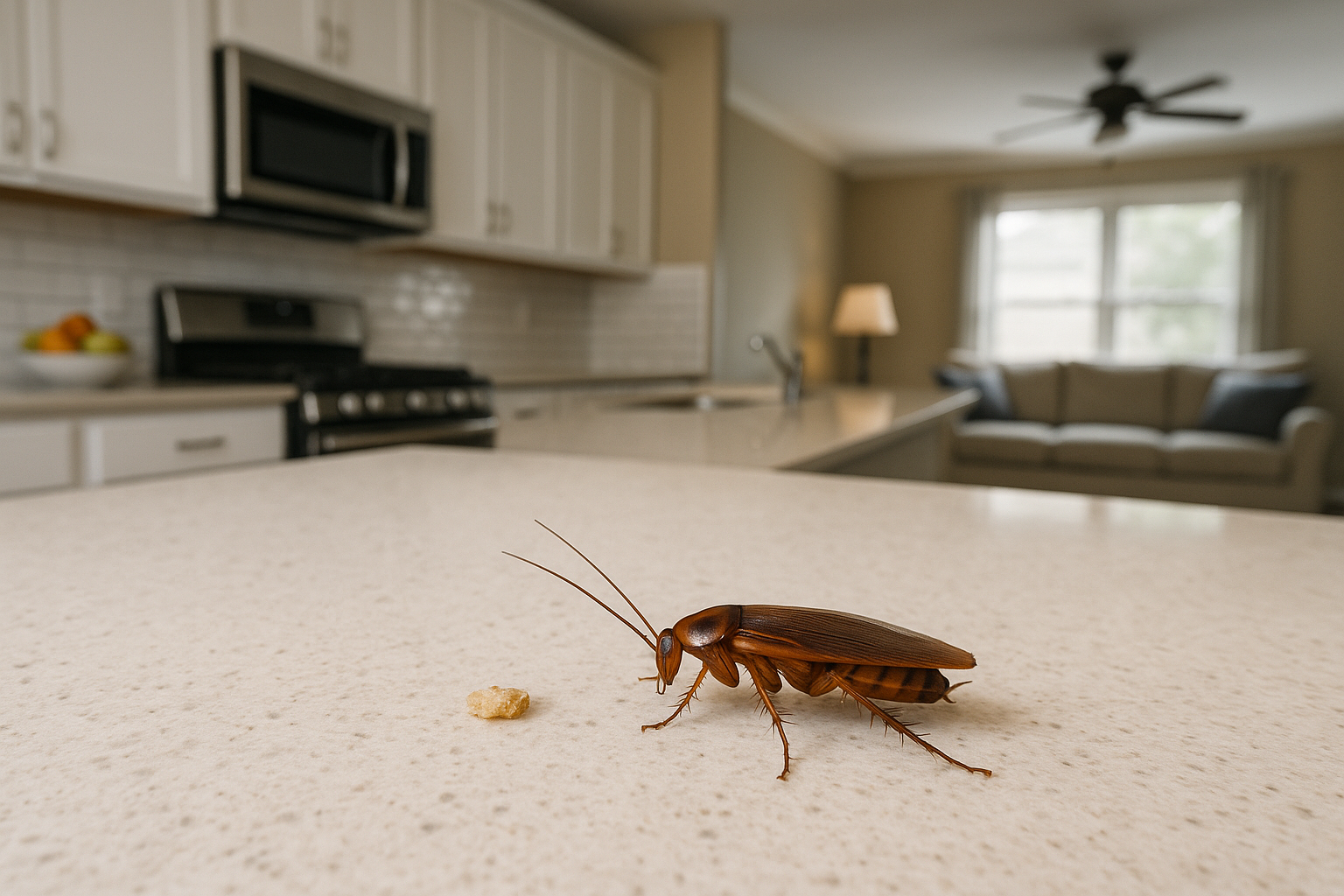
The two culprits you’ll most likely encounter are the German cockroach (Blattella germanica) and the American cockroach (Periplaneta americana). According to the EPA Roach Control Guidelines, German roaches dominate urban kitchens, accounting for roughly 70 percent of indoor sightings in the Southeast, while American roaches prefer larger, damp basements and crawl spaces, making up the remaining 30 percent. Both species thrive in the warm, humid climate of Lilburn, but they differ in size, color, and preferred hiding spots—knowledge that helps you spot the right pest early.
How we confirm their presence
The Georgia Department of Agriculture (GDA) issues quarterly pest alerts that map roach activity by county. Recent GDA bulletins list Lilburn in Gwinnett County as a “high‑risk zone” for German roaches during summer months, echoing EPA data. These alerts are based on trap counts from local pest‑management professionals, giving homeowners a reliable, government‑backed snapshot of which species are most prevalent in their neighborhood.
When they’re most active
Seasonality is a game‑changer. The CDC’s 2022 indoor pest seasonality chart shows a clear surge in cockroach activity from June through early October, driven by higher humidity and warmer night temperatures. German roaches multiply fastest at 80–90 °F, while American roaches become especially mobile after heavy rains raise basement moisture levels. This means a single summer thunderstorm can trigger a rapid population spike that lasts several weeks if left unchecked.
Neighborhood hotspots
Three areas in Lilburn consistently report higher infestation rates:
- Brookside – older ranch‑style homes with foundation cracks that let roaches slip into crawl spaces.
- South Brookhaven – a mix of multi‑family rentals where high foot traffic and shared laundry facilities create ideal feeding stations.
- Historic Downtown – historic brick buildings with aging plumbing and frequent restaurant turnover, offering abundant food and water sources.
These zones share common risk factors: aging structures, limited maintenance budgets, and a concentration of food‑service establishments.
Real‑world example
Consider the case of a Brookside homeowner who noticed a sudden influx of small, fast‑moving roaches after a heavy summer rainstorm. Within 48 hours, traps placed in the kitchen caught dozens of German cockroaches, while a basement inspection revealed a damp, cracked foundation wall—perfect entry points for American roaches seeking moisture. The homeowner’s quick call to Anthem Pest Control resulted in a targeted bait‑gel application for the kitchen and a perimeter treatment around the foundation, halting the outbreak before it spread to neighboring units.
From Inspection to Ongoing Prevention – What Professional Service Includes
When you call a licensed pest‑control firm in Lilburn, the first thing you’ll notice is a systematic, step‑by‑step approach. A professional cockroach control program isn’t a “spray‑and‑forget” job; it’s a sequence that starts with a thorough inspection and ends with a long‑term prevention plan.
Typical Workflow
- Initial Inspection – A certified technician walks through your home, checking kitchens, bathrooms, basements, and any hidden cracks where roaches love to hide. They use flashlights, moisture meters, and sometimes sticky traps to gauge activity levels.
- Species Identification – Not all cockroaches behave the same. German, American, and Oriental roaches each have different habits and resistance patterns, so pinpointing the species tailors the next steps.
- Customized Treatment Plan – Based on the inspection and species, the technician designs a plan that may combine gel baits, dusts, perimeter sprays, and Integrated Pest Management (IPM) tactics.
- Follow‑Up Visits – Most programs include at least two revisits to assess efficacy, reapply treatments if needed, and set up monitoring stations for early detection.
Treatment Options Explained
- Gel Baits – Attractive to roaches, these low‑dose gels are placed in cracks and corners where insects travel. They ingest the poison and share it with the colony.
- Dust Insecticides – Applied in voids and wall voids, dusts cling to surfaces and remain active for months, targeting hidden nests.
- Perimeter Sprays – A fine mist around the exterior foundation creates a barrier that deters roaches from entering.
- Integrated Pest Management (IPM) – Combines chemical controls with sanitation advice, moisture reduction, and structural sealing to cut off the roach life cycle.
Safety First
All products used by Anthem Pest are EPA‑approved and formulated to be child‑ and pet‑friendly. Technicians wear protective gear, and any indoor applications are placed out of reach of curious hands and paws. Homeowners receive clear post‑treatment instructions to keep everyone safe.
Cost & Durability Comparison
| Feature | One‑Time Gel Bait | Quarterly IPM Program |
|---|---|---|
| Upfront Cost | ≈ $120 | ≈ $380 per year |
| Duration of Effectiveness | 2–4 weeks | 12 months (continuous) |
| Re‑infestation Risk | Higher – no ongoing monitoring | Low – regular checks & adjustments |
| Included Services | Gel placement only | Inspection, baits, dusts, perimeter spray, education |
Anthem Pest Offerings
- Cockroach Shield Plan – Quarterly IPM visits, unlimited monitoring, and a 100% satisfaction guarantee.
- Rapid Response Service – Same‑day inspection and treatment for urgent infestations, with a follow‑up check within 7 days.
Transparent Pricing – How Much Does Cockroach Control Cost in Lilburn?
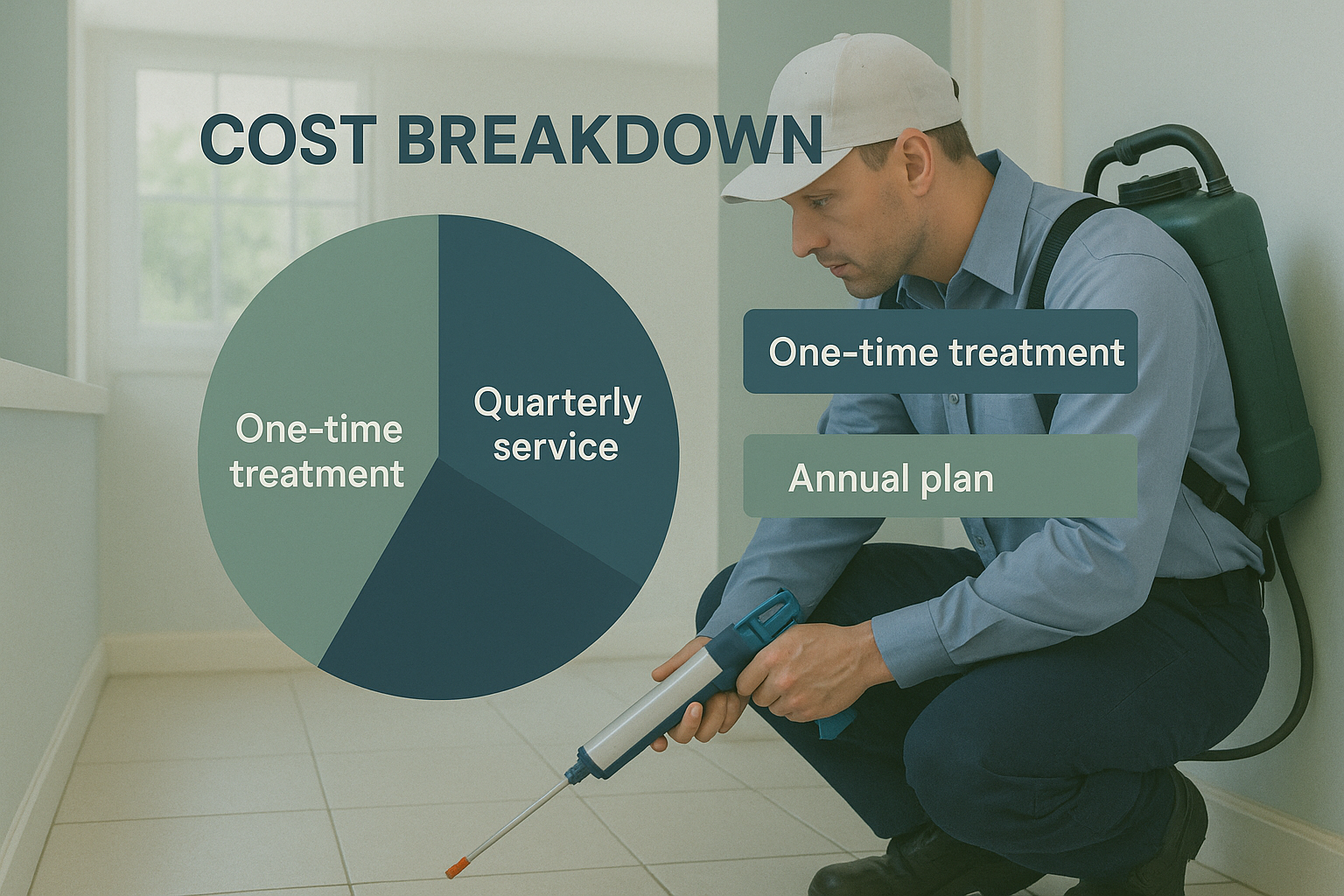
When a roach invasion shows up in your kitchen, the first thing most homeowners want to know is the price tag. At Anthem Pest Control we believe that a clear, data‑driven quote builds trust before any spray hits the wall. Below is a snapshot of 2024 pricing trends for Lilburn, GA, broken down by service model, plus the key factors that can shift those numbers.
2024 Price Ranges for Common Service Models
| Service Model | Price Range |
|---|---|
| One‑time treatment | $120 – $250 |
| Quarterly service package (per visit) | $180 – $350 |
| Annual protection plan (4 visits + monitoring) | $600 – $1,200 per year |
These figures come from the National Pest Management Association (NPMA) and HomeAdvisor surveys, calibrated with local input from the Georgia Pest Management Association (GPMA). A one‑time spray is ideal for a minor sighting, while quarterly and annual plans are designed for ongoing protection in homes where roaches are a recurring problem.
What Drives the Cost?
- Home size (square footage). Larger floor plans require more product and longer labor times, nudging the price upward.
- Infestation severity. A light sighting may be handled with a single bait placement, whereas a heavy infestation often demands multiple treatment points and possibly structural crack sealing.
- Treatment type. Conventional sprays are less expensive than integrated pest‑management (IPM) solutions that combine baits, dusts, and monitoring devices.
- Property type. Single‑family homes usually cost less per square foot than multi‑unit buildings, where access to shared walls and common areas adds complexity.
By assessing these variables during a free on‑site estimate, Anthem can present a customized quote that reflects exactly what your home needs—no hidden fees.
Local Verification – Lilburn Data
The GPMA’s 2024 Lilburn market report confirms that the average cost for a professional cockroach treatment sits at $165 per visit for single‑family homes and $210 per visit for multi‑unit complexes. When you bundle visits into a quarterly or annual plan, the per‑visit cost drops by roughly 15 % thanks of scheduled maintenance and reduced emergency call‑outs.
DIY vs. Professional – Cost‑Benefit Snapshot
Do‑it‑yourself options typically involve purchasing gel baits or bait stations for $30‑$60 per package. While the upfront outlay is low, DIY solutions often require multiple reapplications and provide only short‑term control. In contrast, a professional annual plan (average $900) delivers:
- Long‑term ROI through reduced re‑treatment frequency.
- Expert identification of hidden harborages that DIY products miss.
- Reduced health risks, because licensed technicians apply EPA‑approved products safely.
- Peace of mind backed by a service guarantee.
When you weigh the hidden costs of repeated DIY purchases, potential property damage, and health concerns, professional treatment frequently proves more economical over a 12‑month horizon.
Quick FAQ
- Do I pay per visit or per year? Both options are available. One‑time treatments are billed per visit, while quarterly and annual plans are either paid per visit or as a single upfront annual fee.
- Is there an extra charge for large homes? Yes. Pricing scales with square footage, but Anthem offers a transparent multiplier so you’ll see the exact adjustment on your quote.
- What if the roaches return after treatment? Our annual protection plan includes a free follow‑up visit if activity is detected within the coverage period.
- Can I combine cockroach control with other pest services? Absolutely. Bundling services—such as ant or spider control—often yields a 10‑15 % discount on the total package.
Everyday Prevention Tips to Keep Cockroaches Away
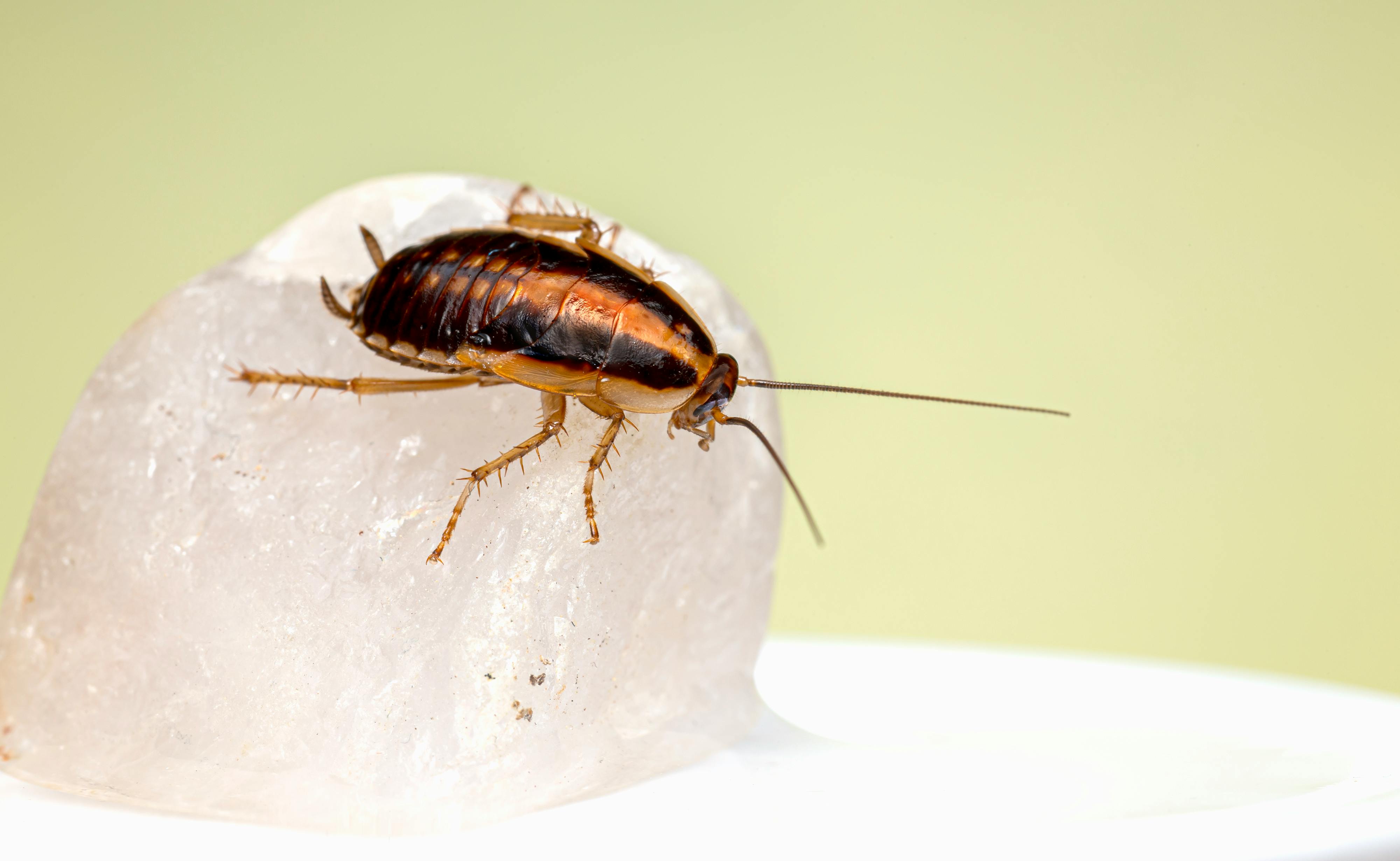
Even after a professional treatment, the best defense against a new cockroach invasion is daily vigilance. By adopting a few simple habits, Lilburn homeowners can keep their homes uninviting to these resilient pests and protect the investment they’ve made in professional pest control.
1. Store Food Properly
Place all dry goods—cereal, flour, pet food—in airtight containers made of glass or heavy‑wall plastic. Crumbs left on counters or in pantry corners act like a breadcrumb trail, leading roaches straight to your kitchen. A quick sweep before bedtime removes the temptation.
2. Clean Regularly
Wipe down countertops, stovetops, and tables after each meal. Vacuum floors and especially the area under appliances where food particles settle. Don’t forget to pull out the refrigerator and clean the coil area; a clean surface eliminates hidden feeding stations.
3. Seal Entry Points
Inspect the perimeter of each room for cracks around baseboards, windows, and utility openings. Apply a quality silicone caulk to seal gaps, and install door sweeps on exterior doors. These barriers block the tiny cracks roaches use to slip inside.
4. Control Moisture
Leaking pipes, dripping faucets, or a damp basement create the perfect breeding ground. Repair leaks promptly and consider a dehumidifier for basements or crawl spaces that stay humid year‑round. Dry environments are far less attractive to cockroaches.
5. Manage Trash
Use trash cans with tight‑fitting lids and empty them at least once a week. For kitchen waste, consider a sealed compost bin that can be taken outside daily. Prompt removal prevents roaches from feasting on discarded food.
6. Neighborhood‑Specific Tip for Historic Downtown Lilburn
The older brick foundations in Historic Downtown often develop hairline cracks over time. Fill these openings with silicone caulk rather than cement, which can crack again. This simple step stops roaches from exploiting the age‑old masonry.
These practices align with the CDC’s Home Hygiene Guidelines and the EPA’s 2023 Home‑Maintenance Checklist, both of which emphasize food safety, moisture control, and structural sealing as key components of pest prevention. By integrating these everyday actions, you reinforce the effectiveness of Anthem Pest Control’s treatments and keep your home cockroach‑free.
Conclusion and Call to Action – Get Affordable, Safe Cockroach Control Today
Living in Lilburn means you’ve already seen how quickly a small cockroach can turn a tidy kitchen into a nightly nightmare. By now you understand that realistic costs range from a modest $100‑$150 for a single‑visit treatment to $300‑$500 for comprehensive, ongoing protection. Professional service not only eliminates the current infestation but also installs barriers that keep future guests from returning. Pairing treatment with simple prevention steps—such as sealing cracks, managing food waste, and reducing moisture—creates a lasting defense that DIY sprays simply can’t match.
Anthem Pest stands behind transparent pricing and a commitment to safety. Every product we apply is EPA‑approved, meaning it’s effective against cockroaches while protecting your family, pets, and the environment. Our technicians are local experts who know the Lilburn climate, common entry points, and the most efficient treatment schedules for our area. Because we believe affordable pest control should never come with hidden fees, you’ll receive a clear, itemized quote before any work begins.
If you’re ready for a pest‑free home without surprise fees, our team is here to help. Contact us for a complimentary inspection and a personalized quote tailored to your Lilburn property. Call us today at 877‑371‑8196 or use the form on our website to schedule your free visit.
Take the first step toward a cleaner, healthier home—visit Anthem Pest Control now and let our experts handle the rest.