Why Earwig Emergencies Need Immediate Action
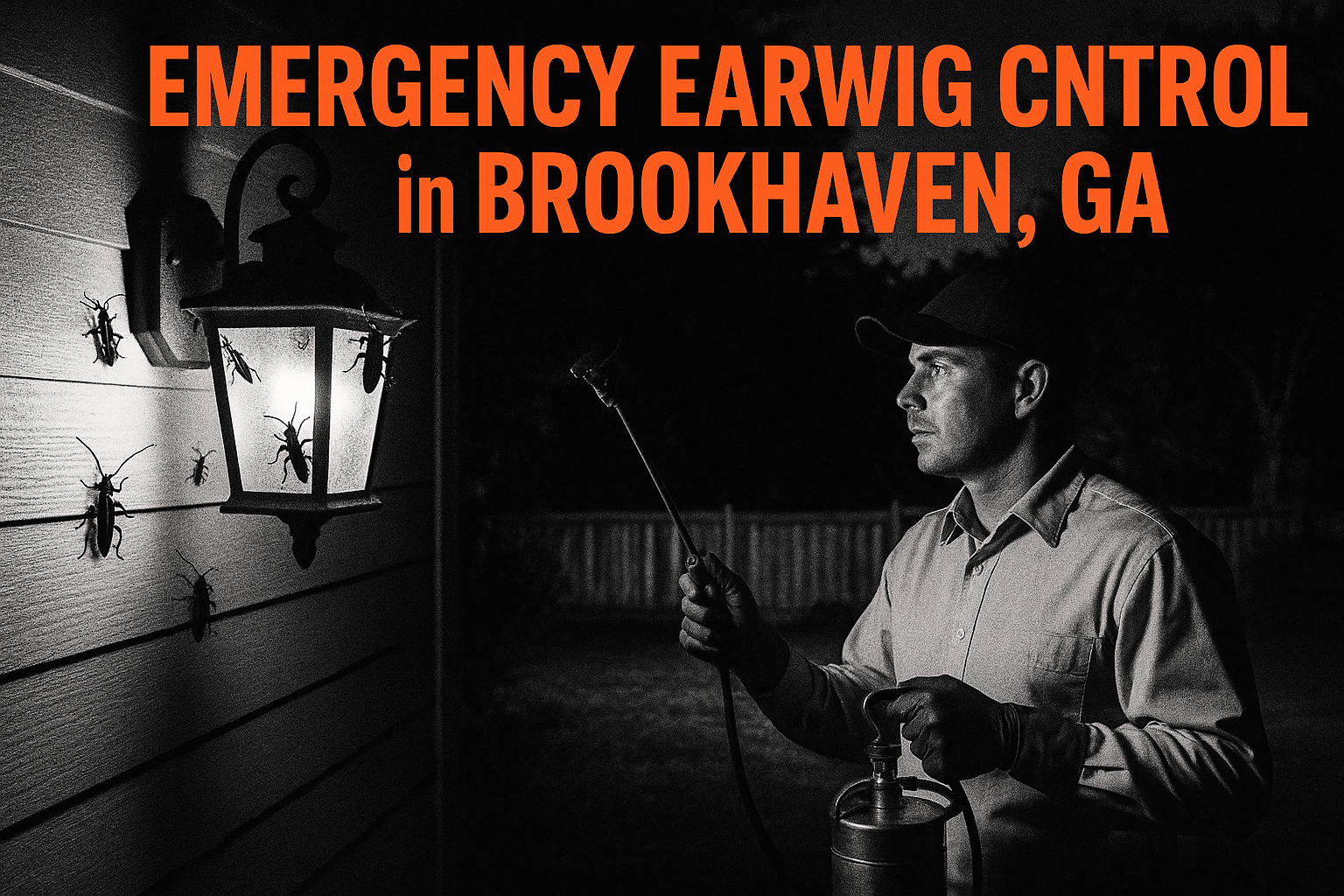
Earwigs are small, nocturnal insects that thrive in the humid climate of Brookhaven, Georgia. Adults typically measure 7‑15 mm, have elongated bodies, and favor damp, sheltered spots such as mulch, leaf litter, and the undersides of decks. Their attraction to moisture means they appear in larger numbers after rain or during humid evenings, making Georgia’s summer months a prime time for sudden swarms.
When earwigs gather in force, they can quickly become more than a curiosity. Gardeners notice chewed seedlings, wilted foliage, and damaged ornamental plants, as the insects feed on tender leaves and flower buds. Outdoor furniture isn’t safe either—earwigs can gnaw at soft wood or fabric, leaving unsightly holes. Inside the home, a night‑time invasion can turn a quiet bedroom into a bustling corridor of rustling insects, especially when doors or windows are left ajar.
The speed of their movement is startling. On humid nights, earwigs can cross a yard in minutes, slipping through tiny cracks and gaps to reach interior spaces. Their flattened bodies allow them to squeeze under baseboards, behind appliances, and into wall voids, where they hide until the next night’s humidity draws them back out.
Prompt action is essential not only to protect plants and property but also to prevent a minor nuisance from becoming a persistent indoor problem. According to the EPA indoor‑insect fact sheet, early intervention reduces the need for more aggressive chemical treatments later, safeguarding both family health and the environment.
Understanding these basics sets the stage for accurate identification and effective control. In the next section, we’ll walk you through the visual cues that confirm you’re dealing with earwigs, so you can decide whether a DIY approach will suffice or if professional help from Anthem Pest Control is the safest route.
Is It Really an Earwig?
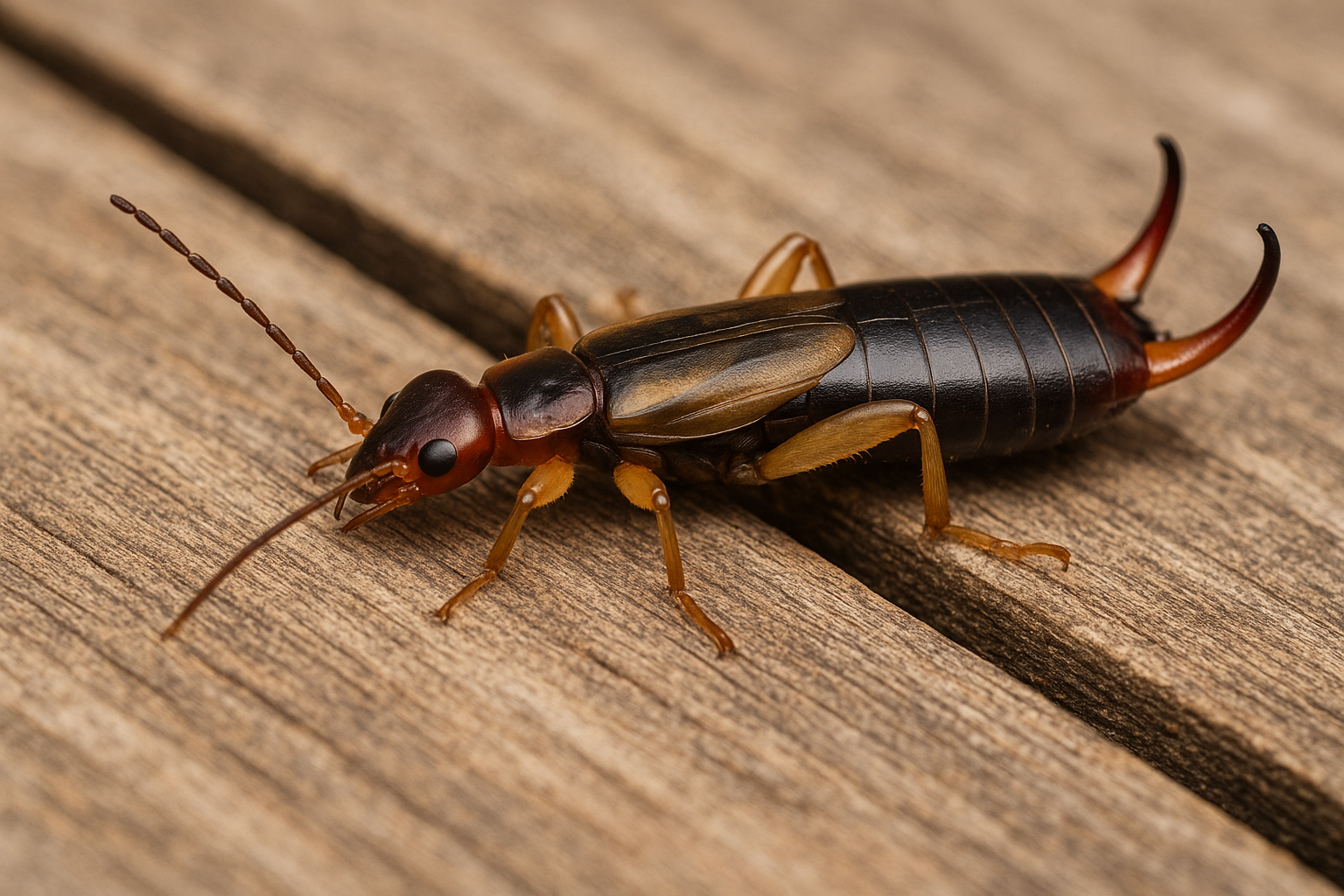
Earwigs are easily mistaken for other household critters, but a few key traits set them apart. An adult earwig measures roughly 7‑15 mm in length—about the size of a small grape seed. Their bodies are a uniform dark brown, sometimes with a slight reddish hue on the thorax. The most distinctive feature is the pair of force‑like cerci, or pincers, extending from the rear of the abdomen; they look like tiny, folded tongs. Under short, leathery fore‑wings (elytra) you’ll find delicate hind wings that are neatly folded in a V‑shape, ready to unfold for a short flight if disturbed. Their antennae are long, slender, and segmented, giving the head a “whiskered” appearance.
How to Spot an Earwig vs. Common Look‑Alikes
- Silverfish – Typically 12‑25 mm long, silvery‑gray, and fish‑shaped. They move in a rapid, wiggling motion and lack any pincers or wing folds.
- Beetles – Vary widely in size but usually have hard, shell‑like elytra covering the entire back. Their bodies are more rounded, and they never display the characteristic cerci; movement is a steady, deliberate crawl.
- Earwig – 7‑15 mm, dark brown, with unmistakable pincers at the tail end and folded V‑shaped wings hidden beneath short fore‑wings. Their gait is a slow, deliberate shuffle, often pausing to explore with their antennae.
Quick Homeowner Checklist
- Inspect the rear of the insect for a pair of short, curved pincers (cerci).
- Look under the short fore‑wings; the hind wings should form a subtle “V‑shape” when folded.
- Notice the activity pattern—earwigs are nocturnal and love damp, dark corners such as basements, bathrooms, or under kitchen sinks.
- Check the body shape: a flattened, elongated form with long antennae differs from the rounded beetle silhouette.
For a definitive identification, compare your specimen with the University of Georgia Extension’s earwig guide. The guide includes high‑resolution photos and a step‑by‑step key that can confirm whether you’re dealing with an earwig or a look‑alike pest. UGA Extension is a trusted resource for Georgia homeowners seeking accurate pest information.
Brookhaven as an Earwig Hotspot
Brookhaven sits squarely in the humid subtropical zone that dominates much of the Southeast. According to NOAA’s Brookhaven climate summary, summer humidity routinely hovers between 70 % and 80 %, creating a damp environment that earwigs love. Those moisture‑rich conditions keep the insects active day and night, especially after a rainstorm.
That climate meets the built‑environment of Brookhaven head‑on. Historic homes lining Peachtree Road retain original wooden siding and deep crawl‑space voids, offering perfect hiding places for nocturnal earwigs. Meanwhile, newer subdivisions near Ashford‑Dunwoody Road feature extensive wood mulch beds and automated sprinkler systems that keep garden soil perpetually moist.
Landscapers often add the very elements earwigs seek: wood mulch, leaf litter, and over‑watered flower beds. Mulch retains moisture for weeks, while fallen leaves provide a cool, dark tunnel network that mimics the insects’ natural forest floor habitat. When irrigation runs longer than needed, the excess water seeps into foundation cracks, turning a solid wall into a humid corridor.
Local data backs up the anecdotal evidence. The 2024 Brookhaven Homeowners Association pest log recorded a 27 % increase in earwig complaints compared with the previous year, with most calls clustered around the same high‑humidity neighborhoods described above. That spike aligns perfectly with the seasonal humidity peak and the surge in irrigation‑driven moisture.
Earwigs typically emerge in late April as temperatures climb above 68 °F, and their numbers swell through June when sprinkler use peaks. Residents who notice earwig trails along baseboards during this window should assume the insects are exploiting the same moisture pathways that keep lawns green. Early inspection of mulch depth and drainage patterns can cut down the population before it spreads indoors.
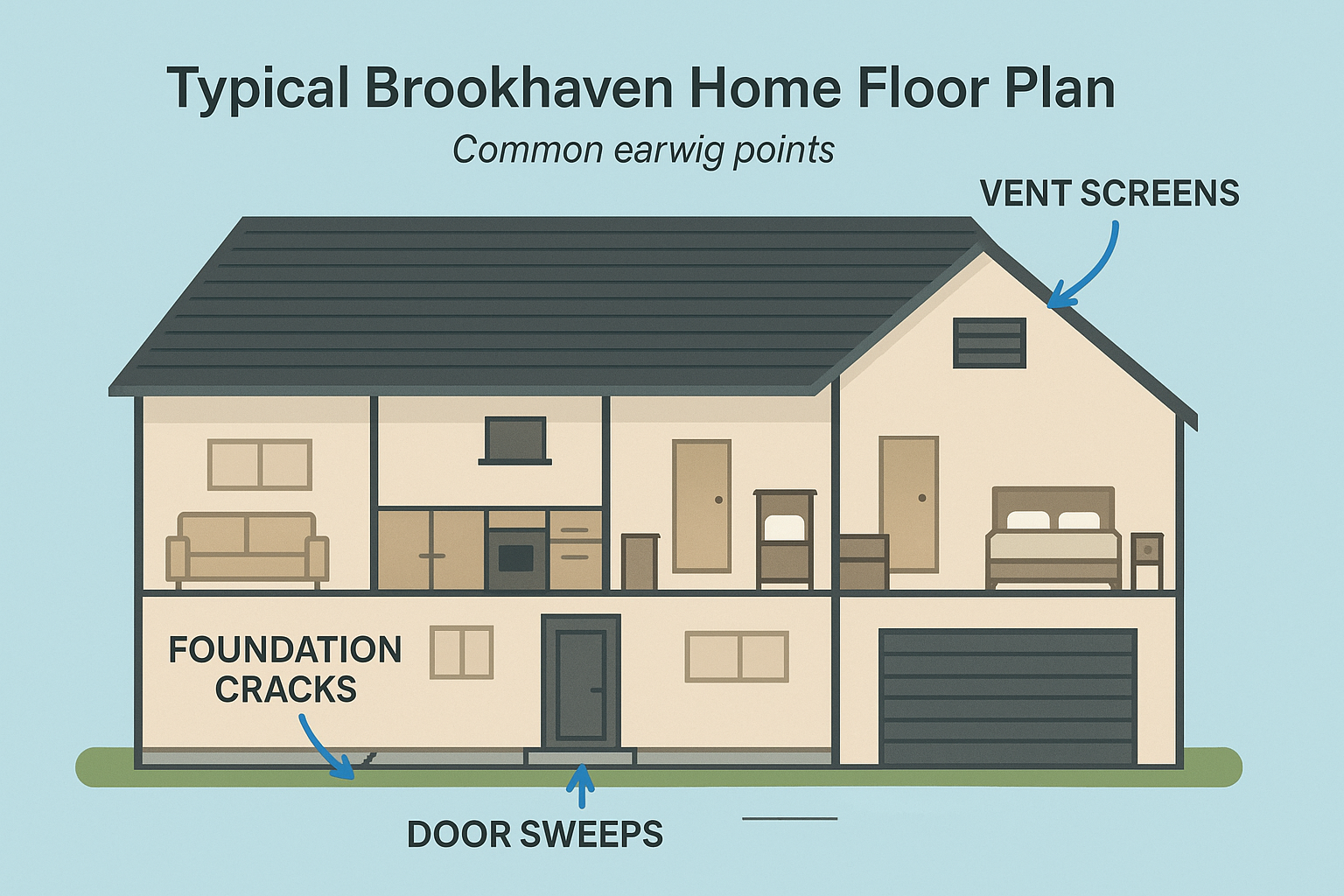
The floor‑plan diagram below highlights the most common entry points we see in Brookhaven homes: tiny foundation cracks, gaps around door sweeps, and poorly screened vent openings. Identifying these weak spots early lets a homeowner seal them before earwigs turn a porch or pantry into a night‑time buffet.
Immediate DIY Actions to Stop an Outbreak
Earwigs thrive in moist, sheltered spots, so the quickest way to halt an outbreak is to make your home less inviting. Below is a homeowner‑friendly, step‑by‑step plan you can start today. Follow each action in order, and you’ll see the numbers drop before you need to call a professional.
Step 1: Eliminate Moisture
Start by locating any sources of excess water around your property. Repair leaky gutters, downspouts, and roof flashings; even a slow drip can create a haven for earwigs. Inside, run a dehumidifier in basements, crawl spaces, and other damp rooms, aiming for a humidity level below 50 %.
Next, trim vegetation that brushes the foundation. Cut shrubs, vines, and grass to at least two feet from the house so earwigs can’t use plant roots as bridges into your walls. Finally, check under sinks and around washing machines for standing water, and dry those areas thoroughly after each use.
Step 2: Physical Removal
Grab a shop‑vac with a hose attachment and vacuum any live earwigs you spot. Empty the canister into a sealed bag and dispose of it in an outdoor trash container to prevent escape.
Place sticky traps along baseboards, under appliances, and near entry points. The adhesive surface catches wandering insects without chemicals, giving you a visual gauge of activity. While you’re at it, walk the perimeter of each room and seal obvious cracks and gaps with silicone caulk—pay special attention to gaps around pipes, vents, and window frames.
Step 3: Safe Home‑Brew Treatments
Diatomaceous earth (DE) is a non‑toxic powder that damages the exoskeleton of earwigs. Lightly dust DE into foundation cracks, behind siding, and around garden beds. Reapply after heavy rain, as moisture reduces its effectiveness.
For a quick, outdoor spray, mix one tablespoon of liquid dish soap per quart of water. Transfer the solution to a spray bottle and apply to plant foliage, mulch, and any exterior surfaces where earwigs congregate. Avoid indoor carpet or upholstery, as the soap can leave residues.
Step 4: Short‑Term Chemical Control
If the infestation persists, a targeted EPA‑registered pyrethroid such as bifenthrin can provide rapid knock‑down. Follow the label carefully: apply 0.5–1 fl oz of the concentrate per 100 sq ft, focusing on the perimeter of your home, foundation walls, and any outdoor entry points. One application typically costs between $45 and $70.
For verification and safety details, consult the EPA bifenthrin fact sheet. Remember, chemicals are a short‑term fix; combine them with the moisture‑reduction and physical‑removal steps for lasting control.
Do‑It‑Now Checklist
- Moisture: Fix leaks, run dehumidifiers, trim plants 2 ft from foundation.
- Physical removal: Vacuum live earwigs, set sticky traps, caulk gaps.
- Home‑brew: Dust diatomaceous earth in cracks; spray soap‑water solution outdoors.
- Chemical: Apply EPA‑registered bifenthrin per label, covering perimeter.
By tackling each of these actions today, you’ll cut off the conditions earwigs love, remove the insects you can see, and create a barrier that keeps the rest out. If numbers remain high after a week of diligent DIY work, it’s time to let Anthem Pest Control step in with a professional, long‑term solution.
When DIY Isn’t Enough – Call a Professional
Most earwig problems can be managed with a few traps or a DIY spray, but there’s a point where home remedies stop working and the infestation starts to threaten your comfort and property. If you find yourself battling dozens of earwigs each night, seeing them crawl across countertops, or watching your garden suffer repeated damage despite your best efforts, it’s time to bring in a professional. Ignoring these signs can lead to larger populations, more extensive damage, and higher long‑term costs.
Warning Signs That Signal Professional Help
- Infestation exceeds 50 earwigs in a single day, especially around lights or entryways.
- Earwigs are regularly found inside living spaces—kitchens, bedrooms, or bathrooms.
- Visible garden damage such as chewed seedlings, wilted leaves, or holes in mulch that persist after DIY attempts.
- Two weeks of consistent DIY treatment (traps, sprays, or home remedies) with little to no reduction in activity.
When any of these red flags appear, a professional service can assess the situation, identify entry points, and apply treatments that reach the hidden nests where earwigs breed and hide.
What Anthem Pest’s Earwig Package Includes
- Interior spot‑treatment: Targeted application of EPA‑registered, pet‑ and child‑safe insecticide directly where earwigs are active.
- Exterior barrier application: A perimeter spray that creates a protective shield around your home, preventing new insects from entering.
- Follow‑up inspection within 30 days: A technician returns to verify that the population is under control and re‑treats any lingering hotspots.
This comprehensive approach tackles the problem at its source, reduces the chance of a rebound, and gives you peace of mind knowing the treatment is backed by a 30‑day guarantee.
Transparent Pricing for Brookhaven Homeowners
Anthem Pest offers a flat‑rate earwig control package for Brookhaven residents ranging from $149 to $199. The price includes all interior and exterior applications, the follow‑up inspection, and the guarantee. No hidden fees, no surprise add‑ons—just a clear, upfront cost that you can verify on the Anthem Pest website.
Why Choose Anthem Pest?
Anthem Pest uses only EPA‑registered products that have been rigorously tested for safety around children and pets. Their technicians are trained to apply the minimum effective amount, protecting your family while delivering fast, lasting results. In addition, the company operates a 24‑hour emergency response line, so you can get help the same night an earwig outbreak spikes.
Ready to stop the earwig invasion? Call 877‑371‑8196 or visit anthempest.com now to schedule your professional treatment.
Long‑Term Prevention Strategies
Keeping earwigs at bay isn’t a one‑time fix; it’s a habit you build into your home’s routine. By tweaking the landscape, sealing up entry points, and following a simple seasonal checklist, you can make Brookhaven homes unattractive to earwigs year after year.
Landscape Modifications
The outdoor environment is the first line of defense. Earwigs love damp, sheltered spots, so reducing those habitats makes a huge difference.
- Swap wood mulch for stone or gravel. Mulch retains moisture and provides perfect hiding places. A thin layer of stone or gravel drains quickly and eliminates the cozy cover earwigs seek.
- Keep grass trimmed short. Overgrown lawns create dark, moist zones where earwigs can thrive. Regular mowing exposes the soil to sunlight, drying it out.
- Avoid over‑watering. Water lawns and garden beds early in the day and only as needed. Standing water or soggy soil is a magnet for earwigs.
- Eliminate standing water. Check for low spots, clogged gutters, or bird baths that never get emptied. Even a shallow puddle can become a breeding ground.
Structural Maintenance
Even the best‑kept yard can’t stop earwigs if they find a way inside. Simple home repairs close the gaps they love.
- Install door sweeps. A snug sweep on exterior doors blocks the tiny gaps earwigs use to crawl under.
- Repair foundation cracks. Use a high‑quality caulk or concrete filler to seal cracks larger than a quarter‑inch. Earwigs can squeeze through surprisingly small openings.
- Screen vents and attic openings. Mesh screens with a ¼‑inch opening keep earwigs out while still allowing airflow.
- Check window seals. Replace worn weatherstripping to prevent insects from slipping in during humid evenings.
Seasonal Schedule
Timing is everything. A quick, repeatable calendar keeps you ahead of the earwig life cycle.
- Early‑spring inspection (March–April). Walk the perimeter, look for new cracks, and apply a thin layer of diatomaceous earth or a commercial barrier around foundations.
- Midsummer perimeter barrier (June–July). Reapply a granular barrier or treat the soil with a low‑toxicity insecticide if earwigs have become active.
- Fall leaf‑and‑debris cleanup (September–October). Rake away fallen leaves, prune back overgrown shrubs, and remove any wood piles that could shelter overwintering earwigs.
For a deeper dive into earwig‑specific integrated pest management, consult Georgia Extension’s Integrated Pest Management guide. Following these long‑term strategies will help you maintain a comfortable, earwig‑free home without constant emergency calls.
Frequently Asked Questions
Q1: Do earwigs bite or spread disease?
According to the Centers for Disease Control and Prevention, earwigs are not known to transmit diseases and they rarely bite humans. Their mandibles are designed for feeding on decaying plant material, not for aggressive biting. In the unlikely event of a bite, it is typically a mild pinch that heals quickly. For more details, see the CDC’s information on household insects.
Q2: Are earwigs beneficial?
Yes, earwigs play a useful role in a balanced garden ecosystem. They are natural predators of aphids, spider mites, and other soft‑bodied insects that can damage ornamental plants and vegetables. By feeding on these pests, earwigs help reduce the need for chemical insecticides. However, when they wander indoors in large numbers, they become a nuisance that requires professional attention.
Q3: How long do treatments last?
When we apply a pyrethroid‑based barrier around your home, the residual effect typically protects against earwig re‑infestations for 4 to 6 weeks. This timeframe can vary based on weather conditions, the amount of foot traffic near the treated zones, and how well the exterior is maintained. Our technicians will advise you on the optimal re‑treatment schedule to keep your property secure.
Q4: Can earwigs re‑enter after treatment?
Earwigs can attempt to re‑enter if there are unchecked cracks, gaps around windows, doors, or utility penetrations. That’s why we stress the importance of sealing all potential entry points during the initial service. A follow‑up inspection, usually scheduled 2–3 weeks after the first treatment, allows us to address any new activity and reinforce barriers, ensuring lasting protection.
Sources & Verification
At Anthem Pest Control we back every recommendation with reputable data. Below are the key resources that informed our emergency earwig guidance for Brookhaven, GA. Click any link to review the original information.
- EPA Pesticide Fact Sheet – Bifenthrin: Comprehensive details on the active ingredient commonly used in professional earwig treatments. https://www.epa.gov/pesticides
- University of Georgia Extension – Earwig Management: Research‑based best practices for identification, monitoring, and control of earwigs in residential settings. https://extension.uga.edu/earwig
- CDC – Household Insect Risks: Health‑focused overview of common indoor insects, including earwigs, and recommended safety measures. https://www.cdc.gov/healthywater/hygiene/household-insects.html
- NOAA Brookhaven Climate Summary: Latest climate data that helps explain seasonal earwig activity patterns in Brookhaven. NOAA Climate Data
- Brookhaven Homeowners Association 2024 Pest Log (internal reference): Local pest reports compiled by the HOA, confirming recent earwig sightings and treatment outcomes.
All of these resources are publicly accessible and regularly updated, ensuring that the guidance we provide reflects current best practices and regulatory standards. When you choose Anthem Pest Control, you benefit from a service grounded in science and local insight.
If you have questions about any citation, our team can walk you through the data or provide printed copies upon request. Transparency is a core part of our commitment to Brookhaven homeowners.
Take Control Today
Earwig infestations can quickly turn from a minor nuisance into a structural problem, especially when they nest in damp foundations or crawl spaces. That’s why immediate action is crucial. Start by sealing cracks, removing standing water, and setting up simple traps with a damp paper towel and a shallow dish of sugar water. These DIY steps buy you time while you arrange professional help.
Anthem Pest brings Brookhaven’s local expertise to every emergency call. Our 24/7 line means a trained technician can be on your property the same day, applying a guaranteed treatment plan that targets both adult earwigs and hidden egg cases. We use safe, EPA‑approved products and provide a clear, upfront price. Our technicians arrive within hours, equipped with the latest monitoring tools to ensure the infestation is fully eradicated.
Ready for a free, no‑obligation quote and same‑day inspection? Call 877‑371‑8196 or visit Anthem Pest Control now.