Why Earwig Control Matters in Lilburn

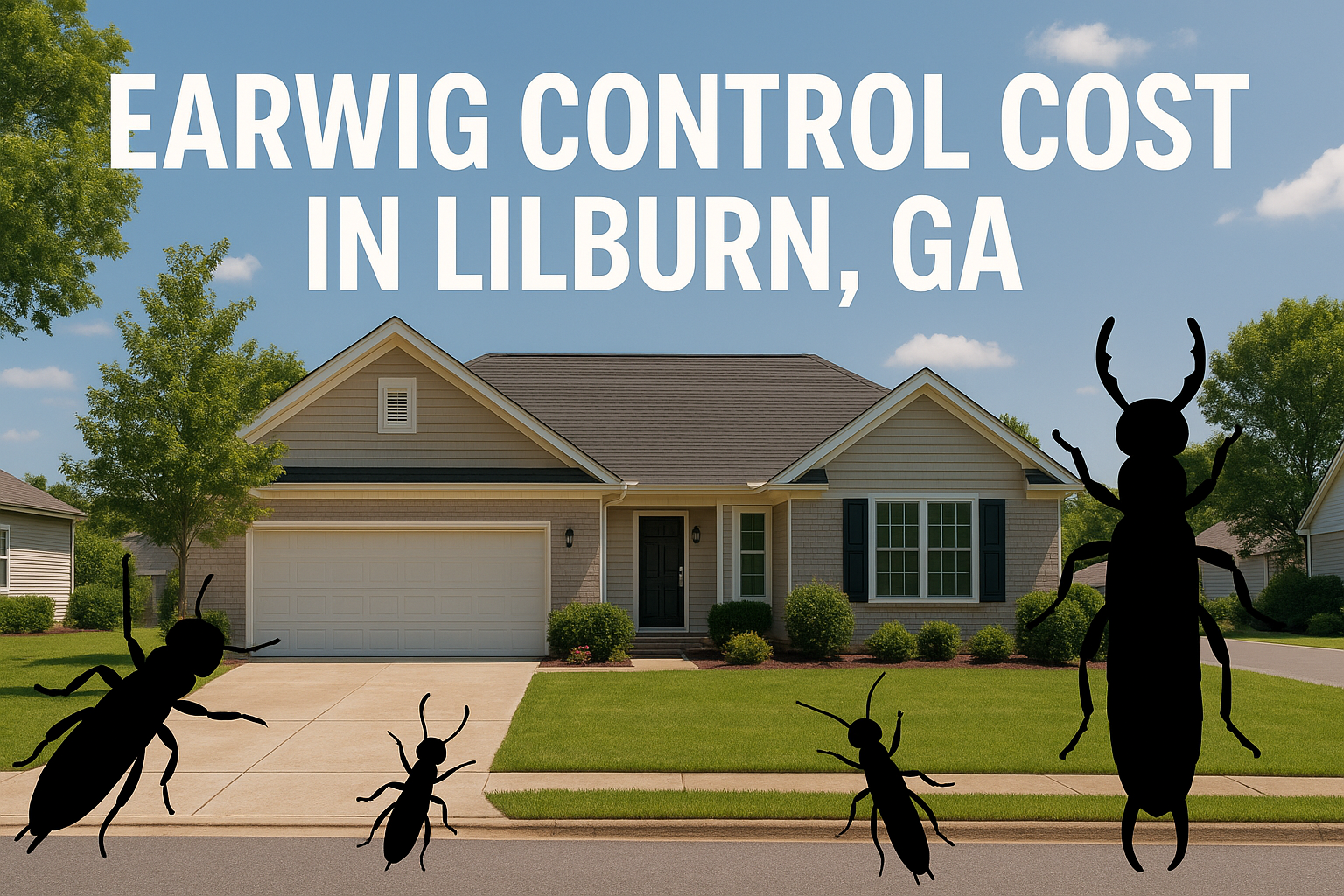
Earwigs are easily recognized by their elongated bodies, tapered rear wings, and the distinctive pair of pincers (cerci) extending from the abdomen. Though they are nocturnal hunters, they are also opportunistic scavengers, feeding on decaying plant matter, insects, and occasionally tender foliage. Their habit of hiding in cool, damp crevices during the day makes them a common sight under mulch, leaf litter, and even inside wall voids.
Lilburn’s climate amplifies these habits. According to the Georgia Climate Center, the area averages around 70 % relative humidity year‑round, with summer temperatures regularly climbing to 85‑90 °F. This combination of heat and moisture creates an ideal micro‑environment for earwigs to thrive, especially after rainstorms or irrigation cycles that leave soil and outdoor surfaces damp.
The moisture‑laden air and warm ground temperatures act like an open invitation. Earwigs migrate from the soil into garden beds, patio furniture, and the cracks around foundations in search of shelter and food. Once inside, they can quickly establish a foothold, especially in homes with poor ventilation or leaky pipes that maintain elevated indoor humidity.
While earwigs rarely cause structural damage, their presence can still be problematic:
- Plant roots and seedlings: Their mandibles can chew young roots, stunting growth and making plants vulnerable to disease.
- Outdoor furniture: They may leave unsightly bite marks on wooden or upholstered pieces, especially after evenings when they become active.
- Indoor intrusion: Through gaps in siding, window frames, or utility penetrations, earwigs can wander into kitchens and bedrooms, contaminating surfaces with debris.
Because earwigs reproduce quickly—females can lay up to 200 eggs in a single season—an unchecked population can explode within weeks. Prompt, professional control not only protects your garden’s health but also preserves indoor comfort and prevents the nuisance of unwelcome nighttime visitors. Investing in early intervention keeps Lilburn homeowners one step ahead of these resilient pests.
Spotting Earwigs: Signs Homeowners Shouldn’t Ignore
Earwigs may be small, but their presence can quickly become a nuisance if you don’t catch the early signs. In Lilburn, Georgia’s humid summers, these nocturnal insects slip into homes looking for shelter and food. Recognizing their tell‑tale clues before they multiply saves you time, money, and the headache of a full‑blown infestation.
Physical characteristics
- Length: typically 1–2 inches long.
- Color: varies from light brown to deep black, often with a glossy sheen.
- Signature feature: a pair of pincer‑like cerci at the rear, which they use for defense and mating.
Typical habitats
Earwigs love damp, sheltered environments. You’ll most often find them hiding in:
- Mulch beds and leaf litter where moisture is retained.
- Underneath garden stones or pavers.
- Dark corners of basements, crawl spaces, or utility closets.
Common entry points
Because they are excellent climbers, earwigs exploit even the tiniest gaps:
- Foundation cracks and gaps around the perimeter of the house.
- Unsealed penetrations for utilities—pipes, cables, and vent stacks.
- Doors and windows that don’t close tightly, especially screen doors.
“45% of Georgia homes see earwig activity during summer” – EPA pest fact sheet.
Visual cues in key areas
Know where to look:
- Kitchens: Small clusters near trash cans, under sinks, or behind appliances where food crumbs linger.
- Basements: Scattered near damp concrete walls, especially after a rainstorm.
- Garden beds: Tiny silvery‑gray lines in mulch or under plant pots—these are often earwig trails.
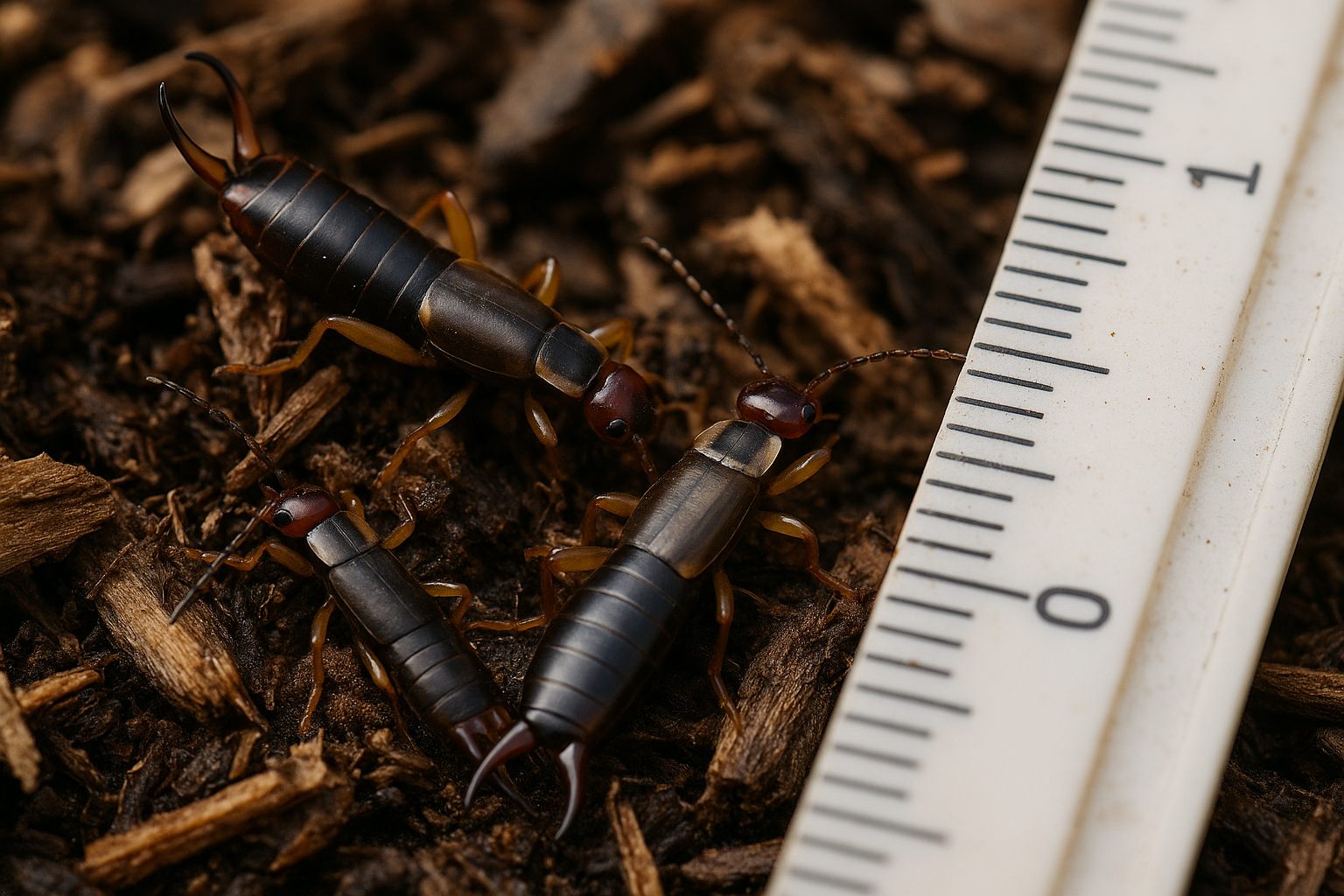
Spotting these signs early lets you call Anthem Pest Control before earwigs establish a foothold. A quick inspection and targeted treatment can keep your home comfortable all summer long.
When to Treat: Seasonal Peaks in Lilburn
Life Cycle Overview
Earwigs in the Lilburn area follow a predictable annual rhythm. Adult females lay clusters of eggs in protected, moist sites—often under mulch or leaf litter—in early spring. Those eggs hatch within a few weeks, releasing tiny nymphs that molt rapidly throughout the summer months. By late July, most nymphs have reached adulthood, and the newly formed adults remain active through the fall, seeking shelter for overwintering. Understanding this cycle lets homeowners intervene before the population explodes.
Lilburn’s Peak Activity Months
Data from the University of Georgia Cooperative Extension shows that earwig numbers in Gwinnett County surge between May and August. Temperature spikes above 70°F combined with higher humidity create ideal conditions for rapid development. Consequently, the bulk of damage—such as garden plant feeding and indoor foraging—occurs during this four‑month window.
Why Early (Pre‑Season) Treatment Saves Money
- Reduced population buildup: Treating in late March or early April hits earwigs before they reproduce, keeping numbers low throughout the season.
- Lower chemical usage: A smaller infestation requires fewer applications, which translates directly to lower service fees.
- Minimized damage: Preventing a large swarm protects landscaping and indoor spaces, avoiding costly repairs or additional pest‑control visits.
Quick Tip for Lilburn Homeowners
Schedule a professional inspection with Anthem Pest Control before the first peak month—ideally in early March. Our technicians will assess vulnerable entry points, recommend targeted pre‑season treatments, and set up a monitoring plan that keeps earwig activity under control all summer long.
Earwig Control Methods: From DIY to Professional
DIY Options
Homeowners often start with simple, low‑cost solutions. Sticky traps placed near entry points can catch wandering earwigs and give you a clear picture of activity levels. A handful of diatomaceous earth sprinkled around foundations, door thresholds, and garden beds creates a mechanical barrier that dehydrates the insects. Finally, reducing excess moisture by fixing leaky pipes, improving drainage, and using a dehumidifier makes your yard less inviting, since earwigs thrive in damp environments. The total supply cost for these tactics typically falls between $20 and $50, making them an attractive first line of defense.
Professional Services
When DIY measures fall short, licensed technicians bring targeted treatments that reach hidden harborage areas. A perimeter spray applied around the home’s exterior creates a protective ring that kills earwigs before they can enter. Indoor misting systems disperse a fine fog of EPA‑registered insecticide, covering cracks, baseboards, and crawl spaces where earwigs hide. Bait stations, strategically placed in dark, moist corners, attract earwigs and deliver a slow‑acting poison that eliminates colonies over several days. These services are priced based on square footage and infestation severity, generally ranging from $120 to $250 per visit.
Safety First
Whether you’re handling diatomaceous earth or a professional spray, safety should never be an afterthought. Choose only EPA‑registered products, which have undergone rigorous testing for human and pet safety when used as directed. Wear gloves, eye protection, and a mask when applying chemicals, and always follow label instructions regarding ventilation and re‑entry times. Professional crews are trained to apply the correct dosage, minimizing exposure risk while maximizing efficacy.
Anthem Pest’s Integrated Pest Management (IPM) Approach
Anthem Pest blends education, monitoring, and targeted treatment into a cohesive IPM program. First, we conduct a thorough inspection to identify earwig entry points and moisture sources. Next, we recommend cultural changes—such as landscaping adjustments and proper drainage—to reduce habitat suitability. If chemical control is warranted, we apply the lowest‑impact, EPA‑registered products in precise locations, monitoring results and adjusting the plan as needed. This balanced strategy protects your family and the environment while delivering reliable earwig control.
| Method | Effectiveness | Cost Range | Time to Result |
|---|---|---|---|
| DIY Sticky Traps | Low‑to‑moderate | $20‑$30 | 1‑2 weeks |
| DIY Diatomaceous Earth | Moderate | $20‑$35 | 3‑7 days |
| Moisture Reduction | High (prevention) | $30‑$50 | Ongoing |
| Professional Perimeter Spray | High | $120‑$180 | Same day |
| Indoor Misting | High | $150‑$220 | Same day |
| Bait Stations | High (colony control) | $130‑$200 | 5‑10 days |
| Anthem IPM Program | Very High | $180‑$250 | 3‑7 days (monitor & adjust) |
How Much Does Professional Earwig Control Cost in Lilburn?
When you call a licensed pest‑control pro, the quote you receive isn’t a random number—it’s a breakdown of specific services, square‑footage coverage, and any extra work required for stubborn spots. Understanding each line item helps you compare offers and avoid surprise fees later.
Inspection Fee
Most Lilburn companies start with a home inspection to assess the severity of the earwig problem. In 2024, the Georgia Pest Association Pricing Survey reported typical inspection charges of $50‑$75. Many providers, including Anthem Pest, waive this fee when you schedule a treatment on the same day, effectively making the inspection “free” for most homeowners.
One‑Time Treatment
A single, comprehensive earwig treatment is priced by the area you need covered. For a standard 1,500 sq ft zone, expect to pay between $120 and $200. This price includes:
- Application of a low‑toxicity insecticide that targets both adult earwigs and their nymphs.
- Perimeter spraying around entry points such as doors, windows, and foundation cracks.
- Follow‑up documentation confirming the treatment was completed.
If your home exceeds 1,500 sq ft, the cost scales proportionally—roughly $0.10‑$0.13 per additional square foot.
Quarterly Maintenance Plan
Earwigs can rebound quickly, especially after heavy rains. A maintenance schedule keeps the population suppressed year‑round. The survey shows a typical quarterly visit costs $80‑$120 per service, with four visits scheduled annually. Benefits include:
- Re‑application of barrier treatments before peak activity months (late summer to early fall).
- Inspection of crawl spaces, basements, and other hidden areas.
- Priority scheduling for emergencies.
Additional Fees for Heavy Infestations or Hard‑to‑Reach Areas
Some homes present extra challenges—large crawl spaces, dense landscaping, or severe infestations can add $30‑$50 per visit. Technicians may need specialized equipment or extra labor time, which is reflected in this surcharge.
Sample Scenario: 2,000 sq ft Home in Peachtree Corners
Let’s walk through a realistic quote for a typical suburban house:
- Initial inspection: $0 (waived with treatment)
- One‑time treatment (2,000 sq ft): $160‑$260
- Heavy‑infestation surcharge (if needed): $30‑$50
- Total initial cost: $350‑$450
Adding a quarterly maintenance plan would be $80‑$120 per visit, or $320‑$480 annually. Homeowners often choose the lower‑end plan for peace of mind during the earwig’s peak season (July‑September).
Why Choose Anthem Pest?
Anthem Pest backs its pricing with a price‑match guarantee. If you receive a written quote from another licensed Lilburn provider that’s lower for the same services, Anthem will match it—no hassle, no hidden clauses.
Financing is also available through a simple, interest‑free plan for up to 12 months, letting you spread the cost of a full‑service treatment and maintenance package without breaking the household budget.
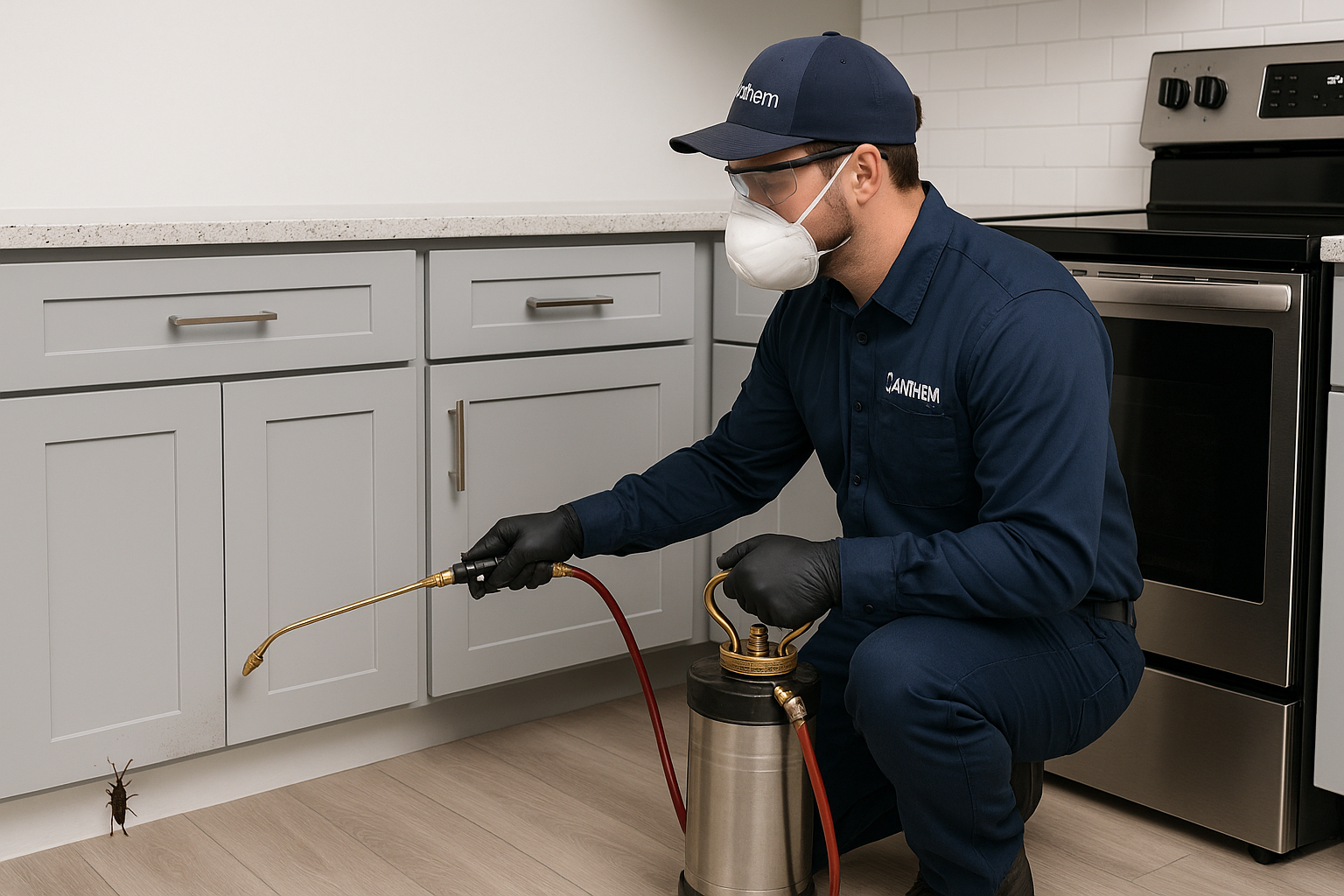
By breaking down each component—inspection, one‑time treatment, quarterly visits, and extra fees—you can see why a professional earwig control program in Lilburn typically lands between $350 and $450 for the first service, with optional maintenance ranging from $320 to $480 per year. Armed with these numbers, you’re ready to compare quotes, ask the right questions, and protect your home without surprise expenses.
Why Choose Anthem Pest for Earwig Control?
Anthem Pest is fully certified by state and national pest‑management agencies, and every product we apply is EPA‑approved. This means our treatments meet the strict safety standards set for both people and pets while delivering the potency needed to eradicate earwigs quickly. Our commitment to compliance isn’t just paperwork; it’s a guarantee that you’re getting the most effective, legally vetted solutions on the market.
Our technicians complete a rigorous training program that exceeds industry norms. Each crew member masters Integrated Pest Management (IPM) techniques, learning how to identify earwig activity, target the source, and implement preventive measures that keep the insects from returning. By blending chemical expertise with environmentally responsible practices, our team can tailor a plan that fits the unique layout of your Lilburn home.
Customer satisfaction speaks louder than any brochure. Anthem Pest holds a verified 4.9 / 5 rating on Google, reflecting hundreds of positive reviews from homeowners who appreciate our prompt service, clear communication, and lasting results. When you choose us, you’re joining a community of satisfied clients who have trusted us to protect their homes year after year.
“I called Anthem Pest after spotting earwigs in my kitchen cabinets. Within a day, the technician arrived, explained the treatment, and the earwigs were gone by the next morning. He also set up a preventive plan that’s kept my home earwig‑free for months. I couldn’t be happier with the speed and professionalism!” – James L., Lilburn, GA
- Warranty & Follow‑up: All earwig treatments come with a 30‑day satisfaction guarantee and a complimentary follow‑up visit to ensure the problem stays solved.
DIY Prevention Strategies After Treatment
Eliminate Standing Water and Improve Drainage
Earwigs thrive in damp environments, so the first line of defense is to remove any sources of excess moisture around your home. Check gutters, downspouts, and the grading near the foundation; redirect water away with a simple French drain or a few strategically placed landscape swales. Even a shallow puddle by the back porch can become a nightly gathering spot for earwigs, so regular checks and quick fixes keep the habitat unsuitable.
Seal Cracks and Gaps Around Foundations, Doors, and Windows
Small openings are invitation letters for earwigs seeking shelter. Inspect the exterior of your house for cracks in the concrete, gaps around utility penetrations, and spaces around doors and windows. Use a high‑quality silicone or polyurethane caulk to seal these entry points. For larger gaps, expanding foam works well, but be sure to trim any excess once it cures. A well‑sealed envelope leaves earwigs with nowhere to slip inside.
Trim Vegetation and Mulch Away From the House
Overgrown shrubs, vines, and mulch piled directly against the siding create a humid bridge that earwigs love to cross. Keep plants at least a foot away from the exterior walls and pull back mulch to create a dry buffer zone. When you prune back foliage, you also reduce shade, which lowers surface moisture and makes the area less attractive to these nocturnal insects.
Switch Outdoor Lighting to Yellow Bulbs
Standard white or blue‑rich LEDs draw earwigs like a beacon. Replacing porch and landscape lights with warm‑yellow (often labeled “bug‑light”) bulbs reduces the insects’ visual attraction without sacrificing illumination. The cost is minimal—just the price of a few bulbs—and the effect is immediate, especially during the summer months when earwigs are most active.
Estimated Cost for Preventive Measures
Putting these DIY steps together typically runs between $100 and $150. Expect to spend roughly $30‑$50 on caulk and foam, $40‑$60 on drainage improvements (e.g., pipe extensions or a small French drain kit), $20‑$30 on yellow bulbs, and the remainder on tools or mulch adjustments. This modest investment pays off by reducing the need for repeat professional treatments.
For further guidance on controlling indoor moisture, the CDC’s home moisture control recommendations provide science‑backed tips that complement these DIY actions.
Earwig Control FAQ for Lilburn Homeowners
Are earwigs harmful to humans?
Earwigs are not disease vectors and they do not bite, so they pose little direct health risk. The primary issue is contamination: they can wander into kitchens, leave shed skins, feces, and debris that spoil food and may trigger allergic reactions. Because they are nocturnal and hide in damp corners, you might not see them until they appear in lights at night. Prompt removal and proper sanitation keep your pantry, countertops, and pet food dishes clean.
How long does treatment last?
Anthem Pest applies EPA‑registered, residual sprays that are formulated specifically for earwig control. Under typical Lilburn conditions the chemicals stay active for 6‑8 weeks, creating a barrier that deters new arrivals while the existing population dies off. Factors such as heavy rainfall, extreme heat, or a particularly large infestation can shorten that window, so a follow‑up visit may be recommended after the eighth week to maintain protection.
Do pets get affected?
All of our earwig treatments are applied with pet‑safe formulations that meet state and federal safety standards. We avoid highly toxic organophosphates and instead use low‑toxicity insect growth regulators and reduced‑risk sprays. As a precaution, keep dogs and cats off treated surfaces for at least 2‑3 hours until the spray dries, and store pet food in sealed containers during the application.
If you have additional questions about earwig control, pricing, or scheduling, call us at 877‑371‑8196 or visit our website. Our Lilburn team is ready to design a solution that fits your home, your budget, and your peace of mind.
Take Action with Anthem Pest Control
Earwigs may seem harmless, but in Lilburn’s humid climate they can quickly become a nuisance, damaging garden plants, contaminating food, and attracting other pests. Professional earwig control not only eliminates the immediate problem but also protects your home’s structural integrity and outdoor spaces for the long term.
Anthem Pest Control stands out with crystal‑clear pricing and a seasonal approach that matches Lilburn’s pest cycles. Our rates are posted up front—no hidden fees—so you know exactly what a full‑service treatment will cost before any work begins. We schedule interventions during the spring and early summer when earwig populations are most vulnerable, maximizing effectiveness while minimizing chemical use.
Our Integrated Pest Management (IPM) strategy combines targeted treatments, habitat modification, and ongoing monitoring. By focusing on prevention as well as eradication, we reduce the need for repeat visits and keep your yard safe for children and pets.
- Free on‑site inspection and written quote
- Transparent, itemized pricing
- Season‑aware scheduling for optimal results
- IPM‑driven, low‑impact solutions
Our team follows all Georgia pesticide regulations, ensuring every application is safe for your family and the environment.
Ready to protect your home? Call us today at 877‑371‑8196 or visit Anthem Pest Control for a complimentary quote and inspection. Our local technicians know Lilburn’s unique pest pressures and will tailor a plan that fits your budget.
When you choose Anthem, you’re partnering with a trusted, nationwide brand that delivers consistent, reliable service backed by a satisfaction guarantee. Let us handle the earwigs so you can enjoy a pest‑free home without surprise costs.