Rising Spider Sightings in Vinings Summer
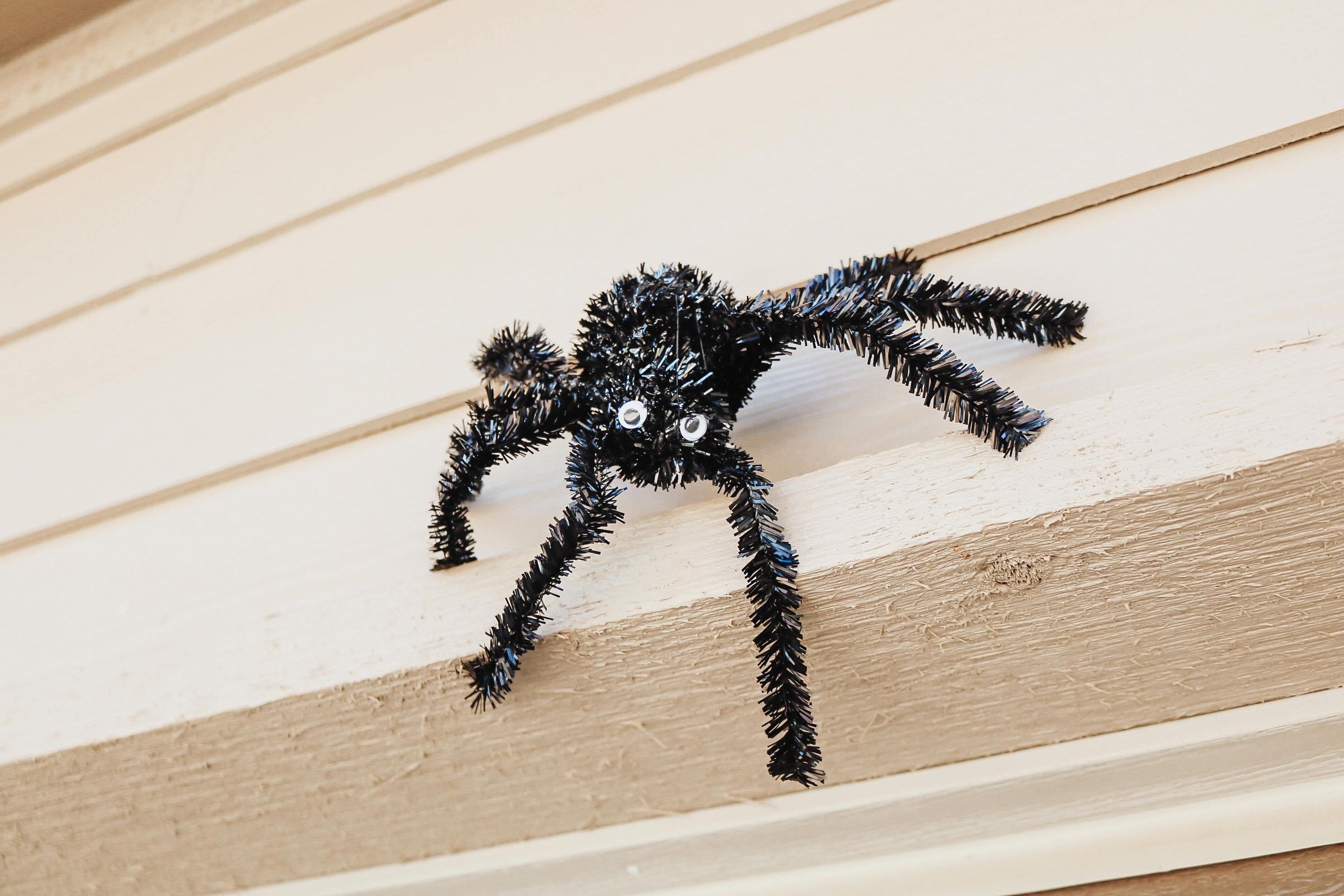
When the mercury climbs above 85°F, Vinters residents start noticing more eight‑legged visitors than usual. The hot, humid evenings create an ideal breeding ground, and spiders quickly spread from shaded yards to porches, garages, and even indoor corners.
Beyond the unsettling sight of a web in the hallway, spider activity carries real health concerns. While most species are harmless, a few—such as the brown recluse and black widow—can deliver bites that trigger severe pain, necrotic lesions, or allergic reactions. Even a non‑venomous bite can cause anxiety for homeowners who fear what’s lurking behind a light switch or in an HVAC vent. Additionally, dense webs can clog air filters, reduce airflow, and attract dust, leading to higher energy bills and a less comfortable home environment.
Addressing the problem early isn’t just about comfort; it’s a smart investment in your property’s value. Proactive spider control reduces the likelihood of bites, keeps indoor air quality high, and prevents unsightly webs from marring the aesthetic appeal of a well‑maintained home. In a market where curb appeal and safety influence resale price, a pest‑free reputation can be a decisive factor.
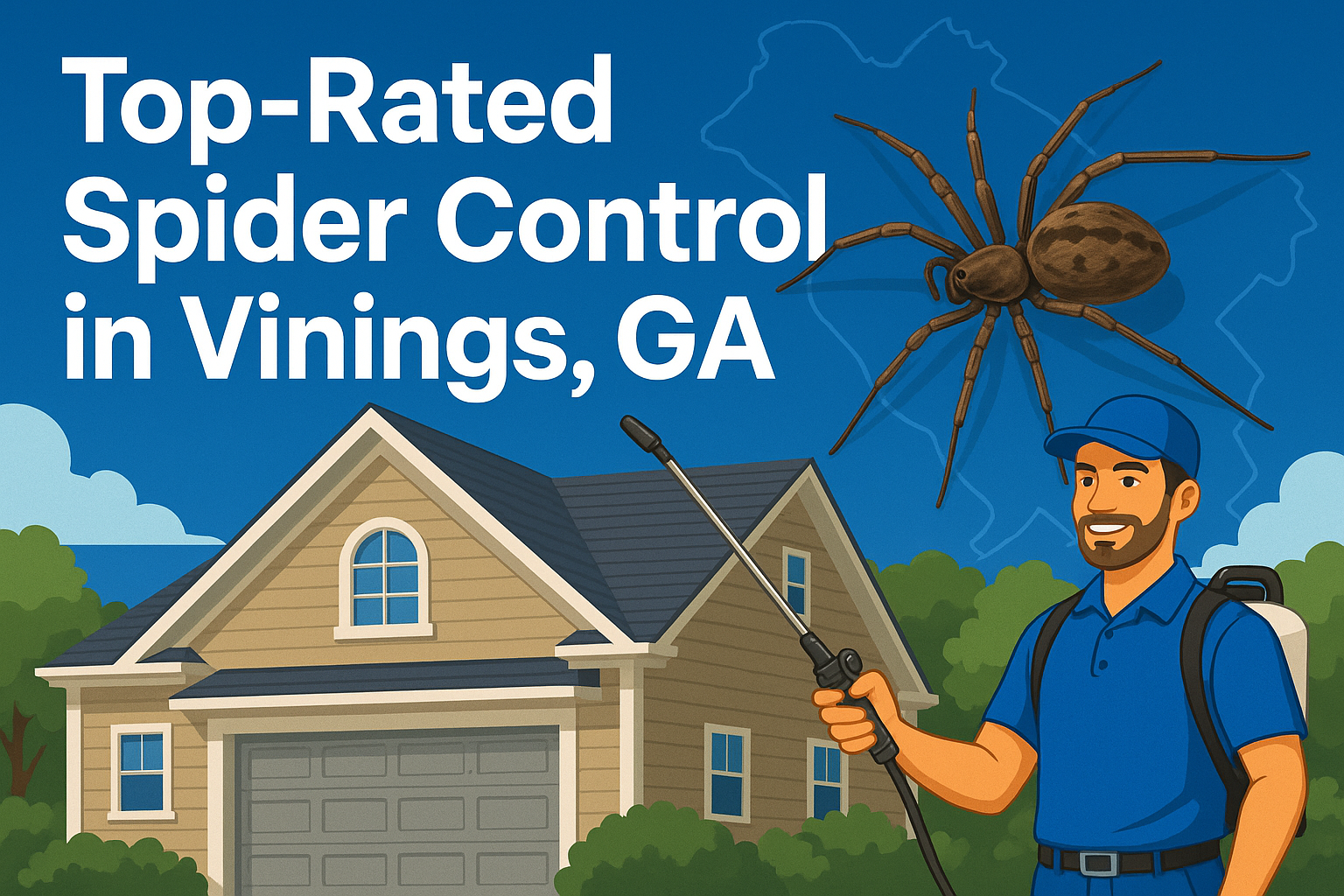
That’s where Anthem Pest Control steps in. As a locally‑based, data‑driven service provider, Anthem leverages years of field data specific to Vinings to pinpoint hot spots and tailor treatments that target the exact species showing up in your neighborhood. Their technicians combine EPA‑approved products with integrated pest‑management practices, ensuring effective results while safeguarding children, pets, and the surrounding ecosystem.
Homeowners who choose Anthem benefit from transparent pricing, rapid response times, and a proven track record of keeping Vinings homes spider‑free throughout the summer months. Ready to learn which spiders are most likely to appear on your property? The next section breaks down the common species you’ll encounter and how to recognize them.
Common Spiders in Vinings, GA
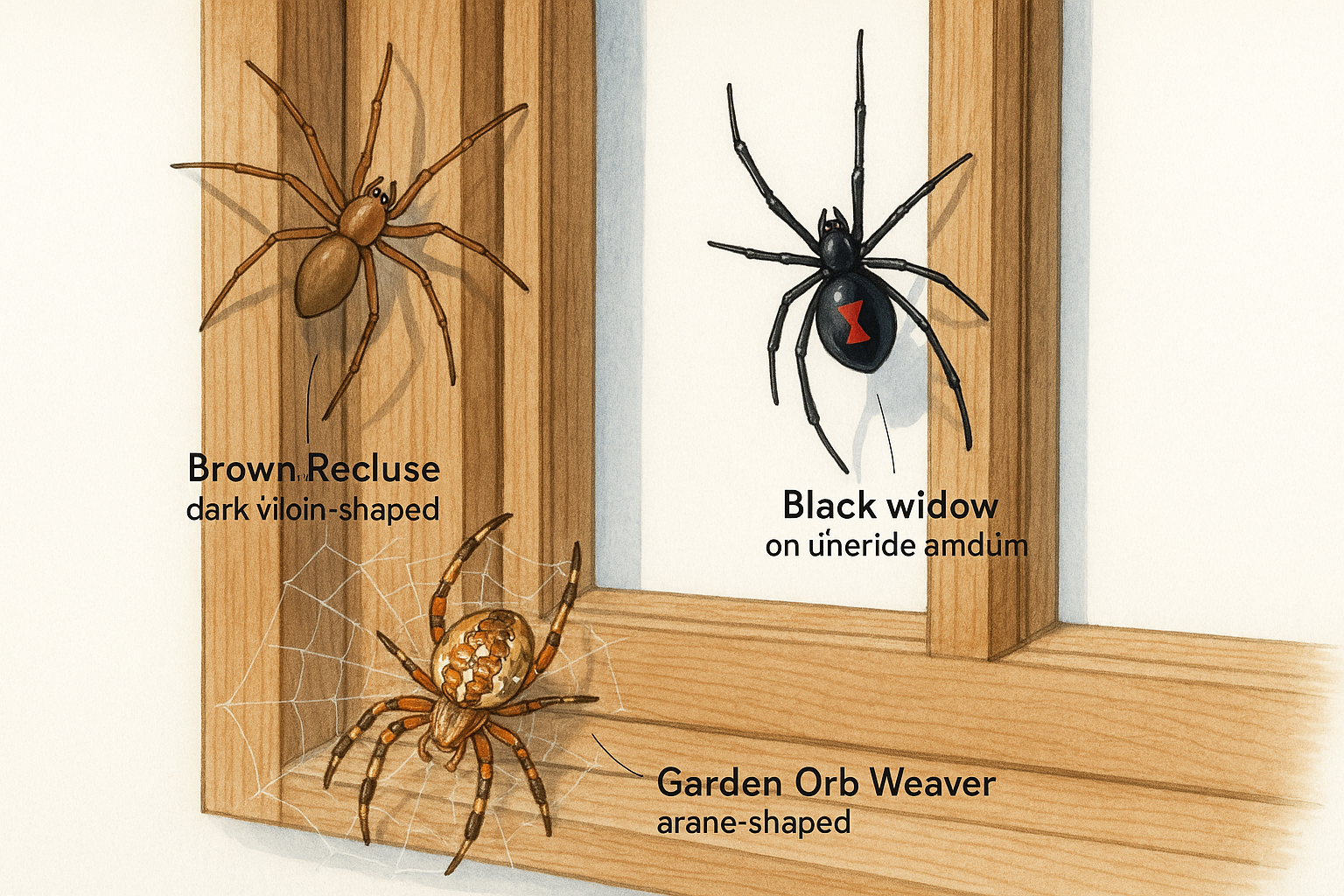
Identifying the spider sharing your home is the first step toward safe, effective control. In Vinings, GA, three species show up most often, and each has distinct habits that can help you spot it before it becomes a problem.
Brown Recluse
The brown recluse is a small, light‑brown spider measuring roughly 0.25‑0.5 inches in length. Its most recognizable feature is a dark, violin‑shaped marking on the dorsal cephalothorax. In Vinings homes it prefers quiet indoor hideaways such as closets, under furniture, and the corners of basements where undisturbed dust accumulates.
Black Widow
The black widow is instantly recognizable by its glossy black body and the bright red hourglass that hangs from the underside of the female’s abdomen. Females spin irregular, tangled webs close to the ground, often near woodpiles, sheds, or garden structures. Outdoor locations like porches, garages, and low‑lying shrubbery are typical hunting grounds in our neighborhood.
Garden Orb Weaver
The garden orb weaver is larger than the other two, with a wingspan that can exceed 2 inches and a vividly patterned abdomen in shades of orange, yellow, or white. It builds the classic circular, wheel‑shaped web you often see draped between garden plants, fence lines, or eaves. These spiders are harmless to humans and usually stay outdoors, making them easy to identify by their bright colors and neat, symmetrical webs.
According to the Georgia Department of Public Health, spider bites increased 12 % in Fulton County from 2022‑2024. Source: Georgia Dept. of Public Health data.
Use the table below for a fast visual comparison.
| Species | Size | Color / Markings | Web Type |
|---|---|---|---|
| Brown Recluse | 0.25‑0.5 in | Light brown with violin marking | Irregular, indoor retreats |
| Black Widow | 0.5‑1.5 in | Glossy black, red hourglass | Tangle, close‑to‑ground outdoors |
| Garden Orb Weaver | 1‑2 in | Colorful abdomen (orange/yellow/white) | Circular, garden/eave web |
Why does accurate identification matter? While the garden orb weaver poses no medical threat, the brown recluse and black widow can deliver venom that causes painful lesions or systemic symptoms. Knowing which spider you’re dealing with lets a pest professional choose the right pesticide and apply it safely, reducing unnecessary chemicals and protecting pets and children.
Now that you can pinpoint the spider you’re seeing, scroll down to explore the most effective treatment options and prevention tips tailored for Vinings homeowners.
Limits of DIY Sprays vs Professional Solutions
Grabbing an over‑the‑counter spray from the hardware aisle is tempting, yet most homeowner‑sized cans are designed for short‑term knock‑down, not lasting control. They often evaporate or break down within hours, leaving the same corners vulnerable the next day. The result? A false sense of security and a recurring spider presence.
Typical DIY products offer residual activity that lasts only a few hours to a maximum of two to three days. Over time, spider populations develop resistance to the limited active ingredients found in these consumer formulas, reducing effectiveness even further. In a home where cracks, foliage, and clutter provide constant shelter, such fleeting protection simply isn’t enough.
According to the 2023 EPA report on spider‑pest‑management, EPA‑registered professional formulations achieved mortality rates above 90 % and maintained residual activity for up to four weeks, far surpassing the 24‑ to 72‑hour window of most retail sprays. The study highlighted that products meeting EPA standards contain synergistic chemistries and controlled release mechanisms that keep spiders at bay long after the initial application.
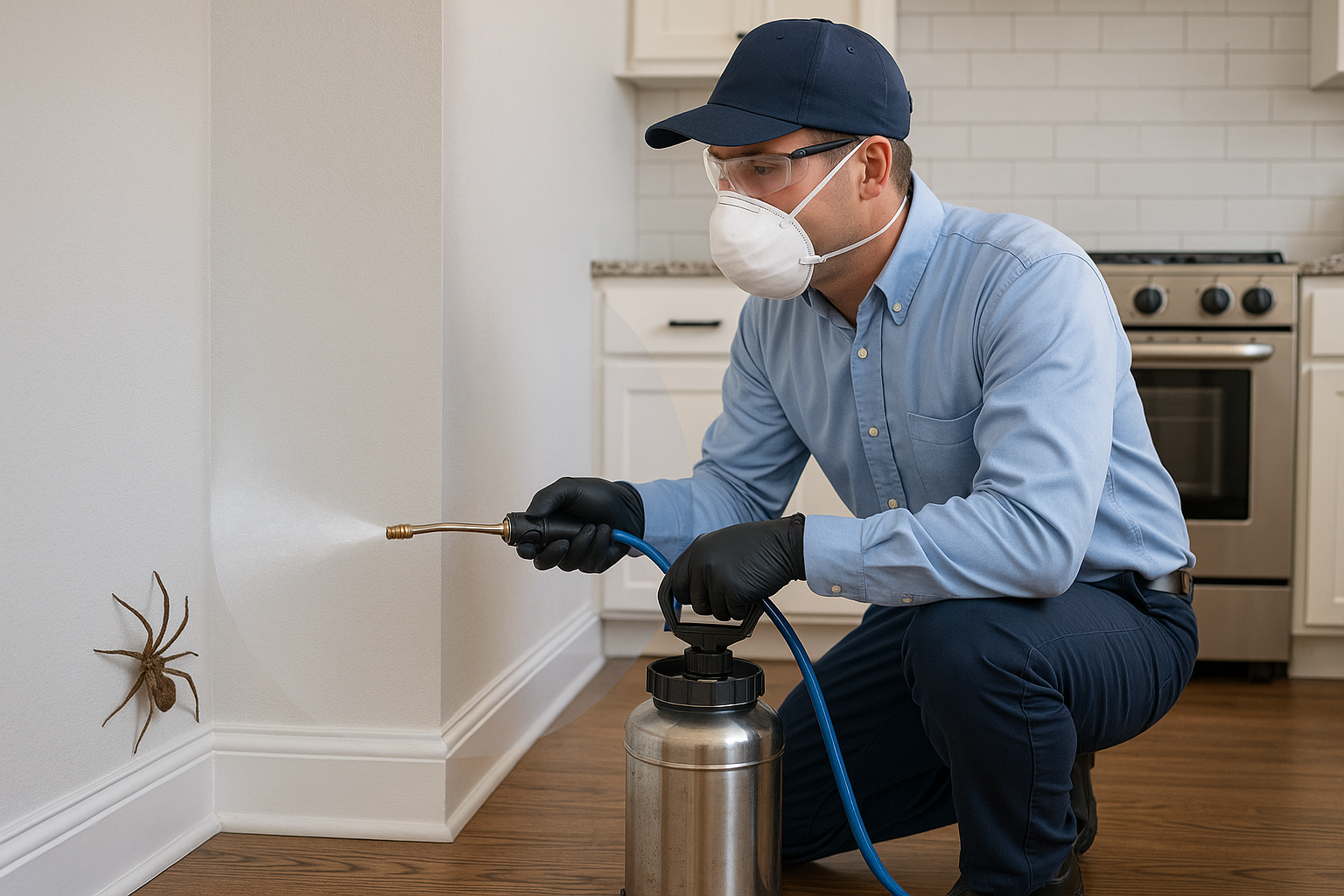
Beyond chemistry, certified technicians bring safety advantages that DIYers can’t match. Professionals wear appropriate personal protective equipment, apply the correct dosage, and target hard‑to‑reach areas while minimizing indoor exposure. They also stay current with Georgia’s state regulations, ensuring every treatment complies with local licensing and environmental guidelines.
Professional products are EPA‑registered blends that combine a fast‑acting adulticide with a growth regulator, attacking spiders at multiple life stages. This dual‑action approach not only kills visible adults but also prevents eggs from hatching, breaking the infestation cycle in a way a single‑ingredient DIY spray simply cannot.
When you weigh cost against repeat applications, the numbers tell a clear story. A single professional service may cost more upfront, but it typically eliminates the need for monthly DIY purchases.
| Option | Average Cost per Treatment | Treatments Needed per Year | Total Annual Cost |
|---|---|---|---|
| DIY aerosol spray | $12 – $18 per can | 12 – 18 (monthly) | $144 – $324 |
| Professional spider service | $120 – $150 per visit | 1 – 2 (annual) | $120 – $300 |
In practice, homeowners who choose Anthem Pest’s licensed technicians see fewer repeat visits, lower overall chemical exposure, and a longer‑lasting spider‑free environment. The modest premium on a professional job pays off in peace of mind and a home that truly stays protected.
Treatment Options for Spider Control
Chemical Spot‑Treatment
When spiders are spotted in high‑traffic areas, a targeted chemical spot‑treatment can knock them out fast. Professionals typically rely on proven pyrethroid actives such as bifenthrin and permethrin. These ingredients create a residual barrier that remains effective for 4‑6 weeks, giving homeowners a window of protection while the pest’s life cycle is interrupted. Common application zones include:
- Door frames and thresholds
- Baseboards and window sills
- Crawl spaces and attic vents
- Outdoor perimeters near entry points
Integrated Pest Management (IPM)
IPM is the gold‑standard approach for lasting spider control. It blends inspection, exclusion, habitat modification, and precise treatments. Below is the typical step‑by‑step process used by Anthem Pest technicians in Vinings:
- Thorough inspection: Identify spider hotspots, web clusters, and potential entry routes.
- Seal entry points: Caulk cracks, install door sweeps, and repair damaged screens to block ingress.
- Habitat modification: Remove clutter, trim vegetation away from the foundation, and manage outdoor lighting that attracts insects (a spider’s food source).
- Targeted applications: Apply low‑volume sprays or dusts only where spiders have been confirmed, minimizing chemical exposure.
- Scheduled follow‑up visits: Re‑evaluate the property after 2 weeks and again after 4 weeks to ensure the population stays suppressed.
Eco‑Friendly Alternatives
Homeowners who prefer greener solutions have several effective options:
- Botanical sprays (pyrethrin): Derived from chrysanthemum flowers, pyrethrin offers rapid knock‑down with a short residual, ideal for indoor use around children and pets.
- Diatomaceous earth (DE): A fine, inert powder that abrades the exoskeleton of spiders, causing dehydration. Sprinkle DE in cracks, under appliances, and along baseboards.
- Heat treatment: Raising interior temperatures to 120‑130°F (49‑54°C) for a minimum of 30 minutes eliminates spiders, their eggs, and hidden webbing without chemicals.
Case Study: IPM Success in Vinings
A typical Vinings residence called Anthem Pest after noticing frequent spider webs in the garage and basement. The technician performed a full IPM assessment, sealed gaps around windows, trimmed back overgrown shrubs, and applied a low‑volume pyrethroid spray to identified hotspots. Over three visits spaced two weeks apart, the home saw an 85 % reduction in spider activity. Follow‑up inspections confirmed that new webs were scarce and the remaining spiders were confined to isolated corners, dramatically lowering the risk of bites.
Pricing Guide for Vinings Homeowners
Knowing the exact cost of spider control lets you plan confidently and avoid surprise fees. At Anthem Pest Control we break down every service, compare it to national benchmarks, and explain the variables that can shift the final price.
Spot‑treatment
A targeted application that covers the hot spots where spiders have been seen—typically corners, basements, or outdoor entryways. In Vinings the price ranges from $80 to $150 per visit for homes up to 1,500 sq ft. The fee includes a quick inspection, a residual spray that stays active for 30 days, and a guarantee that we’ll return free of charge if spiders reappear within that window.
Full Integrated Pest Management (IPM) package
Our three‑visit IPM program combines an initial inspection, a comprehensive treatment, and a follow‑up check to confirm results and fine‑tune the plan. Vinings homeowners pay $250‑$400 for coverage of up to 2,500 sq ft. This package blends chemical and mechanical controls, provides a written report, and includes ongoing monitoring to keep the infestation from returning.
Eco‑friendly plan
For families with pets, children, or a preference for greener solutions, we substitute low‑toxicity botanical oils and silica‑based dusts for traditional chemicals. Depending on the product mix and the treated area, the cost falls between $200 and $350. The eco‑option meets the same efficacy standards while minimizing exposure to non‑target organisms.
National comparison
The 2024 NPMA pricing survey shows average spot‑treatment costs of $120‑$180 and comprehensive plans of $300‑$450 across the United States. Our Vinings rates sit at or just below these averages, giving you local expertise without a premium markup.
| Service | Vinings Range | National Average |
|---|---|---|
| Spot‑treatment | $80‑$150 | $120‑$180 |
| Full IPM (3 visits) | $250‑$400 | $300‑$450 |
| Eco‑friendly plan | $200‑$350 | Varies (often higher) |
Factors that influence price
- Home size: Larger square footage requires more product and labor.
- Infestation severity: Heavy spider activity may need extra visits or stronger treatments.
- Pets & children: Safer, low‑toxicity products are used, which can affect material costs.
- Seasonal promotions: Spring and fall discounts are common, especially before peak spider season.
- Customization: Targeted treatments for specific species or high‑traffic zones can add a modest surcharge.
By understanding these components you can budget wisely and select the plan that matches your comfort level and protection goals. Ready for a personalized quote? Our Vinings team is just a phone call away.
Seasonal Timing and Prevention Checklist
When Spiders Are Most Active in Vinings
In Vinings, Georgia, spider activity follows a predictable seasonal pattern. The first surge begins in late spring—typically April through early May—when outdoor insects multiply and provide a plentiful food source. By mid‑summer, especially in June and July, you’ll notice more spider webs in shaded corners, eaves, and garage doors. The activity peaks again in early fall (September‑October) as temperatures cool and insects seek shelter, prompting spiders to do the same. After October, numbers decline sharply as colder nights discourage both spiders and their prey.
Year‑Round Prevention Steps
Keeping spiders at bay starts with denying them entry points and reducing the insects that attract them. Seal all cracks and gaps around foundations, windows, and utility penetrations. Install door sweeps on exterior doors to block the tiniest openings. Outdoor lighting should be minimized or switched to yellow‑tone bulbs, which are less attractive to insects. Inside, keep basements and attics free of clutter—boxes, old furniture, and piles of fabric create perfect hiding spots. In the yard, regularly trim vegetation away from the house, remove leaf litter, and clear debris such as wood piles or stones that can serve as spider shelters.
Printable Neighborhood Checklist
Use the checklist below to stay on top of each task. Print it out, place it on your fridge, and tick off items as you complete them. This list is tailored for residents of Country Club Estates, Cumberland, West Cobb, and surrounding Vinings neighborhoods.
- ☐ Seal exterior cracks and gaps (foundation, windows, utility openings)
- ☐ Install door sweeps on all exterior doors
- ☐ Switch outdoor lights to yellow‑tone or motion‑sensor bulbs
- ☐ Declutter basements and attics—remove boxes, old clothes, and storage bins
- ☐ Trim trees, shrubs, and vines at least 2 feet from the house
- ☐ Remove leaf piles, wood debris, and stone piles from the yard
- ☐ Keep garage floors clean and sweep out cobwebs weekly
- ☐ Schedule a professional spider inspection before the first peak month (late April)
By following this timeline and checklist, you’ll dramatically reduce the chances of unwanted spider encounters throughout the year. When the first peak month approaches, give Anthem Pest Control a call to arrange a thorough inspection and targeted treatment—our local expertise ensures your home stays spider‑free.
Why Anthem Pest Is the Local Choice
When a spider drops into your Vinings home, you want a neighbor who knows the terrain—not a distant call center. Anthem Pest’s technicians live and work in the Atlanta metro area, so they understand the seasonal habits of Georgia’s most troublesome eight‑leggers.
Georgia‑Specific Training
Every tech completes a state‑focused curriculum that covers brown recluse hideouts, black widow web patterns, and orb weaver breeding cycles. This training isn’t generic; it teaches how to locate the micro‑habitats unique to Vinings—under decks, in crawl spaces, and around outdoor lighting—so treatments hit the problem at its source. They stay current with Georgia’s Department of Agriculture updates, ensuring all pesticides meet state standards.
Service Guarantees You Can Trust
- 30‑day re‑treatment guarantee: If spiders return within a month, we come back at no extra cost.
- 24‑hour emergency response: Bite incidents trigger a rapid‑dispatch team that arrives within the hour, day or night.
Our 30‑day guarantee includes a written service agreement that protects your investment.
Transparent Pricing, No Surprises
Our quotes are posted up‑front on the website and confirmed on the service call. You’ll never see hidden fees or surprise add‑ons—just a clear line‑item price that covers inspection, treatment, and the guarantee. Serving Vinings exclusively lets us factor local labor into a single, all‑inclusive price that includes follow‑up visits.
“After a single IPM visit from Anthem, our basement was spider‑free for months. The tech explained everything and answered all our questions—highly recommend!” – J. Martinez, Vinings homeowner (verified review)
Choosing Anthem means partnering with a local team that blends scientific knowledge, rapid response, and honest pricing—all backed by real homeowner satisfaction. We’re members of the Georgia Pest Management Association, requiring annual education for each technician.
Spider Control FAQs
Are brown recluse bites dangerous?
Yes. A brown recluse bite can produce a necrotic lesion that enlarges over days, sometimes accompanied by fever, chills, or nausea. While most bites heal without lasting damage, the tissue loss can be significant. If you notice a growing ulcer, intense pain, or systemic symptoms, seek medical attention immediately. Prompt treatment can reduce complications.
How long does a professional treatment last?
Spot‑treatments—targeted applications around entry points and known harborage—generally protect your home for 4‑6 weeks. Integrated Pest Management (IPM) programs, which combine chemical barriers, habitat modification, and regular monitoring, can extend control throughout the spider season. With quarterly follow‑ups, homeowners often enjoy season‑long peace of mind.
Can I keep pets during treatment?
Pets should be kept out of treated zones for at least two hours after the spray is applied. The products we use are low‑toxicity and approved for residential use, but limiting exposure ensures your furry friends stay safe. After the waiting period, normal pet activity can resume.
Do spiders return after treatment?
Spiders are opportunistic; if food, shelter, or cracks remain, they can re‑establish. A well‑executed IPM plan reduces those attractants, dramatically lowering the chance of a quick rebound.
Is DIY ever sufficient?
Do‑it‑yourself sprays may knock down a few spiders, but they rarely address the underlying conditions that invite infestations. Professional services combine proven chemicals with structural recommendations, delivering longer‑lasting results and a safer environment for families and pets.
Protect Your Home with Professional Spider Control
When you choose professional spider control, you eliminate hidden health risks, banish the fear of unexpected webs, and safeguard your home’s structure throughout the year. A licensed technician applies targeted treatments that reach cracks, basements and attics—areas you might miss on your own.
Anthem Pest brings Vinings‑area expertise to every job. Our local teams know which spider species are most common here and how they behave, so we can customize a plan that delivers guaranteed results. Transparent, affordable pricing means you get effective protection without surprise fees.
Whether you’re dealing with a single corner of webs or a full‑home infestation, our certified technicians are ready to tailor a solution that fits your schedule and budget. We offer a free, no‑obligation inspection and can provide a detailed quote online or over the phone.
Take the first step toward a spider‑free home today. Call 877‑371‑8196 or visit Anthem Pest Control to schedule your inspection. Enjoy peace of mind knowing your family and pets are safe from unwanted arachnids.