Emergency Flea Control in Dunwoody – Why Immediate Action Matters

Imagine coming home after a long day to find your children’s arms covered in tiny, angry welts and your golden retriever scratching furiously as if something invisible is tearing at his skin. Within minutes the whole family is frantically checking every inch of the house for the source of the sudden, relentless bites.
Fleas reproduce at breakneck speed—an adult female can lay up to 50 eggs a day, and those eggs hatch in as little as 24 hours. If you wait even a day or two, you’re feeding a burgeoning army that can spread quickly from pets to people, carrying bacteria that cause dermatitis, allergic reactions, and tapeworms. Stopping the cycle early is the only way to keep the infestation from exploding.
Dunwoody’s tightly packed neighborhoods, tree‑lined streets, and popular pet‑friendly parks create a perfect highway for fleas to hitch a ride on dogs and cats. Many homes feature brick‑faced ranches or two‑story colonials with carpeted basements and yards—places where flea larvae love to hide in upholstery, under furniture, and in the soil around foundation walls.
That’s why the emergency plan we’ll walk you through next is broken into three fast‑acting steps: (1) immediate removal of adult fleas from pets and the home, (2) targeted treatment of breeding zones, and (3) a short‑term prevention strategy to keep the next generation from taking hold. Each step is designed for the typical Dunwoody homeowner, using products that are safe for families and pets while delivering professional‑grade results.
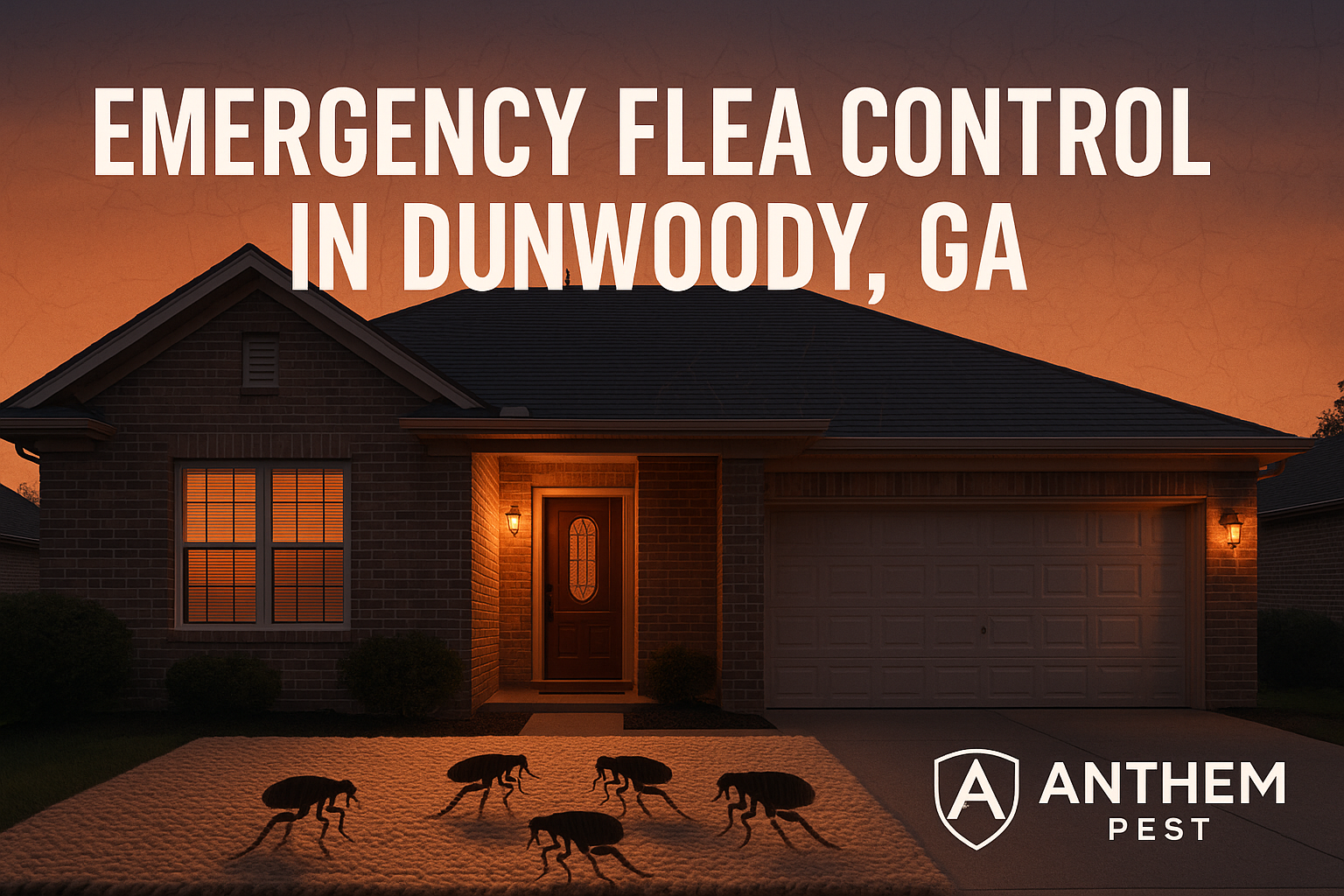
The header image above captures a classic Dunwoody living room—soft carpet, a cozy couch, and a sleepy dog curled up nearby. It illustrates exactly the kind of setting where a hidden flea problem can go unnoticed until the bites start. With the right knowledge and a swift response, you can protect your home, your pets, and your peace of mind.
Why Fleas Multiply Fast in Suburban Homes
In a typical Dunwoody house, a single flea can launch an infestation before you notice the first bite. Fleas are tiny, but their reproductive engine is efficient—an adult female can lay up to 50 eggs each day for several weeks. Those eggs hatch in about two days, and the entire cycle from egg to reproducing adult can be completed in as little as two weeks when temperature and humidity are favorable. That means a handful of fleas you see today could become hundreds within a month.
Flea life‑cycle at a glance
- Egg: Laid on the host or in the surrounding environment; hatch in 1‑3 days.
- Larva: Feeds on organic debris and flea feces; develops 5‑11 days.
- Pupa: Spins a silk cocoon; stays dormant until a passing host triggers emergence.
- Adult: Jumps onto a host within minutes; begins feeding and reproducing in 24‑48 hours.
The two‑week reproduction window is critical because it aligns perfectly with the indoor climate of most suburban homes. Heated basements, carpeted living rooms, and pet bedding create a warm, humid micro‑environment that shortens each stage of development. When a pet spends most of its day indoors, the flea’s life cycle can accelerate, allowing several generations to overlap and compound the population quickly.
According to the Centers for Disease Control and Prevention, up to 30% of households with pets report flea sightings. In Dunwoody, where many neighborhoods feature spacious yards and multiple pets per home, that national figure translates into a real, localized risk. The statistic underscores why a proactive approach is essential rather than waiting for an outbreak.
Hotspots around Perimeter Center and Brookhaven illustrate the problem vividly. These areas host dense clusters of dog parks, grooming salons, and multi‑unit housing—all places where pets congregate daily. The high foot‑traffic of animals means flea eggs and larvae are constantly deposited in shared spaces, creating a reservoir that can spill over into neighboring single‑family homes.
Because the flea’s life cycle dovetails with indoor conditions—steady temperature, limited airflow, and abundant organic material—Dunwoody homeowners often see a rapid escalation from a few stray fleas to a full‑blown infestation. Recognizing the speed of reproduction helps you act fast, cutting the cycle before it multiplies beyond control.
Spot the Signs Before the Infestation Spreads
When fleas turn from a nuisance to an emergency, the first thing you need is proof. In Dunwoody homes, the warning signs appear fast and often in plain sight. Spotting them early can shave days—or weeks—off a costly infestation, and it gives you the confidence to call Anthem Pest before the problem spreads to every room.
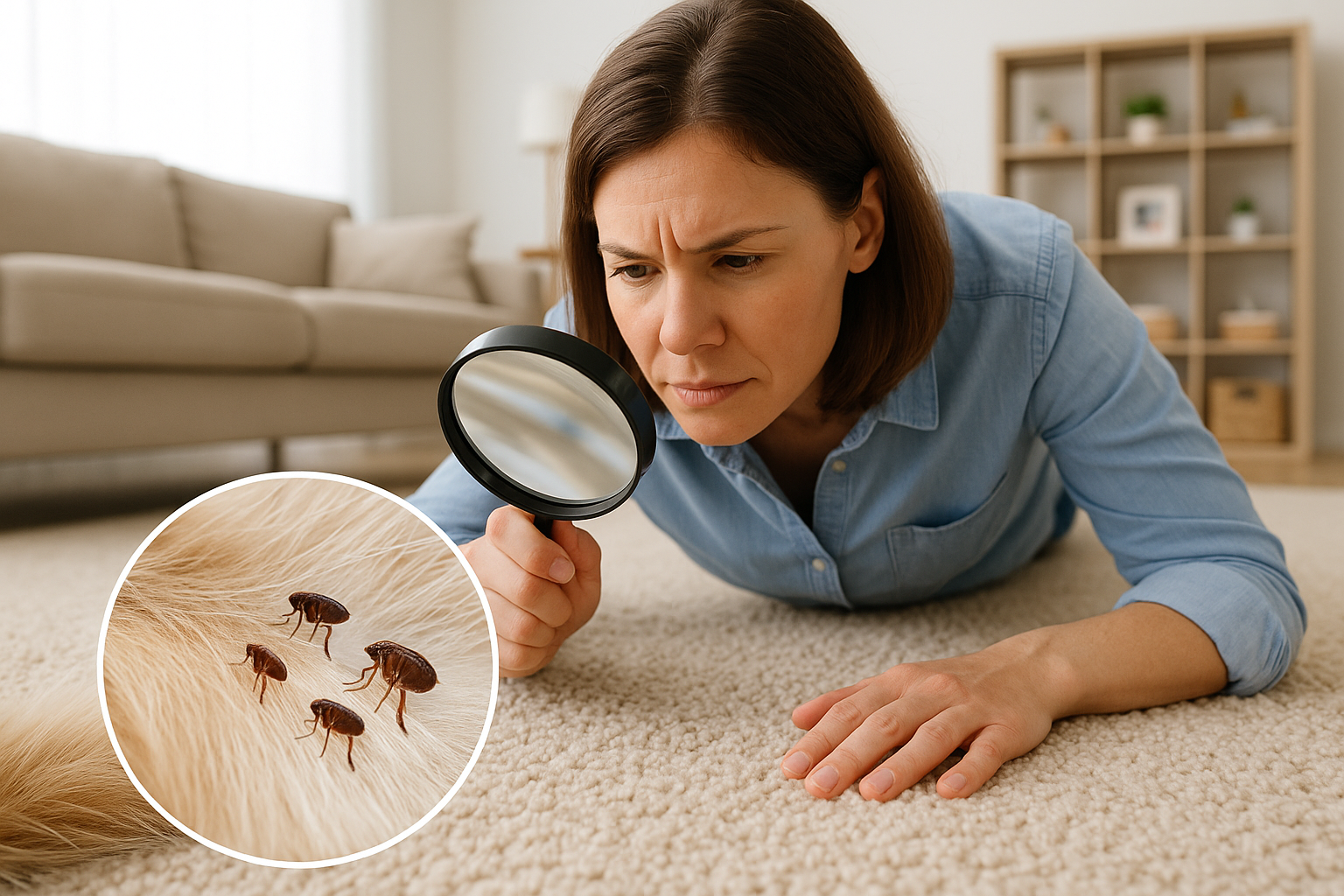
Here are the concrete clues that mean you’re dealing with an emergency flea problem:
- Flea “dirt” – tiny black specks that look like pepper – on pet bedding, carpet, or furniture.
- Pets scratching or biting themselves excessively, especially around the neck, tail base, and paws.
- Small, red bite clusters on ankles or lower legs, often arranged in a line.
- Moving specks caught in a shaft of light or on a white sheet placed on the floor.
- Sudden hair loss or skin irritation on pets, indicating a heavy feeding load.
The U.S. Environmental Protection Agency reports that an average household can host up to 5,000 adult fleas within just two weeks of an initial introduction — a speed that turns a minor nuisance into a full‑blown emergency faster than most homeowners expect (EPA).
Take the experience of Mark Johnson, a Dunwoody homeowner who spent a sunny Saturday at Brook Run Park with his Labrador, Bella. After returning, Mark noticed Bella shaking and licking her fur more than usual. By evening, he saw tiny black specks on the couch and a line of red bites on his own ankles. A quick search confirmed the culprit: fleas. Within 24 hours, the infestation had multiplied, and Mark called Anthem Pest, who arrived the next morning to begin a comprehensive treatment plan. Because Dunwoody’s humid climate accelerates flea development, professional intervention within 48 hours is critical to keep the colony from taking root.
The moment any of these signs appear, act fast. Delay gives fleas time to lay eggs, hatch, and establish a hidden population in cracks, upholstery, and pet bedding. A rapid response—vacuuming, washing linens in hot water, and scheduling a professional treatment—halts reproduction and protects both your family and pets from further irritation. Even a single untreated pet can re‑seed the home, so treat all animals and the environment simultaneously.
Red Flags That Require Expert Help
While a few stray fleas can often be managed with over‑the‑counter products, certain signs tell you that a do‑it‑yourself approach will no longer protect your home or family. When the infestation crosses a critical threshold, the risk to pets, children, and the structure itself escalates quickly, and professional intervention becomes essential.
- Infestation covering more than 30 sq ft of floor space, indicating rapid population growth.
- Pets exhibiting allergic reactions such as excessive scratching, skin rashes, or respiratory distress.
- Multiple pets in the household, which creates a larger host reservoir for fleas.
- Fleas discovered in walls, ceilings, or other hidden voids where DIY sprays cannot reach.
“Professional treatment reduces flea populations by 95 % within 48 hours.” – NPMA
These red flags signal that a comprehensive, chemically‑controlled plan is needed. Trained technicians can target the adult fleas, larvae, and eggs in hard‑to‑reach areas, apply residual products safely around pets, and provide a follow‑up schedule that guarantees long‑term control.
Anthem Pest stands ready with a 24‑hour emergency response promise. Once you call, a certified specialist will be dispatched the same day, assess the severity, and implement a treatment protocol designed to eradicate the infestation quickly and safely. With transparent pricing and a focus on homeowner peace of mind, Anthem Pest ensures you won’t have to endure weeks of itching and uncertainty.
Why Dunwoody Homeowners Trust Anthem Pest
When a flea infestation erupts in a Dunwoody home, speed and precision are non‑negotiable. Anthem Pest has built a reputation for turning panic into peace of mind by delivering an emergency flea service that blends rapid action with long‑term protection. Our technicians arrive fully equipped, understand the unique layout of local homes, and communicate every step so you know exactly what’s happening under your roof and around your pets.
Step‑by‑Step Service Flow
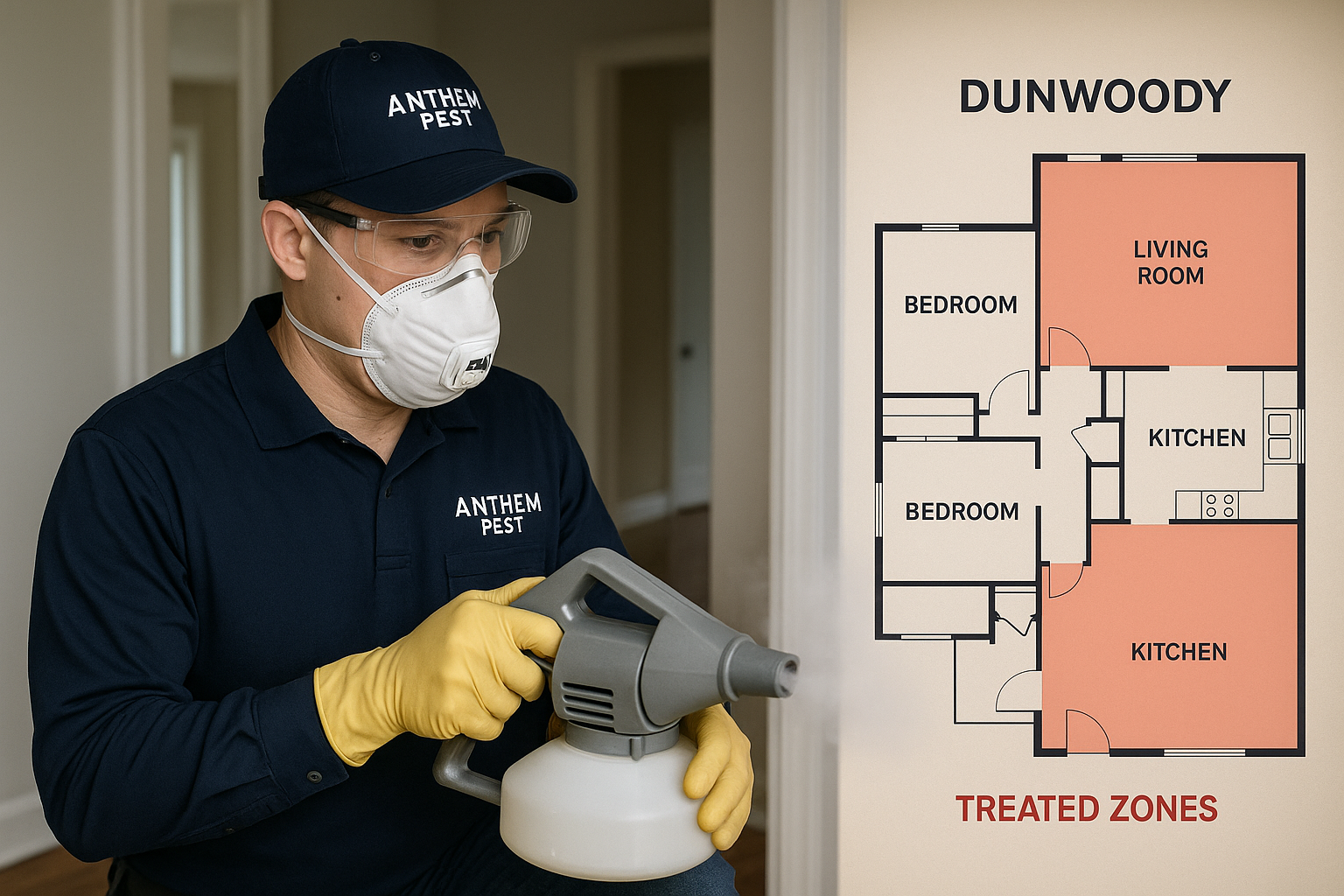
- On‑site inspection: Within minutes of arrival, we perform a thorough walk‑through, identifying hot spots, breeding zones, and any pet‑friendly concerns.
- Rapid‑acting fogger deployment: A low‑odor, fast‑kill fogger is released to blanket the interior, targeting adult fleas and larvae in seconds.
- Pet‑safe residual spray: After the fogger settles, we apply a residual formulation that remains effective for weeks yet is safe for dogs, cats, and even small caged animals.
- Scheduled follow‑up visit: One week later, a technician returns to assess progress, retreat any lingering areas, and reinforce the barrier to prevent re‑infestation.
Local Expertise for Dunwoody Homes
Dunwoody’s housing stock ranges from classic colonial homes with expansive basements to sleek townhomes and multi‑unit apartments. Our crews have spent years navigating these layouts, knowing where fleas love to hide—under floorboards of older colonials, behind the drywall of townhomes, and in the tight crawl spaces of apartments. This familiarity lets us place foggers and sprays with pinpoint accuracy, reducing waste and maximizing coverage.
Transparent Pricing
We believe you should never guess the cost of emergency relief. Anthem Pest offers a clear, tiered pricing structure based on the square footage of the treated area, plus an optional pet‑friendly formulation for added peace of mind.
| Square Footage | Emergency Package | Pet‑Friendly Add‑On |
|---|---|---|
| Up to 1,200 sq ft | $199 | $75 |
| 1,201 – 2,000 sq ft | $269 | $75 |
| 2,001 – 3,000 sq ft | $329 | $75 |
| Over 3,000 sq ft | Custom Quote | $75 |
All prices are posted on the Anthem website for 2025, and we encourage homeowners to verify the latest rates before scheduling. The transparent structure eliminates hidden fees and ensures you receive the exact coverage your Dunwoody home needs.
Comparing Flea Treatment Methods
When fleas start hopping around your Dunwoody home, the first question is how to eliminate them quickly and affordably. Homeowners typically choose between four proven approaches: do‑it‑yourself (DIY) foggers that you spray yourself, professional fogger services dispatched by a pest‑control firm, indoor/outdoor barrier sprays that create a protective ring around your property, and a year‑round Integrated Pest Management (IPM) plan that combines monitoring, treatment, and prevention. Each method varies in price, coverage, and how fast you’ll see results.
DIY Foggers
DIY foggers are the budget‑friendly entry point, usually sold in cans for $30‑$70. A single can can cover roughly 1,500 square feet, making it suitable for a modest‑sized house or a single carpeted room. The chemicals activate within minutes, so you’ll notice a drop in flea activity the same day. However, the knock‑down is short‑lived—typically two to three weeks—because the product doesn’t penetrate wall voids or outdoor perimeters, and repeated applications can add up quickly.
Professional Fogger Services
Professional fogger services cost between $150 and $300 per treatment, but the value lies in the equipment and expertise. Certified technicians apply a calibrated fog that reaches up to 3,000 square feet, infiltrating cracks, baseboards, and even shaded outdoor zones where fleas hide. Results usually appear within 24‑48 hours, and the residual effect can last four to six weeks, giving you a longer window before the next appointment is needed.
Indoor/Outdoor Barrier Sprays
Barrier sprays sit in the middle of the cost‑effectiveness spectrum, priced at $120‑$250 for a full‑property application. Technicians treat the interior floor space and the perimeter of your yard with a residual insecticide that remains active for six to eight weeks. Because the spray forms a continuous shield, you typically see a steady decline in flea counts within a week, and the protection extends to pets that walk in and out of the house.
Integrated Pest Management (IPM) Plans
An Integrated Pest Management (IPM) plan is the most comprehensive—and often the most economical—choice for severe
Keeping Fleas Out Year‑Round
Fleas don’t take a vacation because the calendar flips. In Dunwoody’s humid climate they can reappear whenever routine maintenance slips. The smartest defense is a year‑round game plan that matches each season’s challenges. Below is a practical checklist you can follow without hiring a specialist.
Seasonal Checklist
- Spring – Yard mowing & inspection: Cut grass to 2‑3 inches, then walk the perimeter with a flea‑comb or sticky trap. Remove debris that could shelter emerging larvae.
- Summer – Pet grooming & outdoor play: Bathe dogs and cats with a flea‑preventive shampoo, trim long fur, and wipe paws after yard time. Keep water bowls clean to avoid standing moisture.
- Fall – Leaf removal & soil aeration: Rake and bag fallen leaves promptly; they create a damp blanket for flea eggs. Aerate beds to improve drainage and discourage larvae from hatching.
- Winter – Indoor vacuuming & humidity control: Vacuum carpets, rugs, and upholstery once a week, focusing on pet bedding. Use a dehumidifier to keep indoor humidity below 60 %—fleas struggle to survive.
By ticking these items each quarter, you create a hostile environment for every life stage of the flea.
Local Service Partners You Can Trust
When you need a professional hand, Dunwoody has several vetted companies that specialize in the tasks above.
- Dunwoody Lawn Care Co. – Offers spring and fall lawn aeration, leaf removal, and routine pesticide barrier applications tailored for flea prevention.
- Peachtree Corners Veterinary Clinic – Provides pet grooming, flea‑preventive medication, and micro‑chip health checks for your dogs and cats.
- Anthem Pest Control – Delivers quarterly indoor inspections, flea treatments, and a guaranteed follow‑up plan to keep your home flea‑free.
Why Quarterly Inspections Matter
The National Pest Management Association (NPMA) reports that homes performing quarterly inspections see a 70 % reduction in re‑infestations. [NPMA] This drop isn’t magic; it’s the result of catching early signs—tiny flea dirt, a stray adult, or a sudden increase in pet scratching—before the colony can establish itself.
Combine the seasonal checklist with the expertise of local providers, and you’ll stay one step ahead of fleas all year long. A little effort each season saves you from emergency treatments, costly chemicals, and the discomfort of a bite‑filled household.
Dunwoody Hotspots & Community Help
Fleas thrive in micro‑environments that many Dunwoody neighborhoods unintentionally provide. Dense foliage, frequent pet traffic, and older housing stock create perfect breeding grounds, especially where neighbors share yards or community parks. Knowing which pockets of the city are most vulnerable lets you act fast before an infestation spreads to your home.
Reports from the Dunwoody Homeowners Association and Fulton County Animal Services show a concentration of flea activity in four zones. Understanding the local landscape helps you target inspections and treatments where they matter most.
Flea‑prone neighborhoods
- Perimeter Center – High‑rise apartments and condo complexes with shared laundry rooms and pet‑friendly courtyards often harbor hidden flea colonies.
- Brookhaven – Tree‑lined streets and numerous dog‑walking trails make this area a hotspot for outdoor flea activity.
- Peachtree Corners – Older subdivisions with mature landscaping and multiple multi‑pet households see recurring flea reports.
- Dunwoody Nature Preserve – The preserve’s abundant wildlife and grassy edges attract stray animals, increasing the risk for nearby homes.
Community resources
- Fulton County Animal Services – Offers low‑cost flea treatments for rescued animals and provides educational flyers for homeowners.
- Dunwoody Homeowners Association pest‑watch alerts – Sends email notifications when a cluster of flea complaints is logged in a specific subdivision.
- Local veterinary clinics – Many participate in community flea‑prevention programs and can advise on safe pet treatments.
Subscribe to the HOA’s pest‑watch email or follow Fulton County’s social‑media alerts for real‑time notifications. Promptly reporting sightings helps city officials map hot spots and allocate resources efficiently.
Stay up‑to‑date on flea‑borne disease alerts and city‑wide recommendations by visiting the Dunwoody Public Health flea‑borne disease page.
Quick Answers for Busy Homeowners
How long do fleas survive without a host?
Adult fleas can live up to 2–3 weeks without a blood meal, while eggs and larvae survive only a few days in dry conditions. Because they can linger in carpet, bedding, and cracks, you’ll want to treat the whole environment, not just the pet, to break the cycle. Call Anthem Pest at 877‑371‑8196 for a free quote.
Is my pet safe during fogging?
Our fogging crews use pet‑safe, low‑toxicity formulations approved by the EPA. Pets are removed from the treated area for a short ventilation period—usually 30‑45 minutes—then they can return safely. The fog penetrates cracks and upholstery where fleas hide, delivering rapid knock‑down without harming your dog or cat. Call Anthem Pest at 877‑371‑8196 for a free quote.
Can fleas infest the garage?
Yes—fleas love any warm, sheltered spot, and a garage can become a hidden reservoir if pets spend time there or if you store bedding and toys. Treat the garage with the same indoor‑grade spray, vacuum thoroughly, and consider a perimeter fog to eliminate any lingering stages. Call Anthem Pest at 877‑371‑8196 for a free quote.
Rapid Flea Relief in Dunwoody – Call Today
Fleas multiply faster than you can notice – a single adult can lay up to 50 eggs a day, and those eggs hatch in just a few days. If you wait, the infestation spreads, increasing the risk of allergic reactions, skin infections, and even disease transmission to pets and family members. Immediate action is the only way to halt breeding and protect your home.
Anthem Pest’s 24‑hour emergency response team is on standby in Dunwoody, ready to deploy pet‑safe treatments that target every life stage of the flea. Our technicians arrive equipped with EPA‑approved products, apply them precisely where fleas hide, and provide a clear, upfront price before any work begins. No hidden fees, no surprise charges.
Because we live and work in the same neighborhoods, we understand the local climate, common flea hotspots, and the best timing for treatment. Our guarantee promises safe, affordable results – if fleas return within the treatment window, we’ll come back at no extra cost.
Ready for rapid relief? Call us now for a free, no‑obligation quote. Our friendly staff will walk you through the process, answer any questions, and schedule service at a time that fits your busy life.
Call 877‑371‑8196 or visit Anthem Pest Control today.