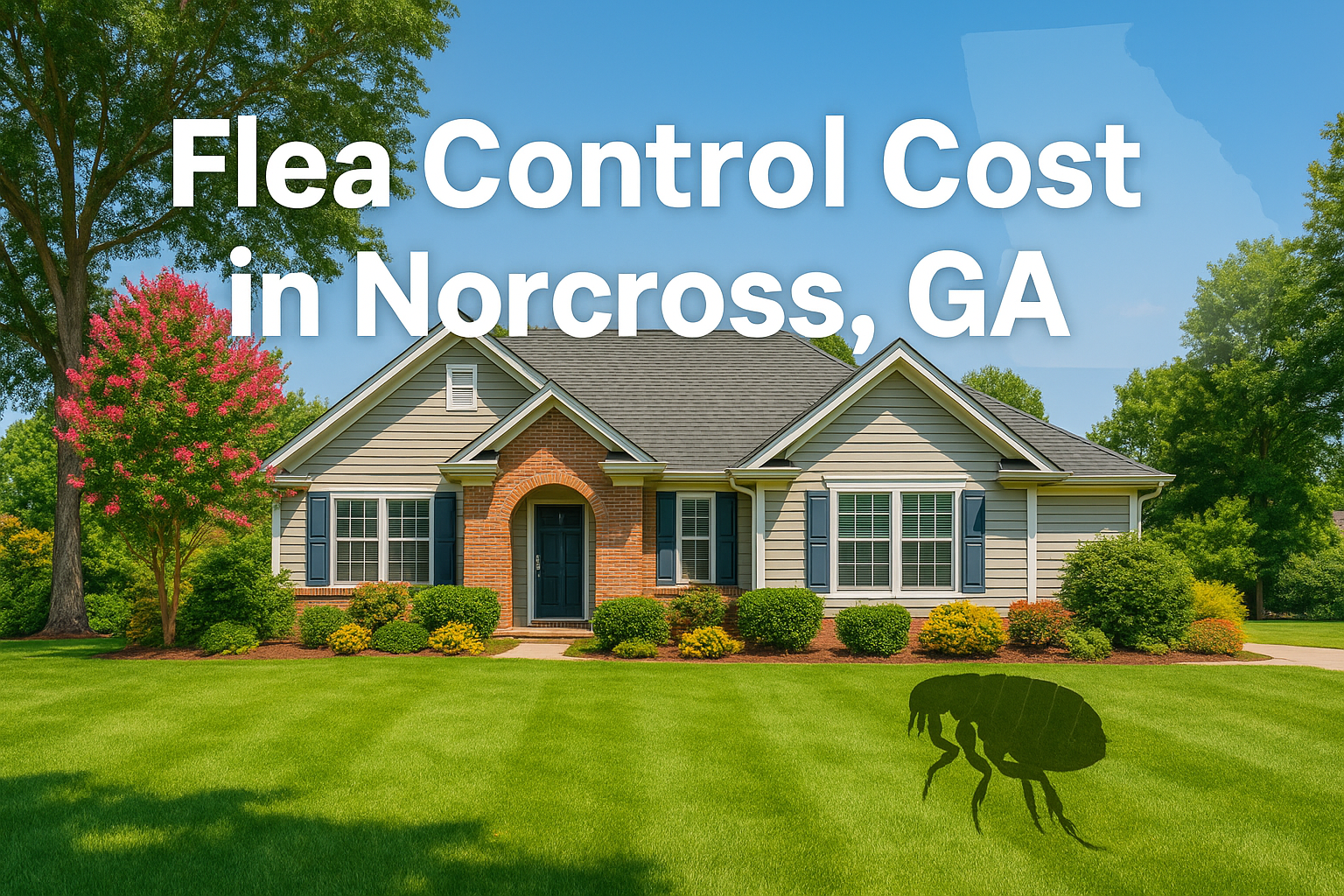
Flea Control Overview for Norcross Homeowners

Imagine a typical Thursday in late July. The Johnson family just closed their windows after a sudden summer rainstorm, only to hear a faint, frantic “jump‑jump” from the living‑room rug. A quick inspection reveals a few tiny, dark specks—flea larvae—scurrying across the floor. Within minutes, the kids are itching, the dog is restless, and the homeowner wonders how quickly a harmless‑looking puddle turned into a full‑blown flea invasion.
That scenario isn’t unique to the Johnsons; it’s a direct result of Norcross’s warm, humid climate. Georgia’s average summer humidity hovers around 70 %, creating the perfect micro‑environment for flea eggs and larvae to thrive. Neighborhoods such as Peachtree Corners, East Norcross, and the historic district feature dense tree canopies and well‑watered lawns—ideal shelters for the rodent hosts fleas need to complete their life cycle.
According to the Centers for Disease Control and Prevention, the southeastern United States reports the highest flea prevalence in the nation, with Georgia ranking among the top three states for seasonal infestations. This data underscores why even a brief rainstorm can trigger a rapid surge in flea activity across Norcross homes.
In this guide, we’ll break down exactly what you can expect to spend on flea control—from a basic single‑visit treatment to comprehensive, year‑round prevention plans. You’ll learn about the most effective methods—chemical sprays, organic powders, and targeted pet treatments—and see how Anthem Pest delivers transparent, affordable pricing without hidden fees.
Armed with that knowledge, you’ll be ready to move past the initial shock of a flea sighting and into the next section, where we dive deeper into flea biology, seasonal activity patterns, and the precise steps you can take to keep your home flea‑free all year long.
Flea Biology and Seasonal Activity in Norcross
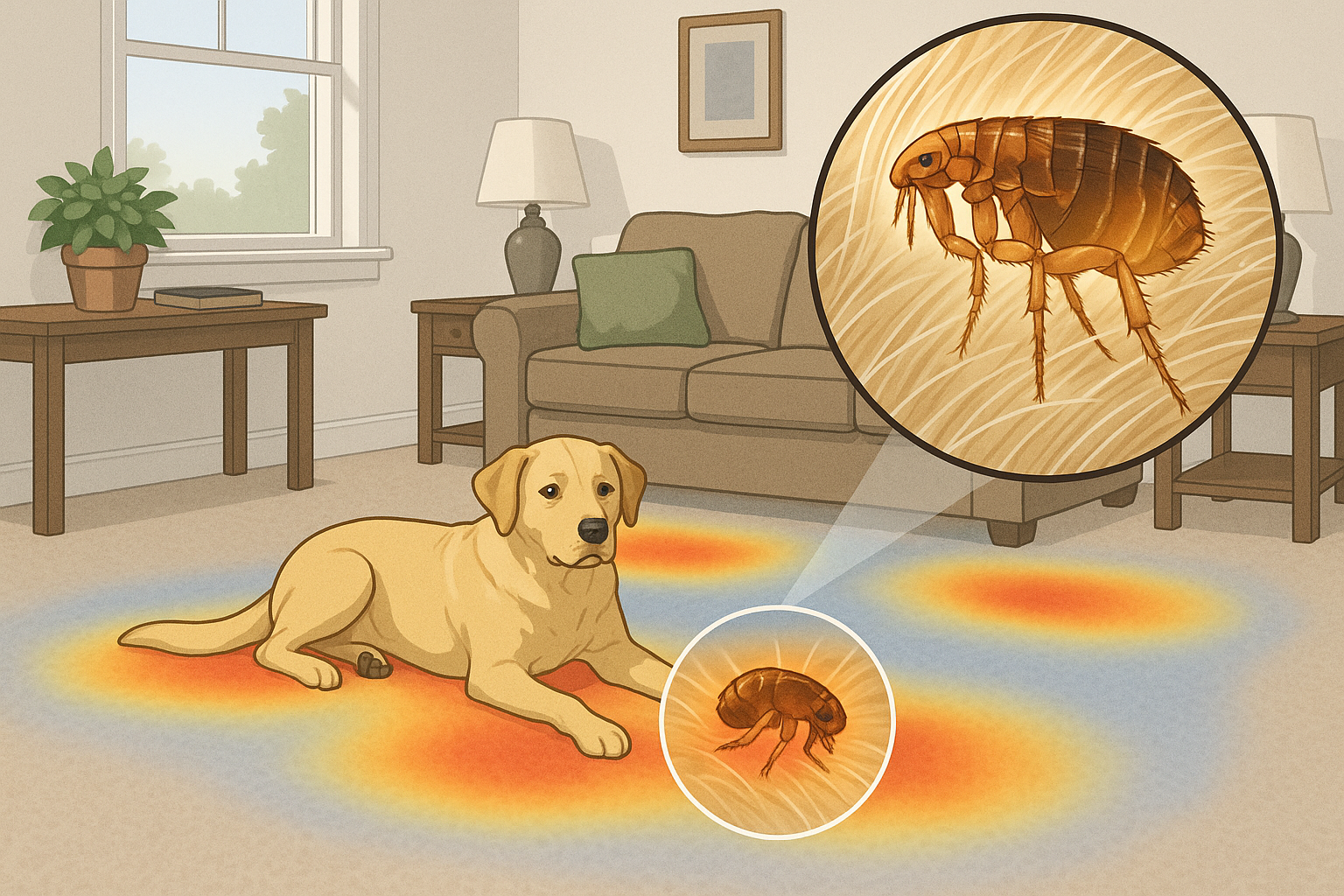
Fleas may be tiny, but their biology drives the infestations you see in Norcross homes each summer. The insect’s four‑stage life cycle—egg, larva, pupa, and adult—relies heavily on warm temperatures and high humidity, conditions that are common in our Georgia climate from late May through September.
Eggs hatch in 2–10 days when ambient temperatures sit between 70°F and 85°F and moisture levels exceed 50 %. The emerging larvae feed on organic debris, adult flea feces, and shed skin, thriving in carpet fibers and upholstery where humidity is trapped. Within a week they spin a silken cocoon and enter the pupal stage; this protective case can remain dormant for weeks, but a sudden rise in temperature or a nearby host’s carbon‑dioxide breath will trigger emergence of the adult flea, ready to bite.
During Norcross’s peak summer months (June‑August), average daytime highs regularly climb above 88°F and nightly humidity hovers near 80 %, shortening each developmental stage to just a few days. This rapid turnover can produce three to four generations in a single season, turning a minor nuisance into a full‑blown infestation within weeks.
According to the approximately 10‑15 % of households with pets report flea infestations annually, a figure that holds true for Norcross, where the combination of lush lawns and frequent thunderstorms creates a perfect breeding ground. In fact, the city saw a noticeable spike in reported sightings after the heavy June‑July 2023 rainstorm that drenched the Norcross‑South Fulton area, pushing humidity above 70 % for several consecutive weeks and accelerating the egg‑to‑adult transition.
Inside a typical Norcross home, fleas gravitate toward five micro‑environments where warmth, moisture, and food overlap:
- Carpets and area rugs
- Pet bedding and sleeping pads
- Cracks in foundation or baseboards
- Upholstered furniture and cushions
- Under‑floor insulation and crawl‑space voids
These spots can harbor thousands of immature fleas, silently feeding on debris until an adult emerges and finds a host.
Quick tip: Look for tiny, black specks that resemble pepper grains in high‑traffic areas, and check your pet’s fur for “flea dirt” (tiny dark specks that turn red when moistened). Set a white sheet under a lamp for a few minutes; any moving specks are likely adult fleas ready to jump.
Treatment Options Available in Norcross
When fleas invade a Norcross home, a one‑time spray can be the quickest way to knock them out. Anthem Pest uses EPA‑approved insecticides that safely cover between 1,200 and 1,500 sq ft per application. This service is ideal for smaller residences or for a single‑event infestation where the problem is isolated and you need fast relief. Technicians target baseboards, pet bedding, and other hot spots, leaving a low‑odor residue that disappears within hours.
The Quarterly Prevention Plan takes a more proactive stance. Each season the team combines a targeted spray, a fogger for hard‑to‑reach cracks, and pet‑safe collars that release repellent over time. According to a 2023 NPMA study, homes on a quarterly schedule experience up to an 85 % reduction in flea re‑infestation compared with a single treatment. The recurring visits also let technicians monitor any new activity and adjust the chemistry before a full‑blown outbreak occurs.
For homeowners who want a comprehensive, long‑term solution, Anthem Pest offers a Whole‑Home Integrated Pest Management (IPM) program. IPM blends chemical treatment with structural sealing, yard perimeter applications, and a personalized education session. By closing entry points, treating outdoor breeding zones, and teaching residents how to keep indoor environments unfavorable for fleas, the program reduces reliance on chemicals while still delivering strong control.
Pros and Cons at a Glance
| Option | Effectiveness | Cost | Frequency | Pet Safety |
|---|---|---|---|---|
| One‑Time Spray | High for immediate knock‑down | $$ (single visit) | Once | EPA‑approved, low‑odor, safe when dry |
| Quarterly Prevention | Very high; 85 % reduction in re‑infestation (NPMA 2023) | $$$ (four visits per year) | Every 3 months | Pet‑safe fogger & collars; formulations approved for cats & dogs |
| Whole‑Home IPM | High; combines chemical & non‑chemical tactics | $$$$ (custom quote) | Initial intensive treatment + quarterly checks | Uses low‑toxicity products; emphasis on sealing & education reduces exposure |
Why Anthem Pest stands out: every technician is fully licensed in Georgia and follows a low‑odor, pet‑safe protocol. The company’s formulations are EPA‑registered and specifically chosen to minimize risk to children and animals while delivering rapid knock‑down. Anthem Pest also holds certifications from the National Pest Management Association, underscoring its commitment to industry best practices and ongoing education.
Why choose a licensed professional over DIY kits? A typical DIY flea spray costs about $30–$45 and may require multiple applications, yet it lacks the coverage, potency, and safety testing of a professional product. In contrast, Anthem Pest’s one‑time spray starts around $120 for a 1,500 sq ft home, delivering EPA‑approved chemistry, guaranteed coverage, and a technician’s warranty. The extra investment protects pets, reduces repeat visits, and ultimately saves money by preventing a full‑scale infestation.
Detailed Cost Breakdown for Flea Control
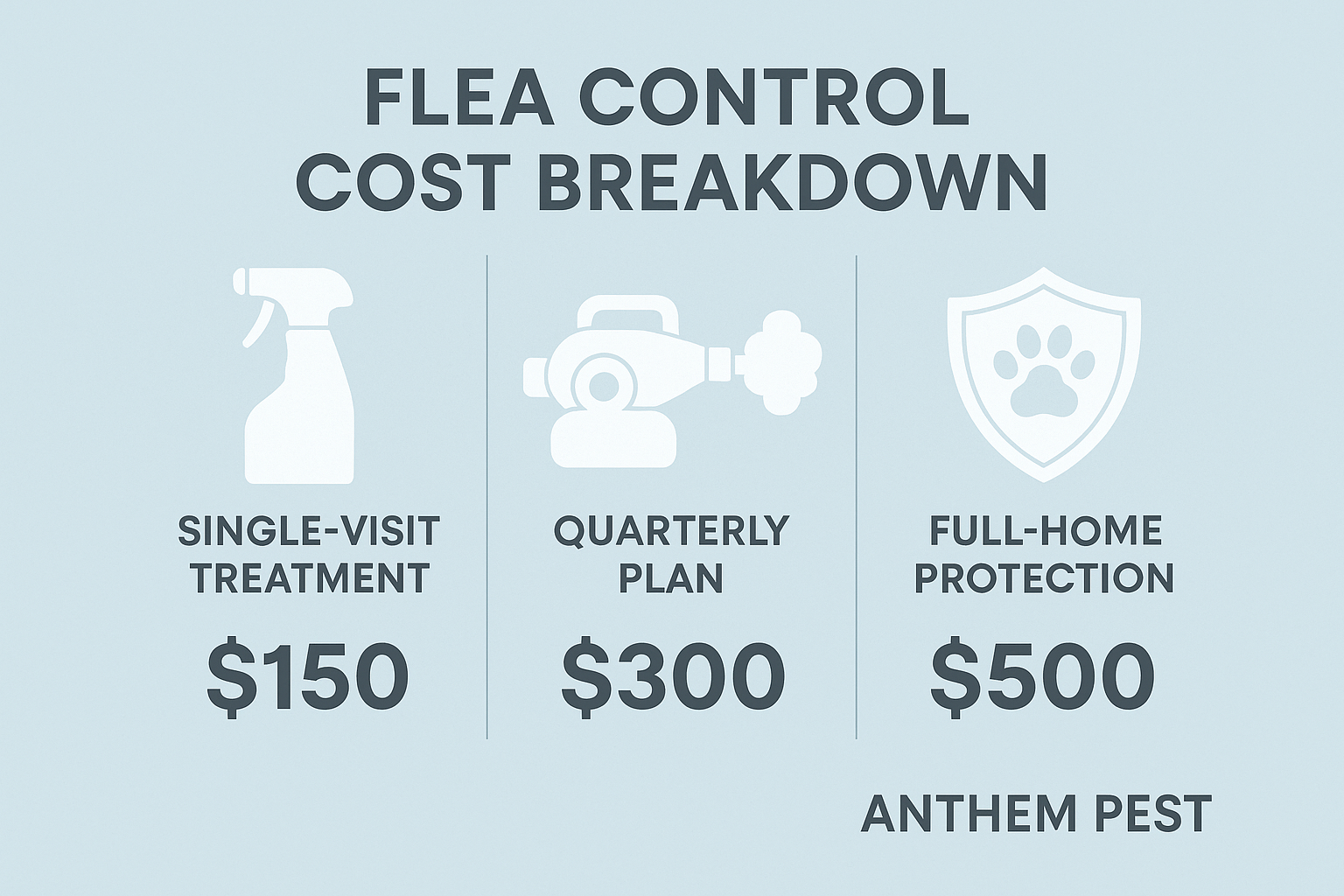
When it comes to flea control, knowing exactly what you’ll pay helps you budget confidently and avoid surprise charges. Below, Anthem Pest Control lays out the pricing for each service tier commonly requested in Norcross, Georgia, explains the extra fees that can pop up, and walks you through a real‑world calculation for a 2,200‑sq‑ft home in the Norcross‑Lakeview area.
Service‑Tier Pricing Overview
| Service Tier | Typical Price Range | What’s Included |
|---|---|---|
| Single‑Visit Spray | $120 – $180 | One‑time interior spray covering up to 1,500 sq ft; pet‑safe formulation; 30‑day guarantee |
| Quarterly Plan | $250 – $350 per year | Four seasonal treatments; pet‑safe products; follow‑up inspection after each visit; priority scheduling |
| Full‑Home IPM Package | $450 – $600 annually | Comprehensive Integrated Pest Management (IPM) covering interior, exterior perimeter, and yard; quarterly visits; ongoing monitoring; pet‑safe chemicals |
Additional Fees You Might Encounter
- Pet‑only treatment: +$30 per visit if you need a focused application just for your animal’s sleeping areas.
- Emergency call‑out: +$50 for same‑day service outside the regular schedule (e.g., a sudden infestation before a big event).
- Senior or multi‑home discount: 10 % off the total invoice for qualifying seniors or customers who enroll three or more properties under the same account.
Sample Cost Calculator: 2,200‑sq‑ft Home in Norcross‑Lakeview
Let’s break down the math for a typical 2,200‑sq‑ft house that wants the Full‑Home IPM Package, adds a pet‑only treatment, and qualifies for the senior discount.
- Base IPM package: The price range for a 2,200‑sq‑ft home falls between $500 and $580 (the standard $450‑$600 range is adjusted upward about 10 % for the extra square footage).
- Add pet‑only treatment: +$30 per quarter. Over a year that’s 4 × $30 = $120.
- Subtotal before discount: $560 (average base) + $120 = $680.
- Apply senior discount (10 %): $680 × 0.10 = $68 savings.
- Total annual cost: $680 – $68 = $612.
In this scenario, the homeowner pays $612 for a full year of comprehensive flea control, which includes interior, exterior, and yard treatment, plus extra protection for pets, all while enjoying a senior discount.
Why Prices Can Vary
Anthem’s pricing isn’t one‑size‑fits‑all. Several factors shift the final number:
- Home size: Larger square footage requires more product and longer labor time, nudging the price upward.
- Infestation severity: A light, seasonal problem costs less than a heavy, multi‑room outbreak that may need additional rounds of treatment.
- Pet count and type: More animals often mean extra pet‑only applications or specialized products, adding $20‑$40 per pet.
- Seasonal demand: Spring and summer are peak flea seasons; rates can rise slightly during those months due to higher demand.
- Location specifics: Homes near dense vegetation or with extensive landscaping may require extra perimeter or yard work, influencing the final quote.
By understanding these variables, you can discuss your unique situation with an Anthem representative and receive a customized estimate that reflects exactly what your home needs.
Anthem Pest’s Pricing Transparency
Free on‑site inspection
When you call Anthem Pest, the first step is a complimentary on‑site inspection. A certified technician arrives at your door and walks through the interior of your home, paying special attention to high‑traffic zones, pet sleeping areas, and any carpeted rooms where fleas thrive. The exterior is also examined for yard debris, mulch, and potential entry points. This thorough walk‑through lets the technician pinpoint the exact stage of the flea life cycle and determine the most effective treatment plan—without any cost to you.
Written, itemized estimate
Within minutes of the inspection, the technician provides a detailed, written estimate. Every line item—initial treatment, follow‑up visits, pet‑safe products, and any optional preventive services—is listed with a fixed price. The estimate also includes a clear timeline, so you know exactly when each step will happen and when you can expect to see results. Because the pricing is guaranteed up front, there are no surprise charges later on.
No‑hidden‑fee pledge
Anthem Pest stands by a strict no‑hidden‑fee policy. If additional work is required—such as treating a heavily infested yard or addressing a secondary pest—those services are disclosed before any extra work begins. The technician will walk you through the reasons for the added service, present a separate cost estimate, and wait for your approval. This transparency ensures you stay in control of your budget from start to finish.
As the company states on its website: “Our pricing starts at $99 for a basic flea assessment.”
“I was amazed at how clear the pricing was. Anthem sent a written estimate that matched the final bill, and I never felt pressured to add extra services. For a family with pets, that peace of mind is priceless.” – Jane D., Peachtree Corners
Ready to see the same clarity for your home? Call 877‑371‑8196 to schedule your free inspection today.
DIY vs Professional Flea Control – Numbers That Matter
When it comes to keeping fleas at bay, the price tag on a product often masks the true cost of living with a persistent infestation. A typical DIY flea kit in Norcross runs between $30 – $60, but EPA data shows its effectiveness hovers around 30 %–45 %. In practice, that means many homeowners end up re‑applying the product every few weeks, driving the real expense higher.
Professional treatment ROI
Anthem Pest’s full‑service flea program may cost more upfront—usually $150 – $250 for a comprehensive indoor/outdoor application—but it delivers 90 %+ eradication rates. The biggest financial advantage is the reduction in repeat visits. On average, a homeowner who switches to a professional service saves $200 – $400 per year by avoiding monthly DIY purchases, additional spot‑treatments, and the hidden costs of lingering flea bites (vet bills, lost sleep, and damaged furniture).
Side‑by‑side comparison
| Feature | DIY Kit | Professional Service |
|---|---|---|
| Price range (per treatment) | $30 – $60 | $150 – $250 |
| Effectiveness | 30 % – 45 % (EPA report) | 90 % + |
| Protection duration | ≈ 1 month | ≈ 3 months |
| Coverage area | Limited to 500 sq ft per can | Whole home & yard (up to 2,500 sq ft) |
| Typical re‑treatment frequency | Monthly | Quarterly or as needed |
Hidden costs of DIY
Beyond the sticker price, DIY solutions often carry hidden expenses: you may need additional treatments to reach the same level of control, and improper application can expose pets to chemicals that lead to veterinary visits. Moreover, incomplete eradication prolongs the flea life cycle, increasing the likelihood of allergic reactions and secondary skin infections.
Bottom‑line recommendation
Running the numbers shows that while a DIY kit feels cheaper month‑to‑month, the total cost of ownership climbs quickly when you factor in repeat purchases, pet health risks, and lost productivity. For most Norcross homeowners, investing in a professional flea program delivers a clear cost‑benefit advantage, offering longer protection, higher efficacy, and peace of mind that a DIY approach simply can’t match.
Prevention Tips for Norcross Homeowners
Routine Pet Grooming
Keep your furry family members on a regular grooming schedule. A quick weekly brushing helps remove stray flea eggs before they hatch. Invest in a flea comb and run it through your pet’s coat after each brush session to catch any hidden pests. Complement the physical removal with a monthly topical treatment—products like front‑line or selamectin are both effective and safe when applied as directed.
Consistent Vacuuming
Fleas love the warm, dark corners of carpets, upholstery, and pet bedding. Vacuum at least once a week, focusing on seams, under furniture, and pet hangouts. Immediately dispose of the vacuum bag or empty the canister into a sealed trash bag to prevent re‑infestation. Follow up by washing all pet bedding in hot water (130°F/54°C) to kill any eggs or larvae that survived the vacuum.
Yard Maintenance
The outdoor environment can be a breeding ground for fleas, especially in shaded, damp spots. Trim grass to a maximum of 3‑4 inches and regularly remove leaf litter where moisture accumulates. For added protection, apply a pet‑safe perimeter spray along fence lines, under decks, and in garden beds. Choose products labeled for use around pets and reapply after heavy rain.
Seasonal Checklist
- Pre‑summer inspection: Check pets, indoor carpets, and yard perimeters before temperatures rise.
- Post‑rain follow‑up: After a heavy storm, repeat vacuuming and spot‑treat damp areas that may have become flea havens.
- Fall deep‑clean: As leaves fall, give your home a thorough cleaning—vacuum, wash bedding, and treat the yard to eliminate any lingering eggs before winter.
For a year‑round strategy, explore Anthem’s detailed guide: Year‑Round Flea Prevention. Implementing these steps now can save you time, hassle, and extra costs when the next flea season rolls around.
Conclusion and Call to Action
When it comes to flea control in Norcross, realistic pricing falls into three easy-to‑remember tiers. A single‑visit treatment typically runs between $120 and $180, a quarterly maintenance plan averages $250 to $350, and a full‑home integrated pest‑management (IPM) program ranges from $450 to $600.
Why choose Anthem Pest’s licensed professionals
Choosing Anthem Pest means you’re working with fully licensed technicians who prioritize safety for your family and pets, use proven treatment methods, and provide transparent, upfront pricing—so there are no surprise fees after the job is done.
Quick prevention checklist
- Give your pets a monthly flea shampoo or spot‑on treatment to break the life cycle before it spreads.
- Vacuum high‑traffic areas, floors, and upholstery at least once a week, then discard the bag to remove hidden eggs and larvae.
- Keep your lawn trimmed, remove leaf litter, and treat shaded outdoor zones with a pet‑safe perimeter spray.
Ready to take the next step?
Ready for a flea‑free home? Call 877‑371‑8196 or visit https://anthempest.com for a free, no‑obligation quote. Our team will assess your situation, recommend the right plan, and get you back to enjoying a comfortable, pest‑free space.
Visit Anthem Pest Control today and let us protect your home.