Why Ant Problems Hit Smyrna Homeowners and How to Stop Them

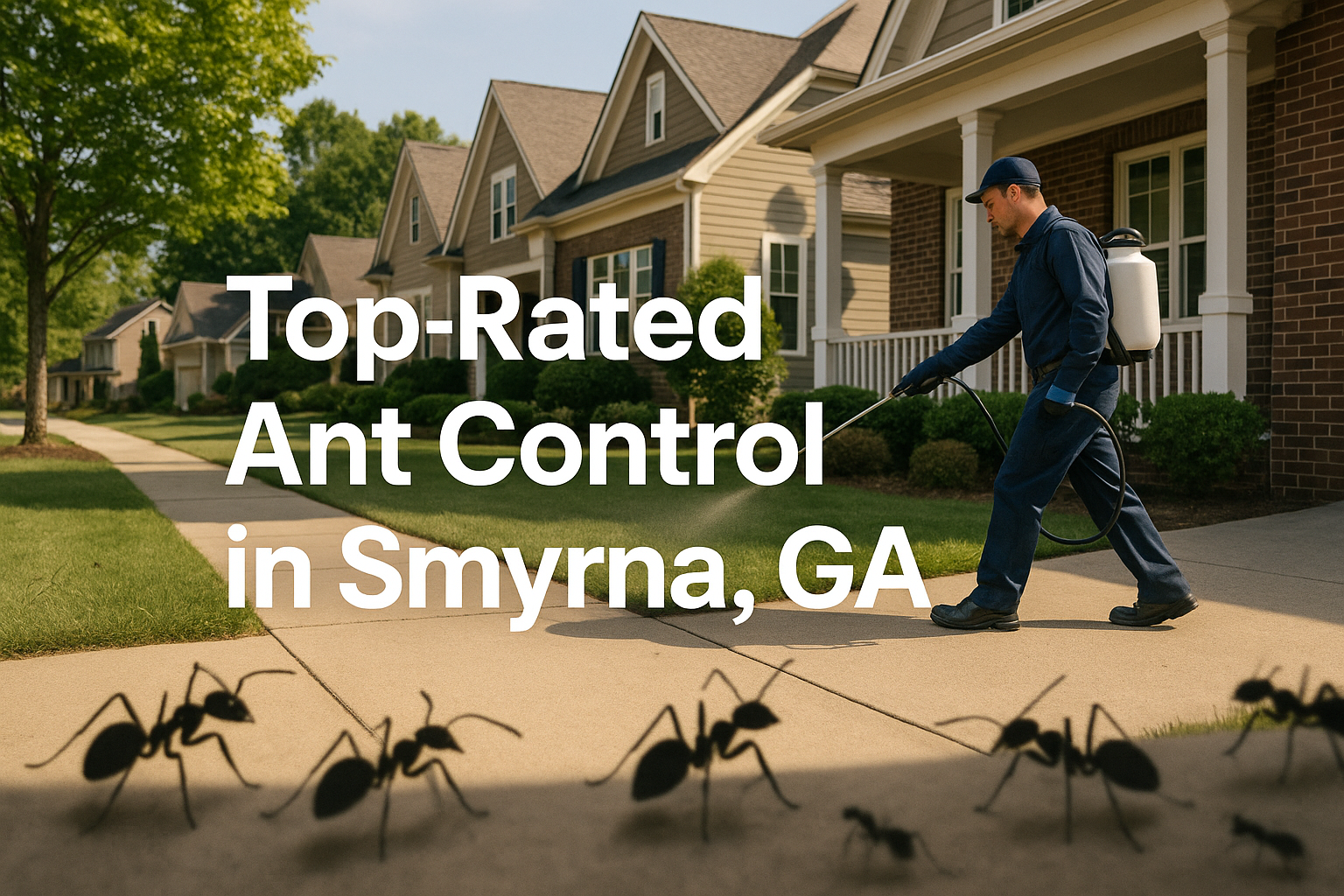
Smyrna’s warm, humid climate is practically a welcome mat for ants, which is why many homeowners seek reliable ant control Smyrna GA services to keep infestations under control. When summer temperatures hover in the high 80s and humidity stays above 60%, ant colonies can thrive year-round, slipping into walls, lawns, and even your kitchen cabinets.
The 2023 Georgia Department of Agriculture pest survey backs up what we see on the ground: fire ants and carpenter ants rank among the top five household pests in the state. Those two species alone account for the majority of complaints in Fulton County, and Smyrna sits right in the heart of that hotspot.
Why should a homeowner care? Untreated fire‑ant mounds can spread quickly, stinging anyone who steps near them and contaminating outdoor grills or play areas. Carpenter ants, on the other hand, chew through wood to create satellite nests, silently weakening porch beams, decks, and even structural framing. The hidden damage often isn’t discovered until a rot spot or a broken board forces a costly repair—sometimes $1,000 to $5,000 depending on the extent.
That’s why the guide you’re reading matters. Over the next sections we’ll break down exactly how much you can expect to pay for professional ant treatments in Smyrna, compare baiting, perimeter sprays, and structural treatments, and hand you a checklist of simple, DIY prevention steps you can start today.
Think of us at Anthem Pest Control as your neighborhood ant‑whisperer. We’ve spent years fine‑tuning a blend of safe, EPA‑approved products and targeted application techniques that keep colonies out without harming your family or pets. By the end of this article you’ll know exactly what to look for, how to budget for a fix, and which everyday habits will keep the six‑legged invaders at bay.
Stay with us, and you’ll walk away with a clear action plan—no guesswork, no hidden fees—just the confidence that your home can stay ant‑free all year long.
Meet the Ants: Fire Ants, Carpenter Ants, and Pavement Ants
Fire Ants
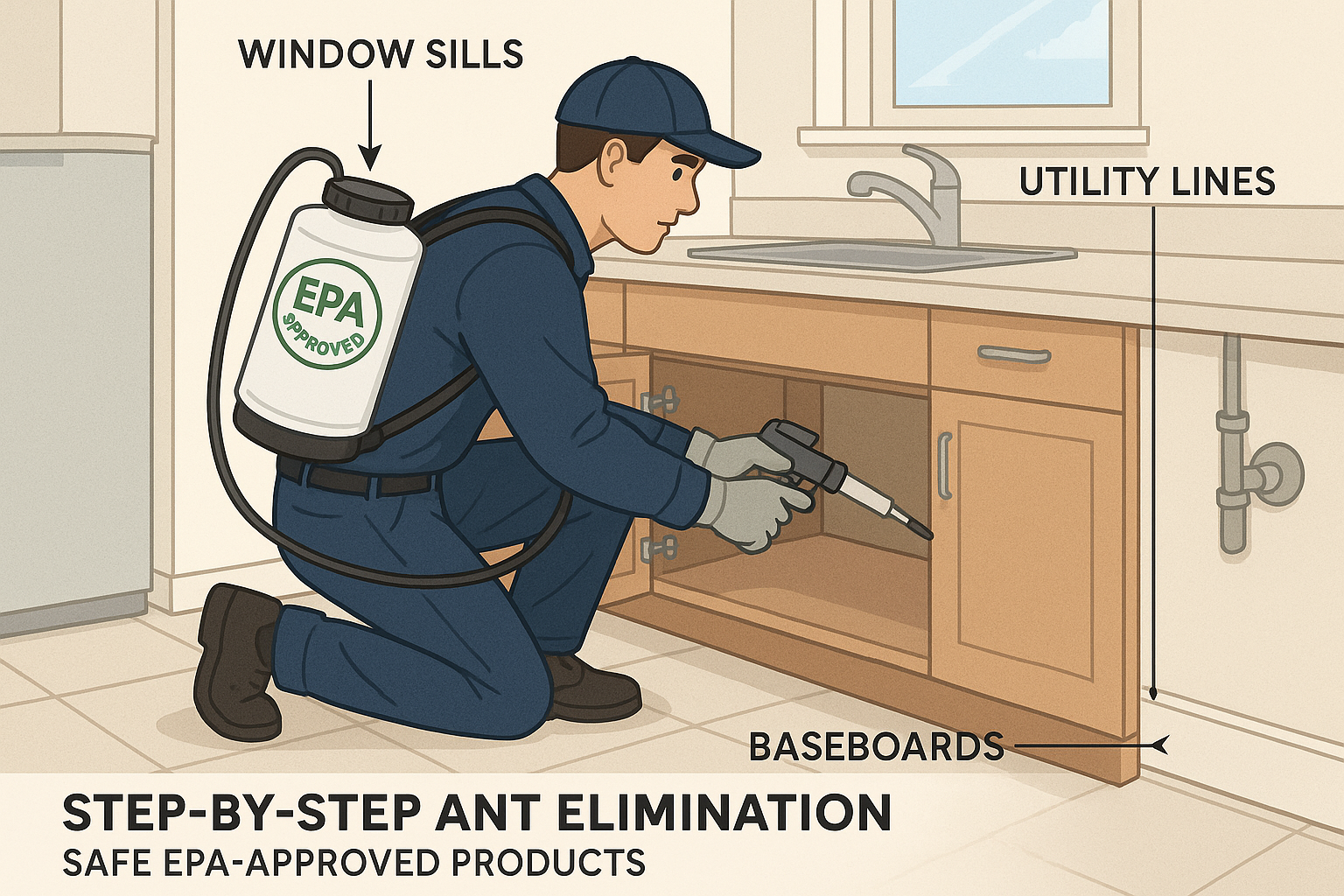
Fire ants are easy to spot thanks to their reddish‑brown bodies and a distinct “stinging” habit. In Smyrna they build shallow, dome‑shaped mounds in lawns, often near irrigation lines. A single colony can swell to 200,000 workers, creating a bustling traffic network that reacts aggressively when disturbed. Their bites feel like a sharp pinch followed by a burning sensation, which is why neighbors call them “fire.”EPA
Carpenter Ants
Carpenter ants prefer damp, decaying wood rather than the wood you’d normally think of as “soft.” In older neighborhoods like Montgomery and Olde Town—where many homes were built before 1990—you’ll find them nesting behind siding, under decks, or inside crawl spaces. Though they don’t eat wood, they excavate galleries that can compromise structural integrity over time. Look for large, black or dark‑brown workers, often ½‑inch long, trailing to a hidden moisture source.
Pavement Ants
Pavement ants are the smallest of the trio, measuring about 2‑3 mm and sporting a uniform light‑brown color. They favor the cracks beneath sidewalks, driveways, and foundation walls. Their colonies stay modest—typically a few hundred workers—but they’re relentless, especially in late spring when temperatures rise above 70 °F. You’ll often see them foraging in neat, single‑file lines along the edges of paved surfaces.
Seasonal Activity Patterns
All three species follow the Georgia climate calendar. Fire ants peak in the hot, humid months of June through August, expanding their mounds as the soil softens. Carpenter ants become most visible in early fall, when moisture levels rise and they search for new nesting sites before winter. Pavement ants are at their busiest from late April through May, taking advantage of warming pavement to forage for sugary crumbs.
Spotting the Trail: Quick Visual Cues
When you see a line of ants, pause and note its width and speed. Fire‑ant trails are thick, fast, and often zig‑zag across grass. Carpenter‑ant trails are slower, with larger workers carrying wood fragments. Pavement‑ant trails are fine, steady, and usually hug the edge of concrete. Identifying these subtle differences helps you call in a targeted treatment before the problem spreads.
The Hidden Costs of DIY and the Value of Licensed Technicians
The temptation to reach for a cheap aerosol can when ants march across your kitchen floor is understandable. A typical DIY spray costs between $20 and $40, and the price tag looks appealing compared with a professional visit that ranges from $150 to $350 per treatment according to the NPMA 2024 price‑benchmark study. However, the upfront savings often disappear once hidden expenses—re‑infestations, damaged property, and wasted time—are factored in.
Licensed technicians at Anthem Pest only use EPA‑approved formulations that have been rigorously tested for indoor safety. These products break the ant colony’s queen and foraging trails without leaving harmful residues that could threaten children or pets. A DIY can, by contrast, may contain harsh chemicals or insufficient concentrations, requiring multiple applications that increase exposure risk.
When you choose Anthem Pest, the service includes a written warranty that guarantees a follow‑up treatment at no extra charge if ants return within the warranty period. This guarantee eliminates the guesswork of “will it work?” and protects your investment. Transparent pricing means you know exactly what you’re paying for—application, monitoring, and a safety net—rather than hidden fees that pop up after each DIY refill.
Consider the experience of a Smyrna homeowner who discovered carpenter ants gnawing into structural beams. After a single professional eradication, the homeowner avoided $1,200 in wood repairs that would have been necessary after a DIY attempt failed to reach the hidden nest. The swift, targeted treatment not only saved money but also prevented further damage to the home’s integrity.
Beyond immediate savings, professional control reduces long-term expenses by addressing the root cause and providing ongoing monitoring. Homeowners who invest in licensed service typically see a 70% lower recurrence rate, which translates into fewer emergency calls, less product waste, and preserved property value.
What You’ll Pay for Ant Control in Smyrna, GA
When it comes to ant problems, Smyrna homeowners want a clear picture of the cost before signing up for a service. Anthem Pest’s 2025 service catalog for the Smyrna area lists transparent price bands for the most common ant control Smyrna GA options, so you can budget confidently and avoid surprise fees.
- Single‑visit interior treatment: $120 – $180. This one‑time service targets colonies inside the home with a quick‑acting spray or foam, ideal for a sudden infestation or a “just‑in‑case” treatment before guests arrive.
- Exterior perimeter barrier: $180 – $250. Technicians apply a residual barrier around the foundation, walkways, and entry points to stop ants from marching indoors. The range reflects variations in home size and the length of the treated perimeter.
- Annual service plan (4 visits + bait stations): $350 – $500. The plan spreads four scheduled visits over a year, combines interior sprays with strategically placed bait stations, and includes a follow‑up inspection to ensure the colony stays suppressed.
These figures are not arbitrary; they are pulled directly from Anthem Pest’s 2025 Smyrna pricing sheet, which accounts for local labor rates, product costs, and the typical scope of work in this market.
Factors That Influence Your Final Quote
While the ranges above give a solid baseline, the exact amount you’ll pay can shift based on several key variables:
- Home size: Larger square footage means more surface area to treat, especially for perimeter barriers.
- Infestation severity: A light, localized trail may fall at the low end, whereas a deep‑nested colony spreading across multiple rooms pushes the price upward.
- Ant species: Certain species, such as carpenter ants, require more extensive inspection and may need additional treatments.
- Treatment type: Options like eco‑friendly formulations or advanced bait systems can add a modest premium.
By discussing these factors during the free on‑site estimate, Anthem Pest can tailor a solution that matches both your budget and your pest control goals.
| Service | Price Range (USD) |
|---|---|
| Single‑visit interior treatment | $120 – $180 |
| Exterior perimeter barrier | $180 – $250 |
| Annual service plan (4 visits + bait stations) | $350 – $500 |
Baits, Sprays, and Barrier Treatments: Which Is Right for You?
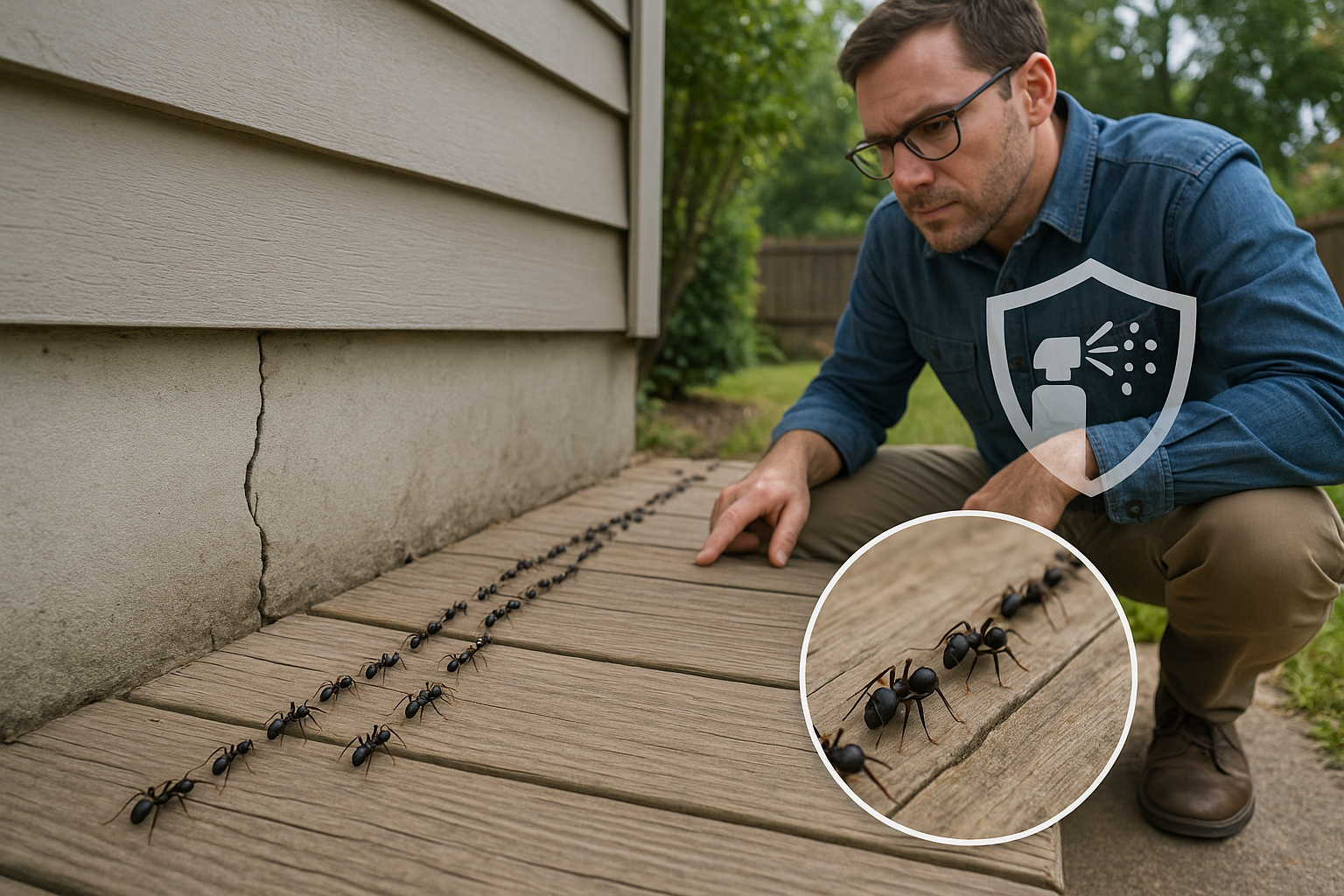
When ants march into your home, the right tool can stop them before they become a full‑blown invasion. The three most common methods—bait stations, liquid sprays, and perimeter barriers—each have a distinct role. Understanding how they work, where they excel, and when to pair them gives you a tailored, cost‑effective defense.
Bait Stations
Bait stations lure foraging workers with a sweet or protein‑rich attractant that contains a slow‑acting insecticide. The ants carry the poison back to the colony, eventually eliminating the queen and brood. According to a CDC study, properly placed bait stations achieved a 90 % success rate against fire ants, making them one of the most reliable long‑term solutions.
- Along ant trails near entry points (doors, windows, and cracks).
- Under kitchen appliances where crumbs collect.
- In garden beds close to mulch or compost piles.
- Near outdoor lights that attract nocturnal foragers.
Liquid Sprays
Liquid sprays provide immediate knock‑down, ideal for visible indoor trails or sudden infestations. They work by contacting the ant’s nervous system, causing rapid paralysis and death. Use them sparingly on countertops, baseboards, and along cracks, and always follow safety precautions—ventilate the area, wear gloves, and keep children and pets out of the treated zone.
- Ensure good airflow; open windows or run a fan.
- Apply only to dry surfaces; avoid food preparation areas.
- Store the product out of reach of children and pets.
Perimeter Barrier Treatments
Barrier treatments create a protective wall around your home’s foundation, sealing gaps in landscaping, siding, and crawl spaces. A residual insecticide is applied to soil, mulch, and exterior cracks, offering weeks to months of continuous protection. This method is especially effective for preventing new colonies from establishing in the first place.
- Target foundation cracks, utility penetrations, and door sweeps.
- Cover the perimeter of flower beds, retaining walls, and irrigation lines.
- Reapply after heavy rain or seasonal landscaping changes.
Anthem Pest’s Integrated Approach
At Anthem Pest, we don’t rely on a single tactic. Our technicians combine bait stations with a perimeter barrier, delivering both immediate knock‑down for current ants and long‑term colony eradication. The bait tackles the hidden nest while the barrier stops reinfestation, giving Smyrna homeowners a comprehensive, hassle‑free solution that fits any budget.
When to Treat: Seasonal Ant Activity in Smyrna
Ant colonies in Smyrna follow a predictable rhythm that aligns with the region’s climate. Knowing when the insects are most vulnerable lets you strike at the right moment, saving money and reducing the need for repeat visits. The timing below is cross‑checked with the 2024 University of Georgia Extension pest‑season chart for the Atlanta‑Smyrna area.
Spring (Mar‑May): Colonies Expand
As temperatures rise, queen ants increase egg production and new workers emerge. This is the ideal window for bait placement because foragers are actively scouting for food sources to support the growing nest. Distribute ant‑specific bait stations along entry points, near plant beds, and under outdoor furniture. The bait is carried back to the colony, weakening it before the summer surge.
Summer (Jun‑Aug): Peak Foraging
Mid‑summer brings the highest foraging activity. Ants are out in force, seeking water and sugary foods. Schedule a targeted spray treatment during this period to interrupt their trails and protect outdoor living spaces. Professionals apply a residual insecticide along baseboards, cracks, and around patio perimeters, creating a barrier that deters foragers while the colony is most exposed.
Fall (Sep‑Oct): Prevent Overwintering
When cooler nights set in, colonies start to consolidate and seek sheltered overwintering sites. Applying a perimeter barrier at this stage blocks ants from entering homes as they look for warmth. A low‑toxicity, weather‑resistant formulation is spread around the foundation, crawl spaces, and garage doors, reducing the chance that a hidden nest will survive into the next spring.
For a quick visual reference, consider adding a simple calendar graphic that marks bait placement in March‑May, spray applications in June‑August, and barrier treatments in September‑October. Such a chart helps homeowners plan ahead and coordinate with Anthem Pest Control seasonal service schedule.
10 Proven Steps to Keep Ants Out of Your Smyrna Home
According to the 2022 Atlanta Regional Homeowner Survey, 68% of Smyrna residents reported seeing ants inside their homes at least once. The good news is that most invasions can be stopped before they start with a few simple habits.
By following these simple actions, you can dramatically reduce the chances of an ant invasion.
1. Seal foundation cracks larger than 0.5 mm
Check the foundation for cracks over 0.5 mm and fill them with silicone caulk for a tight, waterproof seal.
2. Keep outdoor trash bins tightly sealed
Place trash cans on a solid pad, replace lids after each pickup, and keep the seal snug to deter ants.
3. Trim vegetation at least 30 ft from siding
Trim trees, shrubs, and vines so they stay at least 30 ft from the house, removing any bridge for ants.
4. Repair leaky pipes to eliminate moisture
Fix any dripping faucet or pipe, then dry the area; moisture attracts ants looking for water sources.
5. Store pantry foods in airtight containers
Transfer sugar, cereal, and pet food into glass or heavy‑plastic containers with sealed lids; label them clearly.
6. Clean pet food dishes regularly
Rinse pet bowls with hot, soapy water after each meal and store dry food in sealed containers.
7. Apply diatomaceous earth around entry points
Sprinkle a thin layer of food‑grade diatomaceous earth around doors, windows, and foundation cracks;
What to Look For in a Pest Control Partner
Run through this quick checklist before you sign any contract.
Key criteria to verify
- State‑licensed technicians – Georgia requires a pest control license, which guarantees that the professional has completed required training, passed a state exam, and stays current with regulations.
- EPA‑registered products – Only chemicals approved by the Environmental Protection Agency may be applied in homes. These products have been tested for efficacy and safety, reducing the risk of harmful residues for children and pets.
- BBB rating and local Google reviews – Anthem Pest holds an A+ rating with the Better Business Bureau and averages 4.8 stars on Google from Smyrna homeowners. High ratings reflect consistent service quality and prompt issue resolution.
- Transparent pricing and written warranty – A trustworthy company provides a detailed estimate before any work begins and backs its treatment with a written warranty. This protects you from hidden fees and guarantees follow‑up visits if ants return.
- 24‑hour response line and free initial inspection – Anthem Pest offers a dedicated 24‑hour hotline (877‑371‑8196) and a no‑cost first inspection. Quick response limits colony spread, and the free assessment lets you gauge the company’s expertise before committing.
Remember, the cheapest quote isn’t always the best value; the combination of licensing, product safety, proven results, and responsive support is what truly matters.
“Anthem Pest saved us from a relentless carpenter ant invasion. The technician arrived on time, explained every step, and the follow‑up visit showed the problem was truly gone. I’d recommend them to any Smyrna neighbor.” – Jane D., Smyrna, GA
By checking each of these items, you can feel confident that the service you hire will eliminate ants efficiently, honor its promises, and keep your home safe for years to come.
Smyrna Ant Control FAQ
How long does a treatment last?
Barrier sprays applied around the home’s foundation typically protect for three to six months, depending on exposure to rain and foot traffic. Bait stations, when placed correctly and inspected regularly, can stay effective for up to twelve months because the colony continuously feeds on the slow‑acting toxin. Seasonal rains may wash away surface residues, so a re‑application after a heavy storm is often recommended to maintain the barrier.
Are the chemicals safe for kids and pets?
We use EPA‑approved products that are classified as low‑toxicity for humans and animals when applied by a licensed technician. After treatment, children and pets should stay away from treated zones for the short period indicated on the label—usually two to four hours—and any surfaces that may have been contacted should be ventilated. Following the post‑application safety guidelines eliminates any residual risk while preserving the effectiveness of the treatment.
Can ants return after treatment?
Yes, ants can reappear if the underlying attractants—food crumbs, standing water, or excessive clutter—are not addressed. Simple steps such as sealing food containers, fixing leaky pipes, and keeping countertops clean remove the incentives that draw ants back inside. Regular monitoring and a seasonal maintenance program help break the cycle and keep colonies from re‑establishing.
Do I need a follow‑up visit?
Most service plans include at least one follow‑up visit, typically scheduled two to four weeks after the initial application, to verify that the colony has been fully eliminated. For carpenter‑ant infestations, a second inspection is strongly recommended to ensure the hidden nest has been removed and any structural damage is evaluated. Documentation of the follow‑up results provides peace of mind and a clear record for future reference.
Reference: EPA Pesticide Safety Guidelines
Call 877-371-8196 today to schedule your free ant inspection, or visit Anthem Pest Control to request service online.
Protect your home today with trusted ant control Smyrna GA solutions from Anthem Pest Control.