House Fly Inspection Overview for Brookhaven Homeowners
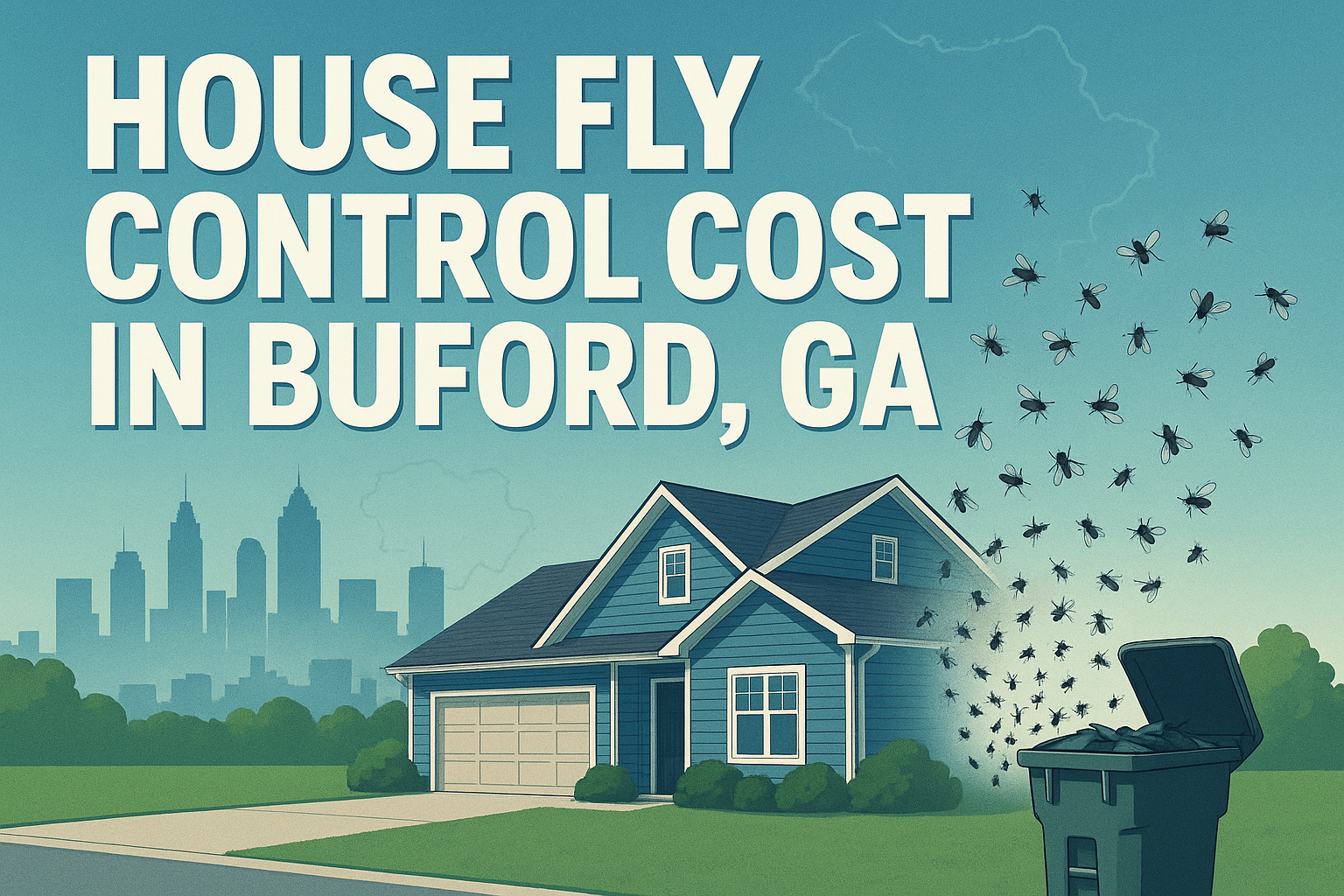
Imagine a summer evening in Brookhaven: the porch lights are on, and a relentless swarm of house flies buzzes around the kitchen window, landing on plates, countertops, and even your children’s faces. The constant whirring is more than a nuisance—it’s a reminder that a professional house fly inspection Brookhaven service can help identify breeding sites and prevent potential health risks.
Recent data from Fulton County shows a sharp spike in house‑fly activity during the past few months, coinciding with higher temperatures and increased outdoor gatherings. Public health officials warn that dense fly populations amplify the risk of disease transmission, especially in neighborhoods where food is left uncovered or trash bins are not sealed properly.
The culprit behind the buzz is the common house fly (Musca domestica). Despite its ubiquity, this species is a prolific vector, capable of spreading bacteria, viruses, and parasites from waste to our living spaces. According to the EPA, house flies are responsible for transmitting over 100 pathogens to humans each year. That’s why a routine, professional inspection is essential—not just to see a few flies, but to uncover breeding sites, entry points, and conditions that encourage infestations.
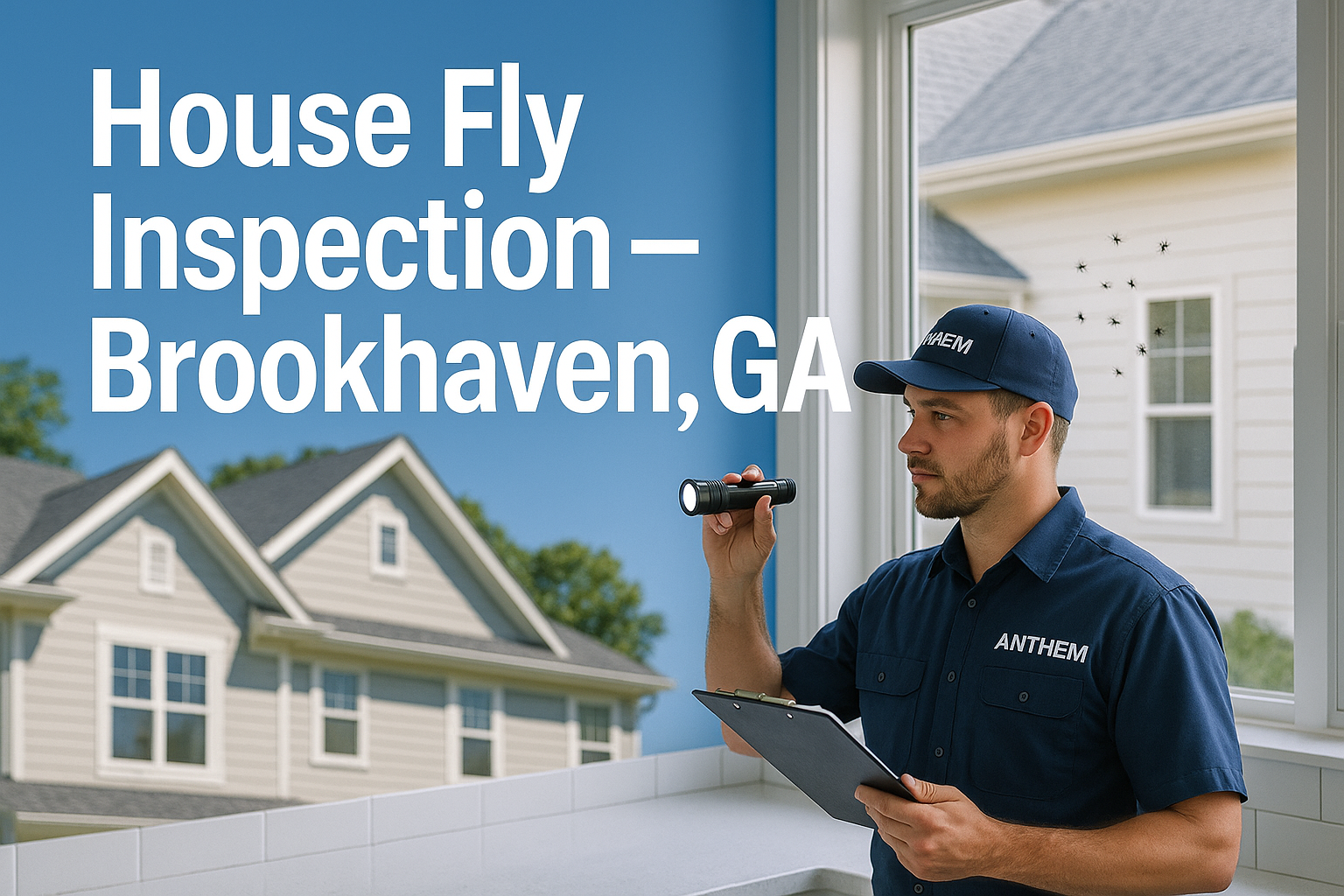
This guide will walk you through exactly what to expect when Anthem Pest conducts a house‑fly inspection in your Brookhaven home. Our technicians will:
- Inspect interior and exterior areas for fly attractants such as uncovered food, pet waste, and standing water.
- Identify structural gaps—like window screens, door sweeps, and vent openings—that allow flies to enter.
- Assess sanitation practices and recommend simple, cost‑effective changes to reduce fly harborage.
- Provide a clear, written report outlining findings and a customized treatment plan, if needed.
Knowing when to call a professional can save you time, money, and peace of mind. If you notice any of the following, it’s time to reach out to Anthem Pest:
- Flies consistently gathering around food prep areas or garbage.
- Visible fly larvae or maggots in drains, trash cans, or compost bins.
- Recurring fly sightings despite regular cleaning and basic DIY measures.
By partnering with Anthem Pest, Brookhaven homeowners gain access to locally‑trained experts who use safe, EPA‑approved solutions to eliminate flies and prevent future outbreaks. When you’re ready to protect your family’s health and comfort, give us a call at 877‑371‑8196 or visit anthempest.com.
Seasonal Activity and Local Attractors in Brookhaven
Seasonal Peaks
House flies in Brookhaven follow a classic warm‑weather rhythm. Activity ramps up in late April, peaks from May through September, and tapers off as temperatures dip below 60°F. During the peak months, average daily counts can double compared to early spring, making it the optimal window for both inspection and treatment. Homeowners who notice a sudden surge in flies during July or August should assume the population is at its zenith and act quickly.
Local Data Insight
The Fulton County 2023 Open Data portal recorded a 12 % increase in fly‑related complaints compared with the previous year. This rise aligns with hotter summer averages and underscores the growing need for proactive monitoring in residential neighborhoods. The data also reveals that complaints cluster around specific public spaces, suggesting that local attractors are feeding the problem.
Neighborhood Hotspots
Two areas consistently emerge as fly hotspots:
- Brookhaven Nature Preserve – dense vegetation and occasional litter provide ideal breeding grounds.
- Nearby parks such as Peachtree Creek Greenway – open picnic areas attract both people and the waste they leave behind.
Even well‑maintained neighborhoods can become micro‑hotspots when trash management lapses, especially in high‑traffic zones like community gardens and playgrounds.
Typical Attractors Around the Home
Most fly infestations start right at the doorstep. Keep an eye on these common lures:
- Uncovered or overflowing trash cans.
- Pet waste left on sidewalks or in yards.
- Outdoor dining setups in complexes such as Brookhaven Village, especially when food scraps linger.
- Standing water in birdbaths, gutters, or decorative fountains.
- Rotting fruit or vegetables in compost bins that aren’t sealed.
Eliminating even one of these attractors can dramatically reduce the number of flies that venture onto your porch.
Fly Development Stages
Understanding the house fly’s lifecycle helps pinpoint when interventions will be most effective. A female can lay up to 150 eggs in a single batch, typically on moist organic material. Those eggs hatch into larvae (maggots) within 24 hours, feed for 3–5 days, then pupate. The adult emerges in as little as 7 days under optimal warm conditions. Because each generation can complete its cycle in under two weeks during summer, a small breeding site can explode into a full‑blown infestation within weeks.
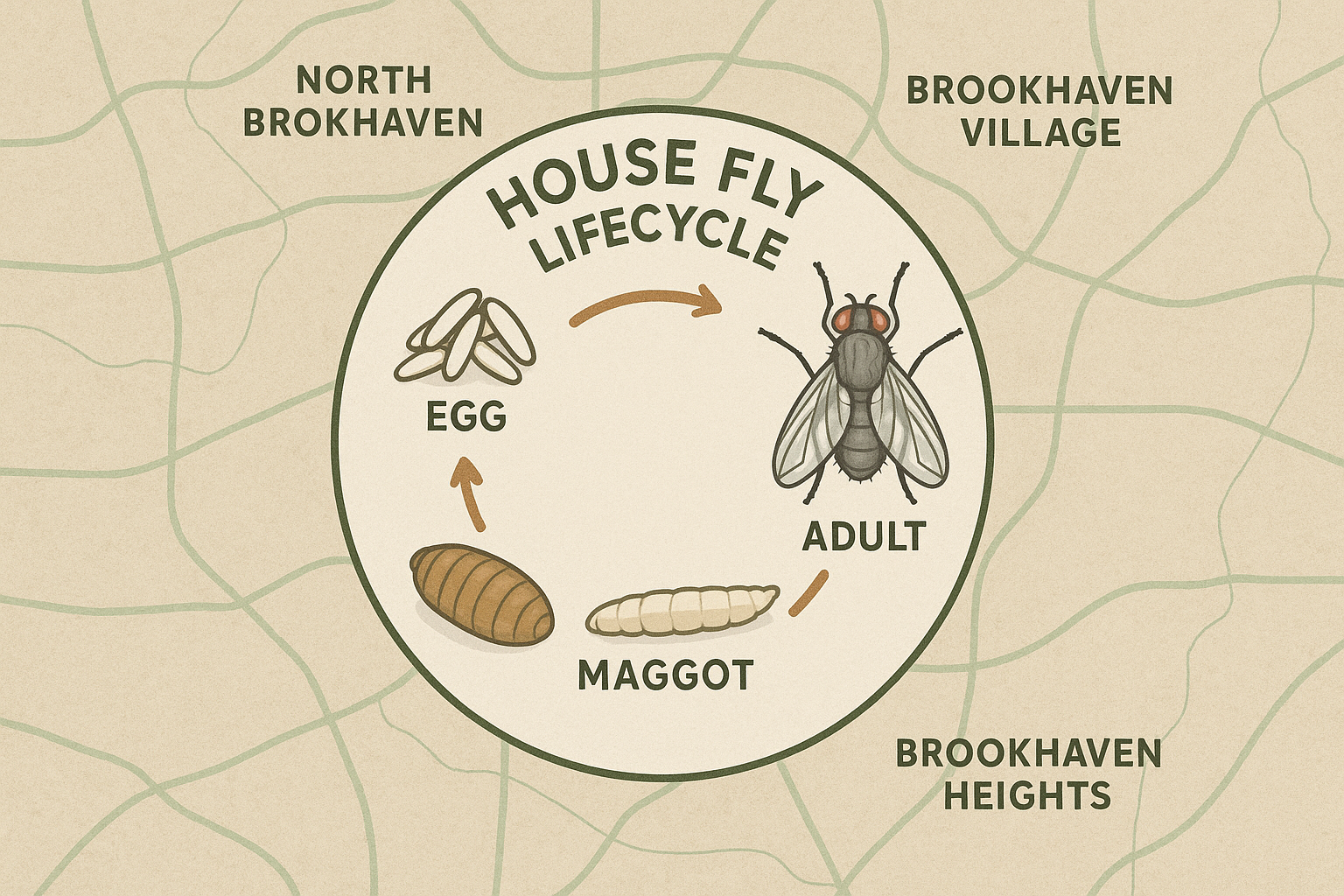
By targeting the larval stage—removing breeding substrates and applying appropriate treatments—you interrupt the rapid turnover and keep the adult population in check throughout the hot months.
Inside a Professional House Fly Inspection
When you schedule a house fly inspection Brookhaven with Anthem Pest, the process is designed to be transparent, thorough, and quick enough to fit into a busy homeowner’s day. From the moment you pick up the phone to the final walkthrough, every step has a clear purpose: pinpoint how flies are getting inside, identify the conditions that keep them thriving, and give you a realistic plan for elimination. Below is a step‑by‑step look at what you can expect during a typical Anthem Pest visit in Brookhaven, Georgia.
1. Pre‑inspection call
The first contact is a brief, friendly phone call. The technician asks about recent fly sightings—were they concentrated near a kitchen doorway, a pet feeding area, or perhaps a backyard patio? They’ll also inquire about your waste‑management habits, such as how often trash bins are emptied and whether compost or recycling containers are kept outdoors. Finally, they’ll confirm the layout of your home (single‑family, attached, square footage) so they can bring the right equipment and allocate enough time for a complete survey.
2. Exterior survey
Once on site, the inspector walks the perimeter, checking the building envelope for gaps, cracked siding, or damaged eaves that could serve as fly entry points. They’ll examine nearby dumpsters, recycling bins, and any outdoor garbage stations, looking for overflowing bags or standing water that attract adult flies. Screens on doors and windows are inspected for tears, and ventilation openings are evaluated for proper mesh coverage. This outward‑looking sweep usually takes 10–15 minutes and helps the technician map the most likely routes flies use to invade your home.
3. Interior assessment
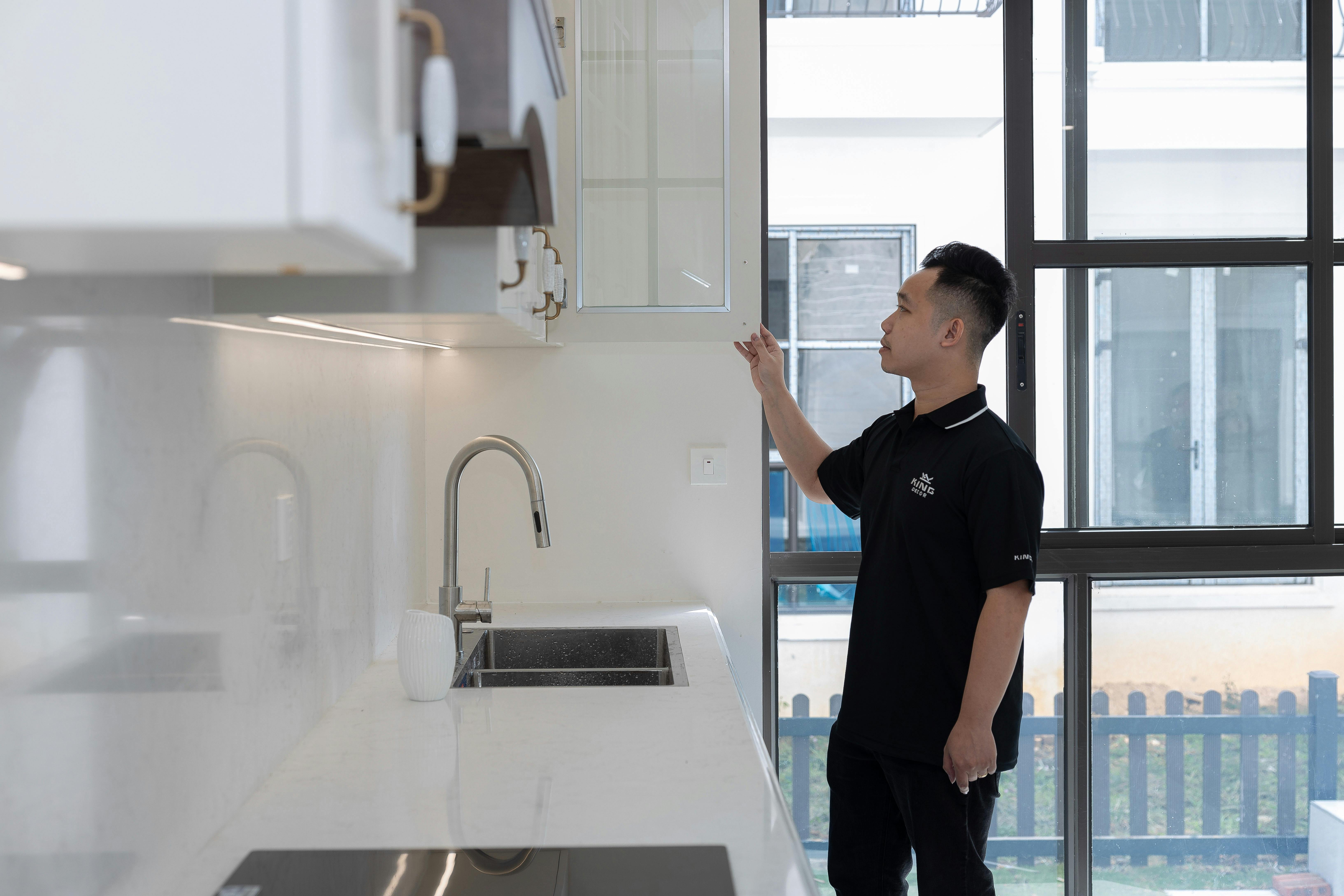
Inside, the focus narrows to high‑risk zones: kitchens, pantry shelves, garbage disposal areas, pet feeding stations, and any window screens that might be compromised. The inspector opens cabinets, lifts appliance covers, and checks under sinks for hidden food residues or moisture that serve as breeding sites. Special attention is given to areas where fruit or sugary drinks are left out, as these are magnet spots for house flies.
Concrete example: On a recent job in North Brookhaven, the technician inspected a rear patio where a decorative fruit bowl sat under a patio umbrella. The bowl’s open‑top design, combined with warm evening temperatures, created a perfect landing pad for flies. By recommending a simple lid or moving the bowl indoors after dinner, the homeowner eliminated a major attractant without any chemical treatment.
4. Tools used
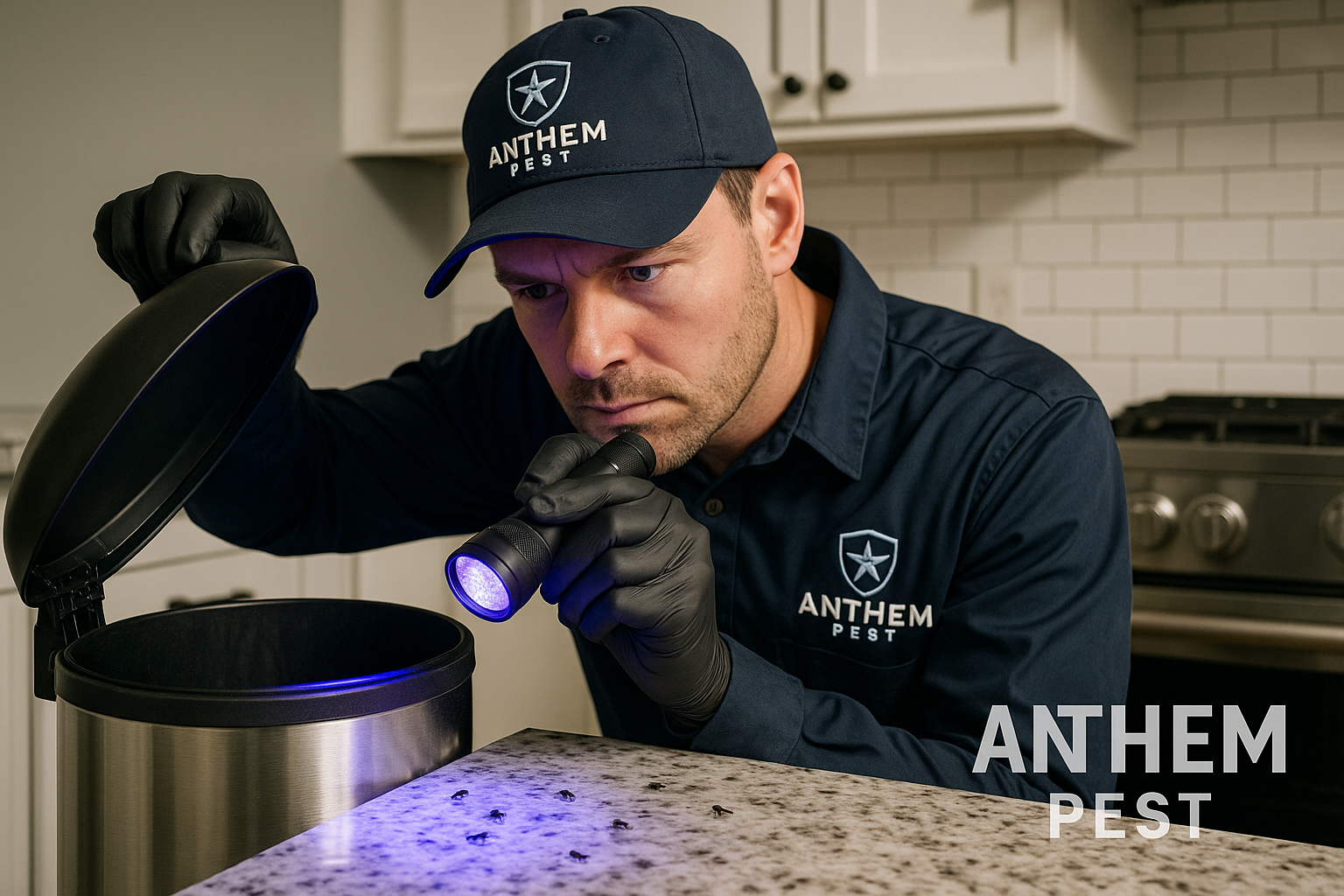
Anthem Pest relies on a blend of low‑tech observation and high‑tech gadgets to confirm fly activity. A handheld UV light reveals fly droppings and residual organic matter that are invisible under normal lighting. Sticky traps are placed strategically to gauge fly traffic and identify peak activity times. A moisture meter checks for hidden damp spots behind walls or under flooring—conditions that can support fly larvae. All observations are recorded visually, ensuring nothing is missed during the 45–60‑minute inspection window typical for a single‑family home.
Time frame and pricing
The entire house fly inspection Brookhaven typically runs between 45 and 60 minutes, depending on the size and complexity of the property. Anthem Pest offers a clear, no‑surprise pricing structure: the inspection fee ranges from $95 to $120, and if treatment is recommended, a full‑service plan costs between $150 and $250, calibrated to the home’s square footage and the severity of the infestation.
“Our inspections are thorough, no‑surprise pricing.” – Anthem Pest House Fly Inspection
Treatment Strategies After the Inspection
Start with Non‑Chemical Controls
Before reaching for a spray can, most homeowners find the greatest long‑term success by tightening the house’s “defenses.” Simple sanitation steps—like removing uncovered food, promptly wiping up spills, and storing garbage in sealed containers—cut off the nutrients flies need to breed. Physical exclusion is equally powerful: install tight‑fitting window screens, add door sweeps to keep flies from slipping under entryways, and seal cracks around utility penetrations. When the environment is less inviting, fly activity drops dramatically.
Commercial fly traps complement these measures. Sticky ribbons, UV‑light traps, and baited glue boards capture adult flies without chemicals, providing visual feedback on how well your sanitation efforts are working. Position traps near known hot spots—kitchens, outdoor patios, and garbage areas—to monitor and reduce populations while you fine‑tune the non‑chemical approach.
Chemical Treatment Options
If flies persist despite rigorous sanitation, EPA‑registered chemical tools become the next line of defense. The most common options include:
- Residual insecticide sprays: Applied to interior walls, ceiling corners, and exterior perimeters, these formulations continue killing flies for weeks after a single treatment.
- Bait stations: Enclosed units that contain a slow‑acting poison mixed with an attractant. Flies feed, return to the colony, and spread the toxin, reducing numbers at the source.
- Foggers (space sprays): Used for rapid knock‑down of heavy infestations, foggers disperse a fine mist that contacts flies in hard‑to‑reach areas. They must be applied when occupants and pets are absent, and ventilation is required before re‑entry.
All chemical products must be applied according to the label, wearing appropriate personal protective equipment, and stored out of reach of children and pets. Anthem Pest Control technicians are trained to select the lowest‑risk product that still delivers effective control, ensuring safety while eliminating the nuisance.
Case Study: Brookhaven Heights Residence
When a homeowner in Brookhaven Heights called us, fly sightings had risen to several dozen per hour around the kitchen and patio. Our first step was a thorough walkthrough to identify sanitation gaps—uncovered compost bins and a cracked screen door. After the homeowner implemented those fixes, we applied a residual indoor spray to all wall seams and ceiling corners. Within two weeks, fly counts dropped by 85 % and have remained low with quarterly preventive treatments.
Follow‑Up Schedule
Even the best initial treatment benefits from a structured follow‑up. Our standard protocol includes a 2‑week re‑inspection to verify that the residual spray is still active and that sanitation changes are holding. During the peak fly season (late spring through early fall), we recommend quarterly preventive visits. These appointments allow us to refresh residual barriers, replace bait stations, and adjust exclusion measures as weather patterns shift.
Pricing Snapshots
| Service | Cost Range (USD) |
|---|---|
| Bait stations (per unit) | $30 – $50 |
| Full‑home residual spray | $180 – $220 |
| Fogger service (single application) | $120 – $150 |
Choosing the right mix of non‑chemical and chemical tactics depends on the severity of the infestation, the homeowner’s comfort level with pesticides, and budget considerations. By starting with sanitation and exclusion, then layering in targeted chemical treatments when needed, Brookhaven residents can enjoy a fly‑free home without breaking the bank. For personalized recommendations and transparent pricing, contact Anthem Pest Control at 877‑371‑8196 or visit our website.
DIY Limits vs. Professional Intervention
Most homeowners in Brookhaven begin a house‑fly battle with simple, low‑cost steps: hanging sticky or baited traps, sweeping floors daily, and keeping trash cans sealed. These actions are useful for reducing the number of adult flies you see on a porch or kitchen counter, but they address only the surface‑level symptoms.
Typical DIY actions
- Place commercially available fly traps (sticky ribbons, UV‑light traps, or bait stations).
- Maintain a rigorous cleaning schedule: wipe down countertops, mop floors, and vacuum upholstery.
- Manage waste properly—use lids on garbage bins, empty them nightly, and keep compost away from the house.
Why DIY often falls short
House flies breed in hidden cavities such as wall voids, attic spaces, and ceiling gaps where food residue or organic debris accumulates unnoticed. A trap placed on the floor can catch only a fraction of the emerging adults, while the source remains untouched. Even the most diligent homeowner can miss these concealed sites, allowing the colony to rebound quickly after a short‑term effort.
Red‑flag criteria that merit a professional
- More than 50 flies observed per hour inside the home.
- Evidence of breeding activity inside walls, ceilings, or other structural voids (e.g., clusters of larvae or pupae).
- Concurrent infestations—cockroaches, ants, or rodents—indicating a broader sanitation issue.
- Persistent fly presence despite regular trap use and thorough cleaning for two weeks or longer.
Health risks you can’t ignore
The CDC warns that house flies are mechanical vectors for several food‑borne pathogens, including Salmonella, Escherichia coli and Shigella. When a fly lands on garbage, animal waste, or decaying organic matter, it picks up bacteria on its legs and mouthparts. A single landing on food preparation surfaces can transfer enough organisms to cause gastrointestinal illness, especially in children, the elderly, or anyone with a weakened immune system.
If you notice any of the signs above in your Brookhaven home, call Anthem Pest at 877‑371‑8196 for a same‑day inspection. Our licensed technicians locate hidden breeding sites, apply targeted treatments, and provide a preventive plan that protects your family’s health year‑round.
Practical Prevention Tips for Brookhaven Residents
Daily Habits to Deter House Flies
Keeping house flies out of your home starts with a few simple, everyday actions. By eliminating the attractions that draw flies, you make your property far less inviting to these pests.
- Cover all trash bins with tight‑fitting lids and empty them regularly, especially on warm days.
- Promptly clean up pet waste from yards and litter boxes; flies love the organic matter.
- Install and maintain screen doors and window screens to block entry points while still letting fresh air flow.
- Wipe down kitchen counters and dining tables after meals; crumbs and spills are a fly’s favorite buffet.
Seasonal Checklist for Brookhaven Homes
Each season brings new opportunities for flies to settle in. Follow this checklist to stay one step ahead.
- Spring – Deep Clean: Remove any accumulated organic debris from gutters, porches, and garden beds. Rake away fallen leaves and compost that may harbor larvae.
- Summer – Outdoor Dining Protocol: Use sealed containers for food and drinks, keep tables wiped clean, and consider a fly‑trap or citronella lantern near gathering spots.
- Fall – Pre‑Leaf Cleanup: Before leaves pile up, clear out trash, clean pet areas, and ensure dumpsters are sealed. Wet leaves can trap moisture, creating a perfect breeding ground.
- Winter – Maintenance Check: Inspect screens for tears, keep doors closed, and store outdoor furniture indoors to reduce hiding places.
Neighborhood‑Level Strategies
Flies don’t respect property lines, so a coordinated community effort amplifies results.
- Work with your HOA to schedule regular litter pickups in shared parks and green spaces.
- Advocate for a routine dumpster‑cleaning program that includes weekly sanitizing and secure lids.
- Organize a quarterly “fly‑free” awareness walk, distributing simple flyers that remind neighbors of daily habits and seasonal tasks.
For a deeper dive into seasonal pest prevention, visit Anthem Pest’s Seasonal Pest Prevention blog. Implementing these practices now will keep house flies from becoming a summer nuisance and protect your Brookhaven home year‑round.
Secure Your Home with Anthem Pest Control Today
A house fly inspection isn’t just about removing a nuisance; it’s a frontline defense for the health and comfort of every family member. Flies can carry bacteria from waste to food, spreading illnesses that thrive in warm, humid Georgia summers. A professional inspection catches breeding sites, identifies hidden entry points, and recommends targeted treatments before an infestation overwhelms your kitchen, dining area, or outdoor entertaining space.
Anthem Pest Control knows Brookhaven’s pest landscape better than anyone. The neighborhood’s mature trees, nearby wetlands, and seasonal humidity create a perfect cocktail for flies, ants, and other summer pests. Our technicians combine that local insight with a certified, EPA‑approved treatment protocol, guaranteeing solutions that are both safe for children and pets and affordable for the average homeowner.
Our team blends data‑driven scouting with transparent pricing, so you always know what’s happening and what you’ll pay. We map fly activity, assess risk levels, and then recommend the exact product mix and application schedule needed for your home. No hidden fees, no “one‑size‑fits‑all” packages—just a clear, customized plan that protects your family without breaking the bank.
We stand behind every treatment with a satisfaction guarantee: if flies return within 30 days, we’ll re‑treat at no extra charge. That promise reflects our confidence in the methods we use and our commitment to keeping Brookhaven homes fly‑free year after year.
Ready to protect your home? Call us today at 877‑371‑8196 for a free, no‑obligation quote. Share this article with neighbors so the whole Brookhaven community can stay one step ahead of house‑fly season. For more details, visit Anthem Pest Control and learn how a professional house fly inspection Brookhaven service can make effective pest protection easy.