Introduction – Ant Activity Surge in Dunwoody
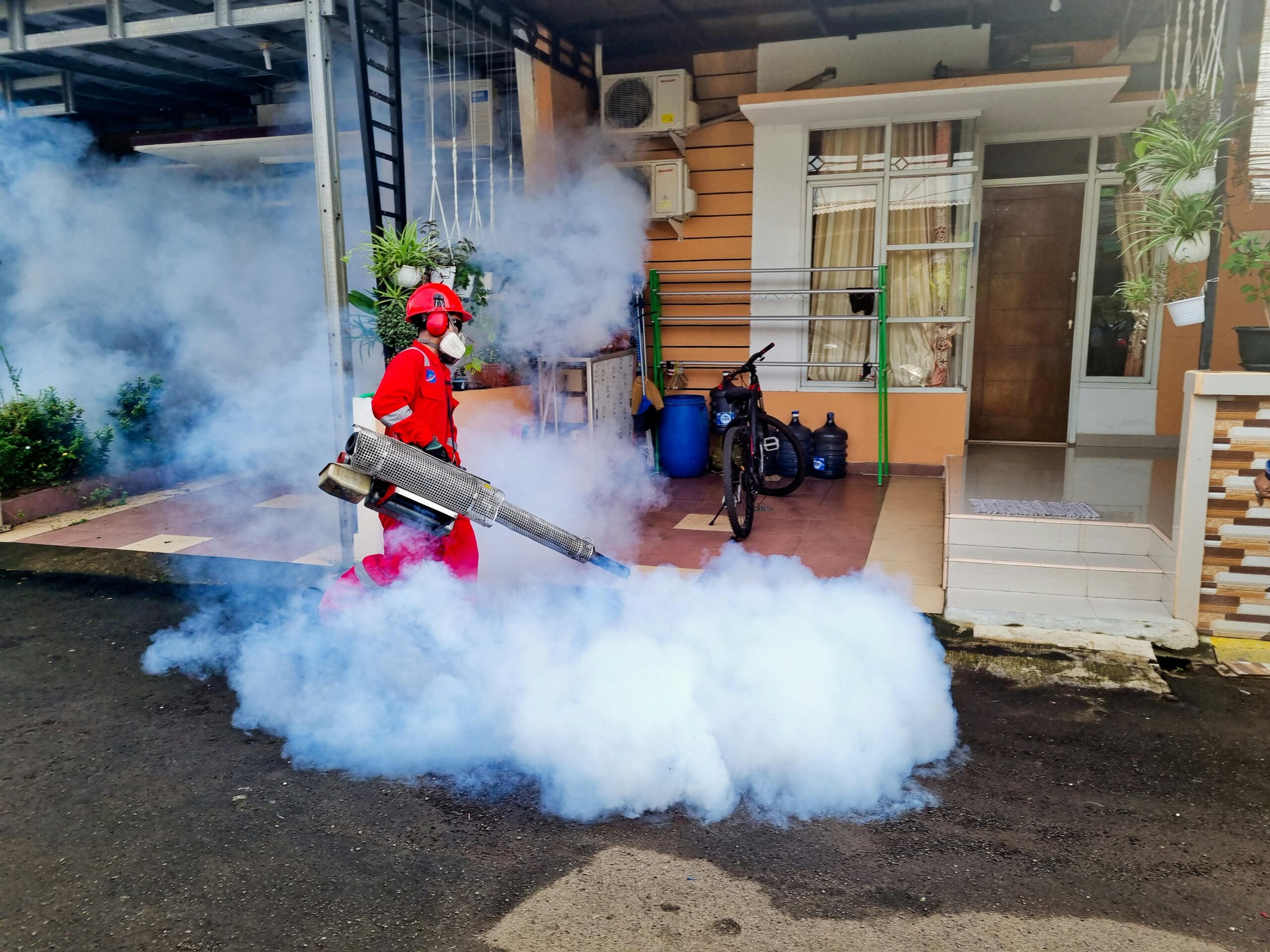
Ant exterminator near me Dunwoody is a common search as over the past few weeks, residents of Perimeter Center and Brookhaven have reported an unmistakable uptick in ant sightings. Homeowners are finding trails along kitchen counters, ant hills in garden beds, and even unexpected visitors on their patios. This sudden spike isn’t a seasonal fluke—it reflects a broader shift in local ant activity that’s catching many families off guard.
Ants don’t take a vacation. In Dunwoody’s mild climate, colonies can thrive year-round, moving indoors when food or moisture becomes scarce outside. While a few foragers may seem harmless, large numbers can contaminate food, damage wooden structures, and trigger allergic reactions in sensitive individuals. Many homeowners reach for DIY sprays or household cleaners, but these shortcuts often provide only temporary relief and can introduce health hazards for pets and children. Professional ant extermination services are essential when dealing with persistent ant infestations that can quickly take over kitchens, walls, and outdoor spaces.
That’s why we’ve built this guide: a data‑driven, locally focused roadmap to help you locate a trusted ant exterminator right here in Dunwoody. Anthem Pest Control brings professional expertise, safe treatment options, and transparent pricing to every job, ensuring you get a lasting solution without the guesswork.
What follows will walk you through the entire process, from recognizing the early signs of an infestation to evaluating service quotes and confirming a company’s credentials. You’ll also find:
- Key indicators that your ant problem is escalating.
- Common ant species in the Dunwoody area and their habits.
- How to compare exterminator services, guarantees, and pricing.
- Step‑by‑step preparation tips for a successful treatment.
- Answers to the most frequent homeowner questions about ant control.
By the end of this guide, you’ll have a clear, actionable plan to reclaim your home from ants and keep them out for good—without relying on risky DIY chemicals. Let’s get started.
Identify the Ants Invading Your Home
Knowing which ant species has set up camp in your house is the first step toward effective control. In Dunwoody, three culprits account for the majority of residential sightings: the odorous house ant, the pavement ant, and the carpenter ant. Each looks alike at a glance but differs in size, color, odor, and nesting habits—details that help you pinpoint the problem and choose the right treatment.
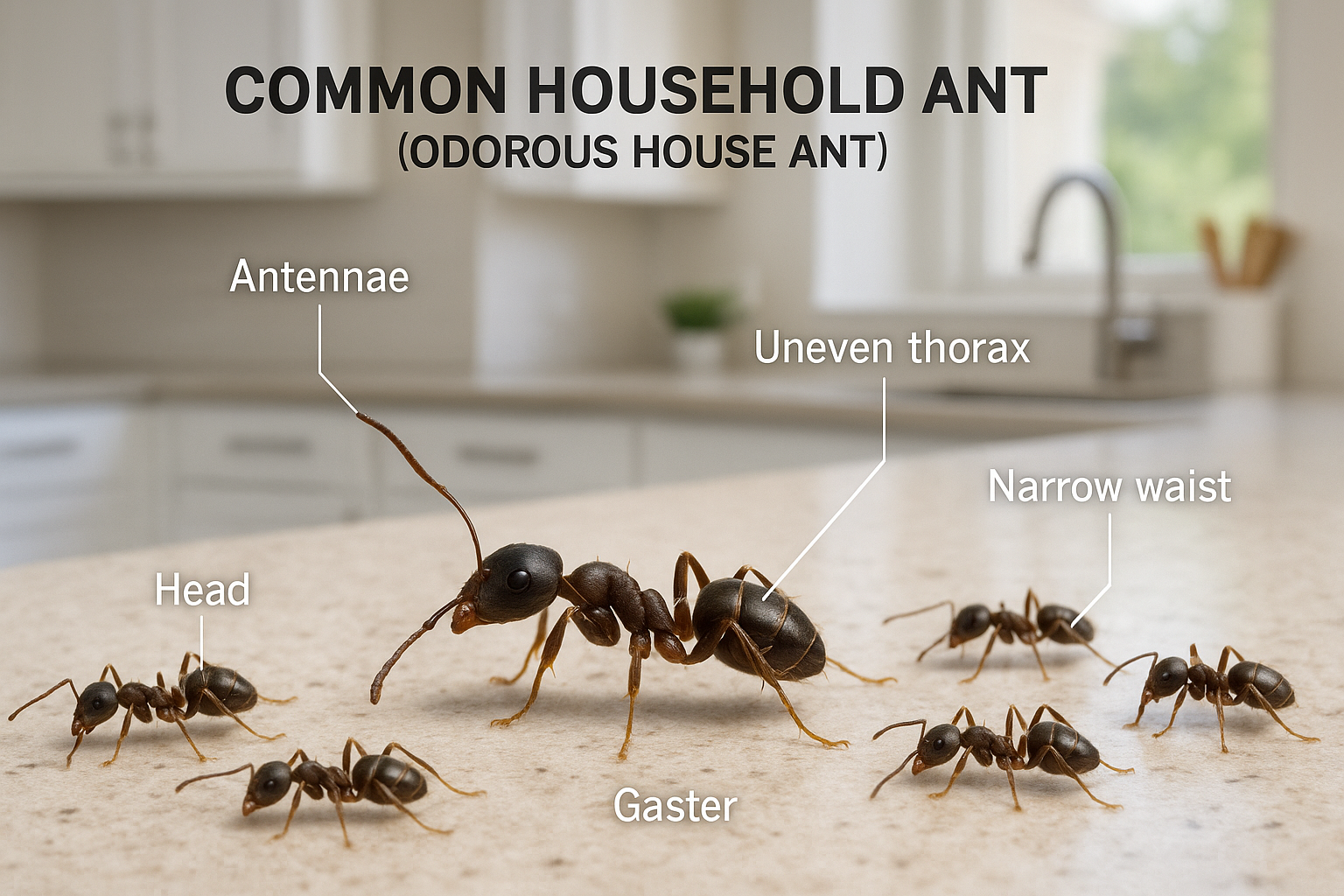
Odorous House Ant (Tapinoma sessile) These tiny foragers are the most frequently reported indoor ant in Georgia. They measure 2–3 mm, are light brown to gray, and emit a faint, rotten‑egg smell when crushed.
- Size: 2–3 mm
- Color: Light brown to gray
- Odor: Distinct “rotten‑egg” scent
- Nesting habit: Build shallow, irregular nests in wall voids, under appliances, or in mulch.
Pavement Ant (Tetramorium caespitum)
Pavement ants thrive in the cracks of sidewalks, driveways, and building foundations. They are slightly larger—about 3–4 mm—and display a darker brown to black body with a faint metallic sheen.
- Size: 3–4 mm
- Color: Dark brown to black
- Odor: Generally odorless
- Nesting habit: Prefer dry, sun‑exposed soil under concrete slabs, but will also nest in wall voids if food is abundant.
Carpenter Ant (Camponotus pennsylvanicus)
Carpenter ants are the heavy-hitters. Ranging from 6 mm up to 13 mm, they are glossy black or reddish-brown and do not produce an odor. Unlike termites, they do not eat wood; instead, they excavate it to create smooth, dry galleries for their colonies.
- Size: 6–13 mm
- Color: Black or reddish‑brown
- Odor: None
- Nesting habit: Prefer moist, decaying wood in structural components—door frames, joists, or window sills.
EPA data shows that Georgia receives roughly 1.2 million residential ant complaints each year (2024 EPA pest‑complaint report). This volume underscores how common ant invasions are and why early identification matters.
A 2022 study by the University of Georgia Extension documented carpenter‑ant damage in over 40 % of inspected homes. The research linked extensive wood excavation to increased moisture intrusion, leading to mold growth and reduced structural integrity. Homeowners who ignored early signs faced costly repairs that could have been avoided with prompt professional treatment.
Benefits of Hiring a Local Exterminator
When searching for an ant exterminator near me Dunwoody, an ant trail appears on your kitchen counter, the first instinct is often to grab a store-bought spray. In Dunwoody, however, that quick fix rarely works because the local climate, building styles, and seasonal ant behavior create a unique challenge that only a neighborhood-based technician truly grasps.
Local climate and seasonal activity
Dunwoody experiences hot, humid summers and mild winters, a pattern that drives ant colonies to seek shelter inside homes during the hottest months and to expand their foraging routes in early spring. A local exterminator knows that Carpenter ants become most aggressive in June‑July, while Odorous house ants peak in late summer after the rains. They also understand how the region’s typical ranch‑style homes with crawl spaces and brick veneers provide hidden pathways that generic products can’t reach.
Professional success vs. DIY
According to the 2023 NPMA efficacy report, professionally applied ant treatments achieve a 92 % success rate, compared with just 58 % for homeowner‑do‑it‑yourself attempts. The gap isn’t luck—it’s the result of targeted bait placement, proper dosage, and follow‑up inspections that only a trained Dunwoody technician can deliver.
Georgia licensing that protects you
Every pesticide applicator in Georgia must hold a valid Georgia Pesticide Applicator License. This license requires:
- Completion of state‑approved training on safe handling and application methods.
- Passing a written exam that covers both federal EPA regulations and Georgia’s specific environmental guidelines.
- Renewal every two years, which includes continuing education on emerging pest threats and new treatment technologies.
When you hire Anthem Pest Control, you’re not just getting a service; you’re getting a licensed professional who is legally accountable for every chemical used on your property.
Why local expertise matters
Because we operate out of Dunwoody, our technicians regularly monitor neighborhood pest trends, attend local homeowner workshops, and stay updated on city ordinances that affect treatment options. This proximity means faster response times, customized treatment plans that fit the typical Dunwoody home layout, and peace of mind that the job is done right the first time.
Spotlight on Anthem Pest Control
When you search for “ant exterminator near me” in Dunwoody, the first name that consistently appears in local reviews is Anthem Pest Control. Founded in 2005, Anthem has grown from a single‑truck operation into a nationwide network while keeping a distinctly local feel. In the Atlanta metro area, the company’s service footprint covers Dunwoody, the surrounding neighborhoods, and the broader DeKalb County region. Whether you’re dealing with a single kitchen ant trail or a colony that has spread to the yard, Anthem’s technicians are dispatched from a nearby hub, guaranteeing rapid response times and familiarity with the specific pest pressures of our climate.
Integrated Pest Management at the Core
Anthem’s approach is anchored in Integrated Pest Management (IPM), a science‑based framework that prioritizes long‑term prevention over quick fixes. The process begins with a thorough inspection that identifies the ant species, entry points, and the conditions that make your home attractive to them. From there, technicians employ a combination of low‑toxicity baits, targeted liquid treatments, and habitat modification—such as sealing cracks or reducing moisture sources. By focusing on the ant’s biology and behavior, IPM reduces the need for repeated chemical applications and minimizes impact on pets, children, and beneficial insects.
Transparent, Up‑Front Pricing
Homeowners appreciate knowing exactly what they’ll pay before any work starts. For a standard ant control package in 2024, Anthem lists a price range of $120 – $280. This fee includes the initial inspection, placement of professional‑grade bait stations, a follow‑up visit to assess effectiveness, and any necessary adjustments. The tiered pricing reflects variables such as property size, infestation severity, and whether you opt for a one‑time treatment or enroll in a quarterly maintenance plan. All costs are presented in a clear, itemized estimate, so there are no surprise charges after the job is done.
Ready to Get Started?
If you’re ready to reclaim your kitchen counters and outdoor patios, visit Anthem’s dedicated ant services page for a detailed overview of treatment options and to schedule an appointment. Anthem Ant Control offers an easy online booking form and a 24‑hour hotline for urgent situations.
Ant Treatment Options Explained
Ant control begins with selecting a strategy that attacks the entire colony, not just the foragers you see on the counter. Below, Anthem Pest breaks down the three most reliable approaches—baiting, spot‑on sprays, and physical exclusion—so you can match the method to your home’s layout and budget.
Baiting Systems
Gel baits and bait stations are the cornerstone of modern ant management. A gel bait is a sweet, slow‑acting toxin mixed into a viscous medium that workers carry back to the nest. Bait stations, on the other hand, protect the attractant from dust and pets while allowing ants to enter through a small entry port. Both rely on the colony‑targeting mechanism: workers consume the poison, share it via trophallaxis, and eventually eliminate the queen and brood. Because the poison works internally, baiting leaves no residue on surfaces and can keep a colony suppressed for weeks after the initial application.
Spot‑On Sprays
When an ant trail is visible or an entry point is identified, EPA‑registered pyrethroid formulations provide rapid knock‑down. These sprays disrupt the insects’ nervous system, delivering an immediate kill within minutes. For indoor use, safety is paramount: apply only to cracks, crevices, and voids where ants travel, and avoid direct contact with food preparation surfaces. Always ventilate the area, wear protective gloves, and follow the product label’s re‑entry interval. Properly applied spot‑on sprays act as a barrier, preventing new workers from crossing treated zones.
Physical Exclusion
Even the most potent chemicals can be sidestepped if ants find easy entry points. Sealing cracks around foundations, windows, and utility penetrations removes the highways ants use to infiltrate your home. Moisture control is equally critical; many species, such as carpenter ants, are attracted to damp wood and leaky pipes. Repairing roof leaks, installing gutter extensions, and using a dehumidifier in basements cut off the moisture that draws colonies indoors. Landscaping tweaks—like trimming back vegetation that touches the house and removing wood debris—further reduce the likelihood of ant nests establishing on your property.
Real‑World Success: A Dunwoody Homeowner’s Story
Ms. Carter, a Dunwoody homeowner, faced a persistent line of pavement ants marching from her kitchen door to the pantry. After a professional inspection, Anthem Pest recommended a combined bait‑and‑seal program. First, we placed gel baits along the interior perimeter and installed two bait stations in the pantry. Simultaneously, a technician applied a pyrethroid spot‑on spray to visible trails and sealed all exterior cracks larger than 1/8 inch. Within two weeks, ant activity dropped by 85 % and remained low after a follow‑up inspection three months later. The case illustrates how integrating chemical and mechanical tactics creates a lasting barrier against reinfestation.
For homeowners who prefer a DIY approach, EPA indoor pesticide guidelines provide clear instructions on product selection, application rates, and safety precautions. Review the full recommendations here: EPA Guidelines.
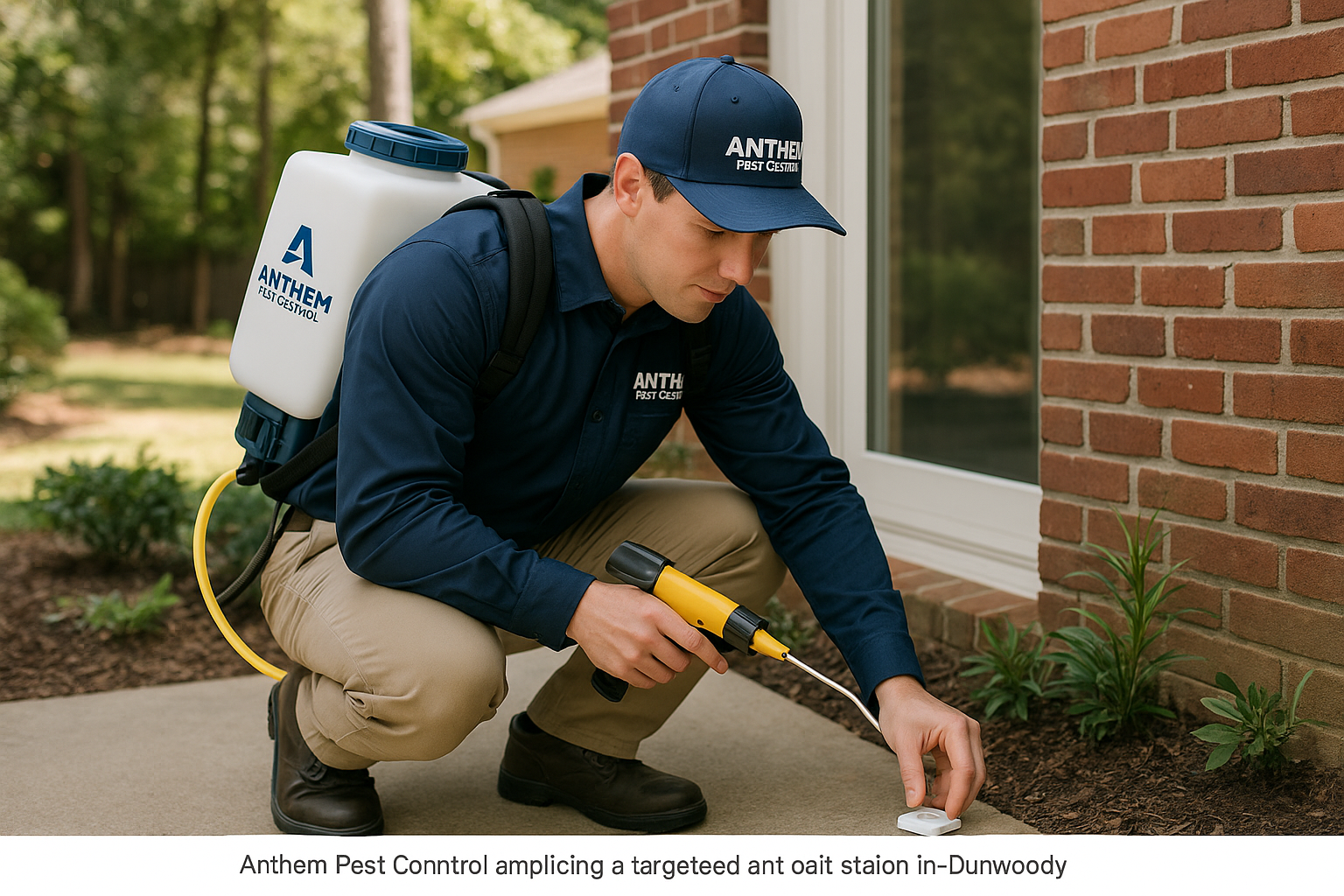
In Dunwoody, ant colonies come alive when the weather warms up and moisture is plentiful. The most aggressive foraging period runs from late spring through early fall, with a noticeable surge after summer rainstorms. During these months, worker ants expand their trails, search for food, and can easily slip into homes through tiny cracks. Knowing when they’re most active lets you act before they become a nuisance.
Monthly Prevention Checklist for Dunwoody Homeowners
- March: Walk the perimeter of your house and inspect foundations, siding, and crawl‑space vents for cracks or gaps. Seal any openings with caulk or weather‑stripping.
- April: Trim back shrubs, trees, and lawn edging that touch the house. Vegetation provides shade and moisture, creating a highway for ants.
- May: Apply a preventative bait around the exterior, focusing on entry points and ant trails. Baits allow workers to carry poison back to the colony.
- June: Keep outdoor garbage cans tightly sealed and clean up food residues promptly. Ants are attracted to sugary spills and protein scraps.
- July: After heavy rains, dry damp areas such as basements, porches, and under decks. Use a dehumidifier or improve drainage to eliminate their preferred habitats.
- August: Inspect and clean pet feeding stations daily. Even small crumbs can sustain a growing colony.
- September: Conduct a thorough interior sweep: vacuum corners, baseboards, and behind appliances. Dispose of the vacuum bag outside to prevent re‑infestation.
- October: Perform a final exterior seal‑up before cooler weather sets in. Re‑apply perimeter baits if you noticed any activity earlier in the season.
For those who have experienced ant bites, the CDC guidance on ant bites outlines symptoms to watch for and steps to take if an allergic reaction occurs. While most bites cause only mild irritation, prompt cleaning and monitoring can prevent infection.
Sticking to this month‑by‑month plan helps you stay one step ahead of ant invasions, protecting your home and family throughout the year.
Pricing, Guarantees, and Service Expectations
When you call Anthem Pest Control, the first thing you’ll notice is how clearly we break down every cost. Knowing exactly what you’re paying for eliminates surprise fees and helps you decide which plan fits your budget. We list each charge separately, so you can see exactly what you’re paying for when hiring an ant exterminator near me Dunwoody.
Core cost components
- Inspection fee: A nominal charge (often waived with a treatment purchase) covers the technician’s travel time and a thorough ant‑activity assessment.
- Treatment materials: This includes the EPA‑approved baits, sprays, or dusts that are calibrated to the size of your home and the severity of the infestation.
- Follow‑up visits: Most ant problems require at least one re‑check to ensure the colony is fully eliminated and to adjust bait placement if needed.
Annual contracts vs. one‑time treatments
An annual service contract typically bundles the three components above into a single, predictable yearly fee. Benefits include:
- Discounted material costs (up to 15 % off per visit).
- Scheduled quarterly inspections that catch new colonies before they spread.
- Priority scheduling during peak ant season.
A one‑time treatment is ideal if you’re dealing with a single, localized invasion. You pay only for the inspection, the specific chemicals used, and any required follow‑up, but you won’t receive the ongoing monitoring that a contract provides.
Anthem’s satisfaction guarantee and warranty
We stand behind every job with a 100 % satisfaction guarantee. If ants return within 30 days of treatment, we’ll re‑treat the property at no extra charge. Additionally, our standard one
Verifying Credentials and Customer Reviews
Before you hand over the keys to a pest‑control professional, make sure the company is both licensed and trustworthy. In Georgia, every pesticide applicator must hold a state‑issued license, and a quick check can save you from unqualified service.
How to verify a Georgia pesticide‑applicator license
- Visit the Georgia Department of Agriculture’s Pesticide Licensing Portal.
- Enter the business name or the individual applicator’s license number in the search field.
- Confirm that the license status reads “Active” and that the listed services include “ant control.”
- Note the expiration date; a valid license is renewed every two years.
Make sure the name on the license matches the company’s legal name on the invoice; mismatches often signal a middleman rather than a certified technician. A reputable provider will also carry liability insurance, which you can confirm by asking for the policy number and verifying it with their insurer.
Evaluating online reviews for credibility
Good reviews are a strong indicator, but they need scrutiny. Start with Google: look for a rating above 4.0 and read recent comments for specifics about response time and results. Next, check the BBB; an “A‑” rating and a low complaint ratio suggest reliability. Finally, visit Anthem’s testimonial page—focus on stories that mention the technician’s name, the ant type, and the number of visits. Authentic reviews often include dates and location.
“The team arrived within 24 hours and eliminated our carpenter ant problem in two visits – Jane D., Dunwoody.”
By confirming the license and cross‑checking reviews across these platforms, you’ll feel confident that the exterminator you choose is both qualified and highly regarded in the Dunwoody area.
Take the Next Step with Anthem Pest Control
If you’ve spotted ants marching across your kitchen floor, the first step is to correctly identify the species, because each ant type requires a tailored approach. Acting quickly prevents colonies from expanding into walls, cabinets, and structural wood. And when you’re ready to intervene, the safest, most effective choice is a licensed Dunwoody professional—like Anthem Pest Control—who knows the local ant fauna and the regulations that protect your family.
Give Anthem a call today at 877‑371‑8196 for a complimentary inspection, or head to our website to request a free, no‑obligation quote. Our technicians will walk you through what you’re seeing, confirm the species, and outline a precise treatment plan within minutes.
Why choose Anthem? Our team blends nationwide expertise with a local‑first mindset, delivering results that are both fast and safe. Pricing is transparent—no hidden fees, just a clear breakdown of services and materials—so you know exactly what you’re paying for. Every application follows EPA‑approved guidelines, ensuring the health of your children, pets, and the environment while eradicating the ant problem for good.
Ready to reclaim a pest-free home? Visit Anthem Pest Control, your trusted ant exterminator near me Dunwoody.