Why Ant Control Matters in Marietta
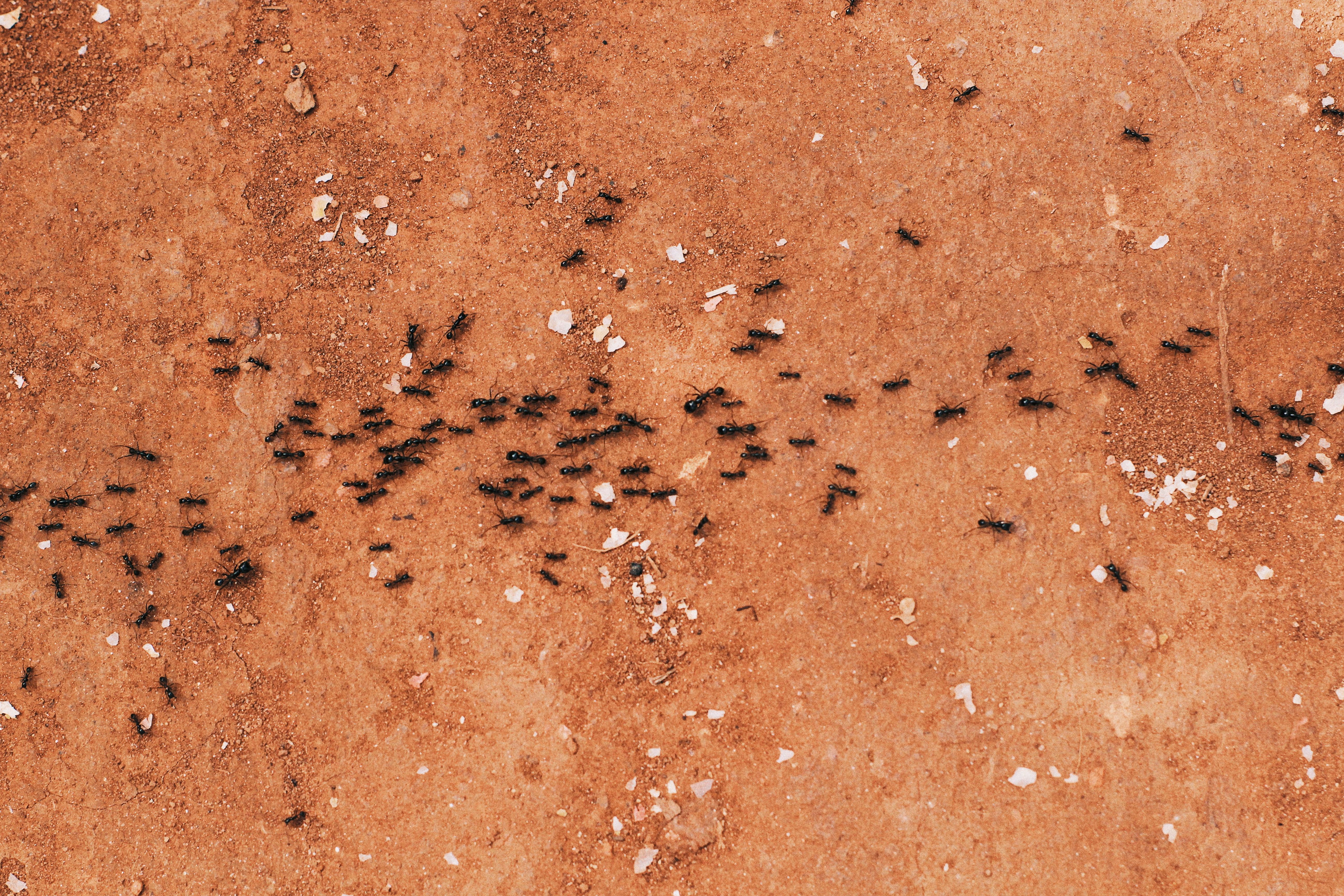
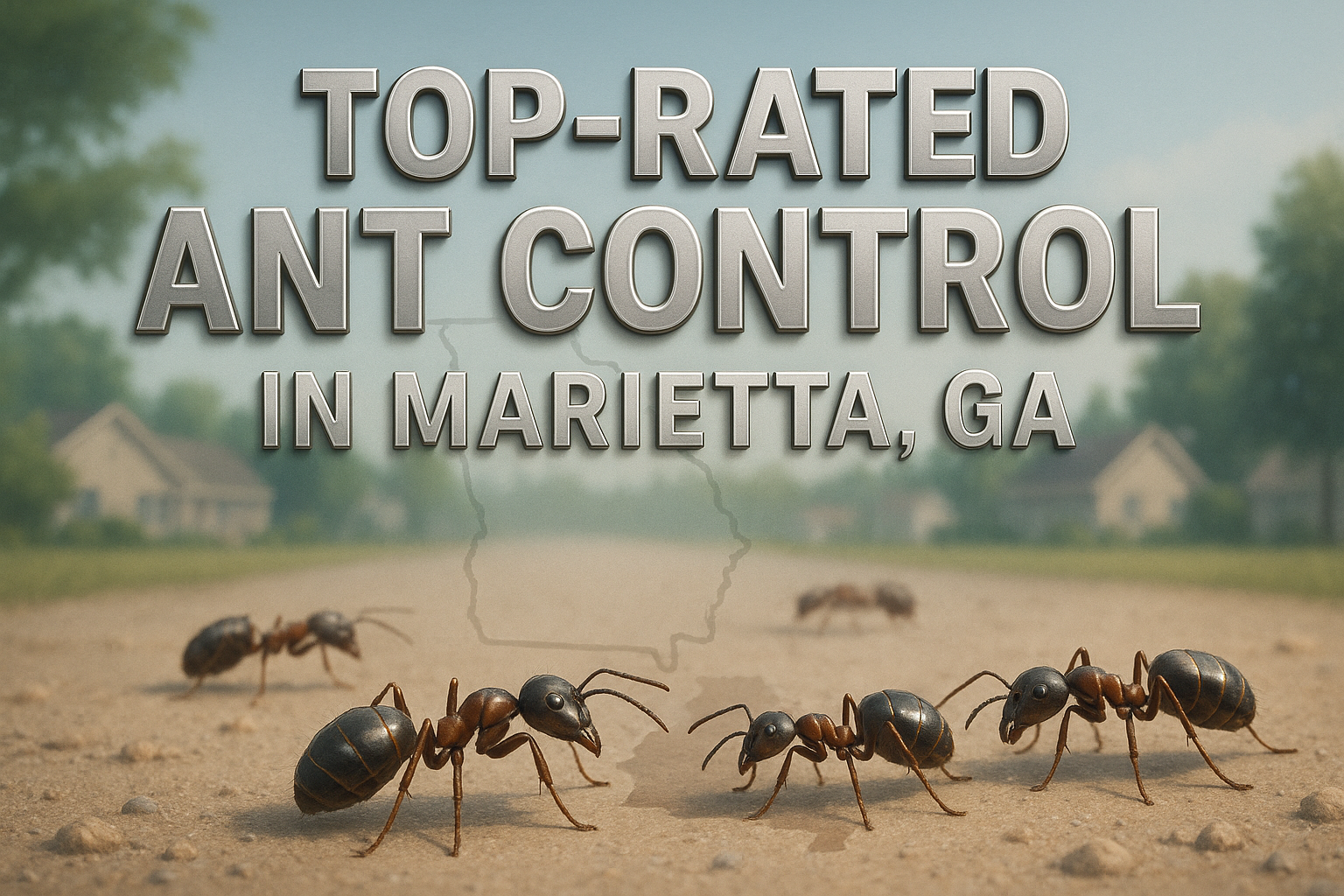
Homeowners in East Marietta and nearby Kennesaw have reported a sharp rise in ant sightings over the past year. Neighbors are calling pest-control services more often, and the chatter on community boards makes it clear: professional ant control Marietta GA is no longer optional, as ants are no longer just a summer nuisance.
Beyond the obvious annoyance, ant activity can quietly damage a home’s structure. Certain species tunnel through wood, compromising foundations, while others attract larger pests like spiders and roaches that feed on ant trails. Inside, ant colonies release pheromones and debris that can degrade indoor air quality, triggering allergies or respiratory irritation for sensitive residents.
For a homeowner, the stakes are both financial and health‑related. Repairing wood rot or sealing entry points can run into the hundreds, and untreated infestations may lead to costly secondary pest problems. Moreover, families with children or pets face heightened exposure to allergens and potential bites, turning a simple ant problem into a health concern.
That’s where Anthem Pest steps in. With years of experience serving Marietta’s neighborhoods, our technicians know the local ant species, their preferred entry routes, and the most effective, environmentally‑safe treatments. We combine thorough inspections with targeted interventions to protect both your property value and your family’s well‑being.
Understanding why ant control is essential sets the foundation for the detailed guide that follows—covering costs, treatment options, and proactive tips to keep your home ant‑free year after year.
Know Your Ants – Common Species in Marietta
Identifying the exact ant species in your home is more than a trivia question; it determines which treatment will work, how quickly it takes effect, and whether you need to worry about structural damage or health risks. A mis‑identified pest can lead to wasted chemicals, lingering infestations, and unnecessary expense.
Different species respond to different control methods. For instance, carpenter ants require targeted wood‑treatments and often a bait system, while pavement ants are best managed with perimeter sprays that interrupt their foraging trails. Knowing whether you’re dealing with a fast‑spreading indoor species like Pharaoh ants or a seasonal outdoor forager like Little Black ants helps you and your pest‑control professional choose the most cost‑effective, least invasive approach.
Carpenter Ants
Carpenter ants are among the largest ants you’ll see in Georgia, ranging from ¼ to ½ inch. They prefer moist, decayed wood for nesting and often establish satellite colonies inside wall voids, under decks, or in attic insulation. According to 2024 EPA data, carpenter ants account for roughly 15 % of all structural‑damage complaints in the state, making them a top priority for homeowners.
Pavement Ants
These tiny, dark brown to black ants measure about 1/8 inch. They thrive outdoors, building nests under sidewalks, driveways, and mulch beds. Their foraging trails stretch up to 30 feet, and they frequently enter homes through cracks around foundations, utility lines, or gaps around doors.
Pharaoh Ants
Pharaoh ants are tiny, yellow‑tan workers that form sprawling indoor colonies. Their nests can be hidden in wall voids, electrical outlets, or even under appliances. They spread rapidly—one colony can splinter into dozens within weeks—making eradication difficult. More importantly, they are known vectors for bacterial pathogens, posing health concerns for families with young children or immunocompromised members.
Little Black Ants
Little Black ants are small, glossy black insects that appear in late summer and early fall. They are opportunistic foragers, drawn to sugary foods, pet food, and even dead insects. While they rarely cause structural damage, their presence signals that food sources are accessible, inviting larger infestations.
Real‑World Example
In July 2023, a homeowner on Marietta Square noticed a sudden surge of winged insects inside the kitchen. A professional inspection revealed a mature carpenter‑ant colony nesting behind the baseboard of the pantry. The infestation had been silently chewing wood for months, compromising the structural integrity of the cabinet. Prompt treatment eliminated the colony and prevented costly repairs.

For detailed pesticide recommendations and safety guidelines, visit the EPA’s ant‑pesticide guidelines. Understanding which ant you’re dealing with is the first step toward a targeted, effective solution.
Seasonal Activity and Local Risk Factors
Marietta sits squarely in Georgia’s humid subtropical zone, where hot, moist summers and mild winters create an ideal backdrop for ant colonies. Average summer highs hover around 90°F (32°C) with humidity regularly above 70 %, providing the perfect environment for queens to lay eggs and workers to forage. Even a few weeks of steady rain can trigger a surge in underground activity, because the soil stays soft enough for tunnels while the moisture prevents the colony from drying out.
Peak Activity Months
| Month | Activity Level |
|---|---|
| January | Low |
| February | Low |
| March | Medium |
| April | Medium |
| May | High |
| June | High |
| July | High |
| August | High |
| September | High |
| October | Medium |
| November | Low |
| December | Low |
2023 CDC Ant‑Bite Statistics
The Centers for Disease Control and Prevention recorded 1,215 ant‑bite incidents across the Atlanta metro area in 2023. While most bites caused only minor irritation, approximately 3 % required a visit to a medical professional for allergic reactions or secondary infection. These numbers spike in the May‑September window, mirroring the activity chart above.
Local Risk Factors
- Mulch beds in historic districts: Organic mulch retains moisture and offers a soft landing for foraging workers.
- Irrigation leaks: Constantly damp soil near foundations creates a year‑round refuge for colonies.
- Uncovered compost piles: Decomposing material attracts ants looking for food and shelter.
- Stone or brick foundations: Cracks and gaps in older homes provide easy entry points.
Tips for Homeowners to Monitor These Conditions
- Inspect mulch and garden beds weekly; turn the surface to dry it out.
- Check irrigation systems for drips and repair leaks promptly.
- Cover compost with a tight‑fitting lid or store it in a sealed container.
- Walk the perimeter of your house each month, looking for ant trails or small mounds.
- Place bait stations near known entry points during peak months and replace them every 30 days.
- Schedule a professional inspection before the first frost to catch any late‑season activity.
Cost Breakdown for Marietta Homeowners
Understanding exactly what you’ll pay for ant control Marietta GA helps you avoid surprise invoices and decide whether a DIY approach makes sense for your situation. Below is a typical line-item breakdown for a Marietta homeowner who chooses a professional service like Anthem Pest Control.
- Inspection fee: $75–$100 – a certified technician evaluates the colony, identifies entry points, and recommends a treatment plan.
- Treatment fee (per visit): $120–$250 – includes the labor, EPA‑registered products, and any necessary equipment.
- Follow‑up visit: $50–$80 – a second appointment to verify that the ants are gone and to treat any lingering hotspots.
DIY ant control kits are widely available at hardware stores and online. Most kits range from $20 to $60 and typically contain baits, sprays, or granular granules. While they can knock back a small foraging trail, their effectiveness drops when colonies are hidden in wall voids or underground. Homeowners often need to re‑apply the product every few weeks, which can quickly add up.
Professional treatment may appear higher up‑front, but it usually saves money over time. A single, well‑executed service reduces the likelihood of re‑infestations, meaning fewer repeat visits and less product waste. Many providers, including Anthem Pest, offer a one‑year warranty that covers any resurgence, effectively turning a $300‑$400 investment into a protective shield for your home. In addition, a pest‑free property can qualify for modest homeowner‑insurance discounts, because insurers view reduced pest risk as a lower claim probability.
For a deeper look at how pesticide costs are regulated, consult the EPA guidelines on pesticide application costs. Remember that the cheapest option isn’t always the most cost‑effective when you factor in time, repeated purchases, and the peace of mind that comes with a certified professional handling the job.
Proactive Steps to Keep Ants Out
Ants are opportunistic explorers; the easier you make it for them to slip inside, the more often you’ll see trails marching across your kitchen floor. The good news is that most invasions can be stopped before they start with a few simple, proactive habits around your Marietta home.
Seal Entry Points
Start with the building envelope. Caulk every visible crack in exterior walls, foundation joints, and around utility penetrations. Replace torn or missing screen mesh on windows and vents, and install door sweeps on all exterior doors. A tight seal removes the highways ants use to enter.
Landscape Management
Next, look at the yard. Keep mulch no closer than six inches to the foundation; this creates a dry barrier that discourages ant colonies from nesting right against the house. Trim shrubs, trees, and vines so they don’t touch the siding, and avoid over‑watering flower beds, which can turn the soil into a moisture magnet for ants.
Moisture Control
Inside, moisture is the silent invitation. Repair any leaky pipes or dripping faucets promptly, and run a dehumidifier in damp basements or crawl spaces. Ensure that gutters and downspouts direct water at least three feet away from the foundation; proper drainage eliminates the wet pockets ants love.
Food Storage
Kitchen hygiene is a second line of defense. Store pantry items—sugar, flour, cereal—in airtight containers, and wipe down countertops, floors, and appliances after each meal. Small crumbs left behind are like breadcrumbs for ants, leading them straight to a food source.
Visual Guide: Bait Station Placement
Finally, consider a visual guide for bait placement. Position bait stations about two feet apart around the home’s perimeter—near doorways, along the foundation, and at the edge of garden beds. This ring of bait creates a “trap line” that intercepts foraging ants before they reach the interior.

Use the diagram below as a quick reference when you set up your bait stations.
These steps align with the CDC’s indoor pest‑prevention guidelines, which stress sealing cracks, controlling moisture, and maintaining clean food areas as the cornerstone of long‑term ant management. By integrating them into your regular home‑maintenance routine, you’ll dramatically cut the chances of an ant army ever breaching your threshold.
Frequently Asked Questions About Ant Control
Will ant bait harm pets?
Most commercial ant baits are formulated to be low‑toxicity for mammals, but they’re still poison if ingested
Take the Next Step with Anthem Pest Control
Understanding ant activity in Marietta starts with proper identification—knowing the species, where they nest, and the signs they leave behind. From there, you have three proven treatment paths: a targeted liquid spray for immediate knock‑down, a baiting system that workers carry back to the colony, and an environmentally‑friendly perimeter barrier that keeps new ants out. Pricing stays transparent; most homeowners see a one‑time treatment cost between $150 and $300, with optional quarterly maintenance plans for under $100 per visit. Prevention tips—regularly trimming vegetation, sealing entry points, and keeping food storage airtight—extend the results for months.
The biggest advantage is timing. Acting now, before the summer heat drives ant colonies into your home, gives the chemicals time to work and saves you from a full‑blown invasion later in the season. Early treatment also reduces the need for repeated applications, keeping your budget in check.
Ready for a pest-free home? Anthem Pest Control offers a free, no-obligation inspection and guarantees a response within 24 hours. Our pricing for ant control Marietta GA is posted up front, so you never face surprise fees. Call us today at 877‑371‑8196 or click to schedule online. Visit Anthem Pest Control and let our local experts protect your family.