Why a Proactive Pest Strategy Matters
Proactive vs. Reactive: What’s the Difference?
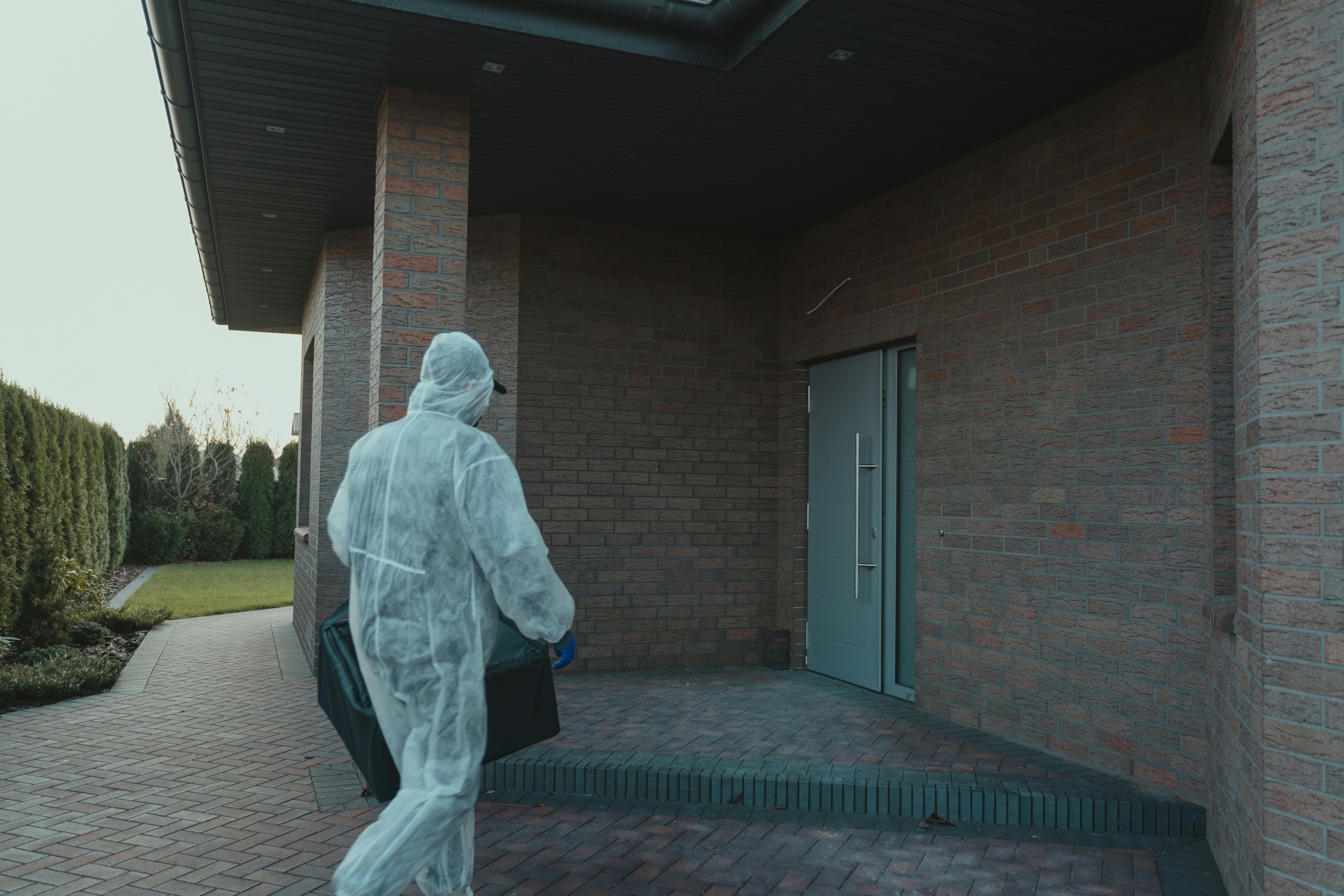
A proactive pest strategy means you’re monitoring, preventing, and treating pest threats before they become visible problems. It’s the “stop‑before‑it‑starts” approach that relies on regular inspections, data‑driven risk assessments, and targeted barriers. In contrast, a reactive approach waits for an infestation to be noticed—often after damage has already occurred—then scrambles to eradicate the pests, usually with heavier chemicals and higher costs.
The Hidden Costs of Waiting
When pests slip past the radar, the financial impact can be startlingly high. Homeowners often underestimate three major expense categories:
- Structural damage: Termites, carpenter ants, and rodents chew through wood, insulation, and wiring, leading to costly repairs that can run into thousands of dollars.
- Medical expenses: Allergens from cockroach droppings, mosquito‑borne illnesses, and bed‑bug bites can trigger doctor visits, prescription meds, and even long‑term health issues.
- Reduced resale value: A pest‑tainted inspection report can lower a home’s market price by 5‑10 %, or force sellers to spend extra on remediation before a sale.
The EPA estimates that U.S. homeowners collectively spend between $5 billion and $10 billion each year on damage caused by pests, not counting the intangible health and stress costs. Those figures illustrate why waiting for an infestation is not just inconvenient—it’s a budget‑breaker.
Anthem Pest Control’s Data‑Driven, Locally‑Focused Methodology
At Anthem Pest Control, we turn the proactive concept into a science. Our technicians use real‑time data from local weather patterns, seasonal pest activity, and neighborhood reports to predict which species are most likely to target your home. Then we tailor a prevention plan that includes:
- Season‑specific barrier treatments
- Targeted monitoring stations placed at high‑risk entry points
- Transparent pricing that shows exactly what you’re paying for—prevention, not just emergency response
This locally‑focused, data‑driven approach means you get the right protection at the right time, often before you even notice a sign of trouble.
Why This Matters for the Rest of the Guide
Understanding the financial and health stakes of pest infestations sets the foundation for everything that follows. The upcoming sections will walk you through the most common household invaders, the early warning signs you can spot, and the step‑by‑step actions you can take—whether you’re a DIY enthusiast or ready to call in Anthem’s experts.
Spot the Invader – Key Signs for Common Household Pests
Detecting a pest problem before it spreads can save you time, money, and a lot of stress. Early identification lets you act while the infestation is still small, reducing the need for extensive treatments. For homeowners, the ability to spot visual cues is the fastest line of defense against termites, mosquitoes, ants, rodents, and more.
At Anthem Pest Control we’ve seen how a quick glance can reveal a hidden invader. By learning the tell‑tale signs—mud tubes in a basement wall, a line of tiny droppings in the pantry, or a faint trail of ants along the baseboard—you can call in professionals before the problem escalates.

Visual Cues to Watch For
| Visual Cue | Description |
|---|---|
| Mud tubes | Silky, pencil‑thin tunnels on foundation walls or wooden structures; classic sign of subterranean termites. |
| Winged insects | Dead or live insects with two pairs of delicate wings, often found near windows in the spring. |
| Droppings | Small, pellet‑shaped feces in kitchens, pantries, or hidden corners; can indicate rodents or cockroaches. |
| Gnaw marks | Chewed wood, plastic, or wiring, typically rounded edges; a hallmark of rodent activity. |
| Ant trails | Visible lines of ants moving in a single direction, often along baseboards, cabinets, or plumbing. |
| Standing water | Stagnant water in gutters, planters, or pet dishes; creates breeding sites for mosquitoes. |
Each of these cues appears in a specific part of the home and at particular times of year. When you know what to look for, you can match the symptom to the likely pest and decide whether a DIY inspection will suffice or it’s time to call a professional.
Local Examples: What Your Neighbors Are Seeing
In the Midwest, homeowners report an uptick in termite activity each spring as the soil thaws. Mud tubes often surface near crawl spaces and basement walls, especially after heavy rains. In the Southeast, mosquito populations surge during the summer months, with standing water in birdbaths and clogged gutters becoming hotspots for disease‑carrying species.
According to the CDC’s 2024 data, 1 in 3 U.S. homes faces mosquito‑borne disease risk each summer. This statistic underscores why a simple visual check for standing water can be a lifesaver, particularly in regions where mosquitoes thrive.
Quick Walk‑Through Checklist
- Exterior foundation: Look for mud tubes or damaged wood at the base of the house.
- Windows and doors: Scan for dead winged insects or fresh ant trails along frames.
- Kitchen and pantry: Spot droppings in corners, behind appliances, and inside food packages.
- Basement or crawl space: Check for gnaw marks on insulation, wiring, and wooden joists.
- Outdoor areas: Empty birdbaths, clean gutters, and eliminate any containers that hold standing water.
- Bathrooms: Look for moisture buildup and signs of mold, which can attract cockroaches and other pests.
Give yourself about ten minutes each season to run this walk‑through. If you spot any of the cues above, document the location with a phone photo and contact Anthem Pest Control. Our local experts can verify the infestation, recommend targeted treatment, and help you protect your home before the problem spreads.
Seasonal Threats & Timing for Your City
Understanding the Seasonal Pest Cycle
Every pest has a biological clock that syncs with temperature, humidity, and food availability. In most U.S. regions, you can expect four distinct activity phases:
- Spring – Warmth returns, soil moisture rises, and insects emerge from overwintering sites.
- Summer – Heat and abundant water create ideal breeding conditions for flies, mosquitoes, and many ants.
- Fall – Daylight wanes, insects seek shelter, and rodents start scouting for indoor harborage.
- Winter – Cold drives heat‑loving pests indoors, while some insects enter dormant stages.
Knowing which season fuels each pest’s lifecycle lets you time inspections, treatments, and DIY prevention before populations explode.
When Each Pest Peaks in Your Area
The table below distills the National Pest Management Association’s 2023 Seasonal Pest Activity Report into a city‑specific snapshot. While exact dates can shift a week or two depending on local weather, these months represent the typical high‑risk windows for the most common household invaders.
| Pest | Peak Months |
|---|---|
| Termites | April – June |
| Mosquitoes | May – September |
| Rodents (rats & mice) | October – February |
| Cockroaches | June – August |
| Ants (carpenter, odorous, pavement) | March – July |
Bullet‑Point Timeline by Pest
- Termites – Swarmers appear in early spring; soil‑feeding colonies become most active as ground temps exceed 55°F.
- Mosquitoes – Egg laying spikes after the first summer rain; expect weekly adult activity through late September.
- Rodents – Seek warmth and food in late fall; populations peak during the coldest months when exterior walls are sealed.
- Cockroaches – Summer humidity fuels rapid breeding; infestations often surface after a hot, wet spell.
- Ants – Foraging trails expand in late spring; carpenter ants begin excavating wood as temperatures rise.
“The 2023 NPMA Seasonal Report confirms that northern‑midlatitude cities see a pronounced rodent surge in winter, while termite activity spikes consistently in April and May across the Southeast.” – National Pest Management Association, 2023 Seasonal Pest Activity Report
Seasonal Preventive Checklist
Proactive steps taken at the right time can stop a minor nuisance from becoming a full‑blown infestation. Use this city‑specific checklist as a year‑round guide.
- Winter (December – February)
- Seal gaps around pipes, vents, and foundation cracks before the first freeze.
- Store firewood at least 18 inches off the ground and away from exterior walls.
- Inspect attic insulation for gnaw marks; replace any damaged batts.
- Spring (March – May)
- Schedule a termite inspection before soil moisture peaks.
- Clear gutters and downspouts to prevent standing water that attracts mosquitoes.
- Trim vegetation away from the house foundation to reduce ant bridge pathways.
- Summer (June – August)
- Eliminate any outdoor containers that hold stagnant water.
- Apply barrier treatments for mosquitoes around decks and patios.
- Check kitchen cabinets for cockroach hideouts; replace torn liners.
- Fall (September – November)
- Inspect exterior doors for weather‑stripping wear and replace as needed.
- Remove leaf litter and debris that can shelter overwintering insects.
- Run a final rodent baiting program before temperatures drop below 40°F.
By aligning your pest‑management actions with these seasonal patterns, you’ll stay one step ahead of the critters that love to call your home theirs. If you need a professional assessment or treatment plan tailored to your city’s climate, Anthem Pest Control’s licensed technicians are ready to help—just give us a call at 877‑371‑8196 or visit anthempest.com.
Choosing the Right Solution – From DIY to Professional Services
When pests start invading your home, the first instinct is often to reach for a quick fix. DIY traps, over‑the‑counter (OTC) sprays, and home‑brew solutions can seem inexpensive and easy, but they rarely address the root cause. Professional pest‑control services, on the other hand, bring licensed technicians, EPA‑approved chemicals, and guaranteed results. Understanding the trade‑offs between cost, effectiveness, safety, and warranty helps you decide whether a do‑it‑yourself approach will truly protect your home.
DIY Options vs. Professional Services
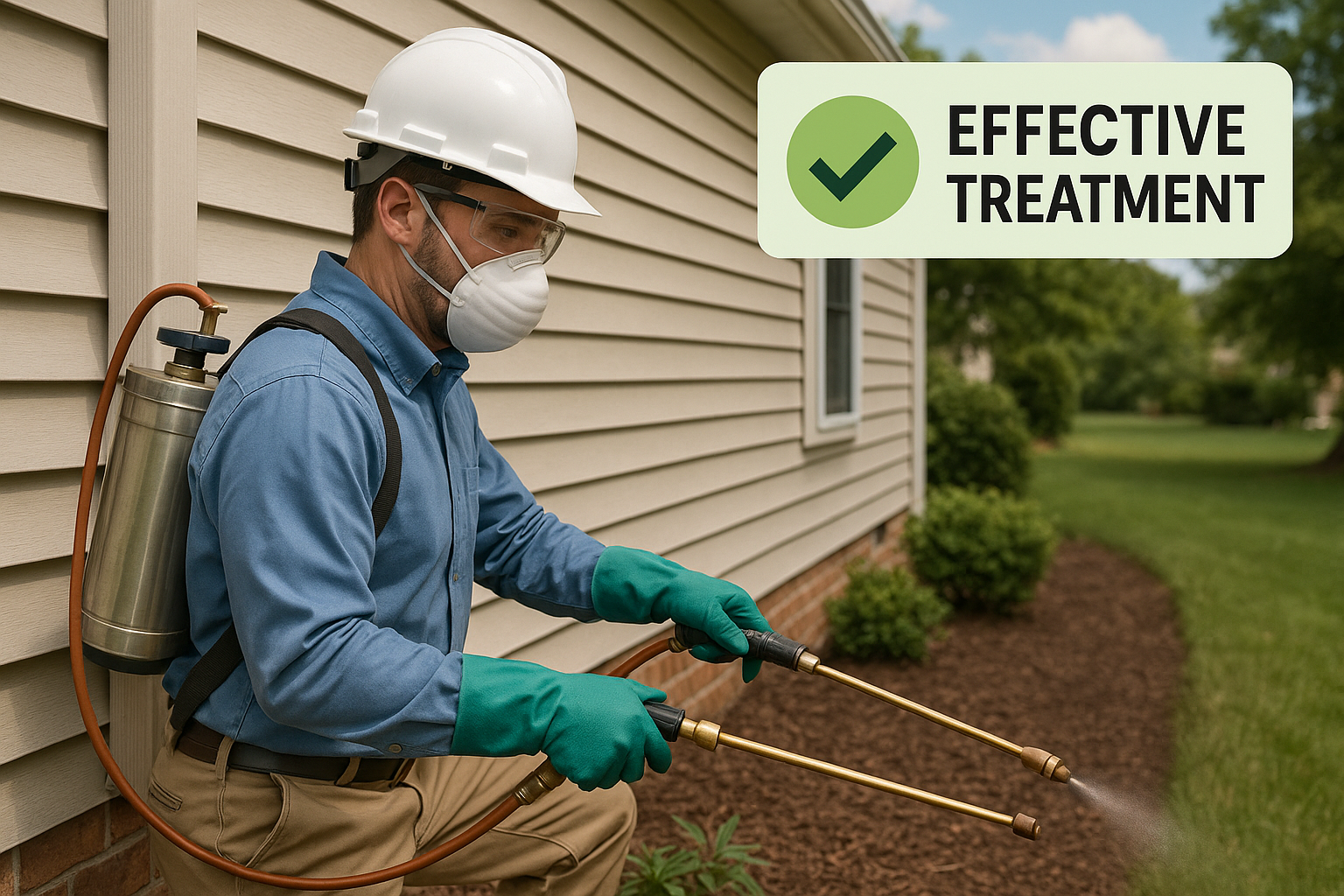
Typical DIY tools include glue boards for roaches, snap traps for rodents, and aerosol sprays for ants or mosquitoes. These products are readily available at hardware stores and can provide short‑term relief. However, they often require frequent re‑application, proper placement, and a good deal of trial and error. Professional services start with a thorough inspection, identify the species, and apply a treatment plan tailored to your property’s structure and surrounding environment.
Side‑by‑Side Comparison
| Factor | DIY Solutions | Professional Services (Anthem Pest) |
|---|---|---|
| Initial Cost | $10‑$150 for traps, sprays, or bait stations | Inspection $79‑$99; Full treatment $1,200‑$2,500 |
| Effectiveness | Variable; often limited to surface pests | High; targets hidden colonies and nests |
| Safety | May expose household members to improper chemicals | EPA‑approved products applied by certified technicians |
| Warranty | None | Up to 2‑year guarantee on most treatments |
| Long‑Term Savings | Low upfront, but recurring purchases add up | One‑time investment often prevents repeat infestations |
Transparent Pricing from Anthem Pest
Anthem Pest believes homeowners should know exactly what they’re paying for. A standard termite inspection runs between $79 and $99, and if treatment is required, the full termite solution ranges from $1,200 to $2,500. For seasonal nuisances like mosquitoes, a protective barrier costs $150‑$300 per season. Detailed service pages are available for Termite control and Mosquito control, where you can view exact scope of work and any optional add‑ons.
Why EPA‑Approved Chemicals and Certified Technicians Matter
EPA‑approved chemicals undergo rigorous testing for efficacy and human safety. Anthem Pest’s technicians hold state‑issued certifications, meaning they’re trained to apply these products at the correct dosage, in the right locations, and with proper protective equipment. This reduces the risk of accidental exposure for pets, children, and the environment—something DIY aerosol cans can’t guarantee.
Cost‑Benefit Over Time
| Scenario | Year 1 | Year 2 | Year 3 | Total 3‑Year Cost |
|---|---|---|---|---|
| DIY (monthly sprays & traps) | $180 | $180 | $180 | $540 |
| Professional termite treatment | $1,500 | $0 | $0 | $1,500 |
| Professional mosquito barrier (annual) | $250 | $250 | $250 | $750 |
While the upfront price of a professional service is higher, the tables illustrate how eliminating the need for repeated purchases, re‑applications, and potential property damage can result in clear savings over just a few years. Moreover, a professional warranty often covers retreatment at no extra charge, protecting you from unexpected spikes in pest activity.
Making the Decision
If the infestation is minor, you might start with a well‑placed trap or an EPA‑approved OTC spray. Keep a close eye on results, and be ready to call a professional if pests return within a few weeks. For termites, mosquitoes, or any pest that can cause structural damage, the safest and most cost‑effective route is a licensed service backed by a warranty. Transparency in pricing, proven safety standards, and long‑term protection are the hallmarks of a smart investment—exactly what Anthem Pest delivers to homeowners across the country.
Building Trust with Local Expertise
15 Years of Neighborhood Service
For a decade and a half, Anthem Pest has been a fixture in the city’s residential landscape. Our technicians walk the streets of Oakridge, Maplewood, and Downtown every day, learning the quirks of each block, the construction styles that attract pests, and the seasonal patterns that dictate when a termite swarm or a mosquito surge is most likely. That on‑the‑ground knowledge translates into faster response times, tailored treatment plans, and a reputation built on consistency—not just a corporate slogan.
Case Study: Oakridge Homeowner’s Success
When the Johnson family in Oakridge called us in early spring, they were already seeing faint wood damage in their basement—classic signs of an active termite colony. After a thorough inspection, we installed a pre‑emptive, EPA‑registered barrier around the foundation. Within three months, the damage assessment showed an 85 % reduction in active termite activity, and the visible wood deterioration stopped progressing. The Johnsons reported peace of mind for the first time in years, and they’ve since become vocal advocates of our neighborhood‑focused approach.
Why Our Methods Matter
Our confidence comes from three pillars that homeowners can see and feel:
- EPA‑registered products: Every chemical we apply meets strict federal safety standards, ensuring effectiveness without compromising family health or pets.
- Technician certifications: All field staff hold certifications from the National Pest Management Association (NPMA) and complete annual continuing‑education courses, so they stay current on the latest treatment technologies.
- Satisfaction guarantees: If pests return within the warranty period, we’ll revisit the property at no extra charge, re‑treat, and adjust the plan until the problem is truly resolved.
This combination of proven chemicals, highly trained personnel, and a no‑risk guarantee is why residents across Oakridge, Maplewood, and Downtown trust us to protect their homes.
Get in Touch Today
Ready to experience a pest‑free home backed by local expertise? Give us a call at 877‑371‑8196 or visit anthempest.com to schedule a free inspection. Our neighborhood teams are standing by to assess your property, answer any questions, and design a customized protection plan that fits your budget.
Quick Answers to Common Pest Questions
Homeowners often have quick, practical questions before they commit to a service. Below are concise answers that help you decide whether Anthem Pest Control is the right fit for your home.
How often should I schedule inspections?
For the average homeowner, a bi‑annual inspection is enough to keep most pests at bay. We recommend one visit in the spring, just before the nesting season, and another in the fall, after summer activity winds down. If you live in a high‑risk area—such as a region with heavy termite activity, frequent mosquito breeding, or a property bordering dense vegetation—stepping up to quarterly inspections gives us a chance to catch problems early and adjust treatment plans before they become visible.
Are treatments safe for pets and children?
Absolutely. All Anthem products are EPA‑registered and meet the agency’s strict safety standards for residential use. Our technicians apply low‑toxicity formulations that target pests while leaving the indoor environment safe for family members. We also follow industry‑best practices, such as limiting indoor spray to cracks and crevices and providing a clear post‑treatment ventilation guide for your peace of mind.
What financing options are available?
We understand that pest control is an essential service, not a luxury, so we offer flexible payment solutions. Homeowners can spread the cost with our convenient monthly plans, and for larger projects—any treatment package over $1,000—we provide a no‑interest financing option when you qualify. This way you can protect your home now and pay over time without hidden fees.
Additional Quick Tips
- After a treatment: Keep windows and doors closed for at least two hours to allow the product to work effectively. Dispose of any dead insects promptly and vacuum surfaces to remove residue.
- Preparing for an inspection: Clear clutter from basements, attics, and crawl spaces so our technician can access potential entry points. Trim vegetation away from the foundation and repair any water leaks that could attract pests.
- Warranty coverage basics: Most Anthem service plans include a one‑year warranty on the treated area. The warranty covers re‑treatment if the same pest returns, provided the home maintenance recommendations are followed.
- When to call us early: Spotting signs like droppings, gnaw marks, or unexplained bites? Contact us right away—early intervention often means a simpler, less‑costly solution.
Secure Your Home with Anthem Pest Control Today
Why Early Identification, Seasonal Prevention, and Professional Treatment Matter
Every homeowner knows that a small pest sighting can quickly become a full‑blown infestation if left unchecked. Spotting the first signs—such as tiny droppings, gnawed wood, or unexplained bites—gives you a critical window to act before pests establish a permanent foothold. Pair that vigilance with seasonal prevention, and you stay one step ahead of the insects and rodents that thrive in spring, summer, and even the colder months. When the time comes for treatment, professional intervention ensures the job is done safely, thoroughly, and with lasting results, protecting both your family’s health and the structural integrity of your home.
What Sets Anthem Apart
Transparent pricing. No hidden fees—just clear, upfront estimates so you know exactly what you’re paying for.
Local expertise. Our technicians live and work in the neighborhoods they serve, meaning they understand the specific pest pressures in your area and can tailor solutions accordingly.
Safety commitments. We use EPA‑approved products and follow strict application protocols to keep children, pets, and the environment safe while delivering powerful pest control.
Take Advantage of a Free, No‑Obligation Inspection
We believe the best way to earn your trust is to let you see the value of our service before you commit. That’s why Anthem offers a complimentary inspection—no strings attached. Our certified specialist will walk through your property, identify any current or potential pest issues, and explain the most effective treatment options for your situation. You’ll walk away with a clear, written plan and a transparent quote, empowering you to make an informed decision.
Ready to Protect Your Home?
Give us a call at 877‑371‑8196 or head to our website for a free quote. Our friendly team is standing by to schedule your inspection at a time that fits your busy schedule.
Visit Anthem Pest Control today and take the first step toward a pest‑free home.