Silverfish Sightings in Dunwoody – A Homeowner’s Wake‑Up Call
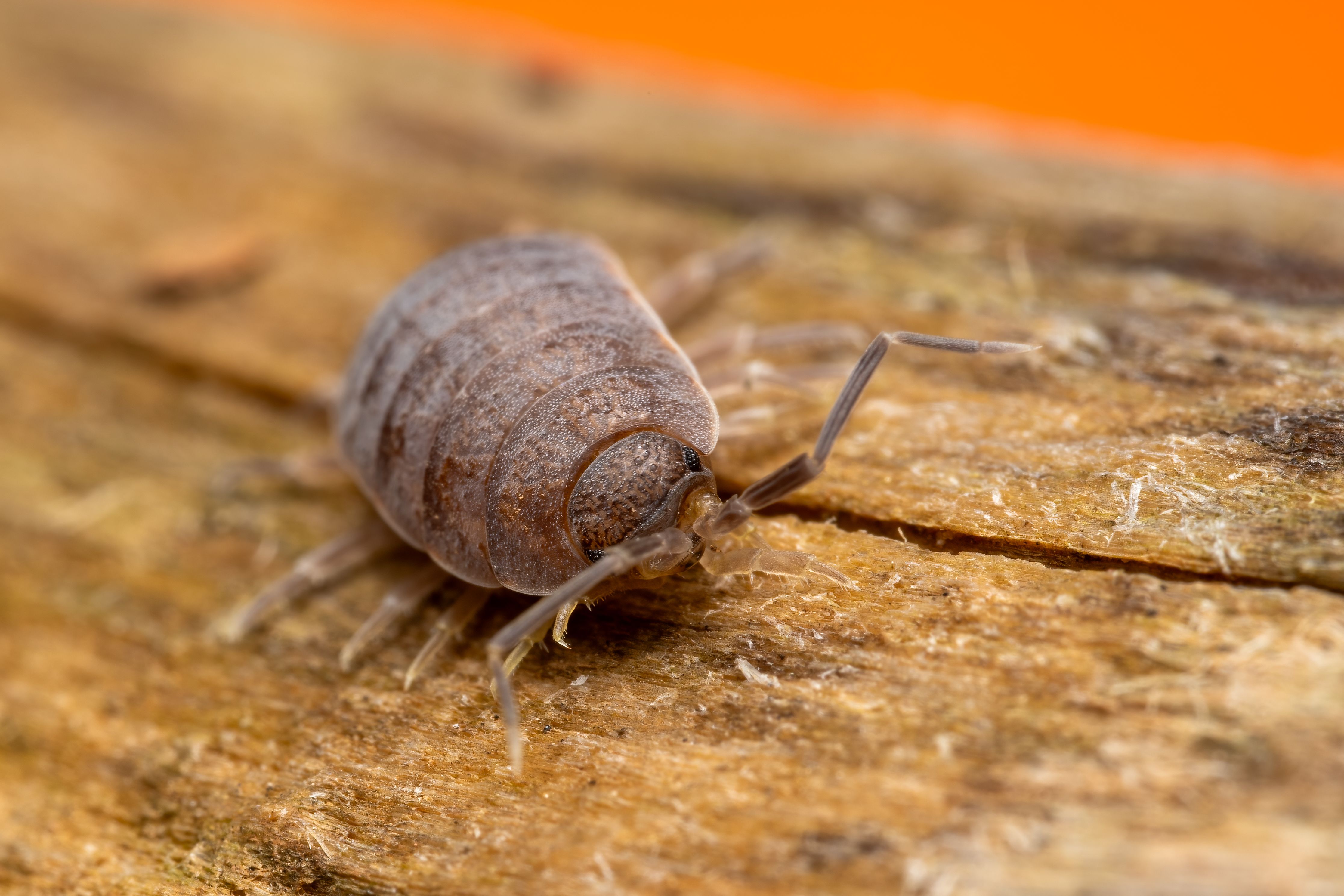
Imagine opening the pantry on a lazy Saturday afternoon, reaching for a box of cereal, and spotting a tiny, fish‑shaped creature darting across the flour. That’s exactly what happened to Mark, a longtime resident of a 1970s split‑level in Dunwoody. He froze, stared, and then realized the little intruder was a silverfish—a sign that his home’s hidden moisture pockets were inviting an unwelcome guest.
What’s a silverfish, and why do they love our homes?
Silverfish (Lepisma saccharina) are wingless insects about half an inch long, with a silvery, scale‑covered body that shimmers when the light hits it. They thrive on starchy residues—think paper, glue, cereal, and even the occasional cookie crumb. Their preference for dark, humid environments makes them a staple pest across the humid Southeast, especially in homes where moisture can linger unnoticed.
Dunwoody’s climate: a perfect breeding ground
Located just north of Atlanta, Dunwoody experiences a subtropical climate with average annual humidity hovering around 70 %. Summer nights often stay damp, and even winter mornings can bring a lingering moisture in basements and crawl spaces. This persistent humidity creates the ideal micro‑climate for silverfish, which need a relative humidity of 75 % or higher to stay active and reproduce.
The housing stock factor
Much of Dunwoody’s residential inventory was built between the late 1970s and early 1990s. Those homes often feature solid‑core doors, plaster walls, and older insulation materials that can trap moisture behind walls and under flooring. Leaky pipes, unvented attics, and outdated vapor barriers further exacerbate the problem, turning a seemingly modern home into a silverfish haven.
Why this guide matters to you
Understanding the “why” behind silverfish sightings is the first step toward effective control. This data‑driven guide pulls local climate records, building trends, and pest‑behavior research into a single resource you can trust. By the end, you’ll know exactly what to look for, when to act, and how Anthem Pest Control can help you protect your Dunwoody home without breaking the bank.
Turning a wake‑up call into a plan of action
When you spot that silverfish, it’s more than a fleeting nuisance; it’s a signal that moisture is accumulating where it shouldn’t. The next time you hear the soft, rustling movement of a silverfish in your pantry, remember that you have the tools—and local expertise—to address the root cause before the problem spreads to books, clothing, or even the structural integrity of your home.
Biology and Impact of Silverfish

Physical traits you’ll spot at a glance
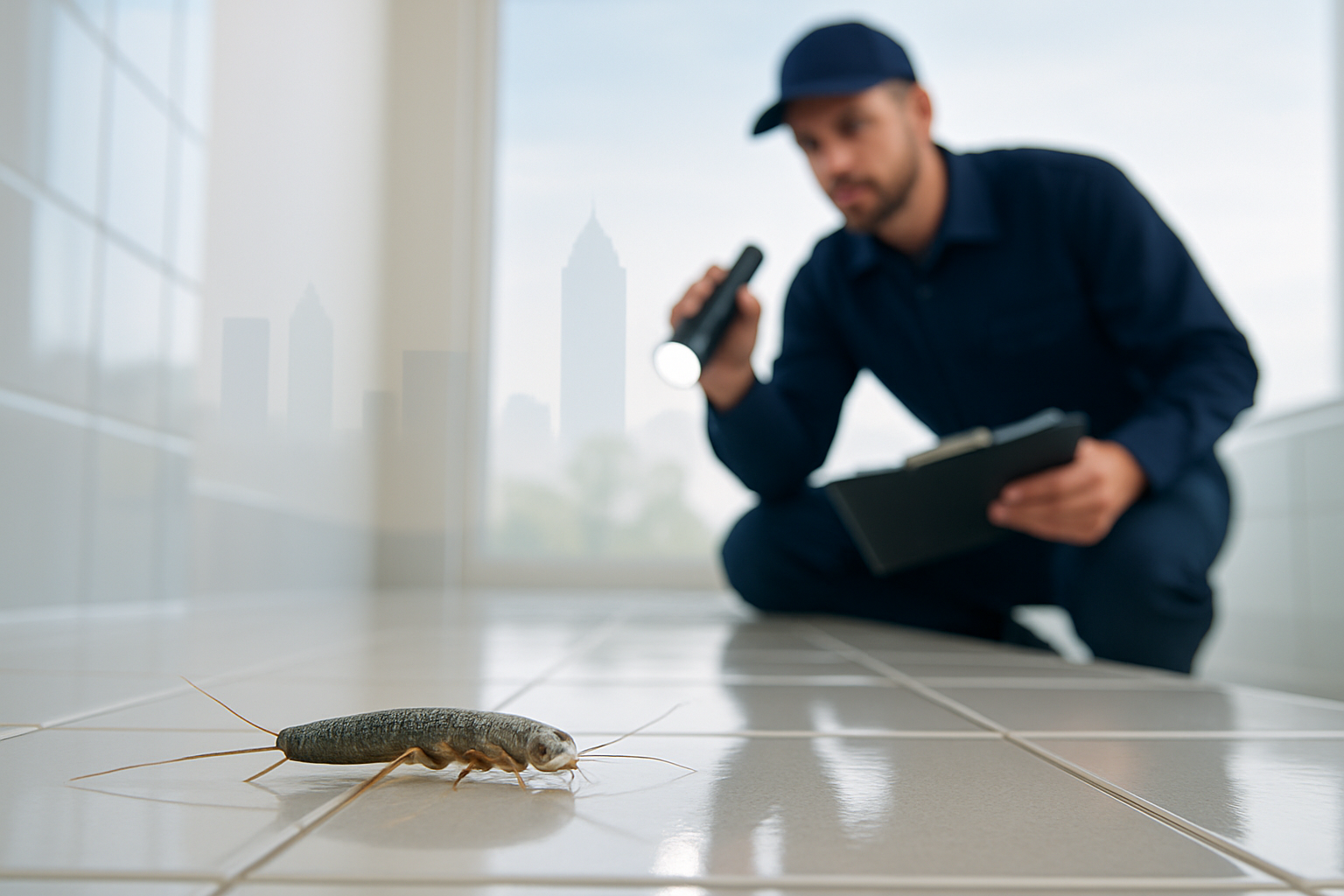
Silverfish are the tiny, silvery‑gray insects that often get mistaken for a miniature fish swimming across the floor. They measure roughly 12‑19 mm (½‑¾ inch) long, with a flattened, elongated body covered in overlapping scales that give them a metallic sheen. Their three long bristle‑like tail filaments and two antennae sway as they scuttle, and they move in a rapid, fish‑like motion—hence the name. Unlike many pests, silverfish are strictly nocturnal, preferring the darkness of closets, basements, and bathroom corners where humidity is high.
Life cycle: a slow‑burn infestation
From egg to adult, a silverfish can take anywhere from three months to a full year to mature, depending on temperature and moisture levels. Females lay batches of 20‑30 eggs in protected cracks, and each egg hatches into a nymph that looks like a miniature adult. Because they molt up to 18 times, they can live 2‑4 years—a surprisingly long lifespan for such a small creature. This longevity means a single infestation can linger for years if left unchecked, gradually expanding as new generations hatch and disperse.
How common are they in Georgia?
According to the 2024 Indoor Pest Survey conducted by the EPA, about 15 % of Georgia homes reported seeing silverfish during the year. The humid subtropical climate of the Atlanta metro area, including Dunwoody, creates ideal conditions for these moisture‑loving insects. Older homes with aging drywall, leaky pipes, or insufficient ventilation see higher numbers, but even brand‑new constructions can host silverfish if humidity isn’t managed.
Health note: nuisance, not disease
Silverfish are not disease vectors; they won’t transmit illnesses like cockroaches or rodents can. However, they are notorious for feeding on starchy materials—paper, book bindings, wallpaper glue, and even the occasional cereal grain. Over time, they can cause unsightly damage to cherished books, photographs, and pantry items. Some people also experience allergic reactions to the tiny scales they shed, which can become airborne and irritate sensitive lungs or trigger skin rashes.
Why knowing the biology matters for homeowners
Understanding a silverfish’s habits gives you a head start on detection and control. Their nocturnal activity means you’ll likely notice them only when you’re tidying a closet or reaching for a snack after dark. Knowing they thrive in damp, dark spaces points you to the usual suspects: bathroom grout, under sinks, and laundry rooms. By reducing moisture, sealing cracks, and removing food sources, you’re essentially cutting off the insect’s lifeline before a professional treatment becomes necessary.
Where Silverfish Hide in Dunwoody Homes
Kitchen Hotspots
Silverfish love the quiet corners of a kitchen where food particles linger and moisture stays hidden. The most common culprits are pantry shelves that aren’t sealed tightly, especially around flour bins, cereal boxes, and dried herbs. Even a thin layer of spilled flour can become a banquet for these nocturnal insects. Look under appliances—refrigerators, dishwashers, and especially the space behind the stove—where condensation can collect. These damp micro‑environments give silverfish the humidity they crave while keeping them out of sight.
Bathroom & Laundry Nooks
Bathrooms are practically a silverfish playground. Tile grout holds onto water after a shower, creating a slimy tunnel system that these pests use to travel. Shower curtains, especially the fabric or plastic liners that aren’t regularly laundered, can trap moisture and become a perfect hiding place. Under sinks, where pipes leak ever so slightly, you’ll often find a thin film of water on the cabinet backs—another invitation for silverfish to set up camp. The same logic applies to laundry rooms; the area around the washing machine’s lint trap and the base of the dryer can stay damp long enough to attract them.
Basements & Crawl Spaces
Basements and crawl spaces in Dunwoody homes are notorious for retaining moisture. Damp concrete floors, especially those that aren’t sealed, provide a cool, humid surface ideal for silverfish. Insulation gaps—where foam or fiberglass meets the foundation—allow humid air to seep in, creating a hidden corridor that connects the foundation to the rest of the house. Because these areas are rarely inspected, silverfish can multiply unnoticed for months before you spot the tell‑tale silver, fish‑shaped scales on walls or in stored boxes.
Neighborhood Focus: Age‑Built Homes and Moisture‑Prone Designs
Several Dunwoody neighborhoods have a higher concentration of silverfish activity due to the era in which they were built. Brookwood, North Dunwoody, and Dunwoody Estates feature many homes constructed between 1970 and 1990. During that period, builders often used vapor barriers and insulation methods that, while energy‑efficient, can trap moisture when the home ages. Leaky roof vents, outdated bathroom caulking, and older plumbing fixtures all contribute to the indoor humidity levels that silverfish adore.
Local Humidity Data Supports the Trend
The Dunwoody Health Department’s 2024 climate report shows an average indoor relative humidity of 58 % during the summer months—well above the 45‑50 % range that most homeowners aim for to deter pests. In the same report, neighborhoods with a higher density of homes built before 1990 recorded humidity spikes up to 65 % in basements after a single rainstorm. These numbers explain why silverfish sightings spike in the same areas and why proactive moisture control is a key part of any effective inspection.
Understanding where silverfish love to hide—and why—helps you target the right spots during a home inspection. By focusing on pantry seals, bathroom grout, and those often‑overlooked crawl‑space gaps, you can catch an infestation early, keep your home dry, and stay one step ahead of these persistent pests.
What to Expect During a Professional Silverfish Inspection
When you schedule a silverfish inspection with Anthem Pest, you’re not just getting a quick glance around the house. Our technicians follow a systematic, data‑driven process that turns a vague worry into a clear action plan. Knowing each step helps you feel confident that the service is thorough, transparent, and worth the investment.
Step 1: Pre‑Inspection Questionnaire
Before the technician arrives, you’ll receive a short questionnaire either by email or on a tablet. The questions focus on recent sightings, areas where you’ve noticed moisture (like bathrooms or basements), and any previous pest‑control treatments. Your answers let the inspector prioritize hotspots, bring the right tools, and avoid unnecessary disruption to your daily routine.
Step 2: Visual Sweep with Flashlight and Magnifier
Armed with a high‑intensity flashlight and a handheld magnifier, the inspector conducts a room‑by‑room visual sweep. Silverfish are tiny—typically ½ to ¾ inch—so the magnifier reveals their silvery scales and the tell‑tale webbing they leave behind. The flashlight highlights dark corners, under appliances, inside closets, and even the undersides of shelving where these nocturnal insects love to hide.
Step 3: Moisture Meter Readings
Silverfish thrive in damp environments, so moisture is a key diagnostic factor. Using a calibrated moisture meter, the technician measures humidity levels in walls, flooring, and cabinetry. Readings above 60 % signal a breeding‑friendly zone that will need remediation before any treatment can be truly effective. The meter logs are saved to the inspection report for later reference.
Step 4: Identification of Entry Points and Breeding Sites
Once the visual and moisture data are collected, the inspector maps out potential entry points—cracks in baseboards, gaps around pipes, and poorly sealed windows. Breeding sites such as leaky pipes, condensation traps, or stored paper products are also marked. This map becomes the blueprint for a targeted treatment plan, ensuring we address the root cause rather than just the symptoms.
Typical Duration: 45–60 Minutes
A comprehensive silverfish inspection usually fits within a 45‑ to 60‑minute window. The exact time depends on the size of your home and the complexity of the moisture profile, but our technicians are trained to work efficiently without cutting corners. During the visit they may ask you to move lightweight furniture or provide access to attics and crawl spaces, allowing a complete assessment of every potential harbor.
Pricing in Dunwoody
In Dunwoody, Anthem Pest offers a transparent pricing structure for a full silverfish inspection. The cost ranges from $150 to $300, reflecting factors such as home size, number of levels, and any additional diagnostics required. This fee includes the questionnaire, on‑site assessment, moisture readings, and a detailed written report with recommended next steps—no hidden fees or surprise add‑ons. If you decide to proceed with treatment immediately, the inspection fee is typically applied toward the total service cost.
Because the inspection is data‑driven, the subsequent treatment—whether it’s a localized spray, a structural barrier, or a moisture‑control recommendation—can be precisely calibrated. That precision often reduces the total number of follow‑up visits, saving you both time and money in the long run.

In summary, a professional silverfish inspection from Anthem Pest is a blend of science and experience. The pre‑inspection questionnaire sets the stage, the visual sweep uncovers hidden activity, moisture readings pinpoint the environment that fuels growth, and the entry‑point map guides a focused treatment. With a clear timeline of under an hour and a price range that reflects true value, you can move forward with confidence, knowing that the next step—whether it’s a preventive plan or an immediate treatment—will be based on solid evidence, not guesswork.
When It’s Time to Call a Professional
Most homeowners can handle a few stray silverfish with simple sanitation steps, but there’s a point where the problem outgrows DIY solutions. Recognizing that tipping point saves you from costly damage, protects family members, and prevents the infestation from spreading to hidden corners of your home. Below are the clear thresholds that signal it’s time to let Anthem Pest Control step in.
Key Thresholds to Watch
- More than five silverfish in a single week – a sudden surge indicates a breeding hotspot.
- Visible food damage – shredded paper, stained fabrics, or gnawed pantry items show they’re feeding unchecked.
- Egg casings or shed skins – finding these silvery, fish‑scale‑like shells means the population is reproducing.
Seasonal Trigger: The Rainy‑Season Spike
In Dunwoody, the period from April through June brings higher humidity levels, often exceeding 60 %. This moisture creates an ideal environment for silverfish to thrive, and many homeowners notice a noticeable spike in activity during these months. If you’re experiencing the thresholds above right after a rainy spell, consider it a red flag that the local climate is fueling the infestation.
Immediate‑Action Scenarios
- Infestation spreading to multiple rooms – a single kitchen sighting that quickly appears in bedrooms, bathrooms, or closets.
- Presence near children’s play areas or pet zones – the risk of contact with egg casings and shed skins is higher for the youngest family members.
- Persistent sightings despite rigorous cleaning – if thorough vacuuming, dehumidifying, and food sealing haven’t reduced numbers, professional intervention is warranted.
When any of these situations arise, waiting can lead to structural damage (especially to books, wallpaper, and stored fabrics) and increased health concerns. The CDC’s indoor pest management guidance emphasizes that prompt, professional treatment is the most effective way to control pests that have established a breeding cycle inside the home.
Anthem Pest Control’s technicians are trained to assess humidity levels, locate hidden breeding sites, and apply targeted, low‑toxicity treatments that protect both your family and your belongings. If you’ve crossed any of the thresholds listed above, or if the seasonal humidity surge has left you dealing with more silverfish than you can manage, it’s time to schedule a professional inspection. Our transparent pricing and local expertise ensure you get the right solution without surprise costs.
Treatment Options and Pricing Overview
Chemical Treatments
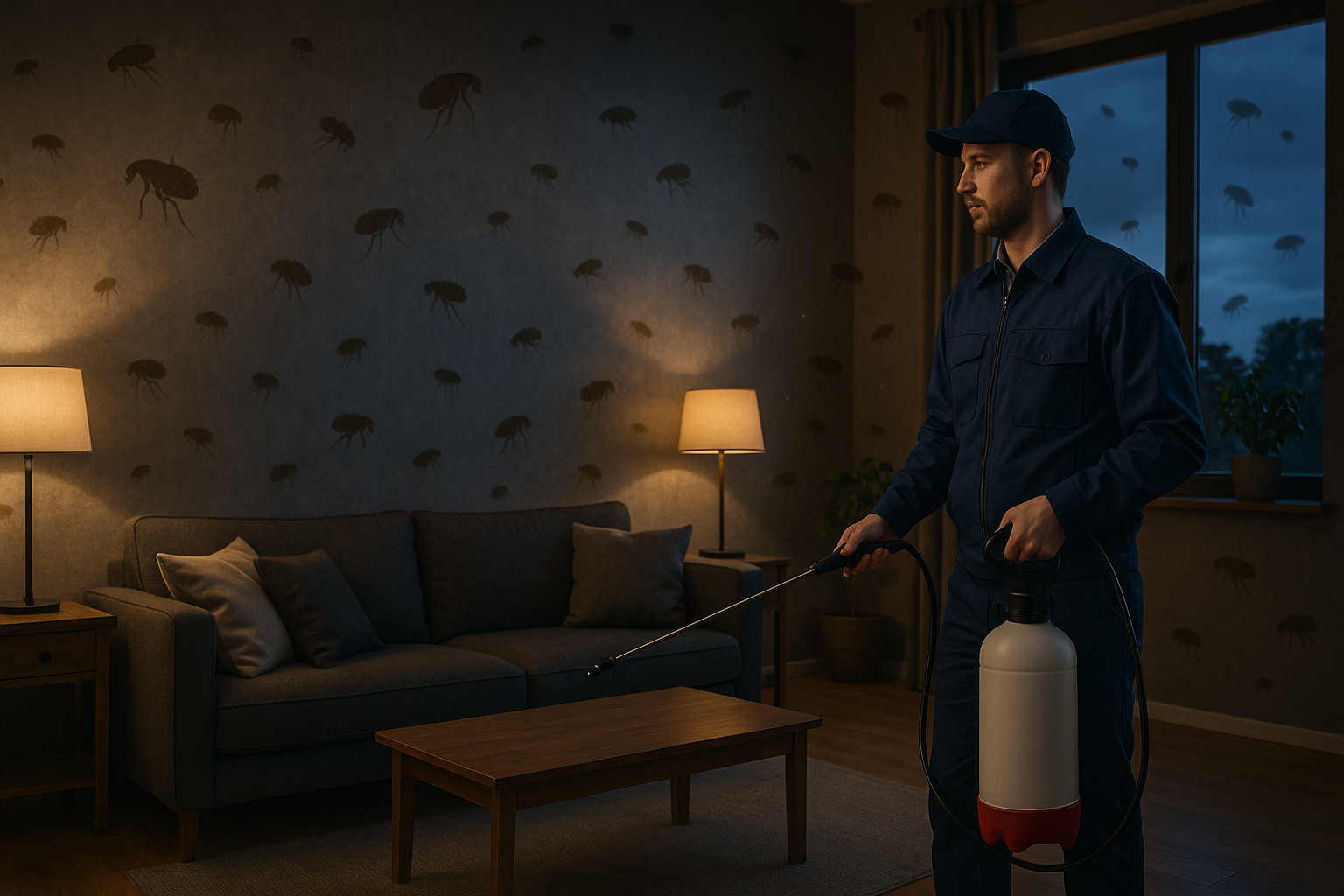
When silverfish hide in the cracks of baseboards, under cabinets, or behind drywall, a residual insecticide spray is often the most direct way to eliminate them. Our technicians apply a thin layer of EPA‑approved insecticide that continues to work for weeks, attacking any silverfish that cross the treated surface. Because the product is designed to stay effective while remaining safe for families and pets, you get long‑lasting protection without the need for daily monitoring. In Dunwoody, a standard chemical treatment typically falls between $200 and $350, depending on the size of the home and the extent of the infestation.
Non‑chemical Options
For homeowners who prefer a chemical‑free approach, we offer several proven alternatives. Silica‑based dust and diatomaceous earth are fine powders that desiccate silverfish when they crawl over them, making these options ideal for sensitive areas like kitchens and children’s rooms. Heat treatment, another non‑chemical method, raises the temperature of infested spaces to a level that is lethal to silverfish but harmless to structural components. These techniques are especially popular in eco‑conscious households and can be combined for added efficacy. Pricing for non‑chemical solutions ranges from $250 to $500, reflecting the labor‑intensive application and the premium materials used.
Integrated Pest Management (IPM) Plan
Our Integrated Pest Management plan takes a holistic view of silverfish control. First, a thorough inspection pinpoints entry points, moisture sources, and breeding sites. Next, we implement a targeted treatment—whether chemical, non‑chemical, or a blend—based on the specific conditions we uncover. Finally, we schedule a six‑month follow‑up to reassess and, if needed, adjust the strategy, ensuring that silverfish do not re‑establish a foothold. The IPM plan bundles expertise, treatment, and ongoing monitoring into a single package priced between $400 and $650. This option delivers the best value for homeowners who want a proactive, long‑term solution rather than a one‑time fix.
Anthem Pest Guarantee
We stand behind every silverfish service with a clear, no‑questions‑asked guarantee. If silverfish reappear within 90 days of your treatment, Anthem Pest will return at no additional cost to perform a repeat application. This guarantee covers all three treatment pathways—chemical, non‑chemical, and IPM—so you can choose the method that fits your comfort level and budget without worrying about hidden fees.
| Treatment Type | What’s Included | Price Range |
|---|---|---|
| Chemical Spray | Residual insecticide applied to cracks, baseboards, and hidden voids | $200 – $350 |
| Non‑chemical (Silica, Diatomaceous Earth, Heat) | Dusting, powder barriers, or whole‑home heat exposure | $250 – $500 |
| Integrated Pest Management (IPM) | Inspection, targeted treatment, 6‑month follow‑up | $400 – $650 |
DIY Prevention Tips for Dunwoody Homeowners
Silverfish thrive in quiet, damp corners of a house. The good news is that most of the conditions they love can be altered with a few simple, inexpensive actions. Below are the most effective steps you can take right now to make your home less inviting to these nocturnal insects, even before you call a professional.
1. Reduce Humidity
Silverfish need moisture to survive, so keeping indoor humidity below 50 % is a powerful deterrent. Place a small dehumidifier in basements, closets, or bathrooms where condensation often gathers. Check under sinks and around appliances for leaks; a single drip can raise local humidity enough to attract silverfish. Adding silica‑gel packets or moisture‑absorbing crystals in cabinets gives extra protection in hard‑to‑reach spots. Finally, improve ventilation by running exhaust fans during showers and cooking, and consider adding a vent grille to cramped crawl spaces.
2. Seal Entry Points
These insects can slip through the tiniest cracks. Walk the perimeter of each room with a flashlight and caulk any gaps around window frames, baseboards, and pipe penetrations. Install door sweeps on exterior doors to block the gap between the floor and the door leaf. For older homes, expanding foam can fill larger voids in foundation walls, preventing moisture‑laden air—and silverfish—from seeping in. Don’t forget the attic; seal any openings around vents and chimneys where drafts may enter.
3. Store Food Properly
While silverfish aren’t attracted to fresh food the way ants are, they will munch on crumbs, dried starches, and even paper packaging. Transfer cereal, flour, rice, and pet food into airtight containers made of glass or heavy‑wall plastic. Rotate pantry items regularly; older products are more likely to develop the fine dust that silverfish love. Wipe down shelves with a mild detergent after each restocking to remove residual particles, and sweep the floor to eliminate stray crumbs that could serve as a snack.
4. Keep Up with Regular Maintenance
Prevention is a habit, not a one‑time fix. Schedule an annual inspection—especially after heavy rains, when groundwater can raise indoor moisture levels. During the inspection, ask your technician to check for hidden water sources, verify that seals remain intact, and advise on any additional steps specific to your home’s construction. After a storm, walk through basements and crawl spaces to dry any newly formed puddles before they become a breeding ground.
5. Printable Checklist
For a quick, at‑a‑glance reminder, download Anthem’s printable “Silverfish Prevention Checklist.” It lists each task, how often to perform it, and a simple rating system so you can track progress throughout the year. Print the sheet and hang it on your refrigerator or in the garage for easy reference.
Why Choose Anthem Pest as Your Dunwoody Expert
Living in Dunwoody means dealing with a mix of classic bungalows, sprawling ranch‑style homes, and newer townhouses—each with its own set of construction quirks and moisture patterns. Anthem Pest has spent years mapping these housing styles, so we know exactly where silverfish love to hide when humidity spikes in the summer months. Our technicians can spot the subtle cracks, baseboard gaps, and attic vents that most generic pest services simply overlook.
Beyond local knowledge, Anthem Pest brings nationally recognized credentials to every job. Our team members are EPA‑registered applicators, meaning we follow strict federal guidelines for safe chemical handling and environmental protection. We’re also proud members of the National Pest Management Association (NPMA), which requires ongoing education, adherence to a code of ethics, and a commitment to the latest integrated pest‑management techniques. These certifications give Dunwoody homeowners the confidence that the treatment plan is both effective and responsibly applied.
Homeowners often wonder how much a silverfish inspection will cost before a single service call. At Anthem Pest we eliminate that guesswork by publishing every fee on our dedicated silverfish service page. From the initial walkthrough to the follow‑up treatment, the price you see online is the price you pay—no hidden surcharges, no surprise add‑ons. This transparency lets you budget confidently and compare options without the usual back‑and‑forth that drains time and patience.
“Anthem Pest identified a silverfish hotspot in our Brookwood home that we’d lived with for years. Their thorough inspection, clear pricing, and prompt treatment gave us peace of mind—finally, a pest partner who actually understands Dunwoody.” — A Brookwood Homeowner
Customer satisfaction isn’t just a tagline for us—it’s measured in every follow‑up call we make after a silverfish treatment. Anthem Pest guarantees that if you see activity within 30 days of service, we’ll return at no extra charge to reassess and re‑apply. Our online review scores consistently rank in the top tier for Dunwoody pest providers, reflecting real‑world experiences from neighbors who appreciate punctuality, professionalism, and a job well done. When you choose Anthem, you’re not only hiring a pest control firm; you’re gaining a long‑term partner in home protection.
For a fast, no‑obligation quote, call Anthem Pest at 877‑371‑8196 today. Our Dunwoody specialists are ready to schedule a same‑day inspection, answer your questions, and tailor a plan that fits your home’s unique layout and budget.
Frequently Asked Questions About Silverfish
Are silverfish dangerous to health?
Silverfish are not known carriers of diseases, so they don’t pose a direct medical threat. However, their shed skins, feces, and dead bodies can trigger allergic reactions in sensitive individuals, especially those with asthma or dust‑mite sensitivities. The irritation is usually mild—itchy eyes, sneezing, or a rash—but it’s enough to make a homeowner want a prompt solution.
How long does a treatment last?
A professional silverfish treatment typically remains effective for 6 to 12 months, provided the homeowner maintains basic preventive habits. This includes reducing excess moisture, sealing cracks, and keeping food storage areas clean. When these steps are followed, the residual insecticide continues to suppress populations, allowing you to enjoy a pest‑free home for up to a year before a follow‑up may be needed.
Can I DIY with store‑bought sprays?
Over‑the‑counter sprays can offer a temporary knock‑down, but they rarely eradicate an established infestation. Most retail products lack the residual power and targeted formulation that licensed professionals use. Additionally, improper application can expose pets, children, and yourself to unnecessary chemicals. For lasting results and safety, it’s best to rely on a certified pest‑control service that follows Integrated Pest Management (IPM) principles.
What is the typical timeline for eradication?
The process usually follows three clear steps: inspection, where a technician identifies hotspots and entry points; treatment, applying a low‑toxicity, long‑lasting product to cracks, baseboards, and moisture‑prone areas; and finally a 2‑week follow‑up to assess effectiveness and address any lingering activity. Most homeowners see a dramatic reduction in silverfish activity within a week, with full eradication confirmed at the follow‑up visit.
Do silverfish return after treatment?
Recurrence is possible if the underlying conditions that attracted silverfish—high humidity, food debris, or structural gaps—are not corrected. Integrated Pest Management emphasizes both chemical control and environmental modification. By fixing leaks, improving ventilation, and sealing entry points, you dramatically lower the chance of a comeback. Regular inspections help catch any early signs before a new infestation takes hold.
Still have questions? Visit our Anthem Pest FAQ page for more detailed information and guidance on protecting your Dunwoody home.
Secure Your Home – Call Anthem Pest Today
By now you should be able to recognize the tell‑tale signs of a silverfish invasion, know what a professional inspection looks like, understand the treatment options on the table, and have a handful of preventive habits ready to implement. Let’s quickly recap the essentials before you pick up the phone.
- Identification: Silvery, fish‑shaped insects that dart away when disturbed, often found in damp areas such as kitchens, bathrooms, and basements.
- Inspection expectations: A certified technician will conduct a visual survey, locate breeding sites, and use moisture meters to pinpoint conditions that attract silverfish.
- Treatment options: Targeted sprays, dust applications, and, when necessary, structural treatments that address both adult insects and their hidden eggs.
- Preventive steps: Reduce humidity, seal cracks, store food in airtight containers, and schedule regular follow‑up visits to keep the environment hostile to silverfish.
When you choose Anthem Pest Control, you’re tapping into a network of locally trained professionals who understand the unique pest pressures of Dunwoody, Georgia. Our technicians arrive on time, explain every step in plain language, and back their work with a satisfaction guarantee. Plus, we pride ourselves on transparent pricing—no hidden fees, just a clear quote before any service begins.
Ready to turn those silverfish worries into peace of mind? Scheduling a free, no‑obligation quote is simple. One call connects you with a local expert who will assess your home, discuss the most effective treatment plan, and answer any questions you might have about safety or follow‑up care.
Call now at 877‑371‑8196 or visit Anthem Pest Control to request your free inspection. Let us handle the pests so you can enjoy a silverfish‑free home with confidence.