Understanding Seasonal Pest Risks

Temperature, humidity, and daylight aren’t just weather talk—they’re the pulse that drives every pest’s life cycle. Warmth accelerates metabolism, prompting insects to hatch, feed, and reproduce faster. Humidity keeps eggs from drying out and creates the moist micro‑habitats that many larvae need to survive. Meanwhile, longer daylight hours signal to pests that it’s time to emerge from overwintering sites and start looking for food and shelter. When any of these three factors shift, you’ll see a corresponding change in pest pressure inside and around your home (EPA, 2023).
Which Pests Peak When?
- Spring – Ants, termites, and emerging flies dominate as soil warms. Mosquitoes also begin their breeding cycles in standing water.
- Summer – Stinging insects (wasps, hornets), cockroaches, and bed bugs reach peak activity. High humidity fuels roach populations, while heat draws mosquitoes closer to indoor lights.
- Fall – Rodents start seeking warm shelter, and boxelder bugs and stink bugs swarm in search of a place to overwinter.
- Winter – While many insects lie dormant, indoor pests like silverfish, pantry moths, and bed bugs remain active, exploiting the constant indoor climate.
These patterns hold true across most of the United States, but regional nuances matter. For example, the Gulf Coast sees year‑round mosquito activity because humidity stays high, whereas the Pacific Northwest experiences a later spring surge of ants due to cooler soil temperatures (University of Illinois Extension, 2022).
Outdoor Ecosystems: The Hidden Breeding Grounds
Lakes, ponds, and forested edges act as natural nurseries. Standing water provides mosquito larvae with a perfect, predator‑free pool, while leaf litter in forests creates the damp shelter that termites and carpenter ants love. When these habitats are close to your property, the insects they nurture can quickly transition from a wild setting to your porch, foundation, or attic. Managing vegetation, removing standing water, and sealing cracks are proactive steps that cut off the “highway” from these outdoor breeding zones into your home.
Season‑by‑Season Risk Score
| Season | Common Indoor/Perimeter Pests | Risk Score (1‑5) |
|---|---|---|
| Spring | Ants, termites, mosquitoes, flies | 4 |
| Summer | Wasps, cockroaches, bed bugs, mosquitoes | 5 |
| Fall | Rodents, boxelder bugs, stink bugs | 3 |
| Winter | Silverfish, pantry moths, bed bugs | 2 |
By understanding how climate drives pest behavior and recognizing the seasonal “hot spots,” you can schedule inspections and treatments before an infestation takes hold. Anthem Pest Control leverages this science to deliver timely, targeted solutions that keep your home comfortable year‑round.
Identifying Common Pests by Season
Every season brings a new set of unwelcome guests. Knowing which insects or rodents are most active now lets you spot them early, before they cause damage or health problems. Below is a quick guide to the pests you’re most likely to encounter, the signs they leave behind, and where they tend to enter your home.
Spring
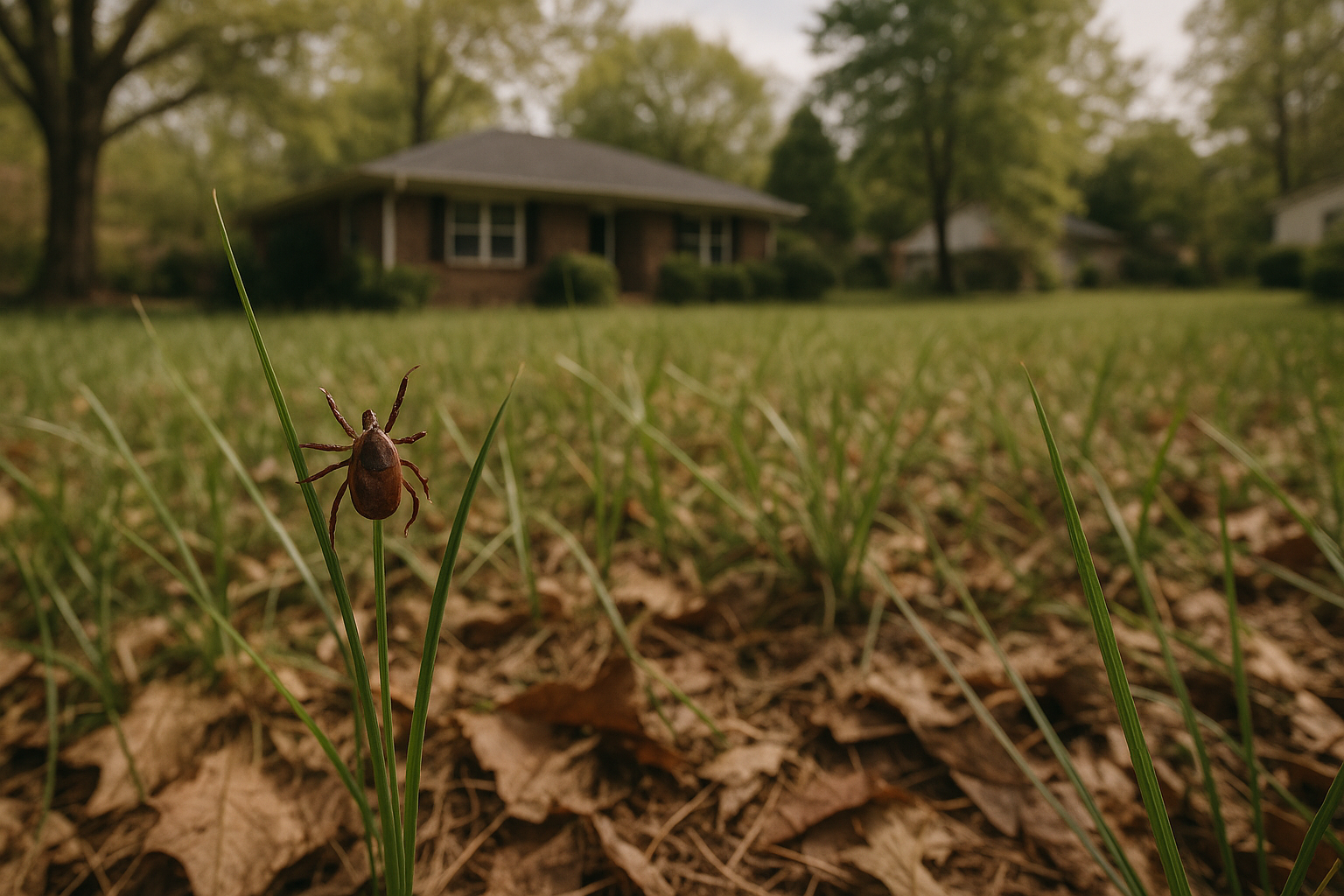
Termites, ants, and emerging mosquitoes dominate the warm, moist spring months. Subterranean termites swarm when soil temperatures rise above 55 °F, often appearing as winged “swarmers” near foundation walls or crawl spaces. Look for mud tubes on exterior walls and hollow‑sounding wood. Carpenter ants follow similar moisture cues, nesting in damp wood and leaving irregular, jagged exit holes. Mosquitoes hatch from stagnant water in birdbaths, gutters, or forgotten containers; early bites are a warning sign that breeding sites are nearby. Early detection is critical because a small colony can quickly damage structural wood and compromise your home’s integrity.
Summer
Summer’s heat fuels flies, mosquitoes, fire ants, and outdoor roaches. House flies and fruit flies are attracted to exposed food and garbage, buzzing around kitchen counters and light fixtures. Mosquitoes peak at dusk, often entering through open doors or unscreened windows. Fire ants build visible mounds in lawns and can infiltrate homes through cracks, delivering painful stings. Outdoor roaches, such as the American cockroach, hide in damp basements and crawl into kitchens via plumbing gaps, leaving a greasy scent and droppings. Because these pests thrive in humidity, keeping kitchens dry and screens intact dramatically reduces indoor incursions.
Fall
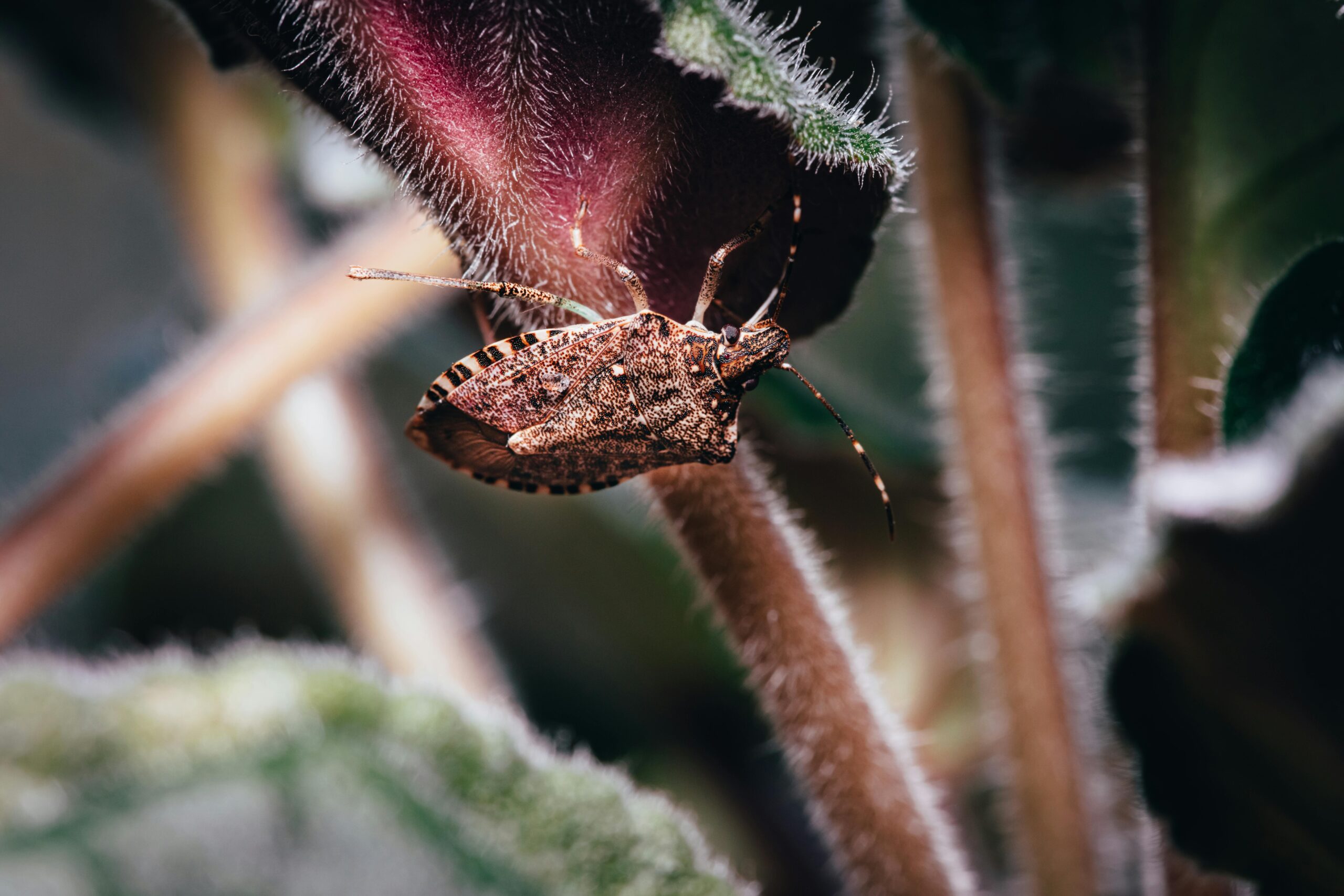
As temperatures drop, rodents, boxelder bugs, and earwigs seek shelter indoors. Norway rats and house mice slip through gaps around utility lines, vent pipes, or foundation cracks, leaving gnaw marks, droppings, and a distinct musky odor. Boxelder bugs congregate on sunny exterior walls in September, often found in attic vents or window frames; their bright orange‑red wings are a clear identifier. Earwigs hide in mulch and leaf litter, entering through door sweeps to feed on plants and occasionally on soft foods stored in pantries. Seal cracks and store firewood away from the house to deter rodents and earwigs from moving inside.
Winter
Winter pushes hidden pests like bed bugs, pantry insects, and the occasional spider into your living spaces. Bed bugs cluster in mattress seams and furniture crevices; tiny rust‑colored spots on sheets or a sweet, musty odor signal an infestation. Pantry pests—flour beetles, Indian meal moths, and grain weevils—appear as webbing or larvae in stored grains. Spider activity, especially from house spiders, may increase as they hunt other insects that have sought refuge indoors. Regularly inspect bedding and pantry containers; catching a few insects early prevents a full‑blown outbreak.

Use the table below as a quick reference when you’re inspecting your property.
| Pest | Season | Key Identifier | Typical Entry Points |
|---|---|---|---|
| Termites | Spring | Winged swarmers, mud tubes | Foundation cracks, crawl space vents |
| Fire Ants | Summer | Mounded soil, painful sting | Cracks in patios, door sweeps |
| Boxelder Bugs | Fall | Bright orange‑red wings | Window frames, attic vents |
| Bed Bugs | Winter | Rusty spots, musty odor | Mattress seams, furniture crevices |
For detailed images and species‑specific facts, consult the University of Florida IFAS Extension identification guides.
Preventative Home Maintenance Strategies
Build a Four‑Point Barrier
Think of pest protection as a four‑point barrier: entry, attractants, water, and shelter. If any one of those points is left open, pests will find a way in. By systematically sealing gaps, removing food sources, eliminating standing water, and trimming potential hiding spots, you create an environment that’s far less inviting to insects, rodents, and other unwelcome guests.
Exterior Inspections
A solid exterior is the first line of defense. Walk the perimeter of your home at least twice a year and address these key items:
- Seal cracks and gaps around foundations, windows, doors, and utility penetrations with caulk or expanding foam.
- Repair or replace torn screens on doors, windows, and vents to block insects while keeping fresh air flowing.
- Trim back trees, shrubs, and vines so they clear at least 6 inches from the roof and walls, preventing bridges for spiders and rodents.
- Redirect downspouts away from the foundation and fill any low‑lying depressions to prevent standing water that attracts mosquitoes and ants.
Interior Upkeep
Inside the home, small habits make a big difference. Consistent housekeeping removes the food and moisture pests need to thrive:
- Store dry goods in airtight containers; wipe crumbs and spills immediately.
- Vacuum high‑traffic areas weekly, paying special attention to baseboards and under appliances where eggs can hide.
- Use dehumidifiers in basements, crawl spaces, and bathrooms to keep relative humidity below 60 %—a level most cockroaches and silverfish avoid.
- Inspect and clean pet food bowls nightly; discard leftover kibble to eliminate an easy protein source.
Seasonal Tasks
Each season brings its own set of challenges. Follow this checklist to stay ahead of the pests that love your climate.
| Season | Key Tasks |
|---|---|
| Spring |
|
| Summer |
|
| Fall |
|
| Winter |
|
CDC Guidance on Mosquito Breeding Sites
According to the Centers for Disease Control and Prevention, eliminating standing water that can hold water for 5–7 days reduces mosquito breeding by up to 90 %.
Apply this principle year‑round: empty saucers under plant pots, clean pet water bowls daily, and change water in decorative fountains at least once a week. By combining the four‑point barrier with these seasonal habits, you’ll keep pests at bay and protect your home without relying on chemical sprays.
Professional Treatment Options and When to Call
At Anthem Pest we know that every infestation demands a precise solution. Our professional arsenal includes long‑lasting barrier sprays, targeted baiting systems, whole‑structure fumigation, and eco‑friendly alternatives that protect both your home and the environment. Choosing the right method—and recognizing the moment you need a technician—can turn a temporary fix into a permanent peace of mind.
Our core treatment methods
Each service is calibrated to the pest’s biology while keeping disruption to a minimum.
- Barrier sprays – EPA‑registered chemicals applied around foundations and entry points create an invisible shield that stops ants, termites, and crawling insects before they breach the home.
- Baiting systems – Stationary stations placed in key locations release a slow‑acting toxin that worker insects carry back to the colony, eradicating the source rather than just the foragers.
- Structural fumigation – A sealed‑room approach using gas‑based products penetrates wood, wall voids, and hidden crevices, ideal for severe termite or bed‑bug infestations.
- Eco‑friendly options – Botanical extracts, diatomaceous earth, and low‑toxicity granules provide effective control for homeowners seeking greener solutions.
When DIY just isn’t enough
Do‑it‑yourself products work for minor sightings, but certain signs demand professional intervention.
- Visible evidence of infestation—swarmers, mud tubes, droppings, or live nests.
- Structural damage—chewed wood, hollowed beams, or warped flooring.
- Health hazards—allergic reactions, asthma triggers, or contaminated food sources.
- Repeat sightings after multiple DIY attempts—indicates a hidden, thriving population.
Seasonal timing for optimal results
Timing a treatment to the pest’s life cycle maximizes efficacy and can reduce costs.
| Service | Ideal Season | Why it works best |
|---|---|---|
| Barrier spray | Pre‑summer (May‑June) | Stops summer swarms of ants, termites, and mosquitoes before they enter. |
| Baiting systems | Spring & Fall | Foraging activity peaks, allowing workers to transport bait to the colony. |
| Structural fumigation | Late summer (August) | Targets pests before they settle for winter, reducing re‑infestation risk. |
| Eco‑friendly options | Year‑round | Low‑impact products can be applied any time without harming pets or children. |
Safety and compliance you can trust
All Anthem Pest treatments use EPA‑registered products and follow strict child‑ and pet‑safe protocols. Technicians wear protective gear, isolate treated areas, and provide clear post‑application instructions. Our compliance records meet state regulations and industry best practices, giving you confidence that the job is done safely and legally.
Case study: Early termite intervention saved a home
“I called Anthem Pest after spotting a few mud tubes in my basement. Within two days they installed a pre‑summer barrier and set up bait stations. The next spring my house was termite‑free, and I avoided what could have been thousands of dollars in structural repairs.”
This homeowner’s quick call prevented an extensive colony from establishing deep within the foundation. By combining a barrier spray with a baiting system before the peak termite season, Anthem Pest eliminated the colony at its source, saving the family both money and the stress of major repairs.
For a deeper dive into industry standards, visit the National Pest Management Association. Their guidelines reinforce why timely professional treatment is essential for lasting protection.
Protect Your Home Today – Get a Free Quote
Each season brings its own set of unwelcome guests—from spring‑time ants marching indoors to summer mosquitoes buzzing around your patio, and from fall‑time rodents seeking shelter to winter termites silently chewing through your structure. Acting early not only stops these pests in their tracks, it also saves you money by avoiding costly damage repairs and protects the health of your family by eliminating disease‑carrying insects and allergens before they become a problem.
Why early action matters
- Spring: Ants, roaches, and emerging termites exploit the warm, moist soil to infiltrate foundations and crawl spaces.
- Summer: Mosquitoes and flies thrive, increasing the risk of bites, allergic reactions, and vector‑borne illnesses.
- Fall: Rodents look for cozy nesting spots, often chewing through insulation, wiring, and wood.
- Winter: Hidden termites continue feeding, weakening structural components while you’re less likely to notice the damage.
When you choose Anthem Pest as your single, trusted partner, you eliminate the guesswork of juggling multiple service providers. Our certified technicians specialize in every common household pest, so you get a coordinated, eco‑friendly plan that addresses current infestations and builds a barrier against future invasions. One call gives you access to comprehensive inspections, tailored treatment options, and transparent pricing—all backed by a company that values your peace of mind as much as you do.
Ready for a no‑obligation, on‑site inspection? Our team can be at your doorstep within 24 hours, assess the specific risks in your home, and provide a clear, written quote that outlines exactly what will be done and why. There’s no pressure to sign up on the spot—just a straightforward conversation about how to keep your living space pest‑free.
Call us today at 877‑371‑8196 or visit Anthem Pest Control to schedule your free inspection. Our friendly staff will answer any questions, confirm a convenient appointment time, and ensure you feel confident about the next steps.
Take the first step toward a healthier, pest‑free home—pick up the phone or click the link. We’re here to help, without any pushy sales tactics, and we look forward to protecting your home for seasons to come.