Earwig Encounters in Dunwoody Homes
Imagine stepping into your Brookhaven kitchen after a long day, only to see a line of sleek, brown‑gray earwigs marching across the tile beside the sink, their long antennae flicking in the dim light. The sight is enough to make any homeowner pause, wonder where they came from, and worry about what they might do next.
Earwigs aren’t just an odd curiosity; they can become a genuine nuisance. In the garden, the females use their powerful mandibles to chew tender leaves, seedlings, and ornamental shrubs, leaving ragged edges that stunt growth. Inside the house, they gravitate toward damp, hidden spots—under cabinets, around plumbing, or in soft‑wood trim—where they may gnaw on exposed wood, damage paint, and leave behind a faint, musty odor. While they rarely transmit disease, a heavy infestation can turn a quiet pantry into a noisy, unsightly scene.
In Dunwoody, earwig activity peaks in late summer and early fall, when warm, moist conditions drive them indoors in search of shelter. Spotting the first few insects near your sink or basement can be the difference between a simple removal and a full‑scale inspection. Early detection lets you act before they establish breeding sites, protecting both your landscaping and interior woodwork.
That’s where Anthem Pest Control steps in. As the trusted local expert for earwig inspections in Dunwoody, our technicians combine years of regional experience with data‑driven scouting methods. We identify entry points, assess the extent of any damage, and recommend targeted treatments that are safe for your family and pets.
Dunwoody’s mix of mature trees, well‑kept lawns, and older Victorian‑style homes creates the perfect backdrop for earwig colonies. Moisture‑prone crawl spaces and the region’s frequent summer thunderstorms give these nocturnal insects the shelter they love. By mapping these micro‑habitats, Anthem Pest tailors each inspection to the unique layout of your property, ensuring no hidden pocket is missed.
This guide will walk you through what to look for, why timing matters, and how Anthem Pest’s proactive approach can keep earwigs—and the headaches they bring—out of your home for good.
What Are Earwigs? Biology, Identification, and Behavior
Earwigs belong to the order Dermaptera, a group of insects recognized worldwide for their distinctive pincers, or cerci, at the rear of the abdomen. In Georgia you’ll most often encounter two species: the European earwig (Forficula auricularia) and the Southern earwig (Doru aculeatum). Both are native to the Southeast and have adapted well to the humid climate of the Atlanta metro area, including Dunwoody.
Key Identification Traits
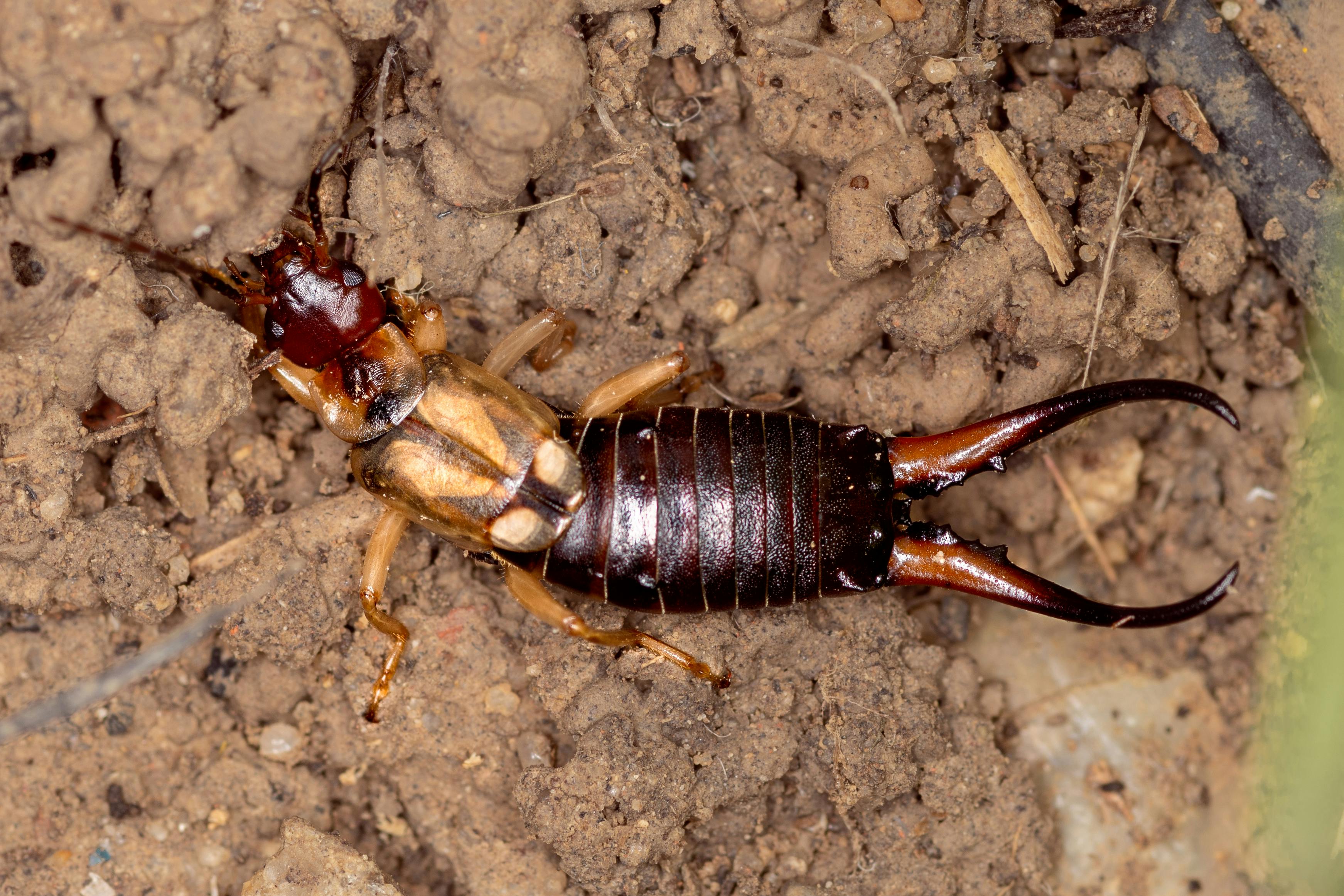
Earwigs are easy to spot once you know what to look for. Their bodies are elongated, typically 10‑25 mm long, and flattened, allowing them to slip into narrow cracks. The most recognizable feature is the pair of forceps‑like cerci—these can be straight or curved depending on the species and are used for defense, mating, and navigating tight spaces. Their antennae are long and segmented, and the wings, when present, lie flat over the dorsal surface, giving a leathery appearance.
These insects are primarily nocturnal, emerging after sunset to hunt for food. They favor moist, dark crevices such as under mulch, leaf litter, foundation cracks, and even the spaces behind kitchen cabinets. This preference for humidity explains why they are often found near leaky pipes or damp basements.
Behavior Patterns
Earwigs are omnivorous scavengers. In the garden they feed on decaying organic matter, fungi, and small insects, helping to break down waste. Occasionally they nibble on tender plant parts—especially seedlings and soft leaves—though they rarely cause serious damage. Indoors, earwigs may wander in search of food crumbs or moisture, leading to occasional sightings in kitchens, bathrooms, or laundry rooms.
According to the National Pest Management Association, earwig sightings in the Southeast increased 12 % from 2022‑2023 (NPMA Guide, 2024). The rise is linked to milder winters and increased urban landscaping that creates more favorable micro‑habitats.
Why Earwigs Remain Hidden
The combination of nocturnal activity, small size, and a love for moist, concealed spaces makes earwigs a stealthy indoor guest. Homeowners often only notice them when a flashlight reveals a lone individual in a pantry or bathroom. Because they are not aggressive and rarely bite, many people dismiss the sighting as harmless, not realizing that a growing population can signal excess moisture or structural gaps that invite other, more destructive pests.
Why Earwigs Are a Concern in Dunwoody
Dunwoody’s climate creates a perfect playground for earwigs. The city enjoys long, humid summers with average high temperatures hovering around 88°F (31°C) and nighttime humidity often exceeding 70%. Those moist conditions allow earwig eggs and nymphs to develop quickly, while the moderate winters—rarely dipping below 30°F (‑1°C)—prevent the insects from dying off completely. In short, the local weather provides a year‑round refuge that keeps earwig populations thriving.
Peak Activity Season
According to the Georgia Department of Agriculture’s 2024 pest‑monitoring statistics, earwig activity spikes from May through September, coinciding with the region’s warmest and wettest months. View the full report for detailed monthly counts.
Neighborhoods Reporting Infestations
- Brookhaven
- Peachtree Park
- Dunwoody Forest
- Areas surrounding Perimeter Mall
These neighborhoods share common features: lush landscaping, mulch beds, and older wooden decks—exactly the environments earwigs love to colonize.
Real‑World Impact: A Garden in the Dunwoody Golf Club Area
Take the community garden tucked behind the Dunwoody Golf Club. In July, homeowners reported extensive leaf skeletonization on azaleas and rhododendrons. Close inspection revealed large numbers of earwigs feeding on the tender foliage, leaving the plants looking as if they’d been chewed by a miniature herd of insects. The damage not only reduced the garden’s aesthetic appeal but also stressed the plants, making them more vulnerable to fungal infections.
Risks to Ornamental Plants and Exterior Wood
Earwigs are not just garden nuisances; they can chew through the soft wood of exterior trim, shutters, and even untreated fence panels. While they rarely cause structural failure, the cumulative damage can lead to costly repairs and diminish curb appeal. Ornamental shrubs, especially those with tender new growth, are prime targets. Homeowners who notice ragged leaf edges, missing petals, or tiny bite marks on wooden siding should consider a professional inspection.
Understanding how Dunwoody’s climate fuels earwig populations helps you spot early signs of infestation and act before the damage spreads. If you suspect an earwig problem, reaching out to a local expert like Anthem Pest Control can protect both your garden and your home’s exterior.
Signs You Need a Professional Inspection
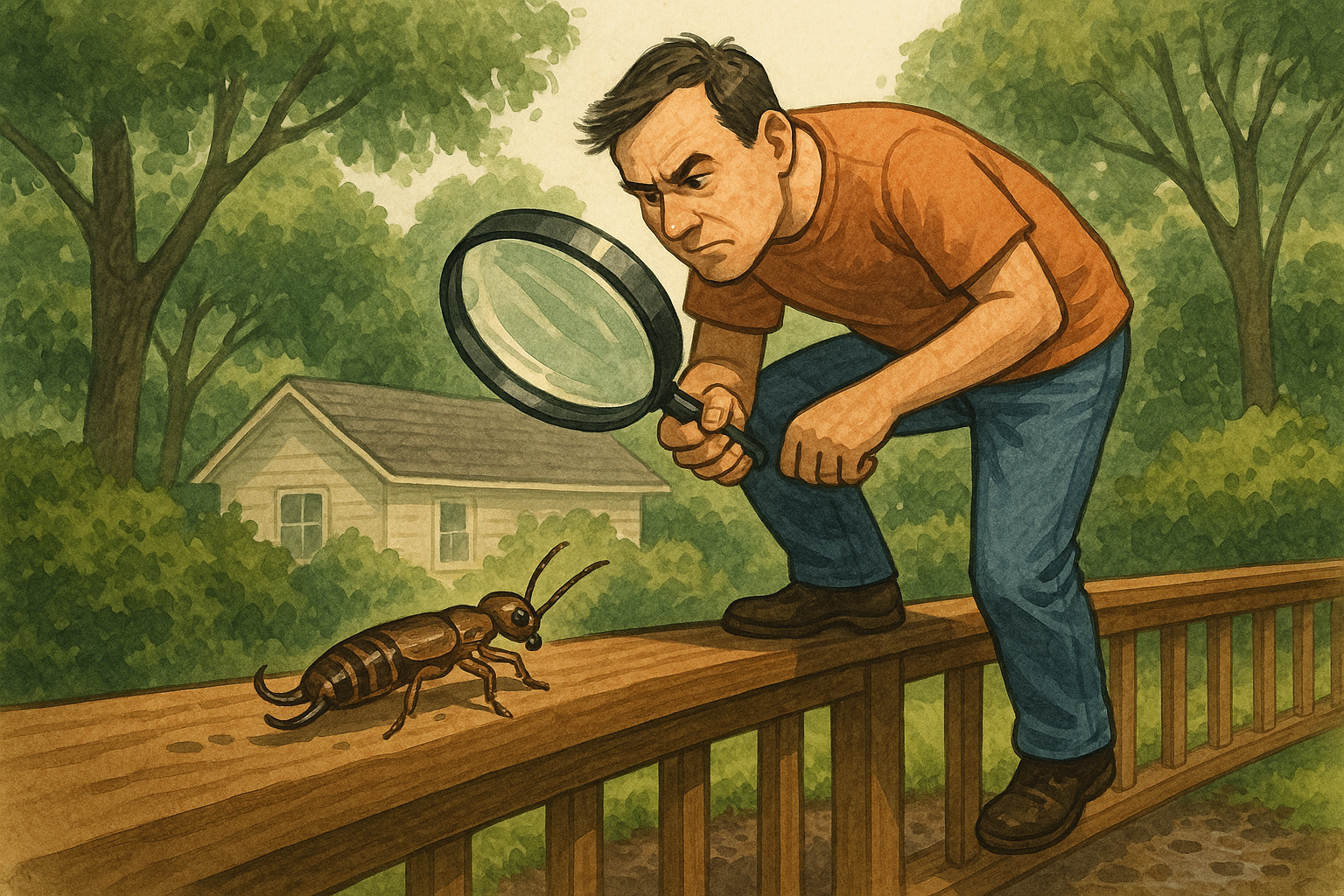
Earwigs are shy, but they leave clues that a hidden colony is taking root in your home. Watch for these tell‑tale signs before the damage spreads.
- Small, dark droppings resembling pepper grains near doorways or in kitchen cabinets.
- Chewed seedlings or tender foliage in garden beds, often with ragged edges.
- Scratches or gouges in wooden siding, window frames, or deck boards.
- Clusters of earwigs crawling out of bathroom drains after a shower.
- Silky, tubular tunnels woven in damp corners, basements, or under appliances.
“After the heavy rain last week, I started finding earwigs in the bathroom drain and on my patio furniture. Within two days the numbers exploded—until I called Anthem Pest. Their inspection showed a hidden nest in the foundation crack that I never would have seen.” – Jamie L., Dunwoody homeowner
DIY traps—such as rolled‑up newspaper or simple glue boards—can catch a few wanderers, but they rarely reach the deep, moist voids where earwigs establish colonies. Crawl spaces, foundation cracks, and under‑floor voids stay cool and damp, creating perfect hideaways that a surface trap simply cannot access.
Before you pick up the phone, take a quick inventory: note the date, exact location, and how often you see the insects. A pattern of sightings in multiple moisture‑rich spots (drains, basements, garden beds) usually signals a larger infestation that needs a professional’s equipment and expertise.
When the clues add up, a certified inspection from Anthem Pest Control can pinpoint the colony, assess structural risk, and deliver a targeted, safe treatment plan.
Step‑by‑Step: The Anthem Pest Inspection Process
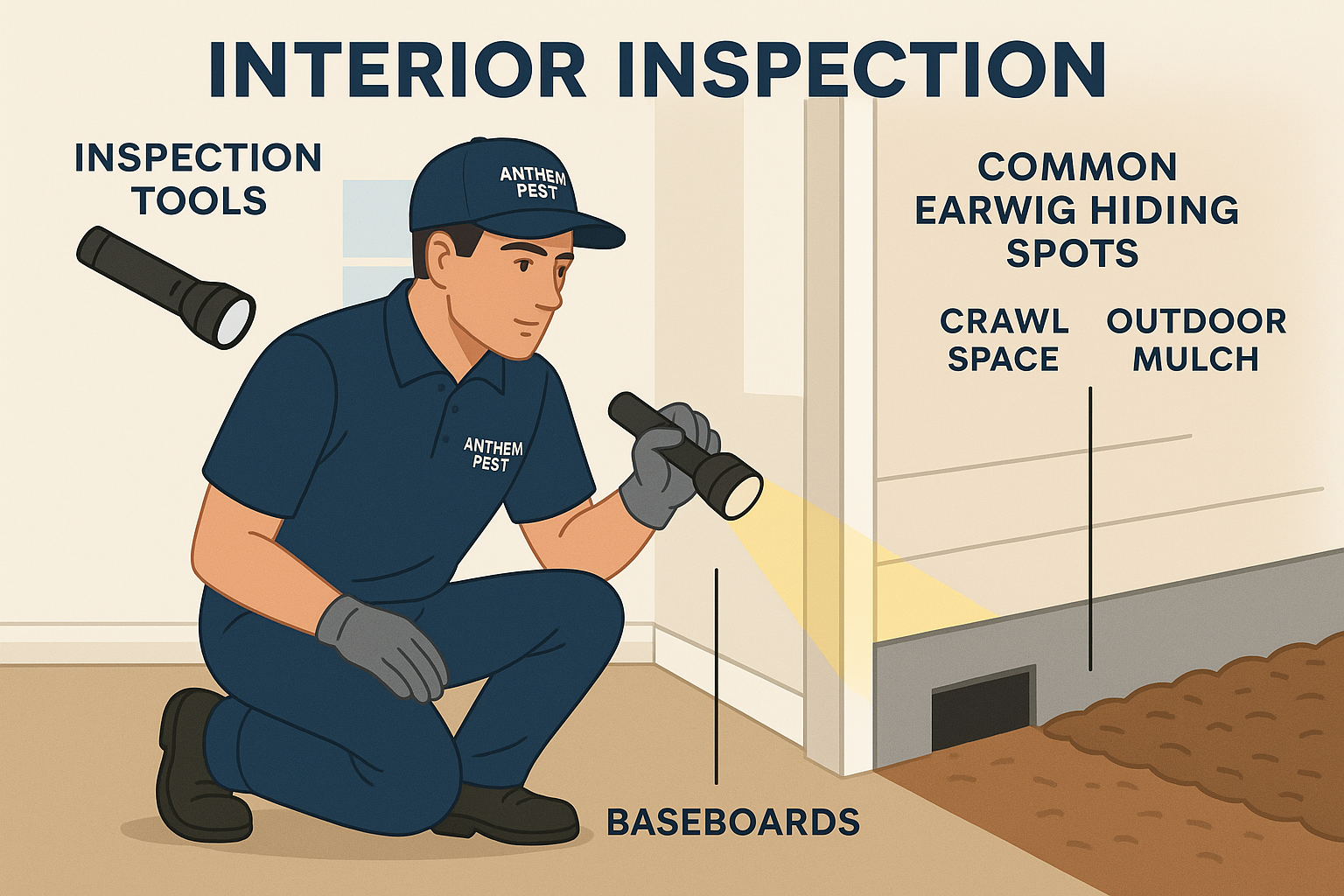
1. Pre‑inspection preparation
Before the technician arrives, clear away any clutter that could hide earwigs—think piles of firewood, stored boxes, or laundry baskets. Open access points to crawl spaces, attics, and basements; a simple pull‑down ladder or a hinged door makes the job smoother. Jot down the dates and locations of any recent earwig sightings, especially near outdoor lights or damp corners, so you can share precise details with the inspector.
2. Interior sweep
When the technician steps inside, the first focus is the kitchen, bathrooms, and basement—areas where moisture accumulates and earwig larvae love to hide. Using a handheld UV flashlight, the pro can spot the faint, silvery sheen of earwig exoskeletons that are invisible under normal lighting. A moisture meter follows, pinpointing damp spots behind cabinets, under sinks, or around shower stalls. Each hotspot is marked, photographed, and logged for later reference.
3. Exterior check
Outside, the inspection expands to mulch beds, stone walls, and any visible foundation cracks. Mulch retains moisture, creating an ideal breeding ground, so the technician will probe a few inches deep with a moisture probe. Stone or brick retaining walls are examined for crevices where earwigs can tunnel. Garden beds, especially those with dense foliage, are inspected for adult earwigs feeding on decaying plant matter. Deck railings and the undersides of patio furniture are also scanned, as earwigs often seek shelter there during daylight hours.
4. Documentation and reporting
All findings are compiled into a digital report delivered to your email within 24 hours. The report includes high‑resolution photos of each inspected area, an infestation map that highlights hot zones, and a clear, jargon‑free treatment recommendation tailored to your home’s layout. You’ll see exactly where moisture levels exceed safe thresholds and which structural gaps need sealing before any pesticide is applied.
5. Follow‑up options and warranty coverage
After you review the report, you can choose from several follow‑up paths. A one‑time treatment targets the identified hotspots, while a quarterly monitoring plan includes a seasonal revisit to catch any new activity early. All Anthem Pest services come with a standard 90‑day warranty; if earwigs reappear within that window, a technician returns at no extra charge to reassess and re‑treat the affected zones. Extended warranties are also available for homeowners who prefer long‑term peace of mind.
Treatment Options & Pricing for Earwigs
Chemical Solutions
When earwigs become a nuisance, many homeowners turn to low‑toxicity chemical options that target the insects without endangering family members or pets. The most common products are EPA‑registered baits and perimeter sprays that contain bifenthrin alternatives or other reduced‑risk active ingredients. These formulations are designed to stay outside living spaces, creating a protective barrier around the home while complying with EPA pesticide safety guidelines. A professional application typically involves a quick, discreet treatment that can knock down a moderate infestation in a single visit.
Non‑Chemical Solutions
For homeowners who prefer a chemical‑free approach, several effective non‑chemical tactics can keep earwigs at bay:
- Habitat modification: Eliminate moisture sources, trim back vegetation, and seal cracks where earwigs hide.
- Diatomaceous earth: Sprinkle this natural powder in crawl spaces and around foundation walls; it dehydrates the insects on contact.
- Sticky traps: Place adhesive boards in dark corners, under sinks, and near entry points to capture wandering earwigs and monitor activity levels.
These methods are safe for children and pets and can be combined with a professional inspection to pinpoint problem areas.
Typical Pricing in Dunwoody
Anthem Pest Control offers transparent, upfront pricing for earwig management in the Dunwoody area. Below is a quick reference for the most common service packages:
| Service | Price Range |
|---|---|
| Single‑visit chemical or non‑chemical treatment | $150 – $300 |
| Inspection + treatment package (includes follow‑up visit) | $250 – $400 |
These figures assume an average‑sized residence (1,500–2,000 sq ft.) with a moderate earwig presence. Prices can shift based on square footage, the severity of the infestation, and any additional services such as habitat modification or repeated applications.
Disclaimer & Next Steps
Because every home is unique, the exact cost may vary. Factors like larger square footage, multiple entry points, or a heavy infestation can increase labor time and product usage. We always recommend scheduling a free, no‑obligation quote so a certified technician can assess your property and provide a precise estimate.
For added confidence, Anthem Pest Control follows the EPA’s pricing transparency guidelines, ensuring you know exactly what you’re paying for before any work begins. If you suspect earwigs or simply want to protect your home proactively, give us a call at 877‑371‑8196 or visit our website to request your free quote today.
Prevention Tips for Dunwoody Homeowners
Reduce Moisture Around Your Home
Earwigs thrive in damp environments, so the first line of defense is to eliminate excess moisture. Inspect gutters and downspouts after every rainstorm; repair any leaks and clear blockages to prevent water from pooling near the foundation. In basements and crawl spaces, run a dehumidifier set to 45‑50% relative humidity and vent any wet areas promptly. Proper grading away from the house will channel runoff into the street or a drainage system, keeping the soil around your foundation dry.
Landscape Management
Mulch, wood debris, and overgrown plants create perfect hideouts for earwigs. Keep mulch at least 12 inches away from the house to discourage them from climbing onto the exterior walls. Trim shrubs, vines, and tree branches so they don’t brush against the siding, and remove any rotting wood, leaf piles, or garden waste that could serve as a shelter.
Seal Entry Points
Even the smallest crack can become an earwig highway. Apply a high‑quality silicone or acrylic caulk to seal gaps around windows, doors, and utility penetrations. Install door sweeps on all exterior doors and fit fine‑mesh screens over vents, attic hatches, and crawl‑space openings. These barriers not only block earwigs but also keep out other pests.
Seasonal Checklist (April – September)
| Month | Primary Tasks |
|---|---|
| April | Inspect gutters, clear debris, and start dehumidifier use in basements. |
| May | Trim vegetation away from the foundation; apply caulk to new cracks. |
| June | Check mulch depth and reposition if it encroaches on the house. |
| July | Run dehumidifier continuously during humid days; inspect door sweeps. |
| August | Remove any fallen leaves or wood debris after storms. |
| September | Perform a final moisture audit before cooler weather sets in. |
Commit to Regular Maintenance
Preventing earwigs isn’t a one‑time job; it’s a habit. Schedule a quarterly walk‑through of your property, especially after heavy rains, to catch moisture issues or new entry points before they become infestations. By staying proactive, you’ll keep earwigs—and the damage they can cause—out of your Dunwoody home year‑round.
Choosing a Local Pro – Why Anthem Pest Stands Out
When earwigs start invading your Dunwoody home, the difference between a quick fix and a lingering problem often comes down to who you trust. Anthem Pest combines national expertise with a neighborhood‑level focus, giving you the confidence that every treatment is backed by industry‑leading standards.
Certifications & EPA‑Approved Products
- Certified by the National Pest Management Association (NPMA) for integrated pest management practices.
- Licensed applicators holding Georgia Department of Agriculture pest‑control certifications.
- All chemicals are EPA‑registered, low‑toxicity formulations safe for children and pets.
- Continuous training program ensuring technicians stay current on the latest earwig control methods.
100% Satisfaction Guarantee & Rapid Response
Anthem Pest promises a full, no‑questions‑asked refund if you’re not completely satisfied with the results. In Dunwoody and surrounding neighborhoods, our average response time is under two hours, and most service calls are completed the same day you call.
Our guarantee includes a second visit at no extra charge if earwigs reappear within 30 days, and we’ll re‑evaluate your home’s exterior lighting and moisture sources to prevent future invasions.
Local Coverage, Same‑Day Appointments, Experienced Technicians
Our service area stretches across Dunwoody, Brookhaven, and the greater Atlanta metro, allowing us to dispatch a technician to your doorstep within the hour. Every field agent has at least three years of hands‑on experience with earwig infestations, so you receive a solution that’s both targeted and lasting.
Because we’re based in the Atlanta metro, we understand the seasonal humidity patterns that drive earwig activity. Our technicians tailor each treatment plan to the micro‑climate of your property, using bait stations and perimeter sprays that target the insects where they hide.
Ready to act? Call us now at 877‑371‑8196 or visit anthempest.com for a free, no‑obligation quote.
Get Your Free Earwig Inspection Quote
Frequently Asked Questions About Earwigs
Do earwigs bite humans?
Earwigs are not aggressive biters. In most cases they will not bite, but if you handle them they may pinch with their forceps‑like cerci. The pinch feels like a mild pinch rather than a painful bite. According to the U.S. Environmental Protection Agency (EPA) earwig bites are extremely rare and generally harmless.
Can earwigs damage my home’s structure?
Earwigs feed on decaying organic matter and can chew soft, damp wood, as well as plant roots in gardens. While they may create small tunnels in untreated timber, they seldom compromise the structural integrity of a house. The National Pest Management Association (NPMA) notes that earwigs are more of a nuisance to landscaping than a serious building threat.
How often should I schedule inspections?
For most Georgia homeowners, an earwig inspection once a year is sufficient. Plan the visit before the May‑September activity peak or after a period of heavy rain, when earwigs are most likely to migrate indoors. Regular annual checks help catch early signs and allow timely preventive treatments.
If you notice signs of earwig activity or have concerns about potential damage, contacting a certified pest‑control professional can provide a thorough assessment and tailored treatment plan.
Conclusion and Call to Action
Early earwig activity can turn a quiet home into a noisy nuisance, especially after rain when these insects seek shelter inside walls and crawl spaces. A professional inspection not only identifies hidden colonies but also prevents structural damage and food contamination before the problem spreads.
Anthem Pest brings years of local expertise in Dunwoody, combining seasonal knowledge with transparent, upfront pricing so you know exactly what to expect.
Our technicians know the common entry points in Dunwoody homes, from foundation cracks to attic vents, ensuring a thorough assessment.
We prioritize safe, EPA‑approved products that protect your family and pets while eliminating earwigs.
Don’t wait for the next storm to discover a surprise infestation. Schedule your earwig inspection today and protect your home before the rain arrives.
Early detection saves you time, money, and the hassle of dealing with a full-blown earwig swarm.
We’re happy to provide a free, no‑obligation quote. Call us at 877‑371‑8196 or click below to learn more about our services and book online.
Visit Anthem Pest Control for fast, reliable pest protection you can trust.