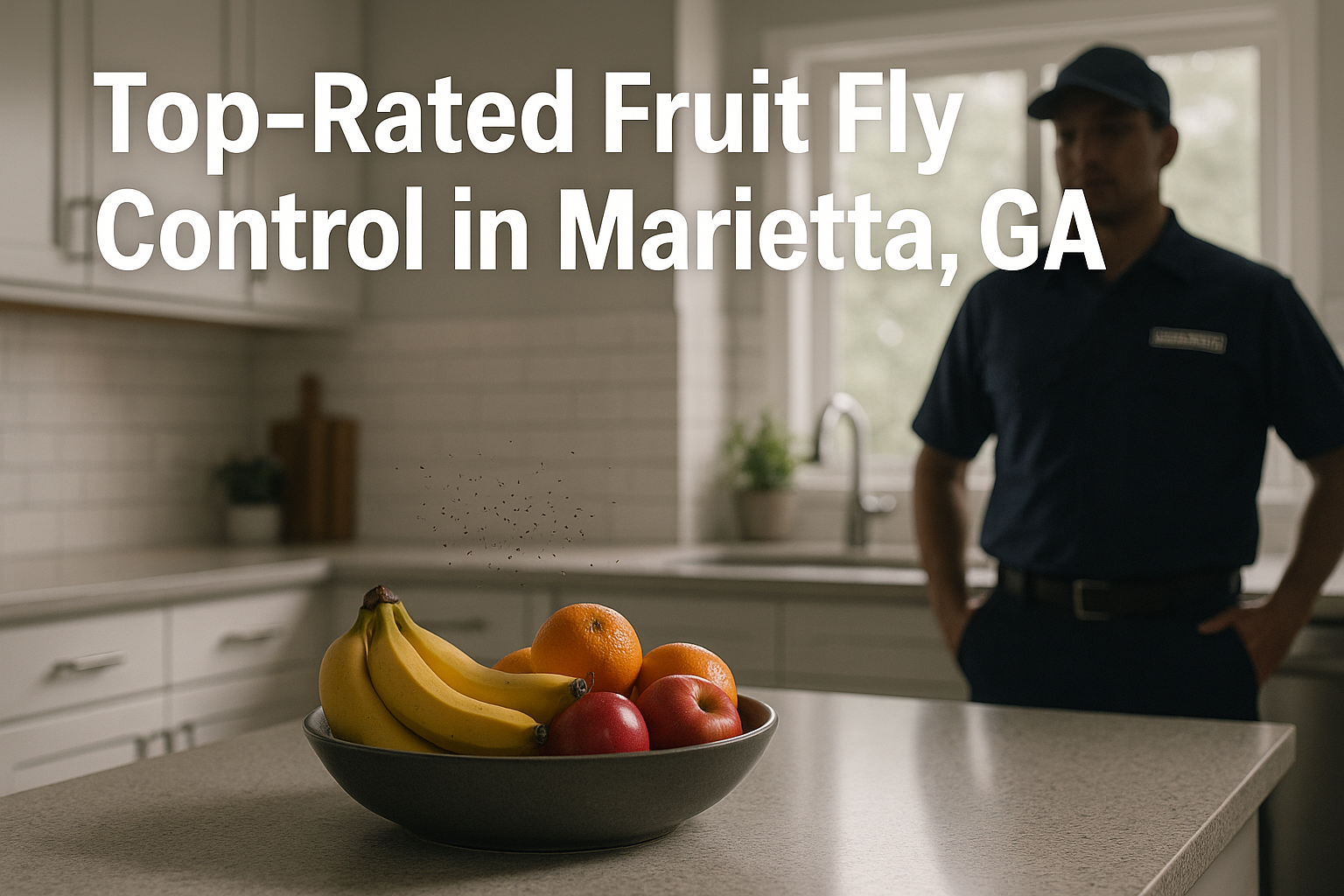
Why Fruit Flies Are a Growing Concern in Marietta
Fruit flies may seem harmless, but in Marietta they can quickly turn from a nuisance into a health hazard. Their entire life cycle—from egg to larva to adult—can be completed in just 8‑10 days, allowing populations to explode if conditions are right.
- Egg: Females lay 100‑300 eggs on the surface of ripening fruit or fermenting liquids.
- Larva: Within a day the eggs hatch, and the larvae feed on the sugary substrate for 3‑5 days.
- Adult: After another 3‑5 days the mature fly emerges, ready to reproduce.
Georgia’s humid climate and the year‑round availability of fresh produce create the perfect breeding ground for these pests. Warm summer nights, frequent rain, and the abundance of backyard fruit trees or compost piles keep moisture levels high, which accelerates egg development and extends the breeding season well beyond the traditional summer window.
Beyond the annoyance of buzzing insects, fruit flies pose genuine health risks. As they move from one food source to another, they can transfer bacteria such as E. coli and Salmonella onto surfaces, contaminating countertops, utensils, and stored foods. Consuming contaminated items can lead to food‑borne illnesses that cause nausea, vomiting, and diarrhea—symptoms no homeowner wants to deal with. Because fruit flies can lay eggs in sink drains, garbage disposals, and even damp mop buckets, a single unnoticed breeding site can seed an entire kitchen within days.
Data underscores the growing problem: the USDA reports a 12 % increase in fruit‑fly complaints in the Atlanta metro area from 2022‑2024 [USDA APHIS]. This uptick reflects both the favorable climate and the expanding suburban gardens that provide endless feeding sites. That surge means local homeowners need to stay vigilant and act quickly before numbers spiral.
Recognizing the signs early can prevent an infestation from taking hold. Homeowners should start by learning the tell‑tale clues that fruit flies leave behind, such as tiny specks of larvae near overripe fruit or a faint, sweet odor in the kitchen.
Spot the Difference: Fruit Flies vs. House Flies
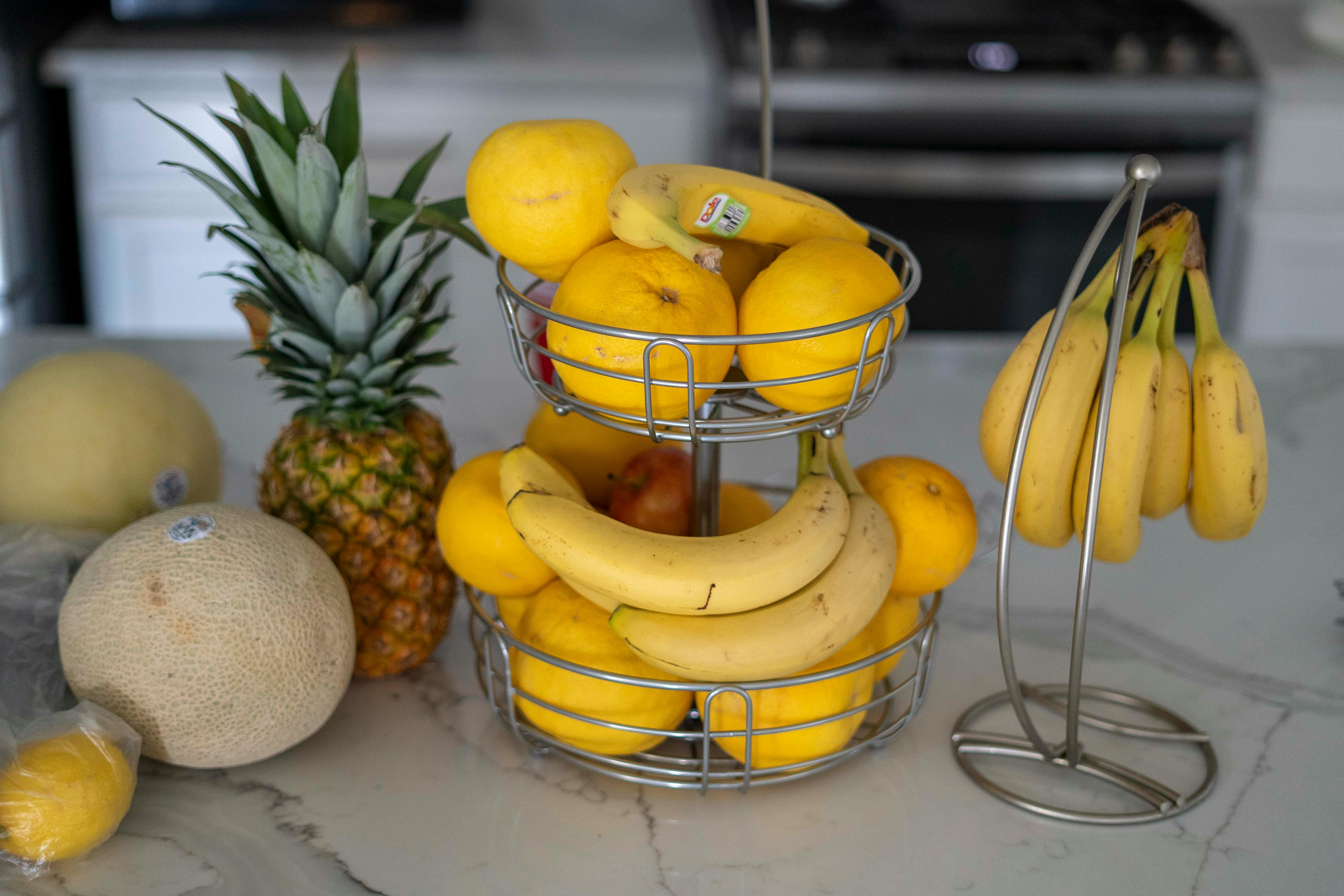
When you spot a tiny fly buzzing around your kitchen, the first question is often, “Is this a fruit fly or just a regular house fly?” The answer matters because fruit flies breed in fermenting organic matter and can multiply in days, while house flies are larger, more robust, and usually come from outdoor sources. Knowing the visual cues and behavior patterns will help you catch an infestation early—before it turns your pantry into a breeding ground.
Physical Characteristics to Look For
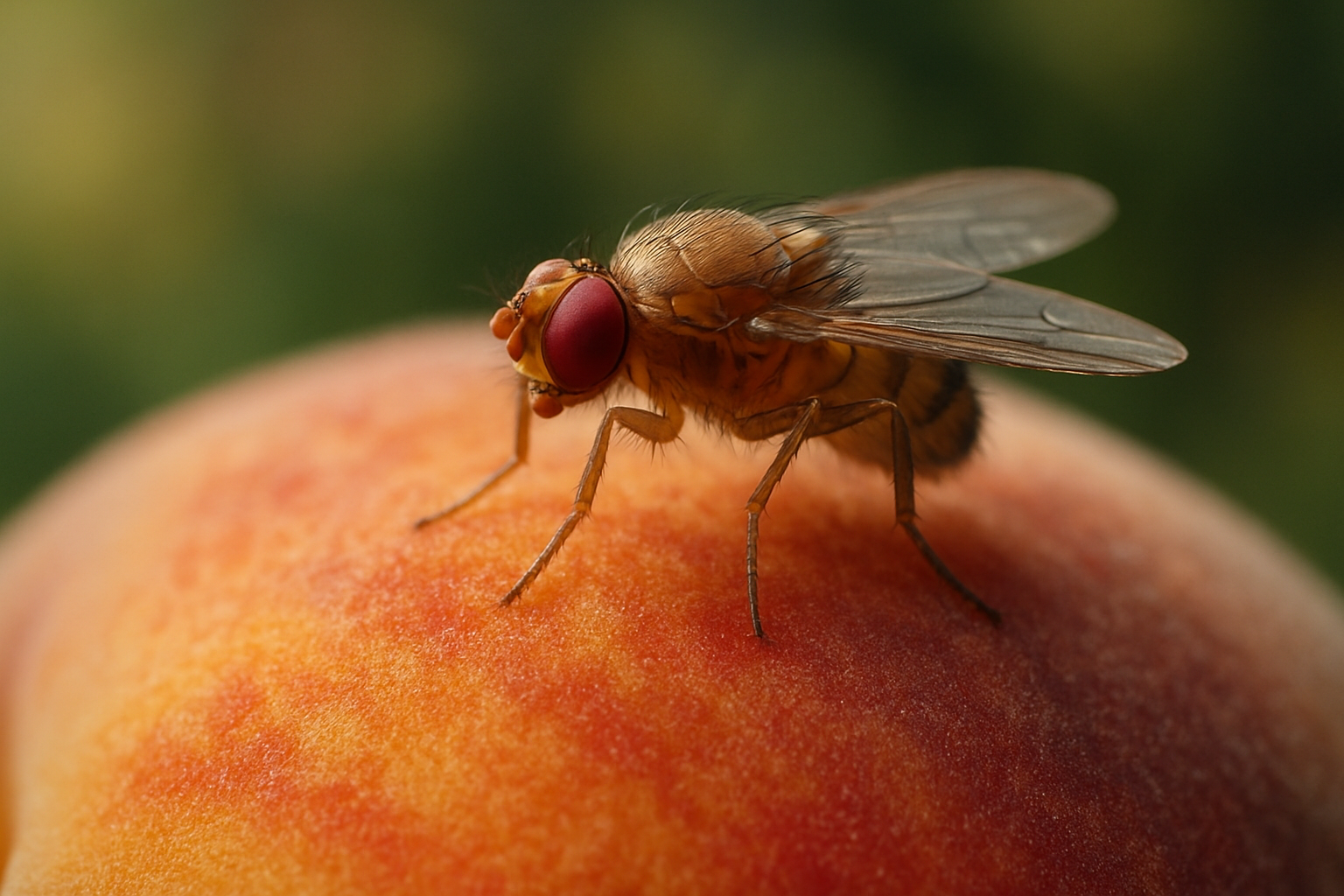
Fruit flies (family Drosophilidae) are unmistakably small, typically 1‑3 mm in length. Their bodies are a muted tan‑brown, and they sport reddish‑brown eyes that catch the light. Unlike house flies, fruit flies have a shorter lifespan—often just a week—but they reproduce at a staggering rate when food is abundant.
House flies (Musca domestica), on the other hand, range from 6‑9 mm long, with a more robust, gray‑blue thorax and bright metallic eyes. They are attracted to a broader range of organic waste, including animal protein, and they tend to settle on surfaces rather than hovering constantly over fruit.
Side‑by‑Side Comparison
| Feature | Fruit Fly | House Fly |
|---|---|---|
| Size | 1‑3 mm | 6‑9 mm |
| Eye Color | Reddish‑brown | Metallic (green/blue) |
| Primary Attraction | Fermenting fruit, sugary liquids | Decaying organic matter, animal waste |
| Typical Locations | Fruit bowls, trash cans, drains, indoor plants | Garbage areas, pet feeding stations, windowsills |
Homeowner’s Early‑Detection Checklist
- Flies hovering in a slow, looping pattern near fruit bowls, compost bins, or kitchen drains.
- Very small size (you may need a magnifying glass) and rapid, erratic flight.
- Visible larvae—tiny, white, worm‑like creatures—inside overripe fruit, in the bottom of garbage cans, or in sink traps.
- Increased activity during warm, humid days, especially after a rainstorm.
Following the CDC guidance on fruit fly identification can confirm what you’re seeing and help you decide if professional treatment is needed.
Local Insight
Our technicians in Marietta have noticed a spike in fruit‑fly sightings throughout the East Marietta and Kennesaw community gardens. The combination of ripe berries, compost piles, and frequent watering creates an ideal breeding environment. Homeowners in those neighborhoods report seeing swarms near outdoor fruit tables and indoor kitchen counters within a week of a garden harvest.
Spotting these subtle differences early lets you act fast—whether that means tightening up food storage, cleaning drains, or calling Anthem Pest Control for a targeted fruit‑fly treatment plan. The sooner you identify the culprit, the easier it is to protect your home and keep those tiny invaders from turning your pantry into a nursery.
The Limits of Store‑Bought Traps and Sprays
What most homeowners reach for
When fruit flies appear, the first instinct is often a quick fix: a bowl of apple‑cider vinegar baited with dish soap, an over‑the‑counter aerosol spray, or a homemade essential‑oil blend of lemongrass and peppermint. These products are cheap, easy to find at any grocery or hardware store, and promise “instant relief.” For a few days they may reduce the visible nuisance, but the underlying problem usually remains.
What the numbers say
A 2023 NPMA survey found that 68% of DIY users experienced re‑infestation within two weeks. The data underscores a common pattern: DIY tools can knock back adult flies, yet the colony quickly rebounds once the hidden breeding sites go untreated.
Why DIY often falls short
- Traps capture adults, not larvae. Fruit flies lay eggs in the moist layers of drain pipes, garbage disposals, over‑ripe fruit, and compost bins. A vinegar trap may snag the flying adults, but the eggs and maggots hidden in those niches are untouched and will hatch again.
- Sprays lack residual activity. Most consumer aerosols evaporate within minutes, leaving no lasting barrier. They also struggle to reach the interior of sink drains, garbage disposals, or the crevices behind appliances where the next generation is incubating.
- Breeding sites are often out of sight. Fruit fly colonies thrive in dark, damp environments—drain traps, mop buckets, recycling containers, and even houseplants with soggy soil. DIY products are applied to visible surfaces, missing these concealed reservoirs.
Professional inspection makes the difference
A licensed pest‑control specialist conducts a systematic walk‑through, checking every potential harbor: kitchen sink drains, dishwasher filters, garbage disposal chutes, compost bins, and even the underside of countertops. Using targeted, EPA‑registered formulations, the technician can treat the exact points where larvae develop, breaking the life cycle rather than merely killing the adults you see.
Local regulations you can’t ignore
Marietta’s building codes require that any indoor pesticide application be performed by a licensed applicator. This rule isn’t just paperwork—it ensures that the chemicals used are applied safely, at the correct concentration, and in a manner that protects both your family and the structure of your home.
| Aspect | DIY Methods | Professional Service |
|---|---|---|
| Targeted Areas | Visible surfaces only | Drains, disposals, hidden crevices |
| Residual Effect | Minutes to hours | Weeks of protected activity |
| Regulatory Compliance | None required | Licensed applicator, code‑compliant |
| Long‑Term Results | Re‑infestation common | Colony eradication |
What Anthem Pest Does Differently
When fruit flies turn your kitchen into a buzzing nightmare, you need more than a quick spray—you need a method that finds the problem at its source and eliminates it for good. Anthem Pest’s three‑step professional service combines cutting‑edge technology, EPA‑approved chemicals, and a proactive Integrated Pest Management (IPM) plan to keep Marietta homes fly‑free year after year.
Step 1 – Inspection & Source Identification
Our certified technicians start every job with a thorough inspection that goes beyond a visual sweep. Using infrared cameras, we can see temperature differentials that reveal hidden breeding zones inside drains, trash chutes, and even compost bins—places where fruit flies love to lay eggs but are invisible to the naked eye.
During this phase, we map out every potential hotspot, document moisture levels, and note any structural features that might be funneling flies into your living spaces. This data‑driven approach ensures that no hidden reservoir escapes our attention, giving us a clear roadmap for the next steps.
Step 2 – Targeted Chemical Treatment
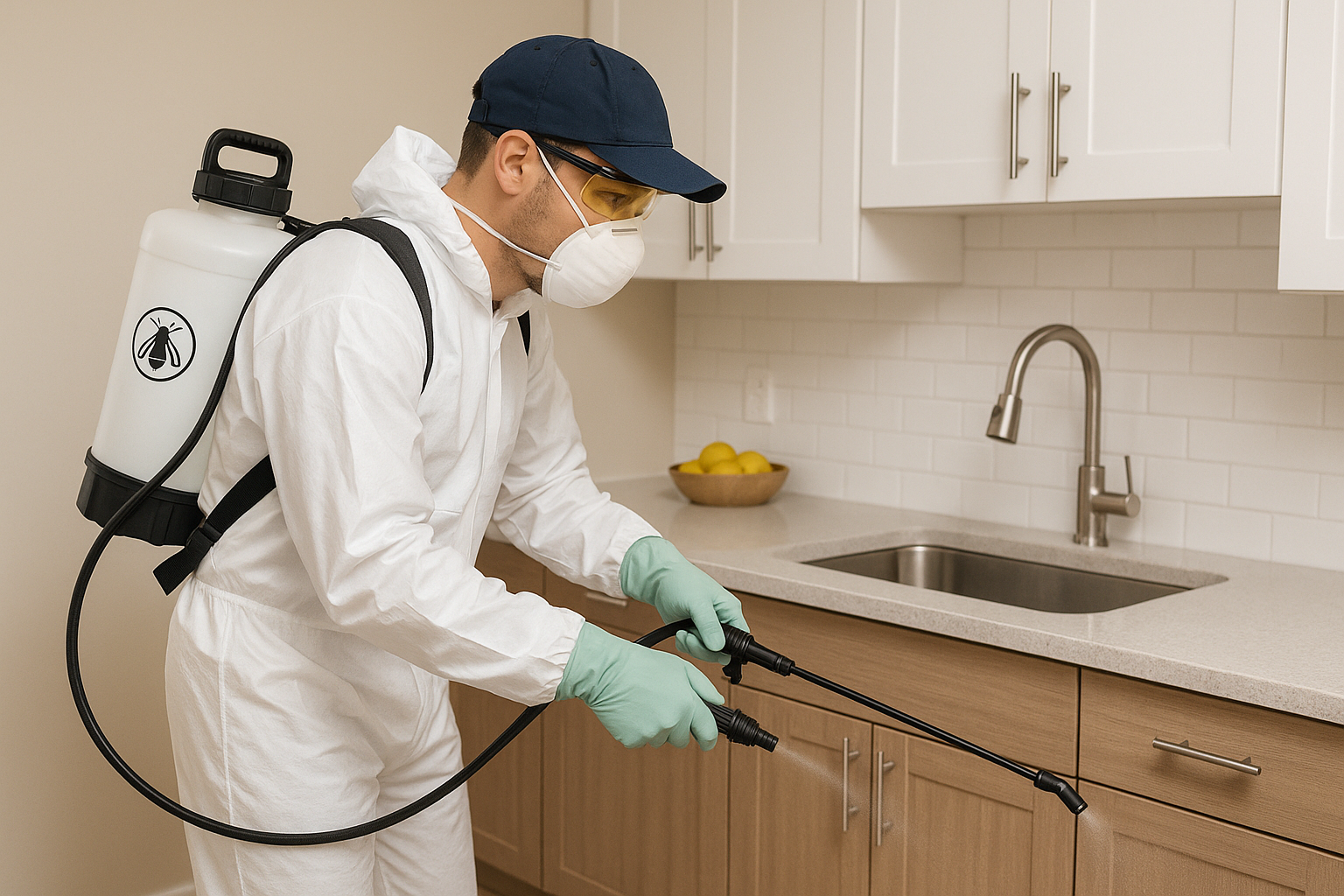
Once the breeding sites are pinpointed, we apply EPA‑registered, low‑toxicity sprays directly to entry points, food‑prep areas, and the identified hotspots. These formulations are designed to knock down adult flies quickly while disrupting the life cycle of eggs and larvae.
We take safety seriously. All chemicals we use meet strict EPA standards for residential environments, and you can review the safety details on the EPA pesticide page. Our technicians wear protective gear and follow best‑practice application techniques to protect your family, pets, and the surrounding ecosystem.
Step 3 – Integrated Pest Management (IPM) Follow‑Up
Eradicating fruit flies isn’t a one‑time event; it’s an ongoing partnership. After the initial treatment, we schedule monthly monitoring visits to verify that the population stays below the threshold. During each visit, we assess sanitation practices, offer coaching on waste management, and adjust treatment plans as needed.
For homeowners who want an extra layer of protection, we provide optional bait stations that attract and trap flies before they can reproduce. These stations are placed strategically in high‑traffic zones and are serviced during our routine visits, ensuring continuous control without the need for additional chemicals.
Transparent Pricing You Can Trust
Anthem Pest believes in clear, upfront pricing. A standard residential fruit‑fly treatment in Marietta typically costs between $120 and $280, depending on your home’s square footage and the severity of the infestation. This range includes the full three‑step service—inspection, targeted treatment, and the first month of IPM monitoring—so there are no surprise fees later on.
Licensed and Verified Professionals
All Anthem Pest technicians hold active licenses from the Georgia Department of Agriculture. This state‑mandated credential confirms that our team has passed rigorous exams, completed continuing‑education courses, and adheres to the highest standards of safety and efficacy.
When you see the GA Dept. of Agriculture license number on our service card, you can be confident that you’re working with a fully vetted professional who is accountable to both state regulators and our own quality‑control protocols.
Why Our Approach Stands Out
- Technology‑Driven Detection: Infrared cameras uncover hidden breeding sites that traditional visual inspections miss.
- Eco‑Friendly Chemistry: EPA‑registered, low‑toxicity sprays protect your household while delivering fast knock‑down.
- Proactive IPM: Ongoing monitoring, sanitation coaching, and optional bait stations create a long‑term barrier against re‑infestation.
- Transparent Pricing: No hidden fees—what you see is what you pay, with a clear cost range based on home size and infestation level.
- Licensed Expertise: State‑approved technicians guarantee compliance with Georgia’s strict pest‑control regulations.
By combining state‑of‑the‑art detection, safe chemical application, and a sustainable IPM framework, Anthem Pest delivers a comprehensive fruit‑fly solution that protects your home today and prevents tomorrow’s outbreaks. Homeowners in Marietta trust us because we turn a frustrating, buzzing problem into a manageable, long‑lasting result—without compromising safety or budget.
When to Act: Seasonal Peaks in Marietta
Fruit flies aren’t a year‑round nuisance in Marietta; they follow the rhythm of our local fruit harvests. The first surge arrives in late spring, typically from April through June, when fresh berries, peaches, and early‑season melons hit the market. A second, smaller wave shows up in early fall, September to October, as backyard gardens and farmers markets bring late‑season tomatoes, grapes, and squash back into homes. Knowing these windows lets you strike before the flies multiply.
Peak periods you can expect
During the spring peak, outdoor compost piles and newly‑bought produce provide the perfect breeding grounds. Warm daytime temperatures (70‑85°F) accelerate the fruit‑fly life cycle, turning an isolated egg into a full‑grown adult in as little as seven days. In the fall, cooler nights slow development, but the abundance of ripening fruit and decaying organic matter still fuels a noticeable uptick. Both peaks coincide with higher foot traffic at local markets, increasing the chance of inadvertently bringing eggs into your kitchen.
Five quick‑win prevention actions
- Store produce in sealed containers. Transfer berries, sliced fruit, and even whole apples into airtight bins or zip‑lock bags. This cuts off the moisture and sugar that attract females looking to lay eggs.
- Empty compost bins weekly. Fruit fly larvae thrive in damp, decomposing material. A weekly dump and a quick rinse of the bin keep the environment hostile to their development.
- Clean drains with enzymatic cleaners. Organic buildup in sink and floor drains is a hidden nursery. Enzymatic solutions break down residue without harsh chemicals, denying flies a safe harbor.
- Deploy fruit‑fly‑specific traps near trash areas. Traps baited with apple cider vinegar or commercial attractants catch adults before they can reproduce. Position them near garbage cans, recycling stations, and the back of the kitchen.
- Schedule a pre‑season inspection with Anthem Pest. Our certified technicians can assess vulnerable spots, apply targeted treatments, and set up a monitoring plan tailored to your home’s layout.
Mark your local calendar
The Marietta Farmers Market—held the first Saturday of every month—is a hotspot for fresh, locally‑grown fruit. While it’s a wonderful community event, the influx of ripe produce also raises the risk of fruit‑fly introductions. Treat any market‑bought fruit the same way you would home‑grown produce: rinse, dry, and store it promptly in sealed containers.
Stay informed and get a head start
The CDC seasonal pest guide provides science‑backed timing and control tips that complement local action. Pair that knowledge with a pre‑emptive inspection from Anthem Pest, and you’ll dramatically reduce the chance of an infestation taking hold. Give us a call at 877‑371‑8196 or visit anthempest.com to lock in your spring or fall appointment today.
FAQ – Quick Answers for Marietta Homeowners
Below are the most common concerns we hear from Marietta residents dealing with fruit flies, answered in plain language.
How long does a treatment last?
A standard fruit‑fly program in Marietta provides protection for roughly four to six weeks, assuming you keep up with basic sanitation. The treatment creates a barrier that interrupts the fly life cycle, but lingering food residues or standing water can shorten its effectiveness. Regularly empty trash cans, wipe down countertops, and store ripe fruit in the refrigerator to extend the protection period. If you notice a resurgence before the six‑week window, a follow‑up visit can be arranged at a reduced rate to target any new breeding sites.
Are the chemicals safe for children and pets?
Yes. Anthem Pest uses only EPA‑registered products that are applied at the exact concentrations listed on the label. Our technicians follow strict safety protocols, including wearing protective gear and limiting exposure to non‑treated areas. When applied correctly, these products pose minimal risk to people, children, and pets while delivering powerful control of fruit flies. We also recommend keeping pets away from treated zones for at least two hours after application, a standard precaution that further minimizes any chance of exposure.
Can I get a free estimate?
Absolutely. We offer a no‑obligation quote at no cost to you. Simply call 877‑371‑8196 or click the link below, and one of our local specialists will schedule a quick assessment and provide a transparent price breakdown. Our technicians will walk you through the entire process, from identifying the most attractive hotspots in your kitchen to outlining a maintenance schedule that fits your lifestyle.
Ready to reclaim your kitchen and enjoy a fly‑free home? Contact Anthem Pest today for your free estimate and personalized treatment plan. Give us a call or fill out the online form, and we’ll schedule a same‑day inspection for you.
Protect Your Home with Professional Fruit Fly Control
A professional inspection, targeted treatment, and an ongoing Integrated Pest Management (IPM) plan are the three pillars that deliver lasting fruit‑fly control and peace of mind. Our technicians identify breeding sites, apply low‑dose, fast‑acting products, and then monitor the property to ensure the problem stays solved, not just temporarily suppressed. Because fruit flies reproduce in as little as 24 hours, a quick, comprehensive response is essential to keep numbers from exploding.
Because we live and work in Marietta, we know exactly when fruit‑fly populations spike and which local building codes affect treatment options. Our crew tailors each program to the area’s seasonal rhythms, from early summer fruit‑bearing trees to indoor compost habits, guaranteeing a strategy that fits your neighborhood’s unique challenges. Our familiarity with Marietta’s historic homes also means we respect older structures while applying modern, low‑toxicity solutions that meet local health regulations.
Think of the service as a one‑time investment that stops a cascade of DIY expenses, spoiled produce, and lost time. Instead of buying traps, sprays, and replacement food every month, a single professional visit eliminates the source, protecting your pantry and your wallet for months to come. You’ll also avoid the hidden costs of repeated chemical applications that can damage countertops and appliances, keeping your home both safe and spotless.
The smartest move is to schedule your inspection before the next seasonal peak hits. A pre‑emptive appointment gives our team enough time to set up barriers, treat hidden breeding zones, and educate you on simple habits that keep fruit flies at bay all year. By acting now, you prevent the nuisance from reaching the point where it contaminates your fruit bowls, drains, and even your garbage disposals.
Ready to enjoy a fruit‑fly‑free kitchen? Call Anthem Pest today at 877‑371‑8196 for a free, no‑obligation quote. Our certified technicians are standing by to protect your family and home.
Visit Anthem Pest Control for more information.