Introduction – Why Pest Awareness Matters for Homeowners
Imagine stepping onto your porch after the first summer rain, only to spot tiny footprints marching across the tile and a faint, musty scent drifting from the kitchen doorway. A few droppings near the baseboard and a sudden rustle in the attic tell you that pests have already made a quiet entrance. That uneasy feeling is exactly why staying alert matters.
Our guide follows a simple three‑step roadmap: first, identify the species and the signs it leaves behind; second, put proven prevention measures in place before the problem spreads; third, apply targeted treatment that eliminates the intruder without harming your family or the environment.
Anthem Pest brings 24 years of nationwide experience to every home, backed by a mission to protect U.S. households from the damage and health risks pests cause. Our technicians combine local knowledge with industry‑leading certifications, so you can trust that the solutions we recommend are both safe and effective.
What sets this guide apart is its data‑driven approach: we’ve analyzed thousands of service calls to pinpoint the most common warning signs and the most cost‑effective interventions. Expect clear checklists you can run through each season, plus transparent pricing tables that show exactly what you’re paying for and why.
To make navigation a breeze, the article is broken into short, numbered sections—identification, prevention, treatment, and budgeting—each with its own quick‑reference sidebar. You’ll be able to jump straight to the part you need, whether you’re spotting a single ant trail or planning a full‑home inspection.
Who’s Invading Your Home? Top 5 Household Pests
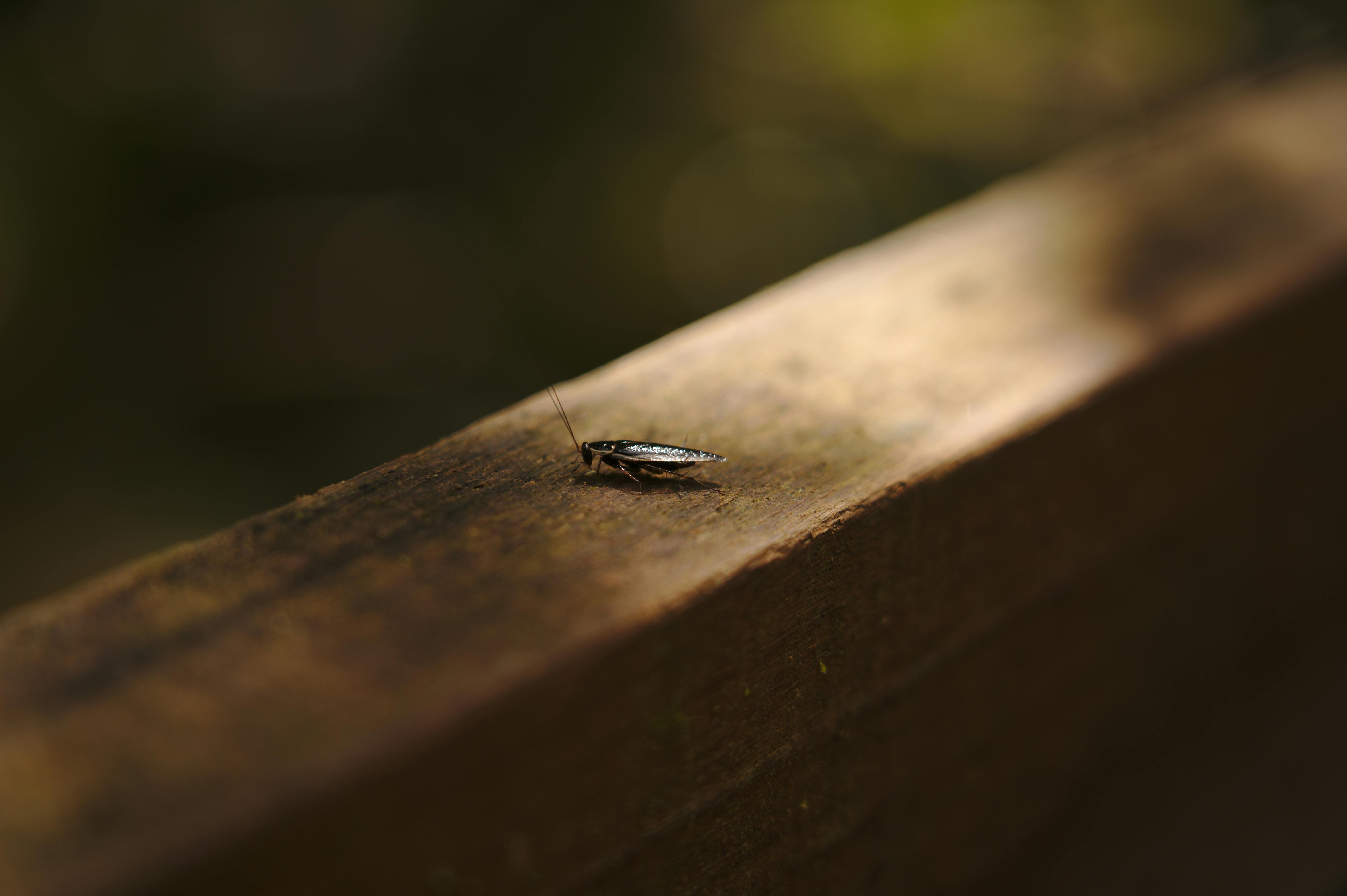
1. Termites
Termites are social insects that live in colonies ranging from a few hundred to millions. Their life cycle includes egg, nymph, and adult stages, with workers doing the damage while soldiers protect the nest. They enter homes through cracks in foundations, gaps around utility lines, or directly from soil‑contacting wood. Once inside, they silently consume cellulose, often going undetected for years.
Impact: The 2024 EPA reports roughly $1 billion in annual damage caused by termites alone.
Real‑world example: In Arlington, VA, homes built before 1990 frequently show hidden termite galleries behind drywall, leading to costly structural repairs.
Did you know? A single termite colony can eat up to 30 lb of wood each year—enough to hollow out a small tree.
2. Mosquitoes
Female mosquitoes require blood meals to develop eggs. Their life cycle moves from egg to larva (in standing water), then pupa, and finally adult. They slip indoors through open doors, windows, or vents, especially during warm, humid months. Inside, they rest in dark corners and bite at night.
Health risks: Mosquitoes transmit West Nile virus, Zika, dengue, and other serious diseases, turning a simple bite into a potential medical emergency.
Did you know? One female mosquito can lay up to 300 eggs in a single breeding cycle.
3. Rodents (Rats & Mice)
Rodents reproduce rapidly—mice can have 5–6 litters per year, each with 5–10 pups. They seek shelter in attics, basements, and wall voids, entering through gaps as small as a quarter‑inch. Their constant gnawing creates entry points for other pests and compromises electrical wiring.
Health & structural impact: Rodents shed allergens that trigger asthma, contaminate food with urine and feces, and can cause fire hazards by chewing electrical cords.
Did you know? A single rat can chew through a two‑inch copper wire in just a few weeks.
4. Cockroaches
Cockroaches thrive in warm, damp environments. Their life cycle—egg, nymph, adult—can complete in as little as two months. They infiltrate homes through cracks, plumbing, and even grocery bags. Once inside, they hide in kitchens, bathrooms, and basements, emerging at night to scavenge.
Impact: Their droppings and shed skins are potent allergens, and they can spread bacteria like Salmonella.
Did you know? The German cockroach can produce up to 40 offspring in a single egg case.
5. Ants
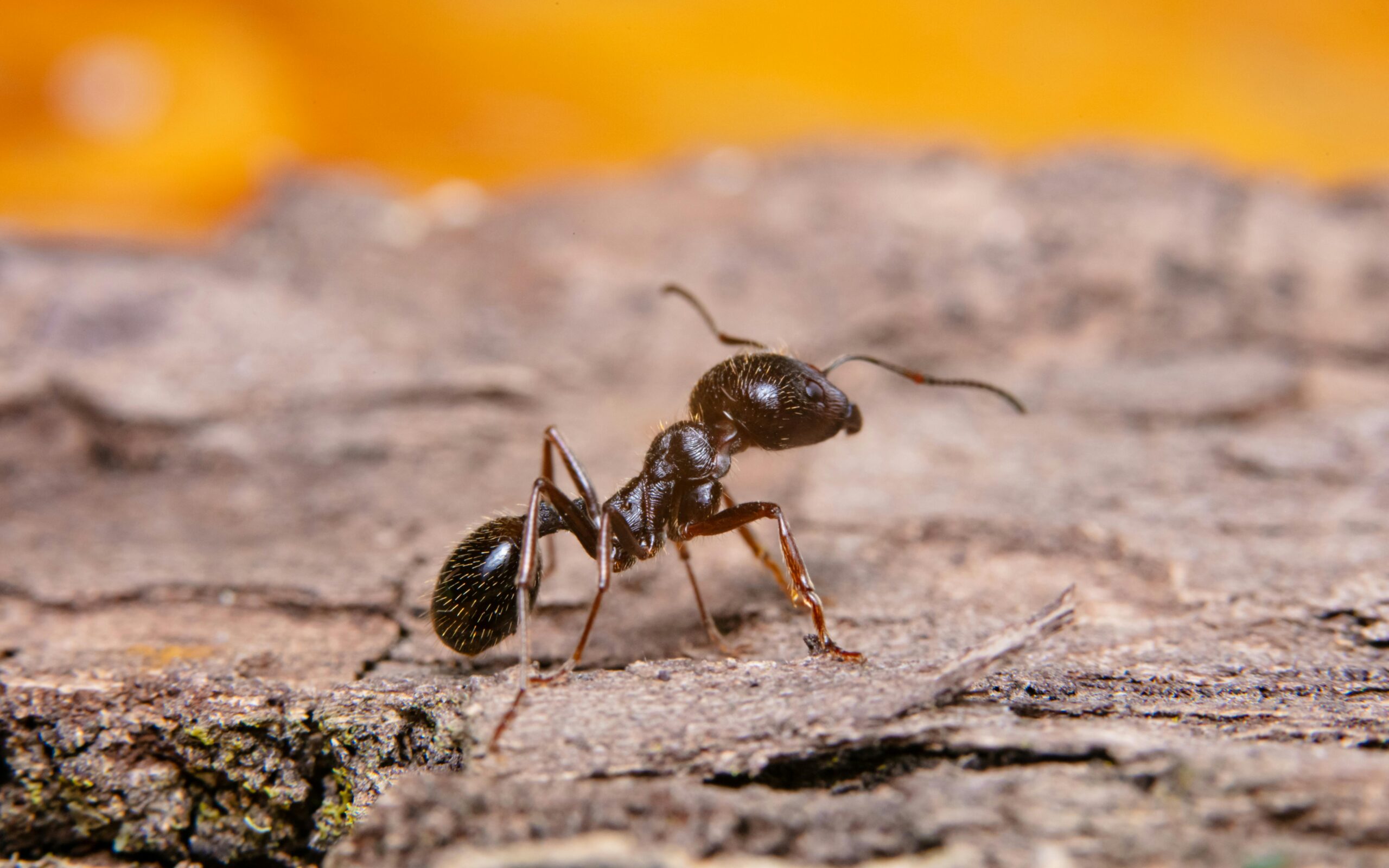
Ant colonies range from a few dozen to millions. Most common household species—carpenter, odorous, and pavement ants—have distinct habits. Carpenter ants excavate wood to build nests, while odorous ants forage for sugary foods. They gain entry through cracks, gaps around doors, and utility openings.
Damage: Carpenter ants can weaken structural wood, and large colonies can contaminate food stores.
Did you know? An ant can lift objects 50 times its own body weight.
When Pests Strike – A Seasonal Calendar

Understanding when pests are most active lets you stay one step ahead. Our seasonal pest calendar pinpoints the months when insects, rodents, and other unwelcome guests are most likely to invade, so you can schedule inspections and treatments before the problem escalates.
Spring (March–May)
In early spring, warming soil awakens carpenter ants, odorous house ants, and the first wave of subterranean termites. These insects search for moisture and food inside foundations, walls, and crawl spaces. Early‑season ticks also emerge in grassy yards, so treat your lawn with an acaricide and check pets after playtime. Quick tip: Seal foundation cracks, repair damaged screen doors, and inspect mulch for ant hills before ant swarms appear.
Summer (June–August)
Summer brings the hottest temperatures and the highest mosquito activity. CDC 2023 data shows a 27 % rise in mosquito‑borne disease reports during June‑August, driven by stagnant water and outdoor gatherings. Stinging insects such as fire ants and wasps also reach peak numbers, and heat also speeds up fly and gnat breeding, so keep outdoor trash covered. Quick tip: Eliminate standing water, trim overgrown vegetation, and schedule a professional mosquito barrier treatment.
Fall (September–November)
As leaves fall, rodents take advantage of the cooler weather and abundant harvest leftovers. In Plano, TX, pest technicians report a noticeable spike in Norway rat and roof‑rat sightings during the September‑November harvest period. Cockroaches seek shelter indoors, while boxelder bugs often slip inside, gathering on sunny windowsills; seal entry points to keep them out. Quick tip: Store firewood away from the house, secure trash cans, and have a rodent exclusion inspection before the first frost.
Winter (December–February)
Winter forces many pests indoors. German cockroaches multiply in heated kitchens, while silverfish thrive in damp basements and bathrooms. Spider activity, especially house spiders, rises as they hunt for other insects trapped inside. Bed bugs may become more visible as you stay under blankets longer; maintain regular mattress inspections and encasements. Quick tip: Keep humidity below 50 %, vacuum regularly, and consider a year‑round preventative treatment to block indoor invasions.
Spot the Signs Before They Multiply
Early detection is the most cost‑effective way to keep pests from taking over your home. By learning the visual clues each invader leaves behind, you can act before a tiny problem becomes a full‑blown infestation.
Hallmark Signs by Pest
- Termites: Mud tubes along foundation walls, hollow‑sounding wood, and tiny piles of sawdust (frass) near wooden structures.
- Rodents: Dark, pellet‑shaped droppings near food sources, gnaw marks on cabinetry, and fresh nests made of shredded paper or fabric.
- Ants: Small, glossy egg casings (often called “ant brood”) near entry points, trails of pheromone‑marked sand, and winged alates after a rainstorm.
- Cockroaches: Brownish droppings that look like pepper flakes, shed skins, and a musty odor in hidden corners.
- Bed Bugs: Tiny rust‑colored spots on sheets, shed exoskeletons, and a sweet, musty scent near sleeping areas.
Printable Inspection Checklist
- Termites
- Inspect exterior walls for mud tubes.
- Tap wood surfaces; listen for hollow sounds.
- Check crawl spaces for frass piles.
- Rodents
- Look for droppings in kitchens, attics, and garages.
- Examine baseboards for gnaw marks.
- Search for shredded material in hidden corners.
- Ants
- Spot egg casings near windows, doors, and foundations.
- Follow any visible trails back to the nest.
- Check outdoor mulch and garden beds after rain.
- Cockroaches
- Scan under sinks, behind appliances, and in dark cracks.
- Collect any shed skins for identification.
- Note any lingering musty odors.
- Bed Bugs
- Inspect mattress seams and headboards for spots.
- Look for shed exoskeletons in furniture crevices.
- Check for the sweet, musty scent near sleeping areas.
Real‑World Example
When the Martinez family in Portland, OR began hearing a faint rustling behind their siding, they grabbed a flashlight and discovered a network of dark, moist mud tubes. Recognizing the classic termite signature, they called Anthem Pest Control within 24 hours. A professional inspection confirmed an early termite activity, allowing for a targeted treatment that saved the home thousands in potential structural repairs.
Essential Inspection Tools
- Bright LED flashlight – illuminates hidden crevices.
- Moisture meter – detects elevated moisture levels that attract termites and rodents.
- Smartphone camera – captures evidence for professional review or sharing with a pest‑control specialist.
How Often Should You Inspect?
Schedule a quick visual walk‑through at least once a month, and add extra checks after heavy rain, spring thaw, or any major landscaping work. Consistent, brief inspections keep you ahead of pests, giving Anthem Pest Control the chance to intervene before damage spreads.
Proactive Prevention – What Every Homeowner Can Do
Seal the Structure
Even the tiniest opening can become a highway for pests. Walk around your home with a flashlight and look for cracks wider than ¼ inch around windows, doors, and the foundation. Use a high‑quality silicone or polyurethane caulk to seal those gaps, and install door sweeps on every exterior door. Don’t forget screened vents—repair or replace torn mesh to keep insects and rodents from slipping inside.
Smart Landscaping
Your yard should work for you, not against you. Store firewood at least 20 feet away from the house; piled wood is a favorite nesting spot for termites and beetles. Trim tree branches so they clear the roof and stay at least three feet from the siding—this eliminates bridges that squirrels, raccoons, and ants use to reach the roof. Finally, eliminate standing water by grading the soil away from the foundation and fixing any clogged gutters; moisture draws in mosquitoes, ants, and other unwanted guests.
Sanitation Practices
Cleanliness is a powerful deterrent. Keep all food in sealed, airtight containers and avoid leaving crumbs on countertops or floors. Take out trash regularly and use bins with tight‑fitting lids to prevent flies and rodents from feasting on waste. In basements and storage areas, declutter and store items off the floor on shelves; clutter creates hiding places and makes it harder to spot early signs of infestation.
Control Moisture
Moisture is the number‑one attractor for many pests, from termites to cockroaches. Inspect under sinks, behind appliances, and in crawl spaces for leaky pipes; repair them promptly with pipe tape or replace damaged sections. In damp basements or crawl spaces, run a dehumidifier to keep relative humidity below 60 percent. This simple step can cut termite activity and discourage mold‑loving insects.
DIY Steps vs. Professional Intervention
- DIY‑friendly: sealing cracks, installing door sweeps, trimming vegetation, routine trash removal, and using dehumidifiers are low‑cost tasks most homeowners can handle in a weekend.
- When to call a pro: extensive foundation cracks, recurring termite damage, large rodent populations, or persistent moisture problems that require structural repairs. Professional technicians have access to inspection tools, licensed chemicals, and warranty‑backed treatments that DIY methods can’t match.
Follow the Experts
For a comprehensive, science‑backed checklist, refer to the NPMA 2024 best‑practice guidelines. These standards incorporate the latest research on pest biology, building science, and environmentally responsible control methods—exactly the kind of knowledge Anthem Pest Control uses to protect homes across the country.
By tackling these simple, cost‑effective steps now, you create a hostile environment for pests before they even think about moving in. When you combine diligent DIY maintenance with timely professional assistance, you’ll keep your home safe, comfortable, and pest‑free year after year.
Effective Treatments and What They Cost
When a homeowner discovers unwanted guests, the first question is always “how do I get rid of them, and how much will it cost?” The answer isn’t one‑size‑fits‑all. Different pests, infestation levels, and property layouts call for distinct treatment modalities, each with its own price bracket. Below we break down the most common approaches, explain when they shine, and show how Anthem Pest’s transparent pricing fits into the landscape.
Chemical Barrier Treatments
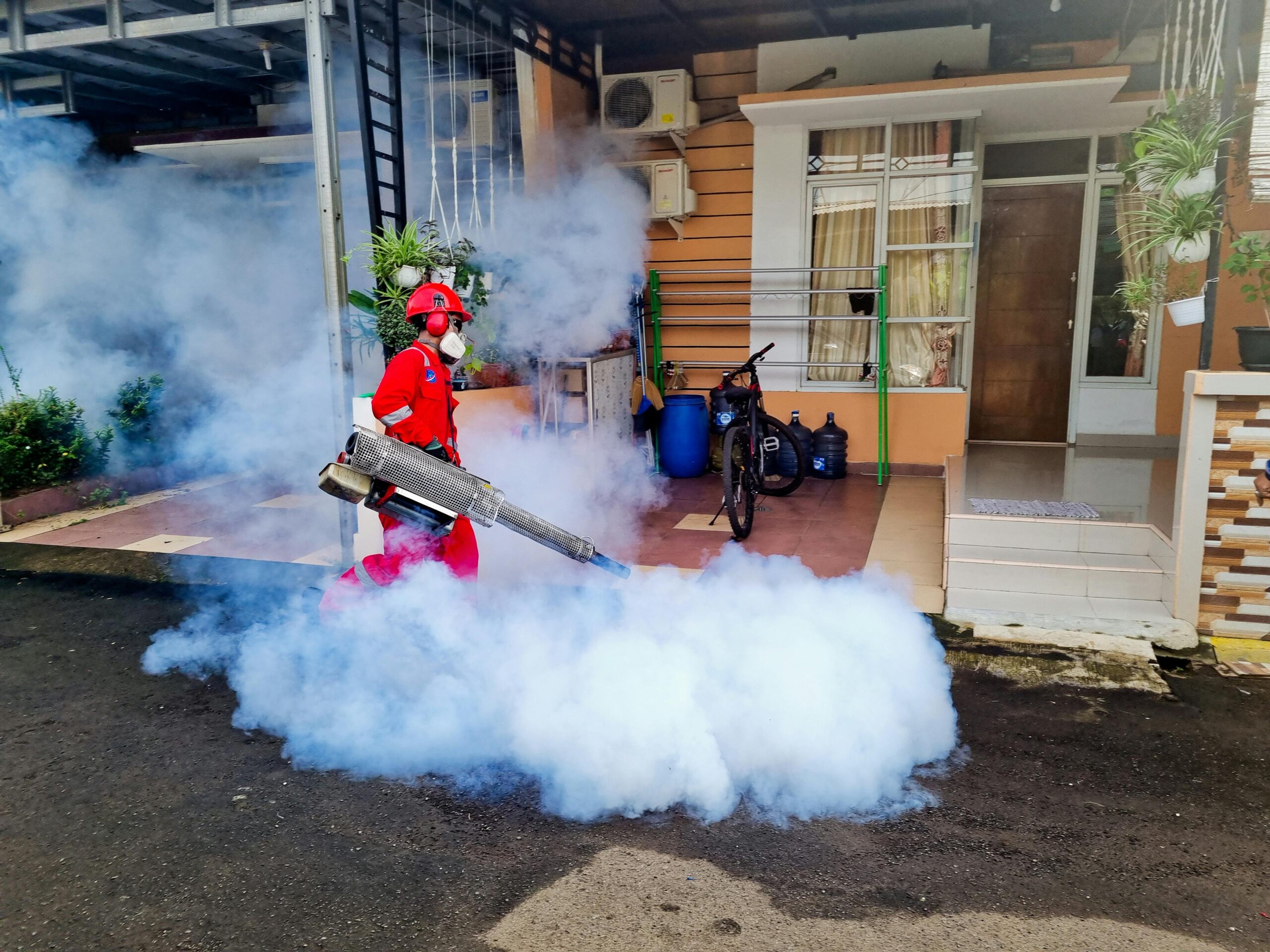
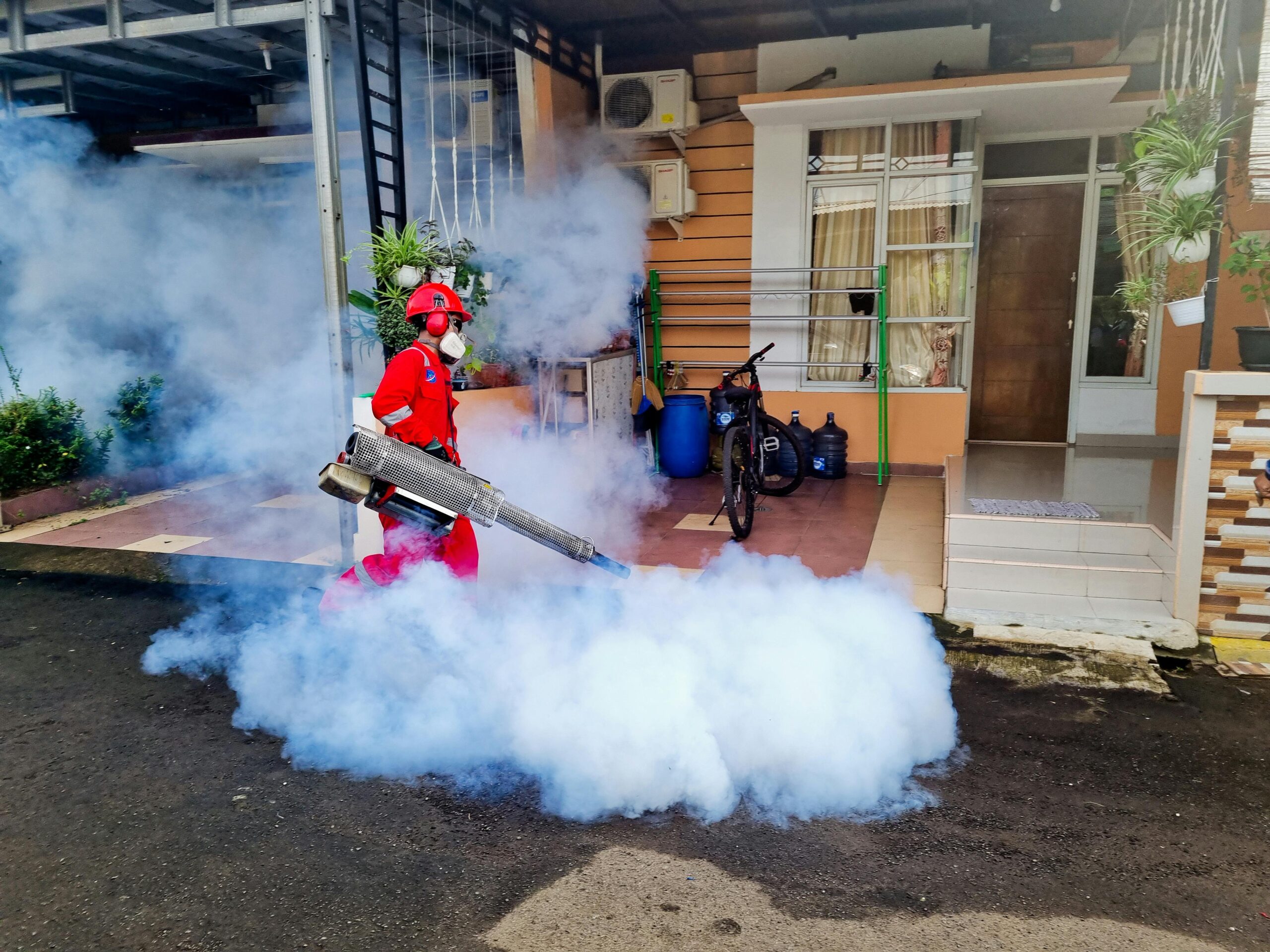
Chemical barriers are the workhorse of residential pest control. A licensed technician applies a perimeter spray—usually a synthetic insecticide—around the foundation, crawl spaces, and any entry points. The chemicals create an invisible wall that kills insects on contact and can deter re‑entry for weeks to months, depending on the product’s residual life. This method is especially effective against ants, spiders, and crawling insects that constantly probe for shelter.
Baiting Systems and Stations
Baiting relies on the pest’s own behavior. For termites, roach, and ant infestations, technicians place bait stations in strategic locations. The stations contain a slow‑acting toxin that the insects carry back to the colony, eventually collapsing the entire population. Because the bait is consumed gradually, the approach can provide long‑term control with minimal chemical exposure to the home’s interior. It’s a favorite for homeowners who want a targeted, low‑visibility solution.
Eco‑Friendly Options
Increasingly, homeowners ask for treatments that are safe for children, pets, and the environment. Botanical sprays—derived from neem, pyrethrins, or essential oils—offer a natural alternative to conventional synthetics. While they may not linger as long on surfaces, they work quickly and break down without leaving harmful residues. Eco‑friendly options are ideal for families with sensitivities, for organic‑focused neighborhoods, or for supplemental use alongside a chemical barrier.
Typical Price Ranges
Understanding the cost spectrum helps you compare quotes without surprise fees. A single‑visit treatment, which usually includes a one‑time chemical barrier or a set of bait stations, runs between $100 and $300. Quarterly maintenance plans—four visits per year that refresh the barrier, replenish baits, and monitor activity—fall in the $400 to $800 per year range. For new construction or major remodels, a pre‑emptive termite barrier can cost from $2,500 to $5,000, reflecting the extensive material and labor required to protect the structure from the ground up.
Anthem Pest’s Transparent Pricing Model
Anthem Pest eliminates the guesswork. Every new customer receives a free, no‑obligation inspection where a certified technician evaluates the pest pressure, identifies vulnerable entry points, and recommends a tailored plan. The quote you receive includes all labor, materials, and follow‑up visits—there are no hidden service fees or surprise surcharges. If the first treatment doesn’t achieve the agreed‑upon result, Anthem Pest guarantees a complimentary follow‑up visit until the issue is resolved, reinforcing their confidence in the efficacy of their products.
According to the EPA’s 2023 pesticide usage statistics, residential applications account for roughly 35 % of total pesticide consumption in the United States, underscoring the importance of choosing a provider that balances effectiveness with safety.
| Treatment Type | Cost Range | Durability | Ideal Pest |
|---|---|---|---|
| Chemical Barrier | $100–$300 (single visit) | 4–12 weeks | Ants, spiders, beetles |
| Baiting Systems/Stations | $150–$350 (setup) + $50–$100 per refill | 6–12 months | Termites, roaches, carpenter ants |
| Eco‑Friendly Botanical Sprays | $80–$200 per application | 1–3 weeks | General indoor/outdoor pests |
| Pre‑Construction Termite Barrier | $2,500–$5,000 | 10+ years (with warranty) | Termites |
Why Local Expertise Matters When Choosing a Pest‑Control Partner
When a pest infiltrates your home, the solution isn’t one‑size‑fits‑all. A technician who understands the nuances of your neighborhood—its climate, building styles, and local ordinances—can pinpoint the exact entry points and select the most effective treatment. That regional insight translates into quicker knock‑downs, fewer repeat visits, and peace of mind for homeowners who expect results the first time.
Regional knowledge drives better outcomes
Each U.S. region faces its own pest pressures. In the humid Mid‑Atlantic, termites thrive in moist wood, while the arid Southwest sees a surge in ants seeking shelter from scorching days. Local regulations also dictate which chemicals are permissible, how they must be applied, and the documentation required for compliance. A technician familiar with these variables can tailor a plan that respects both the environment and the law, avoiding costly missteps.
Anthem’s national‑local footprint
Anthem Pest Control blends a national network of resources with technicians stationed in the suburbs where you live. This hybrid model ensures you receive the latest industry research backed by a team that knows the backdoor of your specific community.
- Arlington, VA – A summer spike in carpenter ants was traced to a newly built townhouse complex. Local techs identified a gap in the siding, sealed it, and applied a targeted bait system, eliminating the colony in three weeks.
- Plano, TX – Heavy rains created standing water in low‑lying yards, attracting mosquitoes. The Plano crew mapped the drainage patterns, installed perimeter treatments, and set up a weekly monitoring schedule, reducing bites by 90%.
- Portland, OR – A surge of roof rats entered homes through attic vents. Portland technicians, aware of the city’s older housing stock, reinforced vent screens and deployed a humane trap‑and‑release program, keeping families rodent‑free.
Frequently asked questions
- Are Anthem technicians licensed in my state?
- Yes. Every tech holds the appropriate state‑issued pesticide license and completes ongoing training to stay current with local regulations.
- Does Anthem carry insurance?
- All services are backed by comprehensive liability insurance, protecting you and your property during every visit.
- What guarantees does Anthem offer?
- We provide a service guarantee that includes a free re‑treatment if pests return within the agreed‑upon timeframe.
Local techs = faster response + tailored treatment plans.
Frequently Asked Questions About Home Pest Management
Are treatments safe for pets and children?
Yes. Anthem follows the CDC’s pesticide safety guidelines, which require using low‑toxicity products, applying them at label‑recommended rates, and allowing proper ventilation. Technicians keep pets and kids out of treated zones for the short “re‑entry” period—usually 30 minutes to a few hours—so you can resume normal activities safely.
How often should I schedule treatments?
Most homeowners benefit from a seasonal program: a spring visit to pre‑empt emerging insects, a summer treatment for peak activity, a fall service to clear residual populations, and a winter check‑up for indoor pests. High‑risk areas such as humid basements may need an extra visit after heavy rains.
What’s the difference between baiting and barrier treatments?
Baiting delivers a slow‑acting poison that pests carry back to the colony, effectively eliminating the source over weeks. Barrier (or perimeter) treatments spray a residual insecticide around the home’s exterior, creating a “no‑go” zone that stops insects from entering in the first place. Both can be used together for maximum protection.
Do I need a separate termite plan?
Termites require a dedicated strategy. Pre‑construction termite protection involves installing physical barriers or termiticides before a home is built, while remedial plans treat active infestations with localized applications and ongoing monitoring. Because termites operate below the surface, a specialized program is essential for long‑term structural safety.
Can I do DIY vs. professional?
DIY kits are inexpensive and may work for isolated sightings, but they often lack the coverage, potency, and safety testing of professional products. A licensed technician can identify hidden entry points, apply EPA‑approved chemicals correctly, and provide a documented service record—benefits that DIY solutions rarely match.
What guarantees does Anthem offer?
Anthem backs every service with a satisfaction warranty: if pests return within 30 days of treatment, we’ll re‑treat the area at no extra cost. For termite contracts, we provide a multi‑year guarantee that includes annual inspections and free corrective actions should damage be detected.
Take Action with Anthem Pest Control
Here’s a quick reminder of the four pillars that keep your home pest‑free:
- Early identification: Spotting the first signs of termites, rodents, or bed bugs lets you act before an infestation spreads, saving you time and repair costs.
- Seasonal prevention: Timing treatments for spring ants, summer mosquitoes, or fall rodents maximizes effectiveness and keeps your yard comfortable all year.
- Transparent pricing: You’ll know exactly what each service costs—no hidden fees, no surprise invoices, and a clear estimate before any work begins.
- Local expertise: Our technicians understand the pest pressures specific to your neighborhood and tailor solutions that work for your climate and home construction.
Download our printable checklist now and share this guide with neighbors—together you can create a community shield against unwanted guests.
When you’re ready for a hassle‑free solution, Anthem’s certified technicians are just a call away. We’ll assess your home, design a custom treatment plan, and protect your family without hidden fees.
Our free inspection includes a thorough walkthrough, identification of hidden entry points, and a written action plan so you know exactly what will be done and why.
Call us today at 877‑371‑8196 for a free inspection and a no‑obligation quote.
Ready to get started? Visit Anthem Pest Control and schedule your service online.