Why Termite Damage Costs Homeowners Billions
According to the EPA’s 2024 report, termites chew through $5 billion worth of U.S. homes each year. That staggering figure isn’t just a number on a page—it represents thousands of families waking up to sagging floors, cracked walls, and costly repairs they never saw coming.
The $5 billion tally doesn’t just cover visible repairs; it also includes hidden expenses such as reduced property value, increased mortgage rates, and the emotional toll of watching a home deteriorate. Insurance policies typically exclude termite damage, leaving homeowners to foot the entire bill out of pocket. That financial reality is why early detection is not a luxury—it’s a necessity.
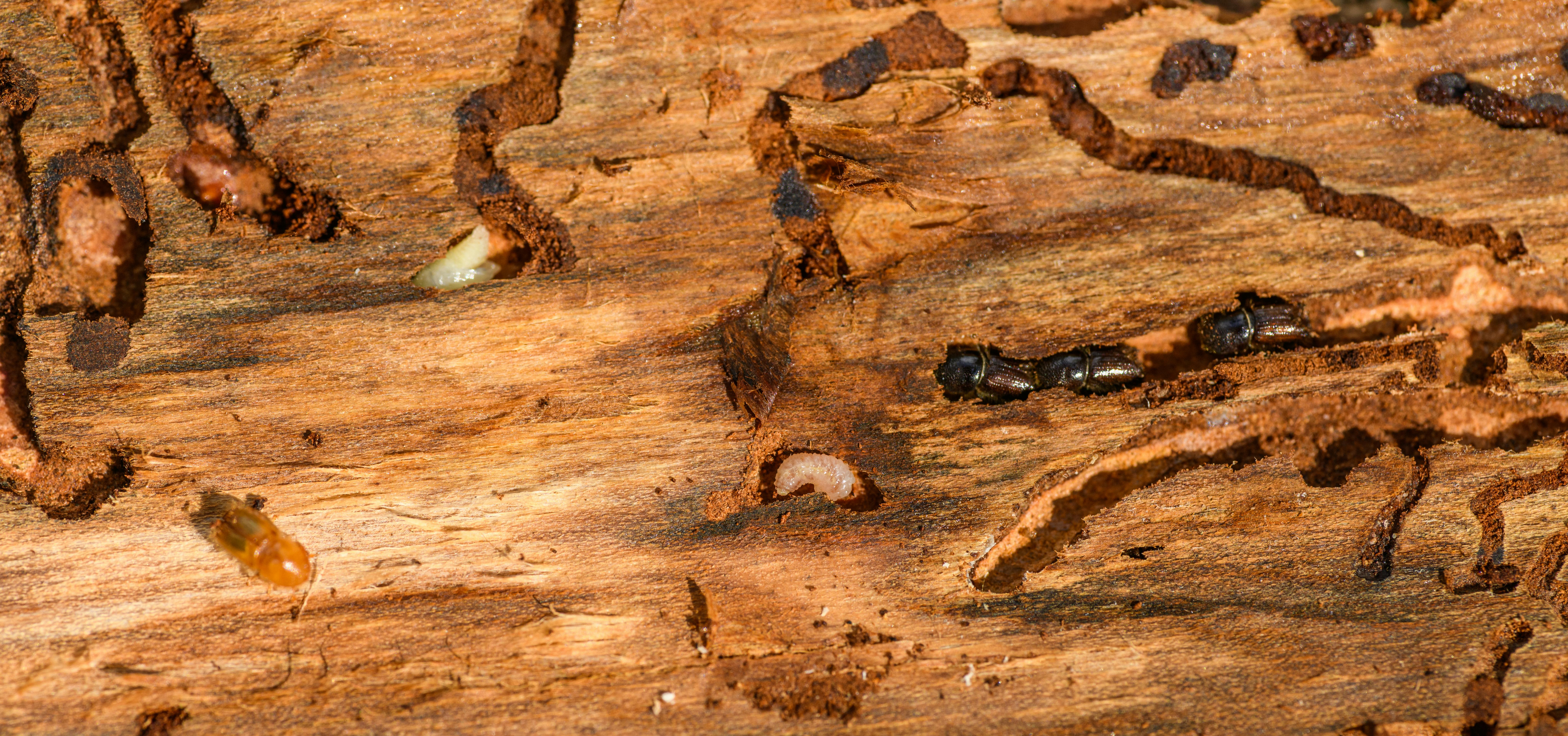
Most homeowners underestimate this threat because termites work silently behind walls, beneath foundations, and inside furniture. Their damage progresses slowly, often hidden until structural integrity is compromised. By the time a tell‑tale hollow spot or a faint mud tube appears, the colony may have already weakened key support beams.
In the pages that follow, we’ll break down exactly how to spot the early warning signs, which preventive steps stop an infestation before it spreads, and what transparent pricing looks like for professional treatment. You’ll walk away with a clear, actionable roadmap rather than vague advice that leaves you guessing.
We’ve partnered with Anthem Pest Control to bring you this guide because they combine local expertise, safe treatment methods, and upfront pricing that homeowners can trust. Whether you’re dealing with an active infestation or simply want to protect your investment, Anthem’s team has the tools and knowledge to keep termites at bay.
The Three Termite Species Threatening U.S. Homes
Subterranean Termites
Subterranean termites (Reticulitermes spp.) live in colonies beneath the soil and gain access to wood through moisture‑filled mud tubes. They thrive in humid environments and can chew through a 2‑inch thick wooden beam in just a few months. A mature colony may contain up to a million workers, making the damage rapid and extensive. Because they require contact with the ground, they are most common in the Southeast, the Gulf Coast, and parts of California where soil moisture remains high.
Dry‑wood Termites
Dry‑wood termites (Incisitermes and Cryptotermes spp.) do not need soil contact; they live entirely inside the wood they consume. Their colonies are smaller—typically a few thousand individuals—but they can persist for years inside structural members, furniture, or even picture frames. They prefer drier climates, which is why infestations are frequent in California, Arizona, and the Southwest. Signs include fine frass pellets and a distinctive “hollow‑sounding” wood when tapped.
Formosan (Asian) Termites
Formosan termites (Coptotermes formosanus) are the most aggressive of the three. Originating from Asia, they establish massive colonies that can exceed 10 million termites and spread via extensive underground tunnels. They tolerate a wide temperature range, making them a growing threat along the Gulf Coast, especially in Texas and Louisiana, and increasingly in Florida’s urban areas. Their rapid reproduction and ability to swarm in large numbers often overwhelm standard treatments.
Regional risk map (design placeholder): A visual will illustrate high‑risk zones—Southeast, Gulf Coast, and California—highlighting where each species predominates. Homeowners can use the map to prioritize inspections before the peak termite season begins.
According to the National Pest Management Association, “In Florida, 1 in 3 homes experiences subterranean termite activity” (NPMA). The 2025 verification notes confirm that state‑level infestation rates remain steady, with Florida, Texas, and California reporting the highest percentages for subterranean, Formosan, and dry‑wood termites respectively. Louisiana’s data shows a notable rise in Formosan activity, while Arizona continues to lead in dry‑wood cases.
Spotting Early Signs of a Termite Infestation
Visual cues you can’t ignore
Termites are stealthy, but they leave unmistakable footprints. Keep an eye out for these four tell‑tale signs:
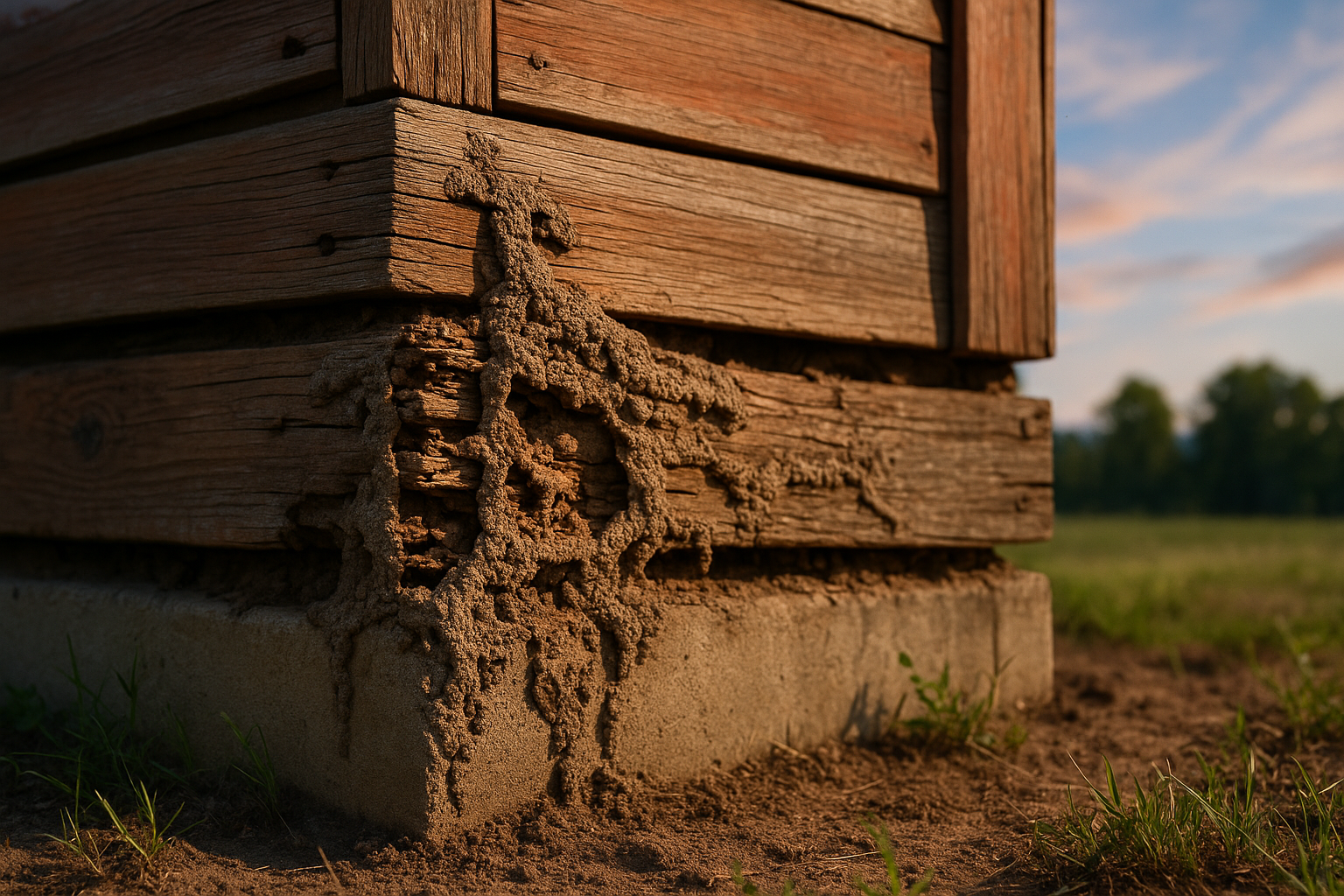
- Mud tubes – smooth, pencil‑diameter tunnels that connect soil to wood.
- Winged alates – the delicate, discarded wings of reproductive termites after a swarm.
- Hollow‑sounding wood – tap a beam; a dull thud often means the interior is being eaten away.
- Frass piles – dry, pellet‑shaped droppings that look like sawdust mixed with tiny wood chips.
Quick‑step inspection checklist
Use this bullet‑point list during your monthly walk‑through. Mark each item as you go:
- Foundations
- Scan the perimeter for mud tubes or soil discoloration.
- Check for cracks where moisture can accumulate.
- Crawl spaces
- Lift insulation and look for frass or hollow wood.
- Feel for damp spots that might attract termites.
- Wooden structures
- Tap support beams, porch posts, and window frames.
- Inspect exposed joists for mud tubes or winged alates.
Real‑world case study: Dallas summer rain
When a sudden downpour hit Dallas in July, homeowner Maria noticed a thin, wet line creeping up her basement wall. A quick flashlight check revealed fresh mud tubes snaking from the soil into the concrete. She called Anthem Pest Control within 24 hours. Our technician confirmed an active subterranean colony and treated the foundation with a targeted barrier. Because Maria acted early, the infestation was eradicated before any structural wood was compromised, saving her thousands in potential repairs.
Why catching termites early saves you money
Termites can chew through 2 inches of wood per year—often unnoticed until a beam fails or a floor sags. Early detection means you can apply localized treatments or install a preventive barrier, which are far less expensive than full‑scale structural repairs. In most cases, homeowners who intervene within the first few weeks of spotting mud tubes or alates avoid repair costs that can exceed $10,000. Regular inspections, combined with prompt professional action, protect your home’s value and keep your budget intact.
How Seasonality Influences Termite Activity
Termites are highly responsive to the environment around your home. When temperature and moisture shift, colonies adjust their foraging routes, feeding patterns, and even their reproductive cycles. Understanding these climatic cues helps you pinpoint the moments when termites are most likely to appear on your property.
Temperature: the catalyst for foraging
Most subterranean species become active once soil temperatures rise above 55 °F (13 °C). Warmth accelerates the metabolism of workers, prompting them to leave the nest in search of cellulose. In the midsummer heat, activity peaks because the soil stays consistently warm, allowing termites to travel farther from the colony without risking exposure to cold.
Moisture: the trigger for swarming and movement
Moisture is the true driver of termite swarming. After a period of rain, soil water content spikes, creating a humid tunnel network that protects termites from desiccation. This is why you’ll often see winged alates emerging a week or two after heavy storms. In dry spells, colonies retreat deeper underground, reducing the likelihood of surface damage.
Best times to schedule an inspection
- Early spring (March‑April): Post‑winter moisture combined with rising temperatures awakens foragers, making it an ideal window to catch early activity before damage spreads.
- Late summer (August‑September): After the season’s heaviest rains, swarming alates are on the move, providing a clear visual cue that a colony is mature enough to require treatment.
The CDC’s pest‑spike guidance reinforces these windows, noting that termite sightings surge during the same periods across most U.S. regions. Moreover, EPA data released for 2024 confirms the seasonal activity curves, showing distinct peaks that align with the early‑spring and late‑summer intervals.
By aligning your inspection schedule with these climatic patterns, you give Anthem Pest Control the best chance to locate hidden colonies early, intervene efficiently, and keep your home termite‑free year after year. Regular monitoring also helps you avoid costly structural repairs.
Why Anthem Pest Control Is the Local Expert You Need

When pests invade, you need a team that combines deep expertise with uncompromising safety. Anthem Pest Control employs only licensed technicians who complete rigorous state‑required training and ongoing certification. Every treatment uses EPA‑registered products that are proven effective yet formulated to protect your family, pets, and the environment. And because infestations don’t keep office hours, our 24/7 emergency service ensures a rapid response any time a pest emergency strikes.
Credentials you can trust
- All technicians hold state pest‑control licenses and annual continuing‑education certificates.
- Products are vetted and approved by the U.S. Environmental Protection Agency.
- Fully insured operations protect homeowners from liability.
- Rapid‑response teams available around the clock, seven days a week.
Service areas we proudly cover
Anthem Pest has built localized knowledge in five major markets, allowing us to tailor solutions to regional pest pressures:
- Atlanta, GA – termite hotspots and mosquito season.
- Charlotte, NC – rodent activity and ant invasions.
- Dallas, TX – cockroach bursts and bed‑bug introductions.
- Phoenix, AZ – desert‑adapted insects and scorpion sightings.
- Chicago, IL – seasonal beetle swarms and wasp nests.
“I called Anthem after noticing tiny droppings in my basement. The technician arrived that evening, identified a hidden mouse nest, and treated it before the problem spread. I saved over $1,200 in potential damage and extermination fees thanks to their early detection.”
Our pricing philosophy eliminates surprise charges. Every service is offered at a flat‑rate price disclosed up front, so you know exactly what you’ll pay before any work begins. To back that promise, Anthem provides a 2‑year guarantee on all treatments—if pests return within that window, we’ll re‑treat at no additional cost.
Ready to protect your home with a locally trusted expert? Call us now at 877‑371‑8196 or visit anthempest.com to schedule your free inspection and experience the Anthem difference.
Frequently Asked Questions About Termites
Below are answers to the most common termite questions homeowners ask.
Do termites bite humans?
Termites are not interested in biting people. They feed exclusively on wood and cellulose, so you’ll never see a termite crawling on your skin looking for a snack. The CDC confirms termites do not bite or spread disease to humans. Both subterranean and dry‑wood termites stay hidden inside wood or soil, not on humans. If you notice small, painless bumps after contact, it’s likely a mild skin irritation from the insect’s exoskeleton, not a bite.
How long does a treatment last?
The longevity of a termite treatment depends on the method used. Liquid termiticides applied to the soil typically carry a five‑year warranty, while bait‑station systems are often guaranteed for three to four years, provided the stations are inspected and maintained regularly. When a licensed technician installs a bait network, the service agreement usually includes annual inspections that can extend protection beyond the initial warranty. Fumigation offers a one‑time solution, but homeowners should schedule follow‑up inspections every 12 months to catch any new activity.
Can pets be affected?
All EPA-registered termite products are evaluated for safety around animals. During a liquid termiticide application, keep pets indoors and away from treated zones until the product dries—usually a few hours. Bait stations pose no direct risk because they are sealed and placed out of reach. Common active ingredients such as fipronil or hexaconazole have low mammalian toxicity when used as directed, and the EPA label specifies a clear re‑entry interval, typically 24‑48 hours, before pets can resume normal activity.
Understanding these details helps you make informed decisions about protection and safety for your family and pets. A licensed pest‑control professional can assess your property and recommend the best long‑term solution.
Protect Your Home Today with Anthem Pest Control
Early detection is the cornerstone of any successful pest management plan. Spotting termites, rodents, or bed bugs at the first sign—tiny damage, droppings, or unusual activity—gives you a chance to act before the infestation spreads and costs sky‑rocket. Pair that vigilance with the right treatment, whether it’s a targeted bait, a barrier spray, or an integrated prevention program, and you protect both your home’s structure and your family’s peace of mind.
At Anthem Pest Control, we combine that proactive approach with a promise of safety, affordability, and full transparency. Our technicians use EPA‑approved products that are tough on pests but gentle on children and pets, and we lay out every cost up front so you never face hidden fees.
Ready to put the plan into action? Our free home inspection gives you a clear picture of any current or potential pest issues, and our experts will recommend the most effective, budget‑friendly solution. Call us today at 877‑371‑8196 for a no‑obligation quote, and let us handle the rest.
Take the first step toward a pest‑free home—Visit Anthem Pest Control and schedule your inspection now. Our locally trained team is ready to protect every room, from the kitchen to the attic, with proven results you can trust.