Why a Proactive Pest Strategy Matters for Every Homeowner
What is a proactive pest strategy?
A proactive pest strategy means identifying, monitoring, and treating pest threats before they become visible problems. Instead of waiting for an infestation to show up—like finding termites chewing through a wooden beam or spotting a trail of ants in the kitchen—homeowners schedule regular inspections, use preventative barriers, and act on early warning signs. This forward‑thinking approach flips the script from “reactive pest control,” where a pest is only addressed after damage occurs, to a continuous, preventative routine that keeps the home’s ecosystem balanced.
The hidden costs of waiting
When pests are ignored, the damage they cause is rarely limited to the obvious nuisance. Below are the three major hidden costs that most homeowners underestimate:
- Structural damage: Termites, carpenter ants, and wood‑boring beetles can silently erode the integrity of foundations, joists, and roof supports. Repairing compromised framing often runs into the thousands of dollars.
- Health risks: Rodents, cockroaches, and bed bugs carry allergens and pathogens that can trigger asthma, allergic reactions, and food‑borne illnesses. Treating health‑related fallout—doctor visits, medication, or even lost work days—adds up quickly.
- Reduced resale value: A home with a history of pest problems can lose market appeal. Prospective buyers frequently request pest inspections, and any negative findings can force price reductions or costly remediation before a sale.
According to the EPA, termites alone cause roughly $5 billion in U.S. property damage each year. That figure represents only one pest; when you factor in rodents, insects, and the associated health expenses, the true economic impact is far larger.
Financial upside of early detection
Investing in early detection and regular inspections pays dividends. A single pre‑emptive termite inspection can cost as little as $75‑$150, yet it can prevent a $10,000‑$30,000 structural repair down the line. Moreover, routine monitoring catches seasonal invasions—such as mosquitoes in summer or rodents seeking shelter in winter—before they multiply, keeping treatment volumes low and labor hours minimal.
Homeowners who adopt a schedule of quarterly or bi‑annual inspections typically see a 30‑40% reduction in total pest‑related expenses over a five‑year period. The savings stem from two sources: fewer emergency call‑outs (which carry premium rates) and the ability to use targeted, low‑impact treatments rather than broad‑spectrum eradication after an infestation has taken hold.
Anthem Pest Control’s data‑driven edge
Anthem Pest Control leverages a data‑driven approach to make proactive pest management both precise and affordable. By analyzing regional pest trends, weather patterns, and historic service data, Anthem creates customized inspection calendars for each household. Homeowners receive real‑time alerts when their area experiences a surge in a particular pest, allowing them to schedule an early check‑up before the problem escalates.
In practice, this means a homeowner might get a reminder in early spring to inspect for ant colonies, followed by a targeted treatment plan that uses the minimum amount of product necessary for long‑lasting protection. The result is a healthier home, lower long‑term costs, and peace of mind that comes from knowing a trusted professional is watching the pest horizon on their behalf.
Spot the Enemy: Key Pests in U.S. Homes
Before you can call in a professional, you need to know who you’re dealing with. The following five pests cause the bulk of damage and health concerns in American homes. Recognizing their biology, entry habits, and tell‑tale signs lets you catch an infestation early—often before it becomes an expensive repair. These five species account for more than 80 % of all reported household pest incidents, according to industry surveys.
1. Termites – The Silent Wood‑Destroyers
Biology: Subterranean termites live in colonies that can number millions. Workers are blind, soft‑bodied, and feed on cellulose, silently chewing through wood from the inside out.
Typical entry points: Foundation cracks, expansion joints, and any gap larger than ¼ inch that contacts soil. They also hitch a ride in wooden pallets or firewood.
Visual signs:
- Thin, mud‑tube trails along walls or foundation.
- Hollow‑sounding wood when tapped.
- Frass (dry, pellet‑shaped droppings) resembling sand.
Over time, unchecked termite activity can compromise load‑bearing beams, leading to sagging floors or door frames that no longer close properly.
2. Mosquitoes – The Bite‑Inducing Vectors
Biology: Female mosquitoes require a blood meal to develop eggs. They breed in standing water, and adult females can travel up to several miles from their larval sites.
Typical entry points: Unscreened windows and doors, gaps around utility lines, and any opening that lets a small insect slip inside.
Visual signs:
- Small, dark specks on walls—often resting on ceilings.
- Buzzing near light fixtures at dusk.
- Visible breeding sites such as clogged gutters, birdbaths, or plant saucers holding stagnant water.
Beyond bites, female mosquitoes can transmit West Nile virus, Zika, and dengue, making control a public‑health priority.
According to the CDC, mosquito‑borne diseases account for roughly 1 million cases in the United States each year.
3. Rodents – The Gnawing Intruders
Biology: Rats and mice reproduce rapidly; a single pair can produce dozens of offspring in a year. Their incisors never stop growing, so they gnaw constantly to keep them trimmed.
Typical entry points: Gaps around pipes, vents, and door frames; openings as small as a quarter‑inch for mice and half‑inch for rats.
When Pests Strike: Seasonal Patterns Across Regions
Understanding when pests are most active in your area lets you stay one step ahead, saving you both time and money. Each region of the United States follows a predictable rhythm driven by temperature, humidity, and the life cycles of the insects and rodents that invade homes. By matching your inspection and treatment schedule to these patterns, you can catch problems before they become emergencies.
Peak Months by Region
- Northeast: Ants dominate the late‑summer window, typically from July through September.
- South: Mosquitoes reach their highest numbers between June and October.
- Midwest: Rodents seek shelter indoors during the cold months, with activity peaking from November through February.
- Nationwide: Termites emerge in the spring, most active from March to May across the country.
Why Temperature, Humidity, and Breeding Cycles Drive These Patterns
Ant colonies thrive when summer heat softens the soil, allowing workers to expand their foraging trails and queens to lay thousands of eggs. Warm, moist conditions also accelerate the development of mosquito larvae in standing water, which is why the Southern states see a surge once summer rains arrive.
Rodents, on the other hand, are driven by survival instincts. As outdoor temperatures dip below freezing, they scramble for the warmth of attics, basements, and wall voids, leading to a winter spike in sightings and damage. Their breeding cycles speed up in the colder months, meaning a single pair can produce multiple litters before spring arrives.
Termites are highly sensitive to soil moisture and temperature. Spring brings a rise in ground temperature and increased moisture from melting snow or seasonal rains, creating ideal conditions for subterranean termites to swarm and establish new colonies. This is why the NPMA 2023 Seasonal Activity Report highlights March through May as the critical window for termite activity nationwide [NPMA Seasonal Report].
Actionable Tip: Schedule Pre‑Season Inspections 2‑4 Weeks Before Peak Activity
Mark your calendar now and book a professional inspection at least two weeks before the first expected peak in your region. For a Northeastern homeowner, that means a late‑June visit to catch ant colonies before they explode in July. Southern residents should aim for late May to address mosquito breeding sites before the June surge. Midwest families benefit from an early‑November check‑up, while a nationwide termite inspection is best scheduled for late February or early March.

Seasonal Calendar at a Glance
| Region | Jan | Feb | Mar | Apr | May | Jun | Jul | Aug | Sep | Oct | Nov | Dec |
|---|---|---|---|---|---|---|---|---|---|---|---|---|
| Northeast – Ants | ✔ | ✔ | ✔ | |||||||||
| South – Mosquitoes | ✔ | ✔ | ✔ | ✔ | ✔ | |||||||
| Midwest – Rodents | ✔ | ✔ | ✔ | ✔ | ||||||||
| Nationwide – Termites | ✔ | ✔ | ✔ |
By aligning your pest‑management plan with this calendar, you give Anthem Pest Control the best chance to intervene early, protect your home, and keep unwanted guests out year‑round. Give us a call at 877‑371‑8196 or visit anthempest.com to schedule your pre‑season inspection today.
DIY Prevention Before Calling the Pros
Before you schedule a professional visit, a few inexpensive, homeowner‑friendly actions can dramatically lower the chance of an infestation. Below are six of the most common household pests and three practical, low‑cost steps you can take right now.
Mosquitoes
- Eliminate standing water. Empty saucers, bird baths, and clogged gutters at least once a week. Mosquito larvae need only a few centimeters of water to thrive.
- Apply larvicide granules. Sprinkle EPA‑approved granules (often $10‑$20 per bag) around low‑lying areas such as flower beds and pool decks. The granules release a safe bacterial toxin that stops larvae from maturing.
- Maintain screen doors and windows. Replace torn mesh with new screens ($15‑$40 depending on size) and ensure they seal tightly. A good screen is the first line of defense against adult mosquitoes entering your home.
Rodents
- Seal cracks larger than ¼ inch. Use steel wool combined with caulk to block gaps around pipes, vents, and foundation cracks. This simple fix costs under $5 for a small tube of caulk.
- Install door sweeps. Attach sweeps to exterior doors for $10‑$25 each. They prevent mice and rats from slipping under the threshold.
- Keep garbage in sealed containers. Choose containers with tight‑fit lids and store them away from walls. Rodents are attracted to food odors, so a sealed bin removes a major invitation.
Ants
- Remove food residues. Wipe countertops, sweep crumbs, and rinse dishes promptly. Even a tiny sugar spill can attract a marching line of ants.
- Use bait stations. Place low‑toxicity ant baits (typically $5‑$12 per pack) along ant trails. The ants carry the poison back to the colony, reducing the population at its source.
- Trim vegetation away from the foundation. Keep shrubs, vines, and mulch at least 12 inches from walls. This eliminates bridge pathways that ants use to enter your home.
Termites
- Reduce wood‑to‑soil contact. Keep firewood, lumber, and wooden decks at least 6 inches above ground level. Use concrete blocks or pressure‑treated posts—materials that cost $2‑$5 per block.
- Keep gutters clear. Remove leaves and debris weekly to prevent water damage that attracts termites. A basic gutter cleaning tool costs $15‑$30.
- Install sand barriers. Place a 2‑inch layer of coarse sand between foundation walls and soil. Sand is inexpensive (around $0.30 per pound) and creates a hostile environment for termites.
Cockroaches
- Declutter kitchens. Remove cardboard boxes, paper bags, and excess dishware where roaches love to hide.
- Use gel baits. Apply a thin line of EPA‑registered gel bait (usually $8‑$15 per tube) behind appliances and under sinks. Cockroaches ingest the poison and share it with others.
- Maintain airtight containers. Store pantry items in sealed plastic or glass containers. Even a small opening can provide enough scent for roaches to locate food.
General Product Suggestions
- Mesh screens for doors and windows – $15‑$40 per panel.
- EPA‑approved low‑toxicity sprays for perimeter treatment – $12‑$25 per can.
- Steel wool and caulk combo – under $5 for a small roll and tube.
- Door sweeps – $10‑$25 each.
- Ant and cockroach bait stations – $5‑$12 per pack.
- Larvicide granules – $10‑$20 per bag.
Safety reminder: Always choose EPA‑registered products and follow the label directions exactly. Wear gloves, keep chemicals out of reach of children and pets, and ventilate indoor spaces when applying sprays.
What Anthem Pest Offers: Treatments, Guarantees, and Costs
When a homeowner picks a pest‑control partner, the first things they look for are clear treatment options, honest pricing, and a guarantee that the work will last. Anthem Pest delivers all three. With a nationwide network of licensed technicians, the company tailors each service to the specific pest pressure in your yard or home, then backs the work with transparent cost ranges and written warranties. Below is a breakdown of the most common residential treatments Anthem provides, how they function, and what you can expect in terms of protection.
- Termites – liquid barrier ($1,200‑$2,500)
- Mosquitoes – ULV fogging ($150‑$300 per treatment)
- Rodents – bait stations ($100‑$250 setup)
- Cockroaches & Ants – targeted spray or bait programs ($80‑$200)
Termite Liquid Barrier
Anthem’s termite solution starts with a professional-grade liquid termiticide that is applied in a continuous trench around the foundation of your home. The chemical creates an invisible, long‑lasting shield that repels or kills termites that attempt to cross it. Because the barrier is sealed into the soil, it remains effective for years—typically 5 to 10 years—without the need for re‑application, provided the soil remains undisturbed. The treatment also includes a detailed inspection report so you know exactly where the barrier was placed.
Mosquito ULV Fogging
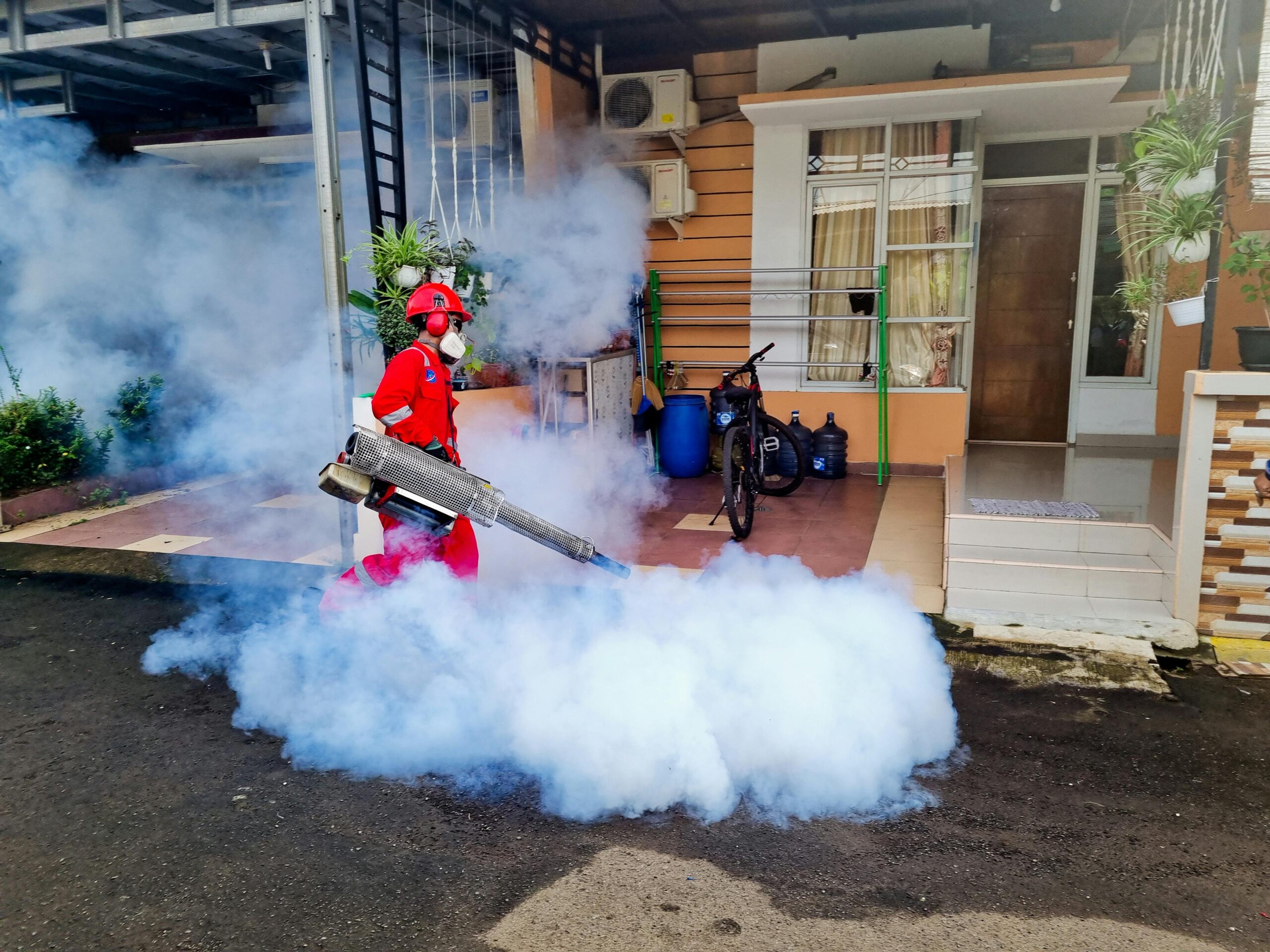
For mosquito‑prone yards, Anthem uses Ultra‑Low‑Volume (ULV) fogging. A calibrated fogger releases a fine mist of EPA‑registered insecticide that quickly settles on vegetation, standing water, and other breeding sites. The mist creates a temporary “kill zone” that knocks down adult mosquitoes within minutes and reduces the next generation’s emergence. Protection lasts roughly 30 to 45 days, after which a repeat treatment is recommended during peak season. Each fogging session costs between $150 and $300, depending on square footage and landscape complexity.
Rodent Bait Stations
Rodent control begins with strategically placed bait stations that contain a low‑dose anticoagulant poison. The stations are tamper‑proof, protecting children and pets while allowing rodents to feed at their own pace. As the poison accumulates in their system, the pests die off, and the colony collapses. Anthem’s technicians also install monitoring traps and schedule annual inspections to ensure any new activity is caught early. Setup fees range from $100 to $250, and the warranty includes a full year of monitoring and bait replenishment.
Cockroach & Ant Targeted Programs
For interior infestations of cockroaches or ants, Anthem offers two complementary approaches: a targeted spray that contacts hiding spots and a bait program that lures foragers back to a poison source. The spray provides immediate knock‑down, while the bait works over weeks to eliminate the hidden nest. Most homeowners see a noticeable reduction after the first visit, and the combined program protects the home for about 60 days before a follow‑up is advised. Pricing falls between $80 and $200, based on the size of the treatment area and the severity of the infestation.
Warranty and Protection Periods
Anthem backs each service with a written warranty that matches the expected lifespan of the treatment. The termite liquid barrier comes with a 5‑ to 10‑year guarantee, reflecting the product’s residual activity in the soil. Mosquito ULV fogging is covered for 30‑45 days, giving you a clear window to enjoy a bite‑free patio before the next application. Rodent monitoring is guaranteed for one full year, and the cockroach/ant programs include a 60‑day satisfaction guarantee that covers any necessary touch‑ups.
| Service | Price Range | Warranty | Frequency |
|---|---|---|---|
| Termite Liquid Barrier | $1,200 – $2,500 | 5‑10 years | One‑time install, re‑apply if soil disturbed |
| Mosquito ULV Fogging | $150 – $300 per treatment | 30‑45 days | Every 4‑6 weeks during season |
| Rodent Bait Stations | $100 – $250 setup | 12 months (monitoring) | Annual inspection & refill |
| Cockroach & Ant Program | $80 – $200 | 60 days | Initial treatment, optional 2‑month follow‑up |
All prices are estimates; exact quote depends on inspection results.
Ready to see how these solutions fit your home? Call 877‑371‑8196 for a free, no‑obligation quote and let Anthem Pest design a protection plan that matches your budget and peace‑of‑mind goals.
Local Heroes: Homeowners Who Beat Infestations
Case Study 1 – Chicago: Carpenter Ant Colony Eliminated via Anthem’s Bait Program
When the Miller family noticed long trails of carpenter ants marching across their kitchen counter, they feared structural damage to their historic Chicago home. After a quick on‑site inspection, Anthem deployed a targeted baiting strategy, placing slow‑acting, sugar‑based stations along the ants’ foraging paths. Within ten days, the bait stations were actively being carried back to the colony, disrupting the queen’s reproduction cycle. By the third week, the Millers reported a 95% reduction in ant activity, and a follow‑up inspection confirmed the colony was effectively collapsed. “Anthem’s technicians were thorough and explained every step,” says homeowner Laura Miller. “I finally feel safe walking barefoot in my kitchen again.”
Case Study 2 – Phoenix: Mosquito Outbreak Stopped After Perimeter Misting
In the sweltering summer of 2023, the Hernandez household in Phoenix faced a relentless mosquito invasion that turned evenings into a battle of swats and itchy bites. Anthem’s pest‑control team assessed the property’s layout and identified stagnant water sources that served as breeding grounds. They implemented a two‑treatment perimeter misting program using EPA‑approved adulticides, timed to coincide with peak mosquito activity at dusk. After the first treatment, indoor mosquito counts dropped by 70%; a second misting completed the eradication, leaving the Hernandez home mosquito‑free. “The technicians arrived on schedule, wore protective gear, and left my yard smelling fresh—not chemical,” remarks Carlos Hernandez. “Now my kids can enjoy the backyard without constant buzzing.”
What Customers Are Saying
Across major review platforms—including Google, Yelp, and Angie’s List—Anthem Pest Control maintains an overall satisfaction rating of 4.8 out of 5. Homeowners consistently praise the company’s professionalism, transparent pricing, and lasting results. A few recent excerpts illustrate the sentiment:
- “Prompt, polite, and the results speak for themselves. We’ve had no ant sightings since the treatment.” – Sarah L., Denver
- “The misting service was a game‑changer for our patio. No more sleepless nights.” – Mark T., Austin
- “Anthem explained the entire process in plain language, which made us feel confident in their expertise.” – Emily R., Seattle
Brief Takeaway
These real‑world successes underscore a simple truth: professional expertise combined with timely, science‑backed action delivers lasting peace of mind. Whether it’s a hidden carpenter ant colony in a historic home or a seasonal mosquito surge in a desert suburb, Anthem’s tailored solutions empower homeowners to reclaim their spaces—and their comfort.
Quick Answers to Common Concerns
Q1: How long does a termite treatment last?
Most professional termite programs, including those offered by Anthem Pest Control, provide protection for 5–10 years. The exact duration depends on the product used, the extent of the infestation, and local soil conditions. To keep the barrier intact, we recommend an annual inspection—a quick visual check and, if needed, a touch‑up of the perimeter treatment.
Q2: Are the chemicals safe for pets?
Yes. Anthem only applies EPA‑registered products that are formulated to be pet‑friendly when used according to label directions. Our technicians follow strict safety protocols, such as allowing treated areas to dry and ventilating indoor spaces, so your dogs, cats, and other companions can stay safe and comfortable.
Q3: When should I schedule a follow‑up?
We typically schedule a 30–45 day follow‑up after the initial treatment. This visit lets us verify that the product has settled correctly and that any residual activity is effective. After that, an annual check‑up is enough for most homeowners to maintain a solid defense against termites and other pests.
Q4: What financing options are available?
Anthem understands that pest control is an essential, but sometimes unexpected, expense. We offer low‑interest financing plans that spread the cost over several months, plus seasonal discounts that can reduce the upfront price. Contact our office or visit the website to see the current offers and apply online in minutes.
Q5: Do I need to vacate the home during treatment?
In the majority of cases, occupants can remain inside while we treat for termites, ants, roaches, or other common pests. The only exception is when we perform ULV fogging—a fine mist used for certain indoor infestations. ULV fogging may require a brief evacuation of 30–60 minutes to ensure the mist settles and the area is properly ventilated before re‑entry.
Got another question that isn’t covered here? We’re happy to help. Submit your query through our contact form, and one of our certified technicians will get back to you with a personalized answer—quick, clear, and free of jargon.
Secure Your Home with Anthem Pest Control
Throughout this guide we’ve highlighted why spotting pests early, timing treatments to seasonal patterns, and pairing smart DIY steps with professional help are the three pillars of a pest‑free home. Early detection stops an ant trail before it becomes a colony, seasonal timing ensures you attack mosquitoes before they breed, and DIY prevention—like sealing entry points—keeps the odds stacked in your favor. When those measures aren’t enough, a trained technician brings the expertise and equipment needed to eradicate the problem for good.
Key takeaways
- Early detection matters: The sooner you notice signs—tiny droppings, gnaw marks, or a faint odor—the easier and cheaper the treatment.
- Seasonal timing is strategic: Spring and summer are peak periods for ants, mosquitoes, and termites; fall is ideal for rodent control.
- DIY prevention builds a barrier: Regular cleaning, proper food storage, and sealing cracks reduce pest invitations.
- Professional partnership delivers results: Licensed technicians apply safe, EPA‑approved products and customize plans to your home’s unique vulnerabilities.
Anthem Pest Control’s mission is simple: provide safe, effective, and affordable protection with transparent pricing you can trust. We believe every homeowner deserves a pest‑free environment without hidden fees or guesswork. That’s why we outline every step, from inspection to follow‑up, and offer clear cost estimates before any work begins.
Whether you’re dealing with a single ant trail or a hidden termite colony, our locally trained technicians are ready to design a custom plan that fits your budget and schedule. We take the time to assess your property, recommend the most efficient treatment options, and explain how to maintain results long after we leave. Our focus isn’t just on eradicating pests today—it’s on preventing tomorrow’s infestations.
Our service doesn’t stop after the first visit. We offer a seasonal monitoring program that revisits your home at critical intervals, adjusts treatments as needed, and provides you with a written report of pest activity. This proactive approach keeps your home protected year‑round without surprise costs.
Ready to take the next step? Call 877‑371‑8196 for a free inspection or quote. Our friendly team will answer your questions, schedule a convenient visit, and walk you through what to expect.
Visit Anthem Pest Control to learn more about our services and read real homeowner testimonials.