Rising Ant Complaints in Vinings Neighborhoods
Over the past six months, Vinning’s neighboring districts—Ardmore, West Cobb, and the heart of Vinings itself—have reported a 42% jump in ant-related service calls, according to the Fulton County pest‑reporting hotline. Homeowners are spotting long‑legged odorous house ants marching across kitchen counters, carpenter ants tunneling behind baseboards, and even tiny pavement ants invading outdoor patios. The spike isn’t seasonal luck; it aligns with recent construction projects that disturb underground colonies and a milder winter that allowed colonies to survive and expand.
Delaying professional treatment can turn a minor nuisance into a costly nightmare. Carpenter ants, for example, hollow out wooden joists and support beams, compromising structural integrity and forcing expensive repairs that can exceed $5,000 per home. Moreover, certain ant species also carry pathogens that contaminate food surfaces, raising health concerns for families with children or seniors. Moreover, untreated infestations often attract secondary pests—like spiders and cockroaches—that thrive in the same moist, sheltered environments.
Vinings’ humid subtropical climate creates the perfect breeding ground for ant colonies, especially after the recent heavy rains that left many yards soggy and lawns lush. These conditions accelerate colony expansion, making early detection and professional intervention essential for keeping your home safe.
What you’ll find in the rest of this guide:
- Species identification: Learn to differentiate the most common Vinings ants and understand their habits.
- Local service options: A curated list of vetted, licensed exterminators—including Anthem Pest Control—who specialize in fast, safe ant removal.
- Pricing structures: Transparent cost breakdowns so you can budget for one‑time treatments or ongoing prevention plans.
- Prevention strategies: Actionable steps you can take today to seal entry points, eliminate food sources, and discourage future colonies.
At Anthem Pest Control, we back every recommendation with real‑world data from Vinings households just like yours. Our goal is to equip you with the knowledge you need to act quickly, protect your home’s value, and enjoy a pest‑free environment year‑round.
Why Ants Thrive in Vinings’s Climate
Vinings sits in the heart of Georgia’s “Peach State,” where summers regularly push temperatures above 85°F (29°C) and humidity hovers around 70 %. Those warm, moist conditions soften soil and keep foliage lush, providing the perfect backdrop for ant colonies to expand. Moisture‑rich mulch, thriving lawns, and abundant trees all act as natural highways for workers scouting for food and nesting sites.
The U.S. Environmental Protection Agency estimates that 1‑in‑3 American homes experience an ant infestation each year, a figure that rises sharply in regions with prolonged heat and humidity like Vinings EPA. When temperatures dip at night, the ground stays warm enough for ants to remain active, allowing them to forage longer and reproduce faster than in cooler climates.
Landscaping choices further tip the balance. Homeowners often favor ornamental shrubs, deep‑rooted trees, and decorative stone—each offering shelter and a steady supply of honeydew from aphids. These micro‑habitats act like apartment complexes for ants, protecting colonies from predators while supplying a carbohydrate‑rich buffet.
Consider the case of a Vinings homeowner who recently discovered extensive damage on their screened porch. Carpenter ants had tunneled through the wooden beams, compromising structural integrity and leaving tell‑tale sawdust piles. Early detection and professional treatment from Anthem Pest Control prevented a costly rebuild and restored peace of mind.
Understanding how Vinings’ climate fuels ant activity helps homeowners anticipate seasonal spikes and act before colonies become entrenched. Regular inspections, proper yard maintenance, and prompt professional intervention are the most effective defenses against these resilient invaders. Don’t wait until you see damage.
Common Ant Species Found in Vinings

Carpenter Ants
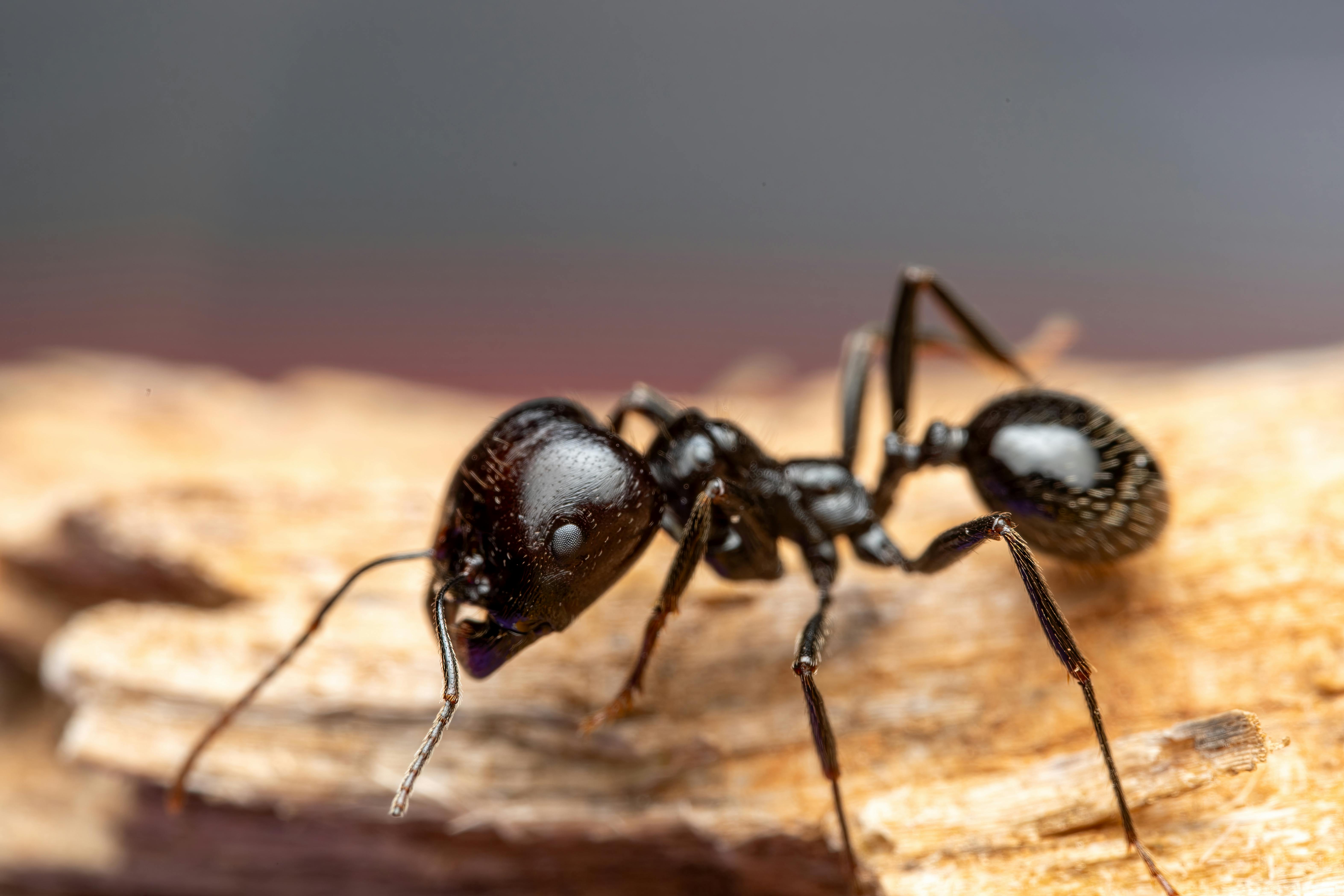
Appearance: Large workers ranging from ¼ to ½ inch, typically black or dark brown with a smooth, glossy exoskeleton. Their size and coloration often lead homeowners to mistake them for termites.
Habits: Unlike termites, carpenter ants do not eat wood; they excavate it to create galleries for nesting. In Vinings, they favor damp, decayed timber in foundations, decks, and roof supports. Colonies can expand rapidly, especially during the late‑spring surge when queens and winged reproductives emerge.
Potential Damage: The tunneling weakens structural members, compromising load‑bearing capacity. According to the National Pest Management Association (NPMA), carpenter ants generate roughly $2.5 million in repair costs each year across the United States, a figure echoed in local damage assessments.
Pavement Ants
Appearance: Small, ¼ inch or less, dark brown to black workers with a slightly flattened body. Their eyes are positioned low on the head, giving them a “pavement‑looking” silhouette.
Habits: True to their name, pavement ants build nests under sidewalks, driveways, and parking lot cracks. In Vinings, the most noticeable activity occurs near the Vinings Marketplace parking lot, where heat from the pavement accelerates their foraging cycles.
Potential Damage: While they rarely threaten structural integrity, pavement ants become a nuisance when they infiltrate homes seeking sugary foods. Their presence can lead to contaminated kitchen surfaces and trigger allergic reactions in sensitive occupants.
Odorous House Ants
Appearance: Reddish‑brown workers about ⅛ inch long, with a slightly hairy body. When crushed, they release a distinctive coconut‑like odor—a reliable field ID for homeowners.
Habits: These ants favor moist indoor environments such as kitchens, bathrooms, and basements. They establish satellite colonies near water sources and maintain foraging trails that can span several meters.
Potential Damage: Odorous house ants are primarily a summer problem, remaining active throughout the warm months. Though they don’t cause structural damage, their sheer numbers can overwhelm food stores and create unsanitary conditions.
Understanding these three species—carpenter, pavement, and odorous house ants—helps Vinings homeowners spot early warning signs and choose the right treatment plan. Early identification not only protects your home’s integrity but also saves you from costly repairs and ongoing infestations.
Seasonal Ant Activity and Prevention Checklist
Ants are opportunistic travelers, and their behavior shifts with the weather. Knowing when colonies are most active lets you stay one step ahead, especially in Vinings where humidity and temperature can change quickly. Below is a quick visual guide that shows the typical peaks and lulls you can expect throughout the year.
| Season | Common Ant Activity |
|---|---|
| Spring (Mar‑May) | Queens emerge from overwintering sites; new colonies are founded and workers begin scouting for food. |
| Summer (Jun‑Aug) | Foraging peaks as temperatures rise; trails expand to outdoor grills, picnics, and any exposed food sources. |
| Fall (Sep‑Nov) | Colonies shift focus to nesting; workers bring moisture‑rich materials indoors to protect the queen. |
| Winter (Dec‑Feb) | Activity slows dramatically; most ants remain hidden in insulated nests, but occasional indoor foraging can still occur. |
Prevention Checklist for Homeowners
- Seal cracks and gaps around windows, doors, and foundation walls to block entry points.
- Manage moisture by fixing leaky pipes, ensuring proper drainage, and using dehumidifiers in basements.
- Store food in airtight containers—including pet food—to eliminate easy attractants.
- Trim vegetation at least 12 inches away from the house to prevent ant bridges from trees and shrubs to your foundation.
- Remove standing water from flower pots, gutters, and pet water dishes after rainstorms.
Vinings residents noticed a sharp rise in ant sightings after the unusually heavy rains of June 2025. The excess moisture softened soil around foundations, creating perfect pathways for colonies to migrate indoors. If you experienced that uptick, it’s a clear sign that the checklist above should become a weekly habit until the ground dries out.
For a broader view on household hygiene and pest prevention, the CDC recommends regular cleaning, proper food storage, and prompt waste removal. See the full guidance here.
How to Choose a Local Ant Exterminator
When an ant trail shows up in your kitchen, the first thing you want is a fast, trustworthy solution. Not every pest‑control outfit delivers the same level of professionalism, so use these four checkpoints to separate the reliable firms from the fly‑by‑night operators.
Essential criteria you can verify before you call
Ant Treatment Options and Typical Pricing
Professional treatment methods
When an ant invasion reaches the point where DIY solutions no longer keep the colony at bay, a licensed technician brings three proven strategies to the job site:
- Baiting systems – Slow‑acting, food‑based baits are placed in discreet locations. Workers monitor and replace them until the colony’s queen is eliminated.
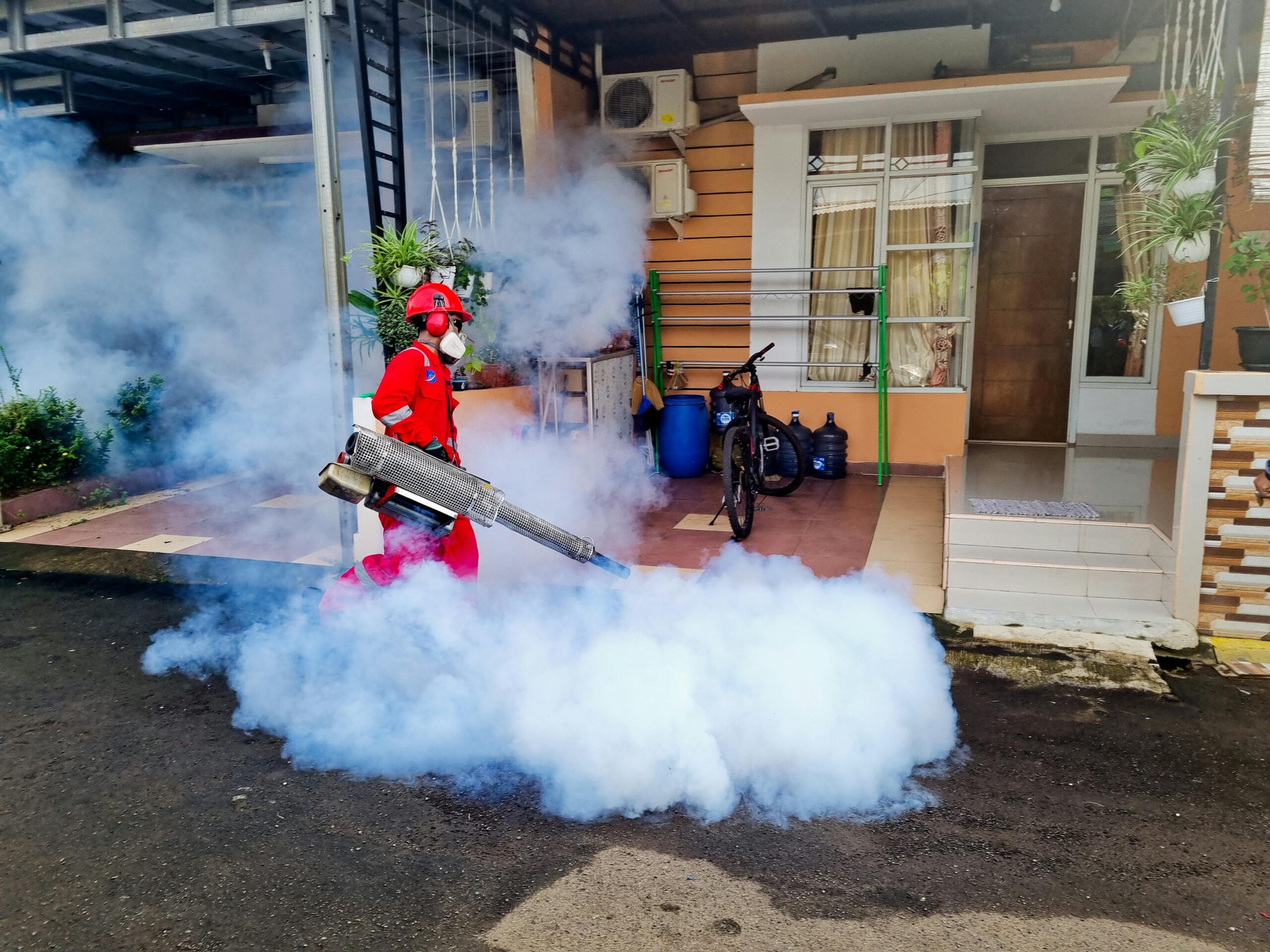
- Liquid barrier sprays – A fine mist is applied around the home’s foundation, entry points, and exterior walls. The chemical barrier repels foraging ants and kills any that cross it.
- Structural fumigation (rare) – In extreme, multi‑family situations where the infestation has penetrated walls and crawl spaces, a controlled gas treatment may be used. For typical residential ant problems, this is seldom required.
2024‑2025 price ranges in Vinings, GA
Based on EPA‑verified data and recent quotes from local competitors, homeowners can expect the following estimates for professional ant control:
| Service | Scope | Price Range |
|---|---|---|
| Basic ant baiting | Placement of 5‑7 bait stations, monitoring for 2 weeks | $120 – $180 |
| Comprehensive interior/exterior treatment | Barrier spray around foundation, interior crack treatment, plus baiting | $200 – $350 |
Cost‑benefit analysis: professional vs. DIY
DIY sprays and store‑bought baits often appear cheaper at first glance—sometimes under $50. However, they typically address only the visible foragers and leave the hidden queen untouched. Homeowners may find themselves re‑treating every few weeks, which adds up quickly.
In contrast, a professional service creates a long‑term barrier. The initial investment of $200‑$350 covers:
- Expert identification of the specific ant species, ensuring the right product is used.
- Application of a residual barrier that protects for 6‑12 months.
- Follow‑up monitoring visits that catch any resurgence before it becomes a full‑blown infestation.
When you factor in the time saved, the peace of mind of a certified technician, and the reduced likelihood of property damage from ant activity, the professional route often delivers a higher return on investment.

DIY Prevention Steps and When to Call a Pro
Keeping ants at bay starts with simple habits you can handle yourself, but knowing when the problem outgrows those tactics saves you time, money, and potential damage.
Three effective DIY steps
- Place store‑bought bait stations. Position them along ant trails, near entry points, and under appliances; replace them every two weeks to maintain a steady poison line.
- Maintain rigorous sanitation. Sweep crumbs, mop spills, and store food in sealed containers. Regularly empty trash cans and keep pet dishes clean to eliminate the sugary attractants ants love.
- Seal all potential entry points. Use caulk or weather‑stripping on cracks around windows, doors, baseboards, and utility penetrations. Even a millimeter‑wide gap can become a highway for a colony.
Limits of DIY
If you count more than 50 workers for a single trail, notice multiple colonies, or see any sign of structural damage such as wood erosion or plaster cracking, it’s time to call a professional. Those indicators mean the colony has established a deep nest that bait alone cannot eradicate.
Quick decision flowchart
Use this three‑step mental flowchart before you decide:
- Are ants visible only on kitchen surfaces and no damage present? Yes → Try the DIY steps above.
- Do you see ant activity in multiple rooms, or more than 50 workers on a single line? Yes → Schedule a professional inspection.
- Is there any wood softening, plaster crumbling, or moisture problems? Yes → Call a pro immediately; structural issues require expert treatment.
Following the DIY routine can keep minor invasions under control, but when the thresholds above are met, Anthem Pest Control’s trained technicians will quickly locate the nest, apply targeted treatments, and protect your home from future infestations.
Quick Answers to Common Ant Questions
Below are the most‑asked questions from Vinings homeowners and our quick, science‑backed answers.
How long does treatment last?
For baiting programs, you can expect residual activity for about 4–6 weeks, while barrier sprays typically protect for up to 12 weeks. Both timeframes follow the EPA’s recommended label durations for residential ant products.
Are the chemicals safe for pets and children?
EPA‑registered ant products are formulated to be low‑toxicity when applied exactly as the label directs. Keeping children and pets away from treated areas until the product dries, and ventilating indoor spaces, further minimizes any risk. Always read the safety instructions on the label before the service begins.
Will ants return after treatment?
A well‑executed treatment combined with a follow‑up inspection cuts the chance of re‑infestation to under 10 %, according to data from the National Pest Management Association (NPMA). Ongoing prevention—such as sealing entry points and removing food sources—keeps colonies from rebuilding. For additional health guidance, see the CDC on household pest safety.
Even with the best preventive steps, a hidden colony can survive a standard application. If you still spot ant trails after the guaranteed protection window, schedule a re‑inspection with a licensed technician. A targeted follow‑up can identify missed nests and adjust the treatment plan, ensuring long‑term peace of mind.
Protect Your Home with Anthem Pest Control Today
Early detection is your first line of defense. Spotting the common ant species in Vinings—whether it’s the tiny odorous house ant or the aggressive carpenter ant—allows you to act before the colony spreads. Once you notice trails, foraging activity, or structural damage, move quickly. A prompt, professional response not only stops the current infestation but also prevents future colonies from taking root.
Choosing a vetted local pro like Anthem Pest Control gives you peace of mind. Our technicians know the regional ant behavior, use safe, EPA‑approved products, and tailor a treatment plan that fits your home’s layout and budget. We pride ourselves on transparent pricing, so you’ll know exactly what each step costs before any work begins.
Soft CTA: If you suspect an ant problem, let Anthem’s experienced technicians assess your home and provide a free, no‑obligation quote.
Call us today at 877‑371‑8196. Share this guide with neighbors in Vinings so the whole community stays protected. A quick call can save you weeks of frustration and protect your family’s health.
Ready to get started? Visit Anthem Pest Control now.