Emergency Gnat Swarms in Smyrna – Why Immediate Action Matters

Imagine you’re firing up the grill for a family barbecue, the sun is warm, and suddenly a cloud of gnats descends on the patio like a living fog. Within minutes the air is thick with buzzing insects, guests start swatting, and the festive mood evaporates. That’s the kind of surprise that turns a pleasant evening into an emergency.
Beyond the annoyance, gnats can bite, leaving itchy welts that may trigger allergic reactions in sensitive individuals. Their constant presence also forces you to keep doors and windows shut, reducing ventilation and raising indoor humidity—perfect conditions for mold to develop on walls, decks, and outdoor furniture.
Smyrna’s subtropical climate is a breeding ground for these pests. Warm, humid days followed by a spell of rain create stagnant water in birdbaths, clogged gutters, and damp soil—exactly what gnat larvae need to thrive. Recent weather patterns have shown above‑average rainfall, meaning the next swarm could be just around the corner if you don’t act fast.
That’s why immediate action isn’t a luxury; it’s a necessity. The longer a swarm lingers, the deeper the larvae embed themselves in your yard’s moisture pockets, making eradication more costly and time‑consuming. Prompt treatment stops the cycle before it spreads to your home’s interior.
In the sections that follow, we’ll walk you through the essential steps: identifying the source, eliminating standing water, applying targeted treatments, and setting up a prevention plan that keeps Smyrna’s gnats at bay all year long. With the right moves, you’ll reclaim your outdoor space and enjoy peace of mind.
Health Risks and Property Damage – Why Speed Is Critical
When gnats invade your home, the annoyance escalates into a genuine health and property concern. These tiny flies reproduce fast, and each generation can introduce new risks that affect both your family’s well‑being and the integrity of your house.
Allergic reactions and skin irritation
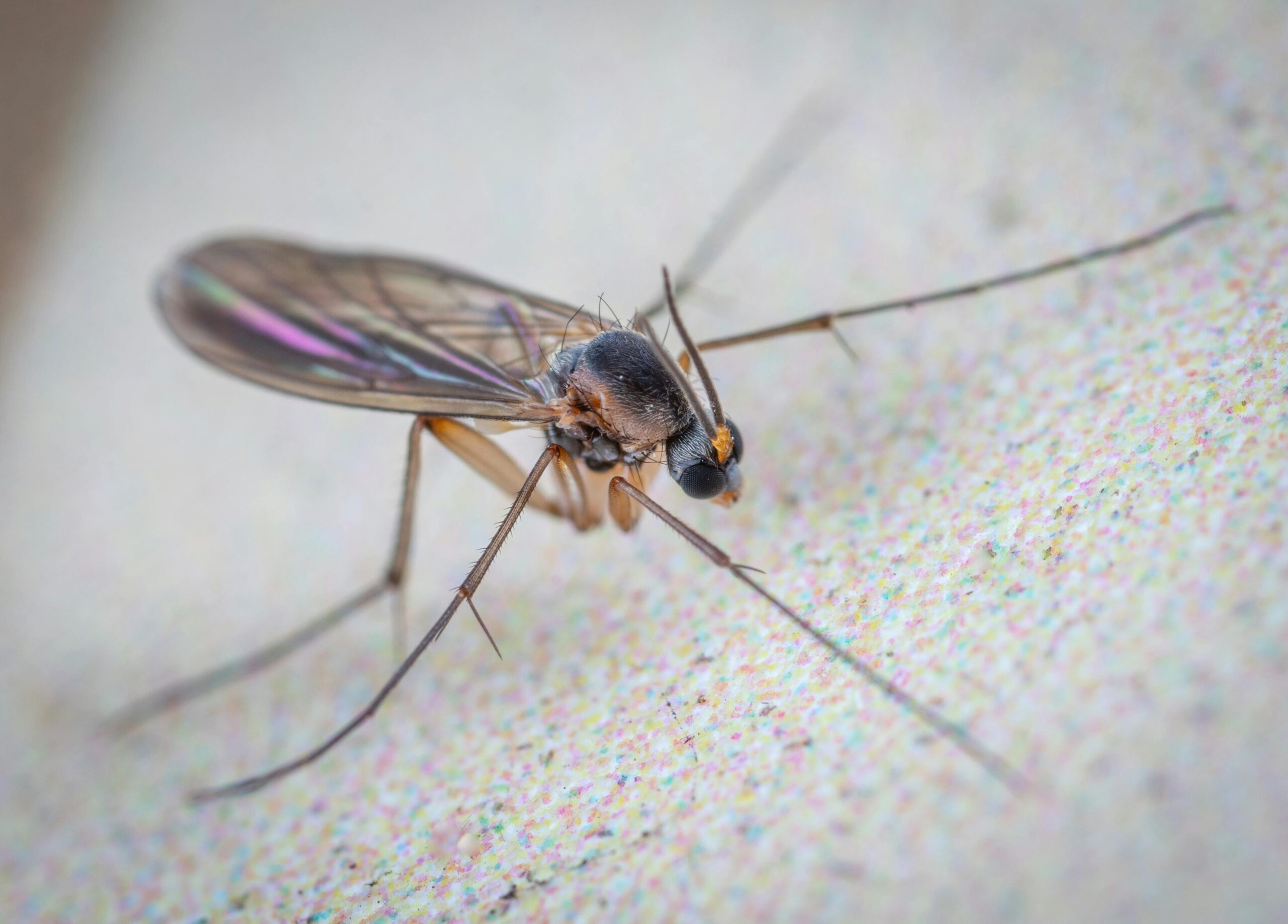
Many species of biting midges, often lumped together with gnats, bite to obtain blood. Their saliva contains proteins that trigger allergic reactions, itching, and even painful welts. In rare cases, the bites can transmit viruses such as the Oropouche virus, a concern highlighted by the CDC. While the virus is uncommon in Georgia, the CDC’s warning underscores that a seemingly harmless swarm can carry serious health implications.
Hidden moisture and mold growth
Gnats are drawn to damp environments—think leaky pipes, over‑watered plants, or condensation on windows. Their presence is often the first sign of excess moisture lurking behind walls or under floors. That moisture creates a perfect breeding ground for mold, which can spread spores throughout your living spaces, aggravating asthma, allergies, and other respiratory issues. Ignoring a gnat surge therefore means ignoring a potential mold outbreak.
Seasonal peak in Smyrna
In Smyrna, the gnat population spikes from late June through August. A calendar graphic placed to the right of this paragraph illustrates the peak weeks, helping homeowners visualize the narrow window when rapid action is most crucial.
Quick fact: “Every inch of standing water can become a breeding ground for hundreds of gnats per day.”
Because gnats multiply exponentially, a delay of even a few days can turn a manageable nuisance into a full‑blown infestation that threatens health and property. Prompt identification of moisture sources, immediate removal of standing water, and professional treatment are the fastest ways to protect your home during the summer surge.
DIY First‑Response Steps Homeowners Can Implement Now
When gnats start buzzing around your kitchen or patio, the instinct is to wait for a professional. While you’re on the phone with Anthem Pest Control, there are a few quick actions you can take that often knock the infestation down to a manageable level. These steps are meant to buy you time—they’re not a substitute for a thorough, licensed treatment, but they can dramatically reduce the nuisance in the next 24‑48 hours.
1. Eliminate Standing Water
Gnats need moisture to breed, so the first line of defense is to cut off their water source. Walk through your home and yard, checking the following:
- Birdbaths and pet water dishes – empty, scrub, and refill with fresh water daily.
- Clogged gutters and downspouts – clear debris so rainwater drains properly.
- Plant saucers and indoor pot trays – pour out excess water and consider a layer of sand to absorb moisture.
- Leaky pipes or faucet drips – repair promptly; even a slow drip creates a breeding hotspot.
By removing these reservoirs, you deprive adult gnats of a place to lay eggs, which can halt a new generation before it even starts.
2. Set Up DIY Traps
Traps work by luring adult gnats away from your living spaces and capturing them. Two of the most effective, low‑cost options are:
- Vinegar‑water bucket trap – Fill a clean 5‑gallon bucket about one‑third full with a mixture of apple cider vinegar, a few drops of dish soap, and a splash of sugar. Place a funnel or a piece of perforated plastic at the top so gnats can enter but can’t escape. Position the bucket in a high‑traffic area such as near the kitchen sink or trash can.
- UV‑light trap – Commercial UV traps are inexpensive and can be hung near doors, windows, or other entry points. The light attracts gnats, and a built‑in adhesive board captures them.
According to a study by UGA Extension, a 5‑gallon bucket trap reduced indoor gnat numbers by 70 % within 48 hours, making it a reliable short‑term solution while you wait for professional treatment.
3. Apply Natural Repellents
If you prefer a chemical‑free approach, essential‑oil sprays and diatomaceous earth can create a hostile environment for gnats.
- Essential‑oil spray – Combine 10 drops of peppermint oil, 10 drops of eucalyptus oil, and 2 cups of water in a spray bottle. Add a teaspoon of witch hazel or vodka to help the oils disperse. Lightly mist countertops, window sills, and any area where gnats congregate. The strong scent repels the insects without harming pets or children.
- Diatomaceous earth (DE) – Sprinkle a thin line of food‑grade DE around doorways, baseboards, and the perimeter of indoor plant pots. The microscopic silica particles abrade the gnat’s exoskeleton, causing dehydration. Reapply after cleaning or if the area becomes damp.
Temporary measure disclaimer: These DIY actions are designed to give you immediate relief, but they do not address the underlying source of a severe infestation. For lasting control and to ensure the problem doesn’t return, schedule a professional assessment with Anthem Pest Control. Our licensed technicians can pinpoint breeding sites, apply targeted treatments, and set up a preventive plan tailored to Smyrna’s climate.
Anthem Pest’s Rapid‑Response Professional Treatments

When gnats turn a quiet evening into an irritating swarm, you need a solution that arrives fast and works even faster. Anthem Pest’s emergency response team is on call 24/7 in Smyrna, Georgia, ready to assess the infestation, choose the most effective method, and execute a treatment while keeping your family’s safety front‑and‑center. Whether you prefer a quick chemical knock‑down or a low‑impact, environmentally friendly approach, our technicians have the tools and expertise to restore comfort to your home within hours.
Chemical Options
Our EPA‑registered chemical arsenal focuses on speed and residual control. The primary spray is a pyrethrin‑based formulation that attacks adult gnats on contact, providing immediate relief. For lingering breeding sites, we apply spinosad granules—an insect‑specific biopesticide that disrupts the nervous system of larvae without harming beneficial insects when used as directed. Both products meet strict safety standards, but we always take extra precautions around pets and children: technicians wear protective gear, limit drift, and advise homeowners to keep kids and animals out of treated zones for at least two hours.
Non‑Chemical Options
Homeowners who favor a chemical‑free strategy can opt for our UV‑light gnat traps. These devices lure gnats with a bright ultraviolet source and capture them on a sticky surface, reducing adult populations without any residue. For the most stubborn breeding hotspots—often damp soil, compost piles, or standing water—we deploy Bacillus thuringiensis israelensis (Bti) larvicides. Bti is a naturally occurring bacterium that releases toxins lethal only to mosquito and gnat larvae, leaving mammals, birds, and beneficial insects unharmed. This biological control works best when paired with source reduction, such as fixing leaks or clearing organic debris.
Transparent Pricing
- Same‑day emergency visit: $150‑$300, depending on the square footage and severity of the infestation.
- Full treatment package: $400‑$600, which includes a thorough inspection, interior and exterior applications, and a six‑month follow‑up schedule to keep gnats at bay.
All rates reflect the 2025 pricing structure and are verified on the Anthem Pest pricing page. We believe in upfront costs—no hidden fees, no surprise add‑ons. If the infestation spreads beyond the initially quoted area, we’ll discuss any adjustments before proceeding.
Warranty & Follow‑Up Protocol
Every emergency treatment comes with a 30‑day satisfaction guarantee. If gnats reappear within that window, we’ll return at no extra charge to re‑treat the affected zones. Our post‑treatment protocol includes a 24‑hour check‑in call to confirm immediate results and address any concerns. Beyond that, we schedule quarterly reassessments for the next six months, during which we’ll inspect for new breeding sites, replace traps, and apply booster treatments if needed. This systematic follow‑up ensures that a one‑time fix doesn’t become a recurring nightmare.
Choosing a Local Smyrna Expert You Can Trust
When a gnat invasion strikes at night, the last thing you want is to wait for business hours. Anthem Pest’s 24/7 emergency line (877‑371‑8196) connects you instantly with a dispatch team that prioritizes Smyrna homeowners. Our technicians are on call around the clock, so you never have to live with a buzzing nuisance.
Locally Licensed Technicians Who Know Your Neighborhood
Every technician on our crew holds a Georgia pest‑control license and has spent years servicing the specific micro‑climates of Smyrna’s surrounding areas—Vinings, East Cobb, and the Marietta border. That familiarity means they understand how local vegetation, water features, and housing styles attract gnats, allowing them to target treatments precisely where the insects breed.
“Within 24 hours the gnat swarm disappeared – 90 % reduction – thanks to Anthem’s quick response.”
Backed by the National Pest Management Association
Anthem Pest is a proud member of the National Pest Management Association (NPMA). This affiliation obligates us to follow the industry’s most rigorous safety protocols, pesticide handling standards, and continuing‑education requirements. In practice, it translates to treatments that are both effective against gnats and safe for your family, pets, and the environment.
Our commitment to transparency shines through our pricing and service guarantees. Before any work begins, you receive a clear, itemized estimate and a written plan that outlines follow‑up visits, so there are no surprise fees after the job is done.
We also provide a service‑radius map on our website that outlines the exact boundaries of our coverage in Smyrna and the adjacent communities. This map helps you verify that you’re within our rapid‑response zone, ensuring you get the same‑day assistance that our neighbors rely on.
Choosing Anthem Pest means partnering with a locally rooted, nationally recognized team that treats every gnat problem as if it were in their own home.
Long‑Term Prevention – Keeping Gnats Out After the Emergency
When the immediate gnat infestation has been cleared, the real work begins: turning your property into an environment where gnats simply cannot thrive. By combining smart landscaping, a regular inspection routine, and a few disciplined habits at home, you can keep future outbreaks at bay without constant chemical treatments.
Landscaping fixes that starve gnats
Gnats need moist, decaying organic matter to lay their eggs. Small oversights in yard design often create perfect breeding grounds right under your feet. Address these issues now, and you’ll remove the food source that fuels the next generation.
- Proper grading: Ensure the ground slopes away from the foundation at a minimum of 2% (about a ¼‑inch per foot) so water doesn’t pool near the house.
- Drainage swales: Install shallow, grassy channels to redirect runoff from garden beds and patios to a drainage system or rain garden.
- Replace decaying mulch: Remove old, compacted mulch that has turned to mush and replace it with fresh, coarse wood chips that dry quickly.
- Eliminate standing water: Clear bird baths, pet water dishes, and plant saucers each evening during humid months.
Quarterly inspection schedule
Seasonal changes affect gnat activity, so a four‑visit plan lets a professional catch problems before they explode. Each quarterly visit includes a focused assessment and targeted treatment if needed.
- Spring: Check for new moisture accumulation in flower beds, inspect gutters for early leaf buildup, and treat any emerging breeding sites.
- Summer: Verify that irrigation systems are not over‑watering, monitor high‑humidity zones, and apply preventative barriers around outdoor lighting.
- Fall: Clean gutters and downspouts, remove fallen leaves that can retain moisture, and seal any cracks that appeared during summer heat.
- Winter: Inspect indoor humidity levels, ensure indoor plumbing leaks are fixed, and reinforce exterior sealing before thaw cycles begin.
Homeowner checklist for a gnat‑free home
Even the best professional service works best when homeowners stay vigilant. Use this quick checklist to keep gnats from finding a foothold inside.
- Monitor indoor humidity; keep levels below 60 % with a dehumidifier if needed.
- Repair leaky faucets, pipes, and roof penetrations promptly.
- Clean gutters and downspouts at least twice a year to prevent water stagnation.
- Store kitchen scraps, compost, and pet waste in sealed containers; avoid leaving organic matter in open bins.
- Maintain proper ventilation in bathrooms, laundry rooms, and basements to discourage dampness.
For a deeper dive into indoor‑air‑quality best practices, see the EPA’s guide on gnats: EPA – Gnats.
Verified Sources and Further Reading
When you’re tackling a sudden gnat invasion, it helps to know the science and guidelines behind the recommendations we share. Below are the trusted resources we
Take Action for a Gnat‑Free Home Today
Gnat infestations can turn a pleasant evening into a nonstop swat‑and‑scratch scenario within hours. When the tiny insects multiply, waiting even a day can mean deeper nesting, stronger odors, and increased health risks. That’s why swift, professional intervention is essential.
Anthem Pest’s rapid‑response team in Smyrna is on call 24/7, arriving within hours to assess and treat the source. Our transparent pricing means you’ll know exactly what’s covered, and our local expertise guarantees solutions that work for Georgia’s climate.
When gnats threaten your comfort, let our certified technicians handle the problem quickly and safely, giving you peace of mind without the hassle.
Our treatment plan includes an inspection, indoor and outdoor applications, and a visit to ensure the infestation stays eliminated. We use products that protect your family and pets while eradicating the gnats for good.
Call 877‑371‑8196 now for a same‑day emergency appointment or request a free quote online. Visit Anthem Pest Control and restore a gnat‑free home today.