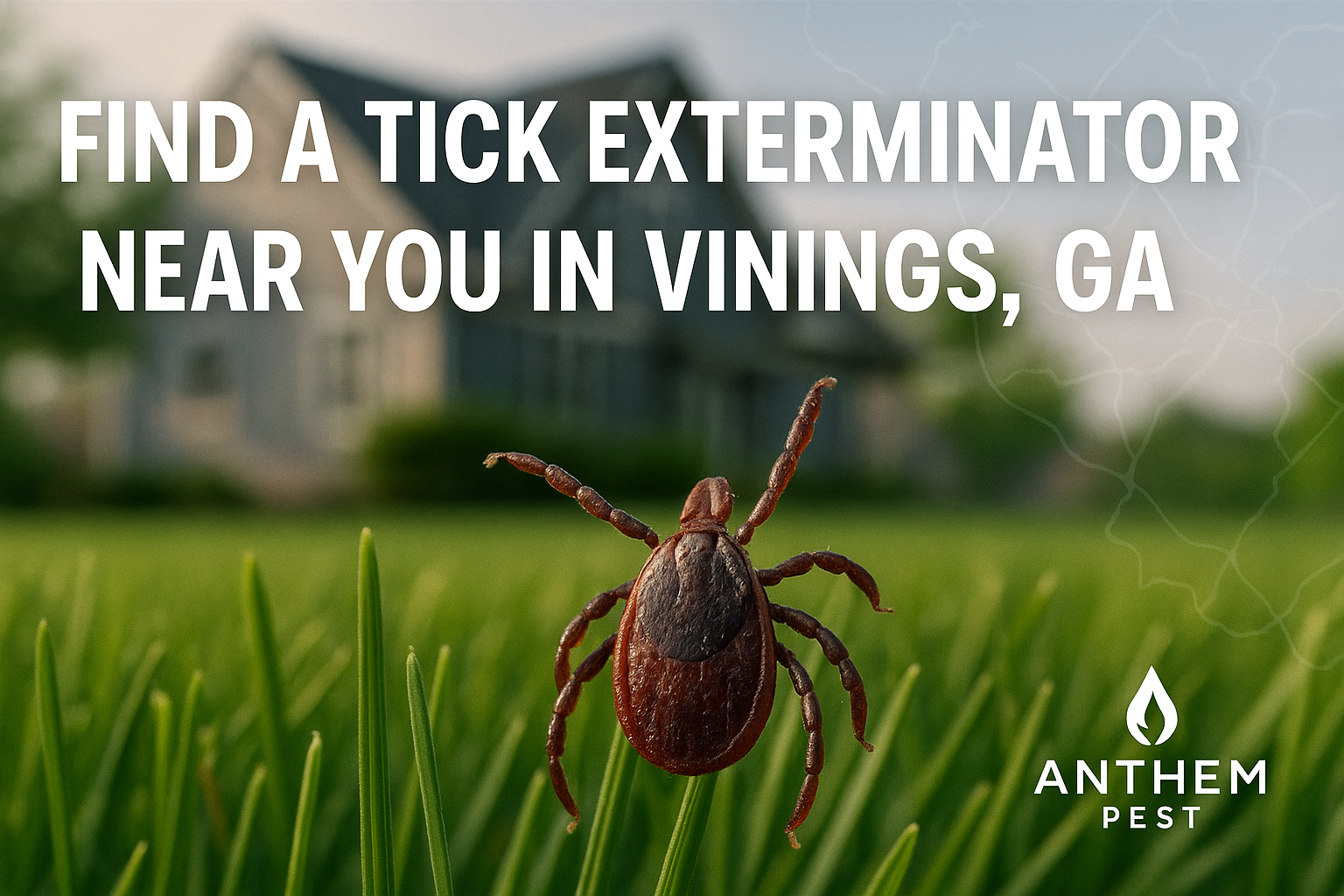
Why Ticks Are a Growing Concern in Vinings, GA
Each year Georgia reports more than 30,000 cases of tick‑borne illness, according to the 2024 CDC data. The surge isn’t random; climate warming and longer outdoor seasons have expanded tick activity from early spring into late fall. That number translates to roughly one in every 350 residents facing illnesses such as Lyme disease, Rocky Mountain spotted fever, or ehrlichiosis. In Vinings’ suburban landscape, those statistics become personal, because the very places we enjoy—our backyards, local parks, and river trails—are prime hunting grounds for ticks.
Vinings sits along the Chattahoochee River, bordered by heavily wooded parks like the Chattahoochee River National Recreation Area and a network of mature oak‑and‑hickory trees. The combination of leaf litter, humid riverbanks, and manicured lawns creates a micro‑climate where nymph and adult ticks thrive. These green corridors also attract deer and small mammals, which serve as primary hosts for adult ticks, further amplifying the local tick population. Even well‑kept gardens can harbor ticks when leaf debris accumulates under shrubbery or along fence lines.
The health risk extends beyond the occasional bite. Families with children, pet owners, and outdoor workers are especially vulnerable. Children often play in grass or climb trees, while dogs and cats roam the same underbrush, bringing ticks directly into the home. Once attached, ticks can transmit pathogens within 24‑48 hours, making early detection crucial.
That’s why this guide exists: to give Vinings homeowners a clear roadmap for finding a qualified tick exterminator, comparing treatment options—such as perimeter sprays, targeted spot‑treatments, and pet‑safe products—and understanding the typical cost structure. We also cover preventive habits you can adopt now, from landscaping tweaks to regular yard inspections, so you can reduce tick pressure before the season peaks.
In the sections that follow, you’ll learn how to identify tick‑infested zones in your property, what questions to ask a pest‑control professional, how to evaluate integrated pest‑management plans, and which local regulations affect pesticide use. Armed with this information, you’ll be able to protect your family, your pets, and your peace of mind without guessing.
Tick Risks Specific to Vinings, GA
Vinings’ leafy streets, mature oak canopies, and nearby creeks create a perfect backdrop for ticks. Understanding which species are most common, when they’re most active, and how they affect everyday life helps homeowners take proactive steps before a bite turns into a medical visit.

Common Tick Species in Vinings
- Black‑legged (deer) tick (Ixodes scapularis) – the primary carrier of Lyme disease and other Borrelia infections.
- Lone Star tick (Amblyomma americanum) – known for causing a painful “bullseye” rash and the mysterious “alpha‑gal” meat allergy.
- American dog tick (Dermacentor variabilis) – often linked to Rocky Mountain spotted fever and canine infestations.
When Ticks Are Most Active
In Vinings, tick activity follows a predictable seasonal curve:
- Early Spring (March‑April): Nymphs of the black‑legged tick emerge, seeking a blood meal after overwintering.
- Peak Season (May‑July): All three species reach their highest questing rates. Warm, humid days drive ticks onto trails, lawns, and porch railings.
- Late Fall (October‑November): Adult ticks resume activity before the first hard frost, especially in shaded, leaf‑laden areas.
Local Data Backed by EPA
The EPA’s 2023 regional tick survey confirms that suburban Georgia—Vinings included—reports the highest concentrations of black‑legged and lone‑star ticks in the Southeast United States. The study highlighted that neighborhoods with dense canopy cover and fragmented green spaces saw a 27 % increase in tick encounters compared with open‑field suburbs.
Real‑World Impact: A Cumberland Neighborhood Story
Last summer, a family in the Cumberland subdivision discovered a tiny, red bump on their 7‑year‑old’s ankle after a weekend hike in a nearby park. Within days, the child developed the classic “bullseye” rash associated with Lyme disease. A local physician confirmed the diagnosis, linking it to a black‑legged tick bite. The incident sparked a neighborhood meeting, where residents demanded a coordinated tick‑control plan and better education on early‑detection signs.
Why Vinings’ Micro‑Climates Favor These Ticks
Vinings sits at the edge of the Chattahoochee River floodplain, where moisture levels stay elevated even during dry spells. Small pockets of shade—under maple, oak, and dogwood trees—retain humidity, creating ideal micro‑habitats for tick larvae and nymphs. Additionally, the mix of residential yards, wildlife corridors, and occasional deer traffic supplies a steady supply of host animals. These conditions allow ticks to complete their life cycle faster than in drier, more uniform neighborhoods.
For homeowners, the takeaway is clear: regular yard maintenance, targeted perimeter treatments, and prompt tick checks after outdoor activities are essential defenses against the species thriving in Vinings’ unique environment.
Anthem Pest’s Tick Treatment Options
When it comes to protecting your Vinings yard and home from ticks, Anthem Pest combines science‑backed products with a homeowner‑first approach. Their three core services cover every stage of a tick’s life cycle, while strict safety protocols and transparent pricing keep you in control of both health risks and your budget.
One‑time Outdoor Treatment
This service focuses on a perimeter spray that creates a protective barrier around your property. Technicians apply EPA‑registered acaricides—chemicals proven to knock down tick populations—along sidewalks, driveways, and the outer edges of lawns. The treatment covers up to 1,500 sq ft per visit, making it ideal for average residential lots or for homeowners who need a quick, effective knock‑down before a weekend gathering.
Seasonal Yard Maintenance
Ticks thrive in a predictable rhythm: eggs hatch in spring, nymphs peak in early summer, and adults dominate late summer into fall. Anthem’s quarterly applications are timed to intersect each of these life‑cycle stages. By treating your yard four times a year, the program reduces the chance of a new generation establishing itself, delivering long‑term suppression without the need for repeated one‑off sprays.
Indoor/Perimeter Integrated Pest Management (IPM)
IPM blends chemical and non‑chemical tactics for a holistic defense. Anthem’s barrier treatments use low‑toxicity, pet‑safe products that create a shield both inside the house and around the exterior foundation. In addition, technicians advise on habitat modification—trimming overgrown vegetation, removing leaf litter, and managing wildlife attractants—to eliminate the micro‑environments where ticks hide and breed. The result is a sustainable, low‑impact solution that protects people, pets, and the surrounding ecosystem.
Safety Measures You Can Trust
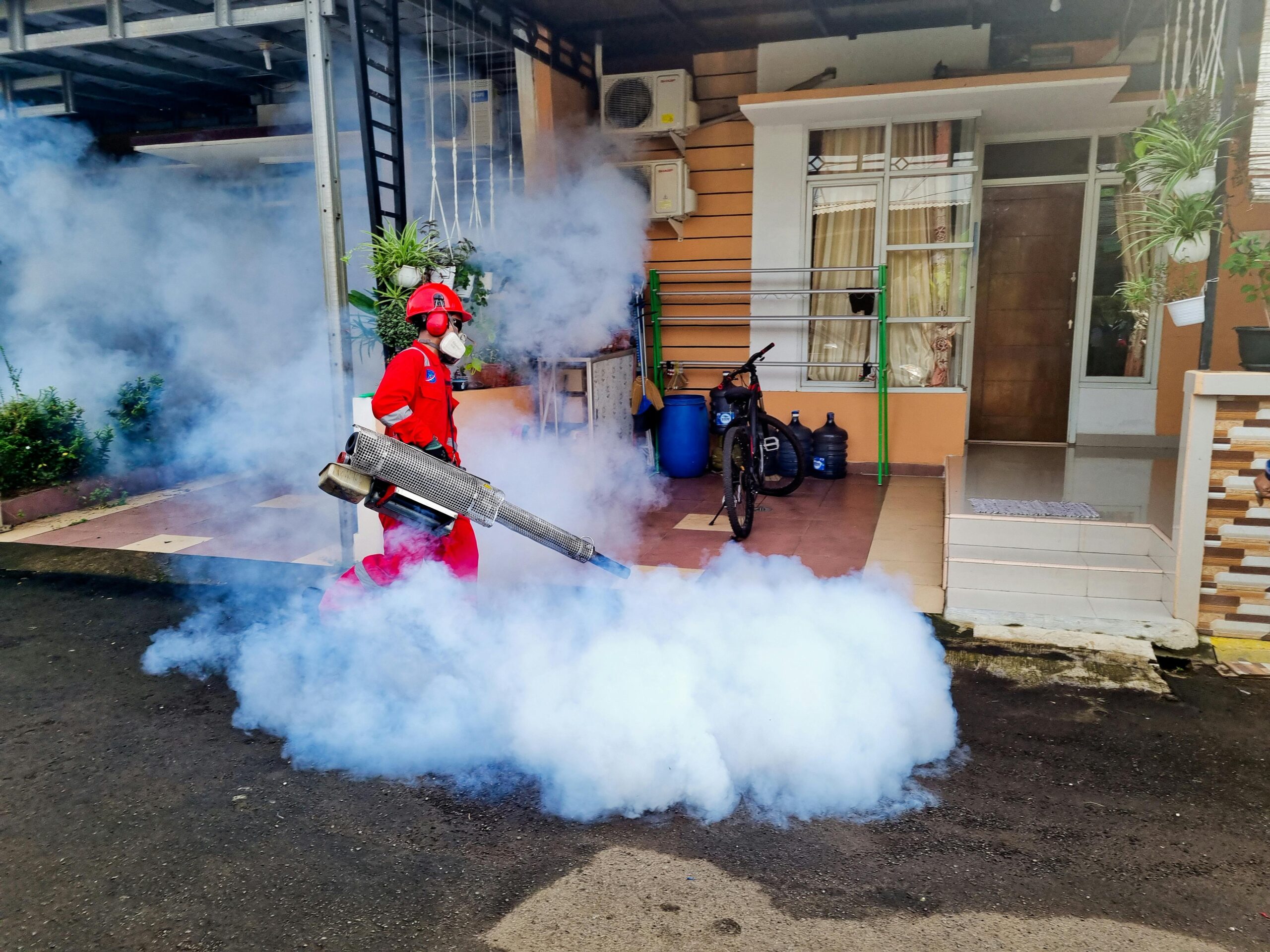
Every Anthem Pest technician follows a safety protocol that starts with EPA‑approved products. Formulations are selected for their efficacy against ticks while posing minimal risk to children and pets. Application methods employ low‑drift sprayers and precise placement to avoid unnecessary exposure. Technicians also wear full personal protective equipment (PPE), including gloves, goggles, and respirators, ensuring that the treatment process is safe for the crew and your family alike.
Transparent Pricing
Anthem Pest believes homeowners should know exactly what they’re paying for. Below is a clear breakdown of the three primary tick services, followed by a side‑by‑side cost comparison with the national average reported in the NPMA 2024 report.
| Service | Price Range |
|---|---|
| One‑time Outdoor Treatment | $149 – $199 |
| Quarterly Yard Maintenance Package | $399 – $499 annually |
| Full‑service Indoor/Perimeter IPM | $599 – $749 per year |
| Service | Anthem Pest Price | National Average |
|---|---|---|
| One‑time Outdoor Treatment | $149 – $199 | $180 – $250 |
| Quarterly Yard Maintenance (4 treatments) | $399 – $499 annually | $720 – $1,000 annually |
| Full‑service IPM (includes indoor barrier) | $599 – $749 per year | $800 – $1,200 per year |
By offering a one‑time option for immediate relief, a seasonal plan for ongoing control, and a comprehensive IPM package for the most vulnerable households, Anthem Pest gives Vinings residents the flexibility to choose the level of protection that fits their lifestyle and budget. All services are backed by EPA‑approved chemistry, rigorous safety standards, and a pricing structure that’s easy to understand—so you can focus on enjoying your yard, not worrying about ticks.
Verifying a Qualified Tick Exterminator
When you’re hunting for a tick exterminator in Vinings, a quick glance at credentials can save you from costly mistakes. Below is a practical checklist you can run through before you hand over the keys to your yard.
1. Required licenses
- Georgia State Pest Control License – Every reputable company must hold a current state‑issued license. Verify the license number on the Georgia Department of Agriculture’s online portal.
- EPA certification – Tick treatments often involve restricted‑use pesticides. An EPA‑certified technician has completed the mandatory training on safe handling and application.
2. Professional affiliations
- National Pest Management Association (NPMA) membership – NPMA members adhere to a code of ethics and stay current with industry best practices.
- Local Chamber of Commerce – A Vinings‑based business that participates in the chamber demonstrates a commitment to the community and local standards.
3. Insurance and bonding
Ask for a copy of the company’s general liability insurance and bonding documents. This protects you if a technician damages property, causes an injury, or if a pest‑control product leaks. A fully insured provider also shows they can cover any unexpected expenses without passing the cost onto you.
4. Evaluating online reviews
Vinings homeowners rely heavily on Google and Yelp to gauge service quality. Look for patterns rather than isolated comments:
- Consistent 4‑star or higher ratings over the past 12 months.
- Specific mentions of tick control, punctuality, and thorough clean‑up.
- Responses from the company addressing concerns – it signals accountability.
5. Anthem Pest’s credentials
Anthem Pest Control checks every box on this list. The company holds a valid Georgia State Pest Control License, is EPA‑certified, and maintains full liability insurance and bonding. Anthem is an active NPMA member and participates in the Vinings Chamber of Commerce, reinforcing its local dedication.
“We called Anthem after discovering ticks in our backyard. The technician arrived on time, explained every step, and the follow‑up inspection showed zero activity. Knowing they’re fully licensed and insured gave us peace of mind.” – Emily R., Vinings, GA
Use this checklist as your first line of defense. A qualified, transparent provider not only eradicates ticks but also safeguards your home and family from future infestations.
Preventive Strategies for Vinings Homeowners
Landscape Management
Ticks thrive in cool, damp micro‑habitats such as tall grass, leaf piles and shaded mulch. In Vinings, keeping the lawn trimmed to 3 inches or less removes the humid refuge ticks need to wait for a host. Regularly rake away fallen leaves and wood debris, especially under decks and near garden beds. Around the foundation of your home, create a 3‑ft perimeter free of mulch, wood chips, or any organic material; replace it with bare soil or a hardscape surface. This “tick‑free zone” forces ticks to the open yard where they are exposed to sunlight and predators, dramatically lowering the chance of an encounter.
Install a physical edge of stone or brick between lawn and wooded areas; this discourages ticks from migrating onto the yard, and limit irrigation to early morning to keep the soil surface dry during peak tick activity.
Pet Protection
Your dogs and cats are the most common tick carriers in a suburban yard. A DEET‑free, permethrin‑treated collar such as Seresto provides continuous protection for up to eight months. Complement the collar with a monthly topical treatment—products like Advantage II or Frontline Plus create a chemical barrier on the skin that kills ticks before they can attach. Even with these tools, a quick grooming check after every outdoor adventure is essential; run your fingers through the fur, especially around the ears, neck, and paws, and remove any attached ticks with tweezers.
If you have a fenced yard, consider deploying tick‑tube stations that treat rodents with fipronil, reducing the overall tick load in the environment.
Personal Protection
When you step outside, treat your skin and clothing before you leave the house. A DEET‑based repellent containing at least 30 % concentration (e.g., Off! FamilyCare) repels ticks for up to 8 hours. For added defense, spray permethrin on long‑sleeve shirts, socks and hiking boots—allow the fabric to dry completely before wearing. Wear light‑colored, tightly‑woven clothing that makes it easier to spot any hitchhikers, and tuck pants into socks or boots to create a physical barrier. After returning indoors, conduct a thorough tick check: examine the scalp, behind ears, under arms, and between toes. Prompt removal within 24 hours prevents disease transmission.
After a day outdoors, launder shirts and socks in hot water; the heat deactivates any stray ticks that may have clung to fabric.
Quick‑Reference Product Table
Below is a quick‑reference table that lists affordable, EPA‑registered options for each protection category.