Why Kennesaw Homeowners Need to Worry About Ticks

Kennesaw’s humid subtropical climate isn’t just great for growing lush lawns and vibrant gardens—it also creates a perfect playground for ticks. Warm summers, mild winters, and abundant leaf litter give these parasites the moisture and shelter they need to thrive. When you combine that with the city’s many wooded parks, riverbanks, and backyard brush piles, you’ve got a recipe for a thriving tick population right outside your front door.
Georgia consistently ranks among the top states for tick‑borne illnesses. According to the Georgia Department of Public Health, more than 1,200 cases of Lyme disease and over 3,500 cases of Rocky Mountain spotted fever have been reported in the past decade. While Kennesaw isn’t the state’s largest city, its proximity to the Chattahoochee River corridor and the Southern Ridge makes it a hotspot for the same pathogens that affect the rest of the state.
These numbers translate into real‑world worries for families. A single bite can lead to fever, rash, joint pain, and in severe cases, long‑term neurological issues. Pets aren’t immune either—dogs often bring ticks into the house, and untreated infestations can cause anemia or transmit diseases like Ehrlichiosis. Even a casual weekend hike can turn into a scramble to check every limb and pet for hidden hitchhikers, turning outdoor fun into a stressful chore.
Common Tick Species in Kennesaw
- American dog tick (Dermacentor variabilis) – Frequently found in grassy areas and known for transmitting Rocky Mountain spotted fever.
- Lone Star tick (Amblyomma americanum) – Recognizable by the lone white spot on the adult female’s back; it can cause severe allergic reactions and transmit ehrlichiosis.
Understanding which ticks you’re likely to encounter helps you choose the right prevention strategy. Regular yard maintenance, proper landscaping, and professional tick control are the most effective ways to keep these pests at bay.
For a deeper dive into regional pest trends and why Kennesaw’s environment is a tick magnet, visit Got‑Bugs Kennesaw pest control. Their data underscores the importance of proactive measures—especially before the tick season peaks in late spring and early summer.
Identifying Ticks and Understanding the Health Risks
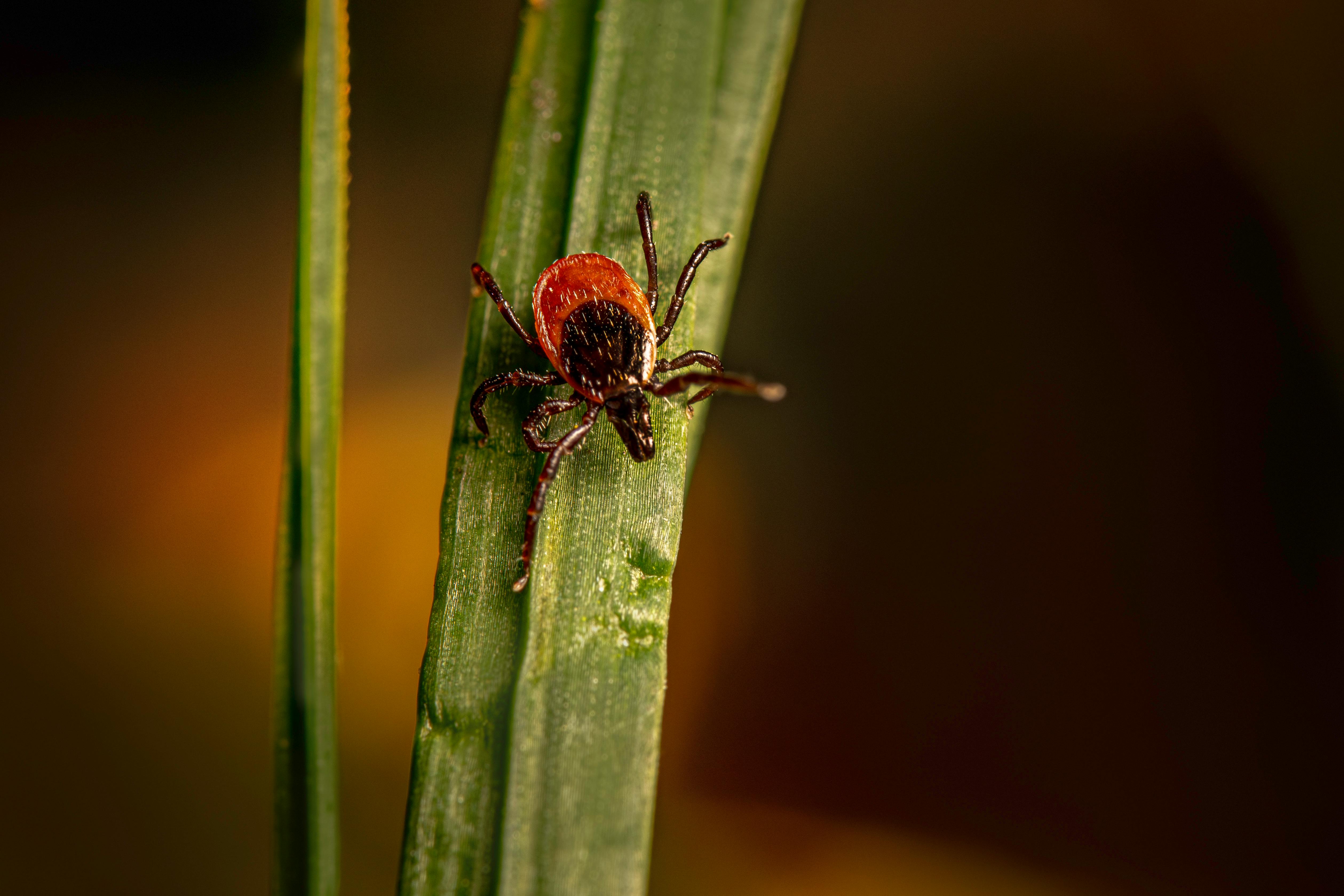
Tick anatomy you can spot in a flash
Ticks are tiny arachnids, but their body parts give away their identity. The head (or capitulum) houses the mouthparts and looks like a small, beak‑shaped shield. The body consists of two sections: the scutum (a hard plate on the back) and the softer abdomen that expands after a blood meal. Finally, eight legs branch out from the front, giving the tick a spider‑like silhouette. When you see a dark, oval shape with a flat back and a tiny “nose,” you’re likely looking at a tick.
How to run a quick “tick check”
After any outdoor activity—whether you’re gardening, hiking, or playing in the yard—perform a systematic tick check:
- Self‑check: Stand in front of a mirror and run your hands over your scalp, behind ears, underarms, waistline, and between the legs.
- Kids: Have them sit while you feel the same areas, especially the neck, behind knees, and the back of the hands.
- Pets: Run your fingers along the head, neck, ears, and between the toes. A flea comb can help spot hidden ticks.
Use a bright flashlight and a fine‑tooth comb for hard‑to‑see spots. If you find a tick, note its location and time of attachment—this information helps medical professionals assess risk.
Castor bean tick vs. other local species
The castor bean tick (Ixodes scapularis) is the most common culprit in Kennesaw. It’s typically black‑brown with a reddish‑orange underside and a distinctly oval scutum. In contrast:
- American dog tick (Dermacentor variabilis) is larger, with a white‑spotted back and a reddish‑brown body.
- Lone star tick (Amblyomma americanum) shows a single white dot on the back of adult females.
Spotting these visual cues lets you estimate which diseases might be in play.
Diseases each tick can transmit
Not all ticks carry the same pathogens. Below is a quick reference for the most common illnesses in north‑central Georgia:
| Tick Species | Key Disease(s) | Typical Symptoms |
|---|---|---|
| Castor bean tick (I. scapularis) | Lyme disease, Anaplasmosis, Babesiosis | Fever, fatigue, joint pain, rash (bull’s‑eye), chills |
| American dog tick (D. variabilis) | Rocky Mountain spotted fever, Tularemia | High fever, headache, rash, muscle aches |
| Lone star tick (A. americanum) | Ehrlichiosis, Southern tick‑associated rash illness | Fever, fatigue, rash, swollen lymph nodes |
First‑aid steps when you find a tick
Act fast, but stay calm. Follow these steps:
- Use fine‑tipped tweezers to grasp the tick as close to the skin’s surface as possible.
- Pull upward with steady, even pressure—don’t twist or crush the body.
- After removal, clean the bite area with rubbing alcohol, iodine, or soap and water.
- Place the tick in a sealed container (or tape it to a piece of paper) in case identification is needed later.
- Monitor the bite site for a red rash or flu‑like symptoms for up to 30 days. If any signs appear, seek medical attention promptly.
For a detailed cost breakdown of professional tick removal and follow‑up treatment, see the Orkin tick‑treatment cost guide. Knowing the price helps you weigh DIY removal against a licensed service, especially when multiple ticks or high‑risk species are involved.
When Are Ticks Most Active in Georgia?
Understanding when ticks are most active helps you time treatments for maximum impact. In Georgia, tick activity isn’t random—it follows a predictable pattern driven by temperature, humidity, and the availability of host animals such as deer, rodents, and even your family’s pets.
What Drives Tick Activity
Ticks are cold‑blooded arthropods, so they become most active when the environment is warm and moist. Temperatures between 65°F and 85°F accelerate their development from egg to larva, nymph, and adult stages. High humidity (above 80%) prevents them from drying out while they quest on vegetation, waiting for a host to brush past. When these conditions align and hosts are abundant—think spring bird migrations and the summer surge of deer—tick populations explode.
Seasonal Activity at a Glance
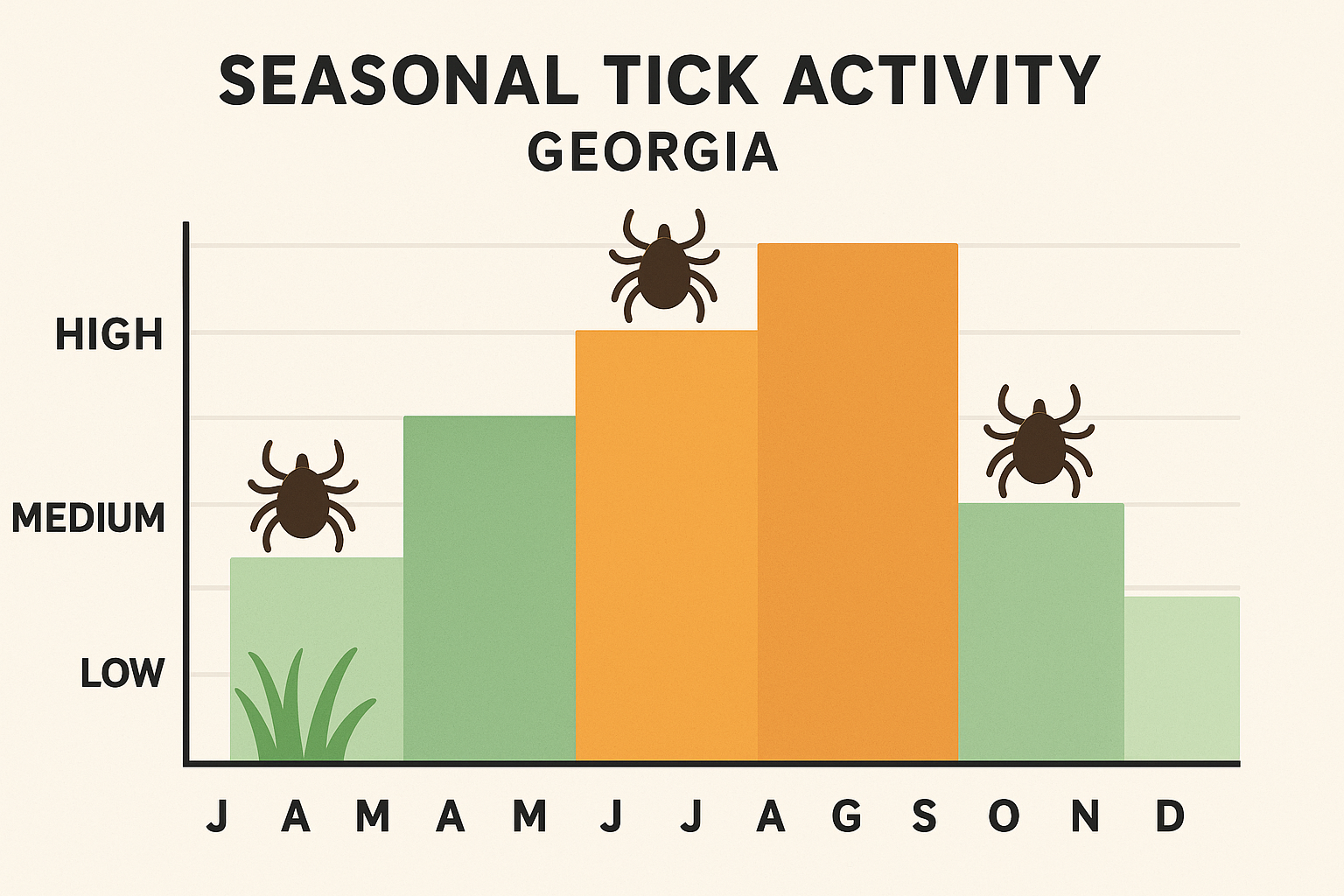
| Month | Activity Level |
|---|---|
| January – February | Low |
| March – April | Medium |
| May – July | High |
| August – September | Medium |
| October – December | Low |
Best Times for Treatment
To stay ahead of the peak, schedule a professional tick treatment early in May—right before the high‑activity window opens. A follow‑up in late July helps catch any late‑season nymphs that escaped the first round. If you prefer a DIY approach, apply a tick‑control barrier in early May and repeat in early August.
Yard Maintenance Tips
- Mow regularly: Keeping grass at 3‑4 inches reduces the humid micro‑climate ticks love.
- Remove leaf litter and tall weeds: These create shelter for rodents, the primary hosts for immature ticks.
- Install barrier plants: Drought‑tolerant shrubs such as lavender or rosemary can act as a natural deterrent when planted along property edges.
- Trim vegetation: Create a 3‑foot buffer between wooded areas and play zones to limit tick migration.
For a broader view of seasonal pest pressures in Kennesaw, check out the local resources offered by Mosquito Joe Kennesaw. Their calendar highlights when mosquitoes, ticks, and other pests are most prevalent, helping you coordinate a comprehensive outdoor‑pest strategy.
Tick Control Options and Pricing for Kennesaw Residents
When it comes to protecting your yard from ticks, Anthem Pest offers three distinct service models that fit different budgets and lifestyles. Understanding how each works—and what you’ll actually pay—helps you choose the right level of protection without surprise fees.
One‑Time Chemical Barrier
This option involves a single, thorough application of a EPA‑approved tick pesticide around the perimeter of your property. It’s ideal if you need immediate relief for a short‑term event, such as a weekend barbecue or a family visit.
- Pros: Low upfront cost, quick results, no long‑term commitment.
- Cons: Protection typically lasts 4‑6 weeks, so you’ll need re‑applications if ticks return later in the season.
Monthly Subscription Plan
Our subscription spreads the cost of continuous protection over 12 months. Each month we treat your yard, conduct a quarterly inspection, and adjust the barrier as needed. This model is perfect for homeowners who want “set‑and‑forget” peace of mind.
- Pros: Consistent, year‑round defense; quarterly inspections catch early infestations; budget‑friendly monthly billing.
- Cons: Higher total cost over a year compared to a single treatment, though the value of uninterrupted coverage often outweighs the expense.
Per‑Treatment “As‑Needed” Service
For those who prefer flexibility, we offer spot treatments whenever you notice tick activity. You call, we schedule, and you pay per visit.
- Pros: No recurring fees; you only pay when you truly need it.
- Cons: Costs can add up quickly if infestations become frequent; no scheduled inspections mean you might miss early signs.
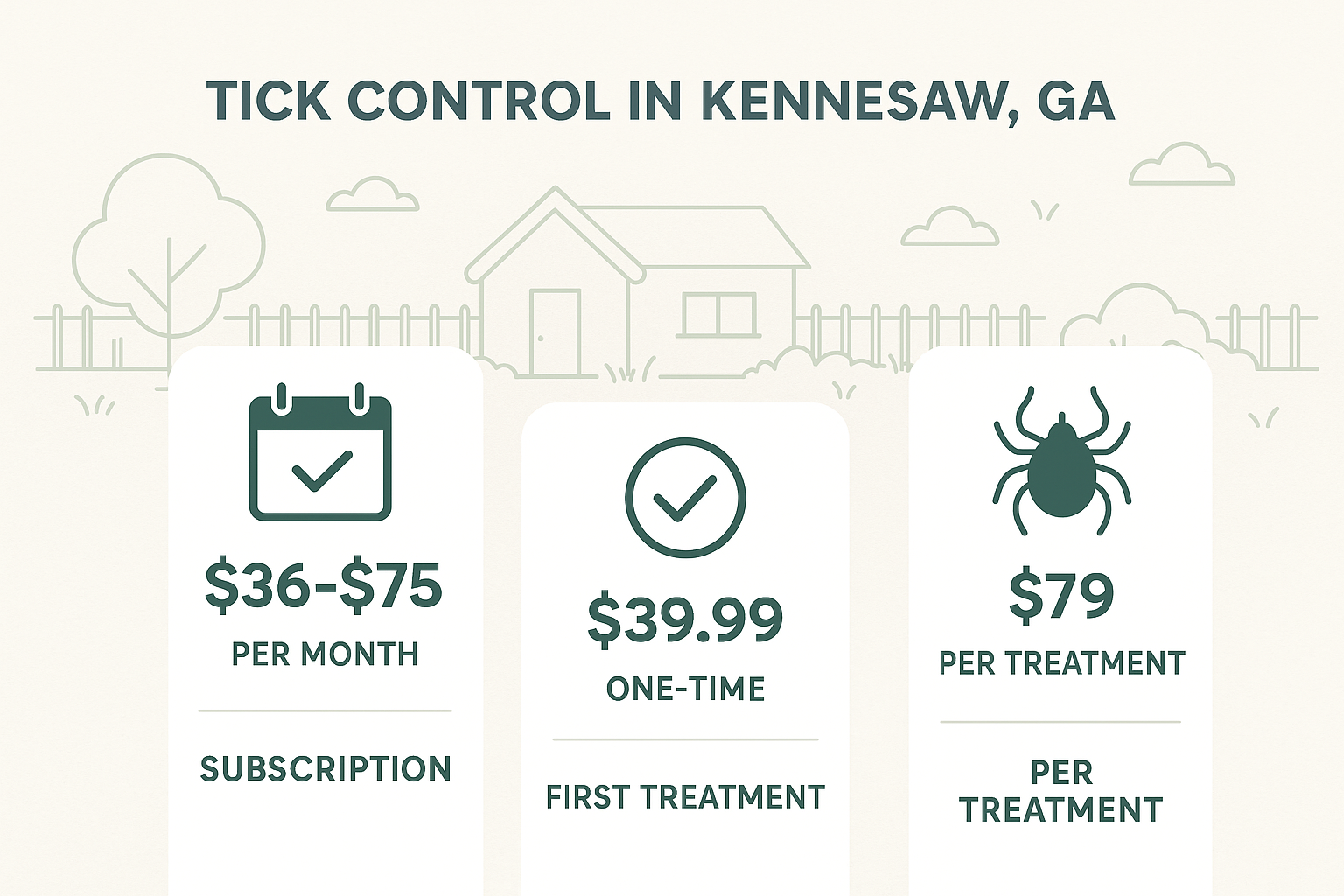
| Option | Cost | Key Features |
|---|---|---|
| Monthly Subscription | $36 – $75 per month | Continuous protection, quarterly inspections, priority scheduling |
| One‑Time Barrier | $39.99 (first treatment) | Immediate coverage, ideal for short‑term needs or trial period |
| As‑Needed Treatment | $79 per visit | Flexibility for spot treatments, no long‑term contract |
How does Anthem Pest decide which plan fits you best? Our technicians assess three primary factors: the square footage of your yard, the presence of pets or children who may encounter ticks, and your personal budget preferences. A larger property may benefit from the subscription’s ongoing barrier, while a smaller, pet‑free yard could be adequately protected with a single treatment.
Transparency is at the core of our pricing philosophy. The rates above are flat, all‑inclusive fees—no hidden service charges, no surprise add‑ons. We also reference industry benchmarks, such as the Orkin cost guide, to ensure our quotes remain competitive and fair for Kennesaw homeowners.
Protect Your Home Today with Anthem Pest Control
Ticks are more than a summer nuisance in Kennesaw; they carry diseases that can affect pets and people alike. Because adult ticks become most active from early spring through late fall, timing your treatment before they peak is essential for keeping your yard safe.
Three Simple Service Options
- Basic Perimeter Treatment – A single‑visit spray that creates a protective barrier around the edges of your property.
- Full‑Yard Application – Covers the entire lawn and shaded areas, targeting ticks wherever they hide.
- Annual Protection Plan – Quarterly visits that adjust to seasonal tick activity, ensuring year‑round peace of mind.
Choosing Anthem means you’re working with a team that knows Kennesaw’s micro‑climates inside out. Our technicians use EPA‑approved, pet‑friendly products that eliminate ticks without compromising family safety. Transparent pricing lets you see exactly what you’re paying for, and our local expertise means we tailor each treatment to the unique conditions of your neighborhood.
When you invest in proactive tick management, you protect more than just your lawn—you protect your family’s health and your outdoor enjoyment. A tick‑free yard lets you relax on the porch, let the kids play, and let the dogs roam without worry.
Ready to enjoy a tick‑free yard? Contact Anthem Pest Control for a free, no‑obligation quote today. Call us at 877‑371‑8196 or visit Anthem Pest Control online to schedule your service.