Recognizing Millipedes and Their Impact in Suwanee
Millipedes are often mistaken for pests that will bite or spread disease, but in reality they are harmless, detritivores that spend most of their lives breaking down decaying plant material. Their most striking feature is the sheer number of legs—typically two pairs per body segment, which can give the impression of a tiny, many‑legged caterpillar. While they won’t chew through wood or invade food supplies, a sudden appearance of thousands can become a noticeable nuisance for any Suwanee homeowner.
What a Millipede Looks Like
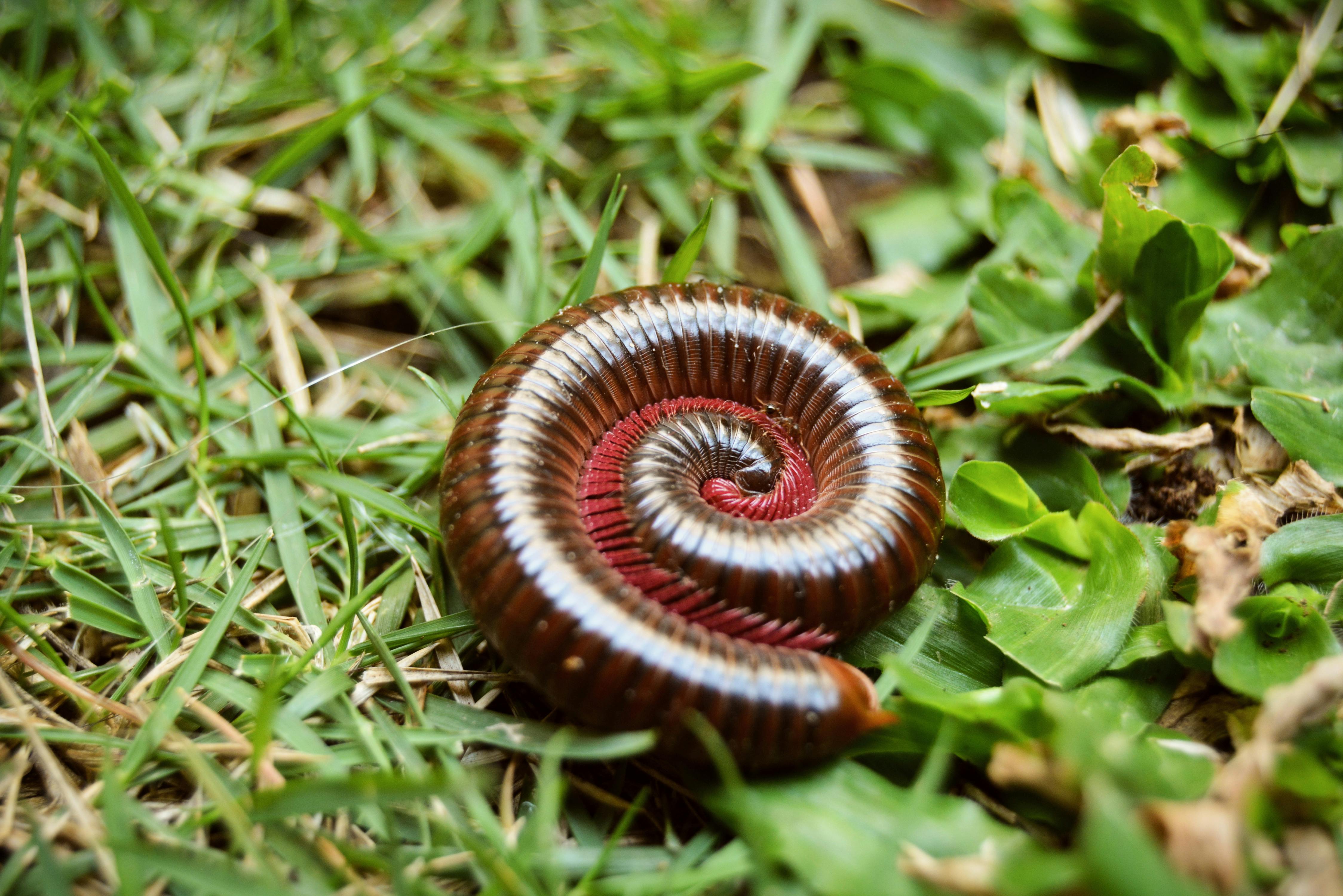
Identifying a millipede is easier than you might think once you know the visual cues. They range from 1 to 4 inches in length, though some garden species can grow even larger. The body is composed of smooth, rounded segments that give a slightly cylindrical shape. Color varies widely—common shades in Georgia include dark brown, reddish‑brown, or even a muted black. Their legs are short and hidden beneath the overlapping plates, so you’ll usually see a uniform, segmented “tube” rather than a spider‑like silhouette.
Where Millipedes Take Up Residence in Suwanee
In the humid climate of Suwanee, millipedes gravitate toward damp, organic‑rich environments. Mulched flower beds, leaf litter piles, and compost bins provide the perfect feeding ground. Inside the home, they often slip into crawl spaces and basements where moisture accumulates. Even a well‑maintained garden can become a hotspot if the soil stays moist after a rainstorm, allowing these creatures to migrate toward the foundation in search of shelter.
Red Flags: Signs of an Infestation
Because millipedes move slowly, they tend to gather in groups when they find a suitable hiding spot. Homeowners should watch for clusters on the exterior foundation, especially near downspouts or drainage areas. Inside, you may notice them on windowsills, in closets, or crawling across basement floors after a rain. A sudden increase in these sightings—especially during the cooler months when they seek warmth—usually signals that a larger population has established itself nearby.
Potential Damage and Secondary Issues
While millipedes don’t chew wood or fabric, their sheer numbers can cause practical problems. When they congregate on concrete or wood, they can leave a dark, oily stain that’s difficult to clean. In drainage systems, their bodies can accumulate and contribute to minor clogs, especially in floor drains or garden gutters. Moreover, a heavy millipede presence can attract other pests such as ants or spiders, which are drawn to the organic debris they leave behind.
Why Georgia’s Climate Encourages Millipede Surges
The Southeast’s warm temperatures and high humidity create an ideal breeding environment for millipedes. Moisture is essential for their egg development, and the mild winters in Suwanee allow several generations to emerge each year. After a period of rain, the soil stays damp longer, prompting millipedes to leave their underground nests and wander toward the surface—often ending up on homes, driveways, and walkways where they become most noticeable.
Seasonal Activity Patterns and Prevention Tips for Georgia Millipedes
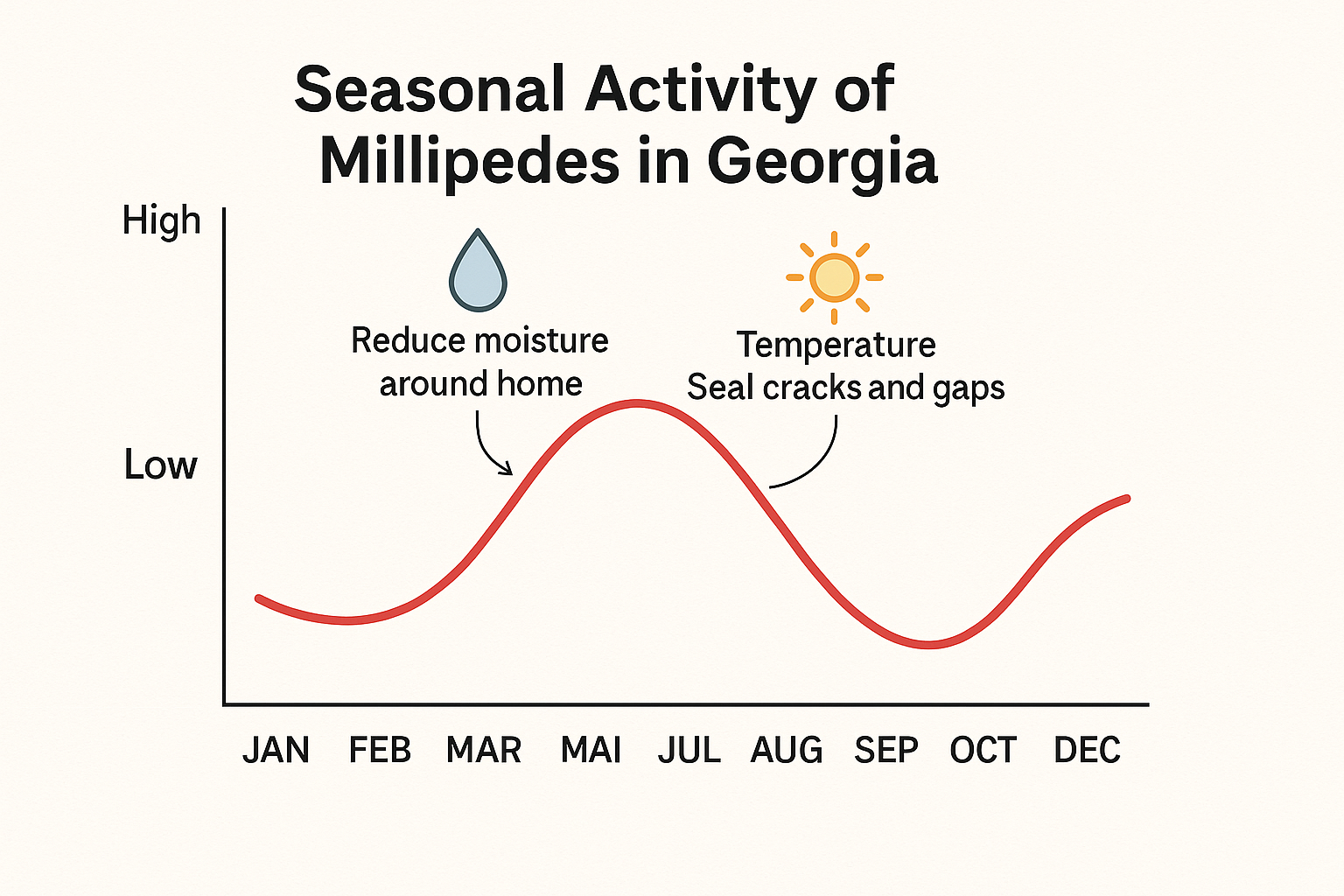
The chart above maps millipede movement across the year in Georgia. Activity spikes in March‑May and September‑November, while June‑August sees a lull. The lowest counts appear from December through February when the insects retreat to protected indoor spaces.
Spring Surge: Moisture Management
April’s rain showers raise soil moisture, prompting millipedes to emerge in search of food and mates. Homeowners can blunt this surge by eliminating standing water. Clear gutters, repair leaky downspouts, and grade the landscape so water flows away from the foundation. Adding a French drain or a shallow trench filled with gravel near problem areas further reduces excess moisture.
Summer Lull: Yard Cleanliness
During the hot, dry summer months, millipedes retreat underground, so activity drops noticeably. This is an ideal time to keep the yard tidy—rake away debris, trim back overgrown grass, and remove rotting wood piles. A clean yard deprives any lingering millipedes of shelter, making the upcoming fall spike easier to control.
Fall Increase: Leaf Management
September brings abundant leaf fall, creating a perfect blanket for millipedes to hide and travel. Prompt leaf removal—raking or using a mulching mower—cuts off their refuge. If you prefer mulching, spread a thin layer (no more than ½ inch) and avoid piling it against the house foundation, where it can become a moisture trap.
Winter Dormancy: Indoor Checks
When temperatures dip below 50 °F, millipedes seek warmth in crawl spaces, basements, and garage corners. Inspect these areas for clusters of dead or live millipedes. Seal cracks in foundation walls, repair vent covers, and consider a dehumidifier to keep humidity below 50 %—the condition millipedes dislike.
General Prevention Checklist
- Trim vegetation at least 12 inches from the house.
- Seal cracks in foundations, siding, and window frames.
- Use dehumidifiers in basements and crawl spaces.
- Redirect downspouts at least 6 feet away from the foundation.
- Remove wood debris and compost piles near the home.
- Maintain proper drainage in garden beds and patios.
Quick Tips Aligned with the Chart
- Humidity spike (Spring): Fix soggy spots within 48 hours of heavy rain.
- Temperature rise (Summer): Perform a yard sweep every two weeks.
- Leaf drop (Fall): Rake or mulch leaves within 24 hours of accumulation.
- Cold snap (Winter): Inspect crawl spaces before the first frost.
Treatment Options and What to Expect from Professional Millipede Control
DIY vs. Professional Treatments
Many homeowners start with over‑the‑counter sprays or homemade mixtures, hoping to knock out millipedes before they become a nuisance. While a DIY approach can offer temporary relief, it rarely addresses the root cause—entry points, breeding sites, and surrounding habitat. Professional services, on the other hand, combine thorough inspection with EPA‑registered products, ensuring a lasting barrier that protects your home year after year.
Professional Methods We Use
Anthem Pest employs a suite of proven techniques, each chosen to match the unique layout of your property.
- Exterior perimeter sprays: A residual barrier is applied around the foundation, walkways, and drainage zones. This creates an invisible shield that stops millipedes before they can cross onto your lawn.
- Interior crack‑and‑crevice applications: Technicians target baseboard gaps, window sills, and other hidden pathways with a low‑odor, fast‑acting formulation that penetrates deep into the structure.
- Targeted fumigation for crawl spaces: When millipedes nest underground, we safely introduce a short‑duration fog that eradicates colonies without harming your home’s framing.
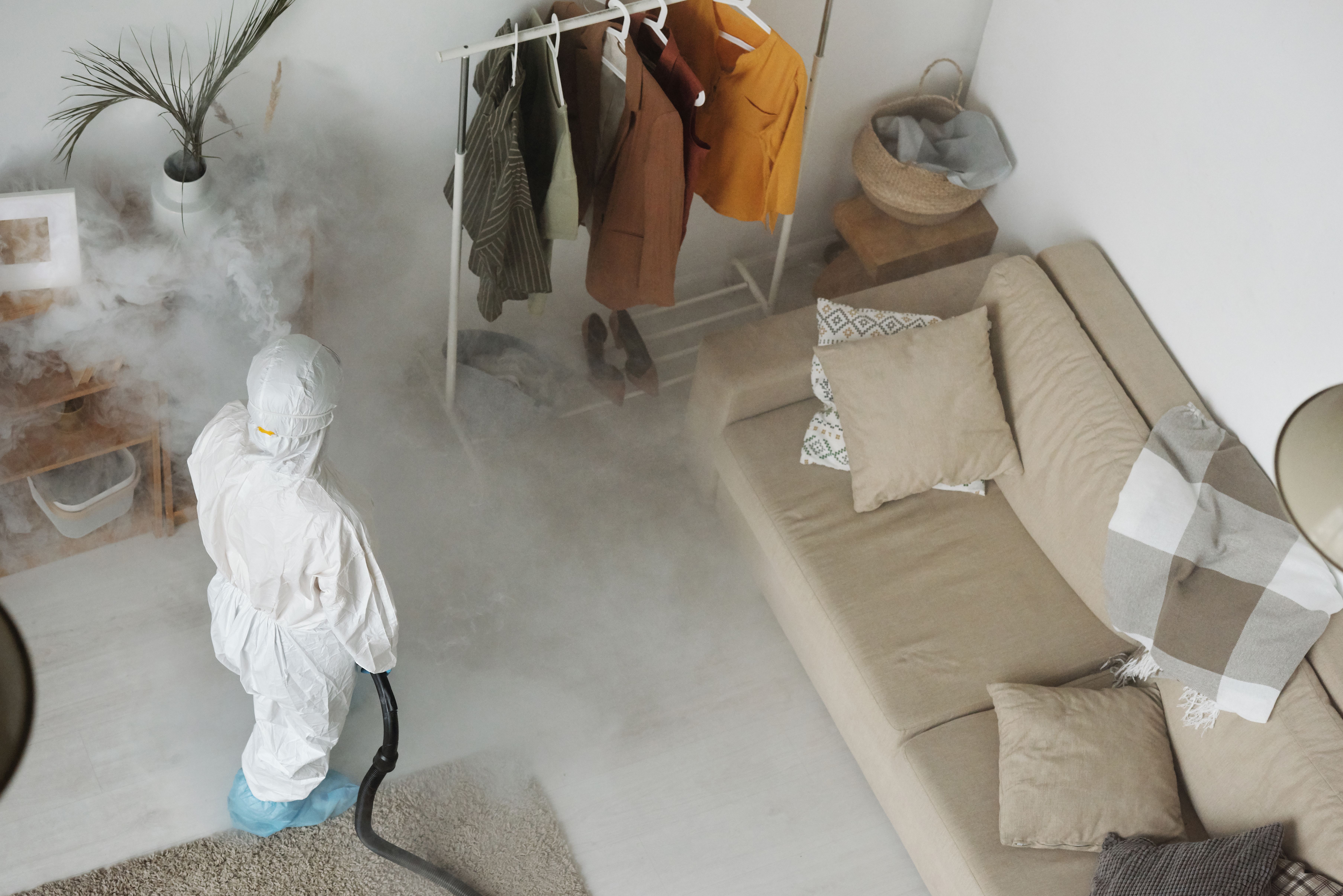
Photo by Lukas via Pexels - Soil treatments and bait stations: Specialized granules are mixed into the topsoil, while bait stations attract and kill wandering millipedes, reducing future reinfestations.
Safety First
All products we apply are EPA‑registered and have been rigorously tested for human and pet safety. Our technicians wear protective gear, follow strict handling protocols, and will advise you on any necessary precautions—such as keeping children and pets indoors for a short period after application. This ensures that the treatment is effective without compromising the well‑being of your family.
Treatment Timeline
The process typically unfolds in four stages:
- Inspection: A certified technician surveys your home, identifies entry points, and maps out infestation hotspots.
- Application: Based on the inspection, we execute the appropriate exterior, interior, and soil treatments.
- Follow‑up visits: One to two weeks later, we return to assess efficacy, re‑treat any lingering areas, and reinforce barriers.
- Warranty period: Most residential plans include a 90‑day guarantee, during which additional visits are covered at no extra cost if millipedes reappear.
How Anthem Pest Customizes Your Plan
- Property‑specific inspection: We pinpoint the exact cracks, vents, and moisture zones that invite millipedes.
- Integrated Pest Management (IPM): Our approach blends chemical controls with cultural tactics—like moisture reduction and landscape trimming—to keep pests out long term.
- Transparent pricing & written agreements: You receive a detailed estimate before any work begins, so there are no surprise fees.
Frequently Asked Questions
- Will treatment affect my garden? Our soil treatments are applied at the perimeter and in crawl spaces only. They do not drift onto vegetable beds or flower beds, and any product that contacts the garden is safe for mature plants.
- How long until I see results? Most homeowners notice a significant drop in activity within 24‑48 hours after the initial application. Full eradication, especially in heavily infested yards, may take up to two weeks as the residual barrier takes effect.
Understanding Millipede Control Costs in Suwaneo and Nearby Areas
Key Cost Drivers
When you request a millipede treatment, the price you see isn’t random—it reflects several concrete factors:
- Property size: Larger homes or acreage need more product and labor.
- Infestation severity: A light perimeter problem costs less than a deep‑crawl‑space invasion.
- Treatment type: Basic perimeter sprays are cheaper than comprehensive barrier or bait programs.
- Frequency of service: One‑time applications differ from quarterly maintenance plans.
Average Price Range in Suwanee
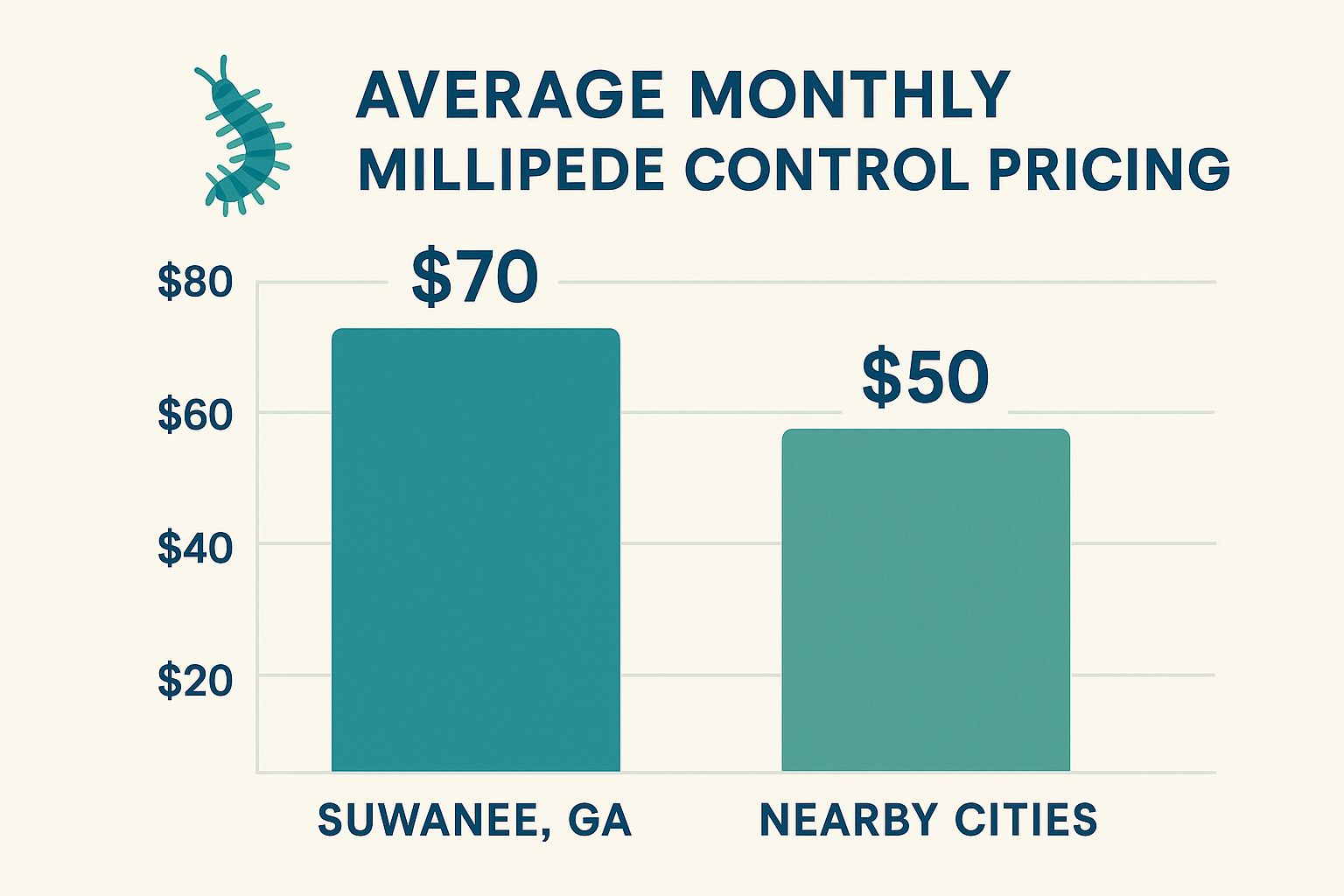
According to the Anthem Pest Control pricing guide, a standard millipede control package in Suwanee typically falls between $180 and $250. This range covers a single‑visit perimeter treatment for an average‑sized home, including a follow‑up inspection.
Cost Comparison with Neighboring Cities
| City | Average Cost (USD) |
|---|---|
| Suwanee | $180 – $250 |
| Duluth | $190 – $260 |
| Sugar Hill | $175 – $240 |
| Buford | $185 – $255 |
Example Scenarios
- Small single‑family home – basic perimeter treatment: For a 1,600‑sq‑ft house with a light edge‑of‑yard infestation, the cost usually lands near the low end of the range, around $180‑$200.
- Large property with crawl‑space infestation – comprehensive package: A 3,200‑sq‑ft home plus a saturated crawl space may require a full‑home barrier and moisture control, pushing the price toward $240‑$250 or higher.
Value of Bundled Services
Many homeowners save 10‑15 % by bundling millipede control with other preventive treatments—such as termite inspections or ant barrier applications. A combined service not only reduces the total bill but also creates a unified protection plan that tackles multiple pests with coordinated scheduling.
Tips for Getting the Best Price
- Request a free on‑site quote—Anthem’s technicians assess the property and provide a transparent estimate.
- Ask about seasonal discounts or promotional rates, especially in early spring when demand dips.
- Verify that the quote includes a warranty for re‑treatment if millipedes return within the service window.
- Consider a multi‑year contract for steady protection and locked‑in pricing.
Protect Your Home Today with Anthem Pest Control
Millipedes surge each spring and early summer in Suwanee, drawn by the warm, humid climate and the abundance of leaf litter around homes. Left unchecked, they can infiltrate foundations, crawl into basements, and create a noisy, unsettling presence. Acting quickly—before the colonies spread—prevents a minor nuisance from turning into a full‑scale infestation.
The three pillars of effective control
- Identification: Knowing the species and its habits lets you target the right treatment zones.
- Prevention: Removing excess mulch, sealing cracks, and managing moisture cut off the pathways millipedes use to enter.
- Professional treatment: Certified technicians apply EPA‑approved products precisely where they’re needed, ensuring lasting results.
Why choose Anthem Pest?
- Local expertise: Our team understands Georgia’s climate patterns and the specific seasonal behavior of Suwanee’s millipedes.
- Safe, EPA‑approved products: We use formulations that protect your family and pets while eliminating pests.
- Transparent, affordable pricing: No hidden fees—just clear estimates and a detailed service plan.
- Satisfaction guarantee & ongoing support: We stand behind our work and are ready to assist you long after the initial treatment.
Ready for a pest‑free home? Our friendly crew is happy to assess your situation and provide a free, no‑obligation quote.
Call 877‑371‑8196 or visit Anthem Pest Control for more details and to schedule your service today.