Identifying Common Mosquito Species and Their Risks
In Decatur, GA, mosquitoes are more than an itchy nuisance—they’re potential carriers of serious diseases like West Nile virus and dengue fever. Knowing which species are lurking around your home helps you choose the right control measures and reduces the chance of unwanted bites.
Asian Tiger Mosquito (Aedes albopictus)
This aggressive daytime biter is instantly recognizable by its striking black-and-white striped legs and a single white stripe running down the center of its thorax. Asian tiger mosquitoes prefer small, stagnant water sources such as birdbaths, plant saucers, and discarded tires. They thrive in shaded, humid spots and are most active in the early morning and late afternoon, especially during the warm summer months.
Southern House Mosquito (Culex quinquefasciatus)
The Southern house mosquito has a more uniform brownish‑gray body and lacks the bold leg banding of its tiger cousin. Its wings often show a faint, speckled pattern. This species favors polluted or organically rich water—think clogged gutters, storm drains, or septic ponds. Unlike the tiger mosquito, it primarily bites at dusk and night, making evening porch gatherings a prime time for bites.
Visual Cues for Quick Identification
When you spot a mosquito, look for these key details:
- Body size: Both species are about 3‑5 mm long, but the tiger mosquito appears slightly slimmer.
- Leg banding: Distinct black‑white stripes = Asian tiger; solid dark legs = Southern house.
- Thorax marking: A single white longitudinal stripe signals Aedes albopictus.
- Wing pattern: Subtle speckles are typical of Culex quinquefasciatus.
Spot‑and‑Confirm Checklist for Homeowners
Use this short list to verify which mosquito you’re dealing with:
- Observe the time of day: daytime = likely Asian tiger, night = likely Southern house.
- Check leg coloration: striped = Asian tiger, solid = Southern house.
- Look for a white stripe on the thorax.
- Inspect nearby water sources: small containers = Asian tiger; larger, stagnant or polluted water = Southern house.
- Note the bite pattern: multiple quick bites = Asian tiger, isolated bites at night = Southern house.
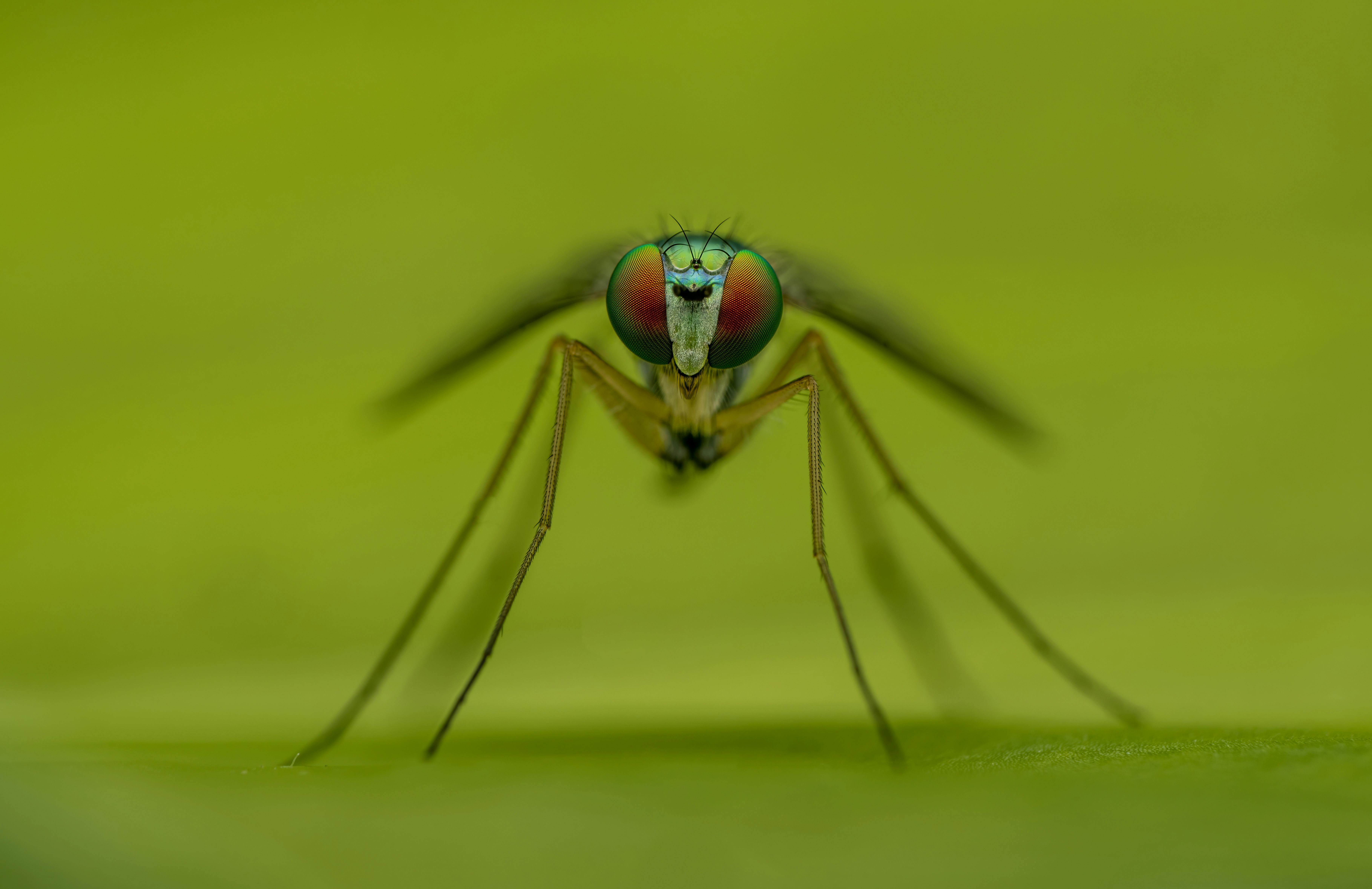
- Compare your specimen to the macro photo above.
For a science‑backed approach to control, the U.S. Environmental Protection Agency (EPA) recommends source reduction, proper drainage, and targeted larvicides. Following EPA guidelines alongside professional treatment from Anthem Pest Control ensures a comprehensive, safe, and effective mosquito management plan for your Decatur home.
Seasonal Mosquito Activity in Decatur, GA
How Temperature, Rainfall, and Daylight Shape Mosquito Life Cycles
In Decatur, the tiny insects that bite us are ruled by three climate cues. Warm temperatures accelerate egg development and shorten the time it takes a larva to become an adult. When daily highs stay above 70°F (21°C), a single female can lay several batches of eggs in a matter of weeks. Rainfall provides the stagnant water pools where those eggs hatch; even a light, steady drizzle can create the perfect breeding sites in birdbaths, clogged gutters, or lawn depressions. Finally, daylight length influences when mosquitoes emerge to feed. Longer summer days give them more hours of activity, while the shorter days of early spring keep the population in a low‑key, hidden state.
Monthly Activity Chart
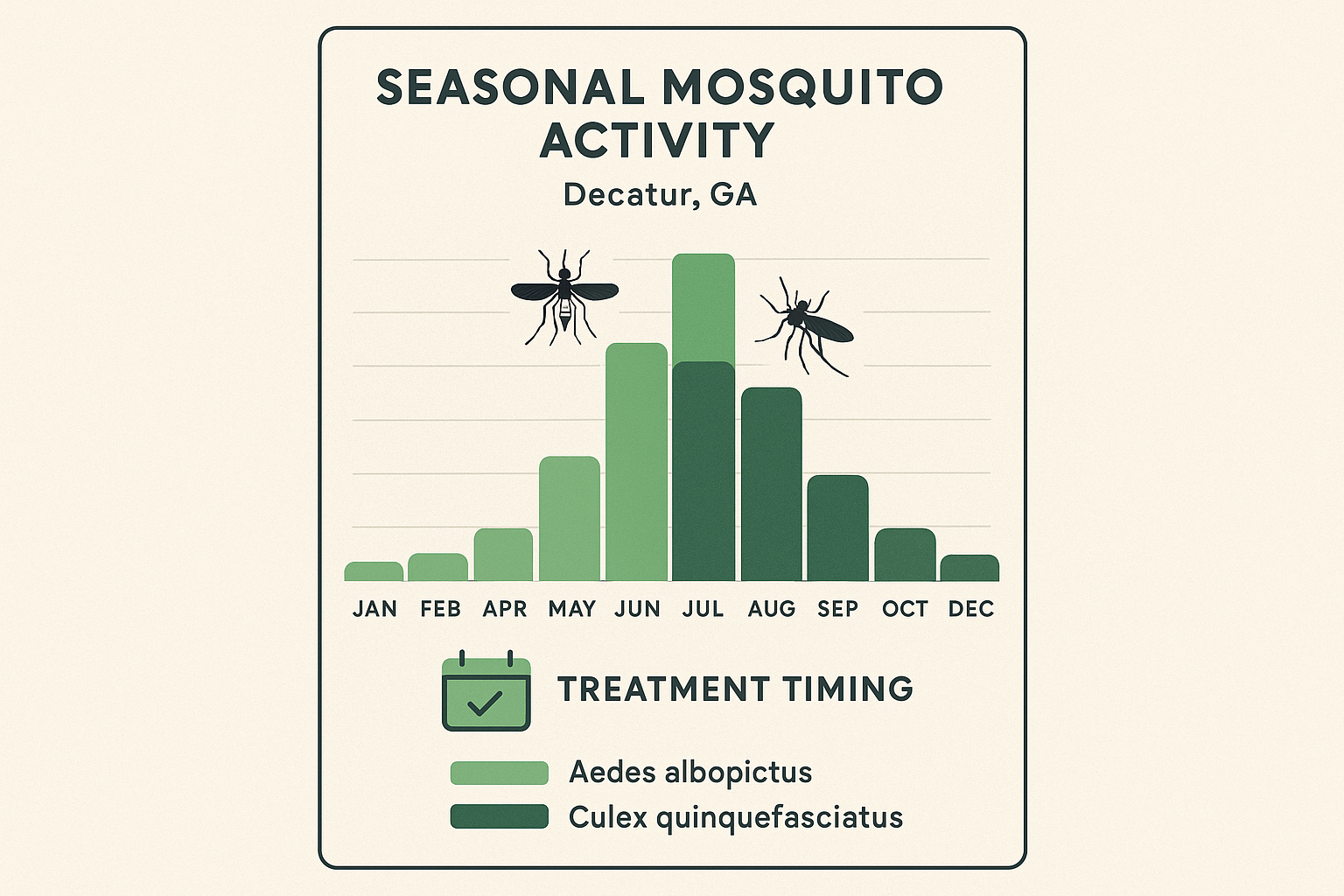
| Month | Aedes Activity | Culex Activity |
|---|---|---|
| January | Low | Low |
| February | Low | Low |
| March | Medium | Low |
| April | High | Low |
| May | High | Medium |
| June | Medium | High |
| July | Medium | High |
| August | Low | High |
| September | Low | Medium |
| October | Low | Low |
| November | Low | Low |
| December | Low | Low |
Months With the Highest Risk
Aedes aegypti peaks in April and May. Those months combine warming nights with frequent spring showers, creating shallow, sun‑warmed pools that hatch quickly. Homeowners often overlook these temporary puddles, allowing the aggressive daytime biter to multiply unnoticed.
Culex quinquefasciatus reaches its apex from June through August. Summer heat drives mosquitoes to seek cool, shaded water sources—storm drains, ornamental ponds, and even the damp soil under dense foliage. The long daylight hours give Culex ample feeding time, raising the risk of nighttime bites and disease transmission.
Optimal Treatment Windows
- Early Spring (mid‑March to early May): Target Aedes before the April‑May surge. A pre‑emptive larvicide application in standing‑water sites stops the first generation from exploding.
- Late Summer (late July to early September): Focus on Culex when humidity peaks. Adulticide fogging combined with barrier sprays on shaded perimeters offers the best protection.
Tips for Homeowners to Monitor Local Conditions
- Check the local forecast weekly; a series of three‑plus days with >0.5 inches of rain usually signals a breeding boom.
- Use a simple yard‑inspection checklist: empty birdbaths, clean gutters, and flatten any low spots where water can collect.
- Install a backyard mosquito trap and note when captures increase—that’s a red flag that populations are rising.
- Keep a log of bite incidents. A sudden uptick in May or July often aligns with the charted peaks and can guide when to call a professional.
- Consider a smart‑home humidity sensor; if indoor humidity stays above 60 % for several days, interior mosquito activity may follow.
Effective Mosquito Treatment Options for Homeowners
1. Source Reduction – Eliminate the Breeding Ground
Mosquitoes need stagnant water to lay eggs, so the simplest—and often most cost‑effective—strategy is to remove that water before it becomes a problem. Start by inspecting your property for hidden reservoirs: birdbaths, clogged gutters, plant saucers, pet dishes, and even forgotten pool covers. Empty, scrub, and dry these containers at least once a week. In the garden, keep lawns mowed, trim overgrown vegetation, and ensure proper drainage so water doesn’t pool after a rainstorm. By cutting off the life cycle at its source, you dramatically reduce the number of adult mosquitoes that ever appear on your porch.
2. Perimeter Barrier Spraying – A Protective Shield
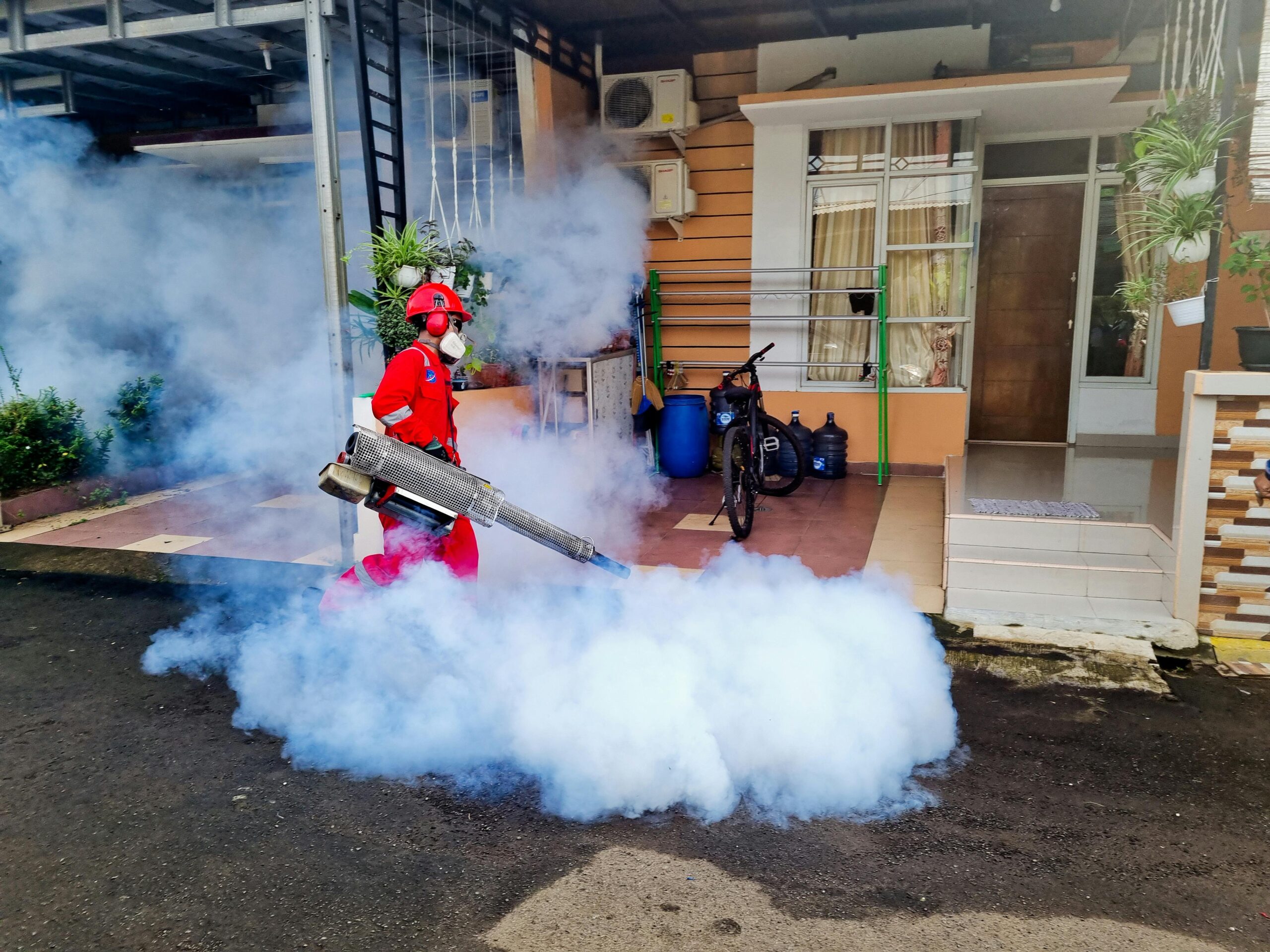
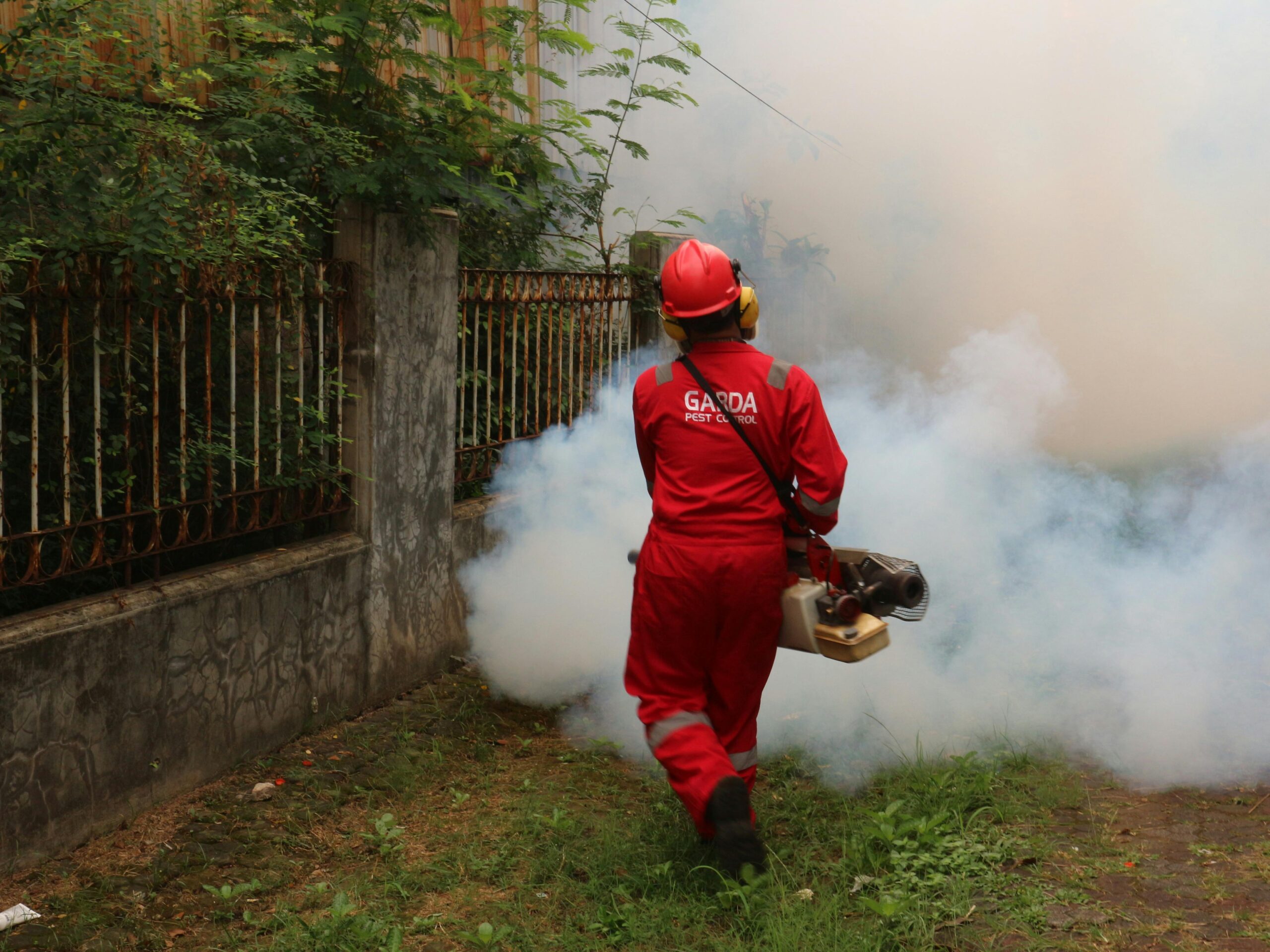
When source reduction isn’t enough, a professionally applied perimeter spray creates a chemical barrier that kills mosquitoes on contact as they try to cross into your home zone. Technicians use a backpack or vehicle‑mounted misting system that atomizes a fine mist of EPA‑registered adulticides, such as permethrin or bifenthrin, onto shrubs, fence lines, eaves, and other entry points. Safety protocols are strict: applicators wear protective gear, calibrate equipment to the correct pressure, and apply the product at a height that minimizes drift onto people or pets. Most experts recommend re‑treating every 10‑14 days during peak season to maintain an effective shield, especially after heavy rain that can wash the chemicals away.

3. Larviciding – Targeting Mosquitoes Where They Grow
Some water features—like ornamental ponds or rain barrels—cannot be eliminated without compromising your landscape. In those cases, a larvicide is the best line of defense. Two main types are available:
- Biological larvicides (e.g., Bti — Bacillus thuringiensis israelensis) release a naturally occurring bacterium that kills mosquito larvae but leaves fish, frogs, and beneficial insects unharmed.
- Chemical larvicides (e.g., methoprene or temephos) interfere with the insect’s growth cycle, preventing larvae from maturing into biting adults.
Both options are applied directly to the water surface in a measured dose. Professionals know the exact concentration required for each product, ensuring maximum efficacy while keeping the surrounding ecosystem safe.
Why Trust a Professional Service?
DIY sprays may sound tempting, but they often lack the potency, coverage, and safety oversight that licensed technicians provide. Anthem Pest Control’s team holds state‑issued pesticide licenses, uses only EPA‑registered formulations, and carries full liability insurance to protect you and your family. Moreover, a trained applicator can identify hidden breeding sites, adjust treatment frequency based on local weather patterns, and document each visit for your records—giving you peace of mind that the job is done right the first time.
Choosing the Right Mosquito Control Package
Anthem Pest Control offers three tiered packages that let you balance cost, coverage, and convenience. Understanding the differences helps you pick the plan that matches your yard size, mosquito pressure, and budget.
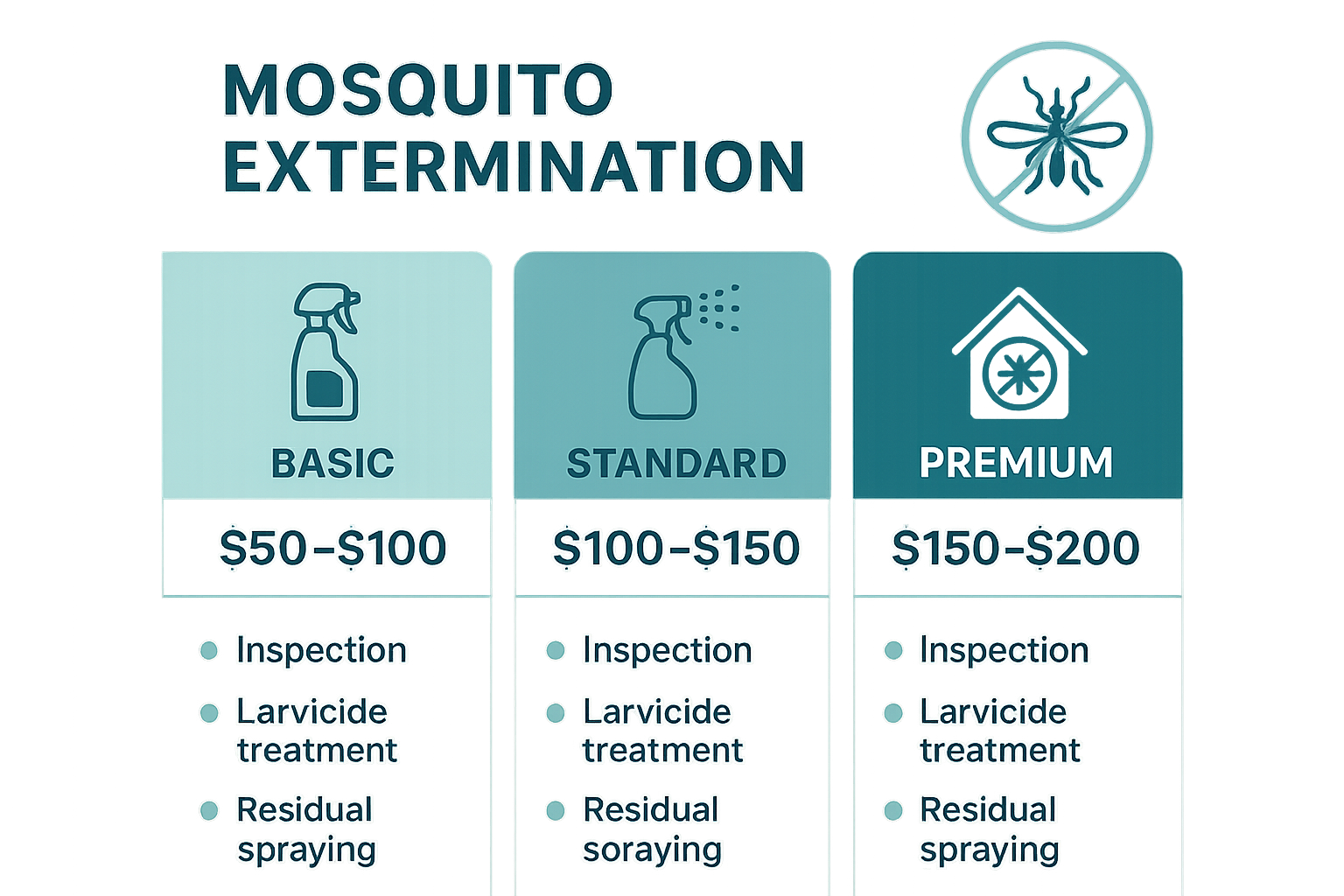
| Tier | Treatments Included | Frequency | Price Range (per season) |
|---|---|---|---|
| Basic | One‑time perimeter spray | Single visit | $120 – $180 |
| Standard | Quarterly barrier sprays + one larvicide treatment | Four sprays + one larvicide | $260 – $340 |
| Premium | Year‑round quarterly sprays, bi‑weekly larvicide, free home inspection, priority scheduling | Four sprays + eight larvicide applications | $460 – $560 |
The Basic tier is ideal for small yards with low mosquito activity. It gives you a single perimeter treatment that knocks down the immediate problem, but it doesn’t include follow‑up visits, so you’ll need to re‑apply if the season extends.
The Standard package adds quarterly barrier sprays and a larvicide treatment that targets breeding sites. This combination works well for medium‑sized properties where mosquitoes appear consistently throughout spring and summer.
For homeowners who want “set it and forget it,” the Premium tier delivers the most comprehensive protection. In addition to the quarterly sprays, you receive bi‑weekly larvicide applications that keep breeding hotspots under control. A complimentary home inspection pinpoints hidden sources, and priority scheduling means you get rapid service if an emergency arises.
Value‑added services that make higher tiers worth the investment
- Warranty protection: Premium customers receive a 30‑day guarantee on each treatment.
- Emergency call‑out: When a sudden mosquito surge threatens an outdoor event, Premium clients get same‑day service.
- Free inspection: Detecting standing water, clogged gutters, or overgrown vegetation before they become breeding grounds.
Transparent pricing is a cornerstone of Anthem’s approach. Every tier lists a clear price range up front, and there are no hidden fees for travel, equipment, or extra visits. Knowing exactly what you’ll pay builds trust and lets you budget confidently.
To choose the right package, consider three factors:
- Property size: Larger yards usually need more frequent treatments.
- Mosquito pressure: If you live near wetlands or have many standing‑water features, a higher tier offers better control.
- Budget: Balance the upfront cost against the long‑term comfort of fewer bites and fewer emergency calls.
Match your needs to the tier that fits, and you’ll enjoy a mosquito‑free summer without surprise charges or incomplete coverage.
Protect Your Home Today with Anthem Pest Control
By now you can spot a mosquito, know when they’re most active in Decatur, and recognize the treatment options that work best—whether a backyard mist, larvicide barrier, or targeted fogging. The peak season runs from late spring through early fall, and a missed week can let a new generation hatch and spread disease. Early detection and prompt action are the most cost‑effective ways to keep your family safe from bites and the illnesses they carry.
Professional, EPA‑compliant services give you safety, efficacy, and peace of mind. Certified technicians use federally approved products that protect children and pets while delivering a lethal blow to mosquitoes, and they follow a documented plan with guaranteed results. You also receive a warranty that guarantees treatment effectiveness, so you never have to wonder if the job was done right.
Anthem Pest Control combines nationwide coverage with local expertise. Our certified technicians understand Decatur’s water‑way patterns and seasonal humidity, and we monitor the area’s mosquito trends to schedule treatments before populations explode. Our transparent tiered pricing lets you choose a one‑time spray or year‑round protection that fits your budget.
Ready to act? Request a free, no‑obligation quote, schedule an inspection, or ask any questions by calling 877‑371‑8196. Our friendly team will walk you through the treatment plan, explain the products we use, and set up a service window that works with your schedule. Our ongoing monitoring ensures your yard stays mosquito‑free throughout the season.
Take control of your outdoor comfort today—Visit Anthem Pest Control and protect your home from buzzing intruders. Our quick, no‑obligation quote lets you see the savings before any work begins.