Centipede Identification and Homeowner Concerns
What a centipede is and where you’ll find it
Centipedes are arthropod predators that belong to the class Chilopoda. In residential homes across the United States, the most common species are the House centipede (Scutigera coleoptrata) and the Eastern red-back centipede (Linanthus). These insects thrive in the same damp, warm environments that attract many other household pests, which is why understanding centipede control cost Holly Springs homeowners face is important when they become a familiar sight in basements, kitchens, and bathrooms.
Visual cues that help you spot a centipede</h small>
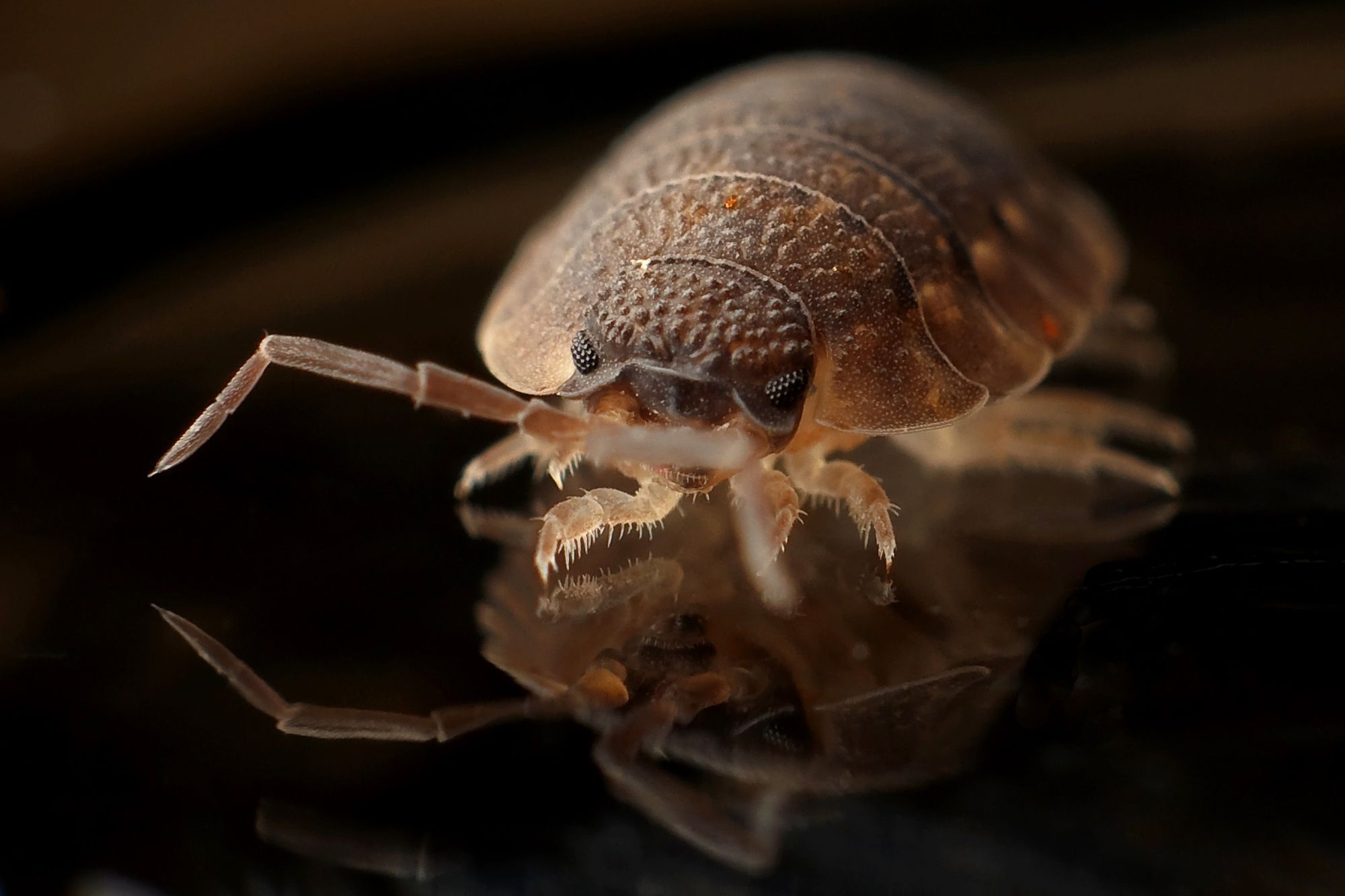
When trying to identify a centipede, note three key features:
- Size: Most indoor centipedes range from 2 to 4 inches in length, though the House centipede can stretch up to 6 inches.
- Color: Expect a pale, translucent body with a yellowish or amber hue, and often a metallic sheen on the legs.
- Leg count: As the name suggests, centipedes have many legs—typically 15 pairs (30 legs) for the House centipede, arranged in a clear, a‑line pattern.
Why they’re drawn to your home
Centipedes are not the accidental guests you hope to avoid; they actively seek the conditions that make a house comfortable. The primary magnets are moisture (found in basements, under sinks, and around leaky pipes), a steady supply of small insects (spider mites, silverfish, and other pests), and easy entry points such as cracks in foundation walls or gaps around utility lines. When these factors converge, centipedes can quickly establish a hidden population.
Health concerns and the “good pest” debate</3>
Most homeowners discover centipedes for the first time after a startled encounter on a bathroom floor or in a pantry pantry. While a quick bite can cause a brief, mild sting—similar to a bee sting—most centipedes are harmless and do not pose a significant health risk. In fact, they are natural biological controllers, preying on other household insects that can cause damage or disease. This creates a classic “good pest” versus nuisance dilemma: a centipede helps keep a home’s insect population in check, yet a a visible, and a many a home are uncomfortable with the presence of a a many a. The balance is often tipped when the number of centipedes rises, or when they start wandering in open spaces where they become a nuisance.
Regulatory considerations for indoor pest control
When you decide to treat a centipede problem, it’s essential to know that the EPA’s regulations for indoor pesticide use focus on safety and efficacy. The EPA requires that any product used inside a home be specifically labeled for indoor applications, and that the manufacturer follows strict testing guidelines to protect occupants, especially children and pets. This is why professional services, like Anthem Pest Control, prioritize approved, low‑toxicity products and follow best practices for proper application.
Understanding the basic biology of centipedes, their visual cues, and the reasons they’re drawn to your home equips you to make an informed decision. Whether you choose to welcome their natural pest‑control benefits or opt for a professional prevention plan, recognizing the early signs is the first step toward a comfortable, pest‑free home.
Seasonal Activity Patterns of Centipedes in Georgia
Georgia’s climate is a blend of hot, humid summers and mild, damp winters, creating the moisture-rich conditions that influence centipede control cost Holly Springs homeowners may face. This environment forms the perfect backdrop for centipedes, which thrive in damp, cool places. When temperatures climb above 80°F and humidity stays above 60%, the insects become more active, venturing out of soil cracks and leaf litter in search of prey. Conversely, during the cooler, drier months of late winter, their movements slow dramatically, making encounters with homeowners less frequent.

What the seasonal activity bar chart tells you
The bar chart visualizes centipede activity across the twelve months. Peaks appear in May, June, and September—periods when daytime temperatures are warm but nighttime humidity remains high. Low‑risk windows occur in January and February, when cooler air and lower moisture levels keep centipedes deep underground. Recognizing these trends lets you schedule inspections and treatments when they’ll have the greatest impact.
| Month | Activity Level |
|---|---|
| January | Low |
| February | Low |
| March | Moderate |
| April | Moderate |
| May | High |
| June | High |
| July | Moderate |
| August | Moderate |
| September | High |
| October | Moderate |
| November | Low |
| December | Low |
Humidity, temperature, and indoor movement
Centipedes are drawn to indoor spaces when external humidity spikes above 70% and indoor temperatures stay between 68°F and 78°F. Bathrooms, basements, and laundry rooms become especially inviting because they retain moisture longer than the rest of the house. When outdoor rain raises ground moisture, centipedes often seek refuge inside, traveling along foundation cracks, utility openings, or even through pet doors.
Proactive steps for high‑risk months
- Run a de‑humidifier in basements and crawl spaces to keep relative humidity below 55%.
- Inspect and seal foundation cracks, window screens, and utility penetrations with silicone caulk.
- Fix leaky pipes, especially under sinks and in bathrooms, to eliminate water sources.
- Schedule a professional centipede inspection with Anthem Pest Control before May, then again in September, to catch any early infestations.
Effective Treatment Options and Professional Services
Chemical Sprays vs. Non‑Chemical Options
When it comes to centipede control, you’ll hear two main camps: chemical sprays and non‑chemical solutions. Sprays—typically EPA‑approved pyrethroids—are applied directly to baseboards, cracks, and entry points. They act quickly, creating a residual barrier that kills centipedes on contact and disrupts their nervous system. The downside? Over‑application can affect pets, children, and beneficial insects.
Non‑chemical alternatives include baits, dusts, heat treatments, and perimeter smoke. Baits contain a slow‑acting toxin that the centipede carries back to its nest, while dusts (like diatomaceous earth) desiccate insects when they crawl through them. Heat and smoke don’t rely on chemicals at all; they work by creating an environment centipedes can’t tolerate.
Perimeter Smoke Treatment
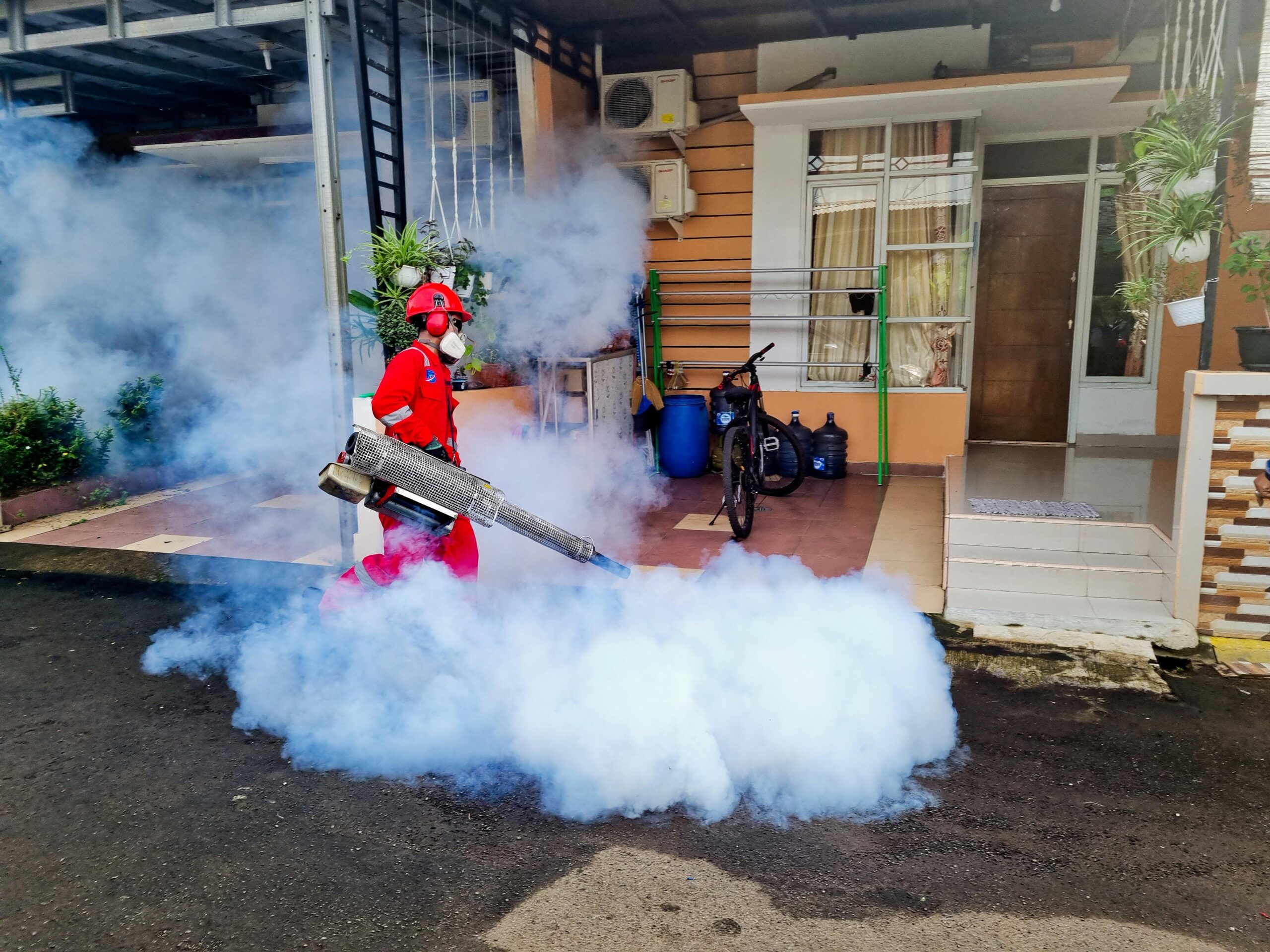
Perimeter smoke is a favorite for homeowners who want a chemical‑free approach. A technician attaches a low‑volume smoke machine to a hose and releases a fine, odorless mist around the home’s foundation. The smoke penetrates cracks, voids, and underground tunnels where centipedes hide, suffocating them and disrupting their pheromone trails.
Safety considerations: The smoke is non‑toxic, but it’s best to keep windows and doors closed during application and to vacate the premises for a short period while the mist settles. The method shines in early spring or after heavy rains—times when centipedes are most active and seeking shelter.

Integrated Pest‑Management (IPM) Approach
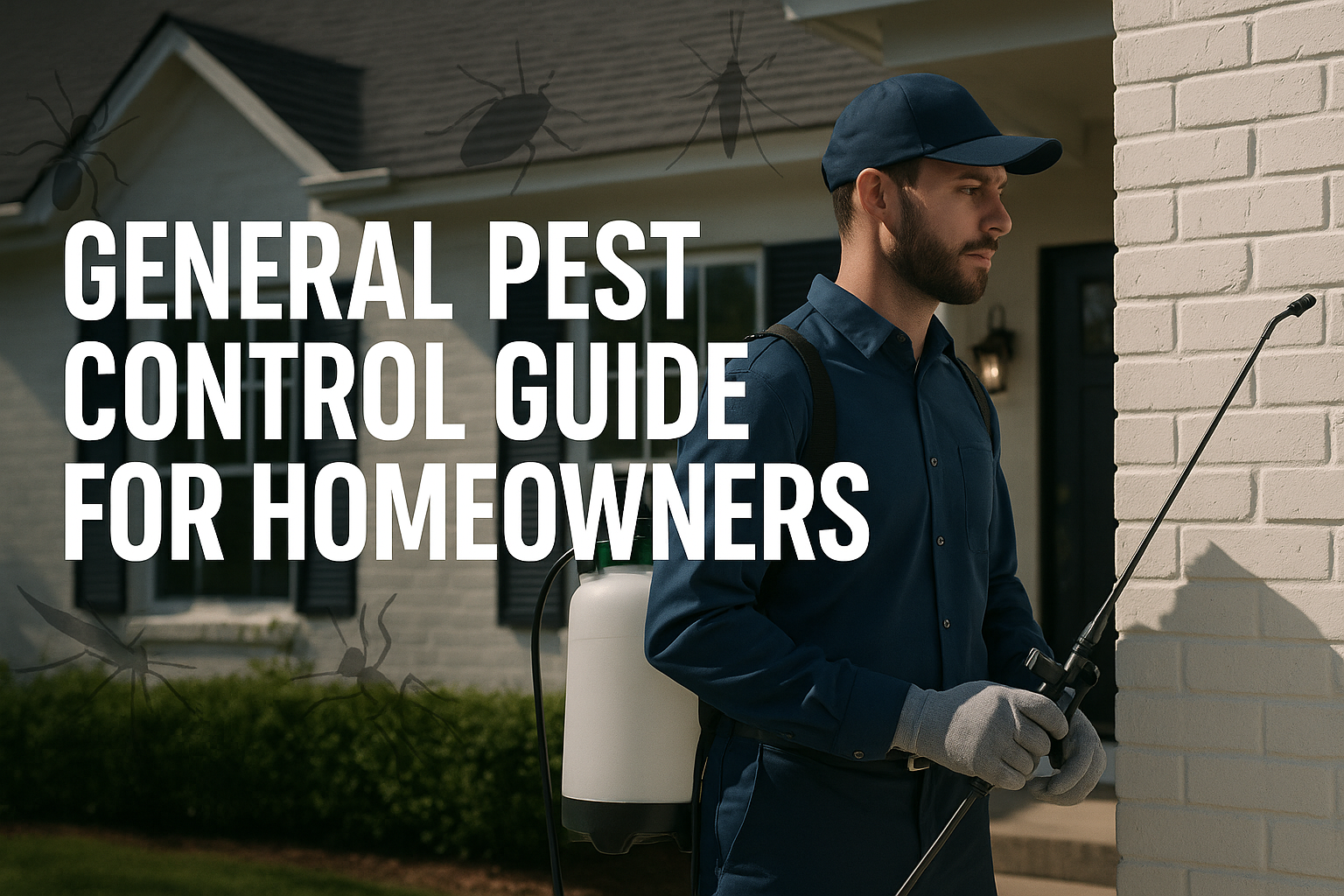
Professional services rarely rely on a single tactic. An Integrated Pest‑Management plan blends monitoring, prevention, and targeted treatment. First, a technician sets up sticky traps and conducts a visual inspection to gauge infestation levels. Next, they seal entry points, trim vegetation, and advise on moisture control—key steps that deny centipedes the damp habitats they love. Finally, they apply the most appropriate treatment—whether a spot‑on spray, dust, or smoke—based on the inspection findings.
Risks of DIY Methods
DIY kits might look tempting, but they often use generic, over‑the‑counter chemicals that lack the potency of professional formulations. Improper mixing, over‑application, or using the wrong product can lead to ineffective control and potential health hazards. Moreover, many DIY products are not EPA‑approved for indoor use, which could void homeowner’s insurance in the event of an accident.
How Anthem Pest’s Technicians Work
Before any product touches your home, Anthem Pest’s certified technicians perform a thorough inspection. They check for moisture sources, locate cracks, and identify centipede hotspots using flashlights and moisture meters. After documenting findings, they discuss a customized plan—often a blend of perimeter smoke and targeted dust—ensuring you get the most effective, safest solution without unnecessary chemicals.
This proactive, data‑driven approach not only eliminates the current centipede problem but also builds a long‑term barrier, giving you peace of mind throughout the season.
Pricing Options and Service Packages for Centipede Control
Anthem Pest believes that every homeowner should know exactly what they’re paying for before a single spray hits their yard, especially when evaluating centipede control cost Holly Springs residents can expect. That’s why we’ve built three clear-cut pricing tiers—Basic, Standard, and Premium—each designed to match a different level of protection and budget. Choose the plan that fits your home’s needs, and rest easy knowing there are no hidden fees.

Tier 1 – Basic
- Single‑visit treatment: One thorough application targeting centipedes around the foundation and entry points.
- Cost: Most affordable entry point for homeowners who need immediate relief.
- Warranty: 30‑day guarantee on treatment effectiveness.
Tier 2 – Standard
- Annual follow‑up: Two scheduled visits per year (spring and fall) to keep the perimeter protected.
- Included services: Basic rodent exclusion and a complimentary termite monitoring check.
- Cost: Mid‑range pricing that balances protection and value.
- Warranty: 90‑day guarantee plus a free re‑treatment if centipedes reappear.
Tier 3 – Premium
- Quarterly visits: Four treatments annually, ensuring continuous barrier strength.
- All‑inclusive extras: Full‑home rodent exclusion, termite monitoring, and a seasonal inspection for other pests.
- Cost: Premium price for homeowners who want “set‑and‑forget” peace of mind.
- Warranty: 12‑month guarantee with unlimited re‑treatments for centipedes.
Optional Add‑Ons
Beyond the core tiers, you can customize your plan with seasonal inspections, whole‑home protection upgrades, or targeted treatments for neighboring pest issues such as ants or cockroaches. Each add‑on is priced transparently and can be added at any time.
Anthem Pest’s “No‑Surprise” Pricing Policy
All quotes are presented up front, and the price you see is the price you pay. Our contracts include a written guarantee that covers any repeat centipede activity within the warranty period—no extra charges, no fine print. If a problem persists, we’ll return at no cost to you, reinforcing our commitment to honest, reliable service.
Take Action to Protect Home from Centipedes
We’ve’ve walked through the tell‑tale signs of centipedes – the quick, the fast, the unmistakable 10‑legged shape that shows up in basements, bathrooms, and crawl‑spaces. In Holly Springs, the warm spring and summer months create the perfect environment for them to multiply, especially when moisture builds up outdoors or around the foundation. The most effective control strategy combines a interior spray program, an outdoor perimeter barrier, and scheduled follow‑up visits to keep the insects at the door.
Choosing a professional service removes guesswork and guarantees consistent, safe results. Anthem P pest offers transparent pricing, with a clear no‑surprises quote for a full‑season protection package, and a a free initial inspection that lets you see exactly what’s needed. Our technicians use low‑impact products that protect your family while eliminating centipedes and other pests.</ p>
If you’re ready to keep your home pest-free, feel free to give us a call at 877-371-8196 to discuss centipede control cost Holly Springs homeowners can expect. We’ll schedule a free on-site inspection, provide a detailed quote, and discuss the best timing for your treatment. For quick access, visit Anthem Pest Control online and book your appointment today.