Why Cockroaches Are a Growing Concern in Peachtree City

Peachtree City’s mild winters and warm, humid summers create a perfect backdrop for cockroaches to thrive. The community’s signature lake‑front homes, sprawling lawns, and well‑insulated basements provide ample shelter, while the region’s abundant outdoor dining and garden parties generate the food sources these pests love. In short, the very features that make Peachtree City a desirable place to live also invite unwelcome six‑legged guests.
National data from the Centers for Disease Control and Prevention (CDC) shows that cockroach sightings have risen by roughly 12 % nationwide over the past five years. When you drill down to Georgia, the trend is even steeper: the state reports an average of 1,800 confirmed cockroach complaints per year, with a noticeable spike in the Peachtree City zip codes during the hot months of June through September. These numbers aren’t just statistics—they’re a clear signal that local infestations are becoming more common.
Early warning signs every homeowner should know
- Droppings: Small, pepper‑shaped specks near cabinets, appliances, or along baseboards.
- Odor: A faint, oily smell that intensifies in dark, damp corners.
- Nocturnal sightings: Spotting cockroaches scurrying across countertops or in bathroom mirrors after lights go out.
- Egg cases (oothecae): Oval, brownish capsules hidden in cracks, behind appliances, or under sinks.
These clues often appear before you notice a full‑blown infestation. Ignoring them can quickly turn a manageable problem into a costly nightmare.
The hidden costs of doing nothing
Beyond the obvious nuisance, unchecked cockroach activity can damage property and your wallet. Their constant foraging can chew through insulation, wiring, and even soft wood, leading to repair bills that run into the hundreds. Food waste skyrockets as cockroaches contaminate pantry items, forcing you to discard entire boxes of cereal, flour, or spices. Most concerning, however, are the health expenses tied to allergens and pathogens. Cockroach droppings and shed skins are potent asthma triggers, especially for children and the elderly. Moreover, these insects can carry bacteria like Salmonella and E. coli, increasing the risk of food‑borne illness that may require medical attention.
When you factor in potential medical visits, lost workdays, and the emotional stress of living with pests, the true price of inaction can easily exceed $2,000 over a single season.
Why proper identification matters before treatment
Before you reach for a DIY spray or call a generic exterminator, it’s essential to confirm you’re dealing with cockroaches—not ants, silverfish, or beetles. Each species behaves differently, and a misidentification can lead to ineffective treatments, wasted money, and prolonged exposure. Accurate identification allows a professional like Anthem Pest Control to select the most targeted, low‑toxicity solutions that address the specific species present in Peachtree City’s homes.
Understanding the local climate, the rising sighting statistics, and the early signs of infestation equips you to act quickly. The next step is to verify the pest’s identity, ensuring that any treatment you pursue hits the mark and safeguards your family’s health and property.
Spotting the Usual Suspects – Georgia’s Common Cockroach Species
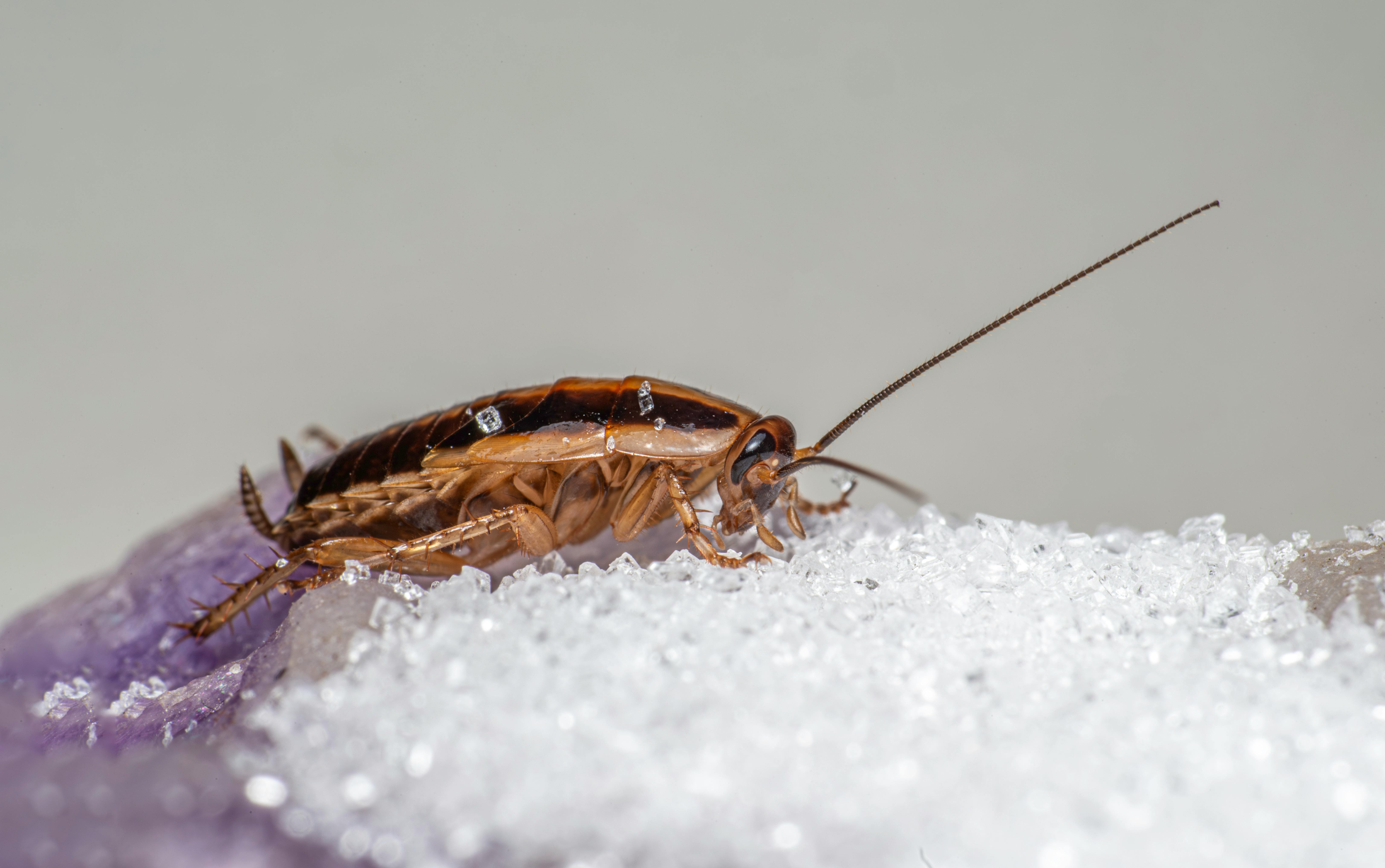
German Cockroach (Blattella germanica)
The German cockroach is the smallest of the three culprits you’ll meet in a Georgia home, typically measuring 1/2 to 5/8 inch long. Its light‑tan body is speckled with two dark parallel stripes on the pronotum (the shield‑like area behind the head), giving it a “striped” look that’s easy to spot under a kitchen light. This species loves warm, humid environments—think the crumbs, grease, and moisture that accumulate around stoves, dishwashers, and pantry shelves. Because they reproduce rapidly (a single female can produce up to 40 eggs per ootheca), a few sightings in the kitchen can quickly turn into an infestation if left unchecked.
American Cockroach (Periplaneta americana)
Often called the “water bug,” the American cockroach is considerably larger, ranging from 1½ to 2 inches in length. Its body shines with a reddish‑brown hue and a distinctive yellowish fringe along the edges of the wings. Unlike the German, this species prefers cooler, damp areas such as basements, crawl spaces, and floor drains. You’ll often find them skittering along the perimeter of a bathroom or emerging from a clogged pipe at night. Their size and robust wings enable them to fly short distances, which is why you might see them perched near exterior doors or windows during humid evenings.
Oriental Cockroach (Blatta orientalis)
The Oriental cockroach, sometimes nicknamed the “black beetle,” sports a glossy, dark brown to black exoskeleton that can appear almost metallic when caught in the light. Adults are medium‑sized, about 1 to 1¼ inches long, and their wings are short—so they rarely take flight. This species thrives in cool, damp habitats like basements, under sinks, and around leaky pipes. Because they favor lower temperatures, you’ll often encounter them in the early morning or late evening when the house’s interior has cooled down.
Key Identification Tips
- Body shape: German cockroaches are slender and flat; American cockroaches are broader and more robust; Oriental cockroaches have a rounded, almost beetle‑like silhouette.
- Wing length: Germans have fully developed wings that lie flat over the abdomen; Americans have longer wings that extend beyond the abdomen; Orientals have short, non‑functional wings.
- Activity time: Germans are most active at night but will wander into lighted areas during the day; Americans and Orientals prefer nighttime and are more likely to be seen near water sources after dark.
- Preferred habitat: Kitchens and pantry corners for Germans; basements, drains, and outdoor lights for Americans; cool, damp, low‑traffic zones for Orientals.
Knowing these visual cues can save you time and money by allowing you to pinpoint the exact species before calling in a professional. Once you’ve identified the suspect, you can take targeted steps—like sealing cracks, fixing leaks, and eliminating food debris—to reduce the attraction and make a treatment plan more effective.
For a deeper dive into cockroach biology, health risks, and control methods, visit the CDC’s pest facts page. This resource offers science‑backed guidance that complements the practical tips you’ve just learned.
Health Risks and the Need for Professional Inspection
Cockroaches are more than a nuisance; they pose real health threats to every family member. Their presence brings allergens, bacteria, and even emotional stress that most homeowners overlook. Knowing why a professional inspection matters helps you decide when to call Anthem Pest Control.
Allergens that trigger asthma and allergies
Droppings, saliva, and shed skins become airborne particles that irritate the respiratory system. Inhaling these allergens can provoke asthma attacks and allergy flare‑ups, especially in children and seniors. Research links heavy cockroach activity to higher rates of emergency asthma visits, meaning that even a single sighting signals a broader contamination risk. These particles can remain suspended for days, making it easy for family members to inhale them long after the insects are seen.
Bacterial pathogens that contaminate food
These insects routinely travel over garbage, sewage, and decaying matter, picking up bacteria such as Salmonella and E. coli. When they crawl across countertops or food containers, they deposit these microbes, creating a direct path to food‑borne illness. A simple sandwich left out can quickly become unsafe. Because they move quickly through wall voids, they can spread bacteria from a dirty sink to a clean kitchen counter in minutes.
The psychological toll of an infestation
Spotting a cockroach can cause stress, embarrassment, and a lingering sense of helplessness. Homeowners often feel uneasy inviting guests, and the mental strain may lead to hasty, ineffective DIY fixes. The constant worry can even disrupt sleep, leaving you exhausted and less able to focus during the day.
Why DIY inspections fall short
Typical homeowner checks—glancing under sinks or shining a flashlight in the pantry—may catch a few insects but miss hidden nests inside walls, behind appliances, and in crawl spaces. Misidentifying the species can result in using the wrong bait, leaving eggs untouched. DIY treatments rarely address the full life cycle, so the problem returns weeks later. Without infrared cameras or moisture meters, homeowners cannot reliably locate the moist environments cockroaches favor.
Benefits of a licensed professional inspection
A certified Anthem Pest technician provides three key advantages:
- Comprehensive assessment: Using specialized tools, the inspector finds concealed harborage sites that most eyes overlook.
- Accurate identification: Professional training distinguishes German cockroaches from other species, ensuring the correct bait and growth regulator are applied.
- Tailored treatment plan: Based on infestation severity, the technician creates a multi‑step strategy—initial knock‑down, follow‑up monitoring, and preventive actions like sealing entry points and reducing moisture.
Licensed technicians also follow strict safety protocols, applying chemicals safely around pets and children. The result is a faster, more complete eradication and the peace of mind that your home is truly safe. The technician also schedules follow‑up visits to confirm the infestation is gone and to advise on preventive habits.
If you notice any of the health hazards described, or a visual sweep reveals more than a few cockroaches, it’s time to let the experts handle the inspection. Anthem Pest Control’s local knowledge of Peachtree City, combined with industry‑approved methods, offers the most reliable defense against these hidden health threats.
What Happens During a Professional Cockroach Inspection
When you call Anthem Pest Control for a cockroach inspection, you’re not just getting a quick glance around the house. Our certified technicians follow a systematic, step‑by‑step process designed to uncover hidden activity, identify the species involved, and give you a clear roadmap for elimination. Understanding each phase helps you feel confident that the service is thorough, transparent, and tailored to the unique layout of your Peachtree City home.
Scheduling and Preparation
Before the technician arrives, a few simple actions can make the inspection smoother and more effective. These prep steps are especially important because cockroaches love clutter and dark corners—areas that can hide both the insects and the evidence we need to see.
- Clear clutter from countertops, under sinks, and in closets. Boxes, newspapers, and pet toys provide perfect hiding spots.
- Secure pets in a separate room or a carrier. This keeps them safe and gives the inspector unrestricted access to all areas.
- Remove food items from open surfaces. Store leftovers in sealed containers to prevent attracting roaches during the visit.
- Provide clear pathways to basements, attics, and crawl spaces. Open doors and remove any obstacles that could delay the inspection.
Our scheduling team will confirm the appointment time and remind you of these tips via email or text, ensuring you’re prepared without any last‑minute surprises.
Visual Walkthrough
Once on site, the technician conducts a comprehensive visual walkthrough, starting with the kitchen—the epicenter of most infestations. Every cabinet, appliance seam, and backsplash is inspected for droppings, egg casings, and live insects. The bathroom follows, because moisture‑rich environments are another favorite hangout.
Next, the inspector moves to high‑traffic areas such as basements, laundry rooms, and utility closets. Exterior perimeters, including door thresholds, window sills, and the foundation, are examined for cracks or gaps that could serve as entry points. By covering both interior and exterior zones, we map the full landscape of potential roach pathways.
Use of Monitoring Tools
Visual cues alone rarely reveal the full extent of an infestation, so we deploy specialized monitoring tools. Sticky traps are discreetly placed along suspected travel routes—under appliances, behind cabinets, and near plumbing fixtures. These traps capture roaches moving at night, providing concrete evidence of activity.
In darker, hard‑to‑reach spots, a UV light is used to highlight cockroach droppings and shed skins that fluoresce under ultraviolet illumination. This technique uncovers hidden hotspots that might otherwise be missed during a standard visual scan.
Documentation
Every piece of evidence is meticulously documented. The technician photographs droppings, live specimens, and any structural damage that could facilitate entry. These images are uploaded to our secure client portal, giving you instant visual proof of what was found.
In parallel, a detailed map of your home is created, marking each infestation hotspot with symbols for traps, sightings, and potential entry points. This map becomes the foundation for the final report and helps our treatment team target interventions precisely where they’re needed.
Reporting
After the inspection, you receive a clear, written summary that includes:
- Species identification—knowing whether you’re dealing with German, American, or another cockroach species informs the choice of treatment.
- Severity rating—a scale from “light” to “severe” based on trap counts, visual evidence, and hotspot density.
- Recommended actions—a step‑by‑step plan that may involve immediate treatment, structural repairs, and ongoing monitoring.
The report also outlines preventative measures you can start implementing right away, such as sealing cracks, improving ventilation, and adjusting food storage habits. All recommendations are presented in plain language, so you know exactly what to expect and why each step matters.
By walking you through each of these phases—scheduling, preparation, visual inspection, tool‑assisted detection, thorough documentation, and transparent reporting—Anthem Pest Control ensures that your cockroach problem is identified accurately and addressed efficiently. The goal is simple: give you peace of mind and a pest‑free home you can enjoy year after year.
Treatment Options and How They Compare in Cost
Chemical Spray Treatments
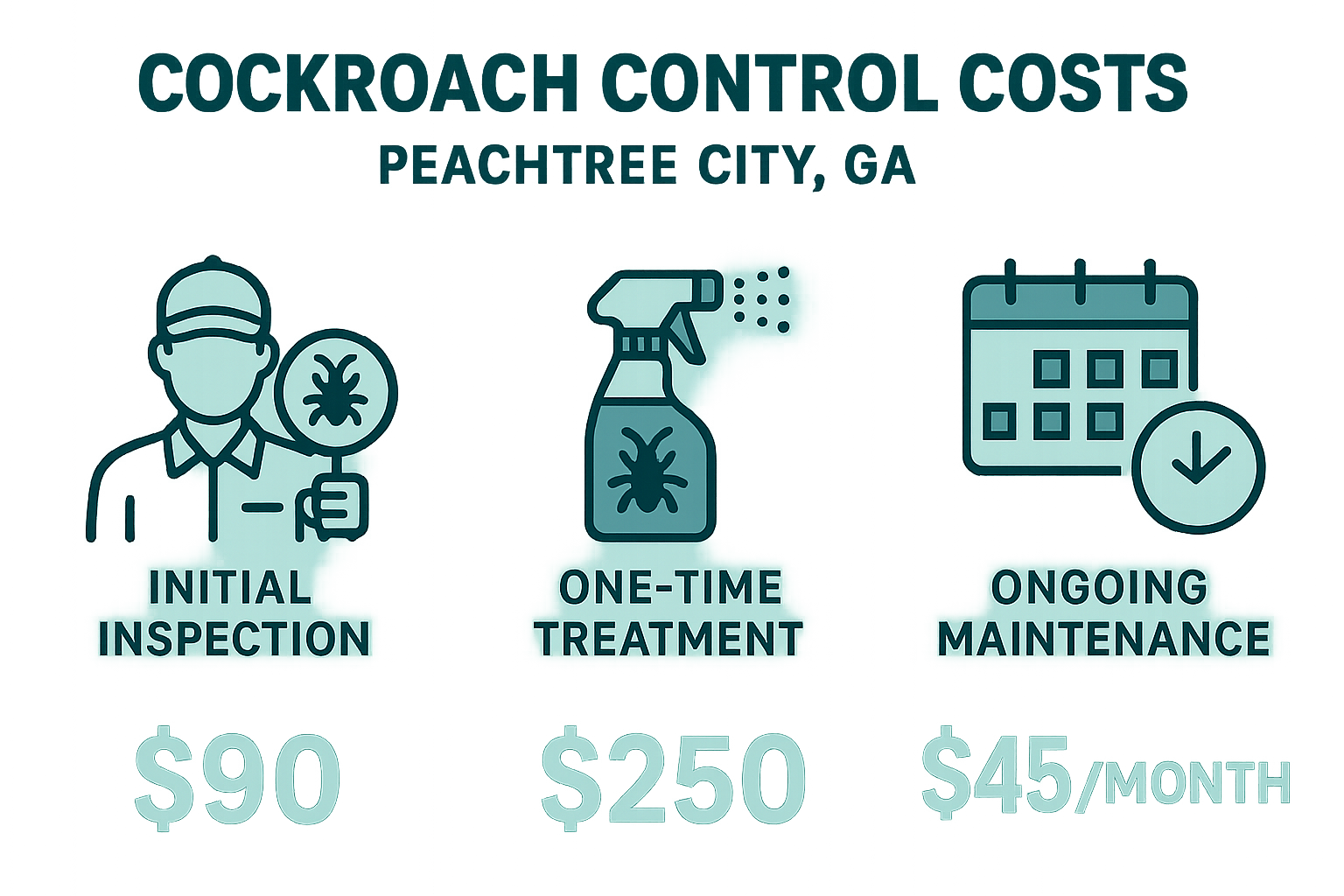
When a cockroach population explodes, a professional chemical spray delivers the fastest knock‑down. Technicians apply a residual insecticide directly to cracks, baseboards, and hiding spots, killing active roaches on contact and preventing new ones from emerging for several weeks. This method shines in severe infestations where immediate results are critical. Because the chemicals lose potency over time, most providers schedule a re‑treatment after 30‑45 days to seal the gap.
Baiting Systems
Bait stations offer a low‑toxicity, continuous control strategy that works especially well against German cockroaches, the most common indoor species in Peachtree City. Each station contains a slow‑acting poison that roaches carry back to their nests, gradually eradicating the colony. Baiting requires less frequent visits—typically every 2‑3 months—making it a cost‑effective choice for homeowners who prefer a discreet, low‑odor solution. Proper placement and regular monitoring are essential to keep the bait attractive and effective.
Integrated Pest Management (IPM)
IPM blends sanitation, exclusion, and targeted chemicals into a holistic plan. First, technicians help you identify and eliminate food, water, and shelter sources—think fixing leaky pipes and sealing entry cracks. Next, they install bait stations and apply spot‑treatments only where needed, reducing overall chemical use. The result is a sustainable, long‑term defense that minimizes resistance and protects family health. While the upfront effort is higher, IPM often yields the best balance of effectiveness and safety.
One‑Time vs. Ongoing Maintenance Plans
A one‑time treatment tackles an existing problem but leaves the home vulnerable to future invasions if underlying conditions aren’t corrected. In contrast, an ongoing maintenance plan—whether a monthly monitoring service or a seasonal retreat—keeps your property under regular surveillance. Monthly plans typically include a quick inspection, bait replenishment, and spot sprays, while seasonal retreats focus on high‑risk periods (late summer and early fall) with a more intensive treatment. The recurring cost is modest compared to the potential expense of repeated emergency calls.
Cost Comparison
| Service | Inspection Fee | One‑Time Treatment | Monthly Maintenance | Seasonal Plan (2‑Year) |
|---|---|---|---|---|
| Chemical Spray | $80‑$120 | $250‑$400 | $30‑$45 per visit | $350‑$500 |
| Baiting System | $80‑$120 | $180‑$300 (includes stations) | $25‑$40 per visit | $300‑$450 |
| IPM Package | $80‑$120 | $350‑$500 (includes sanitation) | $35‑$55 per visit | $500‑$650 |
Return on Investment (ROI)
Investing in a comprehensive, early‑stage treatment pays off quickly. A small infestation left unchecked can spread to kitchens, bathrooms, and even structural components, leading to costly repairs, food contamination, and potential health claims. By choosing an IPM or ongoing maintenance plan, homeowners often avoid multiple emergency visits that can total $1,000 + over a year. Moreover, a well‑executed plan protects property value—buyers appreciate a pest‑free home, and real‑estate disclosures become straightforward. In short, the modest monthly or seasonal fee translates into long‑term savings, peace of mind, and a healthier living environment.
Seasonal Activity Patterns and Prevention Strategies
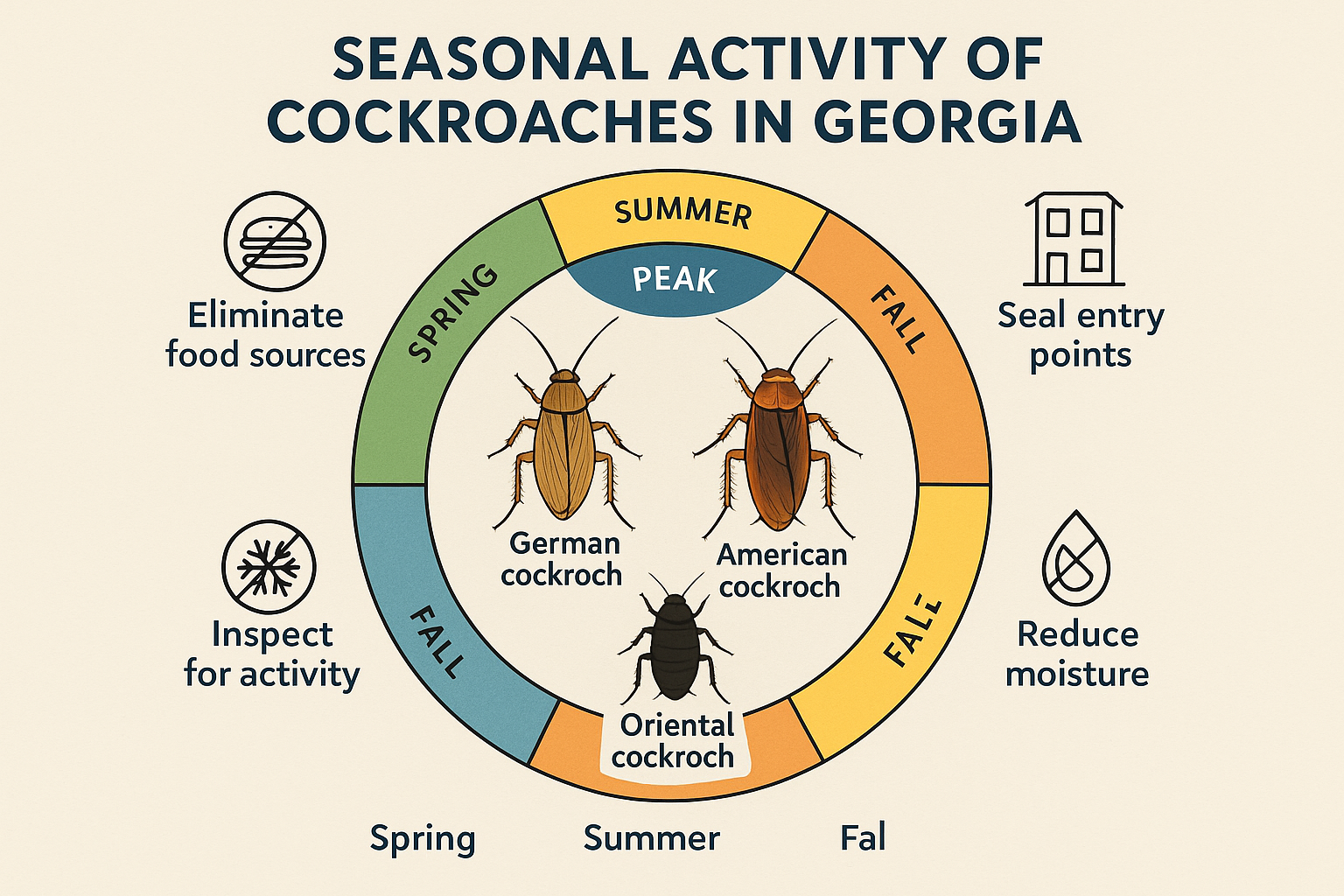
The chart above maps the peak activity periods for the three most common roaches in Peachtree City—German, American, and Oriental. Read the horizontal axis as months of the year and the vertical bars as relative population levels. When a bar rises, expect more sightings; when it drops, the insects are either hiding or preparing for the next surge. Understanding this rhythm lets you target prevention before the bugs become a visible problem.
Spring: German Cockroach Surge in Kitchens
As temperatures climb above 70°F, German cockroaches multiply rapidly, especially in warm, food‑rich environments. Your kitchen becomes their playground—cracks around cabinets, crumbs on counters, and standing water are invitation cards.
- Store food in airtight containers. Plastic bins, glass jars, and sealed bags deny roaches easy access.
- Clean up spills immediately. Wipe counters, sweep floors, and run the dishwasher nightly.
- Eliminate standing water. Fix leaky faucets, wipe down sink edges, and dry mop after each use.
- Seal entry points. Apply caulk around baseboards, pipe penetrations, and cabinet backs.
Summer: American Cockroach Expansion onto Outdoor Patios
Hot, humid summers push American cockroaches from sewers and mulch beds onto decks, grills, and outdoor furniture. They love the moisture and the shelter that cracks and gaps provide.
- Repair cracks in concrete, stone, and siding. Use a concrete filler or silicone sealant to block their pathways.
- Manage moisture. Keep gutters clear, direct downspouts away from foundations, and avoid over‑watering plants.
- Trim vegetation. Keep shrubs and vines at least a foot from the house to reduce bridge routes.
- Store outdoor food containers tightly. Picnic leftovers and pet food are prime attractants.
Fall: Oriental Cockroach Seeking Cool Indoor Shelter
When autumn brings cooler nights, Oriental cockroaches migrate indoors, favoring dark, damp basements, crawl spaces, and laundry rooms. Their preference for moist, shaded areas makes clutter and poor drainage a perfect hideout.
- Reduce clutter. Store boxes off the floor, organize laundry supplies, and keep stored items in sealed plastic.
- Fix drainage issues. Clear floor drains, repair basement leaks, and ensure sump pumps operate correctly.
- Improve ventilation. Use dehumidifiers or exhaust fans to lower humidity below 60%.
- Inspect and seal foundation cracks. Expanding foam works well for larger gaps.
Winter: Reduced Activity but Hidden Nests Persist
Cold weather forces most roaches into deep, hidden nests—behind appliances, under insulation, or inside wall voids. While you may see fewer roaches, the colonies are still breeding.
- Conduct year‑round monitoring. Place sticky traps in kitchens, basements, and behind appliances each month.
- Maintain a clean perimeter. Remove leaf piles, firewood stacks, and debris that could harbor moisture.
- Check for new entry points. Winter contraction can open fresh cracks around windows and doors.
- Schedule a professional inspection. A licensed technician can locate hidden nests before they emerge in spring.
General Prevention Checklist
- Seal all potential entry points: cracks, gaps, vents, and utility openings.
- Fix any plumbing leaks and eliminate standing water.
- Dispose of waste in sealed containers and remove trash bins from the house regularly.
- Maintain clean, dry surfaces in kitchens, bathrooms, and laundry areas.
- Trim vegetation away from the home’s foundation and keep outdoor lighting directed away from doors.
- Run sticky traps seasonally to detect early activity.
Creating a seasonal maintenance plan with a local professional, like Anthem Pest Control, ensures each of these steps is timed to the roaches’ life cycle. A quarterly inspection aligns with the spring surge, summer expansion, fall sheltering, and winter dormancy, giving you a proactive edge before an infestation takes hold.
Protect Your Home Today with Anthem Pest Control
When it comes to cockroaches, getting the basics right can make all the difference. Accurate identification tells you exactly which species you’re dealing with, a professional inspection uncovers hidden infestations, and seasonal treatment aligns your defense with the bugs’ life cycle. Skipping any of these steps leaves your home vulnerable to damage, health risks, and costly repeat visits.
Why Anthem Stands Out in Peachtree City
At Anthem Pest Control we combine local knowledge with industry‑leading expertise. Our technicians are fully licensed in Georgia and undergo regular training to stay ahead of emerging pest trends. Here’s what you can expect when you choose us:
- Transparent Pricing: No hidden fees—just a clear, upfront quote that matches the scope of work.
- Customized Plans: We tailor treatments to your home’s layout, the specific cockroach species, and the season, ensuring maximum effectiveness.
- Local Insight: Peachtree City’s climate and housing styles shape pest behavior; our team knows exactly when and where to act.
- Safe Solutions: We prioritize products that protect your family and pets while eliminating the infestation.
Ready for Peace of Mind?
If you’ve spotted a roach, hear the tell‑tale scurrying at night, or simply want to safeguard your home before the next season’s surge, we’re here to help. Call us today for a free, no‑obligation quote and let a friendly professional assess your situation.
877-371-8196 | Visit Anthem Pest Control
Remember, prompt action isn’t just about eliminating pests—it protects your family’s health, preserves the integrity of your property, and keeps your home comfortable year‑round. Let Anthem’s experienced team take the worry off your plate so you can enjoy a cockroach‑free environment with confidence.