Why Proactive Pest Prevention Matters for Every Homeowner

Proactive pest prevention means taking steps before an insect, rodent, or other unwelcome guest sets up shop in your home. Instead of reacting to bites, droppings, or structural damage, you implement regular inspections, sealing entry points, and targeted treatments that keep pests out. This forward‑looking strategy protects both your property’s integrity and your family’s health.
The hidden costs of an infestation quickly add up. A single termite colony can chew through wood, leading to expensive repairs that run into thousands. Allergic reactions or asthma attacks triggered by cockroach allergens generate medical bills, while a rodent‑infested pantry forces you to discard food and replace containers. Even the time you spend dealing with a pest problem—calling technicians, cleaning, and rearranging your schedule—represents lost productivity.
The numbers back up what homeowners see on the ground.
“Household pests cause an estimated $5‑$10 billion in property damage annually” (2024 EPA report).
That single figure illustrates how widespread and costly unchecked pests can be across the nation.
Choosing a preventive plan gives you peace of mind that the next time you hear a rustle in the attic, it’s more likely a house‑cat than a carpenter ant. Regularly scheduled treatments and a sealed envelope of your home’s vulnerable points reduce emergency calls, translating into predictable, affordable expenses year after year.
Over the lifespan of a home, preventive measures can save up to 30 % compared to emergency eradication. By catching a termite front‑line early, you avoid structural repairs; by keeping rodents out, you protect insulation and wiring, reducing fire risk. In short, the modest annual fee for a prevention plan pays for itself many times over.
At Anthem Pest Control, we blend data‑driven insights with on‑the‑ground knowledge of every neighborhood we serve. Our technicians walk your property, spot early warning signs, and tailor a prevention schedule that fits your budget and lifestyle. Think of us as your local pest‑proofing partner, turning a reactive nightmare into a routine, worry‑free habit.
Spot the Invaders – Key Pests in U.S. Homes
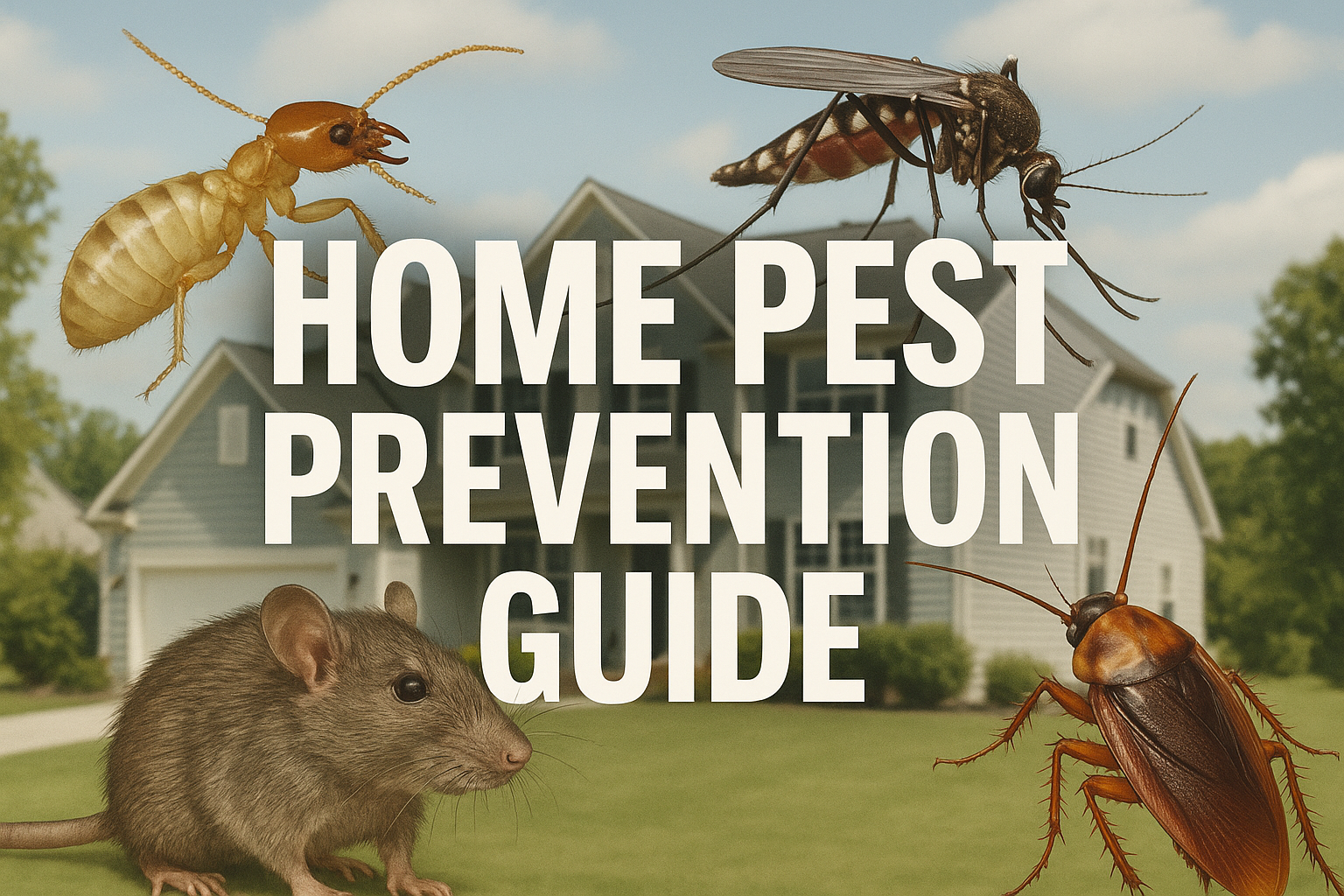
Every homeowner eventually meets an unwelcome guest. The five pests that cause the most trouble across the United States are ants, cockroaches, rodents, termites, and mosquitoes. Knowing how they look, where they like to hide, and what they can do to your health is the first step toward keeping your home safe and comfortable.
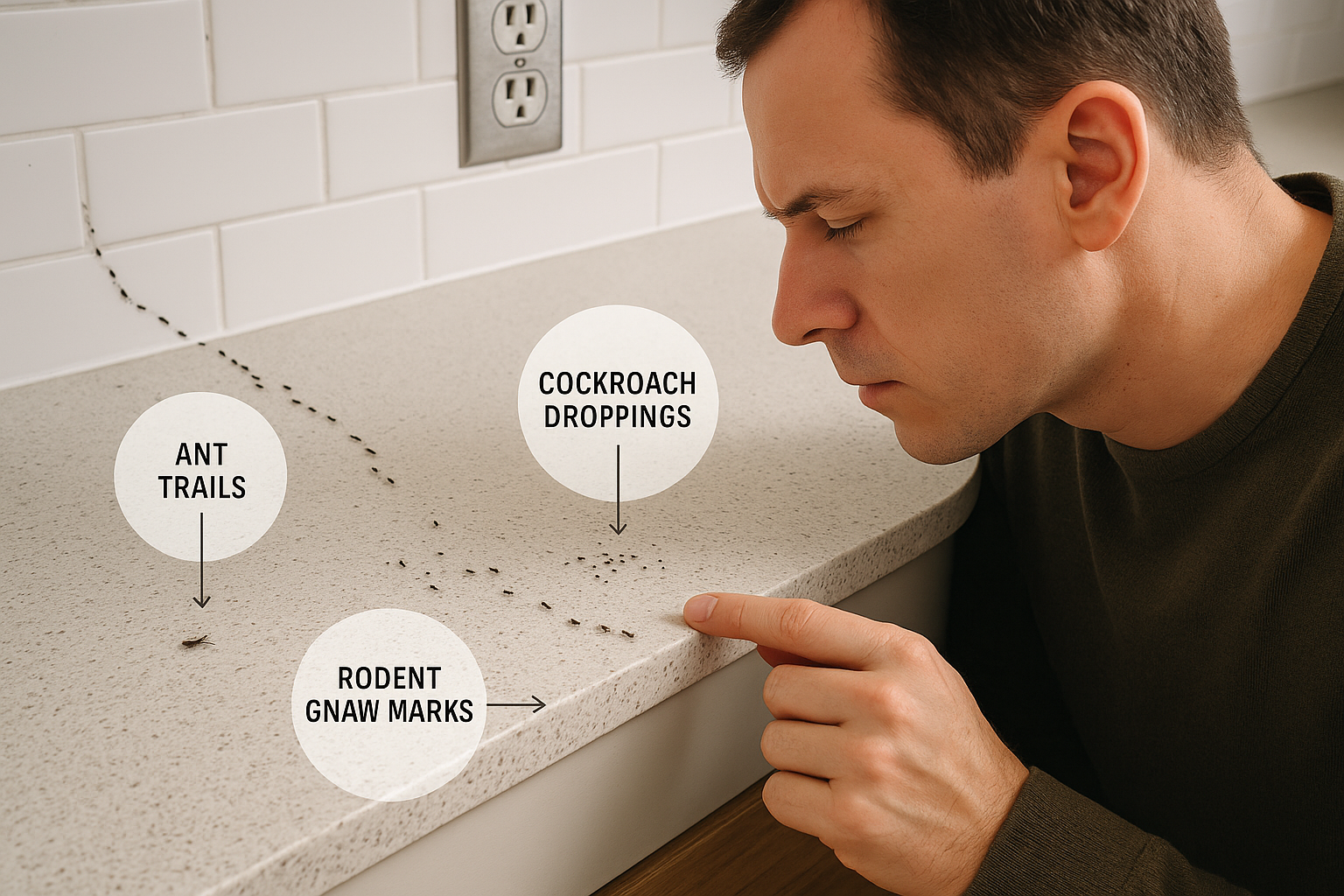
Visual cues that tell you who’s inside
- Ants: Small (2–12 mm), usually dark brown to black. Look for trails of tiny footprints and tiny pinprick holes in food packages.
- Cockroaches: Oval, 1–2 cm long, reddish‑brown with a glossy sheen. Spot droppings that look like coffee grounds and a musty odor in damp corners.
- Rodents: Mice are 2–4 inches long, gray or brown; rats can reach 12 inches, brown or black. Notice gnaw marks on wood, shredded insulation, and droppings the size of rice grains.
- Termites: Soft, pale, ¼‑inch long workers; swarmers have wings that look like tiny paper. Find mud tubes on foundation walls and hollow‑sounding wood.
- Mosquitoes: Slender, 3–6 mm, gray‑brown with long legs. Look for buzzing near windows and small dark spots on skin after evening outdoor activities.
Seasonal patterns and regional hotspots
- Ants: Summer surge in warm kitchens; in Austin, TX, they’re most active from June through August, marching along countertops and pantry shelves.
- Cockroaches: Thrive in humid basements; New Orleans, LA sees a spike in late spring when moisture levels rise, especially around leaky pipes.
- Rodents: Seek shelter as temperatures drop; the Midwest experiences a peak in October‑December as mice move indoors to escape the cold.
- Termites: Swarm in early spring after winter rains; the Southeast, particularly Florida, reports large swarms in March and April.
- Mosquitoes: Breed after summer rains; the Pacific Northwest sees a late‑summer peak (July‑August) when standing water accumulates.
Health implications you can’t ignore
- Ants: Some species trigger allergic reactions; sugary ant trails can attract other pests.
- Cockroaches: Carry bacteria that cause food poisoning and exacerbate asthma, especially in children.
- Rodents: Spread Hantavirus, leptospirosis, and salmonella through droppings and urine.
- Termites: Cause structural damage that can compromise home safety and lead to costly repairs.
- Mosquitoes: Vectors for West Nile virus, Zika, and dengue; bites can result in severe fevers and joint pain.
According to the Centers for Disease Control and Prevention, 1 in 3 U.S. homes experiences a pest‑related health issue each year (2023). Recognizing these invaders early lets you act before they turn a minor nuisance into a serious problem. Armed with these visual cues, seasonal insights, and health warnings, you’re better prepared to protect your family and property.
When Pests Strike – Seasonal Calendars by Region
Understanding when pests are most active in your area lets you stay one step ahead. Across the United States, insects and rodents follow predictable seasonal patterns—termite swarms in early spring, mosquito peaks in midsummer, rodents seeking shelter in the fall, and cockroaches nesting indoors during the cold months. By matching treatment timing to these cycles, you can reduce infestations before they become emergencies.
Denver, Colorado: Spring Termite Swarms
In the high‑altitude climate of Denver, the first warm days of March and April trigger termite alates to leave their colonies in massive swarms. Homeowners often notice wings fluttering near light fixtures or on the exterior of the house. This is the optimal window for a pre‑emptive termite inspection and barrier treatment, because colonies are most vulnerable before they establish new colonies inside the structure.
Miami, Florida: Summer Mosquito Blitz
Miami’s humid summer, from June through August, creates perfect breeding grounds for mosquitoes. Standing water in birdbaths, clogged gutters, or even a forgotten plant saucer can become a hatchery. Early June is the time to schedule barrier sprays and eliminate water sources. A professional misting service combined with larvicide treatments can keep the buzzing at bay throughout the peak months.
Suburban Chicago, Illinois: Fall Rodent Entry
When Chicago’s leaves start to turn, rodents such as house mice and Norway rats begin scouting for warm shelter. September and October see a sharp rise in interior sightings as they squeeze through gaps around foundations, vents, and utility lines. Sealing entry points and setting snap traps before the first frost dramatically lowers the chance of a full‑scale infestation during winter.
A quick reference many homeowners find useful is a three‑column table that pairs each month with the primary pest threat and a recommended action. For example, January would list “Cockroaches – Reduce indoor harborage and schedule a professional inspection,” while July would read “Mosquitoes – Eliminate standing water and apply barrier spray.” This format makes it easy to glance at a calendar and know exactly what to do.
All of the timing recommendations above are drawn from the National Pest Management Association’s 2024 Seasonal Activity Chart, which compiles field data from pest‑control professionals nationwide. Aligning your home‑care schedule with this trusted source ensures you’re tackling pests when they’re most vulnerable, saving you time, money, and stress.
DIY Prevention Steps That Really Work
Seal Entry Points
Rodents and insects love tiny cracks. Grab a tube of silicone caulk (around $5‑$10) and seal gaps around baseboards, window frames, and utility penetrations. Install door sweeps on exterior doors for $10‑$25 each to block the most common entry route. For mouse‑sized holes, pack steel‑wool into the opening and cover with expanding foam; a single 2‑inch roll costs about $8. In Brooklyn, NY, a neighbor reported a 30% drop in mouse sightings after sealing a 1‑inch gap behind a dishwasher with steel‑wool and foam.
Proper Food Storage
Food is the ultimate attractant. Transfer pantry staples—flour, sugar, cereals—into airtight containers with snap‑tight lids; a 5‑gal set runs $15‑$25. Clean up crumbs and spills immediately, and wipe down shelves with a mild detergent weekly. Don’t forget pet food; store it in sealed bins and remove leftovers each night. Consistently denying food sources makes your home far less inviting to pests.
Moisture Control
Many pests, from cockroaches to silverfish, thrive in damp environments. Start by fixing leaky faucets, pipes, and roof spots—most minor repairs cost under $50 in materials. Place a dehumidifier in basements or crawl spaces; a 30‑pint unit averages $150‑$200 and can lower humidity below 50 %. Ensure bathrooms and kitchens have functional exhaust fans, and keep them running for at least 15 minutes after use to vent excess moisture.
Landscaping Tips
Exterior maintenance is just as critical. Trim trees and shrubs to within two feet of the house so branches can’t act as bridges for squirrels, raccoons, or insects. Remove leaf piles, wood debris, and any standing water—think birdbaths, clogged gutters, or pet water dishes left outdoors overnight. A simple garden hose can clear gutters for under $10, while a basic yard rake set costs $20‑$35.
Schedule Regular Self‑Inspections & Create a Maintenance Checklist
Set a monthly reminder to walk through each room, attic, and basement. Look for signs such as gnaw marks, droppings, sticky traps, or water stains. Use a printable checklist that includes:
- Inspect door sweeps and weather‑stripping
- Check for new cracks or holes
- Verify food containers are sealed
- Test dehumidifier and exhaust fans
- Review landscaping clearance
Printing the list costs only a few cents, and sticking to it can prevent a small issue from becoming a full‑blown infestation.
Cost‑Effective Tools to Keep on Hand
Beyond the basics, consider a few staple products that make DIY prevention easier. Bait stations for ants or roaches range from $15‑$30 per pack and can be placed in hidden corners. Snap traps for rodents cost $2‑$5 each, while a reusable glue board set is $10‑$20. Investing in these items now saves money compared to emergency exterminator visits later.
When to Call a Professional
Even the most diligent homeowner can miss hidden infestations. Anthem Pest offers a free home assessment to verify that your DIY measures are holding up and to pinpoint any lingering vulnerabilities. A quick phone call to 877‑371‑8196 or a visit to anthempest.com can give you peace of mind and a professional’s seal of approval before the next season’s pests arrive.
When to Call the Pros – Treatment Plans Explained
Barrier Sprays vs. Bait Stations
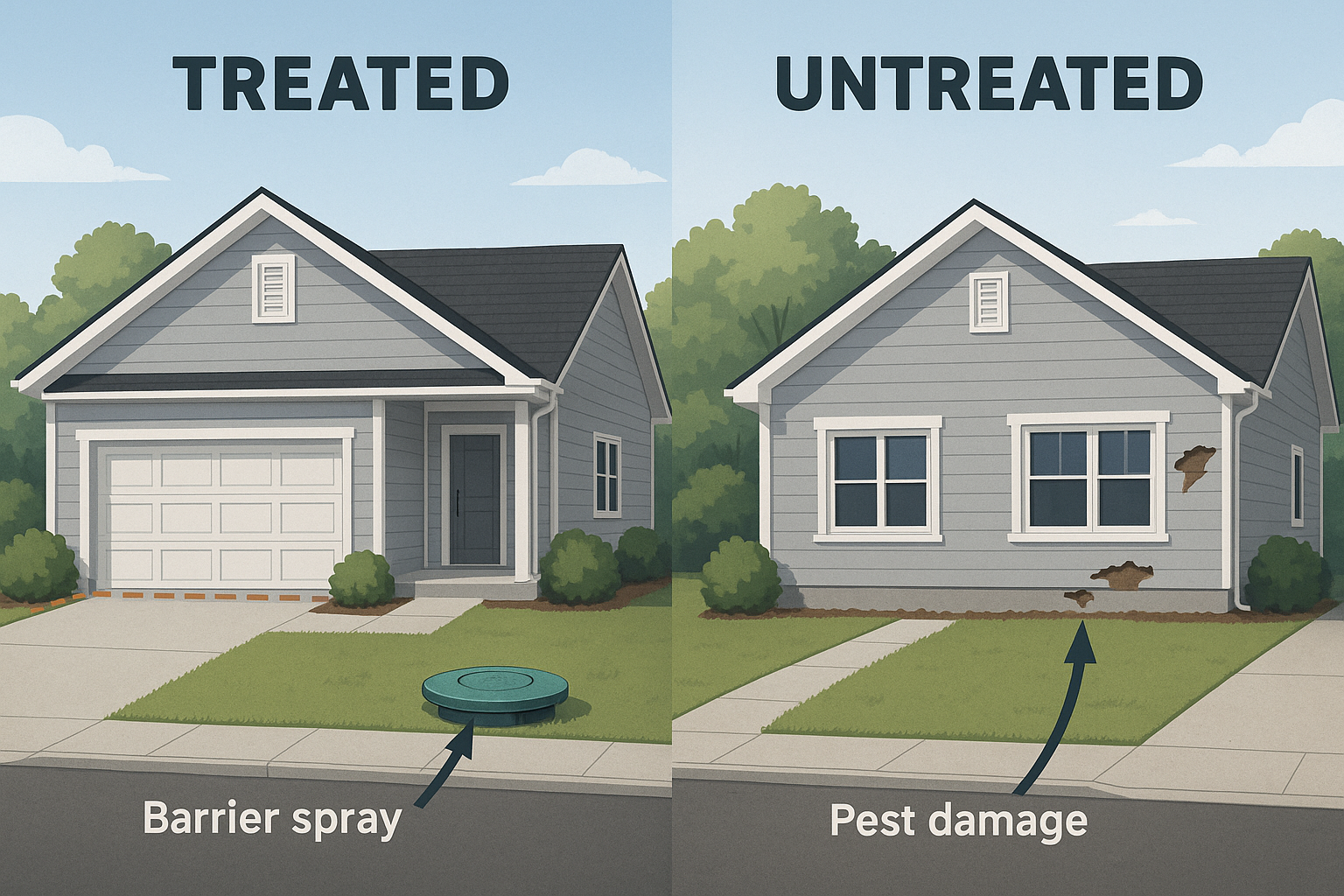
Barrier sprays create a protective chemical wall around your home’s foundation, crawl spaces, and entry points. They work immediately, killing insects on contact and deterring new invasions for weeks. Bait stations, on the other hand, attract pests to a hidden poison that they carry back to the colony, offering a slower but often more sustainable knock‑down.
Choosing between the two depends on the type of pest, infestation level, and how quickly you need results. For fast‑acting relief against ants, spiders, or roaches, a barrier spray is ideal. If you’re battling a hidden colony of termites or cockroaches, bait stations provide longer‑term control.
Termite Fumigation
Fumigation blankets a structure with a gas—usually sulfuryl fluoride—that penetrates wood and eliminates termites at all life stages. It’s a one‑time, comprehensive solution that can eradicate an entire infestation, but it requires vacating the home for 24‑48 hours.
Because of the cost and disruption, fumigation is best reserved for severe, widespread termite damage or when other methods have failed. It’s also the only EPA‑approved method for certain dry‑wood termites.
Mosquito Misting Systems
Seasonal misting stations disperse a fine spray of EPA‑registered adulticides over your yard, targeting mosquitoes during peak activity. Treatments are typically applied every 10‑14 days throughout the warm months, keeping the adult population low without affecting other beneficial insects.
If you spend evenings outdoors or have a pond or water feature, a misting service can dramatically improve comfort and reduce disease risk.
2024 Pricing Snapshot
- General pest control visit: $99‑$149 per quarter.
- Termite inspection & treatment: $250‑$1,200, depending on scope and method.
- Mosquito barrier service: $150‑$300 per season.
These ranges reflect current industry averages and are corroborated by the EPA consumer guide and recent quotes from Anthem Pest.
Pros and Cons at a Glance
| Method | Effectiveness | Application Frequency | Key Pros | Key Cons |
|---|---|---|---|---|
| Barrier Sprays | High (immediate kill) | Every 3‑4 months | Fast relief; simple application | May need re‑application after rain |
| Bait Stations | Medium‑High (colony control) | Check/replace every 6‑12 months | Targets hidden nests; low exposure | Slower results; requires monitoring |
| Termite Fumigation | Very High (complete eradication) | One‑time, then monitor | Eliminates all life stages | Costly; home must be vacated |
| Mosquito Misting | Medium (adult control) | Every 10‑14 days (seasonal) | Reduces bites; improves outdoor comfort | Does not affect larvae; seasonal only |
When to Call a Professional
If you notice recurring activity despite DIY attempts, or if the pest poses structural damage (like termites) or health risks (like mosquitoes), it’s time to bring in a licensed technician. Professionals can assess hidden entry points, recommend the right mix of barrier and bait, and ensure EPA‑compliant applications.
Anthem Pest’s 24‑hour response promise means a qualified specialist will be on your doorstep within a day of your call—critical when you’re dealing with fast‑spreading infestations.
Anthem Pest’s Value Proposition
Beyond transparent pricing, Anthem Pest backs every treatment with a satisfaction guarantee. If pests return within the service window, they’ll re‑treat at no extra charge. This commitment reduces the risk of surprise costs and gives homeowners confidence in long‑term protection.
Because the company uses EPA‑approved products and follows the latest industry protocols, you get both safety and effectiveness without hidden fees.
What Sets Anthem Pest Apart in Your Neighborhood
Local expertise you can rely on
Every homeowner wants a pest‑free home, but the solution isn’t one‑size‑fits‑all. Anthem Pest’s technicians are certified by state pest‑control boards and trained on the latest EPA‑approved products. Because we operate in every major climate zone, we craft region‑specific treatment plans that consider Seattle’s damp basements, Dallas’s scorching summers, and New York’s dense urban housing. This localized knowledge means you get the right dosage, the right timing, and the right method for the pests that actually threaten your street.
Real results from real neighborhoods
“We had a nightly ant invasion in our Capitol Hill condo. Anthem Pest identified the exact entry point and eliminated the colony in two visits. No more ant trails!” – Maria L., Seattle, WA
“Our oak‑shaded yard in Dallas was a mosquito hotspot. The team’s custom misting schedule cut bites by 90 % within a week.” – Jamal R., Oakwood, TX
“Bed bugs were spreading through our Westchester apartment building. Anthem’s thorough heat‑treatment saved us from months of sleepless nights.” – Elena S., Bronx, NY
Transparent pricing and a free home assessment
We know surprise fees are the biggest turn‑off for homeowners. That’s why Anthem Pest offers a clear, upfront pricing model that breaks down each service component—inspection, treatment, follow‑up—so you know exactly what you’re paying for. To get started, simply schedule a free home assessment. Our expert will walk through your property, point out vulnerable areas, and provide a written quote before any work begins.
Ready to protect your home?
Take the first step toward a pest‑free environment today. Call us at 877‑371‑8196 or visit anthempest.com to book your complimentary assessment. Our local teams are standing by to bring safe, effective, and affordable pest control to your doorstep.
Sources & Verification
Accurate data is the backbone of every recommendation we make at Anthem Pest Control. To keep homeowners informed about costs, health risks, and seasonal trends, we pull information from three trusted industry sources.
- https://www.epa.gov/pesticides/pesticide-use-statistics (EPA pest cost data)
- https://www.cdc.gov/rodents/index.html (CDC health impact data)
- https://www.npma.org/industry-data/seasonal-pest-activity (NPMA seasonal chart)
Each source serves a specific purpose: the EPA statistics provide nationwide estimates of economic damage caused by pests, the CDC page outlines documented health issues linked to rodent exposure, and the NPMA seasonal chart shows when particular insects or rodents are most active in different regions.
Our editorial team follows a strict verification checklist before publishing any figures:
- Verify the 2024 EPA pest damage cost figure.
- Confirm CDC 2023 health issue prevalence related to rodents.
- Check the NPMA 2024 seasonal activity PDF for the latest trends.
By cross‑checking these sources, we ensure that the advice you receive is both reliable and up‑to‑date, helping you make confident decisions about pest prevention and treatment.
Protect Your Home Today – Take the First Step
Proactive prevention, seasonal awareness, simple DIY checks, and knowing when to call a professional are the cornerstones of a pest‑free home. By staying ahead of infestations, you reduce the chance of costly damage and protect the health of everyone under your roof.
- Identify early warning signs before pests become a problem.
- Adjust your pest‑control routine to match seasonal pest activity.
- Apply quick DIY steps—like sealing entry points and removing food sources.
- Call a certified technician when the situation exceeds your comfort zone.
Taking action early not only saves money on extensive treatments, it also safeguards your family’s well‑being and preserves your property’s market value. A small investment in prevention now prevents large, unexpected expenses later.
Anthem Pest offers a complimentary home assessment tailored to your specific needs. Call us at 877‑371‑8196 to schedule your free evaluation and receive a transparent, data‑driven plan.
Ready to safeguard your home with a trusted, data‑driven partner? Contact Anthem Pest today for a complimentary assessment and transparent pricing. Our local experts are standing by to help you enjoy a pest‑free life. Visit Anthem Pest Control.