Why Millipedes Matter for Georgia Homeowners
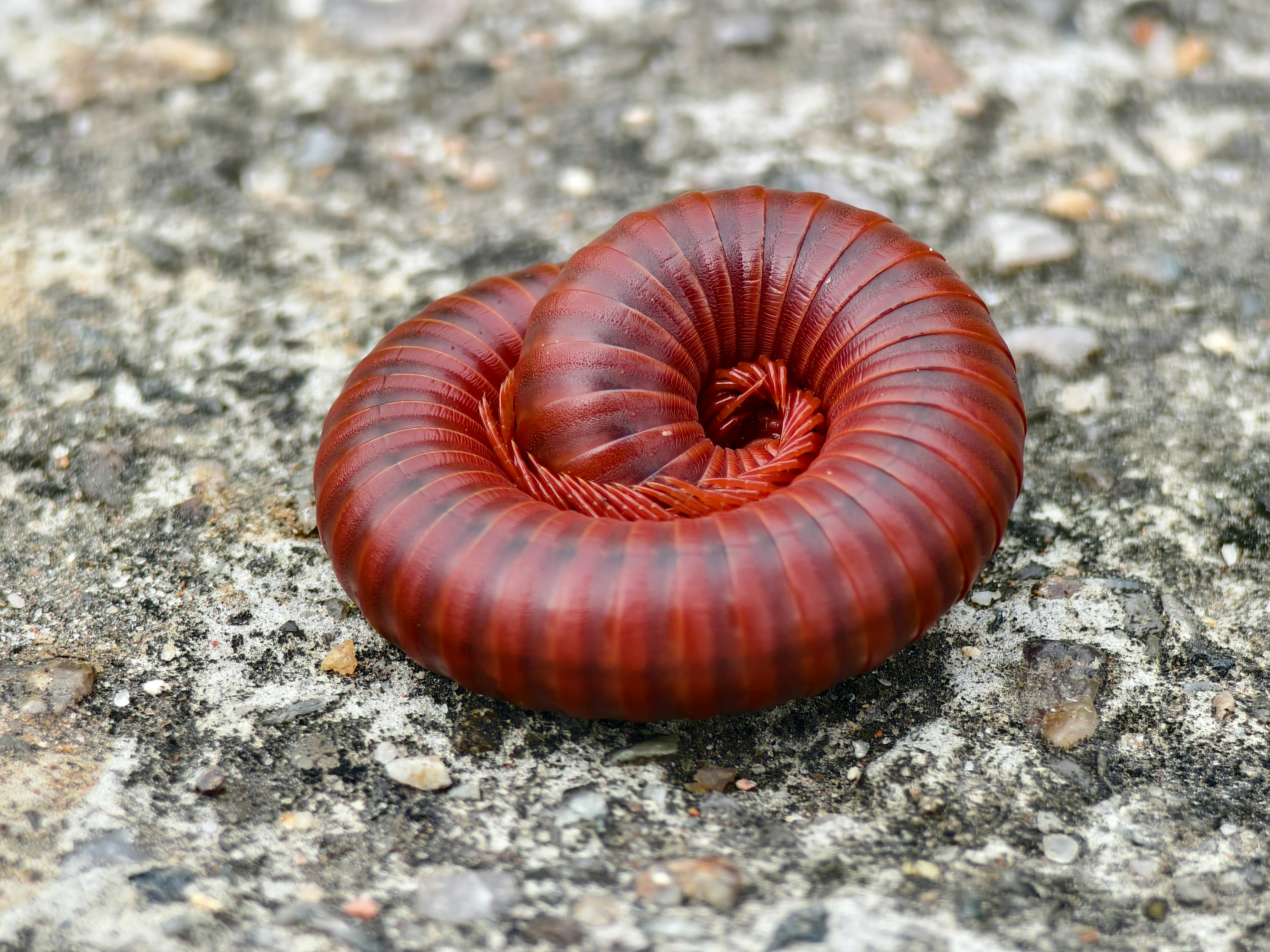
Emergency millipede control Decatur homeowners need often starts with understanding what millipedes are and why they suddenly invade homes. Millipedes are elongated, many-legged arthropods that belong to the class Diplopoda. Unlike insects, they have two pairs of legs per body segment and a hard, segmented exoskeleton. Most species are detritivores, feeding on decaying leaves, wood, and organic matter—essentially nature’s recyclers.
Many homeowners mistake millipedes for insects and assume they’re destructive pests. In reality, they do not chew on living plants, damage structures, or bite humans. Their primary role is to break down plant debris, which actually benefits garden health. Because they lack chewing mouthparts suited for fresh foliage, they rarely pose a direct threat to lawns, flower beds, or crops.
When Millipedes Become a Nuisance
The trouble starts when numbers swell. After a wet spring or heavy rains, millipedes emerge from the soil in massive swarms, seeking shelter from moisture. If your home’s foundation has cracks, gaps around doors, or damp basements, these creatures can flood indoor spaces in search of a dry refuge. While they won’t eat your furniture, a carpet‑covered floor can quickly look like a moving carpet of tiny, wriggling bodies—an unsettling sight for any homeowner.
Georgia’s Climate and Landscaping: A Perfect Habitat
Emergency millipede control Decatur homeowners often need is driven by local climate conditions. Georgia’s warm, humid summers and mild winters create an ideal environment for millipedes to thrive year-round. The state’s abundant oak, pine, and hardwood forests provide a constant supply of leaf litter, while common residential landscaping practices—such as mulching, compost piles, and irrigation—add extra moisture and organic material. These conditions encourage rapid population growth, especially in neighborhoods like Decatur where gardens and shaded yards are popular.
Local research from the University of Georgia Extension confirms that millipede activity spikes after periods of heavy rainfall and in areas with dense, unmanaged mulch. The study recommends regular yard maintenance, proper drainage, and sealing foundation cracks to reduce indoor invasions (UGA Extension, Publication C896).
Spotting a Millipede Infestation Early

Emergency millipede control Decatur homeowners may need often begins with early detection. Millipedes are harmless visitors most of the year, but when they start gathering around your home they can become a nuisance. Catching the problem before the numbers explode saves you time, money, and the occasional sleepless night. Below, we break down the visual and behavioral clues that signal an early infestation, plus a quick-check list you can run on your own.
Visual cues you can’t ignore
Look where moisture meets shelter. Small clusters often appear on foundation walls, especially where mulch or leaf litter meets the concrete. Door thresholds are another hotspot; a thin line of millipedes may form a “carpet” that disappears once the sun rises. Inside, check corners of rooms, under cabinets, and behind appliances—these dark, undisturbed spots are perfect hideouts. Spotting even a handful in these areas should raise a red flag.
Signs of entry
Emergency millipede control Decatur homeowners require often starts with sealing entry points that let humidity inside. Millipedes exploit any opening that allows moisture in. Examine screens for tears or gaps; a single damaged mesh can become a highway. Around utility lines—water, gas, or electrical—look for cracks in the sealant or missing caulking. Excessive moisture near foundations, such as soggy soil or standing water after rain, creates a gateway that invites them inside. Seal these pathways now to cut off their preferred route.
Behavioral clues
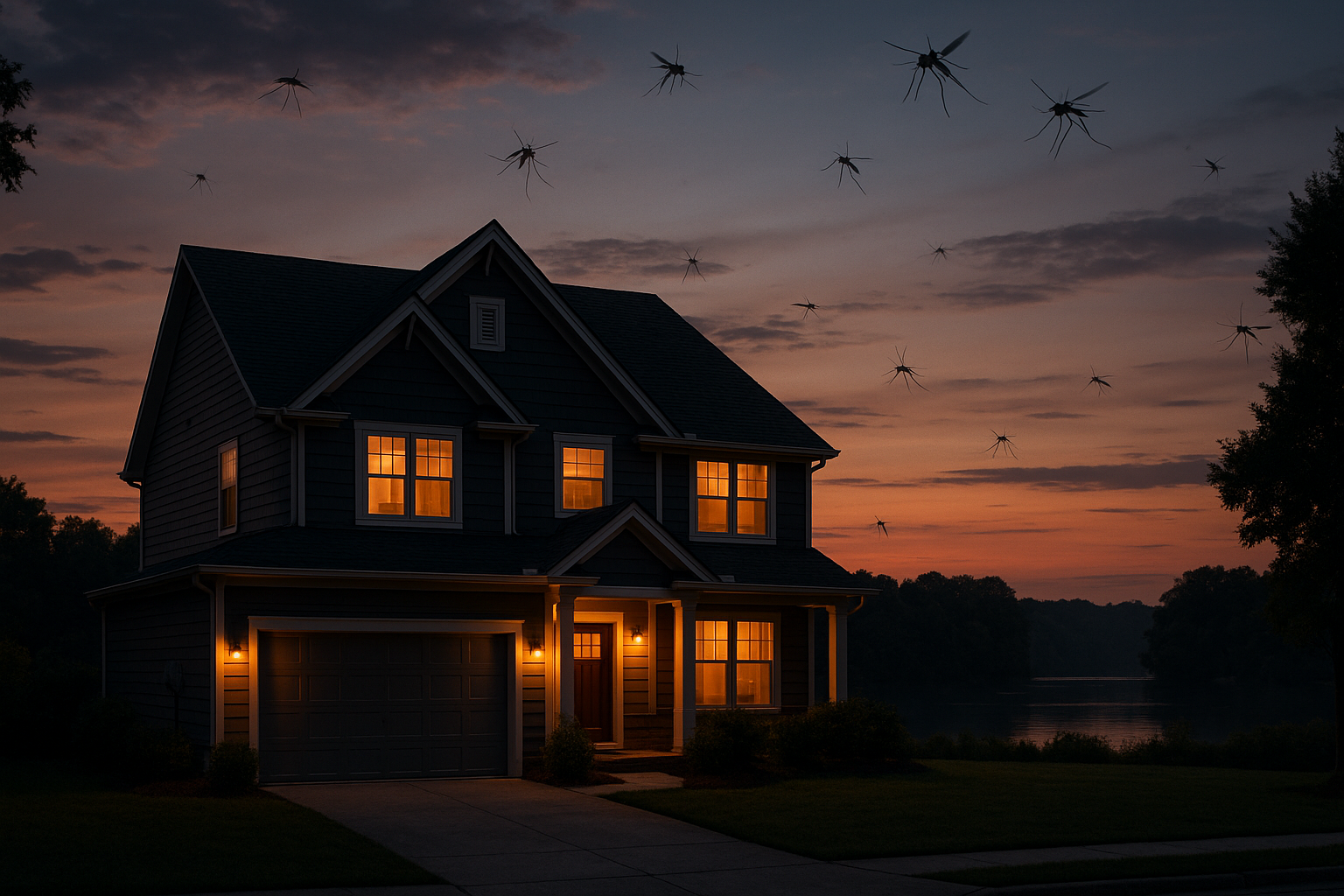
These arthropods are nocturnal and love the glow of porch lights. If you notice a sudden surge of tiny, many‑legged silhouettes moving toward your outdoor lamps after dusk, it’s a sign of a growing population. Seasonal spikes typically occur in late summer through early fall when the soil stays warm and damp. An uptick in night‑time activity is a reliable early warning.
Potential damage—and why it matters
Emergency millipede control Decatur homeowners seek isn’t just about comfort—it’s also about preventing secondary problems. While millipedes don’t chew wood or bite, they can still cause headaches. Their bodies leave oily stains on fabrics, upholstery, and even painted walls. In basements and crawl spaces, they can clog drains and sump pumps, leading to costly water damage. Beyond the physical mess, the sight of dozens of millipedes crawling across a floor can be unsettling for any homeowner.
Quick DIY inspection checklist
Run through these steps once a month, especially after heavy rain:
- Walk the perimeter of your home and note any clusters on foundations or mulch.
- Inspect door thresholds and window sills for tiny trails or live individuals.
- Check all screens for tears, holes, or missing mesh.
- Examine the seal around utility lines for cracks or gaps.
- Look for standing water or overly damp soil near the foundation.
- Observe outdoor lighting at night for increased millipede movement.
- Open interior closets and cabinets; look in corners for hidden groups.
- Note any staining on fabrics, carpets, or walls that could be from crushed millipedes.
If more than a few items on this list check off as “yes,” it’s time to call a professional. Early detection lets Anthem Pest Control apply targeted treatments before the infestation spreads, keeping your home comfortable and millipede‑free.
Seasonal Activity Patterns of Millipedes in Georgia
Life Cycle Overview
Emergency millipede control Decatur homeowners consider often depends on understanding the millipede life cycle. Millipedes in Georgia follow a classic three-stage life cycle: egg, juvenile (often called a “larva” by homeowners), and adult. Females lay clusters of tiny, oval eggs in moist soil during the early spring. Those eggs hatch into miniature, translucent juveniles that molt repeatedly—sometimes up to 30 times—growing a new segment with each molt. By midsummer, the majority have reached adulthood, sporting the familiar dark, segmented bodies that homeowners recognize.
Temperature & Humidity Influence
Emergency millipede control Decatur homeowners often need is closely tied to temperature and humidity levels . Temperature and humidity are the twin engines that drive millipede activity. When soil temperatures climb above 55°F (13°C) and relative humidity stays above 70%, millipedes emerge from their underground refuges to forage for decaying plant matter. Conversely, a dry spell or a sudden cold snap forces them back into the soil, where they remain dormant until conditions improve.
Peak Activity Months
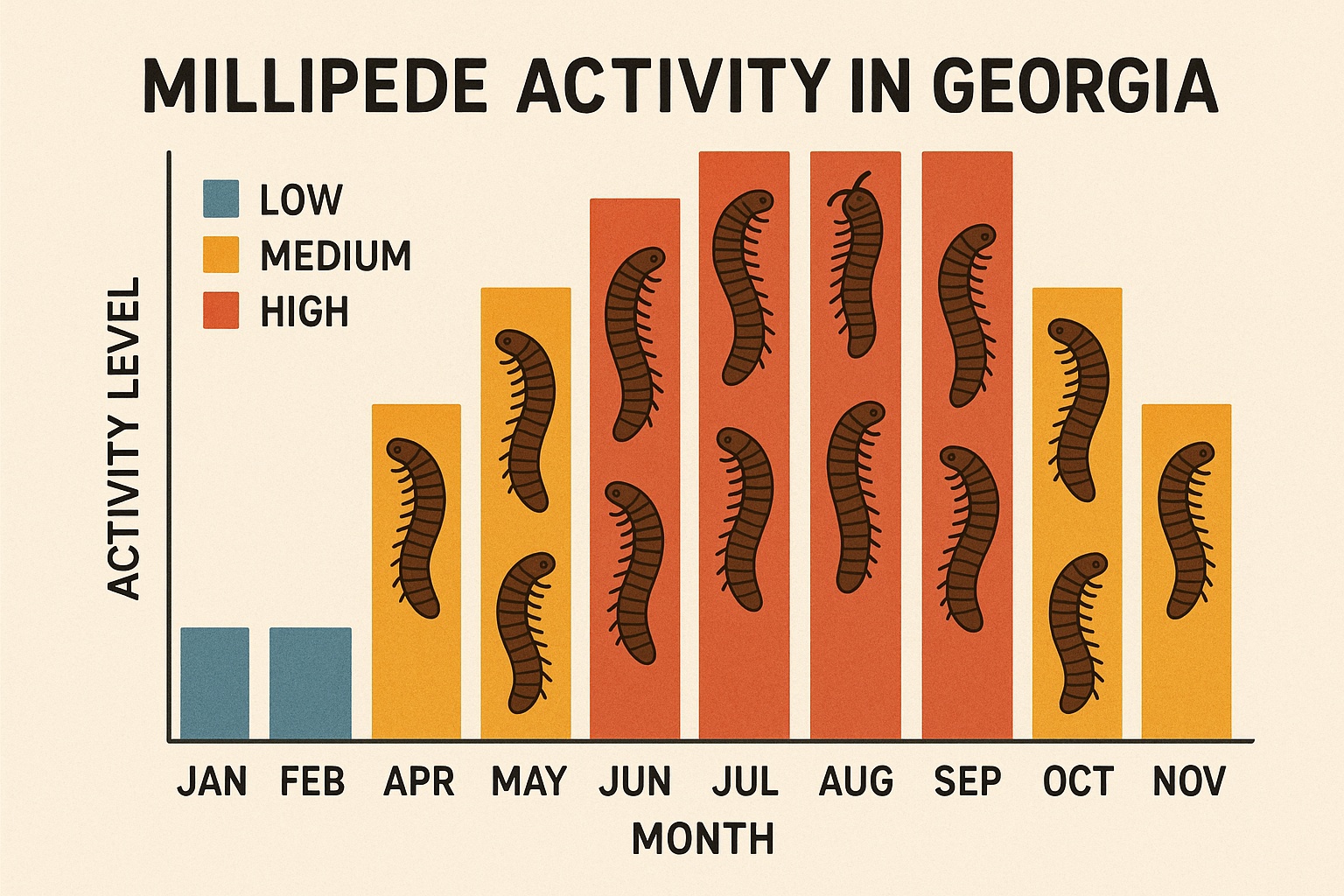
In Georgia, the high‑activity window stretches from late May through early September. During this period, daytime temperatures regularly sit between 70°F and 85°F (21‑29°C) and summer rains keep the ground moist. These conditions create a perfect feeding environment, prompting large numbers to wander onto foundations, decks, and even into homes seeking shelter from the heat.
Low‑Activity Periods – Ideal for Barrier Treatments
The months of October through April constitute the low‑activity season. Cooler air and reduced moisture push millipedes deeper into the earth, where they enter a semi‑dormant state. This lull is the optimal time for homeowners to apply perimeter barriers, mulch adjustments, or soil drenches. Treating then maximizes product absorption and reduces the chance of immediate re‑infestation.
Using the Seasonal Activity Chart
The chart above condenses the yearly cycle into a quick‑reference guide. By aligning inspections with the “High” months, you can catch emerging millipedes before they breach your home’s foundation. Scheduling barrier applications during the “Low” months gives the treatment a head start, creating a protective shield before the next surge.
| Month | Activity Level | Recommended Action |
|---|---|---|
| January – March | Low | Plan barrier treatments; inspect drainage |
| April – May | Moderate | Begin pre‑emptive inspections; address moisture sources |
| June – August | High | Conduct thorough interior/exterior inspections; treat hotspots |
| September – October | Moderate | Finalize any remaining treatments; reinforce barriers |
| November – December | Low | Maintain landscape drainage; schedule next year’s plan |
Treatment Options, Pricing, and What to Expect
Professional Treatment Methods We Use
When millipedes invade your yard or crawl inside, we start with a layered approach that attacks the problem where it begins. A perimeter barrier spray creates a chemical moat around your home, stopping adults from crossing the foundation. Soil drenches penetrate the top 12‑18 inches of soil, targeting larvae and eggs hidden in mulch or garden beds. Inside, we apply a low‑odor residual spray to baseboards, window sills, and other entry points, ensuring any intruder that makes it indoors is quickly knocked out. Finally, we advise habitat modification—removing excess leaf litter, fixing drainage, and trimming vegetation—to make your property less inviting for future generations of millipedes.
Why Choose a Professional Over DIY?
Sure, you can buy a can of aerosol spray at the hardware store, but professional service offers three decisive advantages. First, coverage: our technicians map every vulnerable zone, from crawl‑space vents to the far side of the garden, delivering a uniform dose that a homeowner’s handheld sprayer simply can’t match. Second, safety: we use EPA‑registered products that are effective yet low‑toxicity when applied correctly, and we follow strict PPE protocols to protect you, your family, and your pets. Third, warranty and follow‑up: every treatment comes with a guarantee—if millipedes return within the service window, we’ll re‑treat at no extra charge.
Pricing Comparison
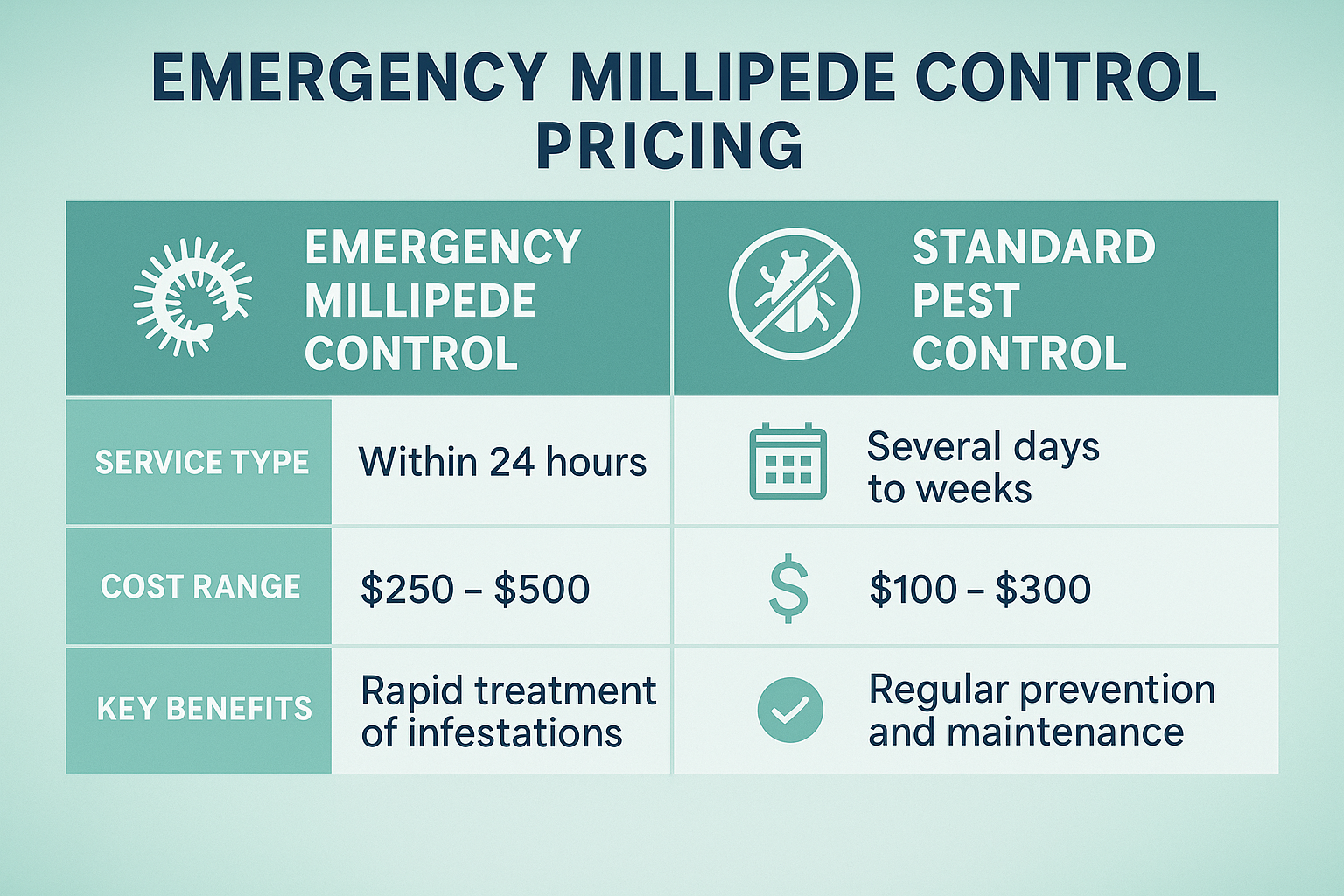
| Service Type | Standard Pest Control | Emergency Millipede Control |
|---|---|---|
| Per‑square‑foot coverage (up to 2,500 sq ft) | $120 – $150 | $180 – $250 |
| Per‑square‑foot coverage (2,501 – 5,000 sq ft) | $190 – $230 | $260 – $340 |
| Same‑day emergency visit | $0 – $30 (service fee) | $80 – $120 (priority surcharge) |
| Follow‑up visit (within 30 days) | Included | Included |
What Drives the Final Quote?
Every home is unique, so we calculate the final price based on three main factors. Property size is the most obvious—larger lawns and bigger foundations require more product and more labor. Infestation severity matters, too; a light presence may need a single barrier spray, while a heavy crawl can demand multiple soil drenches and indoor residual applications. Finally, urgency plays a role: a same‑day emergency call triggers a priority surcharge, whereas a scheduled visit fits into our regular routing and costs less.
What Happens When Our Technician Arrives
First, we conduct a quick visual inspection to confirm the species, locate hot spots, and assess any moisture problems that may be attracting millipedes. Next, we walk you through a customized treatment plan, explaining where each product will be applied and why. The actual application takes about 45 minutes for an average home; we’ll spray the perimeter, treat the soil, and finish with an indoor residual mist. After we leave, you’ll receive a printed warranty card and a simple checklist for habitat modification—things like clearing woodpiles or fixing gutter leaks. One week later, we schedule a follow‑up check to verify that the barrier is holding and that no new activity has surfaced.
By understanding the methods, costs, and service flow, you can make an informed decision and keep your Decatur home millipede‑free without surprise bills or lingering pests.
Protect Your Home with Expert Millipede Control
Early detection is the first line of defense against a millipede invasion. Spotting the tell‑tale signs—tiny trails along foundation walls, clusters under mulch, or a sudden surge after a rainy spell—lets you act before the critters overwhelm your yard or crawlspace. Pair that timing with the seasonal window when millipedes are most active (late spring through early fall) and you dramatically reduce the amount of product needed and the risk of re‑infestation.
When it’s time to treat, you have three proven paths:
- Perimeter barrier sprays that create an invisible shield around your home.
- Targeted soil applications that attack the larvae where they breed.
- Indoor crack‑and‑crevice treatments for the occasional wanderer that makes it inside.
Each method works best in the hands of a licensed technician who understands local soil composition, weather patterns, and the specific millipede species common to Decatur. That’s why Anthem Pest Control is the smart choice for Georgia homeowners.
Our team brings years of regional expertise, EPA‑approved products that are safe for children and pets, and transparent pricing you can trust. We never hide fees—what you see in the quote is what you pay.
We also provide a written service agreement, so you know exactly what steps will be taken and when follow‑up visits are scheduled.
Ready for peace of mind? Schedule a free, no‑obligation inspection today and receive a personalized quote tailored to your property’s unique needs. One quick call or click puts a certified technician on the job, and you’ll have a clear action plan before the next rainstorm.
Call now at 877‑371‑8196 or visit anthempest.com to book your inspection.