Emergency Ant Control in Smyrna, Georgia – Quick Overview
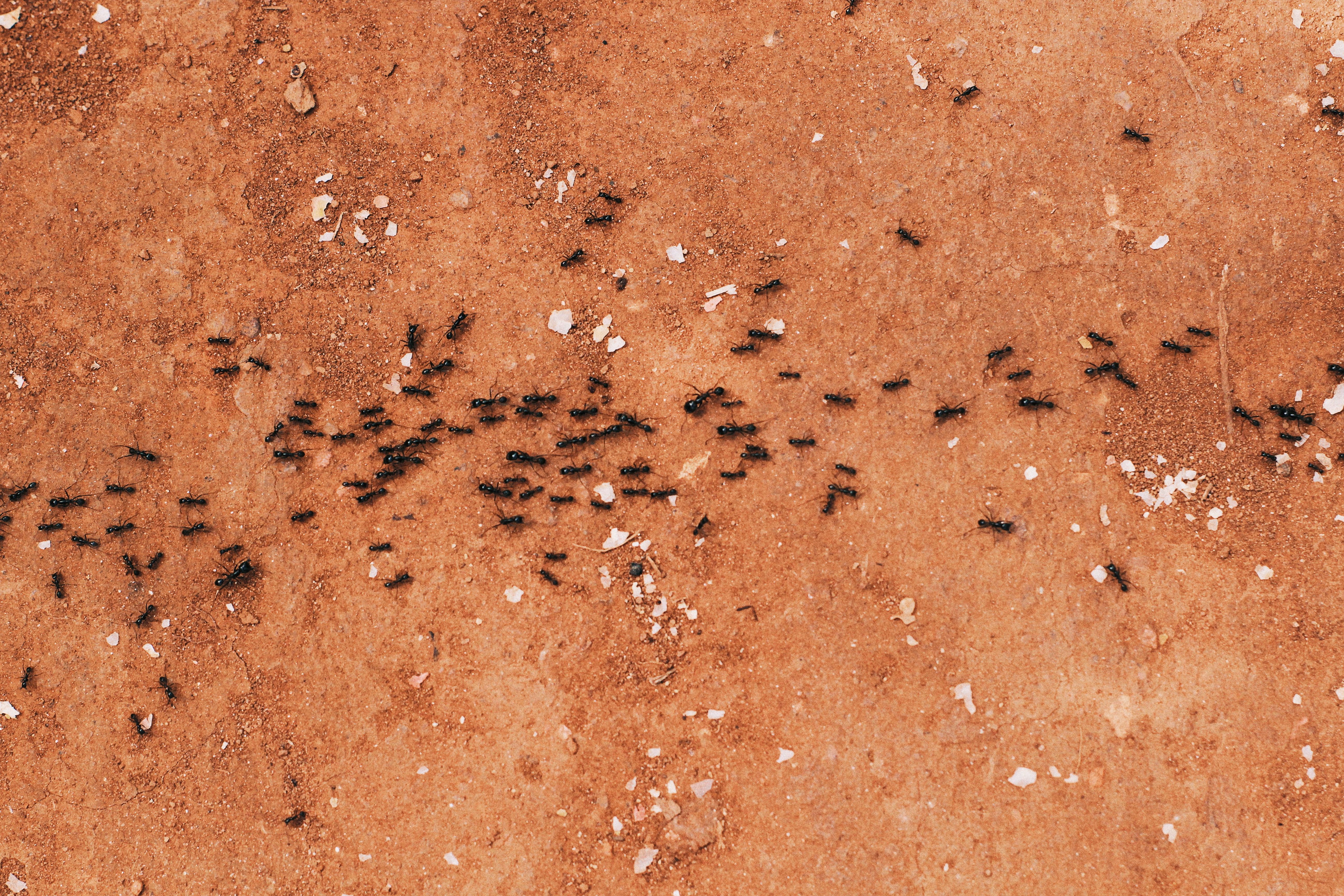
A sudden ant trail on your kitchen counter can signal a fast‑spreading infestation. One minute you notice a few tiny workers, the next you’re staring at a river of black specks marching toward your pantry. That moment of panic is exactly why we treat ant sightings as an emergency in Smyrna.
Local factors that turn ants into an emergency
- Humid summer weather: Warm, moist conditions accelerate colony growth and make outdoor nests eager to invade indoor spaces.
- Proximity to parks and construction sites: Smyrna’s expanding green belts and ongoing developments create perfect corridors for foraging ants to explore new food sources—your home.
- Dense landscaping: Thick lawns, mulch beds, and ornamental shrubs retain moisture, acting as a natural highway for ant colonies to travel unnoticed until they breach your foundation.
How fast can an ant colony take over a Smyrna home?
In the heart of the metro Atlanta area, a typical carpenter ant queen can lay up to 1,000 eggs per day during peak season. Within just two weeks, a modest nest can produce thousands of workers, each capable of laying down a pheromone trail that other ants follow. That means a single sighting can quickly evolve into a full‑scale invasion, contaminating countertops, compromising wood structures, and even attracting other pests.
What you’ll get from this article
We’ll walk you through three immediate DIY actions you can take right now—cleaning the trail, sealing entry points, and setting a temporary bait. After you’ve bought yourself some breathing room, we’ll lay out a clear roadmap to Anthem Pest’s emergency ant service, including what to expect on the call, how we assess the situation, and why our local expertise saves you time and money.
Stay with us, and you’ll turn that alarming ant trail into a manageable problem before it spreads beyond the kitchen.
Recognizing an Ant Emergency in Smyrna
When a single ant wanders across your kitchen tile, it’s usually a nuisance you can ignore. But when the trail multiplies, the species is aggressive, or the damage becomes visible, you’re facing an ant emergency. In Cobb County, three culprits are responsible for the majority of indoor infestations: pavement ants, odorous house ants, and carpenter ants. Knowing how each looks and behaves lets you call Anthem Pest Control before a small sighting turns into a costly problem.
Pavement Ants (Tapinoma sessile)
- Size: 2–4 mm, about the length of a grain of rice.
- Color: Light brown to dark brown, often with a slightly darker head.
- Odor: No noticeable smell.
- Nesting habits: Build shallow nests under sidewalks, driveways, and along building foundations. They’ll exploit cracks around doors and windows to enter homes.
Odorous House Ants (Tapinoma sessile)
- Size: 2.5–3.5 mm, similar to pavement ants but with a more uniform shape.
- Color: Dark brown to black, sometimes with a faint reddish hue.
- Odor: Emit a sour, rotten‑egg smell when crushed.
- Nesting habits: Prefer moist, dark areas such as under sinks, in crawl spaces, and around leaky pipes. They can quickly establish satellite colonies inside walls.
Carpenter Ants (Camponotus pennsylvanicus)
- Size: 6–12 mm, noticeably larger than pavement or odorous house ants.
- Color: Black or dark brown with a glossy sheen; some have a reddish thorax.
- Odor: No distinct smell.
- Nesting habits: Favor decayed wood in structural components—window frames, door jambs, and roof sheathing. Their presence signals potential damage to your home’s integrity.
According to the EPA, 12 % of Georgia homes reported indoor ant activity in 2024. That statistic underscores how common ant emergencies have become, especially during the humid summer months when colonies expand rapidly.
Real‑world case study: A family living just a mile from Six Flags noticed a thin line of ants marching across their kitchen floor each night. Within a week, the trail widened, and the ants began appearing near the pantry and under the sink. The homeowners initially thought it was a minor nuisance, but the growing numbers and the discovery of small, wood‑eating tunnels in the baseboard confirmed a carpenter‑ant infestation. Prompt intervention by Anthem Pest Control halted the damage, applied targeted bait stations, and sealed entry points, preventing weeks of structural compromise.
Immediate DIY Actions You Can Take Right Now
Safety first. Before you touch a single drop of solution or crawl behind baseboards, suit up. Slip on a pair of disposable gloves, open windows or run a fan to keep the area well‑ventilated, and make sure children and pets stay out of the work zone. Ant control chemicals, even the “low‑toxicity” varieties, can irritate skin or eyes, and strong odors from vinegar or cleaning agents may bother sensitive noses. A quick safety check protects your family and ensures you can work efficiently.
Step 1 – Locate and seal visible cracks and gaps
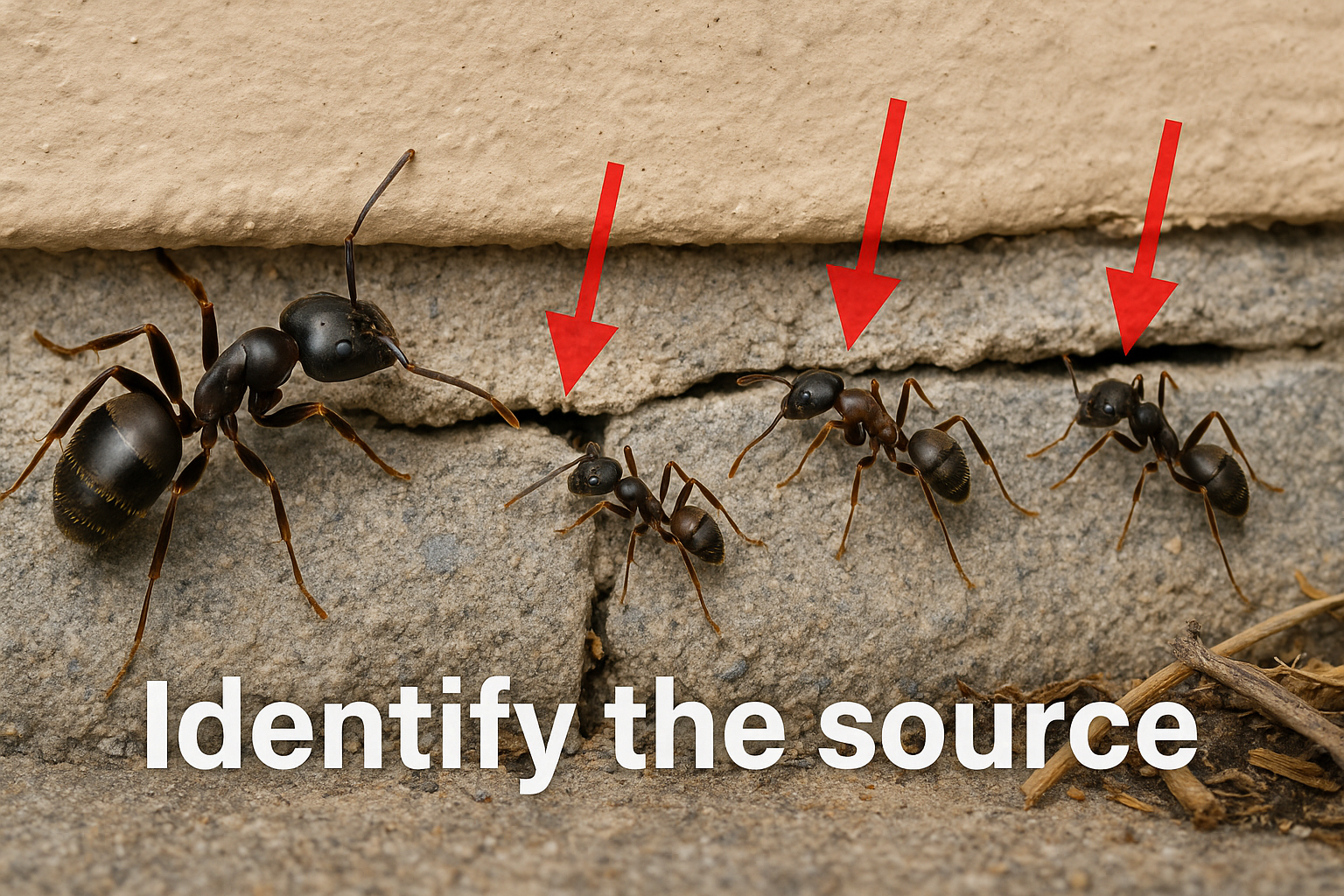
Ants exploit any opening larger than a pencil line to slip inside. Walk the perimeter of rooms, focusing on baseboards, window frames, and where pipes or wires enter the home. When you spot a crack, clean out dust and debris, then apply a bead of silicone caulk. Smooth it with a gloved finger or a caulk‑tool to create a tight seal. This simple barrier cuts off the ants’ highway and makes future bait stations more effective.
Step 2 – Set up boric‑acid gel bait stations
Boric‑acid gel is a slow‑acting poison that worker ants carry back to the colony, delivering a lethal dose to the queen. Purchase pre‑made gel or mix your own (1 part boric acid, 1 part sugar, 1 part water). Fill small disposable containers—like empty peanut‑butter jars—or use commercially available bait stations, and place them along ant trails, near entry points, and under appliances. Keep the bait out of reach of children and pets. Bait works far better than sprays because it targets the entire colony rather than just the ants you see.
Step 3 – Disrupt pheromone trails with a vinegar solution
Ants leave a chemical scent trail that other workers follow. Mix equal parts white distilled vinegar and water in a spray bottle. Generously mist the solution on visible trails, countertops, and any surface the ants have traversed. Wipe the area with a clean rag; the acidity neutralizes the pheromones, confusing the foragers and forcing them to search for a new route—giving your bait stations a better chance to be discovered.
Following these three steps buys you time while you wait for a professional inspection, and it dramatically reduces the ant population before it becomes a full‑blown emergency.
| Step | Materials Needed | Estimated Time |
|---|---|---|
| 1 – Seal cracks | Silicone caulk, caulk gun, cleaning rag | 15‑20 minutes |
| 2 – Bait stations | Boric‑acid gel (or DIY mix), small containers or commercial bait stations, gloves | 10‑15 minutes |
| 3 – Vinegar wipe | White vinegar, water, spray bottle, disposable rag | 5‑10 minutes |
For added peace of mind, always read product labels and follow the CDC guidance on safe pesticide handling. If the infestation persists after 24‑48 hours, it’s time to call a licensed professional like Anthem Pest Control to eliminate the colony completely.
Anthem Pest’s Emergency Treatment Toolbox
When an ant invasion escalates to an emergency, you need a fast, reliable response that won’t compromise the safety of your family or pets. Anthem Pest equips every technician with a three‑pronged toolbox designed to eliminate the problem at its source, protect your home’s perimeter, and fortify vulnerable wood structures. Below is a clear breakdown of each method, the typical timeline you can expect, and the transparent pricing that keeps surprises out of the bill.
Method 1 – Baiting Program Using Fipronil‑Based Stations
Our first line of defense is a strategically placed network of bait stations that contain a fipronil‑based attractant. Fipronil interferes with the ants’ nervous system, allowing a worker ant to carry the poison back to the colony where it spreads through the queen and brood. Technicians map high‑traffic zones—kitchen counters, pantry shelves, and entry points—and position stations at least 12 inches apart to maximize coverage without creating visual clutter.
Because the bait works internally, it eliminates the entire colony rather than just the visible foragers. The low‑dose formulation is safe for humans and pets when used as directed, and the stations are tamper‑resistant, reducing the risk of accidental exposure.
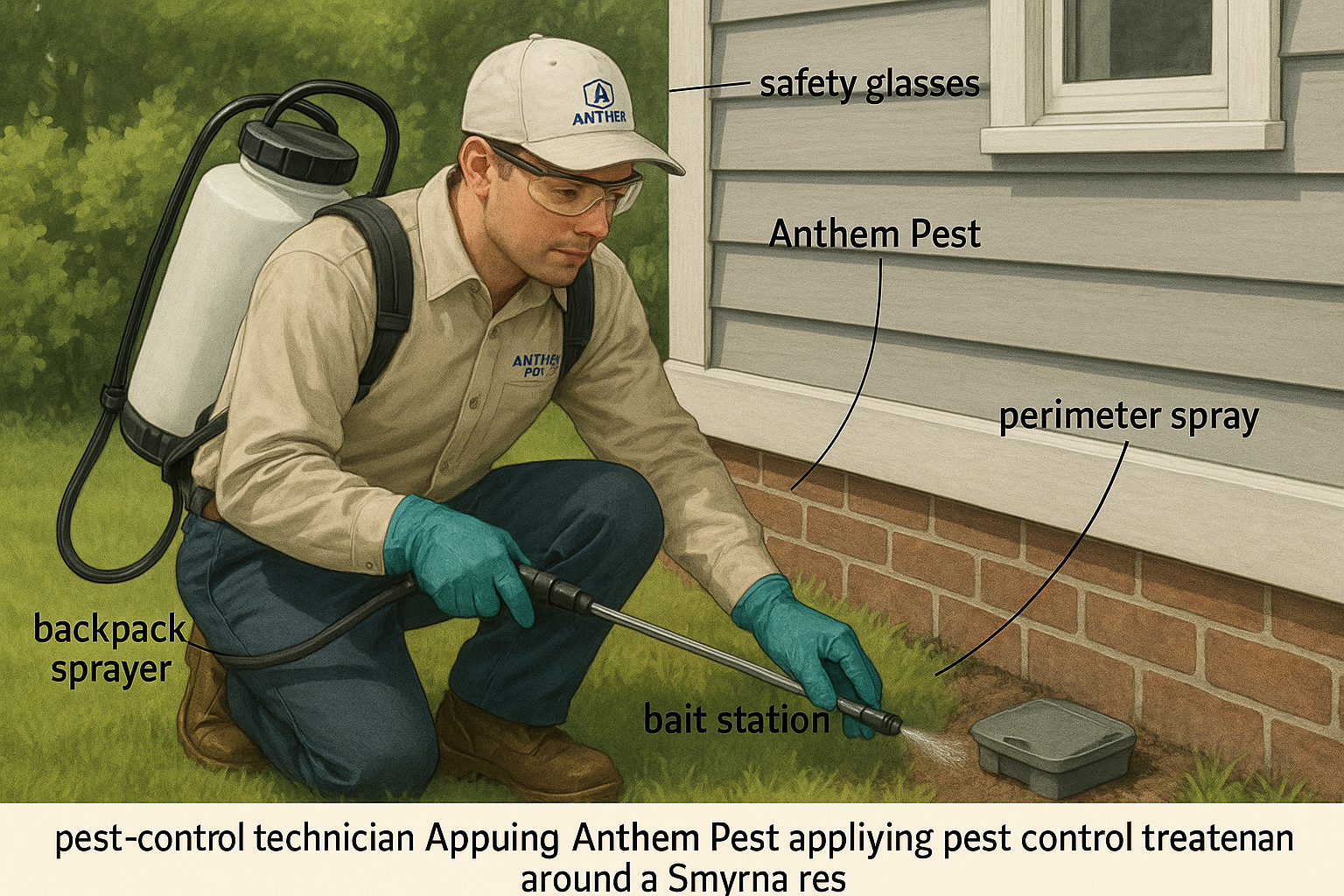
Method 2 – Targeted Perimeter Spray with Low‑Toxicity EPA‑Approved Pyrethroids
While bait stations work from the inside out, our perimeter spray creates an invisible barrier around the home’s exterior. We apply a low‑toxicity pyrethroid that is EPA‑approved for residential use, focusing on cracks, foundation gaps, window sills, and door thresholds where ants typically gain entry.
The spray is applied in a thin, even mist that dries quickly, leaving no lingering odor. By targeting the exact pathways ants use to infiltrate, we reduce the likelihood of reinfestation and buy you critical time while the bait program takes effect.
Method 3 – Structural Treatment for Carpenter Ants: Borate Injection
Carpenter ants can cause structural damage by hollowing out wood to build their nests. For homes where wood compromise is evident, we employ a borate injection directly into the affected timber. Borate acts as a slow‑acting, non‑volatile poison that the ants ingest as they chew, ultimately collapsing the colony’s nest without harming surrounding materials.
This treatment not only eradicates the current infestation but also reinforces the wood against future attacks. Technicians use a low‑pressure injector to ensure deep penetration, and the treated wood remains safe for occupants once the solution has cured.
Sample Treatment Timeline
- Day 0 – Inspection: A certified technician conducts a thorough visual assessment, identifies ant species, and maps entry points.
- Days 1‑3 – Bait Placement: Bait stations are installed throughout the interior, and the perimeter spray is applied to external entry zones.
- Day 7 – Follow‑Up Visit: The technician checks bait consumption, re‑applies stations if needed, and inspects any treated wood for signs of continued activity.
Transparent Pricing
We believe homeowners should know exactly what they’re paying for before any work begins. Our emergency call‑out fee covers the initial inspection and travel costs, while full treatment packages are tiered based on the square footage of the home.
| Service | Cost | What’s Included |
|---|---|---|
| Emergency Call‑Out | $149 | 24‑hour response, detailed inspection, treatment plan |
| Standard Treatment Package (up to 1,500 sq ft) | $199 | Bait stations, perimeter spray, one follow‑up visit |
| Comprehensive Treatment Package (1,501‑2,500 sq ft) | $249 | All standard services plus borate wood injection if needed |
| Large‑Home Package (2,501 sq ft +) | $299 | Full suite of treatments, additional bait stations, extra follow‑up visits |
All prices are listed upfront, and there are no hidden fees. If additional work is required—such as extensive wood repair or extra follow‑up visits—we discuss the options and costs with you before proceeding.
By combining a scientifically backed baiting system, a precise perimeter barrier, and targeted structural treatment, Anthem Pest delivers a complete emergency solution that restores peace of mind quickly and affordably.
Seasonal Trends and Local Hotspots in Smyrna
Why Summer Fuels Ant Activity
From July through September, Smyrna experiences a perfect storm of heat and occasional rain. Temperatures above 85°F accelerate ant metabolism, while brief showers soften soil, making it easier for colonies to expand their tunnels. The combination creates a buffet of foraging opportunities: sugary lawn grasses, outdoor picnics, and open trash cans all become ant magnets. That’s why you’ll notice swarms marching across sidewalks and into kitchens during these months.
Neighborhood Hotspots
Local extension data shows three areas with consistently higher ant sightings:
| Neighborhood | Average Annual Sightings |
|---|---|
| Six Flags | 42 % of total city reports |
| Smyrna Springs | 31 % of total city reports |
| West Cobb (near the county line) | 27 % of total city reports |
These neighborhoods share common traits: dense landscaping, frequent outdoor gatherings, and older irrigation systems that retain moisture longer after a storm. If you live in one of these zones, you’re statistically more likely to encounter an ant emergency.
Preventive Inspection Calendar
- Early June: Schedule a pre‑summer inspection to seal entry points before colonies hit peak activity.
- Mid‑August: A mid‑season check catches any early infestations that survived the first wave.
- Post‑storm October: Heavy rains can drive ants indoors; a post‑storm visit helps clean up residual trails.
Quick Tip
Book an early‑summer inspection now—ideally before the first heat wave—to give Anthem Pest Control a chance to fortify your home’s defenses and keep an emergency ant outbreak at bay.
Long‑Term Prevention Strategies for Ant‑Free Homes
Keeping ants at bay isn’t a one‑time effort; it’s a habit you build into your home‑maintenance routine. By tackling the problem from the outside in and staying vigilant year‑round, you create an environment where ants simply can’t thrive.
Landscaping Checklist
- Trim trees and shrubs so they stop 6‑12 inches short of the house. This removes bridges that ants use to reach your foundation.
- Rake away leaf litter, pine needles, and any debris that can hold moisture and hide colonies.
- Keep mulch no deeper than 2 inches and consider using inorganic alternatives like gravel near the foundation.
Moisture Control
- Inspect gutters and downspouts for leaks; repair or replace damaged sections promptly.
- Ensure water flows at least 6 inches away from the foundation by grading the soil or installing French drains.
- Fix interior plumbing drips and use a dehumidifier in damp basements or crawl spaces.
Food Storage Practices
- Store pantry items in airtight containers made of glass, metal, or heavy‑wall plastic.
- Wipe down countertops, tabletops, and kitchen floors nightly to remove crumbs and sugary residues.
- Seal garbage cans with tight‑fitting lids and take out trash regularly, especially in warm weather.
Regular Seal Inspections
- Check exterior caulking around windows, doors, and utility penetrations at least once a year.
- Re‑apply a fresh bead of silicone or acrylic caulk where cracks appear, focusing on the foundation and sill plates.
- Inspect interior baseboards and wall joints for new gaps, especially after renovations.
These steps align with the Integrated Pest Management (IPM) principles outlined in the NPMA IPM guide for ants. IPM emphasizes prevention, monitoring, and the least‑toxic interventions, ensuring a safe home for both residents and pets.
For homeowners who prefer a hands‑off approach, Anthem Pest offers an annual service plan at a discounted $99 per year. The plan includes quarterly inspections, preventive treatments, and priority scheduling for any unexpected ant activity—so you stay protected without lifting a finger.
Frequently Asked Questions About Ant Emergencies
Do ant baits kill the queen?
Yes, a properly placed bait can eventually eliminate the queen. Worker ants collect the poisoned food, share it through trophallaxis, and bring it back to the nest. Over several days the toxin spreads throughout the colony, reaching the queen and disrupting egg production. While you may still see activity for a short time, the colony collapses once the queen is gone. Baits come in liquid, gel, or granular forms; positioning them near active trails ensures workers find and transport the product back to the colony.
Can I use natural repellents?
Natural options such as diatomaceous earth, peppermint oil, or citrus sprays can deter foraging ants, but they don’t eradicate an established colony. Diatomaceous earth works only when ants walk over a dry dust layer, and essential oils evaporate quickly, offering only temporary relief. Think of them as supplemental barriers while a professional treatment tackles the hidden nest. For a severe infestation, we recommend pairing these repellents with a targeted spray to keep the colony from rebuilding.
How quickly will an emergency treatment work?
Most emergency ant programs show a noticeable drop in traffic within 24‑48 hours. The initial spray or dust knocks back visible foragers, giving you immediate peace of mind. Full eradication, however, often requires a week of follow‑up visits to target the queen and any satellite nests, especially for species like carpenter or pavement ants. Our technicians will re‑inspect after three days to confirm activity has stayed low before scheduling the next application.
Final Thoughts and How to Get Immediate Help
Ant sightings in Smyrna can turn from a nuisance to an emergency fast—especially when trails grow long, colonies multiply, or carpenter ants start damaging wood. Acting quickly stops the infestation before it spreads to other rooms or the structure itself.
Quick DIY Checklist
- Seal entry points with caulk or weather‑stripping.
- Remove food sources: keep countertops clean, store food in sealed containers, and take out trash regularly.
- Set up ant baits or apply a residual spray around foundations, windows, and doorways.
- Monitor trails daily; note any increase in size or number.
Red‑Flag Signs That Need a Pro
- Large, conspicuous trails crossing multiple floors.
- Evidence of wood damage or hollowed beams—typical of carpenter ants.
- Persistent colonies despite DIY measures.
- Sudden spikes in ant activity after rain or landscaping work.
If you’re seeing large trails or suspect carpenter‑ant damage, give Anthem Pest a call for a free emergency quote at 877‑371‑8196. We can schedule a same‑day inspection and get your home back to normal. Visit Anthem Pest Control for more details.