Recognizing Carpet Beetles and Their Warning Signs
Carpet beetles may seem harmless at first glance, but a few tiny insects can quickly turn your favorite sweaters, blankets, and upholstery into a patchwork of holes—often prompting the need for emergency carpet beetle control Decatur homeowners shouldn’t delay. In Decatur, the three species you’ll most often encounter are the varied carpet beetle (Anthrenus verbasci), the black carpet beetle (Attagenus unicolor), and the furniture carpet beetle (Anthrenus flavipes). Each species shares a love for natural fibers, yet they differ slightly in appearance and preferred hiding spots.
What the adult looks like
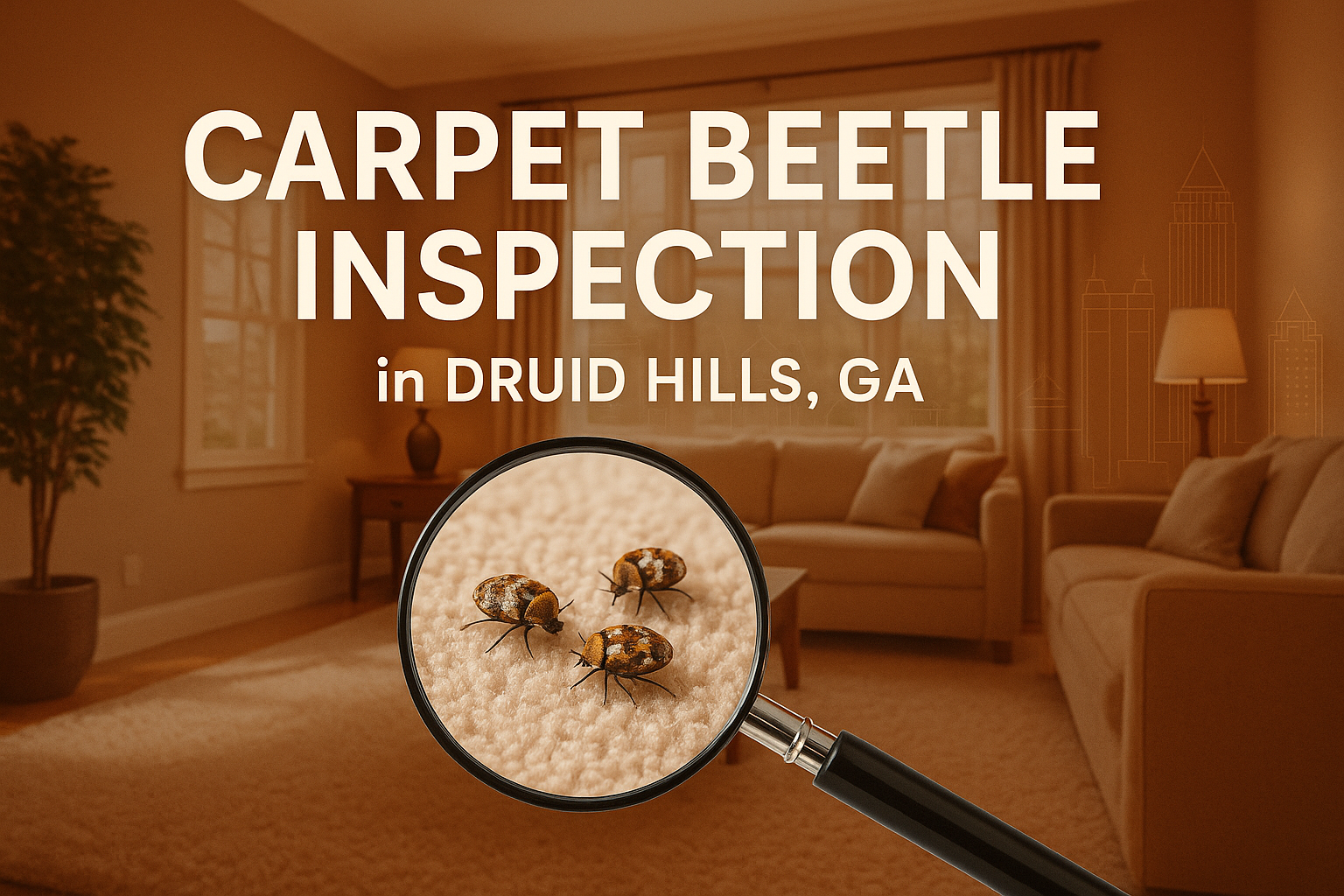
Adult carpet beetles are small—generally 2 to 5 mm long—and oval‑shaped. The varied carpet beetle sports a mottled pattern of black, white, and orange spots on a rounded back, while the black carpet beetle is uniformly dark, almost glossy. The furniture carpet beetle resembles the varied type but has a lighter, almost yellow‑brown hue with faint banding. You’ll often spot them fluttering near windows, light fixtures, or the tops of pet beds, because the insects are attracted to light and the warmth of animal nests.
Typical damage you’ll notice
When larvae begin feeding, the damage is unmistakable. Look for small, irregular holes that appear “punched‑out” on wool sweaters, silk curtains, or fur coats. The edges of the holes are usually clean‑cut, not ragged, which distinguishes beetle damage from mouse gnawing. In carpets, the loss may appear as a faint, speckled thinning of the pile rather than a full‑size hole.
Where the infestation hides
Carpet beetle larvae love the safety of dark, undisturbed places. Common hiding spots include the deep pile of wall‑to‑wall carpet, the seams of upholstered furniture, stored clothing tucked in closets, attic insulation, and even the nests of cats or dogs. Because the larvae are nocturnal, they often remain concealed until they emerge to feed on exposed fibers.
Early warning signs for the vigilant homeowner
Before you see any holes, you may notice a few subtle clues:
- Shedding skins: As larvae grow, they leave behind thin, translucent exuviae that look like tiny, empty shells.
- Live larvae: The larvae are cigar‑shaped, brown‑black, and about a centimeter long when fully grown.
- Fecal pellets: Tiny, pepper‑like specks that accumulate near feeding sites, especially in corners of closets or under pet bedding.
Quick “carpet beetle walk‑through” checklist
Use this short list during a routine room‑by‑room inspection. Mark each item with a ✔️ if you find it, and call Anthem Pest Control at 877‑371‑8196 for a professional assessment.
- Check windowsills and light fixtures for adult beetles.
- Run a flashlight over carpet edges and under furniture for larvae or shed skins.
- Inspect stored fabrics, especially wool blankets and seasonal clothing.
- Examine pet bedding and any nearby nests for eggs, larvae, or fecal pellets.
- Look at attic insulation and ceiling corners for small, dark specks or webbing.
Spotting these signs early can save you time, money, and the sentimental value of cherished items. When in doubt, a quick call to a local expert can confirm the presence of carpet beetles and set the stage for effective, targeted treatment.
Carpet Beetle Life Cycle and the Damage It Causes
Understanding how carpet beetles develop from tiny eggs to voracious larvae is the first step in stopping the damage before it spreads through your home. Each stage has its own habits and vulnerabilities, and knowing what to look for lets you act fast—exactly what Anthem Pest Control recommends for emergency carpet beetle control Decatur homeowners may need when an infestation escalates quickly.
Egg Stage
Female carpet beetles lay their eggs in hidden, food‑rich locations: the seams of a wool blanket, cracks in baseboards, or the crevices behind furniture. A single female can deposit 30–50 eggs, each about the size of a pinhead. Because the eggs are so small and often hidden, they go unnoticed until the larvae emerge and begin feeding.
Larval Stage – The Real Destroyer
The larval phase is the longest and most destructive, lasting anywhere from five to twelve months depending on temperature and food availability. Larvae feed on keratin‑rich materials—wool, silk, fur, feathers, and even dead insects—using powerful chewing mouthparts. This is why you’ll see the most noticeable damage in wool blankets, upholstered chairs, and carpet fibers. The larvae’s hairy bodies shed skins regularly, leaving behind a fine, powdery residue that can be mistaken for dust.
Pupation
When food becomes scarce or environmental conditions turn unfavorable, the larvae seek a protected spot to pupate. Warm, dry areas such as attic insulation or the back of a closet provide the ideal setting. Pupation usually lasts 10–14 days, after which the adult beetle emerges ready to reproduce.
Adult Stage – Reproduction Over Residence
Adult carpet beetles live only two to six weeks, and their primary mission is mating and laying the next generation of eggs. They are attracted to light and often found near windows, which explains why they are rarely seen inside the deeper parts of a home. Because adults do not feed on fabrics, they cause little direct damage; the real threat remains the hidden larvae.
Seasonal Peaks and Climate Influence
In Decatur’s humid subtropical climate, carpet beetle development accelerates during the warm months of late spring through early fall. Higher temperatures shorten the larval stage, leading to multiple overlapping generations and a noticeable spike in damage. Conversely, cooler winter temperatures slow development, but eggs and pupae can survive in insulated spaces, emerging when the heat returns.
Direct Damage Examples
When larvae chew through fibers, the results are unmistakable:
- Wool blankets: thinning patches that feel like holes in a sweater.
- Upholstered furniture: chewed cushions and frayed seams that compromise comfort.
- Carpets and rugs: speckled, stained areas where fibers have been stripped away.
- Insulation: shredded batts that reduce thermal efficiency and increase energy bills.
Indirect Impacts – Allergens and Indoor Air Quality
Beyond the visible wear, carpet beetle larvae shed skins and produce fecal pellets that become airborne allergens. These particles can trigger asthma attacks, sneezing, and skin irritation, especially in sensitive occupants. The U.S. Environmental Protection Agency notes that indoor allergens, including those from insects, contribute significantly to poor indoor air quality (EPA, Indoor Air Quality).
Recognizing each stage of the carpet beetle life cycle and the specific damage it inflicts helps you understand why prompt, professional treatment is essential. Anthem Pest Control’s targeted interventions focus on breaking the cycle at its most vulnerable points, protecting both your belongings and your family’s health.
DIY Prevention Strategies for Homeowners
Carpet beetles are tiny but tenacious, and a proactive household routine can keep them from turning your favorite fabrics into a buffet. Below are low‑cost, easy‑to‑implement steps that let you stay one step ahead without reaching for the phone—unless the beetles get out of hand.
1. Establish a regular cleaning routine
Vacuuming is your first line of defense. Run a high‑efficiency vacuum over carpets, area rugs, and upholstered furniture at least once a week, paying special attention to seams, under cushions, and baseboards where larvae love to hide. After each session, empty the canister or bag into a sealed trash can and discard it outside the home; a vacuum bag left inside can become a perfect beetle nursery. A vacuum equipped with a HEPA filter captures the tiniest larvae, and don’t forget to run the hose along baseboard edges where beetles love to hide.
2. Store seasonal textiles the right way
When you tuck away winter coats, blankets, or heirloom quilts, use airtight plastic containers or zip‑lock bags. For a natural touch, place a few cedar blocks or lavender sachets inside the storage container—both emit scents that carpet beetles find repellent. Avoid cardboard boxes, which trap humidity and provide easy entry points. Rotate stored items every season and inspect them for tiny holes or shed skins; early detection stops a small problem from exploding.
3. Declutter and remove beetle‑friendly hideaways
- Donate or discard unused clothing, especially items made of wool, silk, or fur.
- Remove pet bedding that has sat unused for weeks; wash it in hot water before storing.
- Recycle old newspapers, magazines, and cardboard that have been stacked for months.
Set aside a box for pet toys and wash them regularly, because fabric‑covered toys are a favorite beetle banquet. Every item you eliminate reduces the amount of organic material beetle larvae can feed on, shrinking the habitat they need to thrive.
4. Tighten up home maintenance
Cracks around windows, doors, and baseboards act as tiny highways for adult beetles. Seal them with caulk or weather‑stripping, and replace damaged window screens. Moisture attracts many pests, so fix leaky pipes, ensure proper ventilation in bathrooms and basements, and use a dehumidifier in damp areas. Check attic insulation and crawl‑space vents, sealing gaps that let beetles in during humid months. A dry, airtight envelope leaves beetles with nowhere to lay eggs.
5. Use natural repellents wisely
The University of Georgia Extension notes that essential oils such as eucalyptus and peppermint have demonstrated repellent activity against stored‑product insects, including carpet beetles. Mix 10‑15 drops of oil with a cup of water in a spray bottle, then lightly mist the interior of closets, drawers, and the undersides of furniture. Reapply every two weeks, especially after cleaning, to maintain potency. Citronella also works, but test a small area first to avoid staining.
6. Monitor with traps
Sticky traps and pheromone‑baited traps are inexpensive tools that let you see whether beetles are present and gauge the severity of an infestation. Place a trap in each major room—preferably near windows, under furniture, and in closets. Check them weekly; a few isolated catches indicate a minor problem, while dozens suggest the need for more aggressive action. When you replace a trap, seal the captured insects in a plastic bag before discarding to prevent them from re‑infesting the home.
7. Know when DIY isn’t enough
If you consistently find beetles in multiple traps, notice extensive damage to fabrics, or discover larvae deep within carpet padding, it’s time to call a professional. Certified technicians can apply targeted insecticides, treat hidden voids, and offer a comprehensive prevention plan that protects your home year‑round. Because carpet beetles can ruin heirloom quilts and children’s clothing in months, professional treatment often saves money in the long run.
Professional Treatment Options and How They Work

Inspection – the foundation of every successful plan
A licensed technician starts with a thorough walkthrough of your home. Using flashlights, moisture meters, and sometimes infrared cameras, they pinpoint hotspots where carpet beetle larvae thrive—often hidden in closets, under baseboards, or behind insulation. Identifying these zones early lets the crew target treatment precisely, saving you time and reducing unnecessary chemical exposure.
Chemical treatments – EPA‑approved and proven
When chemicals are needed, professionals rely on EPA‑approved active ingredients such as bifenthrin, permethrin, or diatomaceous earth. These are applied in three main formats:
- Residual sprays: A fine mist that clings to surfaces for weeks, killing beetles that walk across treated areas.
- Dusts: Powdered formulations placed in cracks and voids where sprays can’t reach.
- Foggers: Quick‑release aerosols for severe infestations, dispersing the active ingredient throughout a room.
All chemicals used meet strict EPA safety standards. For a full list of approved ingredients, visit the EPA pesticide database.
Non‑chemical options – effective without residues
Homeowners who prefer a chemical‑free approach have several professional alternatives:
- Heat treatment: Raising room temperature to 120‑130°F for several hours destroys all life stages of carpet beetles without leaving residues.
- Vacuum‑assisted removal: High‑efficiency vacuums extract larvae and eggs from carpets, upholstery, and storage areas, followed by proper disposal.
- Controlled fumigation: A sealed environment is filled with a low‑toxicity gas that penetrates deep cracks, eliminating hidden colonies.
Spot‑treatment vs. whole‑home treatment
Spot‑treatment is ideal when inspections reveal isolated infestations—perhaps a single closet or a specific rug. The technician concentrates sprays or dusts only in those areas, minimizing product use.
Whole‑home treatment is recommended for widespread problems, new construction, or when beetles have migrated through ducts and wall voids. This comprehensive approach ensures no hidden pocket is missed.
Safety protocols – protecting you and your family
Every Anthem Pest Control technician follows strict safety guidelines:
- Wearing gloves, respirators, and protective eyewear.
- Ensuring proper ventilation before, during, and after application.
- Providing homeowners with clear preparation steps—such as removing pets, covering food, and sealing off HVAC registers.
Follow‑up visits – the key to complete eradication
Carpet beetle life cycles can span several weeks. A second visit, typically scheduled 2–3 weeks after the initial treatment, allows the technician to address any newly hatched larvae and verify that the infestation is fully suppressed. Most licensed providers, including Anthem, consider this follow‑up an essential part of the service package.
Why choose a licensed provider like Anthem Pest Control?
Choosing a local, EPA‑registered company brings several advantages:
- Local expertise: Technicians understand Decatur’s climate, common entry points, and the specific species that cause trouble here.
- Warranty protection: Anthem backs its work with a satisfaction guarantee, giving you peace of mind if beetles return.
- Transparent pricing: No hidden fees—what you see in the estimate is what you pay.
- Comprehensive service: From inspection to follow‑up, every step follows industry‑best practices and EPA regulations.
Pricing, Seasonal Timing, and Choosing the Right Service
What Does a Carpet Beetle Treatment Cost?
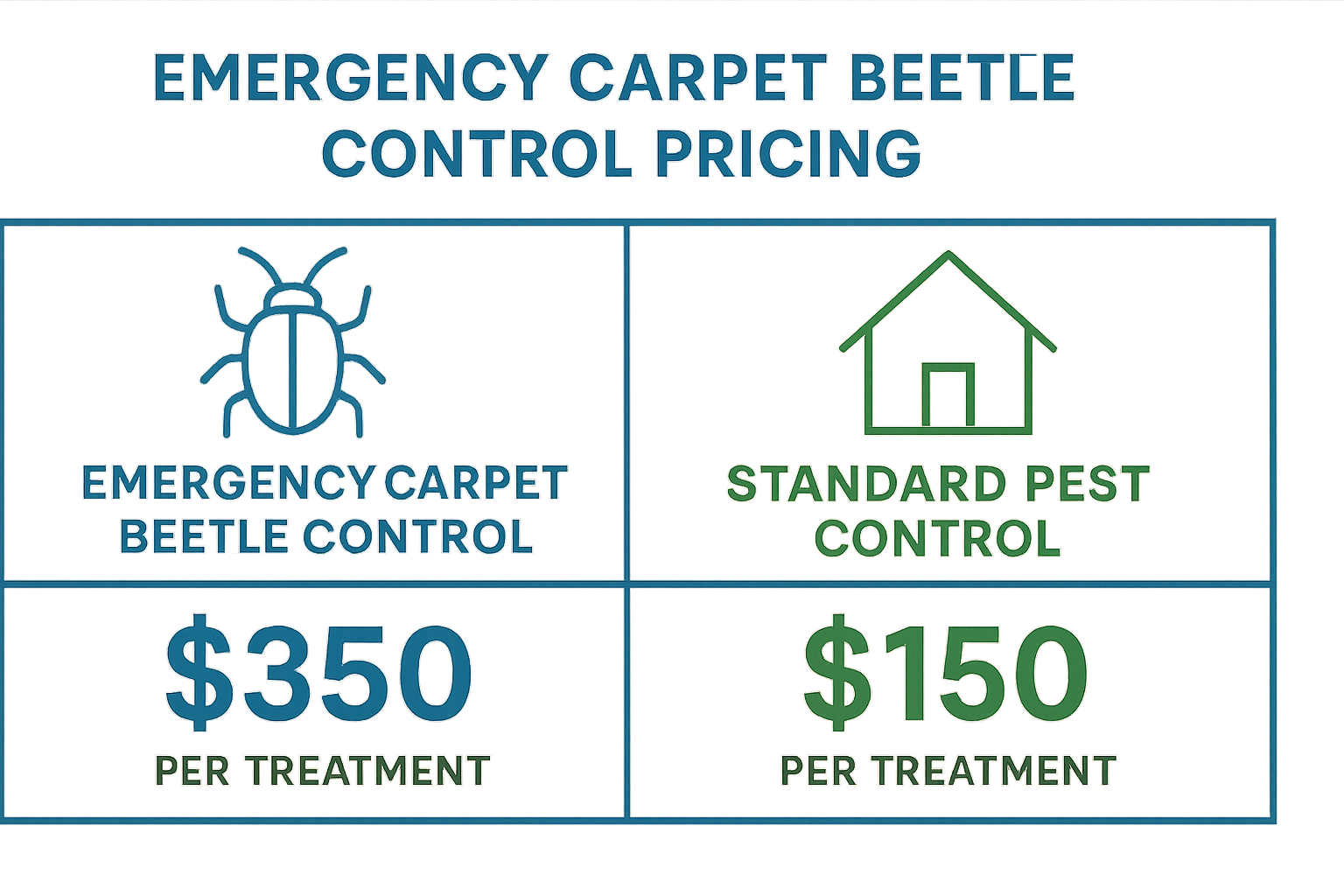
Understanding the price tags helps you avoid surprise invoices when beetles strike—especially when emergency carpet beetle control Decatur homeowners need becomes necessary. Below is a quick snapshot of what most Decatur homeowners pay for three common service models.
| Service Type | Typical Cost (USD) | What’s Included |
|---|---|---|
| Emergency Response | $350 – $500 | Same‑day visit, rapid‑dry spray, follow‑up inspection |
| Standard Quarterly Service | $180 – $250 per visit | Four scheduled treatments a year, monitoring, and preventive sprays |
| One‑Time Full‑Home Treatment | $300 – $380 | Comprehensive interior & exterior coverage, single‑visit guarantee |
Factors That Influence the Final Price
- Infestation severity: Heavy larval populations demand more product and labor.
- Square footage: Larger homes require broader coverage and possibly additional equipment.
- Treatment type: Foggers, heat treatments, or residual sprays each carry distinct costs.
- Geographic location: Travel distance, local taxes, and regional pest pressure can shift rates.
When Are Carpet Beetles Most Active?
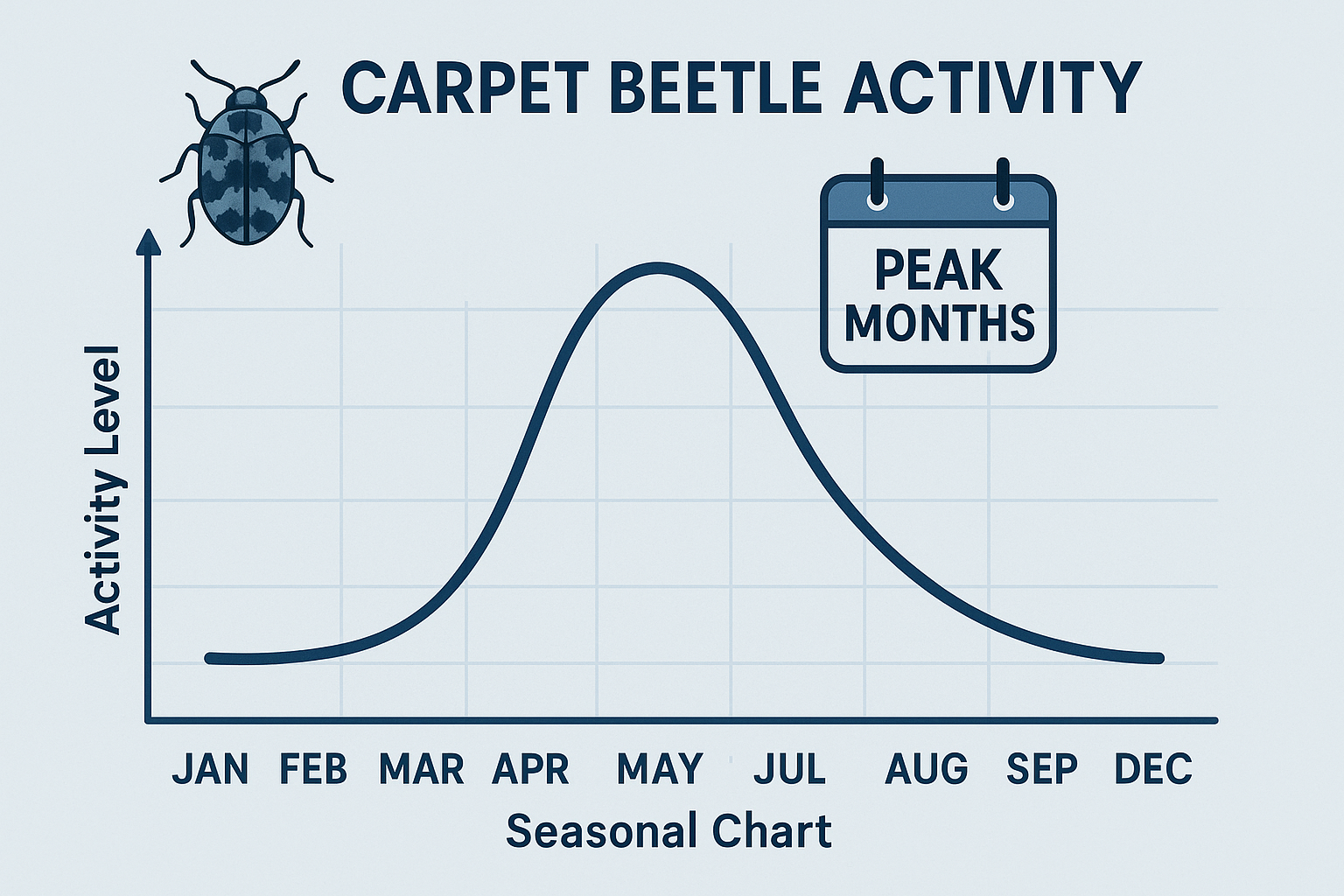
Carpet beetles follow a seasonal rhythm that peaks when the weather warms. The chart below highlights the months when adult beetles emerge and lay eggs, setting the stage for a surge of feeding larvae.
Timing Your Treatment to the Beetle Life Cycle
Adult beetles lay eggs in late spring. Those eggs hatch into larvae that feed for several weeks before pupating. By treating in early spring—before the larvae hit the voracious feeding stage—you cripple the next generation before it can damage fabrics, carpets, or stored goods. A pre‑summer service (late April to early May) is therefore the most cost‑effective window.
Cost‑Saving Tips for Homeowners
- Bundle services: Combine carpet beetle control with routine termite or mosquito treatments to unlock multi‑service discounts.
- Annual maintenance plans: Lock in a fixed rate for quarterly visits and avoid emergency premiums.
- Off‑season discounts: Schedule a full‑home treatment in late winter or early fall when demand drops, and many companies offer 10‑15 % off.
Real‑World Example: Planning Pays Off
Jane M., a homeowner in Decatur, noticed a few beetle spots on her sofa in March. She booked a pre‑summer preventive treatment with Anthem for $210. When a neighbor called an emergency service in August after a full‑blown infestation, the bill topped $360. Jane’s proactive timing saved her roughly $150 and spared her family the stress of a rushed cleanup.
Where the Numbers Come From
Our pricing ranges and seasonal data are drawn from reputable sources, including the National Pest Management Association (NPMA) pest guide, the University of Georgia Extension publication, and Anthem’s own online pricing page. These references ensure you’re seeing accurate, locally‑relevant information.
Protect Your Home Today with Anthem Pest Control
Let’s quickly revisit what we’ve covered: identifying carpet beetles by their tiny, speckled larvae and adult beetles, recognizing the tell‑tale damage to wool, fur, and stored fabrics, applying simple preventive steps like regular vacuuming and proper storage, and understanding the professional treatment options that eradicate an established infestation.
When you wait, the beetles multiply, and the damage compounds—what starts as a few stained sweater fibers can become costly carpet replacement or irreversible garment loss. Early intervention is far more affordable than repairing or replacing cherished items, and it stops the problem before it spreads to neighboring rooms.
Anthem Pest Control backs every service with EPA‑approved products that are safe for children, pets, and the environment. Our technicians follow strict safety protocols, and we provide transparent pricing so you know exactly what you’re paying for—no hidden fees, just reliable protection.
Our pricing model is straightforward: you receive a detailed estimate before any work begins, and we guarantee the results. If beetles reappear within the warranty period, we’ll return at no extra charge, giving you peace of mind.
We invite you to schedule a free, no‑obligation inspection. Our locally trained experts will assess your home, identify any hidden beetle activity, and outline a customized plan that fits your budget and timeline.
Give us a call at 877‑371‑8196 or visit our website to book your inspection. Our friendly staff is ready to answer questions and arrange a convenient appointment.
Ready to safeguard your carpets, clothing, and cherished belongings? If you need emergency carpet beetle control Decatur, call us today or visit our site for a free quote—let’s keep your home beetle-free together.