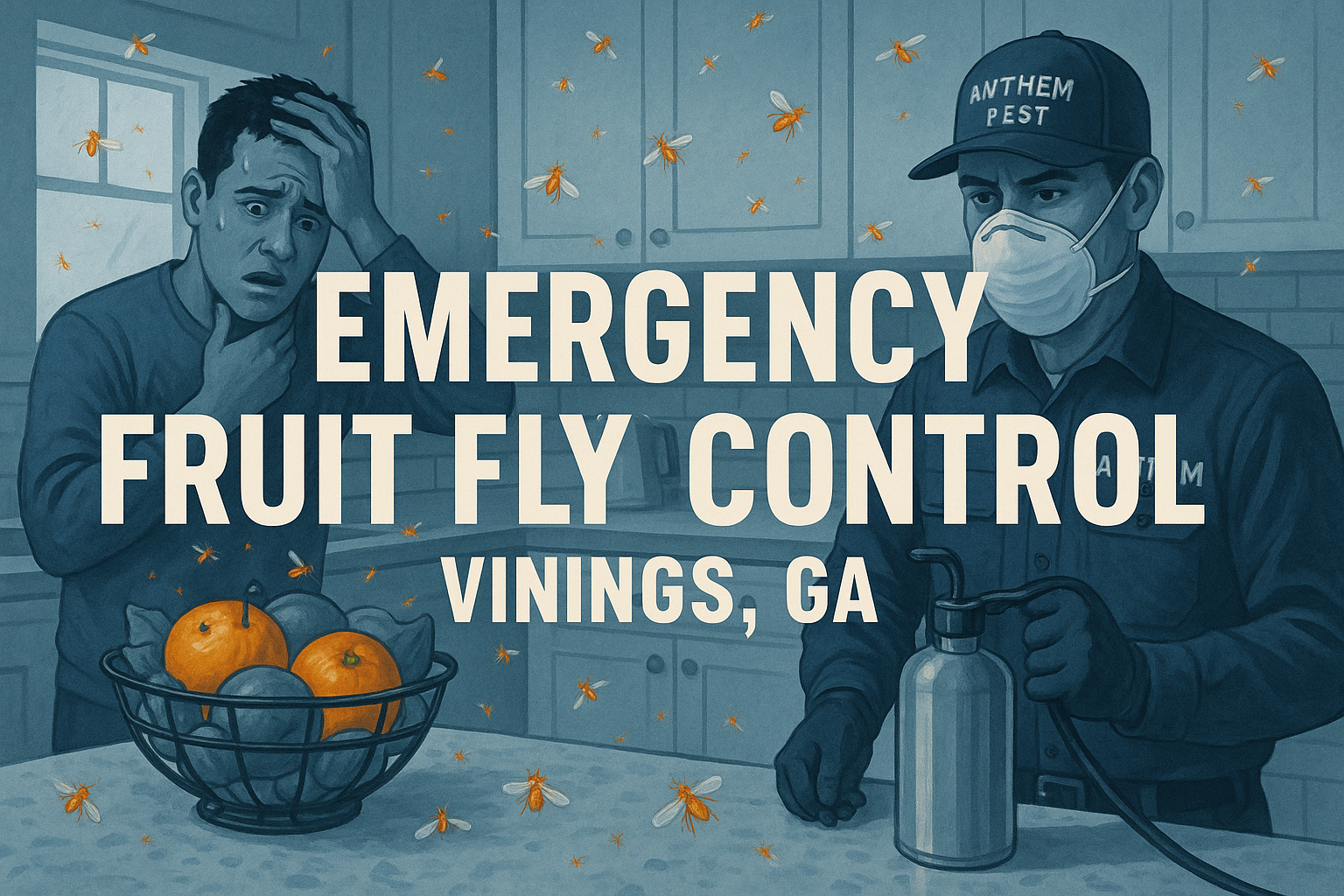
Emergency Fruit Fly Outbreak: Why Immediate Action Matters

Fruit fly exterminator Vinings GA services are essential when fruit flies turn your kitchen into a buzzing nightmare, every minute counts. These tiny pests may seem harmless, but their rapid life cycle can turn a minor annoyance into a full-blown infestation in just days.
Fruit flies (Drosophila melanogaster) complete their entire life cycle—from egg to adult—in roughly seven to ten days under optimal conditions. Females lay up to 500 eggs on fermenting fruit, vegetables, or any sugary residue. The eggs hatch into larvae within 24 hours, feeding voraciously on the substrate. Within another 48 hours, the larvae pupate, and in just a few days, new adults emerge, ready to reproduce.
Georgia’s climate is a perfect accelerator. From late spring through early fall, average humidity hovers between 70‑80 % and temperatures linger in the mid‑70s to low‑80s °F. Warm, moist air shortens the developmental stages, allowing multiple generations to overlap. Fruit fly exterminator Vinings GA A single batch of ripe peaches on a counter can seed dozens of breeding cycles before you even notice the first fly.
The EPA’s fruit‑fly fact sheet confirms that the seasonal peak in the southeastern United States—Georgia included—occurs between May and September, precisely when households are most likely to store fresh produce.
Recognizing an emergency situation is the next critical step. Look for clusters of flies hovering near fruit bowls, drains, or garbage disposals, and notice any sudden increase in numbers. If you spot larvae in the fruit pulp or see flies laying eggs on damp surfaces, the infestation is already in motion and demands immediate professional intervention.
Spotting an Emergency Fruit Fly Infestation in Vinings
Fruit flies can turn a quiet kitchen into a buzzing nightmare in just a few days. Knowing the exact signs of an outbreak helps you act before the tiny pests multiply and invade every corner of your home. Below, we break down what to look for at each stage of their life cycle and highlight the visual clues that scream “emergency.”
Life‑Cycle Stages and What They Look Like
Fruit flies develop through three distinct phases, each leaving a tell‑tale fingerprint:
- Egg: Almost invisible, these oval‑shaped eggs are deposited on the surface of fermenting fruit, sugary spills, or damp organic matter. A cluster of eggs appears as a faint, speckled dusting.
- Larva: Once hatched, the larvae are creamy‑white, C‑shaped maggots that feed on the same moist substrates. In a kitchen drain or a bowl of rotting fruit, they create a thin, milky film and may leave tiny tunnels.
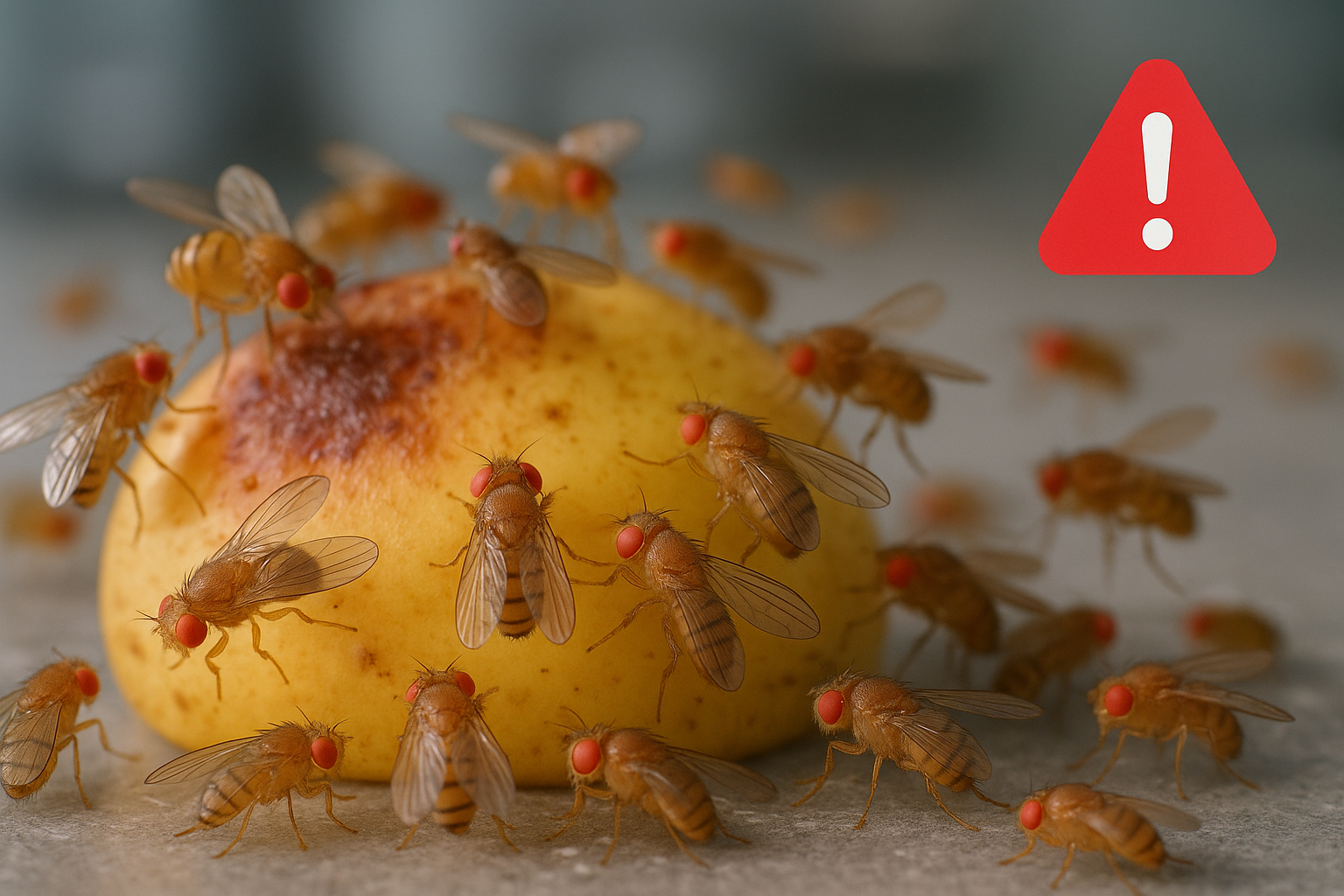
- Adult: Fully grown flies are about 1/8 inch long, tan‑brown with distinctive black spots on the wings. They hover near food sources and often gather in groups around light fixtures, fruit bowls, and especially drains.
Key Visual Signs of a Full‑Blown Outbreak
When an infestation is underway, you’ll notice a combination of the following:
- Swarms of tiny speckled flies hovering near fruit bowls, garbage cans, or indoor plants.
- Milky‑white larvae lurking in fermenting waste, such as overripe fruit, compost, or even the slimy residue inside kitchen drains.
- Clusters of adult flies gathering around drains, sink traps, and any source of moisture—often forming a thin, hovering curtain that seems to follow you.
National Context
According to a recent CDC survey, 85% of U.S. households report fruit‑fly sightings during the summer months. This high prevalence underscores how quickly these pests can become a problem when conditions are right.
Local Risk Factors in Vinings
In Vinings, especially the North Vinings and West Cobb neighborhoods, intensive garden activity and frequent use of outdoor compost bins create ideal breeding grounds. Fruit fly exterminator Vinings GA Homeowners in these areas often see the first spike of fruit‑fly activity as early as late May, well before the peak summer surge elsewhere in Georgia. The combination of warm, humid weather and abundant organic material accelerates the life cycle, turning a single egg into a full swarm in under a week.
Quick Inspection Tip
Grab a flashlight and shine it into dark corners, under appliances, and into sink drains. The light will reveal any hidden larvae or the faint sheen of egg clusters that are otherwise invisible in normal lighting. Spotting these early signs lets you intervene before the adults take off in force.
Immediate DIY Actions to Stop Fruit Flies Within 24 Hours
1. Clear the Kitchen of Attractants
First thing’s first: remove every piece of ripe or over‑ripe fruit from countertops, tables, and the sink. Toss any bruised produce in a sealed bag and take it straight to an outdoor trash bin. Fruit fly exterminator Vinings GA Then give all surfaces a quick wipe‑down using a 1:1 solution of white vinegar and water. The acidity breaks down the sugary residue that fruit flies love, while the vinegar’s scent disrupts their ability to locate food sources.
2. Build a Homemade Fruit‑Fly Trap
Gather a small jar or a disposable plastic cup, a few teaspoons of apple cider vinegar, and a couple of drops of liquid dish soap. Fill the container about three‑quarters full with the vinegar, then add the soap – it reduces the surface tension so the flies can’t escape once they land.
Trap design tip: Place a paper funnel (or cut the top off a plastic cup and invert it) into the opening. The narrow neck guides flies in, but they struggle to find the way out, sinking into the soapy vinegar.
Set the trap on the kitchen counter, near the fruit bowl or garbage can, and leave it undisturbed for 12‑24 hours.
3. Sanitize Waste Areas and Drains
Fruit flies love to breed in damp, organic debris. Empty all trash cans and compost bins, then scrub the interiors with hot, soapy water. Rinse with a cup of boiling water to kill any lingering eggs. For kitchen drains, pour a half‑cup of baking soda followed by a half‑cup of white vinegar; let it fizz for five minutes, then flush with boiling water. This combo not only eliminates larvae but also removes the film that attracts adult flies.
4. Real‑World Success Story
When the Miller family in Vinings noticed a sudden surge of fruit flies, they followed the steps above. Within 12 hours of deploying two homemade traps and deep‑cleaning their trash area, they reported a 70 % drop in fly sightings. The remaining insects were captured by the traps, and the family felt confident the infestation was under control without calling a professional.
5. Quick Cost Estimate
| Item | Typical Price (USD) |
|---|---|
| Apple Cider Vinegar (16 oz) | $3–$5 |
| Liquid Dish Soap (8 oz) | $2–$4 |
| Disposable Cups / Small Jars | $1–$3 |
| Vinegar‑Water Cleaning Solution (1 gal) | $2–$4 |
All together, you’re looking at roughly $5–$15 for the supplies needed to launch an effective 24‑hour response.
6. Why the 24‑Hour Window Matters
Fruit flies reproduce rapidly—females can lay up to 150 eggs in a single batch, and those eggs hatch in under 24 hours. Acting quickly cuts the life cycle short, prevents a massive population boom, and reduces the amount of time you’ll need to spend on ongoing clean‑up. By following this emergency plan within the first day, you dramatically lower the chance of a full‑blown infestation and buy yourself peace of mind while you decide whether professional help is needed later.
When Professionals Are Needed: Benefits of Expert Intervention
Why DIY Often Misses the Mark
Do‑it‑yourself attempts usually target the obvious flies buzzing around fruit bowls, but they ignore the hidden breeding sites that keep infestations alive. Fruit‑fly larvae love the damp, dark spaces behind appliances, under sinks, and inside garbage disposals—places most homeowners never think to treat. Over‑the‑counter sprays also face resistance; the insects quickly develop tolerance, rendering repeated applications ineffective. Even if you clear the visible adults, the unseen eggs and larvae can hatch again within days, leading to a frustrating cycle of re‑infestation.
Anthem Pest’s Certified Emergency Solutions
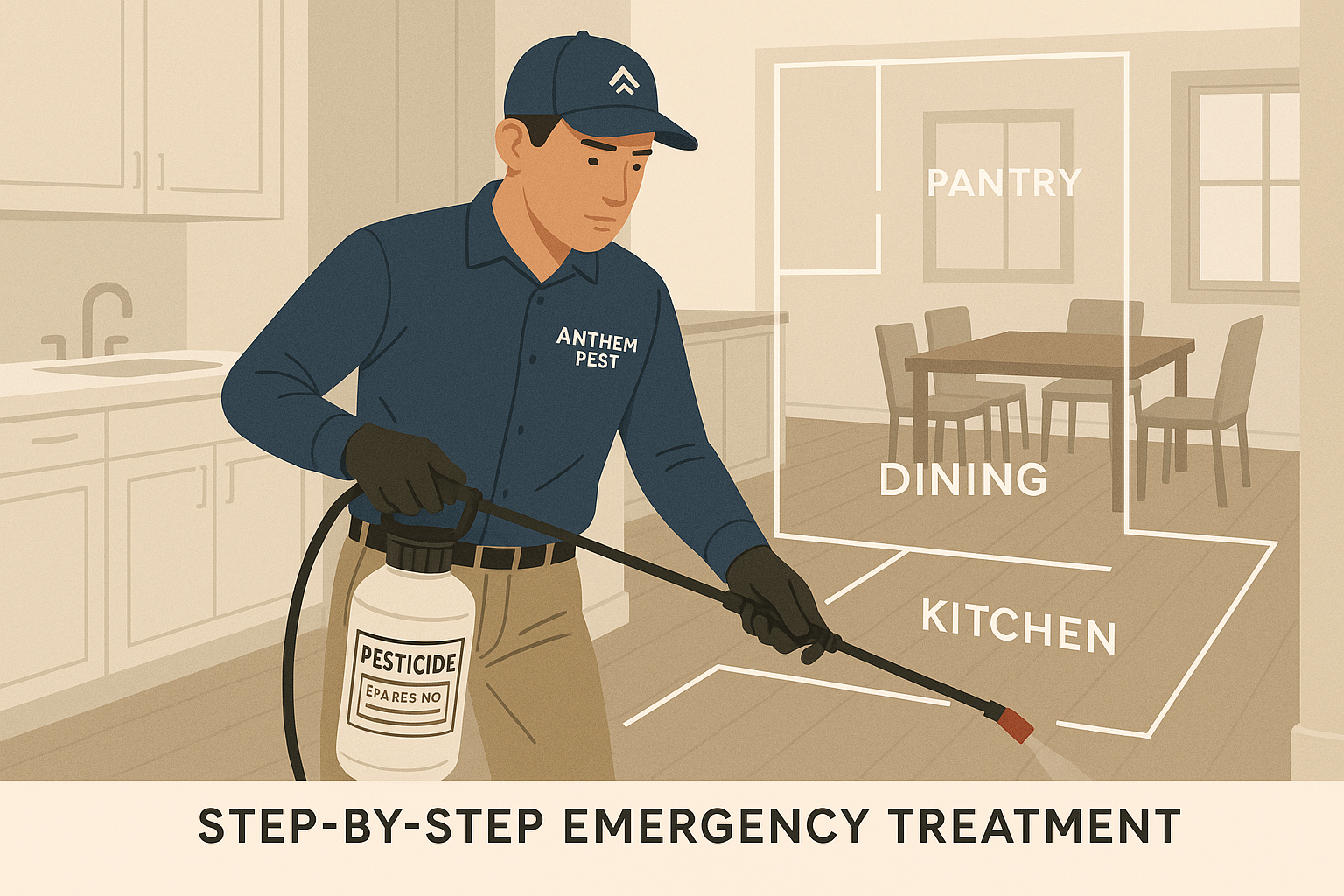
Anthem Pest brings EPA‑registered, professionally applied treatments that cut the problem off at the source. Our emergency package includes:
- Residual indoor spray—creates a protective barrier on walls, countertops, and other contact points for up to four weeks.
- Bait stations—strategically placed to attract adult flies, delivering a slow‑acting toxin that eliminates the entire colony.
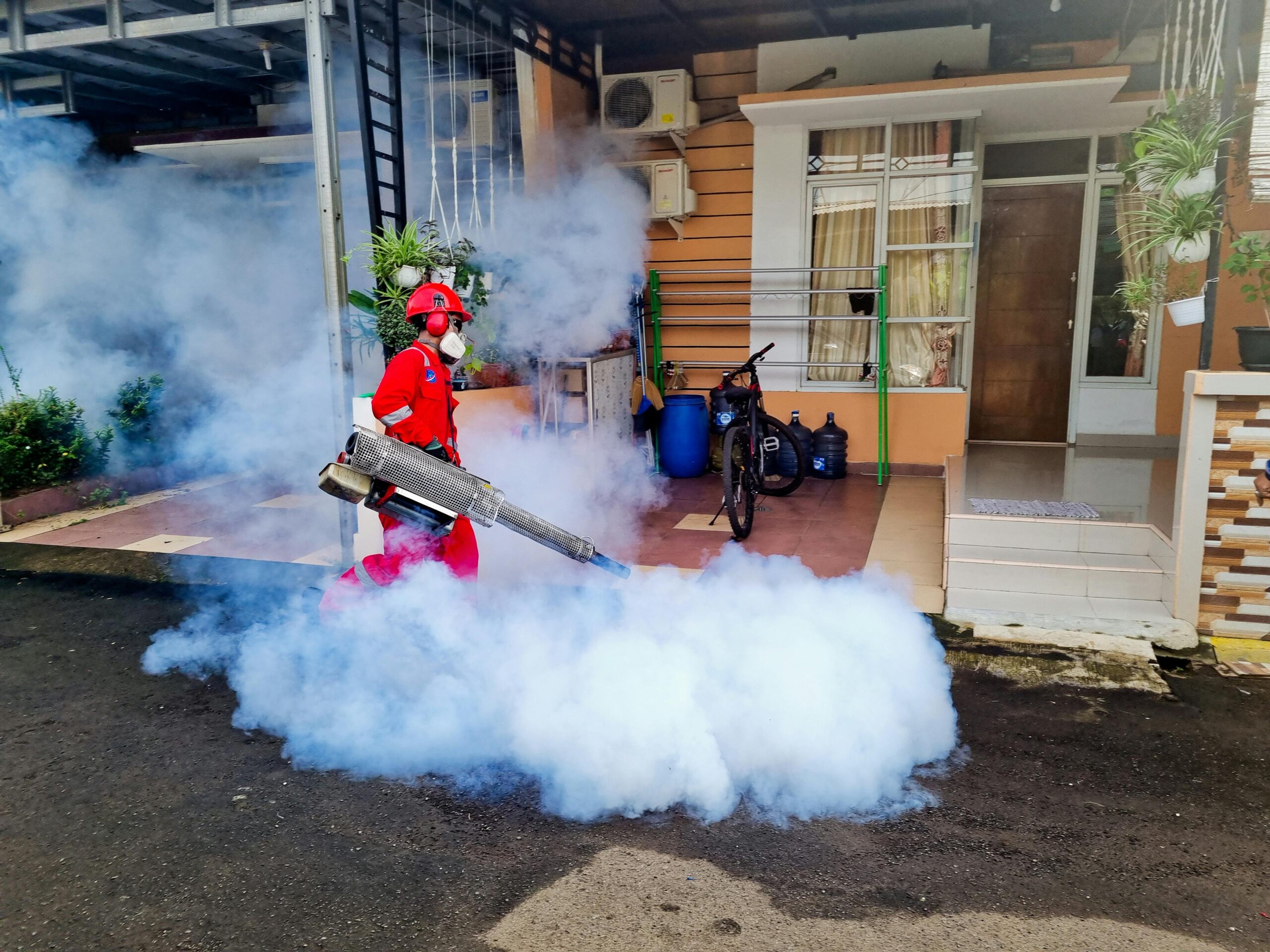
- Targeted structural fogging—penetrates hard‑to‑reach cracks and crevices, ensuring no hidden larvae escape.
Transparent Pricing You Can Trust
Our 2024 emergency fruit‑fly package is priced based on square footage and infestation severity, so you know exactly what you’re paying for.
| Square Footage | Severity Level | Price Range (USD) |
|---|---|---|
| Up to 1,000 sq ft | Low | $120 – $150 |
| 1,001 – 2,000 sq ft | Moderate | $150 – $200 |
| 2,001 sq ft and above | High | $200 – $250 |
What Our Vinings Neighbors Say
“Saved my kitchen in under an hour.” – Maria L., Vinings, GA
Safety First
All products we use are EPA‑registered, meaning they meet strict federal safety standards for indoor use around children and pets. Fruit fly exterminator Vinings GA Our technicians are trained to apply each solution precisely, minimizing exposure while maximizing efficacy.
Treatment Steps at a Glance
- Inspect the property to locate hidden breeding sites.
- Apply residual spray to all contact surfaces.
- Position bait stations in high‑traffic zones.
- Perform targeted fogging to penetrate cracks and crevices.
- Provide a post‑treatment walkthrough and a 30‑day guarantee.
Choosing Anthem Pest means you get a fast, science‑backed solution backed by transparent pricing and real‑world results—so you can finally enjoy a fruit‑fly‑free home.
Building Long‑Term Defenses Against Fruit Flies
Fruit flies thrive when conditions line up just right—warm weather, ripe produce, and moist hiding spots. By understanding the seasonal rhythm in Georgia and establishing a few disciplined habits, you can keep those tiny intruders out of your kitchen year after year.
Seasonal risk calendar for Georgia
| Month | Risk Level |
|---|---|
| January | Low |
| February | Low |
| March | Low |
| April | Low |
| May | High |
| June | High |
| July | High |
| August | High |
| September | High |
| October | Medium |
| November | Low |
| December | Low |
Home‑maintenance checklist
- Repair or install tight‑fitting screen doors and windows; any gap larger than a quarter‑inch can become a fly highway.
- Store fresh fruit, vegetables, and herbs in sealed containers or in the refrigerator instead of leaving them on the counter.
- Empty and rinse trash cans weekly; use lids that seal securely.
- Clean kitchen drains every 7‑10 days with an enzyme‑based cleaner to break down organic buildup that attracts flies.
- Wipe down countertops and table surfaces after meals; a quick spray of diluted white vinegar discourages oviposition.
Landscaping habits that deter fruit flies
- Avoid over‑watering lawns and garden beds; excess moisture creates breeding sites in soil and mulch.
- Keep compost piles at least 15 feet from the house and cover them with a tight‑fitting lid to block adult flies.
- Prune fruit‑bearing trees and shrubs regularly, removing fallen fruit and trimming low branches that touch the ground.
- Install a drip‑irrigation system instead of sprinklers to reduce standing water around foundations.
- Consider planting aromatic herbs such as basil, mint, or rosemary near entryways; their scents act as natural repellents.
Quick “once‑a‑month” routine for homeowners
- Inspect all screens for tears and replace any damaged sections.
- Rotate and clean pantry storage containers; discard any over‑ripe fruit.
- Run a cup of boiling water down each kitchen drain, followed by a splash of vinegar.
- Check outdoor trash bins and compost for leaks; reseal if needed.
- Walk the perimeter of your property and remove any dropped fruit or decaying plant matter.
For a deeper dive into seasonal strategies and professional treatments, explore the NPMA’s comprehensive fruit‑fly guide. Consistent, small actions compound into a robust, long‑term defense—protecting your home and your peace of mind.
Act Now for a Fruit‑Fly‑Free Home
Fruit flies multiply faster than you can say “kitchen cleanup.” One female can lay hundreds of eggs in just a few days, turning a minor nuisance into a full‑blown infestation that threatens food safety and your family’s health. Acting quickly stops the breeding cycle before it spirals out of control.
DIY measures—like cleaning drains, trapping adults, and removing overripe fruit—buy you precious time, but they rarely eradicate the hidden larvae lurking in cracks and crevices. A professional treatment from Anthem Pest seals the gaps, targets the life stages you can’t see, and delivers the guarantee of complete eradication.
Our certified technicians bring EPA‑registered solutions, years of local expertise in Vinings, and transparent pricing you can trust. We work efficiently, respect your home, and follow strict safety protocols so you can breathe easy while we eliminate every fruit‑fly hotspot.
If you’re ready to reclaim your kitchen and enjoy a fly‑free home, our certified technicians are standing by. Call today at 877‑371‑8196 for a free, no‑obligation quote, or schedule online and experience the peace of mind that comes with swift, expert service.
Visit Anthem Pest Control for more information on how we keep homes in Vinings pest‑free.