Recognizing Gnat Infestations in Your Home
Emergency gnat control Decatur becomes critical when tiny, soft-bodied flies start multiplying inside your home. Gnats are often mistaken for harmless houseflies, but the three most common types—house gnats (drain flies), fungus gnats from moist plant soil, and fruit flies attracted to fermenting sugars—all thrive in damp, organic-rich environments and can spread quickly if ignored.

Where gnats love to hide
Before you start a full‑blown treatment, walk through these common hotspots. A quick visual sweep can save you time and money.
- Kitchen sink and drains – organic film builds up in pipe walls, providing a perfect breeding ground for house gnats.
- Over‑ripe fruit or uncovered produce – the sugary juices attract fruit flies within minutes.
- Houseplants – especially those with soggy soil; fungus gnats lay their eggs in the damp medium.
- Garbage cans and compost bins – residual food waste creates a humid micro‑habitat.
- Bathroom tiles and shower drains – the constant moisture mirrors the conditions gnats need to reproduce.
Visual cues that say “gnats are here”
Spotting a gnat infestation is easier than you think. Look for these tell‑tale signs:
- Small, weak‑flying insects that hover erratically and often gather near windows or light fixtures.
- Thin, almost invisible swarms that appear most noticeably at dusk.
- White, thread‑like larvae in the top inch of potting soil or in the sludge of a drain.
- Faint, musty odors near over‑ripe fruit or damp trash.
Health concerns you shouldn’t ignore
While gnats rarely bite, they can still pose health risks. The EPA notes that house flies and related insects can mechanically transfer bacteria from waste to food surfaces. The CDC highlights that certain fruit flies can carry Salmonella or E. coli if they land on uncovered dishes. Even without disease transmission, large numbers of gnats can trigger allergic reactions, skin irritation, or exacerbate asthma in sensitive individuals.
Quick steps to confirm an infestation
Before calling a professional, run these simple checks:
- Trap test: Fill a small jar with apple cider vinegar, a drop of dish soap, and cover it with plastic wrap punctured with a few holes. After 24 hours, count the trapped insects.
- Visual inspection: Shine a flashlight into drains, plant soil, and trash bins. Look for the tell‑tale larvae or adult gnats hovering near the light.
- Moisture check: Feel the top layer of potting soil. If it feels soggy or smells earthy, fungus gnats are likely breeding there.
Identifying the type of gnat and its breeding sites is the first line of defense. Once you’ve confirmed the presence, you can target the source with appropriate sanitation, moisture control, and, if needed, professional treatment from a trusted local partner like Anthem Pest Control.
Why Gnats Thrive in Decatur, GA
Decatur sits right in the heart of Georgia’s humid subtropical zone, a climate that practically hands gnats a welcome mat. Warm temperatures, abundant sunshine, and a steady supply of moisture create an ideal breeding ground for these tiny flyers. For homeowners, understanding how the weather fuels gnat cycles is the first step toward timing treatments that actually work.
Georgia’s Humid Subtropical Climate
The region experiences long, hot summers and mild winters, with average annual rainfall exceeding 50 inches. This combination means that even after a brief dry spell, moisture quickly returns to soil, lawns, and standing water. Gnats, especially fungus gnats and non‑biting midges, need that moisture to lay eggs and for their larvae to develop. When temperatures hover between 68 °F and 85 °F, their life cycle can sprint from egg to adult in just a week.
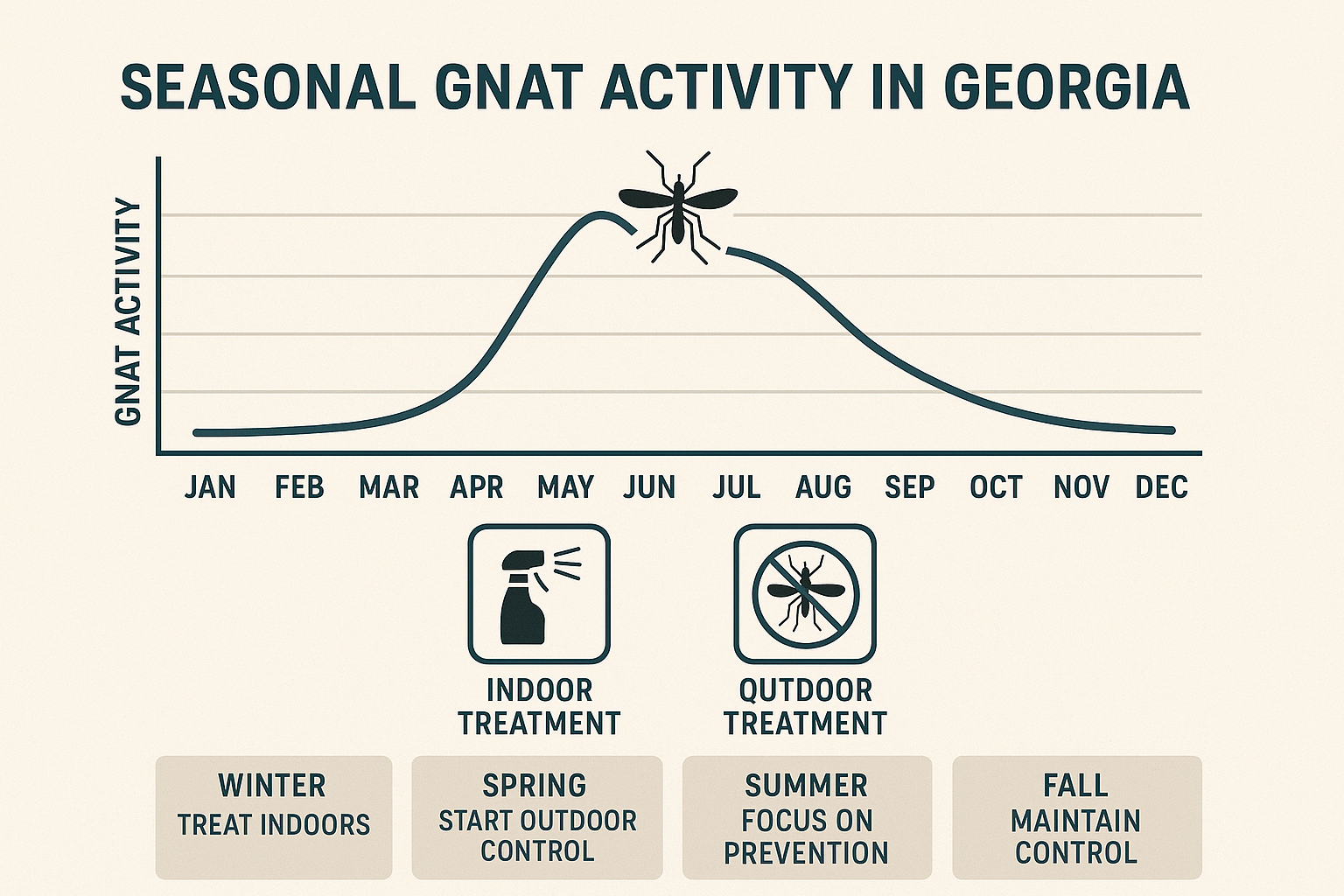
Seasonal Activity Chart
| Month | Activity Level |
|---|---|
| January | Low |
| February | Low |
| March | Moderate |
| April | High |
| May | High |
| June | High |
| July | High |
| August | High |
| September | Moderate |
| October | Low |
| November | Low |
| December | Low |
The chart makes it clear: gnat populations surge from late spring through early fall, peaking in the warmest months. That’s when you’ll notice swarms around patio lights, in kitchen sinks, and near indoor plants.
Indoor vs. Outdoor Activity
During the summer heat wave, outdoor humidity can spike, pushing gnats to seek cooler, moist refuges inside homes. Bathrooms, kitchens, and basements become hotspots because they retain water longer than the yard. Indoor fogging or targeted treatments become essential when outdoor control alone can’t keep the indoor numbers down. Conversely, in early spring, most activity remains outdoors, giving you a chance to focus on yard maintenance before gnats migrate inside.
Typical Breeding Hotspots
Decatur homeowners often overlook the very places that nurture gnat larvae:
- Irrigated lawns: Over‑watering creates soggy soil where larvae thrive.
- Rain‑filled gutters: Stagnant water in gutters or downspouts offers a perfect nursery.
- Compost piles: Decomposing organic matter releases the fungi gnats love to feed on.
- Indoor plant saucers: Constant moisture under pots is a miniature breeding ground.
Seasonal Prevention Tips Aligned with the Chart
- June – Reduce Moisture: Cut back lawn irrigation to early morning only; let soil dry between waterings.
- July–August – Inspect Drains: Clean kitchen and bathroom drains weekly; use a mixture of baking soda and vinegar followed by hot water.
- September – Check Gutters: Flush gutters after the first heavy rain to eliminate standing water.
- October – Trim Vegetation: Prune overgrown shrubs and remove leaf litter that retains dampness.
- Year‑Round – Manage Compost: Turn compost regularly and keep it covered to limit excess moisture.
By syncing your preventive actions with the natural rise and fall of gnat activity, you’ll keep their numbers low and avoid the frantic, emergency calls that come when a swarm suddenly appears. When the season’s peak hits and DIY steps aren’t enough, a professional treatment from Anthem Pest Control can provide the targeted, safe solution you need.
DIY Prevention and Early Intervention
Eliminate Standing Water
Gnats breed in any source of stagnant moisture. The first line of defense is to cut off their breeding grounds before they multiply.
- Fix leaks promptly. A dripping faucet or a hidden pipe crack can create a miniature pond in your kitchen or bathroom.
- Empty pet water dishes nightly. Replace the water each morning and clean the bowl with a mild detergent.
- Cover drains. Install fine‑mesh drain covers in sinks, tubs, and floor drains to keep water from pooling and to block adult gnats from entering.
Sanitize Sinks and Disposals
Food particles and organic film inside kitchen sinks and garbage disposals are a magnet for gnats. A quick, low‑cost cleaning routine can keep those tiny pests at bay.
- Boil a kettle of water.
- Pour the boiling water slowly down the drain to melt residue.
- Mix ½ cup of white vinegar with ½ cup of baking soda. Pour the mixture into the drain, let it fizz for 10‑15 minutes, then flush with another kettle of hot water.
- For stubborn buildup, grind a few ice cubes in the disposal while running cold water; the ice helps dislodge debris.
Homemade Traps That Actually Work
When gnats are already flying indoors, a simple trap can reduce numbers dramatically. Here’s a step‑by‑step recipe you can set up in minutes.
- Take a 2‑liter clear plastic bottle and cut the top off about 2 inches below the neck.
- Fill the bottom half with ½ cup of apple cider vinegar.
- Add 2 drops of liquid dish soap – this breaks the surface tension so gnats can’t escape.
- Optional: Drop a piece of ripe fruit (banana slice or a few berries) to boost the scent.
- Invert the bottle top and place it into the bottom half, creating a funnel.
- Secure with tape if needed and set the trap near the gnat hotspot (kitchen counter, houseplant area, or bathroom).
- Replace the solution every 3–4 days until sightings cease.
Sticky traps—yellow adhesive cards—can be hung near windows or light fixtures for a visual “catch‑and‑see” method.
Houseplant Soil Management
Over‑watered houseplants are a common indoor nursery for fungus gnats. Adjusting the soil environment deprives larvae of the moisture they need.
- Allow the top 1–2 inches of soil to dry out between waterings.
- Swap the upper layer of potting mix for a coarse sand or perlite blend; this creates a dry barrier.
- If an infestation persists, introduce beneficial nematodes (e.g., Steinernema feltiae) according to the product label—these microscopic predators hunt gnat larvae without harming your plants.
When DIY Isn’t Enough
Even the most diligent homeowner may hit a wall. Look for these warning signs that professional treatment is warranted:
- Gnats reappear within 48 hours after you’ve emptied traps.
- Large swarms gather near windows or lights despite cleaning efforts.
- Visible larvae in potting soil or drain lines.
- Persistent odors or mold growth indicating a deeper moisture problem.
At that point, a licensed pest‑management professional can assess hidden breeding sites, apply targeted insecticides, and ensure compliance with safety standards. For safe DIY practices and further guidance, consult the EPA’s pest‑control safety page and the CDC’s household pest‑control recommendations. These resources detail proper ventilation, protective gear, and disposal methods to keep your family and pets out of harm’s way.
Professional Gnat Control Options and Pricing in Decatur
Our Treatment Toolbox
Anthem Pest Control tackles gnat infestations with a blend of proven indoor and outdoor methods. Indoor fogging disperses a fine mist of EPA‑approved insecticide, reaching cracks, ceiling fans, and hidden breeding spots. Perimeter barrier sprays create a protective ring around the home, stopping adult gnats from re‑entering. UV light traps attract flying gnats and immobilize them with an electric grid, providing continuous monitoring. Finally, larvicidal soil treatments target the immature stages in mulch, potted plants, and garden beds, cutting the life cycle at its source.
What Happens During a Service Visit
- Inspection: A certified technician conducts a thorough walk‑through, identifying breeding hotspots, moisture sources, and entry points.
- Identification: Using a portable microscope and visual cues, the technician confirms the gnat species to tailor the treatment.
- Treatment Plan: Based on findings, a customized mix of fogging, barrier spray, traps, and soil treatment is outlined and explained to the homeowner.
- Application: The technician applies each product safely, positions UV traps, and provides simple homeowner instructions for post‑treatment maintenance.
- Follow‑Up: A 7‑day check‑in ensures the population is down and any adjustments are made before the warranty period begins.
Pricing Breakdown
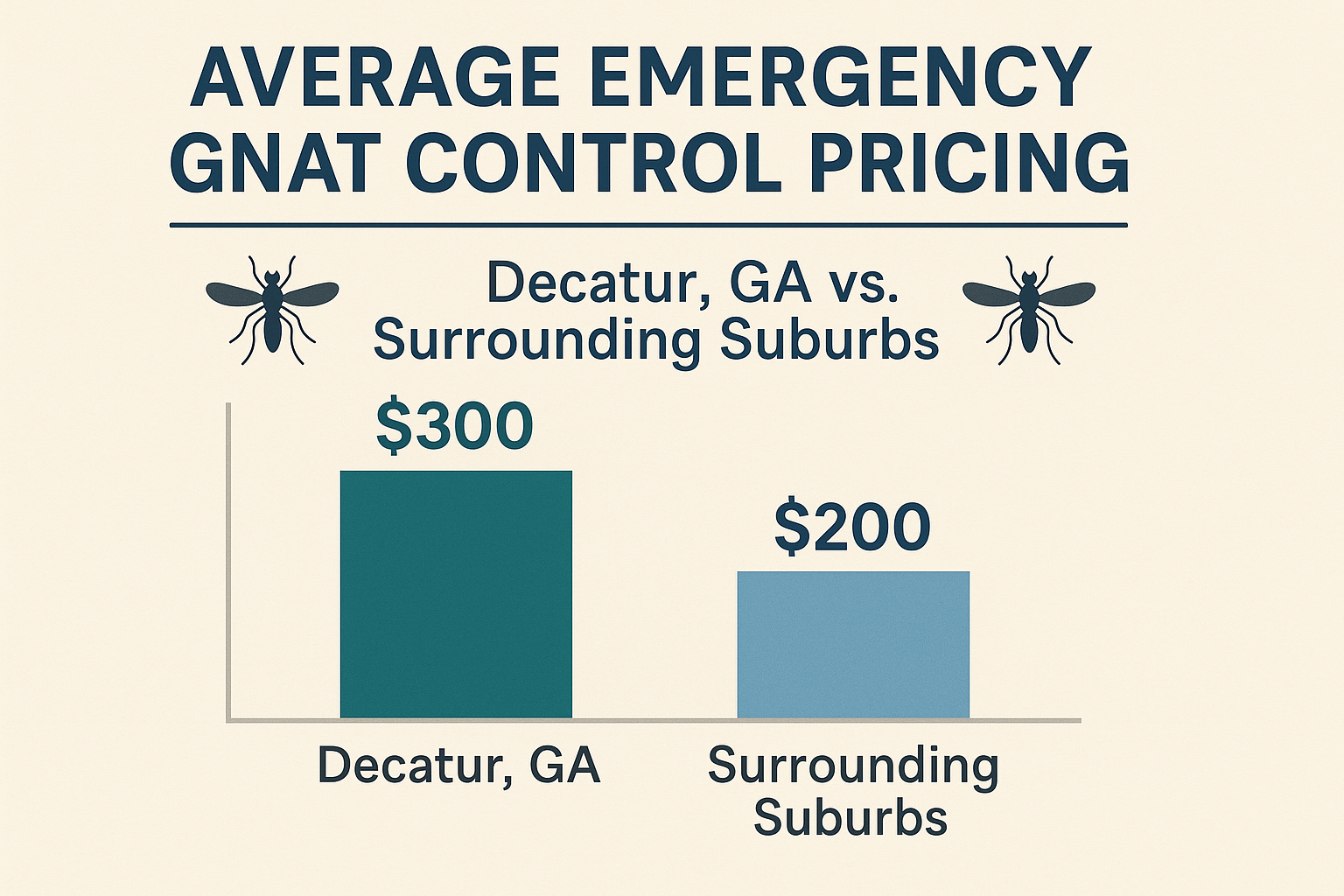
- Emergency Call‑Out Fee: $85 for same‑day response, covering travel and initial inspection.
- Per‑Treatment Cost: $150 for indoor fogging plus barrier spray, or $120 for a UV trap‑only package.
- Package Discounts: 10% off when you combine fogging with soil treatment, and 15% off a quarterly maintenance plan (four visits per year).
- Warranty Options: A 30‑day guarantee is included; extended 90‑day warranties are available for $40 extra.
Cost Comparison: Decatur vs. Neighboring Suburbs
| Location | Emergency Call‑Out Fee | Standard Treatment (fog + spray) | Quarterly Maintenance Package |
|---|---|---|---|
| Decatur | $85 | $150 | $540 (incl. 10% discount) |
| Avondale Estates | $95 | $165 | $600 |
| East Atlanta | $90 | $158 | $570 |
| Clarkston | $92 | $162 | $585 |
Why Choose a Licensed Professional?
Hiring Anthem’s certified technicians means you’re protected by EPA‑approved products that won’t harm children, pets, or indoor plants. Our staff follows strict safety protocols, and every application is documented for liability and insurance purposes. The company backs each job with a written guarantee, and our warranty options give you peace of mind if gnats return.
According to the National Pest Management Association’s (NPMA) 2022 gnat‑trap study, professionally installed UV light traps captured 87% more gnats than consumer‑grade units over a 30‑day period.
In short, Anthem Pest Control delivers a transparent, cost‑effective solution that combines cutting‑edge technology with local expertise. When gnats swarm your porch or kitchen, a quick call to 877‑371‑8196 gets the right tools and trained professionals on the job—fast, safe, and backed by data.
Take Action with Anthem Pest Control Today
Gnats may seem harmless, but in Decatur they quickly turn a backyard BBQ into a swarming nuisance and can carry bacteria that irritate skin and eyes. Their rapid breeding in damp gutters, indoor plants, and clogged drains means a few weeks of ignoring them can become a full‑blown infestation that threatens both comfort and health.
If you’re looking for a fast, low‑cost fix, start with these three DIY steps:
- Eliminate standing water – empty saucers, fix leaky pipes, and keep trash cans sealed.
- Clean or replace indoor plant soil and add a layer of sand to deter egg‑laying.
- Apply a food‑grade hydrogen peroxide spray (1:1 with water) to affected surfaces; the fizz kills larvae on contact.
These measures work for a small, isolated problem, but once gnats appear in multiple rooms or return after treatment, it’s time to call a professional.
Anthem Pest Control brings Decatur homeowners a proven, EPA‑approved arsenal that eliminates gnats without endangering children or pets. Our technicians follow a transparent pricing model—what you see on the estimate is what you pay—so there are no surprise fees. Because we live and work in the same neighborhoods, we know the local breeding hotspots and can tailor treatments to your property’s unique conditions. And if a gnat surge happens in the middle of the night, our 24/7 emergency line means help is just a phone call away.
Don’t let gnats win the battle for your home. Call Anthem Pest Control today at 877‑371‑8196 or visit our website for a free, no‑obligation inspection quote. Our friendly team will schedule a same‑day visit, assess the source, and apply the safest, most effective treatment plan—so you can enjoy a gnat‑free indoor and outdoor space again. Our locally trained specialists use only certified products, guaranteeing results while protecting your family and the environment.
Ready to act? Anthem Pest Control is standing by.