Why House Flies Matter to Homeowners
House flies (Musca domestica) may seem like harmless nuisances, but their biology makes them perfect indoor opportunists—often triggering the need for emergency house fly control Suwanee homeowners didn’t expect. They thrive in warm, moist environments and are attracted to the very things we keep in our kitchens—food scraps, sugary drinks, and pet waste. A single female can lay up to 500 eggs in just a few days, and those eggs hatch into larvae that feed on decaying organic matter. This rapid life cycle means a tiny infestation can balloon into a full-blown swarm before you even notice the first buzz.
Health Risks You Can’t Ignore
The CDC warns that house flies are mechanical vectors for more than 100 pathogens, including Salmonella, E. coli, and Shigella. When a fly lands on garbage, then on your countertop, it can transfer bacteria directly onto food preparation surfaces. Even a brief contact can contaminate a sandwich or salad, leading to foodborne illness that often presents with nausea, vomiting, and fever. For families with young children, seniors, or anyone with a weakened immune system, these risks become especially serious.
Economic and Nuisance Impacts
- Food spoilage: Flies lay eggs on exposed food, accelerating decay and forcing you to discard meals.
- Unpleasant odors: Their waste and the decomposition of food they cause produce foul smells that linger in kitchens and dining areas.
- Reduced property appeal: A visible fly problem can lower the perceived cleanliness of your home, affecting resale value and guest impressions.
- Increased cleaning costs: Frequent deep cleaning, waste management, and replacement of contaminated food items add up quickly.
How Common Are House Flies?
According to the National Pest Management Association, roughly 85 % of U.S. households report encountering house flies at least once a year. In the Southeast, where warm, humid summers create ideal breeding conditions, the prevalence jumps to over 95 % of homes. In Suwanee, Georgia, the average homeowner can expect to see flies most frequently between May and September, aligning with peak outdoor activity and higher indoor humidity.
These numbers aren’t just statistics—they’re a call to action. When flies become a regular presence, they signal underlying sanitation or structural issues that, if left unchecked, can invite other pests like rodents or cockroaches. Understanding why house flies matter is the first step toward protecting your family’s health, preserving your food, and maintaining a comfortable, inviting home environment.
Spotting and Identifying House Flies in Your Home
What an Adult House Fly Looks Like
Adult house flies (Musca domestica) are unmistakable once you know the details. They measure roughly 6‑9 mm from head to the tip of the abdomen—about the size of a small grape. Their bodies are a uniform gray‑black with faint, faintly striped patterns on the thorax that become clearer in bright light. The wings are clear, thin, and held flat over the back when the fly is at rest, giving a “transparent” look. The most striking feature is the pair of large, compound eyes that dominate the head; they appear bright, sometimes with a reddish‑brown tint, and give the fly a constantly swiveling, 360‑degree view of its surroundings. The head also sports short, bristly antennae and a spongy mouthpart designed for sucking up liquids.
Life‑Stage Overview: From Egg to Adult
Understanding where a fly is in its life cycle helps you locate breeding sites. A female can lay 150‑200 eggs in a single batch, usually on a moist, organic surface. The stages are:
- Eggs – tiny, white, and barely visible; they hatch within 24 hours.
- Maggots (larvae) – creamy‑white, legless, and C‑shaped; they feed on decaying matter for 3‑5 days.
- Pupae – a hardened case where the larva transforms; this stage lasts 3‑6 days and often occurs in the same substrate.
- Adults – the flying stage we all recognize; they emerge ready to reproduce within a day.
Each stage prefers a specific environment: eggs and early larvae love the moist surface of a garbage bag, while mature maggots and pupae are commonly found in rotting food, pet waste, or damp compost piles. Adults, of course, are the ones you’ll see buzzing around windows and countertops.
Where House Flies Hang Out Indoors
Flies are opportunistic explorers, but they gravitate toward a few predictable indoor spots:
- Windows and doors – especially those left open or with cracked screens, because they provide easy entry and a route to sunlight.
- Trash cans – any container that holds food scraps, especially if it’s not sealed tightly.
- Food preparation areas – countertops, cutting boards, and sinks where crumbs or spills linger.
- Pet feeding stations – leftover kibble or spilled water create a miniature buffet.
- Drainage points – damp, dark corners under sinks or in basements can host maggots if organic matter accumulates.
How to Confirm You Have a Fly Problem
Occasional fly sightings are normal, but certain patterns signal a budding infestation:
- Frequency of sightings – If you’re noticing flies every few minutes rather than a rare encounter, the population is likely reproducing inside.
- Clustering near waste – A noticeable congregation around trash bins, compost containers, or pet dishes suggests that eggs are being laid nearby.
- Presence of maggots – Small, white, wriggling larvae in garbage or on damp surfaces are a dead‑giveaway that the life cycle is completing indoors.
- Time of day – Flies that are active during the night, especially near lights, often indicate an indoor breeding source rather than just outdoor intrusion.
When two or more of these signs appear together, it’s time to act quickly. Prompt identification prevents the tiny eggs from turning into a full‑blown swarm.
Macro Photo: Key Identification Features
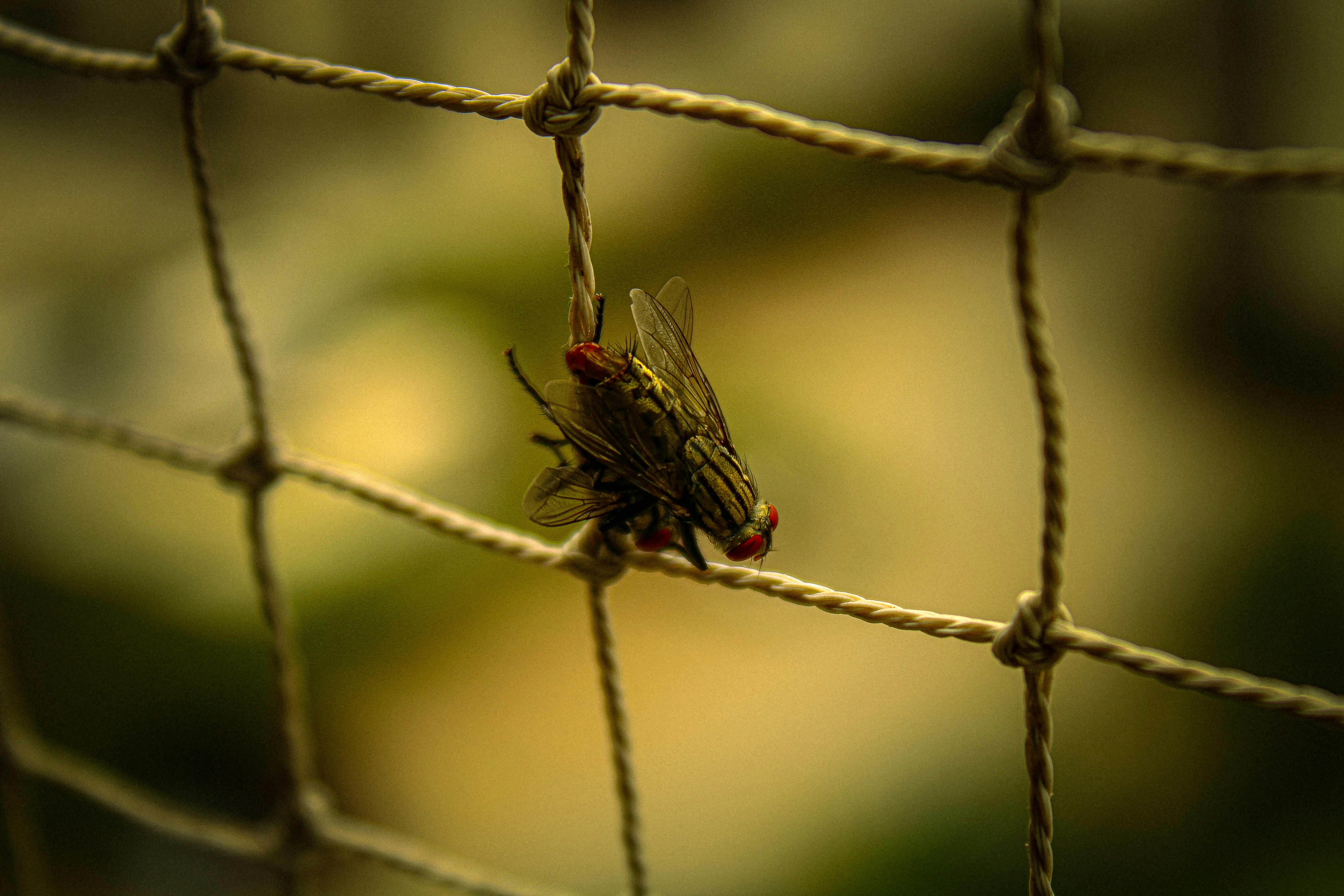
The macro image above zeroes in on the fly’s most distinctive traits: the sleek gray‑black thorax, the translucent wing membrane, and the expansive compound eyes that give the insect its uncanny ability to spot movement. Use this visual cue when you’re unsure whether the buzzing visitor is a house fly or a look‑alike such as a fruit fly or a cluster fly.
By mastering these identification basics, you’ll be able to spot the early signs of a house‑fly infestation before it overwhelms your home. Once you know where they hide, what they look like, and how to confirm a problem, you can move confidently toward targeted treatment—whether that means a simple sanitation fix or calling a professional like Anthem Pest Control for a comprehensive solution.
Effective Indoor Fly Control Methods
Immediate DIY Actions
When flies start buzzing around your kitchen or living room, the fastest way to regain control is to eliminate what’s attracting them and set up simple barriers. The first step is sanitation. Wipe down countertops, sweep crumbs, and mop floors daily—flies can locate a food source in a single speck of sugar. Next, manage waste properly: seal garbage cans with tight‑fitting lids, take out trash at least once a day, and keep compost bins far from the house.
- Fly traps: Commercial sticky strips or UV‑light traps can be hung near entry points. They’re inexpensive and give you a visual cue of the infestation level.
- Natural repellents: A spray made from equal parts water, white vinegar, and a few drops of essential oils (eucalyptus, peppermint, or citronella) can deter flies when applied to windowsills and door frames. The scent is unpleasant to flies but harmless to people and pets.
- Physical barriers: Install fine‑mesh screens on windows and doors, and use door sweeps to block the tiny gaps that flies love to slip through.
Chemical Options
If DIY measures aren’t enough, over‑the‑counter chemicals provide a stronger line of defense. Choose the product that matches your comfort level and the severity of the problem.
- Residual sprays: These leave a thin film on surfaces such as baseboards, window frames, and under appliances. They continue killing flies for days to weeks. Pros: Long‑lasting protection; Cons: Requires careful application to avoid contact with food prep areas.
- Foggers (aerosol “bug bombs”): Release a cloud of insecticide that settles on hidden surfaces. Pros: Quick coverage of large rooms; Cons: Can infiltrate vents, upholstery, and pet bedding, so you must vacate the home for the recommended time and ventilate thoroughly afterward.
- Fly baits: Gel or granule baits attract flies with an attractant and then poison them. Pros: Targeted action with minimal residue; Cons: Baits must be placed out of reach of children and pets, and they work best when flies are actively foraging.
Safety tips for any chemical use: read the label, wear gloves, keep children and pets out of the treated area until the product dries, and ensure proper ventilation by opening windows or using fans.
Professional Indoor Treatment Process
When flies persist despite your best efforts, a licensed technician specializing in emergency house fly control Suwanee homeowners rely on can deliver a comprehensive solution that addresses hidden breeding sites and prevents re-infestation.
- Inspection: The technician conducts a thorough walk‑through, identifying fly entry points, breeding hotspots (such as pet waste stations or damp corners), and any structural issues that may be contributing to the problem.
- Targeted spray application: Using EPA‑approved, low‑odor insecticides, the professional applies a precise mist to cracks, crevices, and other hard‑to‑reach areas. The formulation is chosen for rapid knockdown while minimizing residue on surfaces you touch daily.
- Follow‑up visits: Most indoor fly programs include a second visit within 7‑10 days to treat any newly hatched flies and verify that the original population has been eliminated.
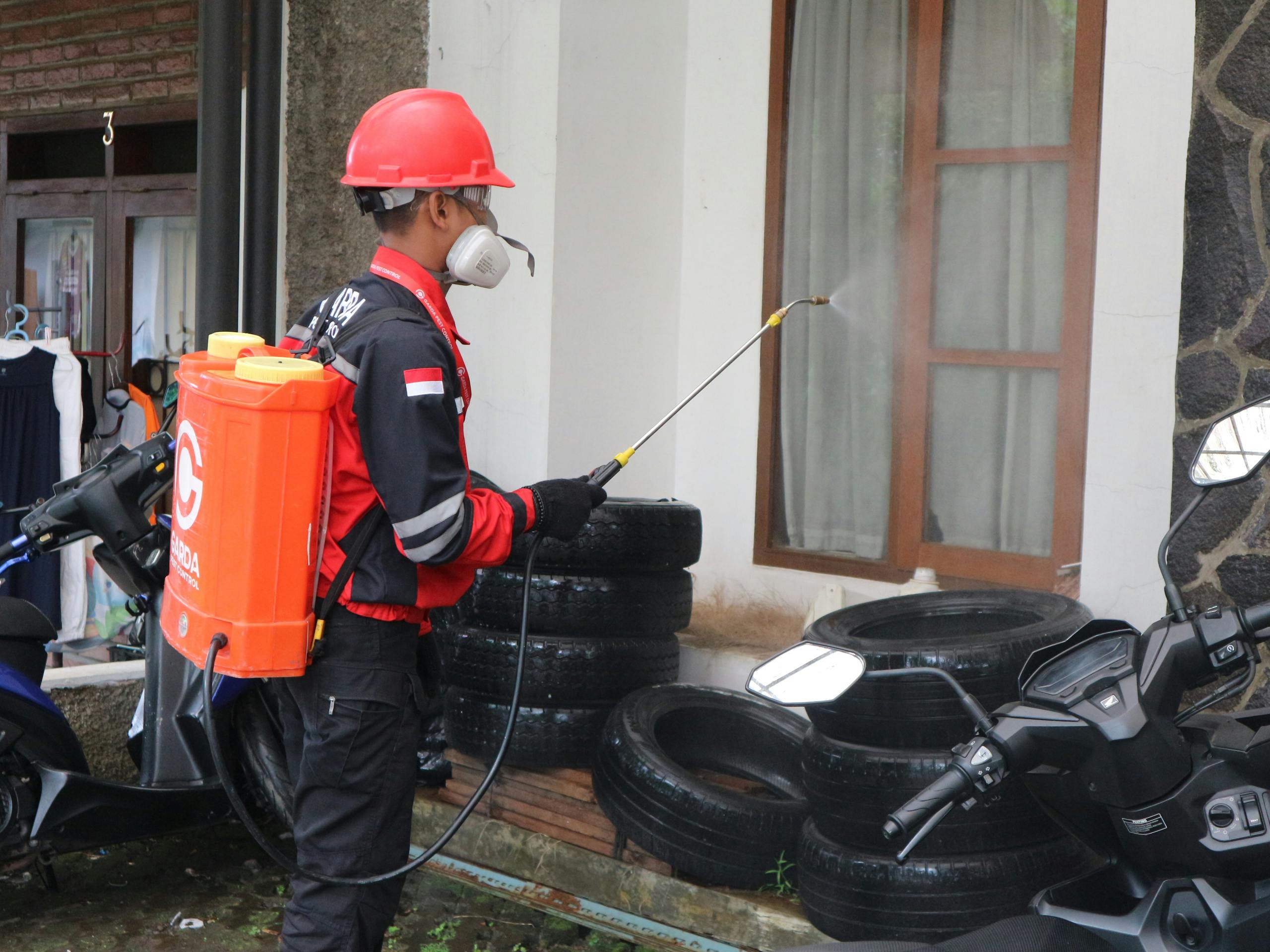
Regardless of whether you choose a DIY route or call in a professional, safety remains the top priority. Keep all chemical products locked away when not in use, wear protective gloves during application, and always ventilate the space afterward—open windows, run exhaust fans, and let fresh air circulate for at least 30 minutes before re‑entering the room. For homes with small children, elderly residents, or multiple pets, consider low‑toxicity options or let a certified pest‑control specialist handle the treatment. Proper ventilation and adherence to label instructions dramatically reduce any health risk while ensuring flies are eradicated quickly and effectively.
Comparing House Fly Control Pricing Packages
When a house fly invasion turns your home into a buzzing nightmare, the last thing you want is a surprise bill. Transparent pricing lets you weigh the cost against the coverage you’ll receive, so you can make a confident decision without hidden fees. Knowing exactly what each service tier includes helps you match the treatment to the severity of the problem and your budget.
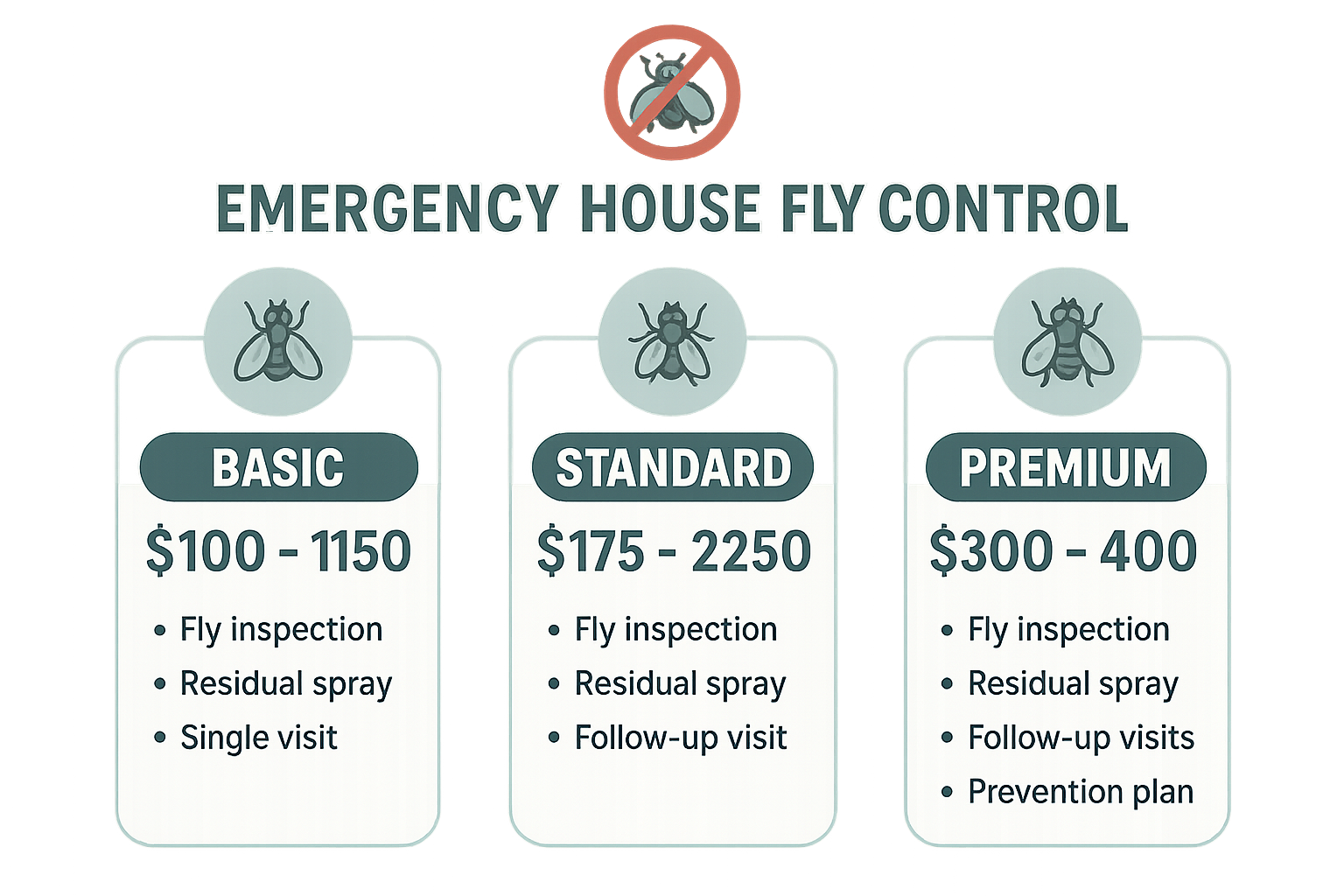
Package Overview
| Tier | Price Range (USD) | Included Services | Best For |
|---|---|---|---|
| Basic | $80‑$120 |
|
Light infestations, single‑family homes |
| Standard | $150‑$220 |
|
Moderate infestations, larger properties |
| Premium | $300‑$420 |
|
Severe infestations, commercial settings, or homes with pets/children needing extra safety |
Which Tier Fits Your Situation?
Basic. If you’ve just noticed a few flies hovering near doors or windows, the Basic package usually does the trick. A single targeted treatment, coupled with a brief inspection, can break the life cycle before it spreads.
Standard. When flies appear daily, linger in multiple rooms, or you’ve identified breeding hotspots (e.g., uncovered trash bins or pet waste), the Standard tier offers the extra coverage you need. Two treatments give the pesticide time to act on eggs and larvae, while the six‑month warranty provides peace of mind.
Premium. Large homes, multi‑unit buildings, or businesses that can’t afford downtime demand the most aggressive approach. Premium plans include perimeter spraying, regular monitoring, and a lifetime guarantee that protects your investment long after the initial work is done.
Tips for Evaluating the Right Package
- Assess infestation level. Count flies over a 24‑hour period. Fewer than five per hour usually points to a Basic solution; more than fifteen suggests Standard or Premium.
- Consider property size. Larger square footage or multiple structures (garage, shed) often require additional treatment visits.
- Factor in health concerns. Homes with young children, seniors, or pets benefit from the extra safety protocols found in Premium plans.
- Check warranty terms. A longer warranty can save money if flies return, but make sure it covers re‑treatment and not just a refund.
- Ask about follow‑up logistics. Some companies bundle follow‑up calls at no extra cost, while others charge per visit. Clarify this up front.
Get a Customized Quote
Every home is unique, and the most accurate price comes from a professional on‑site assessment. Reach out to a trusted provider—like Anthem Pest Control—to discuss your specific fly situation, request a detailed estimate, and confirm that the chosen package aligns with both your pest control goals and your budget.
Seasonal Patterns of House Fly Activity
Why Flies Surge in Warm Weather
House flies (Musca domestica) are ectothermic, meaning their body temperature—and thus their metabolism—rises with the ambient air, often creating conditions that require emergency house fly control Suwanee residents experience during peak seasons. When daytime highs consistently sit between 75 °F and 85 °F, flies reproduce at their fastest rate. Warm temperatures accelerate egg development: a single female can lay 150-200 eggs in just 24 hours, and those eggs hatch in 12-24 hours under optimal heat and humidity. Humidity plays a supporting role; moisture-laden air prevents the larvae from drying out, allowing the larval stage (the “maggot”) to mature in roughly five days. As summer approaches in Suwanee, the combination of heat and occasional rain creates a perfect incubator, leading to the familiar summer swarms that hover around garbage cans, pet dishes, and outdoor patios.
Seasonal Activity Chart
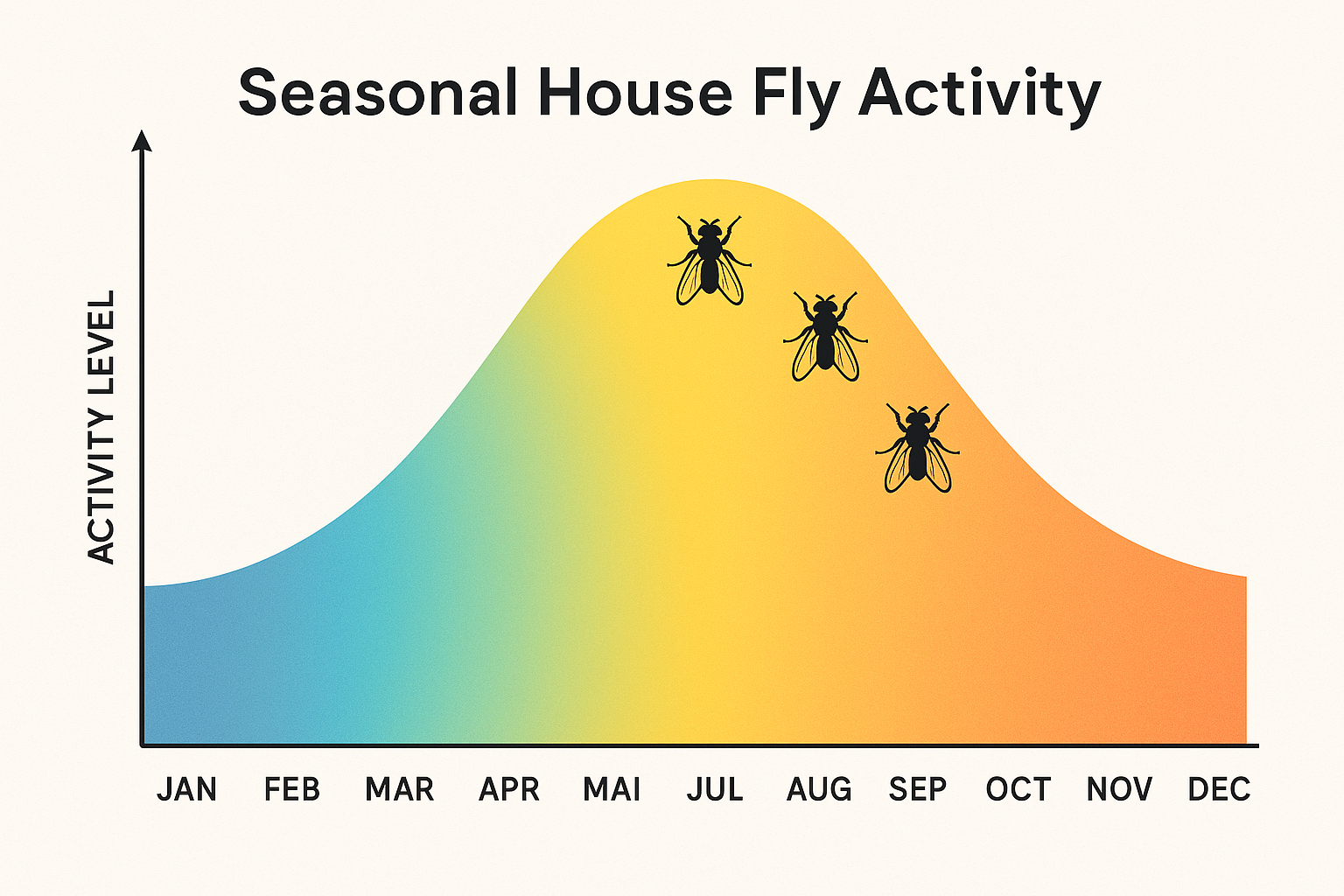
| Month | Average Temperature (°F) | Relative Humidity (%) | Activity Level |
|---|---|---|---|
| January | 42 | 68 | Very Low |
| April | 63 | 71 | Low‑Moderate |
| July | 86 | 73 | High |
| October | 71 | 70 | Moderate |
| December | 45 | 66 | Very Low |
Season‑Specific Maintenance Tips
- Pre‑summer deep cleaning (March‑April): Remove organic debris from gutters, clean pet feeding stations, and seal cracks where flies can hide.
- Summer monitoring (May‑August): Place fly traps near doors and garbage areas, and inspect compost piles weekly for excess moisture.
- Fall barrier treatments (September‑October): Apply residual insecticide around exterior doors, windows, and the perimeter of the property to create a protective shield before temperatures dip.
- Winter upkeep (November‑February): Keep indoor trash bins tightly covered and limit indoor lighting that attracts lingering flies.
Timing Your Service With Our Pricing Tiers
Anthem Pest Control’s Standard package is designed for homeowners who want comprehensive protection without breaking the bank. Scheduling this package **before the summer peak**—ideally in late April—locks in the most cost‑effective rate and ensures a pre‑emptive barrier is in place when fly populations explode. If you wait until July, you’ll still receive the same high‑quality treatment, but it falls into our “Peak‑Season” tier, which carries a modest surcharge due to higher demand. Early intervention not only saves money but also prevents a small nuisance from becoming a full‑blown infestation that could require additional emergency visits.
Understanding the seasonal rhythm of house flies empowers you to act at the right moment. By aligning your preventive actions with the natural peaks outlined above, you’ll keep your home comfortable, protect your family’s health, and keep your pest‑control budget under control. If you’re ready to schedule a pre‑summer service or need a quick assessment, give Anthem Pest Control a call at 877‑371‑8196 or visit our website today.
Protect Your Home with Professional Fly Control
House flies are more than a visual annoyance; they carry over 100 disease‑causing pathogens such as salmonella and E. coli, putting your family’s health at risk. If you notice the characteristic gray‑black bodies, a constant buzzing near food, or fly larvae in drains, you’re already dealing with a breeding hotspot. Flies reproduce rapidly—up to 150 eggs per day—so a short delay can turn a few insects into a full‑blown infestation. Prompt treatment stops the life cycle, safeguards food preparation areas, and eliminates the unsettling sight of swarming flies on your porch.
Anthem Pest Control’s pricing reflects the transparent package comparison we presented earlier. Each plan is listed with a single, all‑inclusive fee—no hidden charges or surprise add‑ons—so you can match the service level to the size of your home and the severity of the problem. Whether you choose the basic interior spray, the comprehensive interior‑plus‑exterior barrier, or the premium plan with a follow‑up inspection, the cost you see is the cost you pay.
Beyond clear pricing, Anthem’s technicians are industry‑certified and use EPA‑approved products that target flies while keeping children and pets safe. Our integrated approach combines residual insecticides, strategic bait placement, and practical sanitation advice, delivering results that last weeks rather than days. By focusing on both elimination and prevention, we reduce the need for repeat visits and the extra expenses that DIY kits often incur. You receive professional reliability at a price that remains competitive with do‑it‑yourself solutions.
Ready to protect your home before flies become a health hazard? Request a free, no-obligation quote for emergency house fly control Suwanee homeowners trust from Anthem Pest Control today, and let our experts design a customized fly-control plan for your residence. Call us now at 877-371-8196 or visit Anthem Pest Control to get started.