Why Mosquito Emergencies Need Immediate Action
When a mosquito lands on your arm, the itch is only the tip of the iceberg. These tiny insects are vectors for serious illnesses such as West Nile virus, Zika, and Eastern equine encephalitis—diseases that can cause fever, neurological damage, or even death. In the United States, the Centers for Disease Control and Prevention (CDC) classifies mosquito‑borne illnesses as a top public‑health priority because they can spread quickly in densely populated areas like Dunwoody. A single bite can be the gateway to a hospital visit, and for vulnerable residents—children, seniors, and those with compromised immune systems—the risk escalates dramatically.
Fulton County has seen a concerning surge in mosquito‑related cases this year. CDC surveillance data shows that in the first six months of 2024, Fulton County reported 27 confirmed West Nile virus infections, more than triple the 9 cases recorded in the same period last year. Zika incidents, though still relatively rare, have also risen, prompting local health officials to issue heightened alerts. This spike isn’t random; warmer temperatures, recent heavy rains, and standing water in suburban yards create perfect breeding grounds, turning a typical summer evening into a potential health emergency.
Beyond the medical danger, mosquito activity wreaks havoc on everyday comfort. Imagine planning a backyard barbecue, only to have swarms of buzzing insects force guests indoors. Persistent bites disrupt sleep, leading to restless nights and reduced daytime productivity. For homeowners who value their outdoor spaces—whether it’s a poolside lounge, a garden retreat, or a simple patio dinner—mosquitoes can turn those cherished areas into hostile zones. The cumulative effect is a noticeable decline in property enjoyment and, ultimately, a lower quality of life.
Because the stakes are high, rapid response is essential. Mosquitoes breed in as little as a week, so delaying treatment allows populations to explode exponentially. Immediate action—whether it’s draining stagnant water, applying targeted larvicides, or calling a professional service—can break the life cycle before it overwhelms your home. Waiting even a few days can mean the difference between a manageable nuisance and a full‑blown outbreak that threatens health and peace of mind.
This guide will walk you through quick DIY steps you can take tonight, as well as the professional solutions Anthem Pest Control offers to eradicate mosquitoes safely and affordably. By understanding the risks and acting fast, you protect your family, preserve your outdoor comfort, and keep Dunwoody’s neighborhoods healthier for everyone.
Mosquito Threats Specific to Dunwoody
Common Species in the Area
The two mosquito species that dominate Dunwoody’s summer evenings are the Aedes albopictus, commonly called the Asian tiger mosquito, and the Culex quinquefasciatus, known as the southern house mosquito. Aedes albopictus is a daytime biter that thrives in shaded, humid micro‑habitats. Its distinctive black‑and‑white striped legs make it easy to spot, and it is an aggressive feeder that can bite multiple times in a single hour. In contrast, Culex quinquefasciatus prefers dusk and nighttime activity, laying its eggs in stagnant, organically rich water such as storm drains or birdbaths. Both species are capable vectors for West Nile virus and other arboviruses, which is why early identification matters.
How Often Are Residents Bitten?
According to 2024 data released jointly by the Environmental Protection Agency (EPA) and the Georgia Department of Public Health, the Atlanta metropolitan area—Dunwoody included—averages 12 to 18 mosquito bites per household each summer. The numbers climb higher in neighborhoods with abundant water features, where bite counts can exceed 25 per home. The EPA’s “Mosquito Bite Index” places the metro region in the “moderate‑to‑high” exposure category, reflecting both the density of breeding sites and the prevalence of the two species mentioned above. For a typical family of four, that translates to roughly 50 to 70 bites over a three‑month peak season, enough to cause itchy welts, sleepless nights, and heightened concern for disease transmission.
Neighborhood Hotspots
Even within Dunwoody, risk is not evenly distributed. Brookhaven features many mature trees and a network of ornamental ponds that retain water well into the fall. These shaded water bodies provide perfect incubation sites for Aedes larvae, while the dense canopy offers the cool, humid environment Culex mosquitoes love. Peachtree Corners, though technically a neighboring city, shares a similar landscape—large residential lawns dotted with rain‑garden basins and decorative fountains. Homeowners there report bite rates that are 15 % higher than the metro average. Finally, Dunwoody Village combines historic brick homes with lush, water‑rich landscaping, including a central koi pond and a series of rain‑catchment barrels. The combination of standing water, abundant foliage, and limited sunlight creates a breeding haven that can sustain mosquito populations for weeks without intervention.
Why Dunwoody’s Climate Keeps Mosquitoes Busy
Dunwoody’s climate is a perfect storm for mosquito reproduction. Summer temperatures regularly hover between 78 °F and 88 °F, while relative humidity stays above 70 %—conditions that accelerate the mosquito life cycle from egg to adult in as little as seven days. Warm nights prevent larvae from entering a dormant stage, allowing continuous breeding throughout the season. Moreover, the region’s frequent afternoon thunderstorms refill ponds, birdbaths, and even clogged gutters, providing fresh, nutrient‑rich water for egg deposition. The result is a relentless cycle: each rain event spawns a new generation, and each generation bites more aggressively as the population density builds.
Immediate DIY Actions to Reduce Mosquitoes
When mosquito activity spikes in Dunwoody, you don’t have to wait for a professional to step in. In the next 24 hours you can take three simple, high‑impact steps that dramatically lower the number of biting insects around your home. These actions are inexpensive, safe for pets and children, and can be completed with tools you already have on hand.
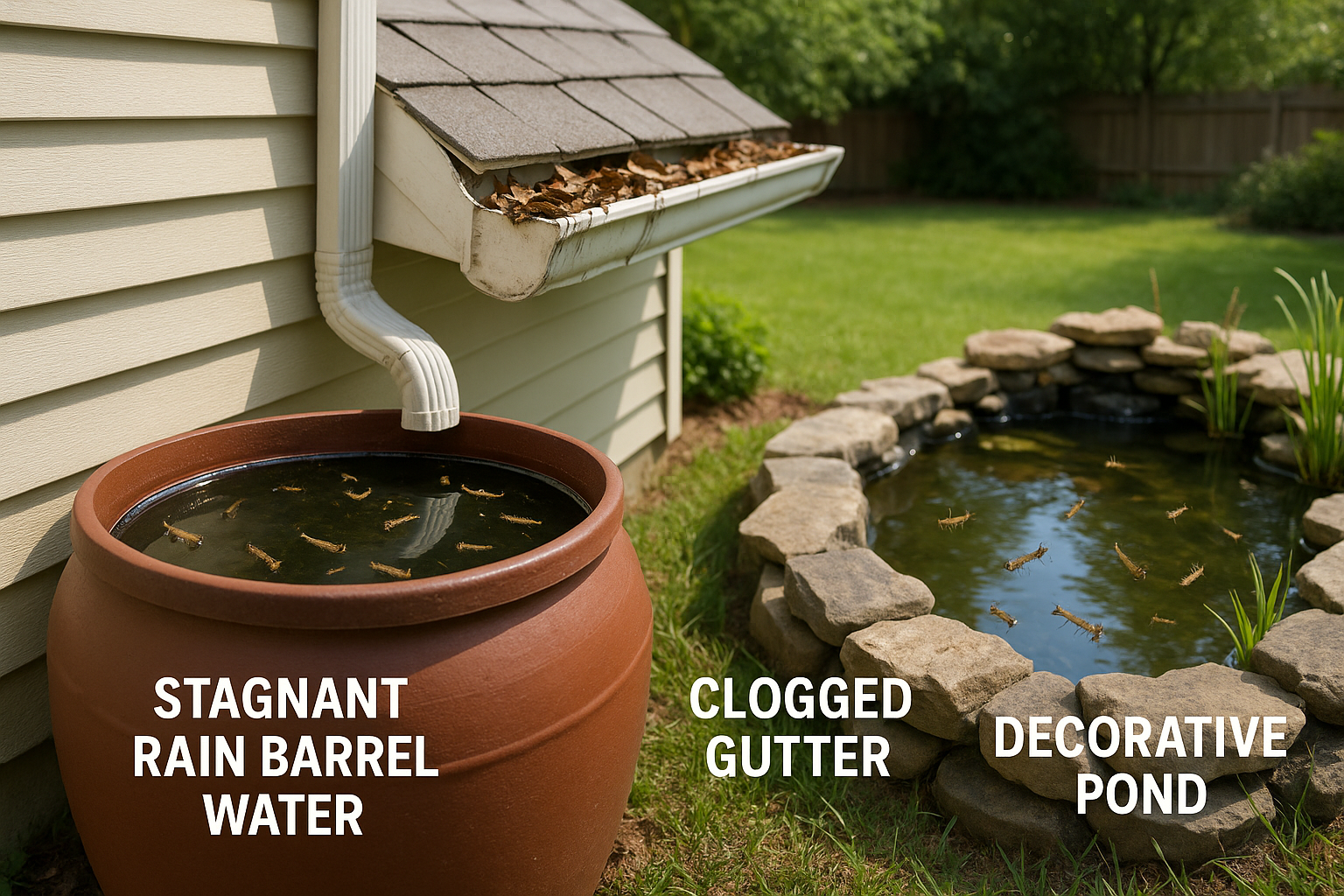
Step 1: Eliminate Standing Water
Female mosquitoes need water to lay their eggs. Even a shallow pool of water can become a breeding ground in as little as 24 hours. By removing or treating these sources, you cut the life cycle before it even begins.
- Bird baths – Empty, scrub, and refill with fresh water daily.
- Clogged gutters – Clear debris and ensure water flows freely away from the house.
- Rain barrels – Use a fine mesh screen to keep mosquitoes out, or empty them after heavy rain.
- Plant saucers – Turn them upside down or add a few drops of larvicide approved for residential use.
- Outdoor toys and pet dishes – Rinse and dry them after each use.
To treat water you can’t immediately remove, add a small amount of a EPA‑registered larvicide (such as Bti) following the label instructions. This biological agent targets mosquito larvae without harming fish, birds, or beneficial insects. Remember to wear gloves and keep the product out of reach of children.
Step 2: Deploy Fans on Patios or Decks
Mosquitoes are weak fliers; a steady breeze of just 4–5 mph disrupts their flight patterns and makes it difficult for them to land on you. Position a medium‑size floor or oscillating fan near seating areas, and run it on low to medium speed for at least an hour in the evening when mosquitoes are most active. If you have a covered patio, a wall‑mounted fan can create a constant airflow corridor that keeps the insects at bay without increasing your electricity bill.
Step 3: Apply EPA‑Approved Personal Repellents
When you need to step outside, protect yourself with a proven topical repellent. Look for products that contain either:
- DEET at 30 %–50 % concentration – effective for up to 8 hours.
- Picaridin (also known as KBR 3023) at 20 % – comparable protection with a lighter feel.
Apply the repellent generously to all exposed skin, avoiding the eyes and mouth. For best results, reapply after swimming, sweating heavily, or every 4–6 hours. Children over 2 years old can safely use the same concentrations, but always follow the product’s age‑specific guidelines.
Real‑World Success: A Dunwoody Homeowner’s Story
Emily Carter, a resident of the Peachtree Road neighborhood, was fed up with nightly mosquito bites that left her family itching for days. She followed the three steps above: she emptied her bird bath, installed a 12‑inch oscillating fan on her back deck, and started using a DEET‑based spray before dinner. Within a week, Emily reported an 80 % reduction in bites. “The fan made the patio feel like a breeze even on still evenings, and the water cleanup was a weekend project I could finish on my own,” she said. Emily’s experience shows that a focused, DIY approach can buy you precious relief while you schedule a professional treatment.
Don’t forget: for the first seven days, revisit every water source at least once daily. A quick visual check—especially after rain—ensures that no new puddles have formed and that your larvicide remains effective. Consistency is key; a single missed spot can become a hidden hatchery and undo the progress you’ve made.
When DIY Isn’t Enough – Red‑Flag Signs for Emergency Service
Most homeowners start with a spray bottle, a few citronella candles, or a DIY fogger when mosquitoes start to bite. Those tools can keep a light nuisance at bay, but they quickly hit a wall when the infestation reaches a critical mass. Knowing when the situation has outgrown your backyard arsenal is the first step toward protecting your family’s health and peace of mind.
Red‑Flag Criteria You Can’t Ignore
- More than 50 bites per night. If you or anyone in the house wakes up with a swarm of itchy welts, the mosquito population has exploded beyond what a homeowner can realistically control.
- Visible adult swarms. Spotting dozens of adult mosquitoes hovering around lights, patios, or indoor windows signals a breeding hotspot that is producing adults faster than you can spray.
- Confirmed illness in the household. A diagnosis of West Nile virus, Zika, dengue, or any mosquito‑borne disease is an urgent call for professional intervention. Even a single case should trigger immediate action.
- High‑risk occupants. Children, seniors, pregnant women, or anyone with a compromised immune system is especially vulnerable. Their bodies react more severely to mosquito bites and the diseases they can transmit.
When any of these red‑flags appear, the clock starts ticking. Mosquitoes can transmit disease within hours of biting, and a dense population can spread pathogens to new hosts in as little as 48 hours. That narrow window is why emergency mosquito control isn’t a luxury—it’s a public‑health necessity.
The 48‑Hour Window: Why Speed Matters
Female mosquitoes need only a single blood meal to lay a full batch of eggs. In a warm Georgia summer, that batch can hatch in three to five days, and each new adult can bite again within 24 hours. If you wait longer than two days after spotting a red‑flag, you risk an exponential surge that makes eradication far more difficult and costly.
Professional teams like Anthem Pest Control can deploy truck‑mounted misting systems, aerial ULV foggers, and targeted larvicides that reach every hidden breeding site—from storm‑drain grates to backyard ponds. Those tools work at a scale and speed that DIY products simply cannot match.
Why DIY Measures Fall Short in Large Infestations
Home‑grown solutions are designed for low‑level nuisance control. They typically cover a few square feet and rely on contact killing, which leaves eggs and larvae untouched. In a severe outbreak, you’re dealing with:
- Multiple breeding sites scattered across the property.
- Adult mosquitoes that have already dispersed into neighboring yards.
- Potential resistance to over‑the‑counter insecticides.
Professional equipment delivers a uniform, residual barrier that penetrates dense vegetation, canopy cover, and even indoor spaces without exposing residents to harmful chemicals. Moreover, certified technicians can identify and eliminate hidden sources—like clogged gutters or underground water sources—that DIY users often overlook.
Take Action Before It Escalates
If you recognize any of the red‑flag signs, call a licensed mosquito control service immediately. A rapid response not only curbs the bite count but also protects your loved ones from serious illness. Remember, the difference between a manageable nuisance and an emergency is often just a handful of bites—don’t wait until the numbers climb.
Anthem Pest Emergency Mosquito Service Overview
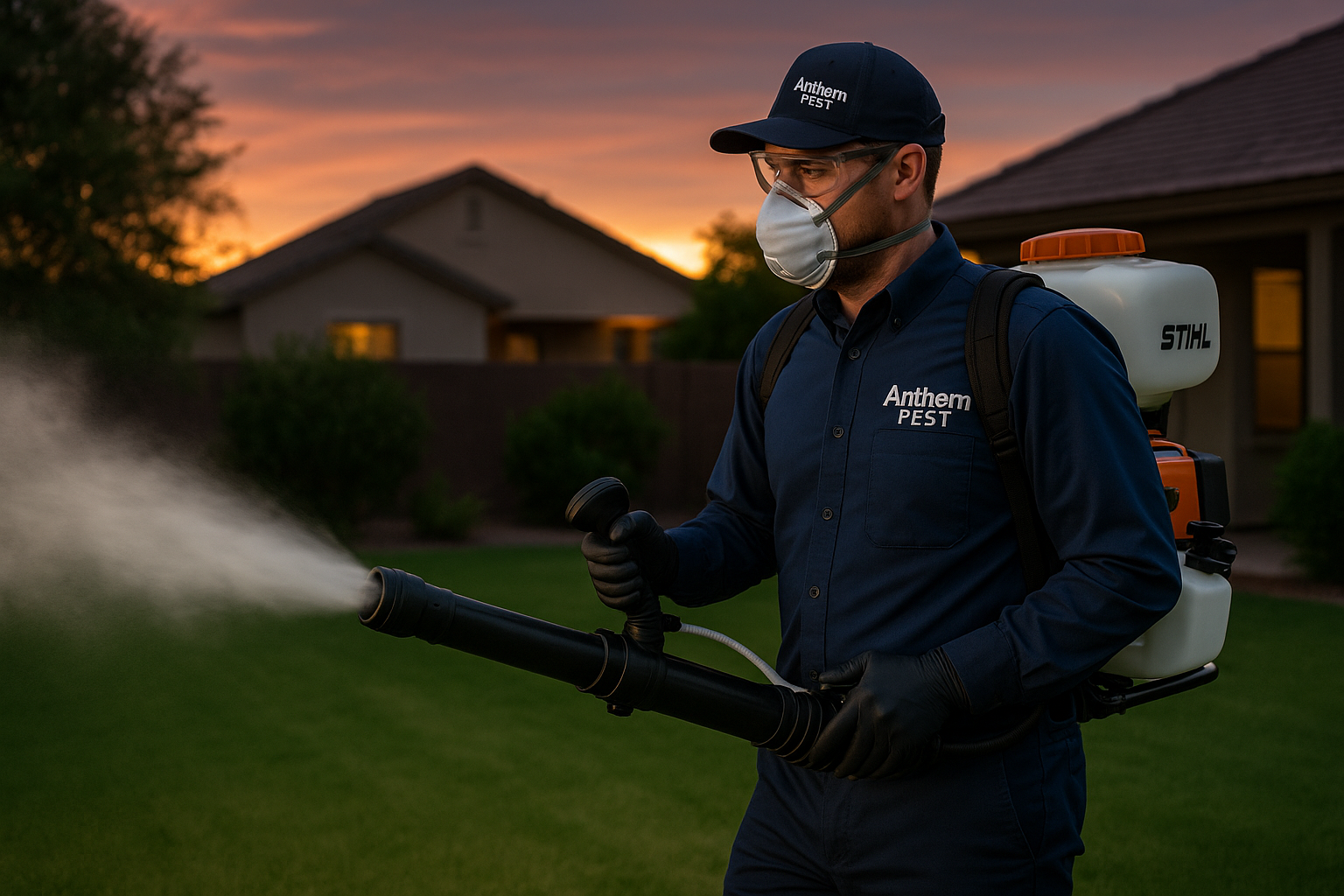
Rapid‑Response Promise – 2‑Hour Arrival Guarantee
When a mosquito swarm turns your patio into a buzzing nightmare, time is the enemy. Anthem Pest backs its emergency program with a guaranteed response within two hours of your call. As soon as you dial 877‑371‑8196, our dispatch center pulls up your address, checks technician availability, and sends the nearest certified crew straight to your door. No endless waiting, no vague “next‑day” appointments – just a fast, decisive action that stops the bite cycle before it escalates.
Licensed Technicians with EPA & State Certifications
Every technician who steps onto a Dunwoody property carries both federal EPA certification and the Georgia State Pest Control license. This dual credentialing means they understand the strict regulations governing adulticide use, larvicide placement, and environmental protection. Our crews undergo quarterly refresher courses, so they stay current on the latest EPA‑approved products, application methods, and safety protocols. In short, you’re getting the most qualified professionals in the region, not just a generic “pest‑control guy.”
Core Mission: Safe, Effective, Affordable
Anthem Pest’s mission statement—“safe, effective, affordable”—is more than a tagline; it’s the framework for every emergency visit. Safety comes first: we use EPA‑registered chemicals that are proven to target mosquitoes while posing minimal risk to children, pets, and beneficial insects. Effectiveness follows, with a proven treatment matrix that attacks adult mosquitoes, disrupts breeding cycles, and creates a residual barrier for up to 30 days. Affordability is baked into our transparent pricing model, so you never face surprise fees after the job is done.
What Customers Are Saying
“I called Anthem Pest on a Saturday night when the mosquitoes were driving my family crazy. The technician arrived in under two hours, sprayed the yard, and we noticed a dramatic drop in bites by the next morning. I’ve never felt such relief so quickly!” — Jenna L., Dunwoody, GA
What’s Included in an Emergency Visit
A typical emergency service call includes three essential components, each designed to restore comfort and protect health:
- Comprehensive Inspection: Our technician walks your property, identifies mosquito breeding hotspots (stagnant water, overgrown foliage, uncovered containers) and notes any structural factors that could invite future infestations.
- Targeted Treatment: Using a calibrated mist sprayer, we apply a blend of adulticide and larvicide precisely where it’s needed—perimeter zones, shaded areas, and known water sources. The formulation creates an invisible shield that kills adult mosquitoes on contact and prevents larvae from maturing.
- 30‑Day Follow‑Up: After the initial treatment, we schedule a follow‑up inspection within 30 days at no extra charge. This visit confirms that the mosquito population remains suppressed and allows us to re‑apply residual product if needed.
Because each property is unique, our technicians also provide personalized recommendations—such as removing standing water, trimming vegetation, or installing larvicide granules for permanent control. These tips empower homeowners to maintain a mosquito‑free environment long after the emergency crew departs.
Why Choose Anthem Pest for Your Mosquito Emergency?
Beyond speed and expertise, Anthem Pest brings a local touch that matters in Dunwoody. Our teams know the neighborhood’s climate patterns, common breeding sites, and the specific mosquito species that thrive here. This hyper‑local knowledge lets us fine‑tune our treatment plan for maximum impact. Combine that with our commitment to safety, proven effectiveness, and clear pricing, and you have a service that turns a buzzing crisis into a quick, painless resolution.
Treatment Options Explained

When a mosquito surge hits your Dunwoody yard, you need a solution that works fast and stays effective. Anthem Pest Control offers three core treatment strategies, each designed for a different stage of the mosquito life cycle. Understanding how larvicides, adulticides, and misting systems operate helps you choose the right approach for your home, budget, and peace of mind.
Larvicides – Targeting the Youngsters
Larvicides are the “baby‑killers” of mosquito control. The most common product we use is a bacterial formulation called Bacillus thuringiensis israelensis (Bti) packed into granules. When scattered over standing water—think birdbaths, clogged gutters, or a soggy backyard patch—Bti releases toxins that are lethal to mosquito larvae but harmless to fish, pets, and humans.
The application process is straightforward: our technicians spread the granules evenly across the water surface, then water the area lightly to activate the bacteria. According to the National Pest Management Association (NPMA), Bti delivers about 90 % efficacy within seven days. Because it attacks mosquitoes before they become flying adults, larviciding is a proactive, environmentally friendly option that reduces future bite pressure without the need for repeated chemical fogging.
Adulticides – Immediate Knock‑Down
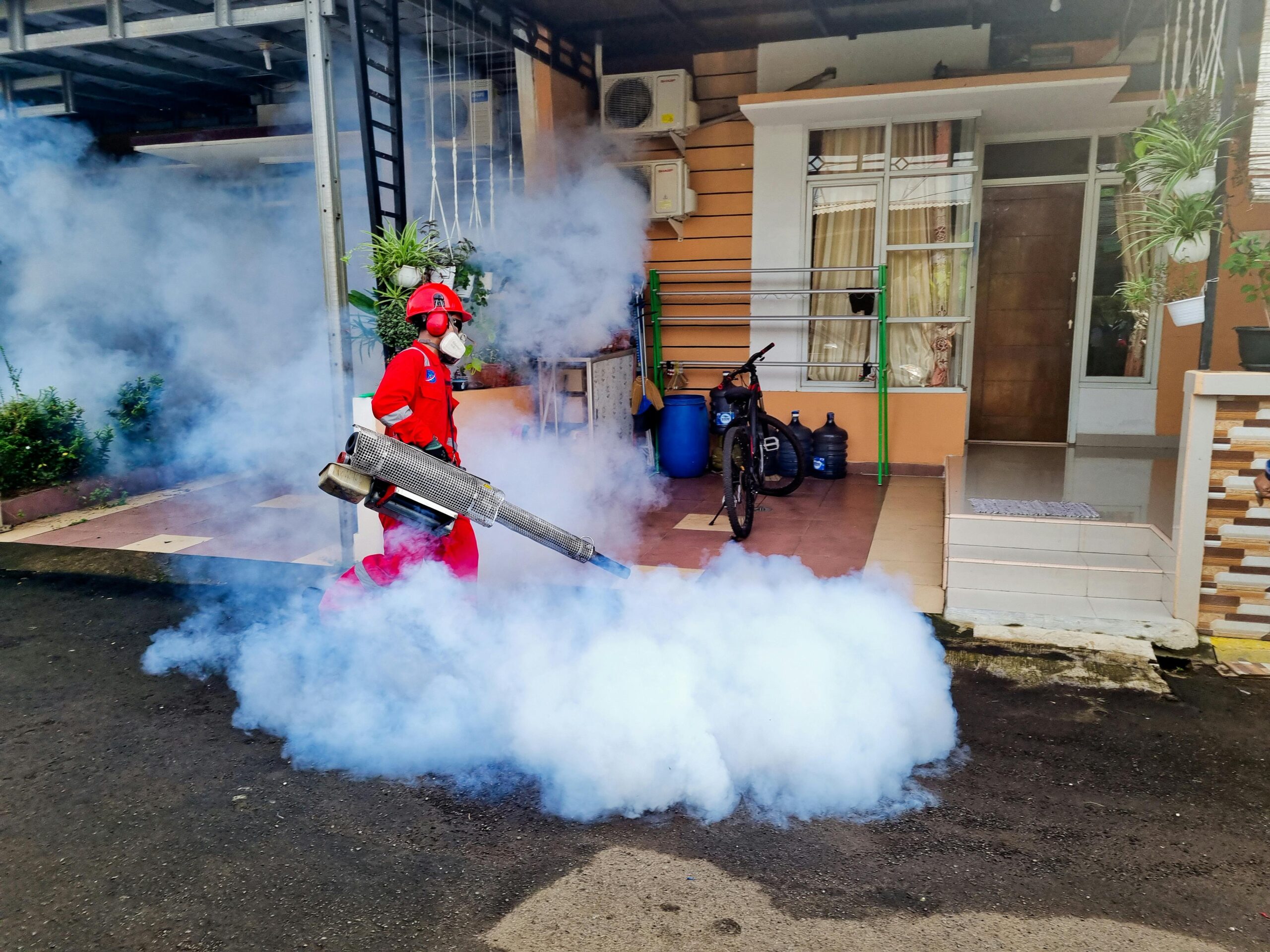
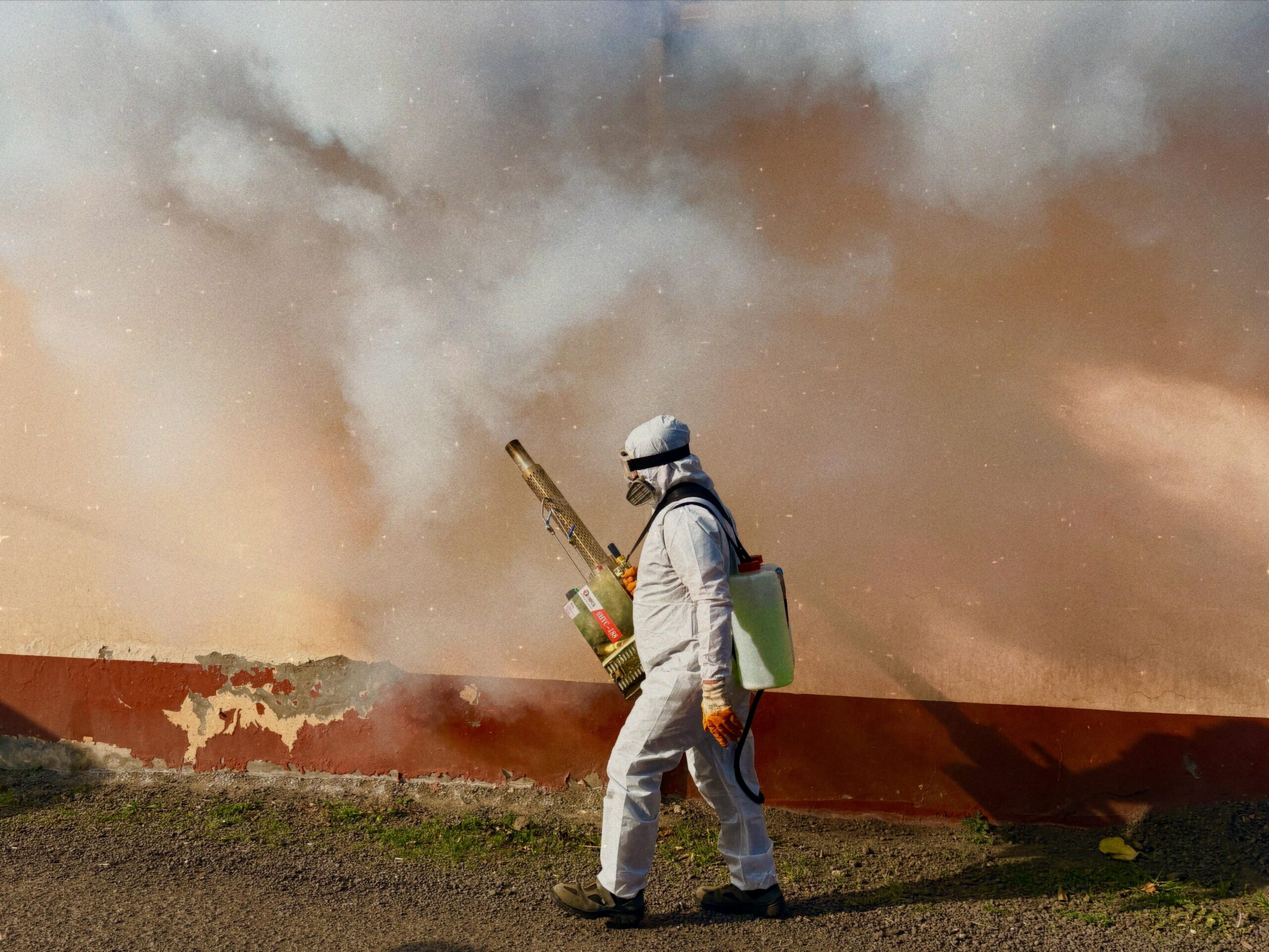
When you need an instant reduction in adult mosquito activity, ULV (Ultra‑Low Volume) fogging is the go‑to method. A fine mist of EPA‑registered insecticide is dispersed by a high‑capacity fogger, creating a cloud that settles on mosquitoes in flight and on resting surfaces. The result is rapid knock‑down—often over 80 % of adult mosquitoes are incapacitated within minutes of treatment.
Safety is built into the process. After a fogging session, the EPA mandates a re‑entry interval of two hours. During that window, residents should stay indoors, keep windows and doors closed, and avoid direct contact with treated areas. Once the interval passes, you can safely resume normal activities. Adulticide fogging is ideal for emergency situations, such as a sudden outbreak around a backyard gathering or a high‑density neighborhood hotspot.
Misting Systems – Ongoing Protection
For homeowners who prefer a set‑and‑forget approach, automated misting systems provide continuous, low‑dose applications across high‑risk zones. These systems consist of weather‑proof nozzles installed around the perimeter of your property, connected to a timer that releases a measured spray of adulticide every week.
The weekly schedule maintains a residual barrier that suppresses adult mosquito populations throughout the peak season. While the upfront cost of installation is higher than a one‑time spray, the long‑term cost‑benefit often favors misting for larger properties or neighborhoods with recurring mosquito problems. Plus, the system can be calibrated to avoid over‑application, reducing chemical exposure for pets and children.
| Method | Pros | Cons | Effective Duration | Ideal Use Case |
|---|---|---|---|---|
| Larvicides (Bti granules) | Eco‑friendly, targets larvae, 90 % reduction in 7 days | Requires standing water, no immediate adult knock‑down | Up to 3 weeks per application | Properties with persistent water sources |
| Adulticides (ULV fogging) | Rapid knock‑down, covers large areas quickly | Requires re‑entry interval, temporary residual effect | 1–3 days residual activity | Emergency outbreaks or outdoor events |
| Misting Systems | Continuous protection, low‑dose weekly, set‑and‑forget | Higher initial investment, installation needed | Season‑long with weekly cycles | Large yards, high‑risk zones, long‑term control plans |
Safety Notes for Pets and Children
All three treatments meet EPA safety standards, but we still recommend a few simple precautions. After a larvicide or adulticide application, keep pets and children off treated surfaces for at least 30 minutes, and store any granule bags out of reach. With misting systems, the low‑dose spray is designed to be safe for everyday exposure, yet it’s wise to supervise young children during the first few weeks as the system calibrates.
Anthem Pest’s technicians wear protective gear and follow strict application protocols to minimize any risk. If you notice unusual irritation on skin, eyes, or respiratory symptoms after a treatment, rinse the area with water and contact your healthcare provider. Regular communication with our team ensures you stay informed about the chemicals used and the timing of each service.
Pricing Transparency & Emergency Surcharge
When a mosquito swarm shows up out of nowhere, the last thing you want is an unexpected bill. At Anthem Pest Control we believe that clear, upfront pricing is as essential as the treatment itself. Knowing exactly what you’ll pay helps you decide quickly, so you can focus on getting relief instead of worrying about hidden costs.
Typical emergency treatment range: For a rapid‑response call in Dunwoody, the cost usually falls between $150 and $300 per visit. On top of that, we add a modest $50 rapid‑response fee to cover the extra logistics of dispatching a technician within hours. The final amount depends on the size of the property, the severity of the infestation, and any special considerations such as pet‑friendly products or hard‑to‑reach areas.
What the fee includes
- Thorough inspection – Our certified technician conducts a detailed walkthrough, identifies breeding sites, and maps hot‑spots.
- Targeted treatment – We apply EPA‑approved larvicides and adulticides exactly where they’re needed, minimizing exposure to family and pets.
- 30‑day follow‑up visit – One month after the initial service, we return to assess results, retreat if necessary, and give you a clear action plan to keep mosquitoes at bay.
All of these components are bundled into the quoted price; there are no surprise add‑ons after the job is done. For full verification, you can review our publicly listed rates on the Anthem Pest Mosquito Service pricing page. Transparency isn’t just a buzzword—it’s a promise that the amount you see online is the amount you’ll pay.
How emergency pricing stacks up against seasonal service
A standard seasonal mosquito program typically runs $200‑$400 for an entire summer, covering multiple applications and ongoing monitoring. While that sounds cheaper on paper, it assumes you have the luxury of waiting for the next scheduled visit. In an emergency, waiting can mean weeks of relentless bites, potential disease exposure, and sleepless nights.
When you compare the two, the emergency rate of $150‑$300 + $50 is essentially paying for immediate action plus the same 30‑day follow‑up you’d receive with a seasonal plan. In other words, you’re getting the same comprehensive service—inspection, treatment, and post‑visit check—in a single, fast‑track appointment. For homeowners who need relief today, that value is hard to beat.
Rest assured, Anthem Pest Control never tacks on hidden fees or surprise charges. The quoted amount you receive over the phone or via email is the total you’ll owe, and we’ll always explain each line item before any work begins. If you’re dealing with a sudden mosquito outbreak in Dunwoody, you can call us at 877‑371‑8196 knowing exactly what to expect on your invoice.
Long‑Term Prevention Strategies for Dunwoody Homes
Keeping mosquitoes at bay isn’t a one‑time fix; it’s a year‑round habit. Below is a seasonal checklist you can follow to make sure your yard stays uninviting to those buzz‑inducing pests, no matter what the calendar says.
Seasonal Checklist
- Trim overgrown vegetation. Mosquitoes love the shade and humidity that dense shrubs provide. Prune back at least 6 inches of foliage every spring and fall to improve airflow.
- Install proper drainage. Stagnant water is a mosquito nursery. Ensure gutters, downspouts, and low‑lying areas direct water away from your foundation.
- Set up CO₂‑baited mosquito traps. Position traps near high‑traffic outdoor zones—patios, decks, or play areas—and run them from dusk until dawn during peak season.
- Schedule quarterly professional inspections. A licensed technician can spot hidden breeding sites, apply targeted larvicides, and adjust treatments as weather patterns shift.
Following this routine consistently reduces the chance of a sudden mosquito surge, especially after heavy rains or when temperatures climb above 75°F.
Why Quarterly Treatments Matter
According to an EPA case study, homes that receive professional mosquito treatments every three months experience an average 70 % reduction in mosquito counts compared to untreated properties. The study tracked over 1,200 households across the Southeast and found that regular interventions disrupt the life cycle before larvae mature into biting adults.
Maintaining Water Features the Right Way
Many Dunwoody homeowners cherish ponds, birdbaths, or decorative fountains, but these can become perfect breeding grounds if left unchecked. Here’s how to keep them beautiful—and mosquito‑free:
- Circulate the water. Use a submersible pump or waterfall feature to create movement; stagnant water attracts egg‑laying females.
- Introduce fish that eat larvae. Species such as guppies, mosquito fish (Gambusia affinis), or koi will consume mosquito larvae as they hatch.
- Clean regularly. Remove leaves, algae, and debris at least once a month. A clean surface reduces organic matter that larvae feed on.
- Apply biological larvicides. Products containing Bti (Bacillus thuringiensis israelensis) are safe for fish and pets but lethal to mosquito larvae.
Choosing Native Plants That Deter Mosquitoes
Smart landscaping can act as a natural repellent. Native plants thrive in Georgia’s climate, require less watering, and many emit scents mosquitoes dislike. Consider adding the following to your yard:
- Citronella grass (Cymbopogon nardus). Its strong citrus aroma masks human scents that attract mosquitoes.
- Marigold (Tagetes spp.). The pyrethrum compounds in its flowers repel a variety of insects.
- Lavender (Lavandula angustifolia). Not only does it smell great to us, but its essential oils are a known mosquito deterrent.
- Catnip (Nepeta cataria). Studies show catnip can be up to ten times more effective than DEET in repelling mosquitoes.
- Bee balm (Monarda didyma). Its aromatic leaves discourage female mosquitoes from landing.
Plant these in sunny spots and avoid dense groupings that create cool, damp micro‑environments—exactly the conditions mosquitoes love.
Putting It All Together
Think of your mosquito prevention plan as a rotating set of chores, much like changing air filters or checking smoke detectors. By tackling vegetation, water, traps, professional checks, and smart planting each quarter, you create a layered defense that stays effective year after year.
Remember, the goal isn’t to eliminate every single mosquito—an impossible task—but to keep their numbers low enough that you can enjoy your backyard without constant swatting. If you need a hand setting up traps, applying larvicides, or scheduling those quarterly inspections, Anthem Pest Control is just a phone call away at 877‑371‑8196 or online at anthempest.com.
Frequently Asked Questions About Mosquito Treatments
Will the chemicals harm my pets?
We only apply EPA‑approved, low‑toxicity products that are safe for dogs, cats, and other household pets when used as directed. After a fogging or misting session, we recommend keeping pets indoors for a 2‑hour re‑entry interval. Once that time has passed, they can resume normal activities without any risk.
How long does a treatment last?
A standard mosquito treatment provides protection for 2 to 4 weeks, depending on local weather patterns and the presence of breeding sites. Warm, humid conditions and standing water can shorten efficacy, so we often advise a follow‑up service if heavy rains occur or new water sources appear.
Do I need to vacate the home during fogging?
No evacuation is required. However, for your safety and to maximize the treatment’s reach, keep all windows and doors closed while the fogger is operating. Once the equipment is turned off and the area has cleared, you can reopen windows and resume normal indoor activities.
Can I combine larvicides with misting?
Absolutely. Combining a surface mist with a targeted larvicide is a proven strategy for breaking the mosquito life cycle. The mist attacks adult mosquitoes, while the larvicide treats any standing water where larvae develop, delivering a two‑pronged defense that lasts longer than either method alone.
What if I have a pool?
Our mosquito products are formulated to be pool‑safe. We avoid direct application to the water surface, focusing instead on the surrounding deck, landscaping, and any nearby vegetation where adult mosquitoes rest. This protects both the pool chemistry and the swimmers while still providing effective control.
Are there any special preparations I need to make?
Before we arrive, clear away toys, pet dishes, and outdoor furniture that could block spray coverage. Trim overgrown shrubs and remove any obvious standing water (bird baths, clogged gutters, flower pot saucers). These simple steps help the treatment penetrate every nook where mosquitoes hide.
How often should I schedule treatments?
During peak mosquito season in Dunwoody—typically late spring through early fall—we recommend a treatment every 3 weeks. If you notice a sudden surge after heavy rain, an additional “boost” service can be arranged to keep the nuisance under control.
Local Health Resources & Alerts
When mosquitoes surge, the best defense is timely information. Knowing what diseases are circulating, where hotspots are emerging, and how local officials are responding lets you protect your family before the bite even happens. During Georgia’s peak mosquito season—typically late spring through early fall—keep these trusted sources at your fingertips.
National guidance from the CDC
The Centers for Disease Control and Prevention maintains a comprehensive Mosquito‑Borne Diseases page. It offers up‑to‑date fact sheets on West Nile virus, Zika, dengue, and other threats, plus maps that show recent case reports across the United States. Bookmark the page and revisit it whenever you hear about a local outbreak.
Georgia‑specific alerts
The Georgia Department of Public Health runs a dedicated mosquito‑alert portal. Visit Georgia DPH Mosquitoes to see county‑level advisories, weekly surveillance summaries, and recommended personal‑protective measures. The site also links to downloadable flyers you can post on your refrigerator for quick reference.
EPA’s mosquito‑control best practices
The Environmental Protection Agency provides science‑backed guidance on environmentally safe control methods. Their Mosquito Control Guidance covers everything from larvicide selection to integrated pest‑management strategies that minimize impact on pets and beneficial insects. It’s a valuable resource if you’re considering a DIY treatment or want to understand what a professional service is doing behind the scenes.
How to sign up for Fulton County health alerts
Fulton County offers a free email and text notification service that delivers real‑time mosquito‑related health warnings directly to your inbox or phone. Follow these three quick steps:
- Go to the Fulton County Health Department website and locate the “Emergency Alerts” section.
- Click “Subscribe” and choose your preferred delivery method (email, SMS, or both).
- Enter your contact information, confirm the subscription via the verification link, and you’re set.
Once subscribed, you’ll receive alerts about rising mosquito activity, school closures due to disease risk, and reminders about community spraying schedules.
Staying informed is the simplest, cost‑free layer of protection you can add to any mosquito‑control plan. Check these resources regularly, especially after heavy rain or before outdoor gatherings, and you’ll be ready to act before the pests become a problem.
Protect Your Family Today with Anthem Pest
Every evening that mosquitoes linger around your porch or backyard is a ticking clock for your family’s health and comfort. Those tiny insects are more than a nuisance; they can transmit West Nile virus, Zika, or other illnesses that strike without warning. A single bite can ruin sleep, trigger allergic reactions, and make outdoor gatherings unbearable. When breeding sites multiply after a rainstorm, the problem escalates quickly, turning a minor annoyance into a full‑blown health risk. Acting fast stops the cycle before it spreads.
That’s why Anthem Pest’s 24‑hour emergency line (877‑371‑8196) is staffed around the clock to jump on your call the moment you spot the first swarm. Our certified technicians arrive with EPA‑approved treatments that target adult mosquitoes and their larvae while protecting children, pets, and the environment. The inspection is completely free and comes with no‑obligation pricing, so you know exactly what’s needed before any work begins. Whether it’s a backyard hotspot or a hidden breeding zone inside your home, we move fast to eliminate the threat.
Give yourself the peace of mind that comes from a rapid, professional response. You can call the 24/7 line any time of day or night, or simply schedule an inspection online in just a few clicks. Once we confirm your location, we’ll dispatch a crew within hours, provide a clear, itemized quote, and outline a treatment plan that fits your budget. Our goal is to restore comfort to your yard and protect every member of your household without delay.
When you partner with Anthem Pest, you receive a full‑service package that tackles mosquitoes from every angle.
- Immediate relief: Mosquito activity drops within hours, letting you enjoy evenings outdoors again.
- Family‑first safety: Treatments are low‑toxicity and vetted for children and pets.
- Local expertise: Our technicians know Dunwoody’s climate patterns and the breeding hotspots unique to the area.
- Transparent pricing: No hidden fees—what you see in the quote is what you pay.
Our rapid, science‑backed approach means you’ll notice fewer bites within the first 24 hours.
Don’t let another night of buzzing bites steal your comfort. Visit Anthem Pest Control now, request your free inspection, and let our 24/7 team protect your family today.