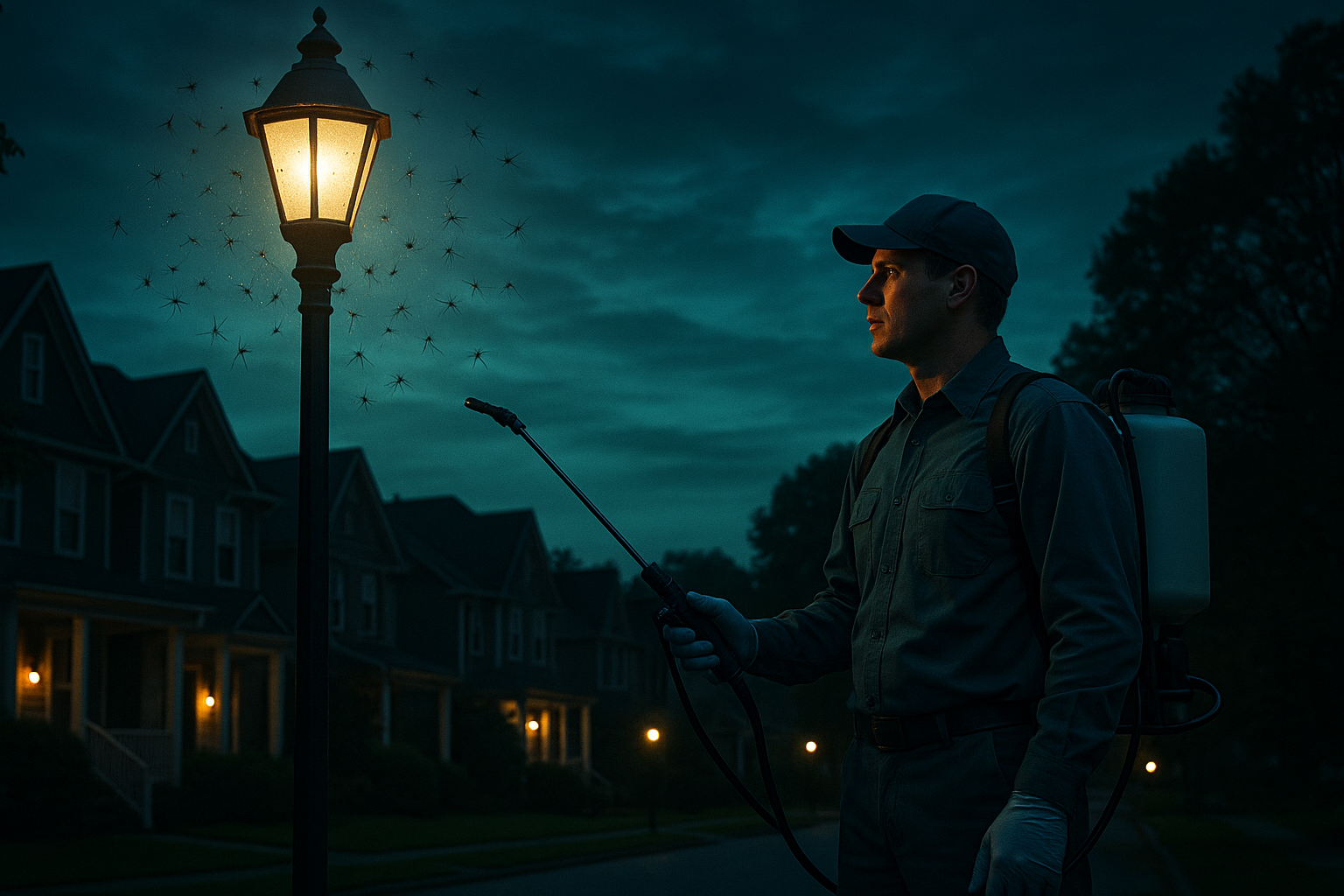
Why Mosquito Emergencies Strike in Marietta
Marietta sits squarely in the heart of a humid subtropical climate. Summer temperatures routinely hover around 85°F (29°C), and the region receives an average of 4‑5 inches of rain between June and August. Warm air holds more moisture, and that moisture condenses into the tiny puddles, soggy grass, and damp soil patches that mosquitoes love for laying eggs.
According to the 2024 CDC report on mosquito‑borne disease risk in Georgia, the state ranks among the highest in the nation for both West Nile virus and occasional Zika virus activity. While the overall number of cases remains low, the risk spikes whenever prolonged heat and rain create the perfect breeding grounds. In Marietta, that risk translates into a real threat to families enjoying their backyards, especially children and pets who spend time outdoors.
What Turns a Normal Summer Day Into an Emergency?
Mosquitoes need three things to thrive: water, warmth, and time. In Marietta, these elements line up almost every summer:
- Standing water in backyards: Bird baths, kiddie pools, and even a forgotten tarp can hold water for a week or more—long enough for larvae to develop into biting adults.
- Storm drains and gutters: Heavy rains often overwhelm drainage systems, leaving water pooling in low spots for days.
- Ornamental ponds and water features: While beautiful, they become mosquito nurseries if not equipped with proper filtration or biological controls.
Each of these sites can produce hundreds of adult mosquitoes in a single breeding cycle. When multiple sites coexist—say, a rain‑filled garden bed next to an unmaintained pond—the population can explode within a week, turning a pleasant evening outdoors into a night of relentless bites.
Why Prompt Action Matters
Because mosquito development is rapid, a delay of even 48 hours can double the number of adult insects in the area. That exponential growth is why homeowners in Marietta must treat a mosquito surge as an emergency rather than a nuisance. The longer the breeding sites remain unchecked, the higher the probability that disease‑carrying species will infiltrate the neighborhood.
At Anthem Pest Control, we combine local climate data with on‑the‑ground inspections to pinpoint the most productive breeding hotspots. By acting quickly—removing standing water, treating larval habitats, and applying targeted adulticide—homeowners can break the cycle before it escalates into a public‑health concern.
Spotting an Emergency Mosquito Situation
Imagine stepping onto your porch at noon and being swarmed by a relentless cloud of mosquitoes. That’s not just annoying—it’s a clear sign that a routine nuisance has turned into an emergency. Recognizing the tipping point early can save you from itchy bites, potential disease exposure, and costly emergency treatments.
What Exactly Qualifies as an Emergency?
At Anthem Pest Control we define an emergency mosquito infestation by three measurable criteria:
- Density: More than 200 mosquitoes per 100 sq ft of outdoor space. That’s roughly one mosquito for every five square feet of patio, deck, or yard.
- Daytime Activity: Biting occurring during daylight hours, not just at dusk or night. Mosquitoes that are aggressive in the sun indicate a highly active breeding population.
- Standing Water Sources: Visible pools of stagnant water less than an inch deep—think birdbaths, clogged gutters, flower pot saucers, or even a forgotten rain barrel.
When all three factors appear together, the risk of rapid population growth spikes dramatically. The combination of high density, daytime aggression, and abundant breeding sites creates a perfect storm that can overwhelm even diligent homeowners.
High‑Risk Neighborhoods in Marietta
Certain pockets of Marietta provide the perfect backdrop for mosquito explosions because of their landscaping and water features. Keep an eye on these areas:
- Kennesaw Mountain: Thick canopy cover, abundant leaf litter, and numerous hiking trails that retain moisture after rain.
- East Marietta: Subdivision streets lined with ornamental ponds and decorative fountains that often go unchecked.
- Historic Downtown District: Charming brick sidewalks paired with vintage street lamps and small garden squares that collect runoff.
These neighborhoods share two common traits: dense foliage that creates shaded, humid micro‑climates, and decorative water features that, if not regularly maintained, become breeding hotspots.
Real‑World Example: A Kennesaw Mountain Homeowner
Last spring, a homeowner in the Kennesaw Mountain area reported a sudden surge after just seven days of steady rain. Within 48 hours, the family counted over 250 mosquitoes buzzing around their back patio—well above the emergency threshold. The culprit? A neglected rain barrel that had overflowed, creating a shallow pool perfect for larvae. By the time the homeowner called Anthem, the larvae had already matured, and the adult swarm was relentless, even biting during the bright afternoon.
This story illustrates how quickly a seemingly minor water source can transform a neighborhood’s mosquito profile from “annoying” to “dangerous.” Prompt removal of standing water and immediate professional treatment are essential to halt the cycle.
EPA 2023 Standing‑Water Guidelines
The EPA’s 2023 standing‑water guidelines reinforce what we see on the ground: eliminating containers that hold less than two centimeters of water can reduce mosquito populations by up to 90 %. The agency recommends regular inspections of gutters, pet water dishes, and decorative fountains—especially after any rain event.
By applying these EPA‑backed practices alongside our emergency criteria, you can quickly determine whether a mosquito problem warrants immediate professional intervention.

Immediate DIY Actions Before Calling a Pro
Remove Standing Water
Mosquitoes need water to lay eggs, so the fastest way to shrink a swarm is to eliminate any place where water can sit for more than 24 hours. Start by emptying birdbaths and refilling them with fresh water every day. Clean gutters of leaves and debris—blocked gutters become perfect breeding pits. Cover rain barrels with tight‑fitting lids, and if you have a garden pond, consider a fine mesh net to keep mosquitoes out. Finally, give storm drains a quick flush with a garden hose; a strong stream will dislodge hidden larvae and prevent the water from becoming stagnant.
Apply EPA‑Approved Larvicides
If you can’t remove a water source immediately—think decorative fountains or a small puddle—treat it with a larvicide that the EPA has cleared for residential use. Bacillus thuringiensis israelensis (Bti) is the gold standard because it targets mosquito larvae while leaving fish, pets, and beneficial insects unharmed. Follow the product label carefully: the typical dosage is 0.5–1 gram per 1,000 gallons of water. For a standard 5‑gallon bucket, that works out to roughly 0.005–0.01 g (about a pinch). Stir the granules into the water, let them dissolve, and repeat the treatment every 7–10 days until the water source is eliminated or the mosquito season ends.
Install Physical Barriers
While you’re tackling water, fortify your home’s defenses. Check every window and door screen for tears; a simple patch kit or replacement screen can keep adult mosquitoes from drifting indoors. Outdoor fans are surprisingly effective—mosquitoes are weak fliers, and a steady breeze of 4–5 mph disrupts their flight path. Position a fan near patios, decks, or any seating area you plan to use after dusk.
Don’t forget scent‑based deterrents. Citronella candles, torches, or oil diffusers can create a localized “no‑fly” zone when placed strategically around seating areas. For best results, position them 3–5 feet apart and keep them lit for at least 30 minutes before you step outside.
These quick actions aren’t a substitute for a professional treatment plan, but they can cut mosquito numbers dramatically while you wait for a certified technician.
Why it works: A 2022 homeowner survey conducted by the National Pest Management Association (NPMA) found that households that eliminated standing water and used basic barriers saw a 70 % reduction in mosquito counts compared with those that did nothing. (NPMA)
When to Call Anthem Pest for a True Emergency
Warning signs that mean DIY isn’t enough
If you’ve tried the usual home remedies—removing standing water, installing fans, or using over‑the‑counter repellents—and the problem keeps getting worse, it’s time to pick up the phone. Look for these red flags:
- Persistent swarms: Large groups of mosquitoes that linger around your patio, porch, or bedroom despite your best DIY efforts.
- Multiple family members bitten: When several people are coming home with itchy welts, the infestation has likely spread beyond a single hotspot.
- Illness linked to bites: Any reports of fever, rash, or flu‑like symptoms after a night of heavy biting should be treated as a potential health emergency.
What happens after you call?
Anthem Pest’s emergency line is staffed around the clock, and we guarantee a 24‑hour response window for true emergencies. Once you reach us, a certified technician will be dispatched to assess the situation, identify breeding sites, and develop a targeted treatment plan—all before the next day’s dusk, when mosquitoes are most active.
Transparent pricing you can trust
We believe you shouldn’t have to guess the cost of a life‑saving service. Our emergency fogging starts at $149 per treatment, covering the immediate reduction of adult mosquitoes in the most affected zones. For a comprehensive, full‑property approach—treating both adult mosquitoes and larval habitats—our rates range from $299 to $499 for homes between 2,000 sq ft and 3,500 sq ft. These figures are based on the 2024 Georgia industry report and include all necessary equipment, labor, and follow‑up checks.
Safety first: EPA‑registered products & certified technicians
Every solution we apply is EPA‑registered, meaning it meets strict federal standards for human health and environmental safety. Our technicians hold up‑to‑date certifications in mosquito control, pesticide handling, and integrated pest management. This expertise ensures that we target the pests effectively while protecting your family, pets, and the surrounding ecosystem.
When the warning signs turn from nuisance to genuine risk, waiting can cost more than just money—it can jeopardize health. Trust Anthem Pest’s rapid response, clear pricing, and proven safety protocols to restore peace to your backyard and keep your loved ones safe.
Anthem Pest’s Emergency Mosquito Control Process

Step 1 – Rapid Assessment via Phone Triage
When you call 877‑371‑8196, our dispatch team asks targeted questions about the size of your yard, recent mosquito activity, and any recent rain events. If you can’t describe the problem clearly, we’ll request a quick video inspection through a text or email link. This virtual walk‑through lets us gauge severity before any truck rolls out, saving you time and ensuring the right equipment is sent.
Step 2 – On‑Site Inspection of High‑Risk Areas
Within hours, a certified technician arrives and conducts a thorough sweep of your property. In Marietta, the usual culprits are storm drains that collect standing water, ornamental ponds that lack proper circulation, and dense shrubbery that creates shaded, humid pockets. The technician measures water depth, checks for organic debris, and notes any gaps in existing screens or barriers. This detailed map becomes the blueprint for the next steps.
Step 3 – Targeted Adulticide Fogging with ULV Technology
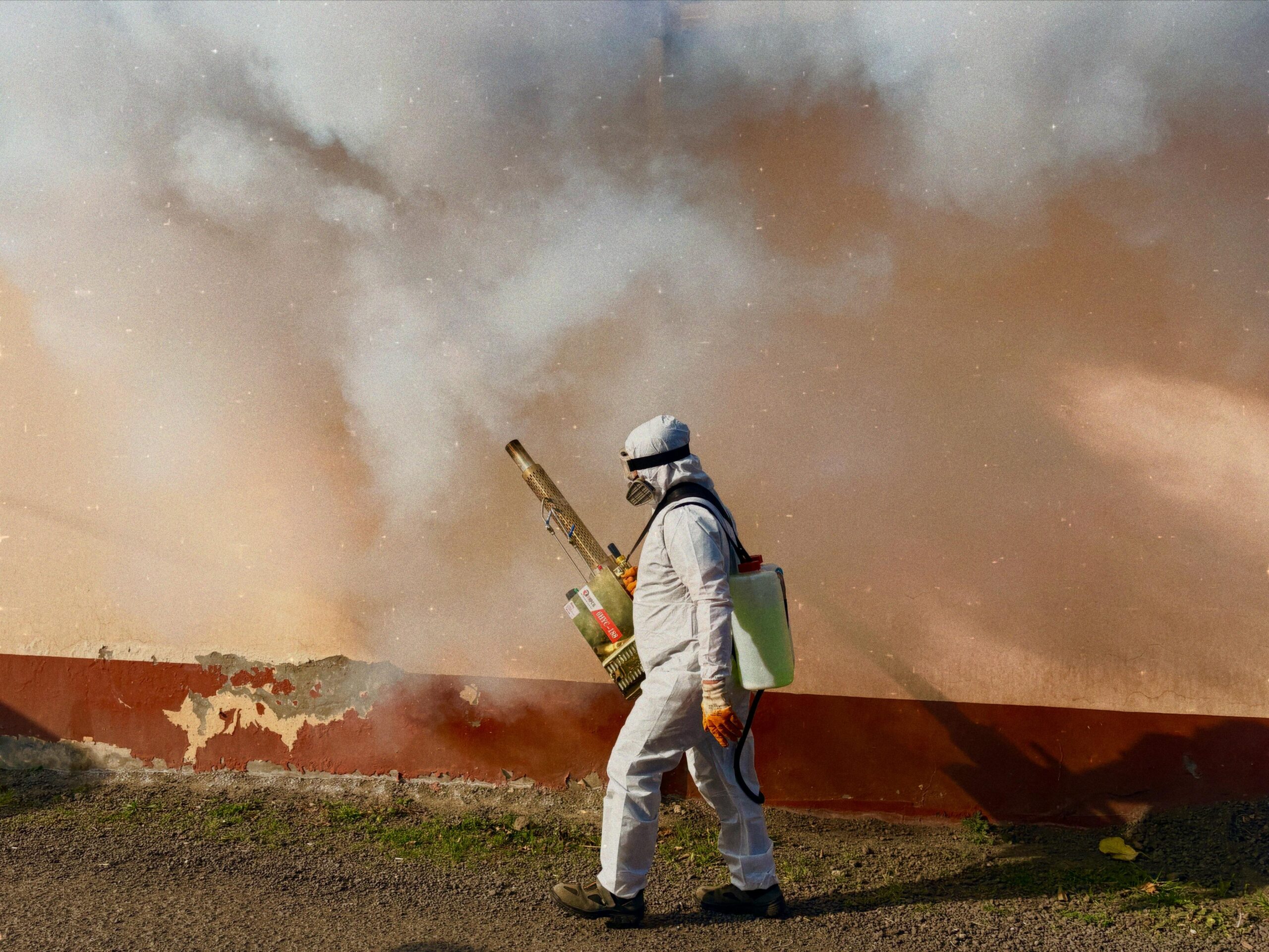
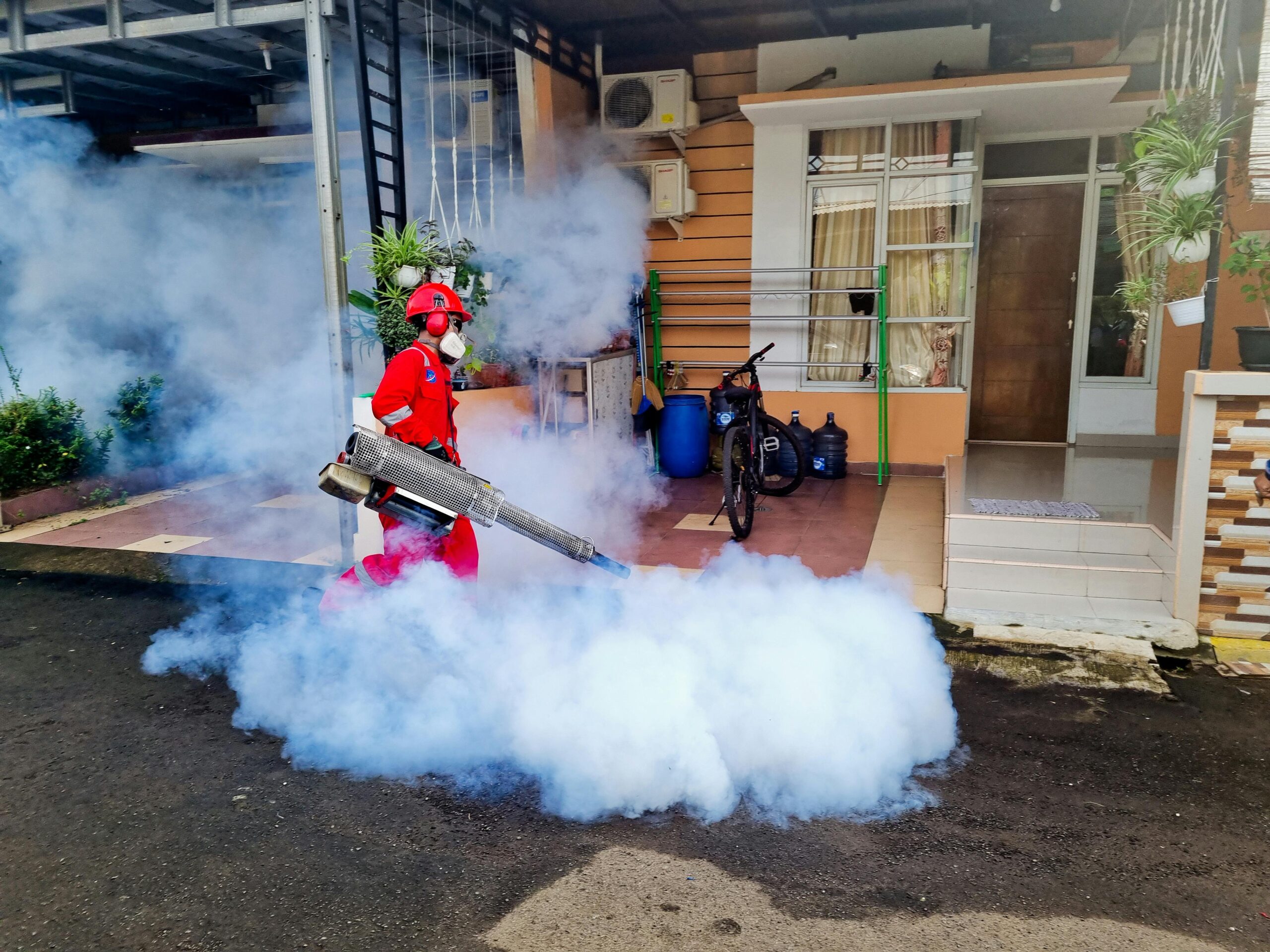
Armed with the inspection data, we deploy ultra‑low‑volume (ULV) fogging equipment. The machine releases droplets smaller than 30 µm, small enough to slip through tight foliage but large enough to settle on mosquito flight paths. The fine mist blankets the yard in a uniform layer, reaching hidden resting spots where adult mosquitoes hide. Because the droplets evaporate quickly, they minimize drift and reduce exposure to non‑target organisms, keeping your family and pets safe.
Step 4 – Follow‑Up Larvicide Application & Seasonal Prevention Plan
After the adulticide fog clears, we apply a residual larvicide to any water sources identified during the inspection. This treatment interrupts the life cycle, preventing new adults from emerging. Finally, we sit down with you to design a customized preventive plan for the upcoming season—covering routine barrier sprays, drainage improvements, and homeowner‑friendly actions like trimming overgrown vegetation. The plan is written in plain language, so you always know what to expect.
“The technician arrived within hours, treated our yard, and the mosquito swarms disappeared by the next evening.” – Marietta homeowner (to be replaced with real quote)
Our four‑step workflow isn’t just a checklist; it’s a promise of thorough coverage. By combining rapid remote triage, precise on‑site scouting, science‑backed ULV fogging, and proactive larval control, Anthem Pest ensures that the buzzing menace disappears fast and stays gone. Homeowners who follow the preventive recommendations report up to a 90 % reduction in mosquito activity the following summer.
Remember, mosquito emergencies don’t wait for the weekend. If you notice a sudden surge of bites or swarms around your patio, call us now. Our rapid response team is ready to protect your family, your pets, and your peace of mind—right here in Marietta, Georgia.
Long‑Term Prevention Strategies for Marietta Homeowners
Landscape Modifications that Keep Mosquitoes at Bay
Mosquitoes love shady, damp places where they can rest during the day. By reshaping your yard, you remove their favorite hangouts and make the environment less inviting. Start by pruning dense shrubs so sunlight can reach the ground; open canopies dry out faster and discourage larvae. Next, improve yard drainage by grading low spots, installing French drains, or adding a gentle slope away from the house. Standing water in flower pots, birdbaths, or clogged gutters is a breeding hotspot, so eliminate any pockets that hold water for more than 24 hours.
Planting mosquito‑repellent species adds a pleasant scent while providing natural protection. Marigold releases pyrethrum‑like compounds that repel adult mosquitoes, and lavender emits a fragrance mosquitoes tend to avoid. Mix these herbs along fence lines, near patio furniture, or in container gardens for continuous, low‑maintenance defense.
Seasonal Maintenance Schedule
A predictable calendar helps you stay ahead of the mosquito cycle. Follow this three‑phase plan each year:
Health Risks and the Importance of Prompt Action
When mosquitoes turn from a nuisance into a health threat, the stakes rise dramatically. In Georgia, three genera dominate the disease‑carrying landscape, and each brings its own set of concerns for homeowners.
Disease‑Carrying Mosquito Species in Georgia
- Aedes – Known for transmitting Zika and Dengue viruses. These daytime biters thrive in containers and shaded yards.
- Culex – The primary vector for West Nile virus. They are most active at dusk and breed in standing water such as storm drains and birdbaths.
- Anopheles – Though malaria is no longer endemic in the U.S., travelers returning from endemic regions can still be bitten, creating a potential re‑introduction risk.
Understanding which species are present helps you gauge the real danger lurking in your backyard.
Recent West Nile Activity in Cobb County
Data from the Cobb County Health Department shows that 2023 recorded five confirmed West Nile infections. While the number may seem modest, each case underscores how quickly the virus can spread once local mosquito populations reach critical levels.
Why Reducing Mosquito Exposure Matters
Beyond the headline‑grabbing diseases, mosquito bites can trigger a cascade of health issues:
- Allergic reactions – Swelling, itching, and in rare cases, severe hypersensitivity that requires medical attention.
- Secondary infections – Scratching broken skin can introduce bacteria, leading to cellulitis or impetigo.
- Serious disease – West Nile virus can progress to neurological complications, while Zika poses pregnancy‑related risks.
Each bite you prevent directly lowers the probability of these outcomes. Prompt control measures interrupt the breeding cycle, shrink adult mosquito populations, and keep your family’s exposure to a minimum.
Swift Professional Treatment: A Dual Benefit
When you call Anthem Pest Control, you’re not just buying a service; you’re investing in health security and property value. Professional treatments use EPA‑approved products applied at the right time of day, ensuring maximum efficacy while minimizing environmental impact. A well‑maintained yard free of mosquito breeding sites not only deters disease but also enhances curb appeal—an important factor if you ever decide to sell.
In short, the medical stakes of a mosquito infestation are too high to ignore. Acting quickly with a trusted, local expert protects your loved ones, reduces the chance of costly medical visits, and preserves the comfort and value of your home.
Take Control Now – Free Emergency Quote
When mosquitoes turn your backyard into a buzzing nightmare, you need a plan you can trust. Here’s a quick reminder of the three‑step emergency response we recommend for every Marietta homeowner facing a swarm:
- Identify the problem. Look for standing water, dense vegetation, and the time of day mosquitoes are most active. Pinpointing the source helps you target the right treatment.
- Apply quick DIY measures. Drain any stagnant water, use fans or citronella candles, and set up a temporary barrier with DEET‑based repellents. These steps buy you time while you wait for professional help.
- Call Anthem Pest for professional fogging. Our certified technicians arrive with EPA‑registered products, delivering a fast, thorough fog that knocks down adult mosquitoes and disrupts breeding cycles.
Why choose Anthem Pest? We’re the local partner Marietta trusts because we back every job with a 100 % satisfaction guarantee. If you’re not completely happy with the first treatment, the next one is on us—no extra charge. Our technicians are fully certified, and we use only EPA‑registered, environmentally responsible chemicals that protect your family, pets, and the surrounding ecosystem.
Our technicians carry Georgia state licenses and complete annual training on the latest mosquito‑control technologies. The foggers we use create a fine mist that penetrates dense foliage, reaching hidden breeding sites that DIY sprays miss. Because we schedule same‑day service for emergency calls, you’ll see a noticeable drop in mosquito activity within hours. And because every job includes a detailed follow‑up report, you’ll know exactly what was treated and when a re‑inspection is recommended.
Ready to stop the swarm? Call us now at 877‑371‑8196 or visit anthempest.com for a free emergency quote. Our team is on standby 24/7, so you won’t have to wait days for relief.
Our Marietta team is ready to protect your family and restore outdoor comfort. Let us handle the swarm so you can enjoy your backyard again. With Anthem Pest, you get fast, professional service, transparent pricing, and the peace of mind that comes from working with a company that stands behind its work.