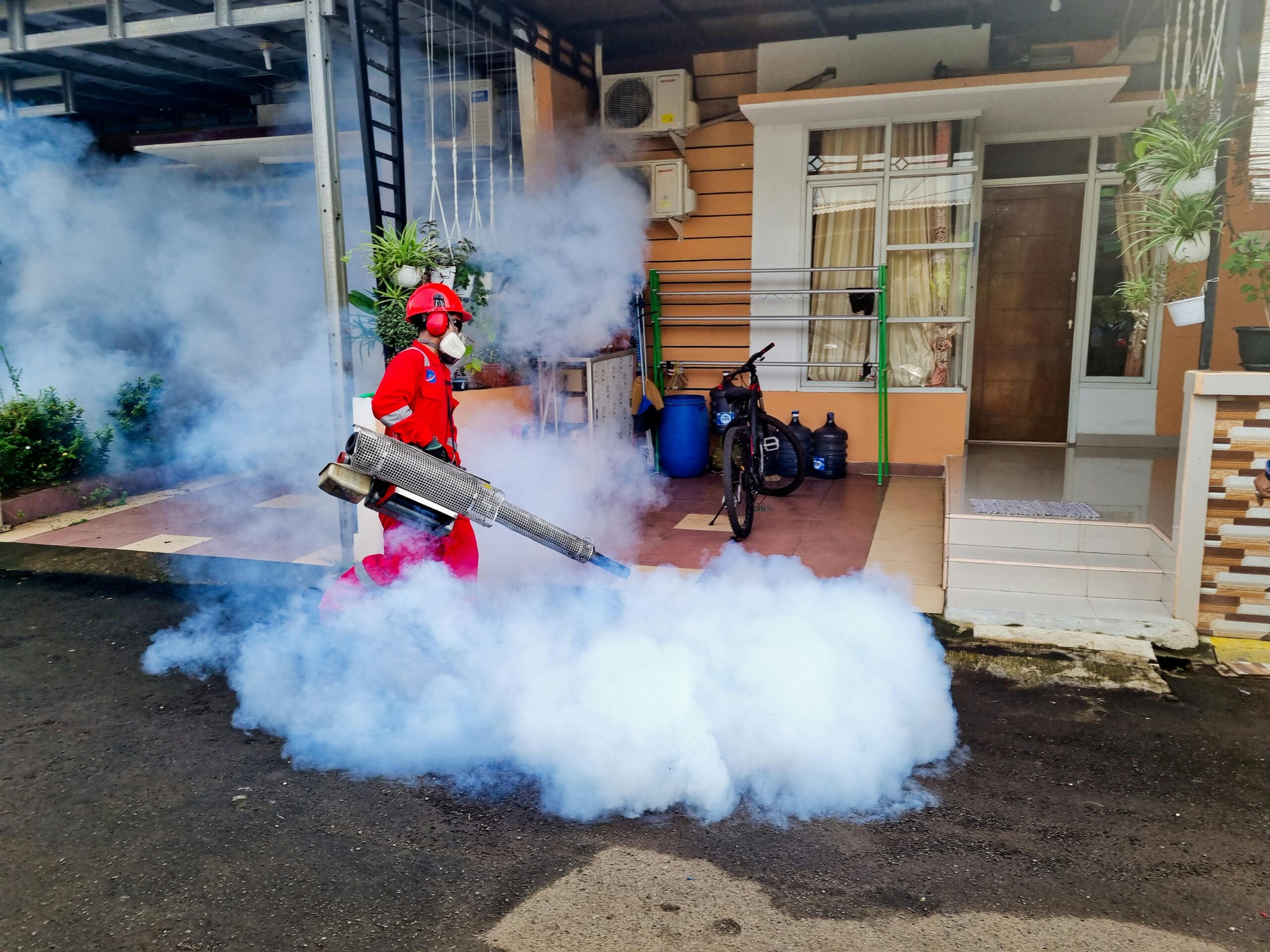
Why Speed Matters in Termite Control

In Georgia’s warm, humid climate, subterranean termites thrive like an unstoppable force. The combination of year‑round moisture and mild winters creates a perfect feeding ground, allowing colonies to expand rapidly and silently beneath your home’s foundation. Within weeks, these insects can chew through structural wood, compromising support beams, floor joists, and even the integrity of your roof.
The damage isn’t just theoretical—according to the U.S. Environmental Protection Agency, termites are responsible for $5‑$10 billion in property damage each year across the nation. In a state like Georgia, where the pest pressure is among the highest in the country, that national figure translates into a very real threat for every homeowner. The longer an infestation goes undetected, the more wood is consumed, and the cost of repairs escalates dramatically.
That’s where speed becomes your most valuable ally. A rapid response can halt a colony before it breaches critical structural components. Early intervention means you’re dealing with a smaller population, which in turn reduces the amount of pesticide needed, shortens treatment time, and lowers overall expenses. In essence, acting quickly turns a potential disaster into a manageable service call.
Anthem Pest brings a local advantage that makes fast relief possible. Our technicians are based right here in Marietta, giving us intimate knowledge of the neighborhoods, soil types, and common entry points that termites exploit in this area. Because we operate locally, we can dispatch a trained specialist to your doorstep within hours of your call, not days. This rapid mobilization is a cornerstone of our service promise: to protect your home before the damage becomes irreversible.
When you choose Anthem Pest, you’re not just hiring a pest control company—you’re partnering with a team that understands the urgency of a termite threat. Our technicians conduct a thorough inspection, pinpointing moisture sources, wood-to-soil contact, and hidden galleries that termites use to travel unseen. With that information, we design a targeted treatment plan that can be implemented the same day, delivering immediate relief and peace of mind.
Stay with us as we walk you through the three critical steps every homeowner should follow: detection, decisive action, and lasting protection. By the end of this guide, you’ll know exactly how to spot early signs of infestation, why waiting even a few days can cost you thousands, and how Anthem Pest’s swift, expert response can safeguard your home’s structural health.
Spotting Termite Activity in Marietta
Termites work silently, but they leave unmistakable clues that any attentive homeowner can spot. In Marietta’s humid climate, a few tell‑tale signs often appear before the damage becomes visible. Knowing what to look for lets you act fast—saving both time and money.
Mud Tubes
One of the most common footprints of a subterranean colony is a network of mud tubes. These pencil‑thin, earthen passages cling to foundation walls, wooden beams, and even the exterior siding. They appear as smooth, slightly moist tunnels—often a light tan or gray—and are typically found in damp, shaded areas where soil meets wood. The tubes protect termites from predators and keep the colony’s humidity stable, so their presence means the insects are actively foraging and feeding nearby.
Winged Alates (Swarmers)
Every spring, mature colonies release winged alates in a dramatic “swarm.” In Marietta, the peak usually occurs between late March and early May when temperatures rise above 75°F and humidity spikes. These alates have delicate, translucent wings that shed like a thin veil when they land indoors. Spotting a handful of dead or living winged termites on a windowsill or inside a light fixture is a red flag: it signals that a colony has reached reproductive maturity and is looking to establish a new nest, often right under your home.
Wood Damage
Termites consume wood from the inside out, leaving a hollowed core that feels spongy when pressed. Look for a “tunnel” pattern on exposed beams or porch posts—tiny, parallel galleries that run the length of the wood. A quick “tent test” can confirm suspicion: gently tap the wood with a screwdriver or a coin. If the surface gives way with a soft, sand‑like sound, the internal structure is compromised. This type of damage is especially common in wooden decks, fence rails, and any framing that sits directly on soil.
Local statistic: Marietta recorded 1,200 termite complaints in 2023 according to Cobb County pest‑service records, underscoring how prevalent the problem is in our community.

Homeowner Inspection Checklist
- Mud tubes: Scan foundation walls, crawl spaces, and any wood‑to‑soil contact for smooth, earthen tunnels.
- Winged alates: Check windowsills, light fixtures, and indoor corners for translucent, dead or living termites during the spring swarm.
- Wood damage: Tap exposed wood; listen for a hollow, sand‑like sound and look for tunnel patterns on surfaces.
- Moisture sources: Identify leaks, clogged gutters, or standing water that create the damp environment termites love.
- Wood‑to‑soil contact: Ensure foundations, deck posts, and siding are not directly touching bare soil.
- Regular monitoring: Schedule a quarterly visual inspection, especially after heavy rains or during peak swarm months.
For a deeper dive into treatment options, prevention strategies, and why Anthem Pest’s fast response can protect your Marietta home, visit our Termite Services page.
The Cost of Delay vs. Immediate Action
When you first spot the tell‑tale signs of termites—mud tubes, hollow‑sounding wood, or a sudden swarm of winged insects—you’re faced with a crucial choice. Do you call a professional right away, or hope the problem will resolve itself? The difference isn’t just about peace of mind; it’s a matter of dollars and cents. A few weeks of hesitation can turn a manageable treatment into a costly home repair nightmare.
What the numbers say
According to the NPMA 2024 pricing guide, the average expense for a professional termite treatment in the Marietta area ranges from $800 to $1,500. By contrast, the typical repair bill for structural damage caused by an established infestation runs between $2,500 and $7,500. In other words, the cost of fixing what termites have already destroyed can be up to five times higher than the price of eradicating the colony before it spreads.
Simple cost‑benefit comparison
| Scenario | Time to Treat | Estimated Cost |
|---|---|---|
| Delay 6 months | Wait until damage is visible | $3,300 – $9,000 (repair + treatment) |
| Treat within 48 hours | Immediate professional response | $800 – $1,500 (treatment only) |
The table makes the math crystal clear. If you postpone action for six months, you’re not only paying for the treatment later; you’re also shouldering the hefty repair bill that comes with compromised joists, flooring, and foundation elements. Acting within 48 hours eliminates the repair component entirely, keeping your total outlay firmly in the low‑to‑mid‑three‑figure range.
Real‑world savings: a Marietta family’s story
Take the Johnsons, a typical Marietta family who discovered a small termite tunnel behind their kitchen cabinets. They called Anthem Pest Control within 48 hours. Anthem’s technician performed a free on‑site inspection, confirmed the infestation, and initiated a targeted treatment that cost $1,200. Because the colony was caught early, the Johnsons avoided any structural repairs. Had they waited six months, the same infestation could have caused $5,400 in wood replacement and repair costs, meaning they would have spent roughly $4,200 more. That’s exactly the amount they saved by acting quickly.
Why Anthem makes the fast choice easy
Anthem’s pricing is transparent from the first phone call—no hidden fees, no surprise add‑ons. The free on‑site inspection lets you know precisely what’s at stake before any work begins, and the treatment estimate is presented up front. When you choose Anthem, you get a clear, affordable path to protect your home, backed by a company that values honesty as much as effectiveness.
Anthem Pest’s Rapid Response Process

1. 24‑hour phone triage
When you call 877‑371‑8196, a dedicated triage specialist answers within minutes. They ask focused questions about the sighted activity, recent repairs, and any previous treatments. This rapid data capture lets the team determine whether you’re dealing with a surface‑level infestation or a hidden colony that needs immediate attention. Within the same call, the specialist books a same‑day inspection—often for a time slot that fits your schedule, even if it’s later that afternoon.
2. Same‑day inspection
Our certified technician arrives promptly, equipped with a handheld moisture meter, infrared camera, and a detailed checklist. The inspection covers:
- Visible damage to wood framing, flooring, and drywall.
- Potential entry points such as cracks, gaps, and utility penetrations.
- Active galleries and mud tubes that reveal colony size.
- Environmental factors that could encourage future activity (e.g., excess moisture).
After evaluating the extent of the infestation, the technician explains the findings in plain language, shows you any evidence (like live termites or frass), and walks through the treatment options that best suit your home’s construction and your family’s lifestyle.
3. Immediate treatment plan
With your approval, we move straight to treatment—no waiting for paperwork or additional appointments. Anthem Pest exclusively uses EPA‑registered termiticides such as fipronil and bifenthrin, applied according to label directions to ensure maximum efficacy while protecting occupants.
For households with children, pets, or allergy concerns, we also offer low‑toxicity alternatives like borate‑based powders and silica‑gel barriers. These products create a physical deterrent that termites cannot cross, and they pose minimal risk to non‑target species. Our technicians follow strict safety protocols:
- Wearing PPE (gloves, goggles, respirators) during application.
- Isolating treated zones and posting clear signage.
- Providing a written safety sheet that outlines re‑entry times and any necessary precautions.
Within an hour of the inspection, the chosen termiticide or barrier is applied to all identified hotspots, sub‑slab locations, and perimeter zones. This swift action halts colony expansion and begins the kill‑cycle before the pests can relocate.
4. Post‑treatment monitoring & warranty enrollment
Our job doesn’t end when the spray can is emptied. A post‑treatment follow‑up visit is scheduled within 7‑10 days to verify that the active colonies have been neutralized. During this visit, the technician:
- Inspects previously treated areas for residual activity.
- Places monitoring stations (wood stakes or bait stations) in strategic locations.
- Explains how you can spot early warning signs and what steps to take if you notice new activity.
At the same time, you’re invited to enroll in Anthem Pest’s comprehensive warranty program. The warranty includes annual inspections, free retreatment if termites reappear, and discounted rates on future preventive services. This peace‑of‑mind package is especially valuable for Marietta homeowners who want to protect their investment without the hassle of scheduling separate appointments.
From the moment you pick up the phone to the final follow‑up, Anthem Pest’s rapid response workflow is designed to get you back to a termite‑free home in under 24 hours. By leveraging EPA‑registered chemicals, offering low‑toxicity alternatives, and adhering to rigorous safety standards, we ensure effective eradication while keeping your family and pets safe. If you suspect termites, don’t wait—call us today and experience the fast, reliable service that sets Anthem Pest apart.
Treatment Options Tailored for Marietta Homes
When termites start chewing through the wood of a Marietta house, the right treatment can mean the difference between a quick fix and a costly rebuild. In the Peach State, homes sit on a mix of clay‑rich soils, sandy patches, and occasional limestone foundations. Because the ground conditions and construction style vary block‑by‑block, Anthem Pest Control matches each method to the specific needs of your property. Below is a clear comparison of the three most common termite control strategies, followed by a quick‑reference matrix to help you decide which solution aligns with your home’s age, budget, and personal preferences.
Liquid Barrier
A liquid barrier is a concentrated termiticide applied in a continuous trench around the entire foundation of the house. In Marietta, the prevalent clay‑rich soils hold the chemical well, creating a long‑lasting defensive wall that termites cannot cross.
- How it works: Technicians dig a narrow trench 6‑12 inches deep and spray the termiticide into the soil, allowing it to seep into cracks and voids.
- Immediate protection: Once the barrier sets, it provides instant protection—any foraging termites that encounter the treated zone die on contact.
Pros
- Provides a permanent, invisible shield that lasts up to 5 years with proper maintenance.
- Highly effective in the dense, moisture‑retaining clays common around Marietta neighborhoods.
- Requires only a single application for most residential properties.
Cons
- Installation demands trenching, which can be disruptive to landscaping and hardscapes.
- Effectiveness diminishes if the soil is later disturbed by new construction or major landscaping projects.
- Initial cost is higher than baiting, though the long‑term value often balances out.
Baiting Systems
Bait stations are discreet plastic boxes placed strategically around the perimeter and interior of the home. Each station contains cellulose material laced with a slow‑acting growth regulator that termites share with the colony, eventually collapsing the nest from within.
Anthem’s technicians install a network of monitoring stations that are checked every 2‑3 months. If activity is detected, the bait is replaced with a more potent formulation.
According to a CDC 2023 study, homes protected with baiting systems experienced an 85% reduction in re‑infestation risk compared to untreated structures.
Pros
- Minimal disturbance—stations sit flush with the ground or on a low wall.
- Highly adaptable; stations can be moved if the property layout changes.
- Effective for both clay and sandy soils because the bait is directly accessed by foraging termites.
Cons
- Requires ongoing monitoring and occasional bait replacement, adding to long‑term service costs.
- Protection is not immediate; colonies must discover and consume the bait before collapse.
- Less suitable for homes with extensive hidden voids where termites may avoid surface stations.
Foam Injection
Foam injection targets the hidden pathways that termites use inside walls, floor joists, and voids beneath slabs. A specially formulated expanding foam is forced into these cavities, coating wood surfaces and killing termites on contact.
This method shines during retrofits—when a homeowner wants to treat an existing home without tearing out drywall or excavating the foundation.
Pros
- Excellent for treating hard‑to‑reach voids and wall cavities without major demolition.
- Provides rapid knock‑down of active infestations inside the structure.
- Works well in both new builds and older homes where existing termite pathways are unknown.
Cons
- Foam does not create a lasting barrier; it must be paired with a perimeter treatment for comprehensive protection.
- Effectiveness can be limited in heavily compacted clay that resists foam expansion.
- Higher upfront labor cost due to the need for precise injection equipment.
Choosing the Right Method for Your Home
Below is a quick‑reference matrix that lines up each treatment with typical Marietta home characteristics, budget tiers, and homeowner preferences. Use it as a checklist during your consultation with Anthem Pest Control.
| Home Type / Priority | Liquid Barrier | Baiting System | Foam Injection |
|---|---|---|---|
| Older homes with existing voids | Good – provides perimeter protection but may miss internal voids | Fair – stations may not reach hidden pathways | Excellent – directly treats concealed cavities |
| New construction on clay‑rich soil | Excellent – soil holds termiticide well | Good – can be installed early and monitored | Fair – less needed if foundation is sealed |
| Budget‑conscious homeowners | Higher initial cost, lower long‑term maintenance | Lower upfront cost, ongoing monitoring fees | Higher labor cost, often paired with another method |
| Preference for minimal disruption | Requires trenching – moderate disruption | Low disruption – stations are unobtrusive | Low disruption – injection points are small |
In practice, many Marietta homeowners benefit from a combined approach: a liquid barrier for long‑term perimeter defense, supplemented by targeted foam injections in high‑risk interior zones, and a few bait stations for ongoing colony monitoring. This layered strategy leverages the strengths of each method while mitigating their individual drawbacks.
Seasonal Timing and Prevention Tips
When Termites Are Most Active in Georgia
In the Peach State, subterranean termites reach peak activity from late spring through early fall. Warm temperatures and increased soil moisture create ideal conditions for colonies to expand and for swarms to emerge. Conducting an inspection in early summer—ideally May or June—lets you spot a budding infestation before the workers have built extensive galleries beneath your foundation. Early detection means a smaller treatment area, lower costs, and less disruption to your daily routine.
Three Simple Prevention Steps for Homeowners
- Reduce wood‑to‑soil contact. Termites travel from the ground to any wood that touches the soil. Elevate decks, porches, and patio furniture on concrete pads or stone footings. When building new structures, use pressure‑treated lumber or metal brackets that keep framing off the earth. Even a few inches of separation can break the highway that termites use to reach your home.
- Fix moisture leaks promptly. Excess moisture draws termites like a magnet. Inspect gutters, downspouts, and roof valleys for clogs, and ensure water is directed at least six feet away from the foundation. Repair leaking plumbing, especially in basements and crawl spaces, and seal foundation cracks with hydraulic cement. A dry environment makes your property far less inviting to these pests.
- Schedule an annual professional inspection with Anthem. Our technicians know the local termite pressure points in Marietta and the broader Cobb County area. A yearly visit includes a thorough wood and soil assessment, bait station placement, and a customized prevention plan. Because we work on a transparent pricing model, you’ll always know what to expect—no hidden fees, just reliable protection.
By aligning your maintenance calendar with the seasonal rhythm of termites, you stay one step ahead of the damage they can cause. For a deeper dive into region‑specific guidelines, consult Cobb County’s Homeowner Guidance for pest prevention. Following these timing and prevention tips not only safeguards your home’s structural integrity but also helps you avoid costly emergency treatments later in the year.
Quick Answers for Busy Homeowners
We know you don’t have hours to read long articles, so here are the top questions Marietta homeowners ask about fast termite extermination, answered in plain language.
How long does treatment take?
A full‑home barrier treatment typically requires 2‑4 hours of on‑site work. Our technicians first inspect the structure, then apply EPA‑registered termiticides to the soil and any vulnerable wood surfaces. After the initial application, we schedule follow‑up monitoring visits at 30‑day intervals for the first three months to ensure the barrier remains intact and any hidden activity is caught early.
Are chemicals safe for kids and pets?
All termiticides we use are EPA‑registered and applied strictly according to label directions. For families with young children or pets, we prioritize low‑toxicity options such as non‑repellent formulations that remain invisible to termites but pose minimal risk to humans and animals. After application, we advise a short waiting period—usually 30 minutes to an hour—before re‑entering treated areas, and we always provide safety data sheets for your peace of mind.
What warranty does Anthem offer?
Anthem backs its termite services with a 2‑year warranty. If termites re‑infest a property where we performed a full barrier treatment according to protocol, we’ll retreat at no additional cost. The warranty also covers any necessary monitoring equipment and includes a free re‑inspection if you notice signs of activity within the coverage period. Detailed terms are available on our warranty page, and the guarantee is backed by our satisfaction guarantee.
How often should I re‑inspect?
Regular vigilance is key. We recommend a professional inspection at least once a year, even if you’ve just completed a treatment. Additional checks are wise after major renovations, large water‑intrusion events, or when you notice new cracks in foundations or walls. Annual inspections help catch any gaps in the barrier early, allowing us to reinforce protection before a colony can establish a foothold.
Can I do DIY before calling a pro?
Simple moisture‑control steps—like fixing leaky pipes, improving drainage, and reducing wood‑to‑soil contact—are good DIY measures and can make a professional treatment more effective. However, eliminating an established termite colony requires licensed technicians and the correct termiticides. Over‑the‑counter products may mask activity but rarely eradicate the pest. For lasting relief, schedule a licensed professional from Anthem Pest Control to conduct a thorough assessment and apply the proper barrier.
Fast Path to a Termite‑Free Home
Why Speed Matters
Termites work silently but relentlessly, and each day they remain undetected can translate into thousands of dollars in hidden damage. A small colony can compromise floor joists, roof supports, and even the foundation before you notice any visible signs. Acting the moment you suspect an infestation not only saves you money, it preserves the structural integrity of the home you’ve built for your family.
Anthem Pest’s 24‑Hour Rapid Response
In Marietta, Anthem Pest Control stands ready to intervene within 24 hours of your call. Our technicians know the local building styles, soil conditions, and termite species that are most common in the area, allowing them to target the problem with pinpoint accuracy. Transparent pricing means you’ll receive a detailed estimate before any work begins—no hidden fees, just a clear path to protection.
“Anthem arrived within hours, treated our foundation, and gave us peace of mind—our home feels safe again.” – J. Martinez, Marietta
Take the First Step Toward Protection
Delaying treatment gives termites more time to spread, and the longer the infestation, the more invasive—and expensive—the remediation becomes. By choosing Anthem Pest today, you’re investing in a proactive solution that stops the damage before it starts. Our team uses industry‑leading products that are safe for pets and children, ensuring your home remains a healthy environment while the termites are eliminated.
Ready for Immediate Relief?
Call 877‑371‑8196 now for a free, no‑obligation quote, or visit Anthem Pest Control to schedule your service online. The sooner you act, the quicker you’ll enjoy a termite‑free home and the peace of mind that comes with it.