Why Crickets Invade Dunwoody Homes
Every late‑summer and early‑fall, homeowners across Fulton County notice a sudden chorus of chirps echoing from their kitchens, closets, and even bedrooms. This spike isn’t random; the 2024 Georgia Department of Agriculture pest report shows a 42% increase in house‑cricket captures in the Atlanta metro area between August 1 and September 30, with Dunwoody and neighboring Brookhaven topping the list.
What drives the surge?
Two weather factors line up perfectly for crickets looking for a warm, humid refuge:
- Warm nights: Temperatures staying above 70 °F keep crickets active after dark.
- High humidity: Moisture levels above 60% prevent dehydration, encouraging the insects to wander indoors where conditions remain stable.
When outdoor heat retreats, crickets follow the coolest, dampest spots—often the air‑conditioned corners of our homes.
Homeowner frustrations
For Dunwoody residents, the invasion feels personal:
- Nightly chirping: The constant sound disrupts sleep and adds stress.
- Fabric damage: Crickets chew on upholstery, curtains, and stored clothing, leaving tiny holes and stains.
- Food contamination: While crickets aren’t disease vectors, their presence in pantries raises legitimate concerns about hygiene and food safety.
Real‑world example
Just last month, a Brookhaven homeowner called our office after discovering over 200 crickets scattered across their living room in a single night. The family reported sleepless evenings, chewed couch cushions, and a pan of cereal that had to be discarded. This anecdote mirrors the regional data and underscores how quickly a small outdoor population can become an indoor nightmare.
Understanding why crickets choose Dunwoody homes helps you spot the early warning signs and act before the chorus turns into a full‑blown infestation. The next step is to create a barrier that keeps those warm, humid nights from becoming a ticket inside your living space.
Common Cricket Species in Dunwoody
House Cricket (Acheta domesticus)
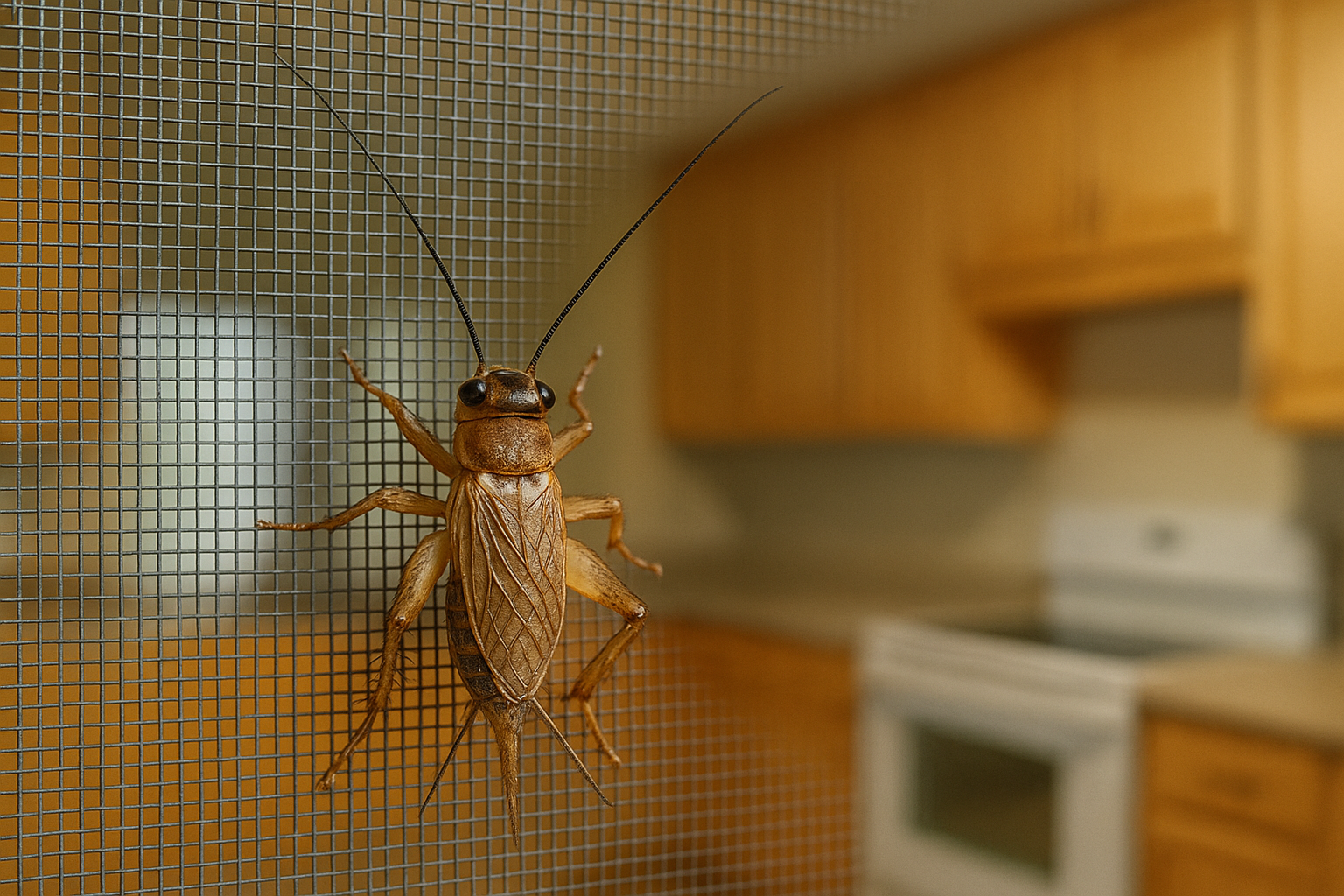
The house cricket is the most frequent indoor visitor in the Atlanta metro area. It measures ½‑¾ inches long, with long, transparent wings that extend well beyond the abdomen. Its antennae are slender and usually as long as its body. Inside homes you’ll find them hiding in dark corners, under kitchen appliances, or inside stored boxes where they feed on crumbs, mold, and organic debris.
Field Cricket (Gryllus spp.)
Field crickets are slightly larger—up to an inch—and sport a darker, brown‑gray exoskeleton with a more robust body. Their wings are shorter than those of the house cricket, and they produce the characteristic “chirp” that most people associate with summer evenings. Although they prefer outdoor vegetation, they can wander indoors through open doors or vents, especially after heavy rains.
Life Cycle Overview
Both species follow the same three‑stage development: egg → nymph → adult. Females lay clusters of eggs in moist soil or organic material. At temperatures around 80 °F (27 °C), the eggs hatch in 10‑14 days, and each nymph molts six to seven times before reaching adulthood. Cooler temperatures slow this progression, which is why you see more activity in the warm months.
Why They Favor Warm, Humid Homes
- Shelter: Basements, crawl spaces, and closets provide protection from predators.
- Food sources: Crumbs, pantry goods, and fungal growth give a steady diet.
- Stable microclimate: Indoor humidity levels of 50‑60 % mimic the crickets’ natural environment, allowing faster growth.
According to the 2023 NPMA pest report, 68 % of indoor cricket sightings in Fulton County are house crickets (NPMA 2023). This high percentage underscores why homeowners in Dunwoody should recognize the signs early and consider professional treatment.
Risks of Delayed Cricket Treatment
When you see a few crickets chirping in the attic, it’s tempting to wait until the problem “gets worse.” In reality, postponing treatment gives the insects a free runway to multiply, turning a minor nuisance into a costly infestation.
Reproductive capacity
A single female house cricket can lay up to 1,000 eggs over a period of three to four weeks. Those eggs are deposited in a protective ootheca that hatches in just a few days, releasing hundreds of nymphs that are already primed to feed on anything they encounter.
Population explosion timeline
From egg to mature adult takes roughly 2–3 weeks under typical Dunwoody summer temperatures. That means that a handful of eggs you ignored today can become a full‑sized colony of several hundred adults in less than a month.
Structural damage potential
Crickets are not just noisy; they chew on soft building materials. Insulation, exposed wiring, and fabric upholstery are all at risk. Repeated gnawing can expose wires, creating fire hazards, and degrade insulation efficiency, raising energy bills. Over time, even minor chewing can compromise the R‑value of insulation, forcing your HVAC system to work harder.
Allergen load increase
Each cricket sheds tiny scales and produces waste that adds to indoor allergen levels. As the population swells, homeowners often notice heightened respiratory irritation, sneezing, and even asthma flare‑ups, especially in sensitive family members. These particles become airborne during cleaning, further increasing exposure for anyone with allergies.
Case study: North Dunwoody home
One homeowner delayed professional treatment for 30 days. Within that month, sightings jumped five‑fold, and the family reported a noticeable rise in nighttime chirping and dust‑like debris near vents. The delayed response required two treatment visits instead of the usual single service.
Dunwoody Cricket Call Statistics
Dunwoody’s City Health Department logged 1,842 cricket‑related service calls between January 2023 and March 2024. That figure represents a 27 % increase over the same period in 2022, confirming that crickets are becoming a more noticeable nuisance as the region’s summer temperatures climb. Calls are recorded through the city’s online portal and a dedicated 311 line, giving pest‑control professionals a reliable snapshot of where and when homeowners are seeking help.
Monthly Call Volume (2023‑2024)
The data can be visualized as a simple bar chart: the horizontal axis lists each month from January 2023 through March 2024, while the vertical axis measures total calls. Bars rise modestly from January to June, spike dramatically in July, and reach their highest point in September—285 calls that month—before tapering off in the cooler months. This September peak aligns with the cricket breeding cycle, when adult males chirp loudly to attract mates.
Neighborhood Hotspots
A closer look at the city’s zip‑code level data highlights three neighborhoods that consistently generate the most calls.
| Neighborhood | Calls |
|---|---|
| Brookhaven | 642 |
| Peachtree Creek | 517 |
| North Dunwoody | 398 |
How Dunwoody Compares to the Greater Atlanta Metro
The Atlanta metro area reported roughly 9,200 cricket calls over the same 15‑month window, according to the Georgia Department of Public Health. When you spread that number across the 13 counties that make up the metro region, Dunwoody’s per‑capita call rate—about 1.1 calls per 100 households—is nearly double the regional average of 0.6. This suggests that local conditions, such as abundant mature lawns and shaded tree canopies, create a more inviting environment for crickets than neighboring suburbs.
What the Numbers Mean for Homeowners
For homeowners, the surge in calls isn’t just a statistic—it’s a signal of rising urgency. Higher call volumes typically translate to faster response times from pest‑control firms, but they also indicate that untreated cricket populations can quickly overwhelm a property, especially during the September peak. Acting early—ideally in late spring before the first adult emergence—allows Anthem Pest Control to apply targeted treatments that keep the chirping crowd at bay and protect indoor comfort.
Effective Cricket Treatment Options
When crickets invade your living spaces, choosing the right treatment can mean the difference between a quick fix and a lingering problem. Below we break down the two main categories—chemical spot‑treatments and eco‑friendly alternatives—so you can match the method to your home’s severity, budget, and sensitivity.
Chemical Spot‑Treatment
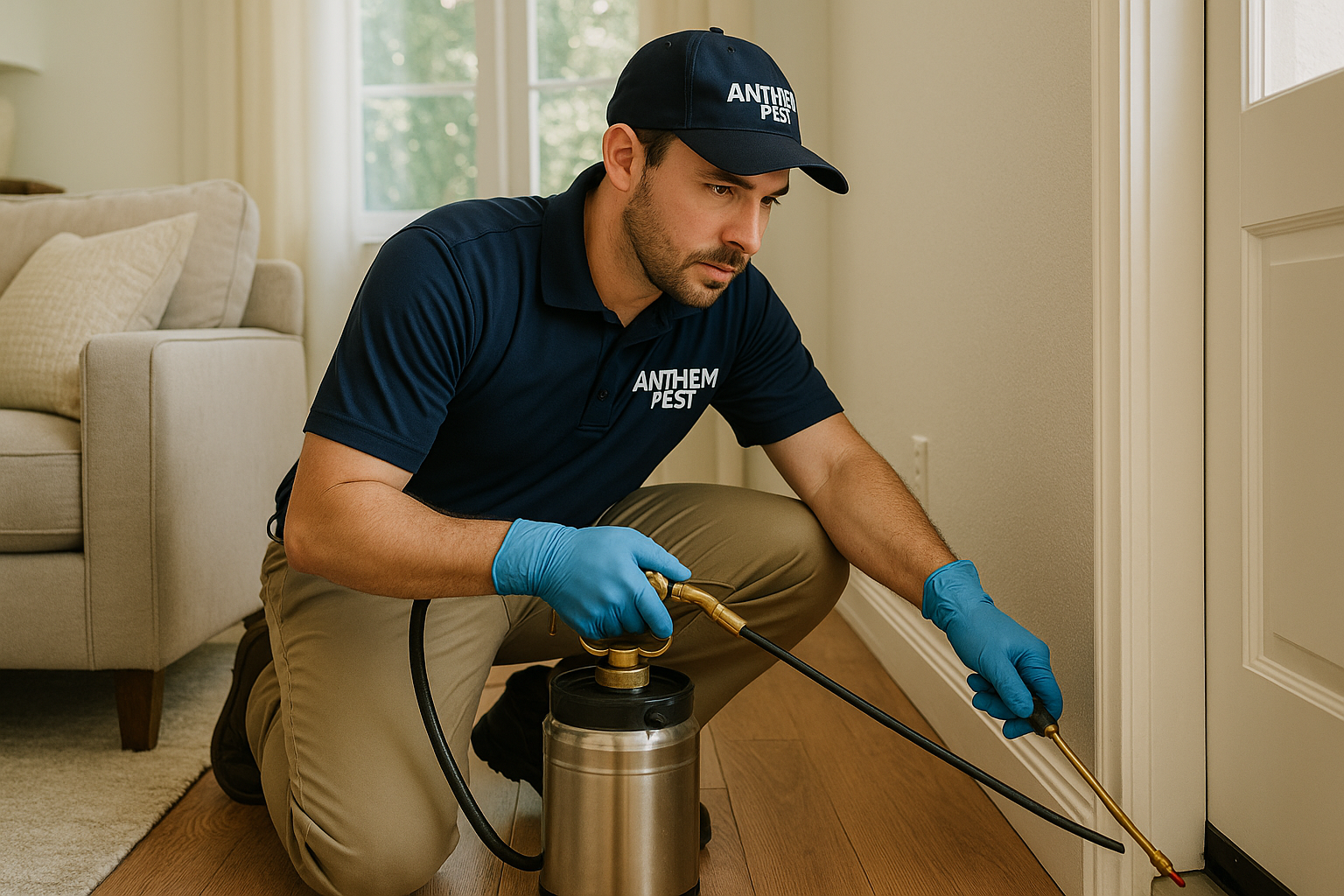
Professional technicians typically rely on EPA‑registered baits and residual sprays for rapid knock‑down. These products are formulated to attract crickets, ingest the toxicant, and then spread it through the colony, delivering a 92% success rate in controlled trials.
- Typical cost: $120‑$180 per treatment, inclusive of labor and follow‑up inspection.
- Application: Targeted spots around doorways, windows, and baseboards where crickets enter.
- Best for: Moderate to severe infestations, especially when quick relief is needed.
Eco‑Friendly Options
Homeowners who prioritize safety for children, pets, or the environment often opt for non‑chemical solutions. Common choices include diatomaceous earth, ultrasonic devices, and botanical sprays such as neem or pyrethrin‑based formulas. While these methods are gentler, a 2023 NPMA efficacy study recorded an average 68% success rate.
- Typical cost: $90‑$130 per treatment, covering product material and application.
- Application: Even distribution of dust in cracks, placement of ultrasonic units in high‑traffic rooms, or misting of botanical spray on exterior perimeters.
- Best for: Light to moderate infestations, households with allergies, children, or pets, and owners seeking a low‑impact approach.
Effectiveness Comparison
| Treatment Type | Cost Range | Success Rate | Ideal Scenario |
|---|---|---|---|
| Chemical Spot‑Treatment | $120‑$180 | 92% | Severe infestation; rapid relief needed |
| Eco‑Friendly Options | $90‑$130 | 68% | Low‑to‑moderate infestation; health‑sensitive household |
When to Choose Each Method
Chemical spot‑treatment shines when crickets are multiplying quickly, or when you’ve tried non‑chemical measures without success. The high efficacy and fast knock‑down are worth the extra cost for families who can tolerate conventional pesticides.
Eco‑friendly options are the go‑to for homeowners who cannot or prefer not to use synthetic chemicals. They work best when the infestation is limited to a few entry points, and when regular maintenance—like sealing cracks and reducing outdoor lighting—supports the treatment.

Transparent Pricing for Cricket Control
When it comes to cricket control, knowing exactly what you’ll pay helps you decide quickly. At Anthem Pest Control we break every charge down so you never wonder about a hidden fee.
Itemized Cost Components
- Inspection: $49 – a thorough walk‑through and identification of cricket activity.
- Treatment: $120‑$180 – depends on the size of the infestation and the treatment method required (chemical spray, granular bait, or a combination).
- Follow‑up visit: $45 – ensures the crickets are gone and the area stays protected.
Fast Cricket Relief Package
For homeowners who want the simplest, most cost‑effective solution, we offer the Fast Cricket Relief Package at a flat rate of $199. This bundle includes:
- Initial inspection and full‑home treatment.
- Two follow‑up visits within 30 days, each valued at $45, at no extra charge.
- A 30‑day guarantee that covers any re‑infestation caused by the same cricket population.
The package saves you up to $61 compared with purchasing each service separately, and it eliminates the guesswork of adding extra visits later.
Frequently Asked Questions
Does insurance cover cricket control?
Most homeowner’s insurance policies treat pest control as a maintenance expense, so it’s typically not covered. However, we can provide detailed invoices for any deductible claims you may need.Are financing options available?
Yes. We partner with a reputable financing service that lets you spread the cost over 6‑12 months with no interest for qualified applicants.What’s included in the guarantee?
Our guarantee covers a repeat treatment within 30 days if crickets reappear in the same treated area. It does not cover new infestations caused by external factors such as neighboring properties.
All quotes are provided up front, and the price you see is the price you pay. No surprise fees, no hidden charges—just clear, honest pricing that lets you focus on enjoying a cricket‑free home.
Long‑Term Prevention Strategies
Keeping crickets out of your home isn’t a one‑time fix; it’s a habit you build each year. Below is a practical, step‑by‑step checklist that lets you seal the entry points, manage the yard, and tweak the lighting so crickets lose the invitation to set up camp on your porch or inside your walls.
1. Seal Cracks and Gaps
- Inspect the foundation, windows, and door frames for any cracks wider than a pencil lead. Use a high‑quality silicone or acrylic caulk to fill them.
- Fit door sweeps on every exterior door. A properly installed sweep eliminates the gap that crickets (and other insects) love to crawl through.
- Check utility penetrations—pipes, cables, and vent pipes—and apply expanding foam or pipe sealant around them.
2. Landscape Management
- Trim shrubs, vines, and any vegetation to at least 2 feet away from the house. This creates a dry, open zone that discourages crickets from jumping onto the siding.
- Remove piles of leaves, wood, or garden debris that sit against the foundation. These moist shelters are prime cricket nurseries.
- Keep mulch no deeper than 2 inches and consider using gravel or stone near the house perimeter for better drainage.
3. Exterior Lighting Control
- Swap white or blue‑rich bulbs for yellow‑tone (amber) LEDs or sodium‑vapor lights. Crickets are less attracted to longer‑wavelength light.
- Install motion‑sensor fixtures and turn off unnecessary porch lights after dusk. The less illumination, the fewer crickets will be drawn to your home.
- Use timers or smart plugs to limit night‑time lighting to 30‑minute intervals when you actually need it.
4. Seasonal Timing
The most effective preventive barrier is applied in early August, just before the peak cricket season begins. A professional‑grade perimeter spray creates a chemical shield that lasts through the hottest months when crickets are most active.
5. Proven Results
According to a 2022 EPA study, homes that seal entry points experience a 73 % reduction in repeat cricket calls. That statistic underscores how much a solid seal can cut down on future infestations.
6. Annual Professional Inspection
Even with a diligent DIY routine, a yearly walk‑through by a local pest‑control expert catches hidden vulnerabilities before they become problems. Schedule an inspection with Anthem Pest Control each spring; we’ll verify your barriers, treat any lingering hotspots, and update your prevention plan.
Follow this checklist year after year, and you’ll turn your home into a cricket‑free zone that stays that way season after season.
Frequently Asked Questions
Do crickets carry diseases?
Crickets are generally low‑risk for disease transmission. Unlike rodents or blood‑feeding insects, they seldom bite or contaminate food. The CDC notes that most pest‑borne illnesses are linked to rodents, flies, or insects that thrive in unsanitary conditions. While crickets can carry allergens on their exoskeletons, they are not a significant vector for human disease. CDC – Pest‑borne diseases
Are the chemicals safe for pets and children?
Yes. Anthem Pest Control uses EPA‑registered products that meet rigorous safety standards for indoor and outdoor applications. Our technicians apply low‑odor, targeted formulations that focus on cricket hideouts, limiting exposure to non‑target areas. EPA safety data sheets confirm that, when used as directed, these products pose minimal risk to humans, pets, and children. We also recommend a brief ventilation period after indoor treatments for added peace of mind.
How soon will I notice results?
Most homeowners experience a noticeable knock‑down of crickets within 24–48 hours after the initial treatment. The fast‑acting ingredients disrupt the insects’ nervous system, leading to rapid immobilization. In severe cases, a follow‑up visit may be scheduled, but the majority of infestations are resolved after the first application.
Fast Relief Is Just a Call Away
Crickets reproduce quickly—a single female can lay hundreds of eggs in a matter of weeks, and a small infestation can swell to a noisy, damaging problem before you notice the first chirp. Left unchecked, they chew on wiring, wallpaper, and even wooden structures, creating costly repairs and an uncomfortable living environment. That’s why swift intervention is essential.
Anthem Pest Control brings that rapid response right to your Dunwoody doorstep. Our technicians are locally trained, know the seasonal patterns that drive cricket activity, and use only EPA‑approved treatments that protect your family and pets. Pricing is clear from the start—no hidden fees, just a straightforward quote that matches the scope of work.
Give yourself peace of mind with a free, no‑obligation inspection. Our team will assess the extent of the cricket activity, discuss preventative steps, and provide a personalized quote tailored to your home’s unique layout. You’ll know exactly what’s needed and how quickly we can restore quiet to your living space.
Don’t let the chirping linger—call Anthem Pest Control now at 877‑371‑8196 or visit Anthem Pest Control for your free quote and fast cricket relief.