Identifying Flea Pests in Georgia Homes
Fleas are minuscule, wing-less insects that survive by leaping onto warm-blooded hosts—most often our dogs, cats, and occasionally people. In Decatur’s humid climate, a single female can lay up to 50 eggs a day, and within weeks an unnoticed bite can blossom into a full-blown infestation—often prompting homeowners to contact a flea exterminator Decatur residents trust. Understanding what these pests look like and where they hide is the first step toward stopping them before they multiply.
What Fleas Look Like
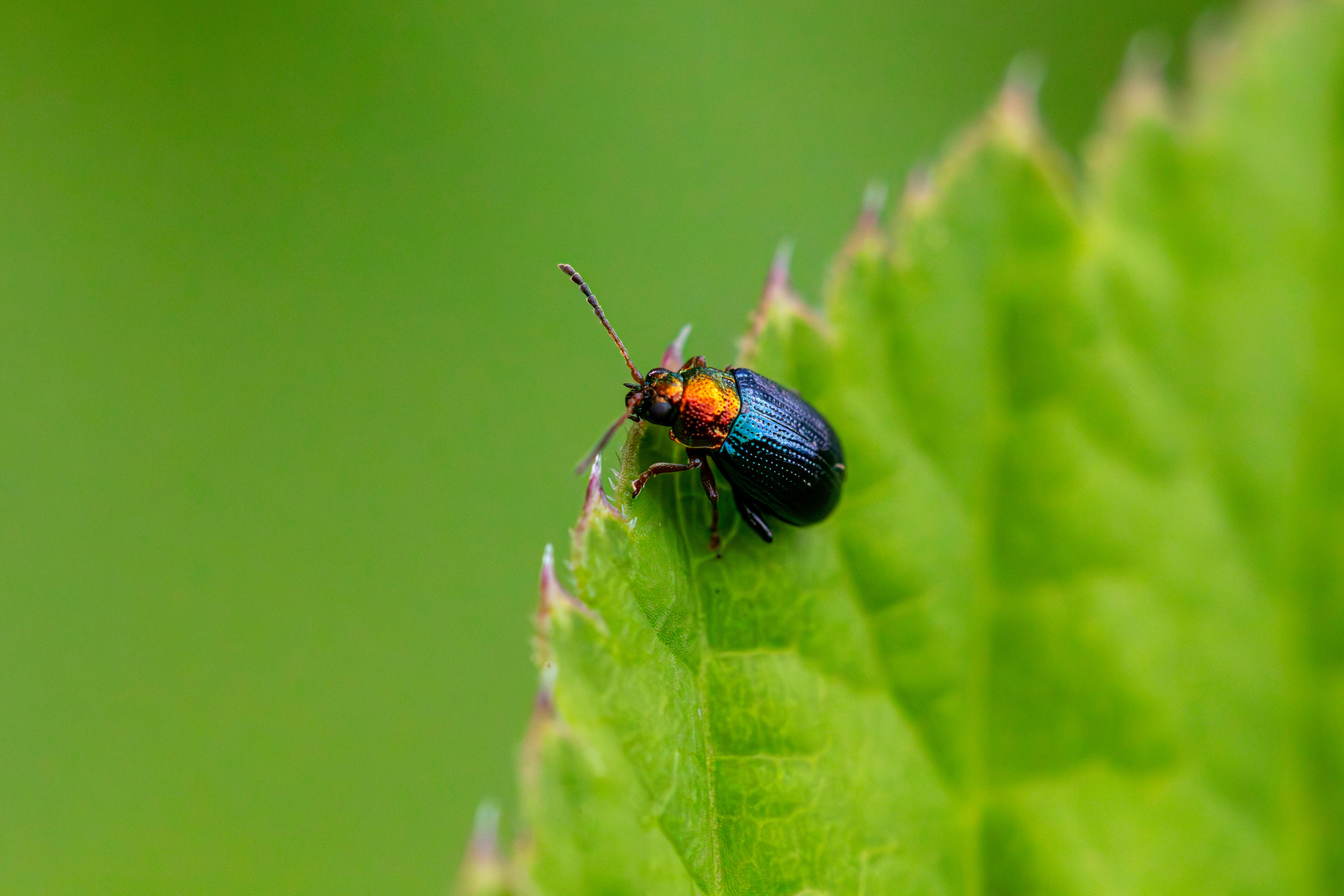
The macro photograph above captures a “colorful willow flea beetle,” a close relative that shares many visual traits with household fleas. Adult fleas measure only 1.5–3 mm long—about the size of a pinhead. Their bodies are laterally flattened, which lets them slip between carpet fibers and into narrow cracks. Color ranges from reddish‑brown to darker chocolate tones, and the abdomen may appear speckled with tiny hairs that give a slightly fuzzy appearance.
Key physical cues to remember:
- Body shape: Oval, compact, and flattened from side to side.
- Color variations: Reddish‑brown, dark brown, or black, often with a glossy sheen.
- Jumping ability: Powerful hind legs can launch a flea up to 150 times its own body length, making it easy to spot a flea “popping” off a pet’s fur.
Where Fleas Hide Inside Your Home
Fleas spend most of their life cycle off the host, seeking safe, undisturbed refuges where they can develop from egg to larva to pupa. In a typical Georgia home, the most common hiding spots include:
- Carpet and area‑rug piles, especially under furniture.
- Pet bedding, crates, and favorite lounging spots.
- Cracks in hardwood floors, baseboards, and tile grout.
- Outdoor foliage near entryways—shrubs, leaf litter, and shaded garden beds can serve as a bridge between yard and interior.
Early Warning Signs You Shouldn’t Ignore
Before you see a flea, you’ll likely notice its effects on the occupants of your home. Keep an eye out for these tell‑tale clues:
- Pet scratching: Dogs and cats that suddenly scratch, bite, or shake their heads may be reacting to flea bites.
- Flea dirt: Tiny black specks (flea feces) on pet fur or bedding look like pepper; a quick wet test turns them brown, confirming they’re digested blood.
- Bite patterns on skin: Small, red, itchy bumps that appear in clusters around ankles, calves, or the waistline are classic flea bite signatures.
Why Spotting Fleas Early Saves You Money and Stress
Flea populations grow exponentially. One adult can produce hundreds of offspring in a matter of weeks, and each new generation spreads faster than the last. By catching the problem during the “egg” or “larva” stage—when fleas are hidden but not yet airborne—you dramatically reduce the amount of pesticide needed and limit disruption to your family’s routine. Early identification also protects vulnerable members, such as children and seniors, who may develop allergic reactions or secondary skin infections from repeated bites.
In Decatur, where warm evenings and frequent rains create ideal breeding conditions, a proactive eye‑check each month can make the difference between a quick treatment and a costly, multi‑visit extermination. Recognizing the size, shape, and hiding habits of fleas empowers you to call Anthem Pest Control with confidence, knowing you’ve already taken the first, most critical step toward a flea‑free home.
Flea Life Cycle and Health Risks
Egg → Larva → Pupa → Adult: How Fast It Happens in Georgia
When a female flea deposits a clutch of 20‑50 eggs on a carpet, in a pet’s bedding, or even on a windowsill, those eggs can hatch in just 2‑5 days under the warm, humid conditions typical of Decatur summers. The newly emerged larvae immediately begin feeding on organic debris—skin flakes, flea feces, and mold spores. After another 5‑7 days they spin a silken cocoon and enter the pupal stage, where they may remain dormant for a few days up to several weeks, depending on temperature and moisture. In optimal conditions an adult flea breaks free in 2‑3 weeks from the original egg. During cooler, drier months the cycle stretches to four‑to‑six weeks, but even that lag is short enough to produce a noticeable infestation within a single season.
Temperature, Humidity, and the Speed of Growth
Fleas are cold‑blooded; their development accelerates as the environment warms. In Georgia, average spring temperatures of 70‑80°F (21‑27°C) and relative humidity above 60 % can shave days off each stage, turning a three‑week cycle into a ten‑day sprint. High humidity also prevents larvae from drying out, ensuring a higher survival rate inside carpets and pet bedding. Conversely, a sudden cold snap or low humidity can pause pupae in a state of “diapause,” only to resume development when conditions improve—often leading to a sudden surge of adult fleas when summer arrives.
Health Risks for Humans
Even a modest flea population can affect the health of the people living in the home. Common issues include:
- Allergic reactions and dermatitis: Flea saliva triggers itching, redness, and a rash that can become chronic with repeated bites.
- Tapeworm transmission: Ingesting an infected flea—often accidentally while handling a pet—can lead to the intestinal tapeworm Dipylidium caninum.
- Bartonella (cat‑scratch disease): Fleas are vectors for Bartonella henselae, the bacterium that causes cat‑scratch disease, especially in households with outdoor cats.
- Secondary infections: Persistent scratching can break the skin, allowing bacteria such as Staphylococcus to enter and cause cellulitis.
What Your Pets Feel
Pets bear the brunt of a flea outbreak. Frequent scratching, biting, and licking are classic signs of irritation, but the consequences can be more serious. Heavy infestations can cause anemia as each adult flea consumes up to 0.5 mg of blood per day; a small dog can lose a significant portion of its red‑cell count in just a few weeks. Irritated skin is prone to secondary bacterial or fungal infections, which may require veterinary antibiotics or antifungals. In cats, fleas are the primary source of tapeworms, while both cats and dogs can develop flea‑allergy dermatitis, a hypersensitivity that leads to thickened, scaly patches of skin.
Why One Missed Generation Means a Full‑Blown Outbreak
Each female flea can lay 20‑50 eggs per day, producing up to 2,000 offspring in her lifetime. If a single generation goes untreated, those eggs hatch, mature, and begin reproducing within weeks, creating a geometric progression of numbers. By the time a homeowner notices a few bites, the colony may already number in the thousands, making eradication far more labor‑intensive and costly. Prompt intervention—targeting eggs, larvae, pupae, and adults—breaks this cycle before it can snowball, protecting both the health of the household and the integrity of the home.
Seasonal Flea Activity and Optimal Treatment Timing in Georgia
Georgia’s Climate Zones and Flea Dynamics
Georgia straddles two primary climate zones: the humid subtropical lowlands of the south and the milder, slightly cooler Piedmont region in the north—conditions that often lead homeowners to seek a flea exterminator Decatur residents rely on for fast relief. Both zones share warm, moist summers and relatively mild winters, creating an ideal backdrop for flea life cycles. In the lowlands, higher humidity accelerates egg hatching, while the Piedmont’s cooler spring delays the first generation; once temperatures rise, flea populations surge in both areas.
What the Seasonal Activity Chart Shows
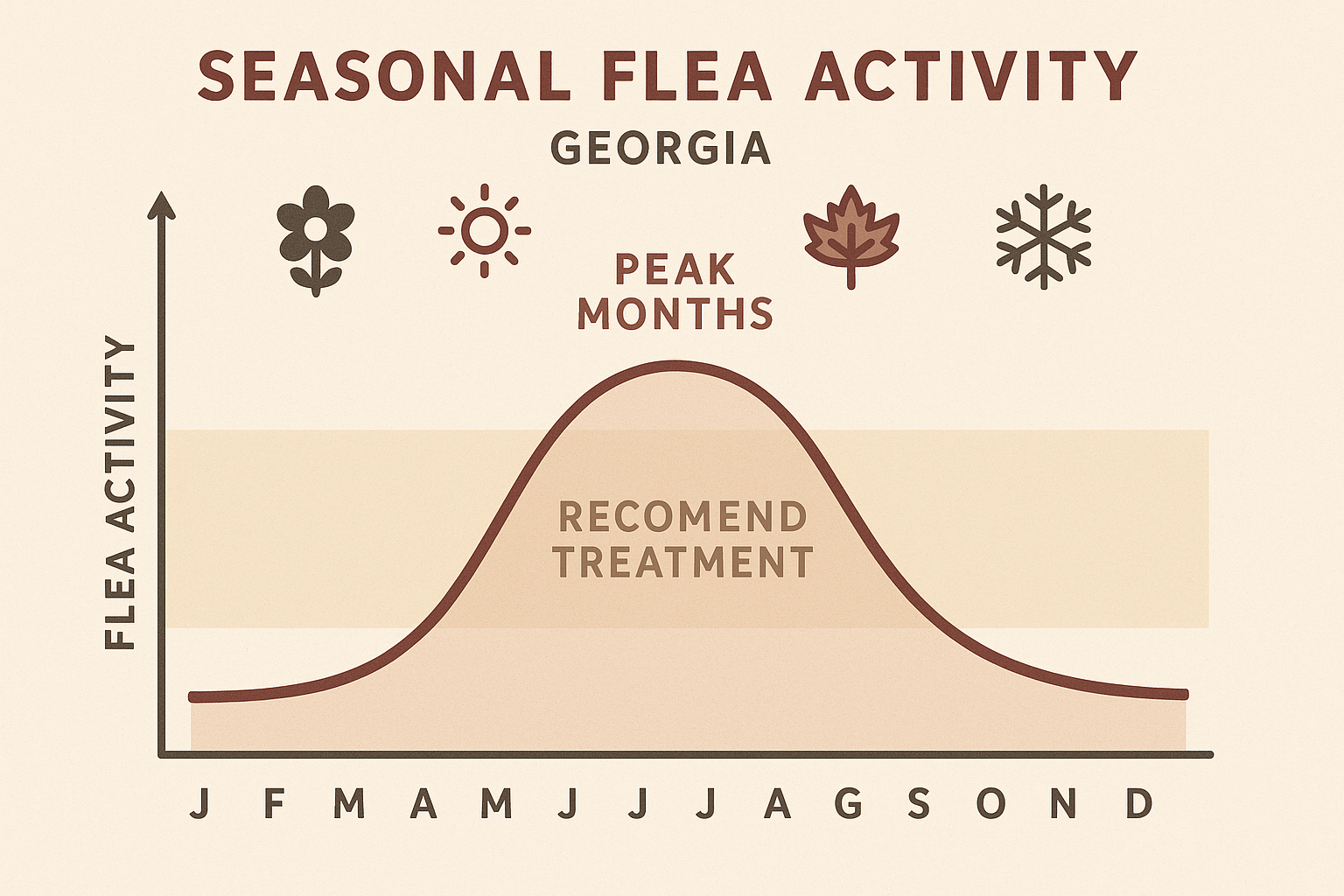
The line graph above condenses years of field data into a clear visual timeline. Two distinct peaks dominate the curve: the first climbs from late April through early June, driven by the first adult flea generation emerging from overwintering eggs. A secondary, smaller rise appears in September, when a late‑summer brood matures just before cooler temperatures slow development. Between these peaks, activity dips but never disappears—flea eggs and larvae linger in carpet, bedding, and yard mulch, ready to explode when conditions improve.
Best Windows for Treatment
Targeting the flea life cycle before each peak maximizes control and minimizes the number of applications needed. Our recommended schedule aligns with the chart’s inflection points:
- Pre‑emptive spray – early March: Treat indoor and outdoor zones while adult fleas are still scarce. This disrupts emerging larvae before they can reproduce.
- Follow‑up boost – mid‑May: As temperatures consistently exceed 70°F, a second application hits the first generation of adults, preventing the late‑spring surge.
- Final fall reinforcement – early September: A late‑summer treatment curtails the secondary brood, ensuring the population stays low as the season winds down.
Why Early Intervention Saves Money
Fleas reproduce rapidly—one adult can lay up to 50 eggs per day. If you wait until the first visible infestation, you’re already dealing with several overlapping generations, which means more chemicals, more labor, and higher costs. By treating in March, you intercept the cycle at its infancy, reducing the total number of insects that need to be killed later. The result is a thinner, more manageable population and a lower overall bill for the homeowner.
Homeowner Monitoring Tips
Even with a professional plan, staying alert during off‑peak months helps you catch any surprise activity. Watch for these signs:
- Pet behavior: Excessive scratching, biting at the base of the tail, or sudden restlessness often precede a visible infestation.
- Visual checks: Use a flashlight on carpet, pet bedding, and under furniture. Flea “jump tests”—tapping a white sheet of paper and watching for tiny, erratic hops—can reveal hidden adults.
- Environmental clues: Damp, shaded areas like garden mulch, under decks, and pet shelters retain humidity, making them perfect flea nurseries. Keep these zones trimmed and dry.
Document any observations in a simple log—date, location, and pet symptoms. Share this record with Anthem Pest Control during your next service call; it lets our technicians fine‑tune treatment timing and focus on hotspots, delivering faster relief and better value.
Putting It All Together
Understanding Georgia’s climate‑driven flea rhythm empowers you to act before the pests become a problem. By aligning your treatment schedule with the March, May, and September windows, you stay one step ahead of the peaks shown in the activity chart. Combine professional sprays with vigilant home monitoring, and you’ll keep your family—and your pets—comfortable all year long.
Comparing DIY, Monthly, and One‑Time Professional Flea Treatments
When fleas invade your Decatur home, the first question is how to get rid of them without breaking the bank—often leading homeowners to consider whether hiring a flea exterminator Decatur residents trust is the best option. Homeowners typically weigh three paths: a do-it-yourself (DIY) kit, a recurring monthly service, or a single, intensive professional visit. Below, we break down the cost, effectiveness, and convenience of each so you can decide which strategy fits your budget and lifestyle.
DIY Options: Sprays, Spot‑On Treatments, and Home Remedies
DIY flea control is tempting because the products sit on the shelf and you can apply them on your schedule. Common choices include:
- Over‑the‑counter sprays: Aerosol or pump‑spray formulas that claim to kill fleas on contact.
- Spot‑on treatments: Small packets placed on a pet’s neck, releasing insecticide over weeks.
- Home remedies: Baking soda, diatomaceous earth, or vinegar solutions marketed as “natural” solutions.
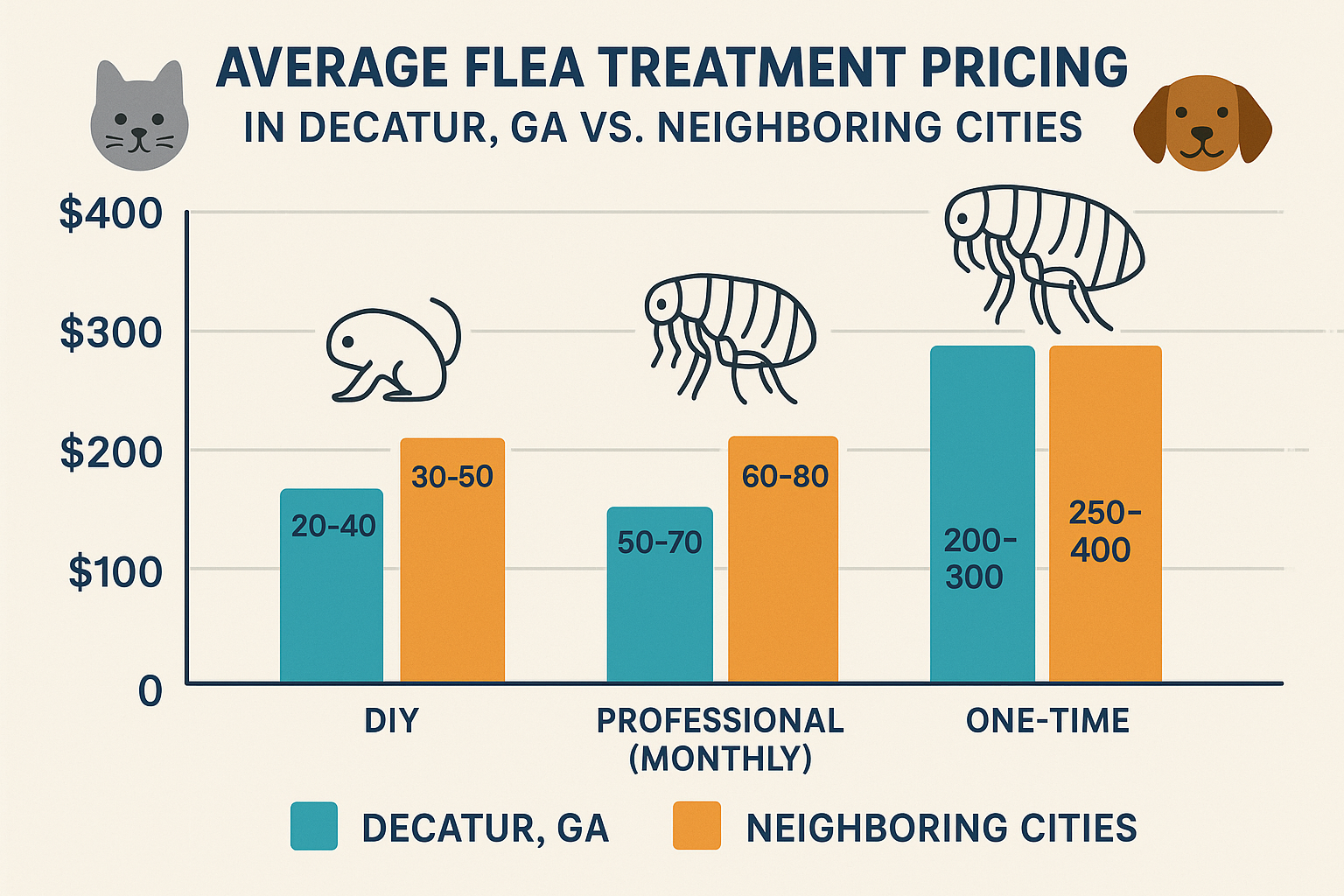
In Decatur, a typical DIY kit runs between $15 and $45 per product, depending on brand and coverage area. While the upfront price is low, these options often fall short on two fronts: they don’t reach hidden life stages (eggs, larvae) deep in carpets or wall voids, and they require diligent, repeated application. Most homeowners notice a reduction in adult fleas within a few days, but a full eradication can take weeks—or may never happen without a professional follow‑up.
Monthly Professional Plans: Ongoing Protection with a Warranty
Anthem Pest’s monthly flea‑control program is designed for families who want set‑and‑forget peace of mind. Each month the plan includes:
- A thorough inspection of interior and exterior zones.
- Targeted applications using EPA‑approved products that penetrate cracks, crevices, and pet bedding.
- A warranty that guarantees flea‑free results; if fleas return, a re‑treatment is free.
The average monthly cost in the Decatur area ranges from $45 to $70, depending on home size and whether you bundle with other pest services. Over a year, the total can be $540–$840, but the value lies in continuous monitoring, reduced risk of re‑infestation, and the convenience of a single scheduled visit.
One‑Time Professional Service: Full‑Home Treatment with Follow‑Up
If you’re dealing with a sudden outbreak, a one‑time professional treatment can knock out an entire flea population in a single sweep. The service typically includes:
- Comprehensive pre‑treatment inspection to locate breeding sites.
- A full‑home application using a combination of foggers, residual sprays, and pet‑safe spot‑on products.
- A follow‑up visit (usually 7–10 days later) to address any survivors and confirm success.
Pricing for a one‑time service in Decatur falls between $180 and $320. While the upfront cost is higher than a single DIY bottle, you receive professional expertise, a guaranteed result, and a clear timeline—often eliminating the need for future treatments if you maintain good hygiene.
Pros and Cons at a Glance
| Treatment Option | Effectiveness | Convenience | Long‑Term Protection | Pros | Cons |
|---|---|---|---|---|---|
| DIY (sprays, spot‑on, home remedies) | Low‑to‑moderate – works best on adult fleas only | High – you apply whenever you want | Minimal – no residual control after product runs out | Lowest upfront cost; immediate availability | Requires repeated use; often misses eggs/larvae; limited warranty |
| Monthly Professional Plan | High – covers all life stages with regular re‑applications | Medium – scheduled monthly visits | Strong – ongoing monitoring and warranty keep fleas at bay | Peace of mind, professional expertise, bundled discounts | Higher cumulative cost; commitment to a subscription |
| One‑Time Professional Service | Very high – intensive, whole‑home treatment | Medium – single appointment plus follow‑up | Good – residual products protect for weeks to months | Fast eradication, guaranteed results, no long‑term contract | Higher single payment; may need repeat if re‑infestation occurs |
In Decatur, the local pricing advantage means you often pay less for a professional visit than neighboring suburbs, especially when you factor in the added warranty and expertise. If you’re comfortable handling routine sprays and have a small pet, DIY might be a temporary bridge. For families with pets, kids, or a history of recurring fleas, the monthly plan delivers the most reliable protection. And when an outbreak spikes, a one‑time professional treatment offers the quickest, most thorough knock‑down.
Professional Flea Treatment Methods and What to Expect

Technician’s Role and Safety Protocols
When our Anthem Pest Control technician arrives, the first priority is safety—for you, your pets, and the crew. Technicians wear certified protective gear, including gloves, goggles, and respirators, to prevent any exposure to chemicals. If you have animals on the premises, we’ll discuss gentle handling techniques and may ask you to confine pets to a single room or a secure outdoor area until the treatment is complete. This precaution ensures the pesticide doesn’t come into direct contact with fur, eyes, or respiratory tracts.
Professional Treatment Options
We tailor the flea eradication plan to the severity of the infestation and the layout of your home. The most common methods we employ are:
- Liquid Spray: A fast‑acting, residual insecticide applied to baseboards, cracks, and upholstery where adult fleas hide.
- Fogger (Thermal Fogging): A fine mist that penetrates hard‑to‑reach spaces, ideal for larger homes or severe infestations.
- Bait Stations: Discreet devices placed in corners that attract adult fleas and release a low‑dose insecticide over weeks.
- Pet‑Safe Spot‑On Products: FDA‑approved topical treatments applied directly to your pet’s skin, providing immediate protection without harming the animal.
Step‑by‑Step Walkthrough of a Typical Service Visit
- Inspection: The technician conducts a thorough visual survey, looking for adult fleas, larvae, and signs of egg deposits in carpets, pet bedding, and wall voids.
- Pre‑Treatment Preparation: You’ll be asked to clear floors of clutter, vacuum carpets, and store food items in sealed containers. Pets are moved to a safe zone, and windows are closed to control airflow.
- Application: Using the selected method(s), the technician treats interior surfaces, focusing on high‑traffic zones and pet hang‑outs. The liquid spray is applied with a low‑pressure wand for even coverage, while foggers are released from a central point to fill the space.
- Post‑Treatment Advice: After the chemicals have settled (usually 30 minutes), we’ll provide a checklist: keep pets out of treated rooms for at least two hours, avoid vacuuming for 24 hours to preserve residual activity, and maintain regular cleaning to boost effectiveness.
Integrated Pest Management (IPM) – The Whole‑Home Approach
Fleas thrive in dirty, humid environments. That’s why Anthem Pest Control pairs chemical treatments with sanitation and environmental tweaks. Simple steps—washing pet bedding in hot water, fixing leaky pipes, and trimming excess vegetation around the foundation—reduce humidity and eliminate breeding sites. By integrating these practices, the residual spray stays potent longer, and the likelihood of a reinfestation drops dramatically.
Frequently Asked Questions
- How long does the treatment remain effective? Most liquid sprays provide 4–6 weeks of residual control, while foggers may need a repeat application after two weeks for severe cases.
- When can we re‑enter the home? The home is safe to occupy after the recommended 30‑minute dwell time. Pets should wait at least two hours before returning to treated areas.
- Do I need a follow‑up visit? We typically schedule a follow‑up 2–3 weeks later to assess progress and apply a booster if needed. Ongoing preventive visits every 3–4 months keep the flea population at bay year‑round.
Protect Your Home with Expert Flea Control Today
By now you know how to spot a flea infestation—tiny, jumping insects, itchy bite marks on skin, and the tell‑tale “sand‑like” flea dirt in carpets or pet bedding. You’ve also learned that fleas thrive in warm, humid months, making late spring through early fall the critical window for treatment. Finally, we compared DIY sprays, over‑the‑counter foggers, and professional integrated pest management, highlighting that only a licensed technician can combine chemical, mechanical, and preventative steps for lasting control.
Why Timing Matters
Fleas reproduce rapidly when temperatures stay above 70°F (21°C) and humidity exceeds 50%. A single adult female can lay up to 50 eggs per day, and those eggs hatch in as little as two days. Acting early—before the population explodes—means fewer chemicals, less disruption to your home, and a faster return to a bite‑free environment. Waiting until an infestation is visible often requires multiple treatments and higher costs.
DIY vs. Professional Treatment
The table below illustrates the key differences between a do‑it‑yourself approach and a professional service from Anthem Pest Control.
| Aspect | DIY (Sprays, Foggers, Traps) | Professional (Anthem Pest Control) |
|---|---|---|
| Effectiveness | Partial; often misses hidden life stages | Comprehensive; targets eggs, larvae, pupae, and adults |
| Safety | Higher risk of over‑application; may harm pets | EPA‑approved products applied by trained technicians |
| Cost (short‑term) | Lower upfront cost, but multiple purchases may add up | Transparent, all‑in‑one pricing with guaranteed results |
| Time Investment | Hours of preparation, application, and re‑application | One‑time professional visit plus optional follow‑up |
Choosing a local, licensed professional like Anthem Pest Control brings three decisive advantages.
- Safe, EPA‑approved products: Our technicians are trained to apply chemicals at the right concentration and in the right locations, protecting children, pets, and indoor air quality.
- Guaranteed results: We stand behind every treatment with a satisfaction guarantee, and we’ll return at no extra charge if fleas reappear within the warranty period.
- Transparent pricing: You receive a clear, itemized quote before any work begins—no hidden fees, no surprise add‑ons.
Beyond the initial treatment, Anthem schedules a follow‑up visit to verify that the flea population is fully eradicated and to apply a preventive barrier around your home’s exterior. This proactive step helps keep future invasions at bay, giving you peace of mind year after year.
Ready to take the next step? Request a free, no‑obligation quote today and let Anthem’s certified team design a customized flea‑control plan that fits your budget and schedule. We use an integrated approach—targeted indoor sprays, outdoor perimeter treatments, and pet‑friendly preventative products—to eliminate the current infestation and keep future invasions at bay.
Give us a call at 877‑371‑8196 or visit our website to schedule your service. Our friendly representatives are available 24/7 to answer questions and set up an appointment that works for you.
Don’t let fleas multiply—act now with a trusted flea exterminator Decatur homeowners count on and reclaim a comfortable, pest-free home for your family.