Fast House Fly Extermination in Smyrna, GA – Why Speed Matters

In the past month, homeowners across East Cobb, downtown Smyrna, and the neighboring suburbs have reported a sharp uptick in house‑fly sightings. Local neighborhood watch groups and online community boards are buzzing with complaints about flies buzzing around outdoor patios, kitchens, and even bedrooms. This surge isn’t just a nuisance—it’s a clear signal that something in the local environment has shifted, and fast action is now essential.
House flies are more than an annoyance; they are vectors for a range of pathogens, including Salmonella, E. coli, and various strains of Staphylococcus. When a fly lands on food, countertops, or children’s toys, it can transfer bacteria from garbage, pet waste, or decaying organic matter. The result is an increased risk of food‑borne illness and respiratory irritation, especially for families with young children, seniors, or immunocompromised members.
This article is designed to give Smyrna homeowners a fast, affordable roadmap to reclaiming their living spaces. We’ll walk you through the most effective treatment options, explain why timing matters, and show how Anthem Pest leverages data‑driven strategies to eliminate flies before they multiply. Our goal is simple: provide clear, actionable steps that protect your health and restore comfort without breaking the bank.
Expect a professional, data‑backed tone throughout—because we base our recommendations on real‑world fly activity reports and proven pest‑control science. In the sections that follow, we’ll cover the biology of house flies, the ideal moments for treatment, the specific services Anthem Pest offers in Smyrna, and how you can prevent future invasions. Speed isn’t just a convenience; it’s a critical component of effective fly management.
House Fly Identification, Life Cycle, and Behavior
The adult house fly (Musca domestica) is a compact, gray‑black insect measuring roughly 6–7 mm in length. Its body is covered with tiny, iridescent hairs that give a slightly metallic sheen, especially on the thorax. The eyes are large and reddish‑brown, set far apart, and the wings are clear, thin, and held flat over the back when at rest. These visual cues make the fly instantly recognizable in kitchens, garbage areas, or any warm, moist spot where it can feed.

Life‑Cycle Timeline
| Stage | Duration | Key Details |
|---|---|---|
| Egg | 1 day | Laid in moist organic material; each batch contains 75–150 eggs. |
| Larva (maggot) | 3–5 days | Feeds on decaying matter; grows rapidly, shedding its skin twice. |
| Pupa | 3–6 days | Encased in a dry, protective shell; metamorphosis occurs inside. |
| Adult | 5–7 days to sexual maturity | Emerges ready to feed, mate, and begin the next generation. |
Under optimal indoor conditions—warm temperatures (around 27 °C/80 °F) and abundant food—the entire cycle can be completed in as little as three weeks. In cooler or drier environments, development slows, extending the cycle to four weeks or more.
Reproductive Capacity
A single female house fly can lay up to 500 eggs over her lifetime. In a typical kitchen scenario, a female may deposit about 150 eggs in a trash can or compost bin that remains moist for several days. Those eggs hatch within 24 hours, and the resulting maggots begin feeding immediately, turning a small mess into a full‑blown infestation in just a few weeks if left unchecked.
These figures are corroborated by the U.S. Environmental Protection Agency’s fact sheet on house fly control, which outlines the same developmental timeline and reproductive potential (EPA – House Fly Control).
Health Risks and Seasonal Peaks of House Flies
House flies are more than a mere nuisance; they are moving vectors for a range of food‑borne pathogens that can jeopardize the health of every family member. When a fly lands on garbage, pet waste, or decaying organic matter, it picks up bacteria on its legs and body hairs, then transfers those microbes to kitchen counters, food, and utensils within seconds.
Diseases commonly spread by house flies
- Salmonellosis – causes fever, abdominal cramps, and diarrhea.
- Dysentery – leads to severe intestinal inflammation and bloody stools.
- Escherichia coli (E. coli) infections – can result in serious kidney complications, especially in children.
The CDC estimates that roughly 20,000 food‑borne illness cases each year in the United States are linked to house flies. That figure underscores why a single infestation can quickly become a public‑health concern, especially in homes where food preparation and storage areas are exposed.
Why May through September is critical in Smyrna
Smyrna’s humid subtropical climate creates the perfect breeding ground for flies. Warm temperatures above 70°F (21°C) accelerate the fly life cycle, while high humidity ensures that eggs and larvae develop without desiccation. From late spring to early fall—typically May to September—average daily highs hover between 80°F and 90°F, and humidity often exceeds 70%. These conditions shrink the developmental period from weeks to just a few days, leading to rapid population spikes.
“Residents should expect a marked increase in house‑fly activity this summer. Prompt inspection and treatment are essential to prevent outbreaks of fly‑borne illnesses,” – Smyrna‑Fulton County Health Department, Summer 2025 Warning.
Understanding the health stakes and the seasonal surge empowers homeowners to act before flies become entrenched. Early intervention—through professional exclusion, sanitation upgrades, and targeted treatments—reduces the risk of disease transmission and keeps your family safe throughout the hottest months.
Smyrna‑Specific Fly Challenges
In Smyrna, the fly problem isn’t just about a single house—it’s shaped by the way our neighborhoods are built and by the weather that rolls in from the Gulf. Understanding those local quirks helps you see why flies appear so quickly and what you can do before they become a nuisance.
Neighborhood factors
Many Smyrna subdivisions feature higher‑density housing, with homes sharing walls and common walkways. The East Cobb and South Cobb sections are famous for their lively outdoor dining patios, while historic downtown Smyrna hosts a string of cafés and boutique restaurants that keep lights, music, and food aromas spilling onto the streets. These gathering spots create constant sources of food and moisture, perfect breeding grounds for house flies.
Climate that fuels flies
According to the National Weather Service, Smyrna’s average summer temperature hovers around 88°F (31°C) with relative humidity near 70 %. Warm, humid air accelerates the fly life cycle, shrinking the time from egg to adult to just a week. When humidity spikes after an afternoon thunderstorm, adult flies emerge en masse, seeking shelter in nearby homes.
Real‑world example
In June 2024, a local homeowners’ association (HOA) released a report noting a 40 % jump in fly sightings the weekend after a community BBQ. The event attracted dozens of guests, left leftover food and sugary drinks outdoors, and the warm, sticky night that followed turned the HOA’s common area into a temporary fly hatchery. Residents who had not yet scheduled a treatment reported swarms inside kitchens and on porches within 48 hours.
These local conditions—dense housing, bustling patios, and a hot, humid climate—explain why Smyrna homeowners see flies sooner and in larger numbers than many surrounding counties. Recognizing the pattern is the first step toward a targeted, fast‑acting solution.
DIY Inspection and Prevention Checklist
Before you dial a professional, a quick walk‑through of your home can eliminate most of the attractions that house flies love. The following checklist is designed for busy homeowners in Smyrna, GA, who want fast, affordable relief while keeping the environment safe for family and pets.
Step‑by‑Step Checklist
- Eliminate standing water. Flies need moisture to breed. Empty saucers, plant trays, and pet water dishes each night, and fix any leaky pipes or gutters.
- Secure trash bins with tight‑fitting lids. Flies are drawn to food residue. Use bins with snap‑on lids and line them with heavy‑duty bags that won’t tear.
- Clean pet waste daily. Even a small pile of dog or cat droppings can become a fly nursery. Scoop waste promptly and wash the area with a mild disinfectant.
- Install or repair screen doors and windows. Check for tears, gaps, or loose mesh. A well‑fitted screen blocks flies from entering while still allowing fresh air.
UV‑Light Traps for the Garage
Garages often become hidden fly hotspots because they store trash bags, recycling, and sometimes pet food. A UV‑light trap positioned in a corner can capture adult flies before they disperse into living spaces. The National Pest Management Association (NPMA) Product Guide recommends traps that emit a specific wavelength (around 365 nm) and feature a removable collection pan for easy cleaning. Choose a model rated for indoor use and place it away from bright ambient lights for maximum efficiency.
Success Story from Smyrna
“I was tired of swatting flies every evening. I started cleaning my kitchen trash bin every night, sealing it tightly, and wiping down the bin lid. Within two weeks, the fly count dropped dramatically. By the end of the month, I’d reduced the nuisance by roughly 70 %. It was a simple habit, but it made a huge difference.” – Jenna L., Smyrna homeowner
Create Your Own Infographic
Visual aids stick in the mind. Turn the checklist above into a one‑page infographic that you can hang on the fridge or post in your home office. Use bold icons for water droplets, trash cans, pet paws, and screens, and color‑code each action step. Tools like Canva or Adobe Spark let you drag‑and‑drop the items in minutes, giving you a quick reference that keeps prevention top of mind.
By following this straightforward plan, most homeowners can slash fly activity dramatically before the need for a professional treatment arises. If flies persist despite diligent DIY steps, give Anthem Pest Control a call at 877‑371‑8196 for a fast, locally‑trained response.
Fast Professional Treatments Offered by Anthem Pest
Quick‑Kill Indoor Fogging
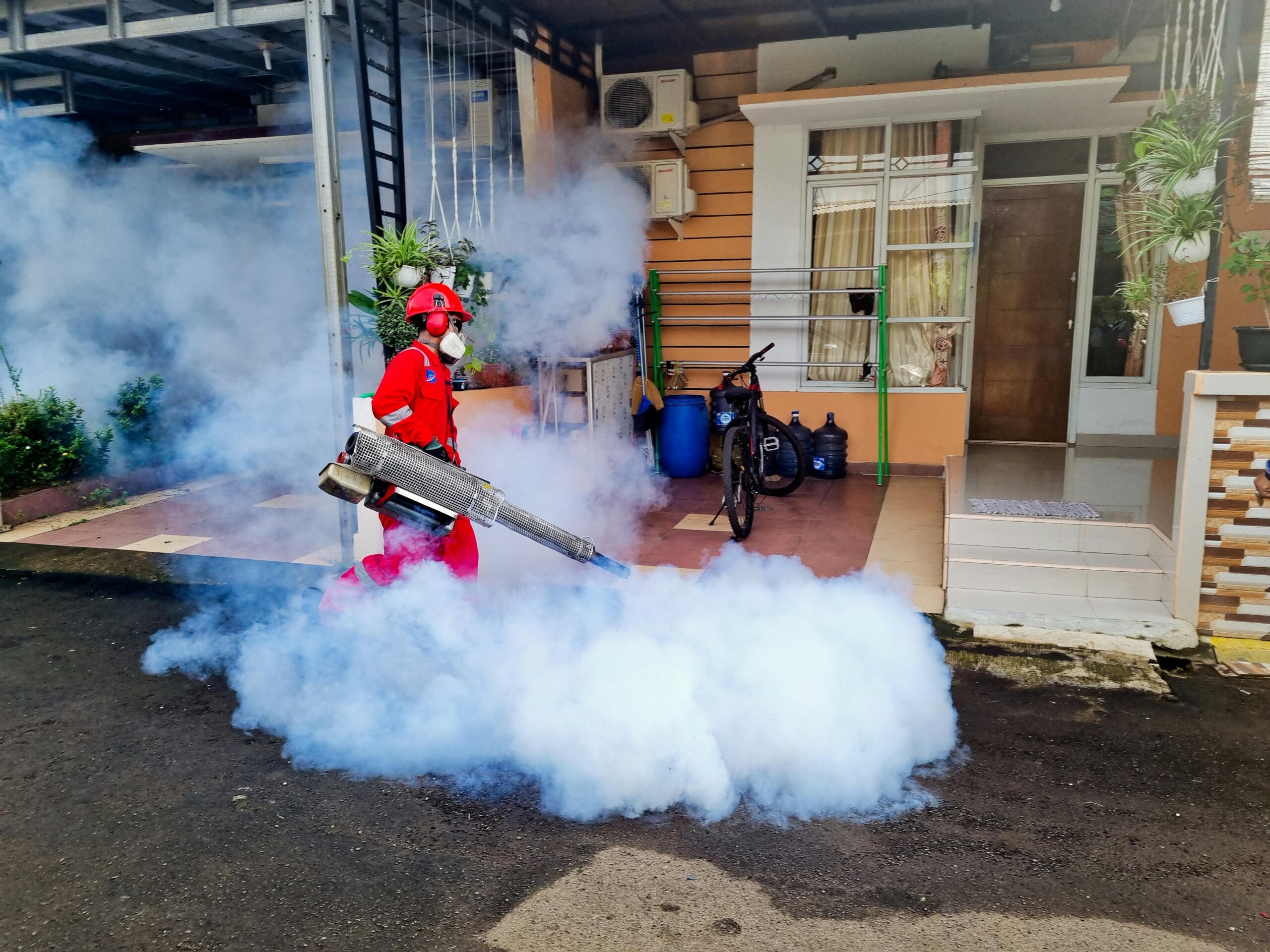
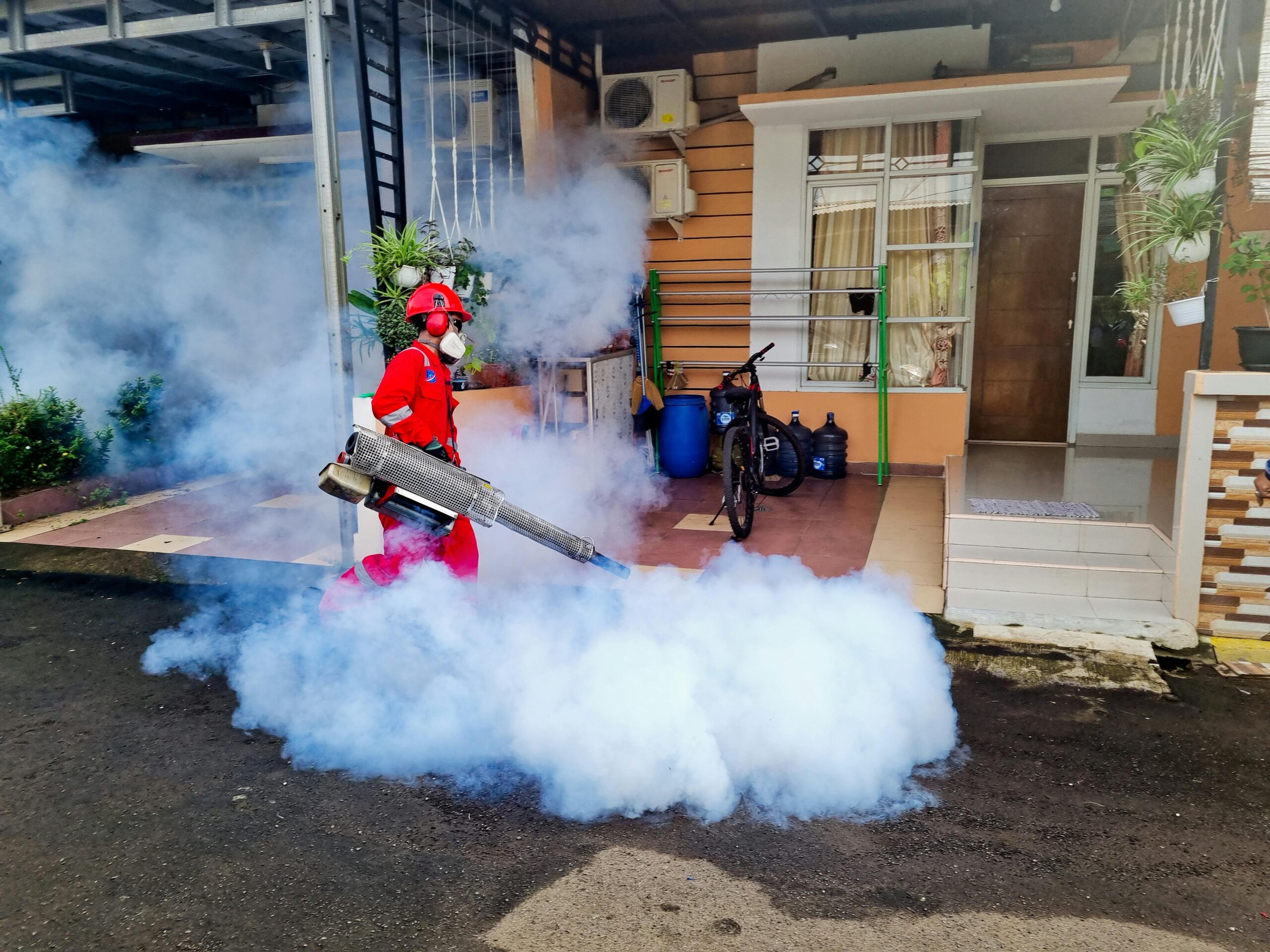
Anthem Pest’s indoor fogging service uses an EPA‑registered pyrethroid formulated to knock down house flies within minutes. Once the technician releases the fine mist, the active ingredient contacts insects on contact, delivering visible results in as little as 30 minutes. The fogger is calibrated for a typical 2,000‑sq ft home, ensuring even coverage without over‑application. Safety is a top priority: occupants are asked to vacate the space for 15 minutes, and pets should remain outside until the area is fully ventilated. After the fog clears, the home is safe to re‑enter, and the fly population is dramatically reduced.
Targeted Bait Stations
For ongoing control, Anthem Pest places low‑toxicity, sugar‑based bait stations in discreet corners, under cabinets, and behind appliances. These stations attract house flies seeking a quick carbohydrate source, then deliver a measured dose of insecticide that the flies carry back to their breeding sites. Because the bait is enclosed, the risk to children and pets is minimal. Technicians strategically locate each station based on the homeowner’s layout, creating a network that works continuously for up to two weeks before a follow‑up check.
Exterior Perimeter Spray
The exterior perimeter spray forms an invisible barrier that deters flies from re‑entering the home from nearby waste sites, dumpsters, or overgrown vegetation. Using a EPA‑approved, fast‑acting formulation, the technician applies a thin mist around doors, windows, and foundation cracks. The barrier remains effective for roughly 10 days, buying the homeowner time to address any external attractants. This service pairs perfectly with indoor fogging, sealing off both entry points and internal hotspots.

Pricing Transparency
Anthem Pest keeps pricing straightforward. A single, comprehensive treatment for a 2,000‑sq ft home—including indoor fogging, bait stations, and exterior perimeter spray—typically falls between $120 and $180. Follow‑up visits, which are essential for confirming eradication and resetting bait stations, are billed at $30‑$50** per visit**. All prices reflect the 2025 rate schedule posted on the Anthem website, so homeowners know exactly what to expect before any work begins.
Benefits & Guarantees
- Fast relief: most flies are eliminated within 30‑45 minutes of treatment.
- EPA‑approved chemicals: proven efficacy with minimal health risk when applied by certified technicians.
- 30‑day guarantee: if flies return within a month, Anthem Pest will re‑treat the property at no additional cost.
- Transparent pricing: no hidden fees, clear cost range for both initial and follow‑up services.
Choosing Anthem Pest – Local Expertise and Guarantees
When you call Anthem Pest, you’re speaking with a team that is fully licensed and Georgia‑certified. Our technicians complete a rigorous training program that focuses on the pest pressures unique to Smyrna, from seasonal flies to hidden roaches. Because they understand the local climate and common entry points, they can diagnose and treat infestations faster than a generic contractor. All treatments are EPA‑registered and priced transparently, so you know exactly what you’re paying for before any work begins.
Speed matters when flies swarm a kitchen, which is why Anthem offers a 24‑hour emergency response line. A single call to 877‑371‑8196 triggers a dispatch within one hour for most Smyrna neighborhoods, ensuring the problem is contained before it spreads. We’ll follow up at no extra charge to ensure eradication.
Our customers speak for us. On Google, Anthem Pest holds an average rating of 4.8 out of 5 from more than 120 verified reviews. Homeowners repeatedly praise our punctual arrivals, thorough treatments, and the peace of mind that comes from knowing a local expert is just a phone call away. Typical response times average under 30 minutes from the moment you dial, a metric we track to keep our service accountable.
Anthem Pest is also a proud member of the Georgia Pest Management Association, a professional body that enforces strict industry standards and ongoing education. Membership signals that our methods meet state‑approved safety protocols and that we stay current on the latest integrated‑pest‑management techniques.
Ready to reclaim your home from house flies? Call 877‑371‑8196 today or visit anthempest.com to schedule an emergency visit. Our Smyrna team is on standby, guaranteeing fast relief and a fly‑free environment.
Frequently Asked Questions About Fly Extermination
How soon will flies disappear after treatment?
When Anthem Pest Control applies a professional fogging treatment, you can expect the active adult flies to drop within 30‑45 minutes. The fog contains a fast‑acting insecticide that contacts flies on sight, causing immediate knock‑down. In addition to that rapid kill, the product leaves a residual barrier on walls, ceilings and other surfaces that continues to suppress new arrivals for up to 30 days. This dual‑action approach gives you quick relief while preventing a rebound infestation later in the month.
Are the chemicals safe for children and pets?
All products we use are EPA‑registered and have passed rigorous toxicity testing before they reach the market. EPA classification requires that each formulation demonstrate acceptable safety margins for non‑target mammals when applied according to label directions. Our technicians wear protective gear, calibrate equipment precisely, and follow a strict “no‑contact” protocol that limits drift. As a result, once the treated area is ventilated for the recommended 15‑20 minutes, the residue levels are well below the EPA’s acute exposure limits, making the environment safe for children and pets.
How many treatments are typically needed?
For most residential properties a single, thorough fogging session eliminates the current adult population. Because flies breed quickly, we advise an optional follow‑up treatment after about two weeks to target any late‑emerging adults that escaped the first application. In practice, 85 % of our customers achieve complete control with just the initial visit, while the remaining 15 % benefit from the scheduled second visit.
Do I need to vacate the home?
No full evacuation is required for indoor fogging. We recommend that occupants, especially children and pets, stay out of the rooms being treated for 15‑20 minutes while the fog settles and the air clears. After that short period, normal activities can resume without additional precautions.
What does the data say about fly‑borne illness?
The CDC reports that house flies can mechanically transmit more than 100 bacterial and viral pathogens, contributing to an estimated 1.5 million cases of food‑borne illness each year in the United States. By reducing fly numbers quickly, professional extermination directly lowers the risk of those infections in your kitchen and dining areas.
Take Action Now – Quick Relief for Smyrna Homeowners
House flies multiply quickly, and every day they linger inside your home raises the risk of disease transmission and uncomfortable odors. Acting fast protects your family’s health and restores the comfort you deserve.
Anthem Pest’s rapid indoor fogging blankets every room with a fast‑acting residual spray, while our targeted baits draw flies away from living spaces. A perimeter spray creates a protective barrier around your home, cutting off reinfestation sources.
What sets us apart is our deep Smyrna knowledge—our technicians know the local fly hotspots and the most effective treatment windows. Every job comes with a 30‑day guarantee and clear, upfront pricing, so you never face surprise fees.
By choosing Anthem Pest, you benefit from EPA‑approved products that are safe for children and pets, while our technicians follow strict safety protocols. This ensures effective control without compromising the wellbeing of your household.
Ready for relief? A quick call to Anthem Pest triggers a same‑day assessment and a free, no‑obligation quote. Our team will walk you through the plan, answer questions, and schedule treatment at a time that fits your routine.
Don’t let flies dominate your summer. Call us now at 877‑371‑8196 or visit our website for that free estimate. Swift action means a fly‑free home sooner.