Recognizing Millipedes in Georgia Homes

Fast Millipede Exterminator Decatur services are essential in Georgia’s humid climate, where millipedes thrive as quiet workers of the ecosystem. Outdoors, they break down leaf litter and dead plant material, turning organic debris into soil-enriching nutrients. Inside the home, however, these same millipedes can shift from harmless decomposers to an unwelcome nuisance—especially when moisture levels rise.
Key Identification Features
- Many legs: Most species display two pairs of legs per body segment, giving them a distinctly “many‑legged” silhouette.
- Segmented, rounded body: Their bodies are composed of 20‑30 smooth, cylindrical segments that taper slightly toward the tail.
- Typical colors: In Georgia you’ll most often see shades of brown, dark brown, or black, though some species have a faint reddish hue.
- Size range: Adult millipedes usually measure between 1 ½ inches and 3 inches long, but a few can grow up to 5 inches under optimal conditions.
Where They Hang Out Outdoors
Georgia’s lush landscapes provide perfect hideaways. Look for millipedes in:
- Leaf litter and under decaying logs
- Mulch beds and garden borders
- Damp foundations, crawl spaces, and basements
- Moist garden beds, especially after rain or irrigation
Signs of an Indoor Presence
When the indoor humidity spikes, millipedes may wander in search of moisture. Homeowners typically notice:
- Clusters of tiny, slow‑moving bodies on interior walls or baseboards
- Crawling on windowsills, especially near exterior lights
- Dead millipedes gathered near light fixtures or under appliances
Why They Can Become a Problem
Millipedes are attracted to moisture, so a leaky pipe, poor ventilation, or a damp basement can turn a home into a highway for them. While they don’t bite or transmit disease, large numbers can:
- Leave a faint, oily residue that may stain fabrics, upholstery, or wood surfaces
- Trigger allergic reactions in sensitive individuals due to their defensive secretions
- Cause a “creepy‑crawl” feeling that undermines the comfort of a well‑kept home
Quick Tip: Millipede vs. Centipede
Millipedes have two pairs of legs per segment, move in a slow, wave‑like motion, and curl into a tight coil when disturbed. Centipedes show one pair of legs per segment, are faster, and flatten their bodies to squeeze through tight cracks. Spotting the leg pattern and movement speed is the fastest way to tell them apart.
When Are Millipedes Most Active in Georgia?
Understanding the life cycle of millipedes is the first step in predicting when they’ll show up around your home. A millipede begins as an egg laid in moist soil, hatches into a tiny larval form, and molts several times before reaching adulthood. Temperature and soil moisture are the two biggest drivers of this development. Warm, damp conditions accelerate growth, while dry or cold periods slow it down dramatically.
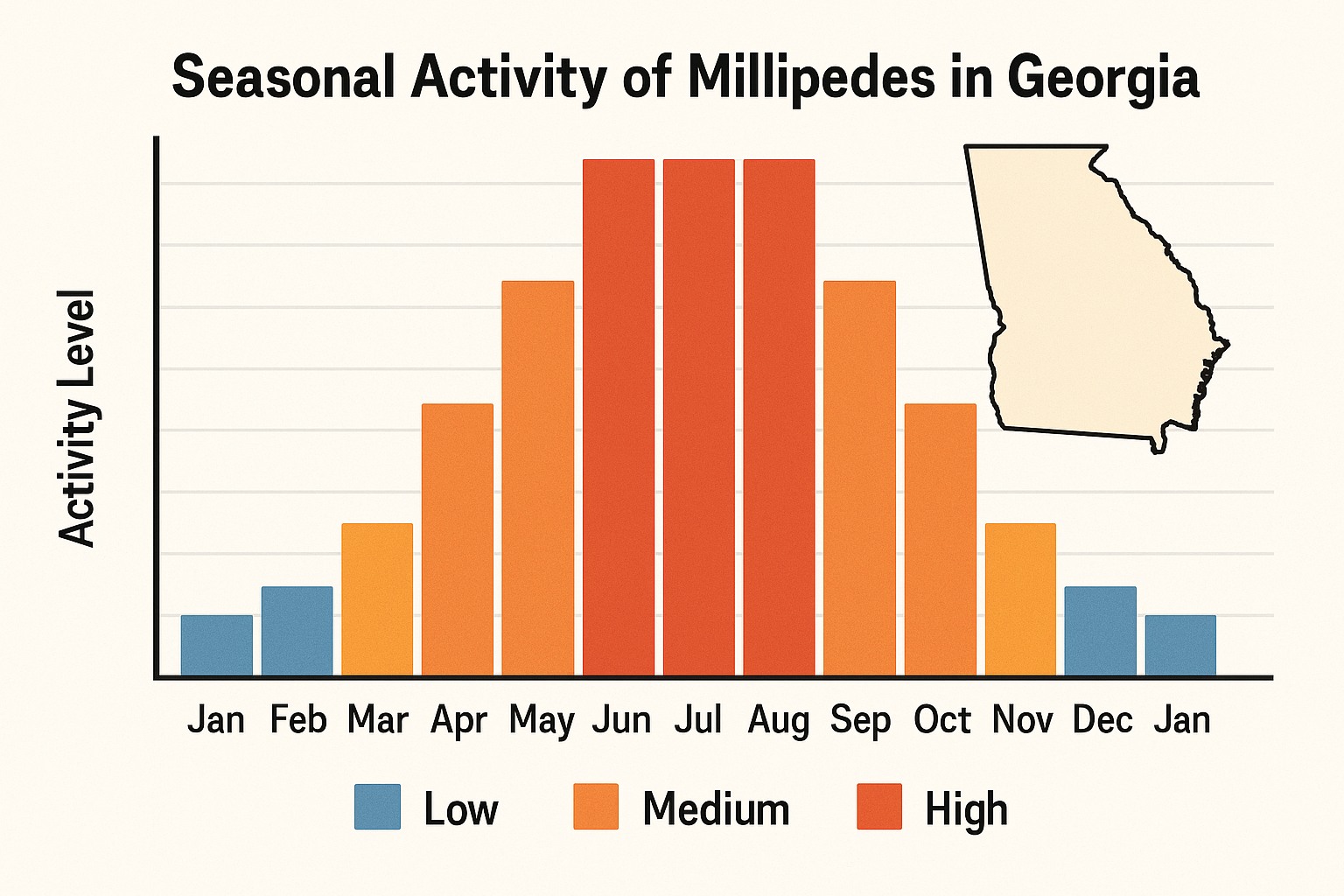
The accompanying infographic illustrates the typical seasonal pattern: low activity during the chilly winter months, a modest uptick in early spring, and a pronounced peak that stretches from late summer into the fall. Below is a concise monthly breakdown that explains why those shifts occur.
| Month | Activity Level | Why It Happens |
|---|---|---|
| January‑February | Low | Cool temperatures keep development sluggish; soil is often too dry for emergence. |
| March‑April | Medium | Spring rains raise soil moisture, prompting juveniles to surface in search of food. |
| May‑June | Medium‑High | Consistently warm days and occasional showers speed up molting cycles. |
| July‑August | High | Peak heat combined with frequent summer thunderstorms creates ideal breeding conditions. |
| September‑October | Peak | Late‑season rains and milder temperatures drive large numbers of adults into yards seeking shelter. |
| November‑December | Low | Cooling weather and reduced moisture signal millipedes to retreat deeper into the soil. |
Georgia’s climate zones—from the humid coastal plain to the cooler foothills—share a common thread: a pronounced wet season in late summer and early fall. Those rainfall patterns align perfectly with the peak activity window, so homeowners in any zone should stay vigilant during that time.
Seasonal Prevention Tips
- Spring: Examine mulch beds and garden borders for excess dampness. Replace soggy mulch with well‑draining material and fix any low‑lying areas that hold water.
- Summer: Keep lawns mowed to a moderate height and avoid over‑watering. Trim back vegetation that touches the foundation, reducing bridges for millipedes to crawl onto your home.
- Fall: Before the rainy season hits, seal cracks around windows, doors, and the foundation. A tight envelope discourages millipedes from slipping inside when they search for shelter.
For a deeper dive into pest seasonality, the NPMA Millipede Guide offers expert insights backed by nationwide research.
How Professionals Treat Millipede Infestations
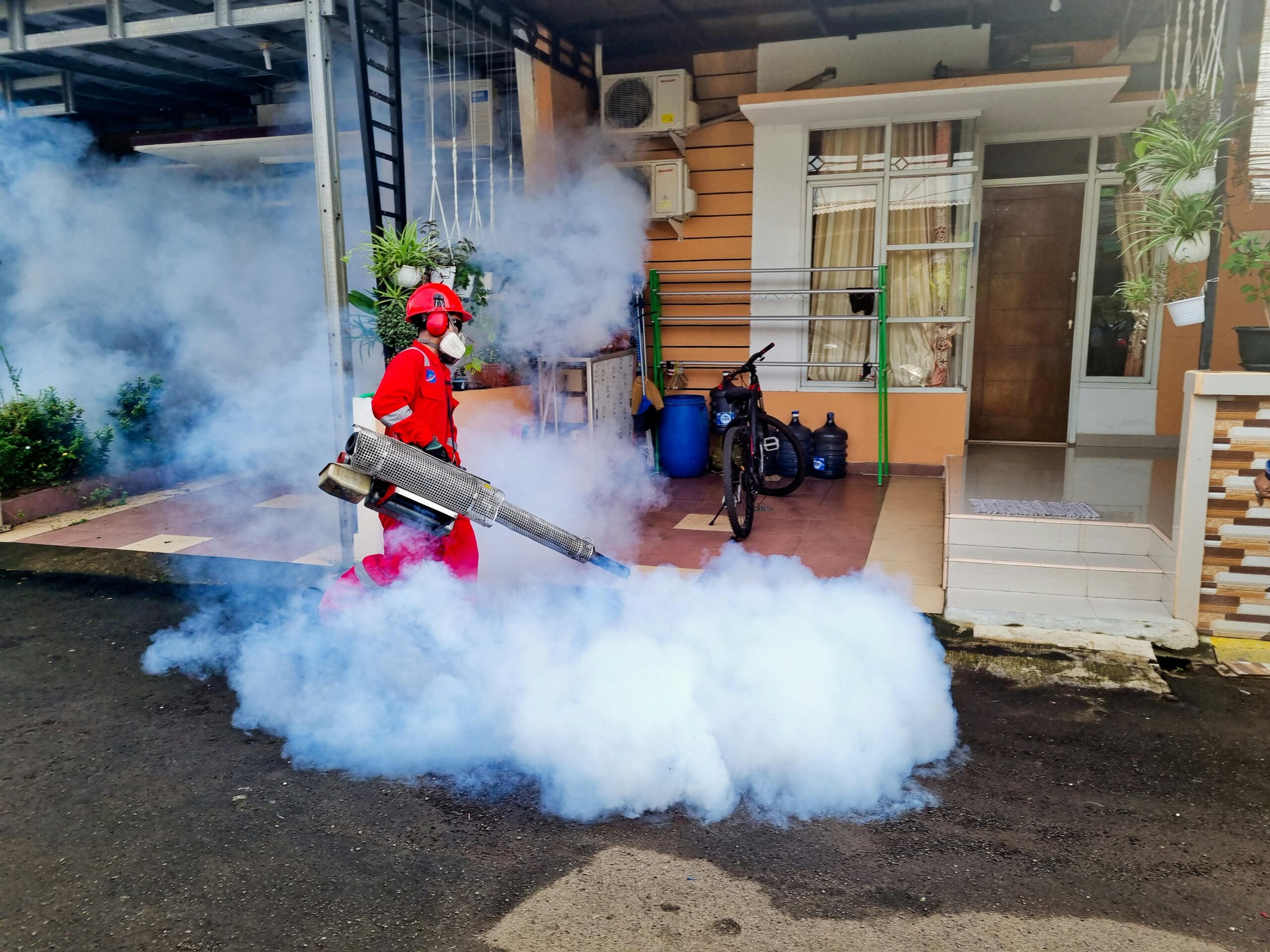
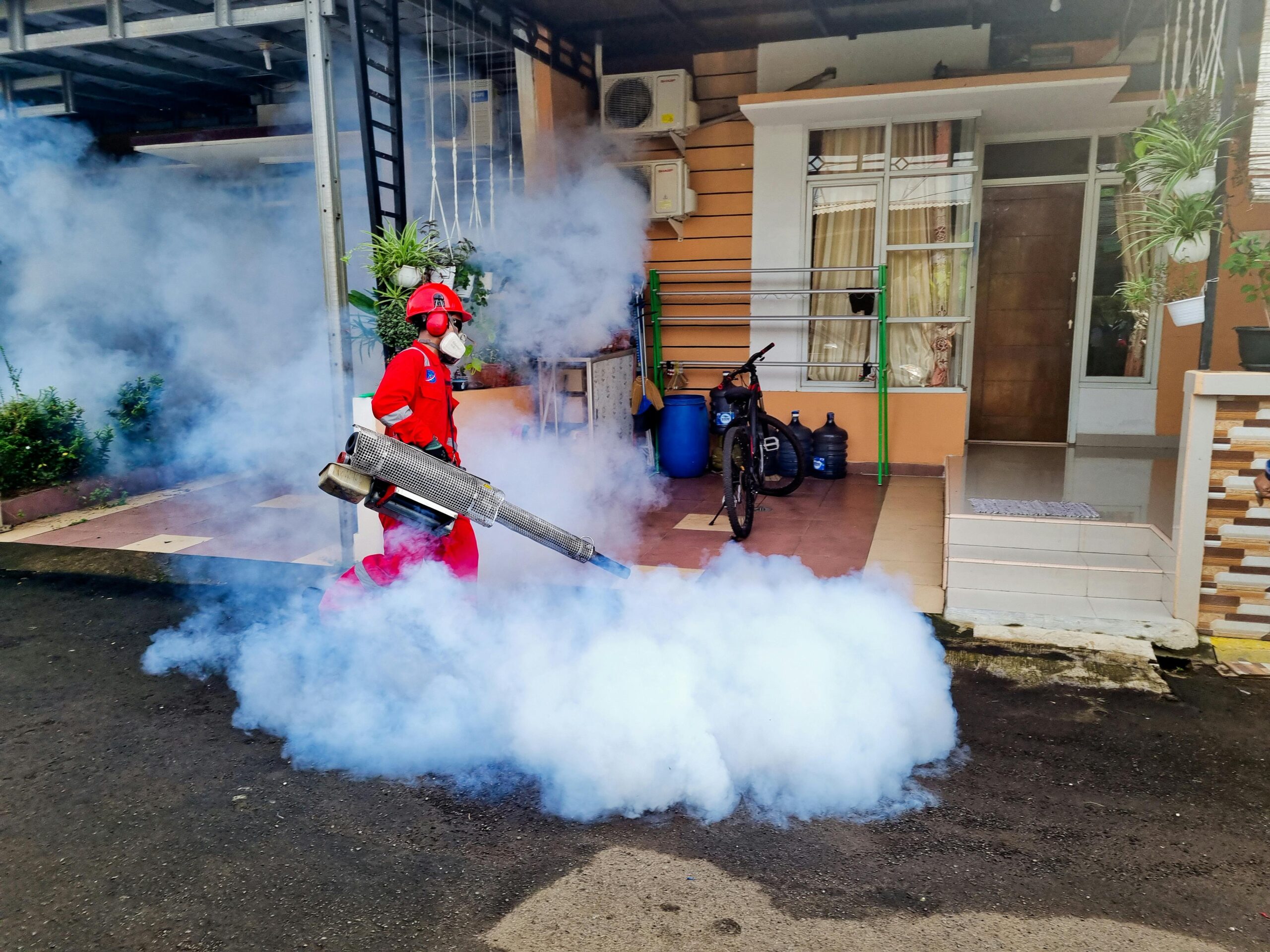
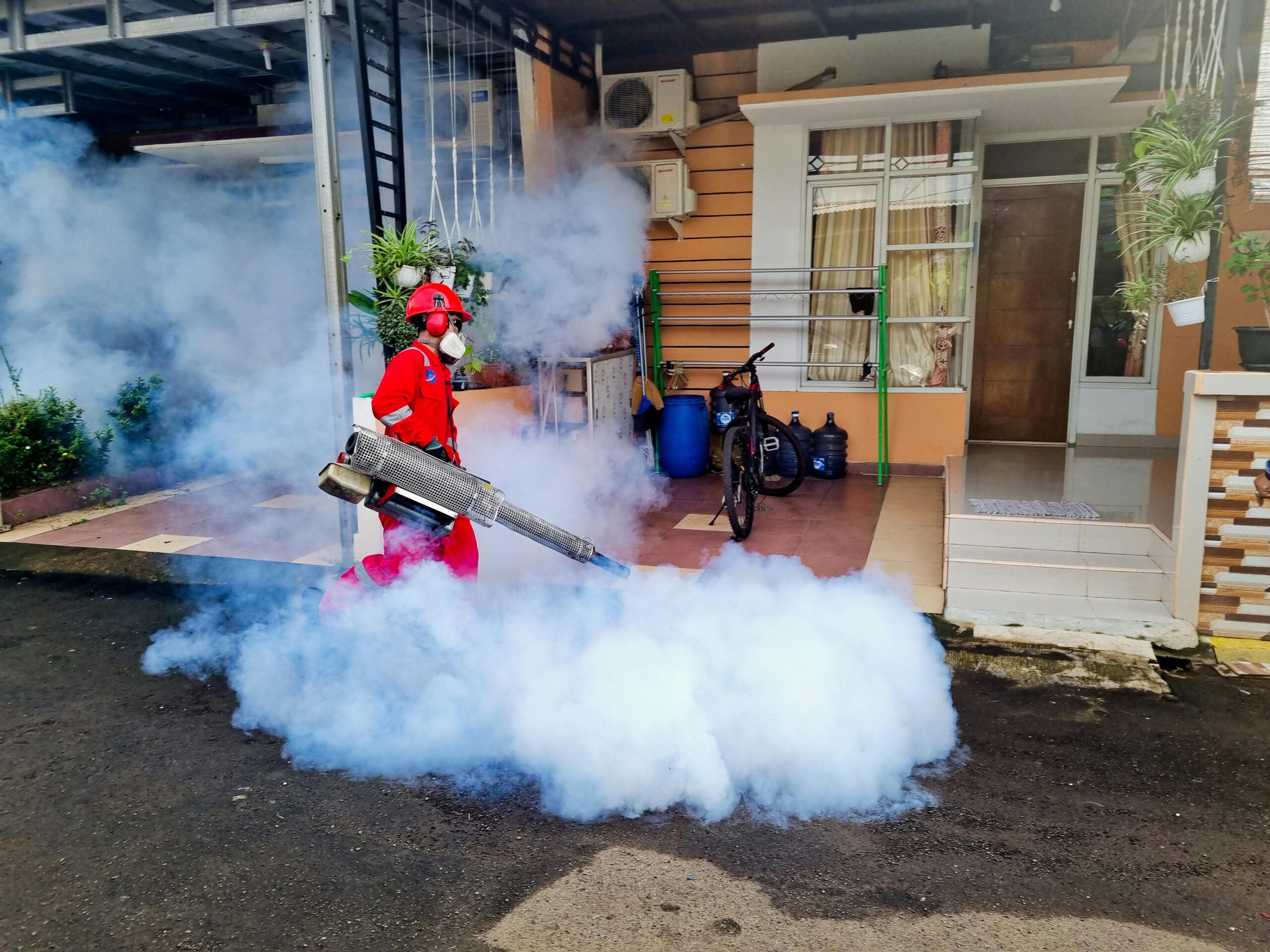
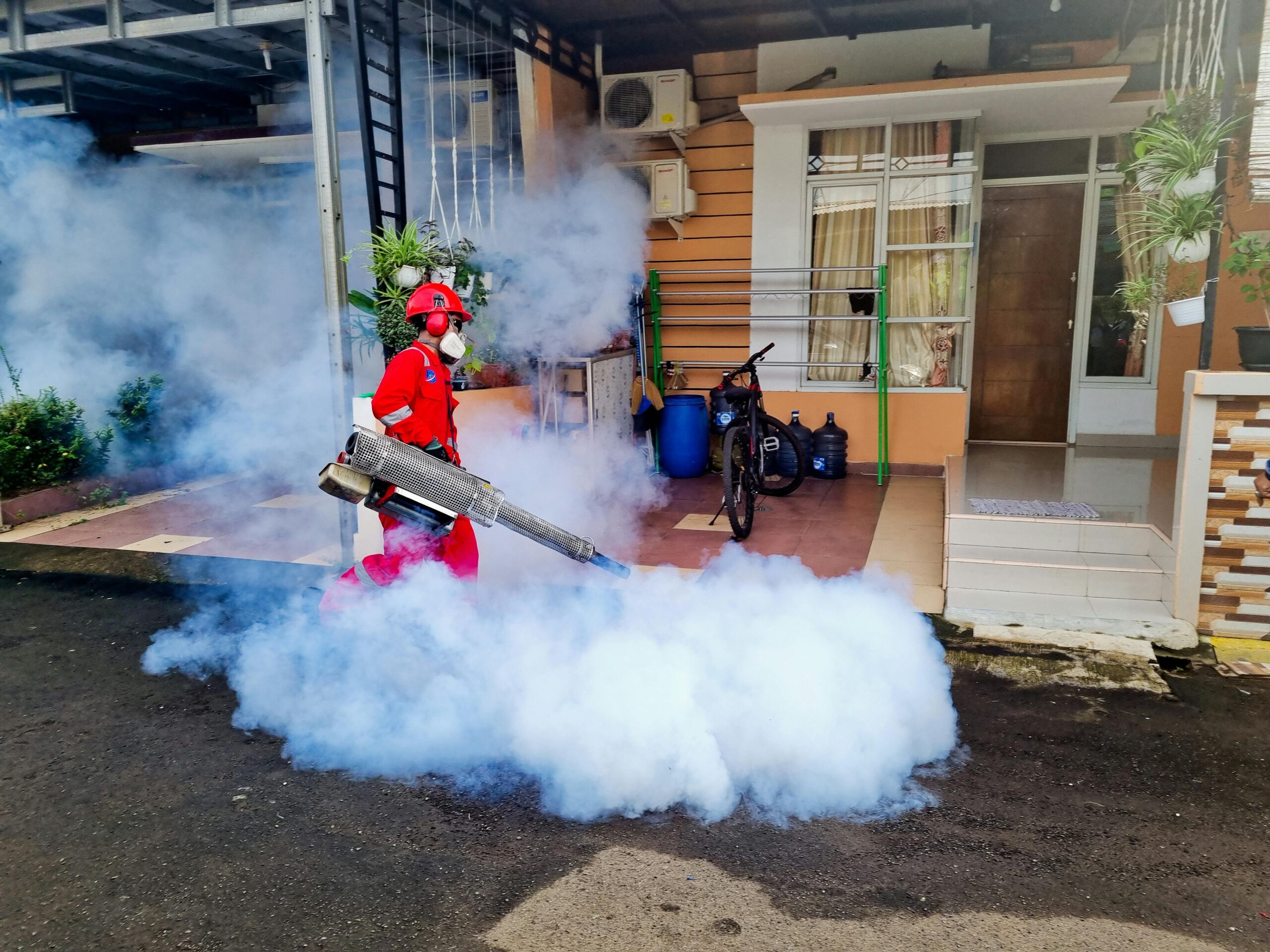
When millipedes march into a Decatur home, many homeowners reach for store‑bought sprays or DIY traps. Unfortunately, those shortcuts rarely work because they miss hidden entry points, use the wrong concentration, or leave untreated zones where the insects can regroup. A professional service, on the other hand, delivers complete coverage and uses products that are proven safe for families and pets.
Why DIY Often Falls Short
Over‑the‑counter aerosols are designed for surface insects, not for the moist, subterranean environments millipedes favor. Home users typically apply the chemicals only around visible trails, leaving the soil and foundation cracks untreated. In addition, many consumer products contain high‑risk ingredients that can linger on carpets, pet bedding, or food prep areas.
Professional Treatment Options
- Perimeter barrier sprays – Technicians apply a continuous ring of EPA‑approved chemical or botanical spray around the home’s exterior. The barrier creates a “no‑go” zone that repels millipedes before they can crawl onto the siding or enter through gaps.
- Soil drenches and granules – For colonies nesting under decks or in garden beds, a low‑toxicity granule or liquid drench is worked into the top 6‑12 inches of soil. This targets the insects at their source and reduces future re‑infestations.
- Moisture control measures – Because millipedes thrive in damp conditions, professionals pair chemical work with dehumidifiers, gutter repairs, and improved drainage. Removing excess moisture eliminates the habitat that attracts them.
- Low‑toxicity EPA‑compliant products – All applications follow the EPA Pesticide Guidelines, ensuring that residues are well below hazardous levels for children and pets.
Inspection and Safety First
A thorough inspection is the cornerstone of any treatment plan. Certified technicians locate entry points—cracks in the foundation, gaps around utility pipes, and vent openings—while also identifying moisture sources such as leaky basements or clogged gutters. This data guides the placement of sprays and drenches, guaranteeing that no hiding spot is missed.
Safety is never an afterthought. EPA‑approved formulations break down quickly, and applicators wear protective gear to prevent cross‑contamination. Homeowners receive a written safety sheet that outlines post‑treatment ventilation and pet‑restriction periods.

Why Hire a Licensed Professional?
Beyond the immediate knock‑down of millipedes, a licensed provider offers a warranty that covers re‑treatment if the infestation returns within the guarantee period. Follow‑up visits allow technicians to verify that barriers remain intact and that moisture issues have been resolved. Detailed documentation—inspection reports, product labels, and safety data sheets—provides peace of mind and a clear record for future homeowners.
Choosing Anthem Pest Control means you get a local team that combines scientific rigor with a homeowner‑first mindset, delivering fast relief without compromising safety.
Pricing Options for Millipede Extermination
At Anthem Pest Control we believe pricing should be as clear as a freshly sealed doorway—no hidden fees, no surprise add‑ons. Our goal is to give you a straightforward view of what each service entails so you can choose the protection level that fits your home and budget.
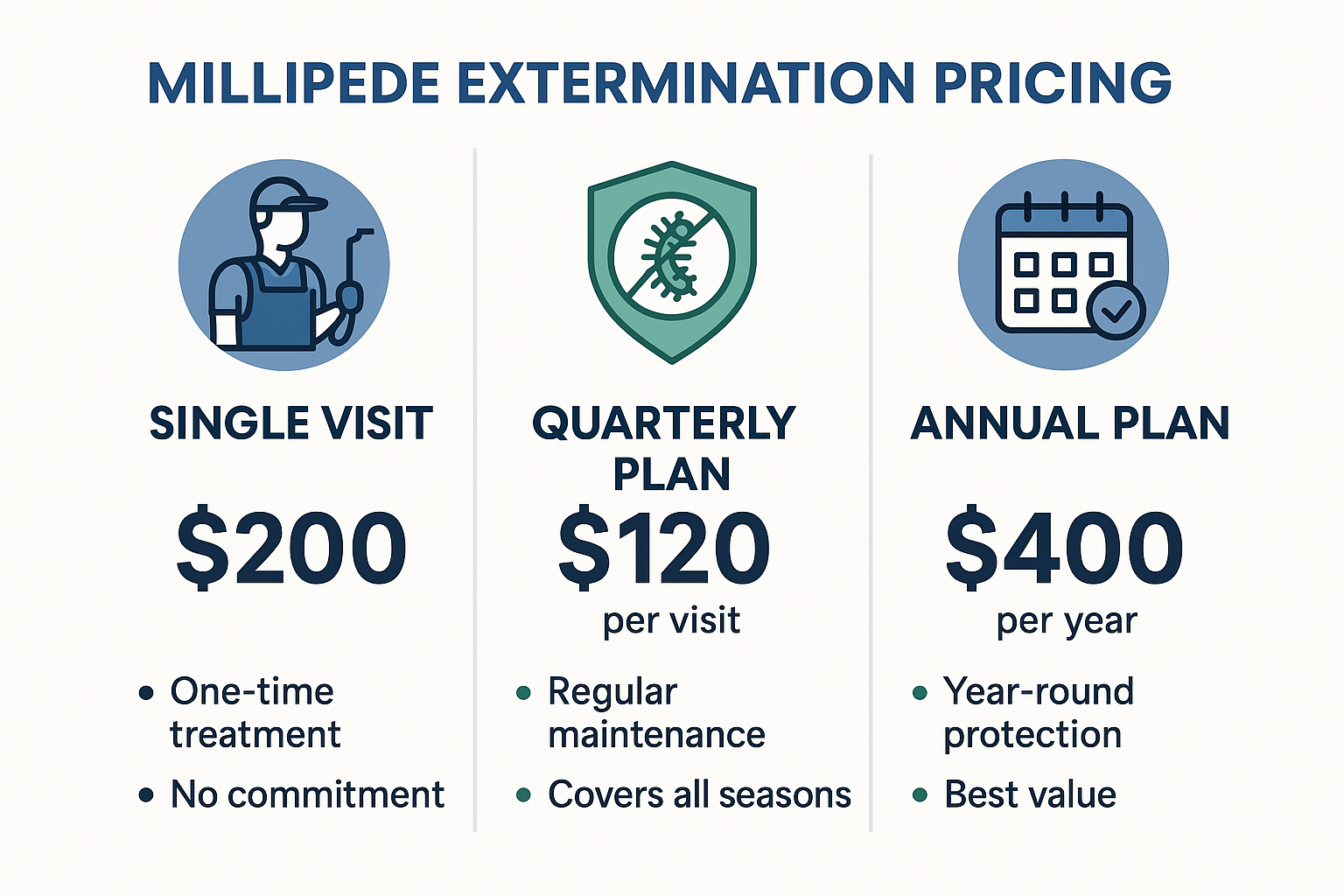
Single Visit – One‑Time Treatment
This package is perfect for minor outbreaks or homeowners who need an immediate fix. It includes a thorough on‑site inspection, identification of entry points, and a perimeter spray that targets the current millipede population. The treatment is applied once, giving you quick relief without a long‑term commitment.
Quarterly Plan – Seasonal Shield
Four visits per year keep your home protected through the peaks of millipede activity. In addition to the initial inspection and perimeter spray, each follow‑up visit includes re‑treatment where needed and a moisture assessment to address the damp conditions that attract millipedes. This plan balances cost and continuity, ensuring pests don’t regain a foothold.
Annual Plan – Unlimited Protection
Our most comprehensive option offers unlimited visits, priority scheduling, and a full‑service monitoring program. You receive regular inspections, immediate re‑treatments, detailed moisture management, and an annual report that outlines pest trends and preventive actions. This plan is designed for peace of mind and long‑term savings.
Benefits at a Glance
- Single Visit: Low upfront cost, fast results for isolated incidents.
- Quarterly Plan: Seasonal coverage reduces the chance of re‑infestation and spreads the expense across the year.
- Annual Plan: Unlimited service, priority response, and a documented prevention strategy that can lower overall pest‑related expenses.
Typical cost ranges (placeholders):
Single Visit – $X–$Y
Quarterly Plan – $X–$Y per year
Annual Plan – $X–$Y per year
Pricing varies based on property size, infestation severity, and any required moisture mitigation measures.
Evaluating ROI
Consider the hidden costs of a millipede problem: water damage, structural wear, and the continual purchase of over‑the‑counter sprays that rarely solve the root cause. A professional plan often pays for itself by preventing these expenses and by reducing the time you spend battling pests on your own.
Ready to see how the numbers work for your home? Request a free, no‑obligation quote today and get a customized estimate that reflects your specific situation.
Protect Your Home with Anthem Pest Control
Millipedes are easy to spot once you know what to look for: long, segmented bodies that curl into a tight coil when disturbed, and a tendency to gather in damp corners of basements, crawl spaces, or around doorways. Their activity spikes in late spring and early summer when Georgia’s rains create the perfect humidity. Professional treatment not only eliminates the current nuisance but also seals entry points, reducing the chance of future invasions.
Because millipedes thrive in moist environments, keeping your home dry is the single most effective preventive measure. Repair leaky gutters, ensure proper drainage away from the foundation, and use dehumidifiers in basements to lower humidity levels. Simple, proactive steps cut down the food sources and shelter that attract these harmless yet irritating crawlers. Regularly inspect your foundation for cracks and seal them promptly to deny millipedes a pathway inside.
Anthem Pest Control brings Georgia‑wide expertise to every job. Our technicians are fully licensed, undergo continuous training, and use only EPA‑approved products that are safe for families and pets. We don’t rely on a one‑size‑fits‑all approach; each treatment plan is customized after a thorough inspection, targeting the specific entry points and conditions of your property.
“If you’ve noticed millipedes gathering around your home or want to safeguard your property before the next rainy season, our team is ready to help. We offer free, no‑obligation quotes and transparent pricing so you can choose the plan that fits your needs.”
Don’t wait for the next storm to bring an unwanted crawl‑in. Call us today at 877‑371‑8196 or visit Anthem Pest Control for a fast, reliable solution.