Why Moths Matter for Homeowners in Peachtree City, GA
When you pull a box of cereal off the pantry shelf and find tiny, fluttering insects, it’s easy to dismiss them as a minor nuisance. In Peachtree City, however, those little moths can quickly become a costly problem that affects both your food stores and your wardrobe.
Pantry moths: the Indian meal moth
The Indian meal moth (Plodia interpunctella) is the most common pantry invader in Georgia homes. Adult moths are amber‑colored with speckled wings, and they lay dozens of eggs on the surface of grains, nuts, dried fruit, and pet food. Within a week, the larvae hatch, spin silken tunnels, and begin chewing through the product, leaving behind webbing, frass, and a distinct “coconut” odor.
Clothes moths: webbing and case varieties
Two species dominate the clothing arena: the webbing moth (Tineola bisselliella) and the case moth (Trichophaga tapetzella). Webbing moth larvae create dense, white cocoons on natural fibers such as wool, cashmere, and silk. Case moth larvae, on the other hand, construct portable cases from fabric fibers and debris, allowing them to move freely while feeding on the same materials.
What damage do they cause?
Pantry moths contaminate food by feeding on it and leaving behind silk, fecal pellets, and shed skins. Even a small infestation can render an entire bag of flour or a box of crackers unsellable, forcing you to discard the product and replace it. Clothes moths are even more insidious; a single larva can chew a hole through a sweater in just a few weeks, and a hidden infestation can spread to multiple garments, upholstery, and even carpets.
Secondary infestations and hidden risks
Beyond the obvious loss of food and fabric, moth larvae create a moist, organic environment that attracts secondary pests such as beetles, mites, and mold spores. The webbing left behind can trap dust and allergens, worsening indoor air quality—an especially concerning factor for families with asthma or allergies.
Why Peachtree City’s climate is a moth magnet
Georgia’s warm, humid summers and mild winters provide an almost year‑round breeding ground for moths. In Peachtree City, average summer temperatures hover around 88°F (31°C) with humidity often exceeding 70%. Those conditions accelerate egg development and larval growth, allowing multiple generations to emerge in a single season. Even the cooler months retain enough moisture to keep moths active inside heated homes.
The economic impact on homeowners
Financial losses add up quickly. Discarded pantry items can cost anywhere from $20 to $150 per infestation, depending on the size of the stockroom. Wardrobe damage is harder to quantify but can easily reach $200–$500 for a family’s seasonal clothing, especially if prized items like wedding gowns or heirloom blankets are affected. Finally, professional moth control in the Atlanta metro area typically starts at $150 for a basic treatment and can climb above $500 for comprehensive, whole‑home services.
Spotting early and why cost transparency matters
Early detection—such as spotting webbing in corners, finding larvae in flour bags, or noticing small holes in fabrics—can dramatically reduce both damage and treatment expenses. Knowing exactly what you’re dealing with lets Anthem Pest Control provide a clear, upfront quote, so you can budget for prevention before the problem spirals.
Spotting the Signs – How to Identify Pantry and Clothes Moth Infestations
When moths slip into your home, they rarely announce their arrival with a loud buzz. Instead, they leave subtle clues that, once recognized, can save you from costly damage and endless frustration. Below, we break down the most common visual cues for both pantry and clothes moths, point out the places they love to hide, and give you a quick‑check list you can run through in under ten minutes.
Pantry Moth Indicators
Pantry moths (often Plodia interpunctella, the Indian meal moth) thrive in dry, stored‑product environments. Look for these tell‑tale signs:
- Webbing inside grain containers. A fine, silken mesh that clings to the inside walls of flour bags, rice jars, or cereal boxes is a classic sign of larvae spinning protective tunnels.
- Larvae moving in flour or grain. Tiny, cream‑colored caterpillars, usually ½‑inch long, will wiggle when you stir the product. They often hide just beneath the surface, making them easy to miss unless you give the flour a quick shake.
- Adult moths fluttering near food. These moths are small (about ½ inch wingspan) and have a distinctive reddish‑brown front wing with a coppery fringe. Spotting them at night near pantry lights is a strong indicator of an active infestation.

The photo above shows a common pantry setup—glass jars stacked on a shelf. Moths love the gaps between jars and the tops of sealed containers, where they can lay eggs without disturbance.
Clothes Moth Indicators
Clothes moths (Tineola bisselliella, the webbing clothes moth) target natural fibers such as wool, cashmere, and fur. Their signs differ from pantry moths but are equally easy to spot:
- Silky tunnels or webbing in fabrics. Small, irregular patches of fine silk appear on the surface of sweaters, blankets, or stored garments. The webbing often looks like a thin, white cobweb and may be more concentrated around seams.
- Small, cream‑colored larvae. These caterpillars are about ¼‑inch long, with a slightly darker head. They feed on the keratin in wool, leaving tiny holes that resemble a pinprick.
- Shed skins (exuviae). As larvae grow, they molt. The discarded skins collect in corners of closets, under mattresses, or in the folds of stored coats.
Common Hiding Spots
Both types of moths favor dark, undisturbed areas where food or fibers are readily available. Typical hotspots include:
- Grain bins, cereal boxes, and pantry shelves (pantry moths)
- Closets, especially those with wool or cashmere items (clothes moths)
- Under mattresses or in box springs—especially if you store blankets or comforters there
- Behind baseboards or in wall voids where stored items are tucked away
Quick Inspection Checklist for Homeowners
Grab a flashlight, a small mirror, and a clean cloth, then follow this short routine. It takes less than ten minutes and can catch an infestation before it spreads.
- Pantry sweep: Open each grain, flour, or cereal container. Look for webbing on the lid, inside the walls, and at the bottom. Stir the contents—any movement may reveal larvae.
- Check for adult moths: Turn off the lights, then switch on a single overhead bulb. Moths are attracted to light and may flutter near the source.
- Clothing audit: Pull out sweaters, scarves, and blankets. Feel for silky tunnels or tiny holes. Use a magnifying glass to spot larvae or shed skins.
- Closet and drawer dive: Slide items out and examine the interior surfaces. Pay special attention to corners and the backs of hanging rods.
- Under‑furnace and mattress check: Lift mattresses and feel the box spring for webbing. Look under heavy furniture for hidden grain bins or stored fabrics.
- Record findings: Jot down the locations and types of evidence you discover. This information helps a professional pest technician target treatment precisely.
Spotting these signs early lets you act quickly—whether that means discarding contaminated food, cleaning affected fabrics, or calling Anthem Pest Control for a targeted, safe solution. Remember, moths multiply fast; a few missed larvae can become a full‑blown infestation in weeks.
Treatment Options – DIY vs Professional Moth Control
When moths take up residence in your pantry, closets, or even hotel‑room linens, the first instinct is often to reach for a quick fix. While a handful of do‑it‑yourself (DIY) tools can buy you time, understanding the real limits of those methods helps you decide when it’s time to call in a certified technician. Below we break down the most common DIY tactics, why they sometimes fall short, and what professional services bring to the table.
DIY Approaches
Homeowners typically start with low‑cost, readily available solutions. Here are the four most popular:
- Pheromone traps – Sticky cards that lure adult moths with sex‑attracting scents, allowing you to monitor and reduce adult populations.
- Freezer treatments – Placing infested items (wool, silk, or small fabrics) in a freezer at 0°F (‑18°C) for at least 72 hours kills eggs, larvae, and adults.
- Airtight storage – Vacuum‑sealed bags or containers prevent moths from accessing food and fabrics, essentially “starving” them.
- Household insecticides – Sprays or powders labeled for pantry or carpet insects can knock back a light infestation.
These methods are appealing because they cost little, require no appointments, and can be implemented immediately. For a minor, isolated problem—say, a few moths fluttering around a box of flour—DIY can be a reasonable first line of defense.
Limitations of DIY
Despite their convenience, DIY solutions often leave hidden pockets of infestation untouched. Moth larvae can burrow deep into fabrics, wood, or grain bins, making surface‑level traps and sprays ineffective. This incomplete eradication sets the stage for re‑infestation, especially when eggs hatch weeks after the initial treatment.
Another concern is chemical exposure. Many over‑the‑counter insecticides contain pyrethroids or organophosphates that, while generally safe when used as directed, can pose health risks to children, pets, and anyone with respiratory sensitivities. Moreover, repeated use can lead to resistance, reducing the product’s efficacy over time.
Finally, DIY methods rarely address the root cause—often a combination of poor storage practices, high humidity, and structural gaps that allow moths to enter and hide. Without a comprehensive approach, you may find yourself in a perpetual cycle of “quick fixes” that never fully solve the problem.
Professional Methods
Certified pest technicians bring a suite of tools designed for thorough, lasting control. The most common professional tactics include:
- Targeted baiting – Specialized pheromone‑bait stations placed in strategic locations capture both adult moths and, in some cases, larvae.
- Heat treatment – Raising ambient temperature to 120‑130°F (49‑54°C) for several hours kills all life stages hidden in carpets, upholstery, and structural voids without chemicals.
- UV sanitation – High‑intensity ultraviolet light is used to disinfect surfaces, especially in hospitality settings where linens and curtains harbor hidden larvae.
- Integrated Pest Management (IPM) – A holistic plan that combines monitoring, exclusion, sanitation, and selective chemical use to keep moth populations below damaging levels.
These methods are backed by scientific research and are performed by technicians trained to identify hidden hotspots—such as wall voids, HVAC ducts, and under‑floor spaces—where moths often lay eggs.
Safety and EPA‑Approved Products
Professional exterminators only apply products that have passed rigorous EPA evaluation for indoor use. These formulations are designed to minimize off‑target exposure while delivering rapid knock‑down of moth populations. Technicians also wear personal protective equipment and follow strict application protocols, ensuring that residues on food‑storage areas or fabrics remain well within safety limits.
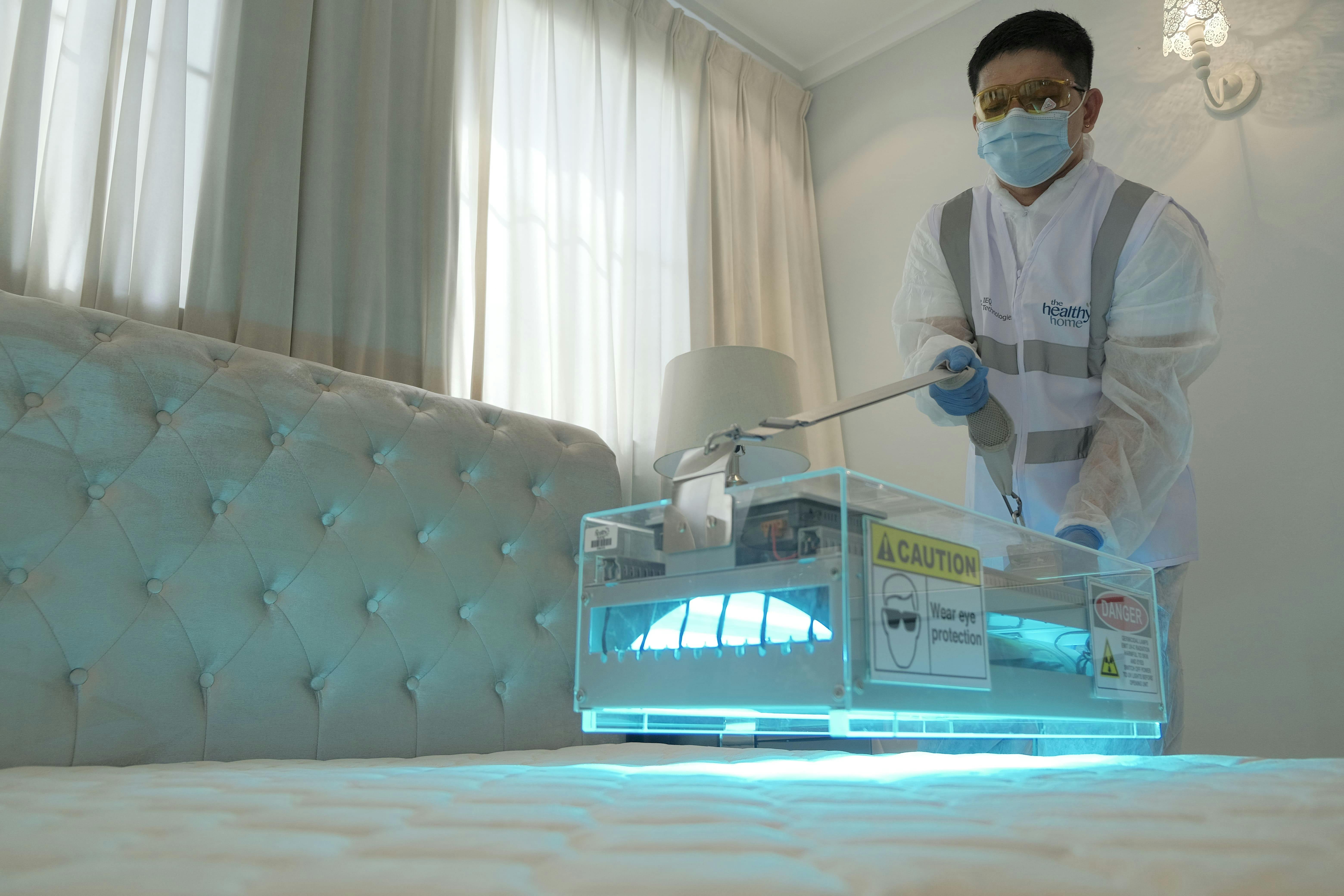
In the photo above, a certified technician demonstrates UV sanitation in a hotel room. The intense light penetrates fabric fibers and carpet tufts, destroying concealed larvae that would otherwise escape a spray‑only approach. This level of thoroughness is why many hospitality operators trust professional moth control for guest‑room turnover.
When to Call a Pro
Even the most diligent DIYer should consider professional help under the following circumstances:
- Severe infestations – When moths appear in multiple rooms or on a large scale, indicating a widespread breeding source.
- Hidden larvae – If you suspect larvae are embedded in walls, insulation, or deep‑pile carpets where traps cannot reach.
- Repeated DIY failures – Multiple cycles of traps and sprays without lasting results suggest that the problem is beyond a simple surface treatment.
- Health concerns – Households with infants, seniors, or pets benefit from the reduced chemical exposure that professional, targeted treatments provide.
At Anthem Pest Control, we start each engagement with a detailed inspection, pinpointing exactly where moths are breeding and which method—heat, UV, baiting, or a combination—will deliver the quickest, safest relief. Our transparent pricing and EPA‑approved product lineup give homeowners confidence that the solution is both effective and affordable.
How Much Does Moth Extermination Cost in Peachtree City?
When you call a local professional in Peachtree City, the first thing you’ll hear is a price range. For pantry moths, most homeowners see quotes between $150 and $300 for a complete treatment, while clothes‑moth eradication typically runs $180 to $350. These figures reflect a one‑time service that includes a thorough inspection, a targeted pesticide application, and a final walk‑through to confirm the pests are gone.
What Influences Your Bill?
- Size of the home: Larger square footage means more treatment zones and higher material costs.
- Severity of infestation: A light, localized problem may be handled in a single visit, whereas a heavy infestation often requires multiple applications and follow‑up monitoring.
- Treatment type: Quick‑kill sprays, bait stations, or environmentally‑friendly heat treatments each carry different price points.
- Follow‑up visits: Some situations need a post‑treatment inspection or a second dose to ensure the moth population is fully eliminated.
- Seasonality: Scheduling during peak moth season can sometimes increase demand and affect pricing.
Fast‑Track Extermination Service
The fast‑track option is designed for homeowners who need rapid relief. This service typically includes a high‑potency, quick‑kill pesticide applied in a single, intensive visit. Because the chemicals are stronger and the technician’s time is concentrated, the upfront cost is higher—usually ranging from $250 to $400 for a standard 2,000‑sq‑ft home. The upside is a dramatically shorter treatment timeline: most clients see a noticeable reduction in moth activity within 24‑48 hours, and the entire job is wrapped up in one day.
Standard Service Option
The standard plan spreads the work across two to three visits, allowing for thorough monitoring and a more gradual eradication. The first appointment covers inspection and an initial low‑impact treatment, followed by a second visit to apply a booster and a final check‑up to confirm success. Because each visit is less intensive, the per‑visit charge is lower—typically $120 to $180 per appointment—bringing the total cost for a full treatment to $240 to $350. This approach is ideal for families who prefer a balanced budget and want ongoing assurance that the moths won’t return.
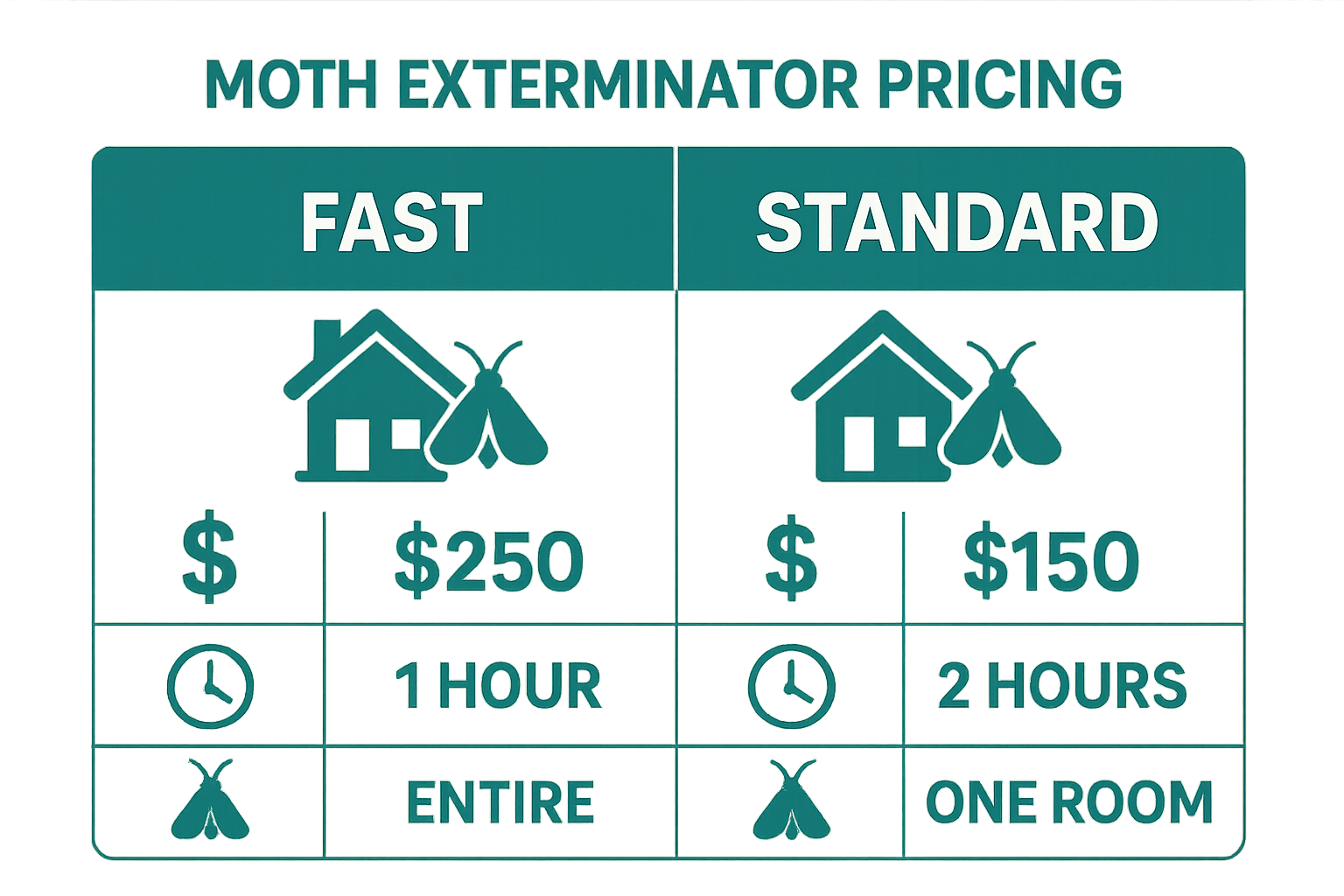
For a deeper dive into the numbers, check out the detailed pricing breakdown compiled by Anthem Pest: Anthem Pest Moth Control Cost – Peachtree City, GA. This resource outlines regional averages, explains why certain variables raise or lower the final bill, and helps you decide which service aligns best with your budget and urgency.
Timing Is Everything – Seasonal Peaks for Moth Activity in Georgia
Moths may seem harmless until they turn your pantry into a buffet or your closet into a shredded mess. In Georgia’s climate, the tiny insects follow a predictable rhythm driven by temperature and humidity. Knowing that rhythm lets you schedule inspections and treatments before a small problem becomes an infestation.
Understanding the Moth Life Cycle
Both pantry and clothes moths undergo four stages: egg, larva, pupa, and adult. The larval stage is where damage occurs—pantry larvae gnaw through grains, while clothes larvae feed on natural fibers. Warm days (70‑85°F) accelerate egg hatch and larval growth, whereas high humidity (above 60 %) keeps food sources moist enough for larvae to thrive. When conditions dip below 55°F or become overly dry, development slows dramatically, giving you a lull in activity.
Seasonal Peaks in Georgia
Georgia’s long, warm summers and mild autumn create two distinct windows of heightened moth activity. The chart below visualizes month‑by‑month risk for the two most common household species.
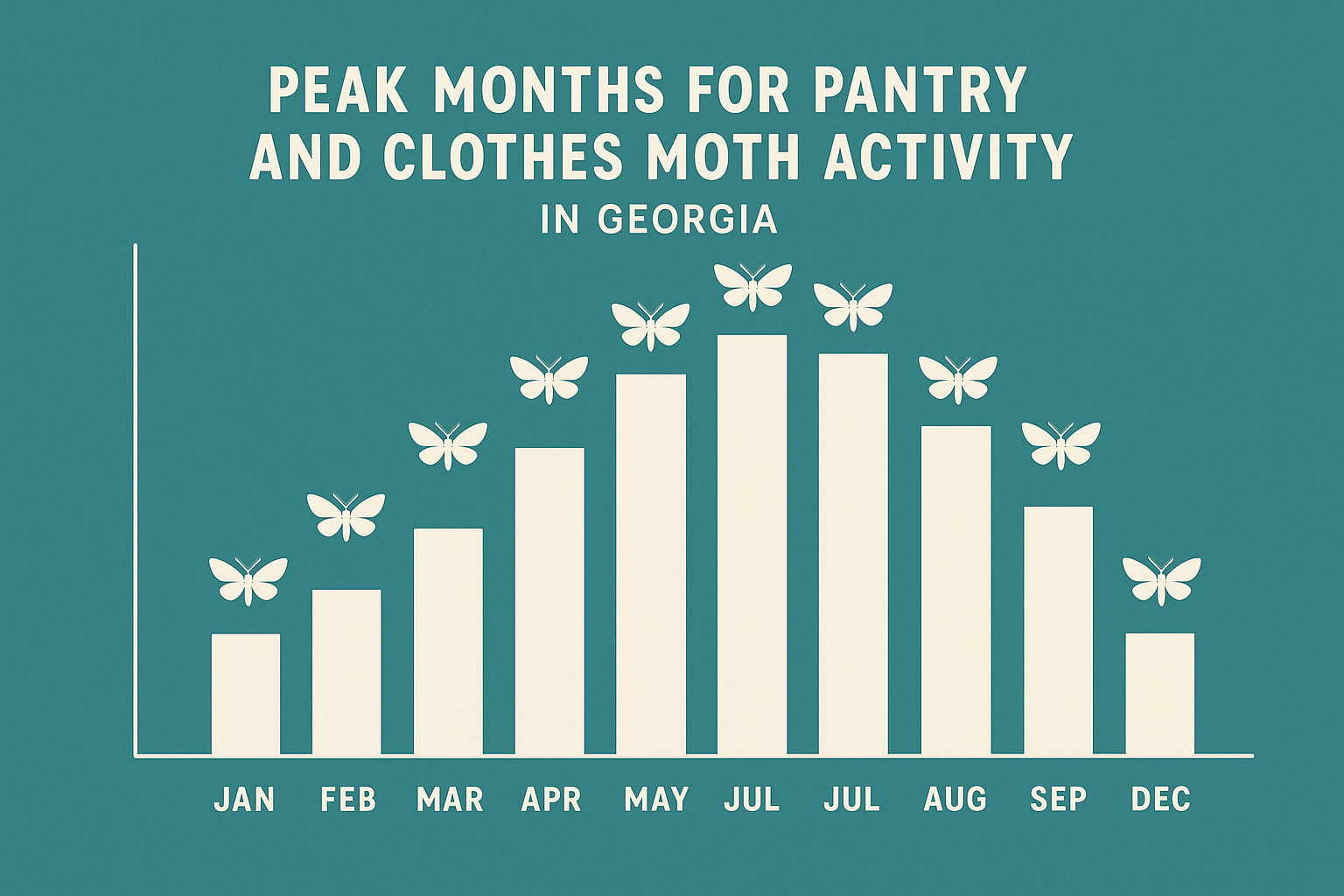
Pantry moths (e.g., Indian meal moth) typically surge from June through August when stored grains are warm and humid. Clothes moths (e.g., webbing moth) reach their apex later, from September to November, as indoor heating raises indoor temperatures while outdoor humidity falls, creating the perfect environment for larvae hidden in wool, silk, or fur.
Aligning Inspections with the Peaks
Plan a thorough visual inspection at the start of each peak period. For pantry moths, schedule a walk‑through in early June; for clothes moths, aim for early September. During these checks, look for tell‑tale signs: small webbing in grain containers, clusters of tiny specks (larvae or frass) near pantry items, and silky tubes or cocoons in closets or drawers.
Early detection lets you intervene with targeted traps or spot treatments before the population explodes. If you catch a few adults in a pantry jar, a single application of a pheromone trap can prevent dozens of larvae from ever hatching.
Pre‑emptive Actions to Stay Ahead
Before each peak, take these proactive steps to starve moths of food and shelter:
- Deep clean the pantry: Remove all items, vacuum shelves, wipe with a mild detergent, then run a 10‑minute cycle on the highest heat setting for any removable shelf liners.
- Seal food properly: Transfer grains, cereals, and dried fruit into airtight glass or heavy‑wall plastic containers. Moths can’t penetrate a good seal.
- Rotate clothing: Store out‑of‑season garments in sealed garment bags, and give each item a quick brush to dislodge any hidden larvae before putting it away.
- Use pheromone traps pre‑emptively: Place a few pantry moth traps in corners of the kitchen and a couple of clothes‑moth traps in closets a month before the expected peak.
- Check for moisture: Repair leaky pipes, use a dehumidifier in basements, and keep indoor humidity below 50 % during the summer months.
By syncing your inspection schedule with the natural peaks and completing these preventive actions, you give yourself a solid 2‑to‑3‑week head start on any moth invasion. When the insects finally appear, they’ll find a tightly sealed pantry, freshly laundered wardrobes, and a home that’s already been treated—making professional extermination an inexpensive finish rather than a costly emergency.
Protect Your Home Today with Anthem Pest Control
When moths find a foothold in your home, the damage can spread quickly—from shredded fabrics to compromised insulation. Catching the problem early not only saves you hundreds of dollars in repairs, but also restores the peace of mind that comes with knowing your family and belongings are safe. A prompt, professional treatment stops the infestation before it reaches a tipping point, letting you avoid costly emergency calls and the stress of living with a persistent pest problem.
Why Anthem Pest Control Is the Right Partner
- Licensed technicians: Every field agent holds state‑approved certifications and stays current on the latest moth‑control techniques.
- EPA‑approved methods: We use products that are proven effective yet safe for children, pets, and the environment.
- Transparent pricing: No hidden fees—our estimates break down each step so you know exactly what you’re paying for.
- Local expertise: Georgia’s climate creates a unique pest cycle. Our teams understand the seasonal patterns that drive moth activity in Peachtree City and surrounding areas.
- Comprehensive service: From inspection to treatment and follow‑up monitoring, we handle every stage so you don’t have to juggle multiple contractors.
Ready for a Professional Assessment?
If you’ve noticed any of the warning signs—unusual webbing, damaged clothing, or a sudden increase in moth activity—our friendly crew is standing by. We’ll walk you through what we see, answer your questions, and recommend the most effective, cost‑efficient solution for your home.
Free, No‑Obligation Quote & Same‑Day Inspection
Anthem Pest Control offers a complimentary quote with no pressure to commit. When you schedule, we can often arrange a same‑day inspection, so you won’t have to wait weeks for relief. Our goal is to get you back to a moth‑free home as quickly as possible, without breaking the bank.
Give us a call now at 877‑371‑8196 to set up your free assessment. Our local experts are just a phone call away, ready to protect your home and give you confidence that the problem is handled by professionals who care.
Visit Anthem Pest Control for more information on our services, customer testimonials, and seasonal pest tips.