Why Terminals Are a Critical Homeowner Concern
What are termite species that hit U.S. homes?
Termites are small, wood‑eating insects that live in colonies, often unnoticed for years. In the United States the two culprits that cause the most damage are subterranean termites—which build mud tubes from the soil into a home’s foundation—and dry‑wood termites, which live directly inside the wood without needing soil contact. A third, less common player, the damp‑wood termite, prefers moist, decaying timber but can still infiltrate a well‑maintained house.
How much damage are we really talking about?
The Environmental Protection Agency (EPA) estimates that termites are responsible for roughly $5 billion in structural damage each year across the country. That figure eclipses the combined cost of most other residential pests, underscoring why termites rank at the top of a homeowner’s risk list.
Why are termites so hard to spot?
Termite colonies thrive underground or inside the wood, sending out thousands of foraging workers through tiny tunnels that blend with your foundation, crawl spaces, or even the siding of your home. Swarmers—winged termites that emerge in spring—are often the first visible sign, yet many homeowners mistake them for harmless flies. Because the insects themselves remain hidden, the damage accumulates silently until it reaches a point where you can see sagging floors, cracked walls, or hollowed‑out beams.
Financial and safety stakes of ignoring an infestation
Beyond the immediate repair bills—often ranging from a few thousand dollars for localized fixes to $30 000 + for extensive structural reinforcement—untreated termites jeopardize the safety of your family. Compromised support beams can lead to floor collapse, and moisture‑laden damage encourages mold growth, creating indoor air‑quality concerns. Most standard homeowner insurance policies exclude termite damage, meaning the cost falls squarely on the homeowner’s shoulders.
Early awareness saves money and peace of mind
Detecting termites early—through routine inspections, moisture control, and vigilant observation of tell‑tale signs like mud tubes or discarded wings—can reduce treatment expenses dramatically. A professional extermination and preventive barrier installed before a colony establishes can cost a fraction of the price of post‑damage reconstruction.
Looking ahead: mapping risk zones in your neighborhood
Understanding where termites are most active helps you prioritize inspections and preventive measures. In the next section we’ll explore how local soil type, climate patterns, and historic infestation data combine to create “risk zones” across Suwanee and surrounding neighborhoods, giving you a clear roadmap for protecting your home.
Mapping Termite Risk Zones in Your Neighborhood
Understanding where termites are most likely to strike is the first line of defense for any Suwanee homeowner. By looking at the land beneath and around your house, you can pinpoint “hot spots” before a colony even establishes a foothold. Below we break down the key risk factors, show you how to read aerial imagery, and give you a straightforward DIY audit you can complete in an afternoon.

High‑Risk Factors to Watch
- Soil type and moisture. Clay soils retain water longer than sandy soils, creating a damp environment that termites love. Low‑lying areas that collect rain or have poor drainage are especially vulnerable.
- Wood‑to‑soil contact. Anything that allows timber to touch the ground—foundation blocks, deck posts, or utility poles—acts as a direct bridge for termites to travel from the soil into your home.
- Proximity to trees and vegetation. Mature trees shed bark and organic debris, which can decay into a food source. Roots that hug the foundation often bring moisture up to the structure, encouraging termite activity.
- Construction type. Homes built on slab foundations with concrete footings are generally less inviting than those with crawl spaces or basements where humidity can linger.
Reading Aerial Views
Satellite or drone images give you a bird’s‑eye snapshot of the landscape that ground‑level inspections can miss. Here’s a quick guide to interpreting those pictures:
- Identify low‑lying zones. Look for darker patches on the image; they usually indicate higher moisture content or shaded areas where water pools.
- Spot tree density. A cluster of mature trees near a house signals a potential food source and a conduit for moisture.
- Trace wood‑to‑soil connections. Zoom in on the perimeter of your home. Any visible wooden decks, fences, or siding that appears to touch the ground should be flagged.
- Check drainage patterns. Follow visible gutters, downspouts, and any swales that direct water toward the foundation.
DIY Risk‑Zone Audit: Step‑by‑Step
Grab the aerial photo above (or pull a fresh satellite view from Google Earth) and follow these five steps:
- Mark your property’s outline. Use a simple drawing tool or a printed copy to trace the perimeter.
- Highlight high‑moisture areas. Shade any darker zones within or adjacent to your lot.
- Flag wooden elements touching soil. Circle deck posts, fence rails, and any exposed lumber that meets the ground.
- Identify nearby trees. Draw a radius of 10‑15 feet around each tree; any structure within that circle should be inspected more closely.
- Prioritize hotspots. Rank each marked area from “low” to “high” based on the combination of moisture, wood contact, and tree proximity. Start inspections at the highest‑ranked spots.
Take photos of each hotspot and note the date. This simple log becomes a powerful reference when you call a professional—like Anthem Pest Control—to discuss targeted treatments.
Why Early Detection Matters
Termites work silently. A small colony can consume up to ½ inch of wood per year, but damage often goes unnoticed until structural integrity is compromised. By identifying hotspots early, you give yourself a window of weeks—sometimes months—to intervene with preventative measures such as soil barriers, bait stations, or localized treatments. Early action not only protects your home’s value but also saves you from costly repairs down the line.
For a deeper dive into termite biology, inspection standards, and federal guidelines, visit the EPA termite resource. Armed with this knowledge and a clear visual map, you’re ready to stay one step ahead of the pests that threaten Suwanee homes.
Spotting Early Warning Signs of Termite Activity
Detecting termites before they compromise your home’s structure can save you thousands of dollars in repairs. The good news is that most colonies leave tell‑tale clues you can spot with a quick walk‑through and a few simple tools.
Common signs to watch for
- Mud tubes – smooth, pencil‑diameter tunnels that run from the soil to wood surfaces. They protect termites from predators and keep the colony humid.
- Hollow‑sounding wood – tap a piece of wood; a dull thud often means the interior has been eaten away, leaving a void.
- Discarded wings – after a swarm, termites shed their wings in a thin, papery layer that looks like a light dusting on windowsills or near light fixtures.
- Frass piles – dry, pellet‑like droppings that resemble sawdust but are more uniform in size. They are usually found near active tunnels.
Where to look
- Foundation walls and the perimeter of the slab.
- Crawl spaces, especially where the joists meet the foundation.
- Attic joists and roof decking, particularly around vents and chimneys.
- Exterior walls that are in direct contact with soil or mulch.
Termite damage vs. other pest damage
Not every hollow spot or wood dust means termites. Here’s a quick way to tell the difference:
| Feature | Termites | Carpenter Ants |
|---|---|---|
| Tunnel appearance | Uniform, mud‑lined tubes | Irregular, dry galleries without mud |
| Wood condition | Hollow, smooth interior | Chewed, rough surfaces with visible shavings |
| Frass | Pellet‑shaped, uniform | Coarse sawdust, often mixed with wood fibers |
| Activity time | Primarily nocturnal, hidden | Active during daylight, especially at night near lights |
Simple inspection tools you can use
- Flashlight – a bright beam reveals dark tunnels and hidden frass in crawl spaces or attic corners.
- Screwdriver or awl – gently probe wood; a soft, spongy feel often indicates termite hollowing.
- Moisture meter – termites thrive in damp wood; readings above 15% moisture are a red flag.
When to call a professional
If you encounter any of the signs above, especially mud tubes or extensive frass piles, it’s time to contact a licensed exterminator. A professional can confirm the infestation with a thorough inspection, identify the species, and recommend a treatment plan that protects your home while complying with local regulations. Delaying the call can allow the colony to expand, turning a manageable problem into a costly structural repair.
Treatment Options – Professional Services vs. DIY Kits
Professional methods at a glance
When a termite colony has taken hold, licensed technicians typically reach for four proven tools: liquid termiticides that saturate the soil beneath a home, baiting systems that lure workers to a poisoned station, whole‑structure fumigation that fills the house with a gas lethal to all life stages, and localized spot treatments for isolated hot spots. Each method is backed by EPA‑approved chemicals and a strict application protocol designed to eliminate hidden galleries and prevent re‑infestation.
Why homeowners often choose the pros
- Guaranteed coverage: Professionals map out the entire perimeter, ensuring no voids where termites can slip through.
- Warranty and follow‑up: Most companies, including Anthem Pest Control, offer a service guarantee that covers retreatment if activity resurfaces within a set period.
- Expertise: Trained technicians can identify the species, assess colony size, and select the most effective chemical blend.
- Regulatory compliance: Licensed applicators follow state and federal safety standards, reducing the risk of accidental exposure to occupants or pets.
DIY kits: What’s on the shelf?
Do‑it‑yourself solutions have grown popular thanks to low upfront costs and the promise of “quick fixes.” Common products include foam sprays that claim to penetrate wood, pre‑filled bait stations you can place in crawl spaces, and wood‑treating sealants marketed as termite‑resistant. These kits are sold at home‑improvement stores and online marketplaces, often packaged with step‑by‑step instructions.
The hidden risks of going solo
- Incomplete coverage: Termites travel through tiny cracks and voids that a homeowner may overlook, leaving a safe haven for the colony.
- Misuse of chemicals: Over‑application can damage finished wood, while under‑application fails to reach the pests.
- Lack of long‑term protection: Most DIY products offer a short‑term barrier; without regular monitoring, reinfestation is common.
- Safety concerns: Improper handling of termiticides can expose family members and pets to hazardous residues.
Cost‑comparison snapshot
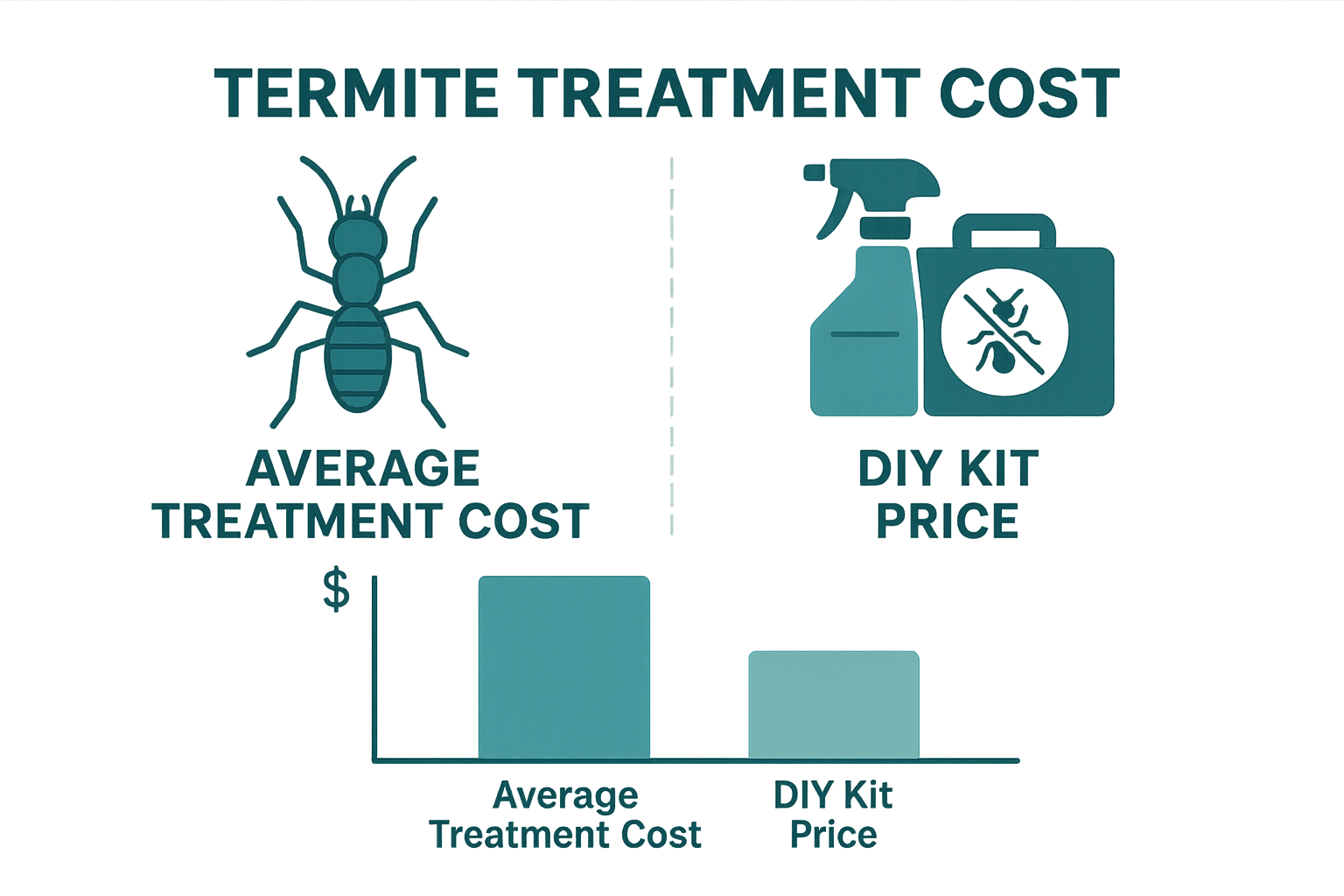
The infographic above illustrates typical price ranges: a full‑service professional treatment in Suwanee, GA usually runs between $1,200 and $2,500, while a DIY kit averages $30 to $150. Remember, the lower price point often reflects limited protection and the potential need for multiple re‑applications.
How to decide what’s right for you
Choosing between professional and DIY approaches hinges on three factors:
- Budget: If the upfront cost is a barrier, a DIY kit can buy you time, but factor in the likelihood of additional treatments later.
- Infestation severity: Visible damage, active mud tubes, or multiple colonies demand the thoroughness only a licensed technician can provide.
- Skill level and safety comfort: Homeowners comfortable with reading labels and following strict safety steps may manage a small, localized problem, but most situations benefit from expert handling.
For most Suwanee homeowners, the peace of mind that comes with a professional warranty, EPA‑approved chemicals, and a comprehensive inspection outweighs the allure of a cheap DIY kit. If you’re unsure about the extent of the problem, start with a professional inspection—Anthem Pest Control offers transparent pricing and a clear action plan, so you can make an informed decision without surprise costs.
Timing Your Treatment – Seasonal Activity in Georgia
Georgia’s climate is a blend of humid subtropical warmth and occasional winter chill. Termites, especially the subterranean species that target homes in Suwanee, thrive when soil temperature stays above 55°F (13°C) and moisture levels remain high. When the ground warms in spring, the colonies become more active, foraging for cellulose and expanding their tunnels. Conversely, a cold snap forces workers deeper underground, slowing their movement but not eliminating the threat. Understanding this temperature‑moisture dance is the first step to timing your termite treatment for maximum impact.
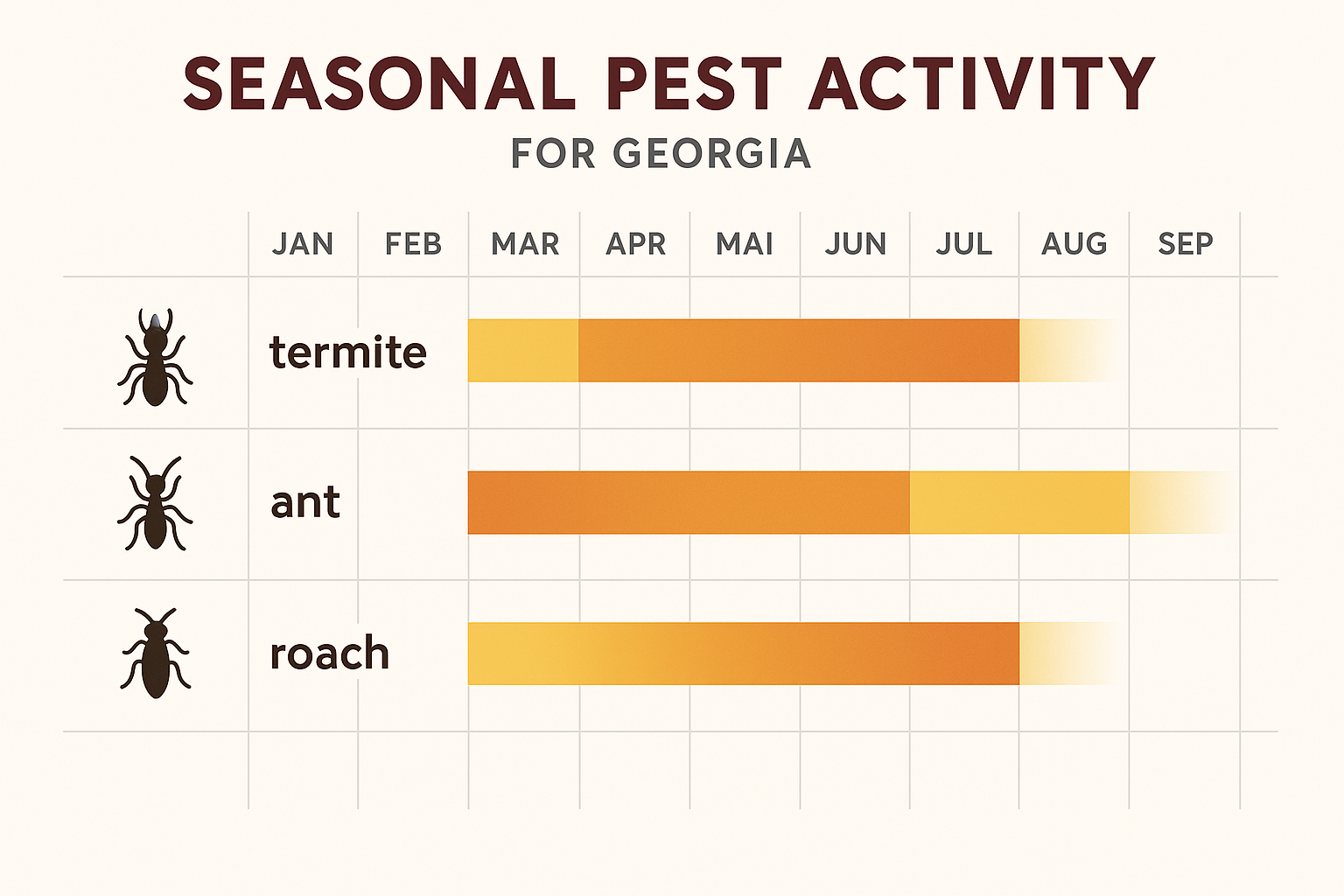
Peak Activity Months – What the Chart Shows
| Month | Activity Level | Key Climate Factors |
|---|---|---|
| January | Low | Cool, dry soils; limited foraging |
| February | Low‑Medium | Gradual warming, occasional rain |
| March | Medium | Soil reaches 55°F, moisture rises |
| April | High | Consistent warmth, frequent showers |
| May | High | Peak foraging, optimal moisture |
| June | High | Hot, humid conditions sustain activity |
| July | High | Intense heat; colonies may retreat slightly |
| August | Medium‑High | Summer storms push colonies deeper |
| September | Medium | Cooling soils, still enough moisture |
| October | Medium‑Low | Ideal for preventive treatments |
| November | Low‑Medium | Cooler, dryer soils limit activity |
| December | Low | Cold, dry conditions; colonies largely dormant |
Why Early Spring and Late Fall Are Prime for Prevention
In early spring (March‑April), soil temperatures finally climb above the 55°F threshold, prompting termites to emerge from their winter hideouts. This is the moment they begin expanding galleries and searching for food sources. Treating at this stage intercepts the colony before it can establish new, destructive pathways inside your foundation. Late fall (October‑early November) offers a reverse advantage: the ground is still warm enough for termites to be active, but cooler air and reduced rainfall limit their foraging depth. A preventive barrier applied now can remain effective throughout the colder months, creating a protective shield before the next surge.
Summer Rains: When Colonies Dive Deeper
Georgia’s summer thunderstorms bring heavy, often prolonged rain. Saturated soils force termite workers to retreat deeper to avoid drowning, pushing their galleries several feet below the surface. This vertical migration makes visual inspections harder and can mask early signs of infestation. Moreover, the moisture‑laden environment encourages fungal growth, which termites love as a food source, further fueling colony expansion. Homeowners who wait until after a wet summer to schedule treatment may find the pests entrenched far below the reach of standard liquid termiticides.
Year‑Round Scheduling Recommendations
- January–February: Conduct a visual inspection of exterior wood and crawl‑space vents. No treatment needed unless damage is evident.
- March–April (Early Spring): Schedule a professional termite inspection and, if activity is detected, apply a liquid barrier or bait system before colonies spread.
- May–June (Peak Season): If you missed early treatment, act now. Consider supplemental spot‑treatments around vulnerable entry points such as foundation cracks and utility penetrations.
- July–August (Summer Rains): Focus on moisture management—ensure proper drainage, repair leaky gutters, and keep mulch away from the foundation. Inspection only; defer major treatments until soils dry.
- September–October (Late Fall): Ideal window for a preventive barrier. Apply a new termiticide line or refresh an existing one to protect against the upcoming winter lull.
- November–December: Perform a final walkthrough to verify barrier integrity. Schedule next year’s early‑spring inspection before the new season begins.
By aligning your termite control plan with Georgia’s seasonal rhythms, you give Anthem Pest Control the best chance to halt a colony before it becomes a costly invasion. A well‑timed inspection and treatment not only safeguards your home’s structural integrity but also maximizes the longevity of the products we use, keeping your peace of mind—and your wallet—intact.
Choosing the Right Pest Control Partner and Next Steps
What to Look for in a Termite Service
- Proper licensing and certifications – Verify that the company holds state‑required licenses and that technicians are certified to handle termiticides.
- EPA‑approved products – Safe, effective chemicals that meet federal standards protect your family and pets.
- Local experience – Companies that have worked in Suwanee, GA understand the specific termite species and soil conditions in the area.
- Transparent pricing – Look for detailed estimates with no hidden fees, plus clear explanations of what each service includes.
- Warranty and follow‑up – A solid warranty demonstrates confidence in the treatment and includes scheduled inspections after the initial work.
Smart Questions for Your Consultation
- What steps are involved in the initial inspection?
- Which treatment plan do you recommend and why?
- How long will the treatment take, and will my home be vacant?
- What is the follow‑up schedule and what does it cover?
- Can you provide a written warranty and explain its terms?
Why Anthem Pest Control Stands Out
Anthem Pest Control combines nationwide reach with a local‑focused mindset. Our technicians are fully licensed, use only EPA‑approved termiticides, and follow a transparent pricing model that lets you see exactly where every dollar goes. With 24/7 support, you can reach us any time a concern arises, and our comprehensive warranty ensures peace of mind long after the first treatment.

What a Typical Service Visit Looks Like
When you schedule an appointment, a certified technician arrives on time, equipped with a portable smoke machine and a detailed inspection checklist. First, the technician surveys vulnerable areas—foundations, crawl spaces, and wooden structures—while the smoke machine helps reveal hidden termite activity. After confirming the extent of the infestation, a customized treatment plan is explained, and any EPA‑approved product is applied precisely where it’s needed. The visit concludes with a clear outline of the follow‑up schedule, so you know exactly when the next inspection will occur.
Ready for a Free, No‑Obligation Quote?
If you’re looking for a trustworthy partner to protect your Suwanee home, let Anthem Pest Control take the next step for you. Call us today at 877‑371‑8196 or request your free, no‑obligation quote online at anthempest.com. Our friendly team is standing by to answer your questions and schedule a convenient inspection.
Protect Your Home Today with Anthem Pest Control
Termites may seem harmless until they’ve already carved out miles of tunnels beneath your foundation. The longer they stay undetected, the more structural damage they cause, the higher your repair bills become, and the greater the risk to the safety of your family. A single colony can weaken floor joists, compromise roof supports, and even cause mold growth from moisture trapped in damaged wood. That’s why acting fast isn’t just a recommendation—it’s a necessity.
What We’ve Covered So Far
- Risk‑zone assessment: Identifying the parts of your property most vulnerable to infestation.
- Early‑sign detection: Spotting mud tubes, discarded wings, and subtle wood damage before the problem spreads.
- Treatment choice: Comparing liquid termiticides, baiting systems, and integrated pest‑management plans.
- Seasonal timing: Understanding why spring and early summer are prime windows for effective control.
- Selecting a qualified provider: Looking for licensed technicians, guarantees, and transparent pricing.
Each of these steps builds a safety net around your home, turning a potential disaster into a manageable, cost‑effective solution. By following this roadmap, you can avoid the hidden expenses that arise from delayed action—expenses that often dwarf the price of a professional termite program.
Why Anthem Pest Control Is Your Best Ally
At Anthem Pest Control, we combine decades of field experience with a commitment to clear, upfront pricing. Our technicians are state‑licensed, continuously trained on the latest termiticides, and equipped with the tools needed for both inspection and treatment in a single visit. We prioritize safety, using products that meet EPA standards and applying them in a way that protects pets, children, and the environment.
Transparency is built into every quote. You’ll receive a detailed breakdown of labor, materials, and any follow‑up services, so there are no surprise charges after the job is done. Our warranty options give you peace of mind, guaranteeing that if termites return within the agreed period, we’ll come back at no additional cost.
Take the First Step—It’s Easy
If you’ve noticed any of the warning signs we discussed, or simply want a professional inspection to confirm your home’s status, don’t wait. Call us today for a free, no‑obligation quote. Our friendly team is ready to schedule a same‑day assessment and put a solid plan in place before the next termite season ramps up.
Call now: 877‑371‑8196
Visit Anthem Pest Control to learn more about our termite solutions and read testimonials from satisfied homeowners across the country.