Recognizing German Cockroaches in Your Home
German cockroaches (Blattella germanica) are the most common indoor roach species in the United States, and they thrive in the warm, humid corners of a typical home—conditions that often prompt homeowners to search for a cockroach exterminator near me Decatur. An adult measures only about ½ inch (12 mm) long, with a light-tan body and two dark parallel stripes that run lengthwise across the pronotum (the shield-like segment behind the head). Their wings are short—just long enough to cover the abdomen—so they rarely fly, but they can glide short distances when disturbed. The combination of a small size, a glossy, almost translucent appearance, and those distinctive “two-stripe” markings makes the German cockroach unmistakable once you know what to look for.
Typical Hiding Spots
These roaches are master hide‑and‑seek players. They prefer environments that provide food, water, and shelter, which means kitchens and bathrooms become their favorite real estate. Look behind or under appliances such as refrigerators, stoves, and dishwashers, where crumbs and moisture accumulate. Cracks in cabinets, baseboards, and wall voids are also prime real estate, as are the warm, damp folds of kitchen cabinets, pantry shelves, and even the underside of sinks. In bathrooms, check around the tub, shower curtain tracks, and under the toilet tank. The key is to think small, dark, and consistently moist.
How to Spot Evidence
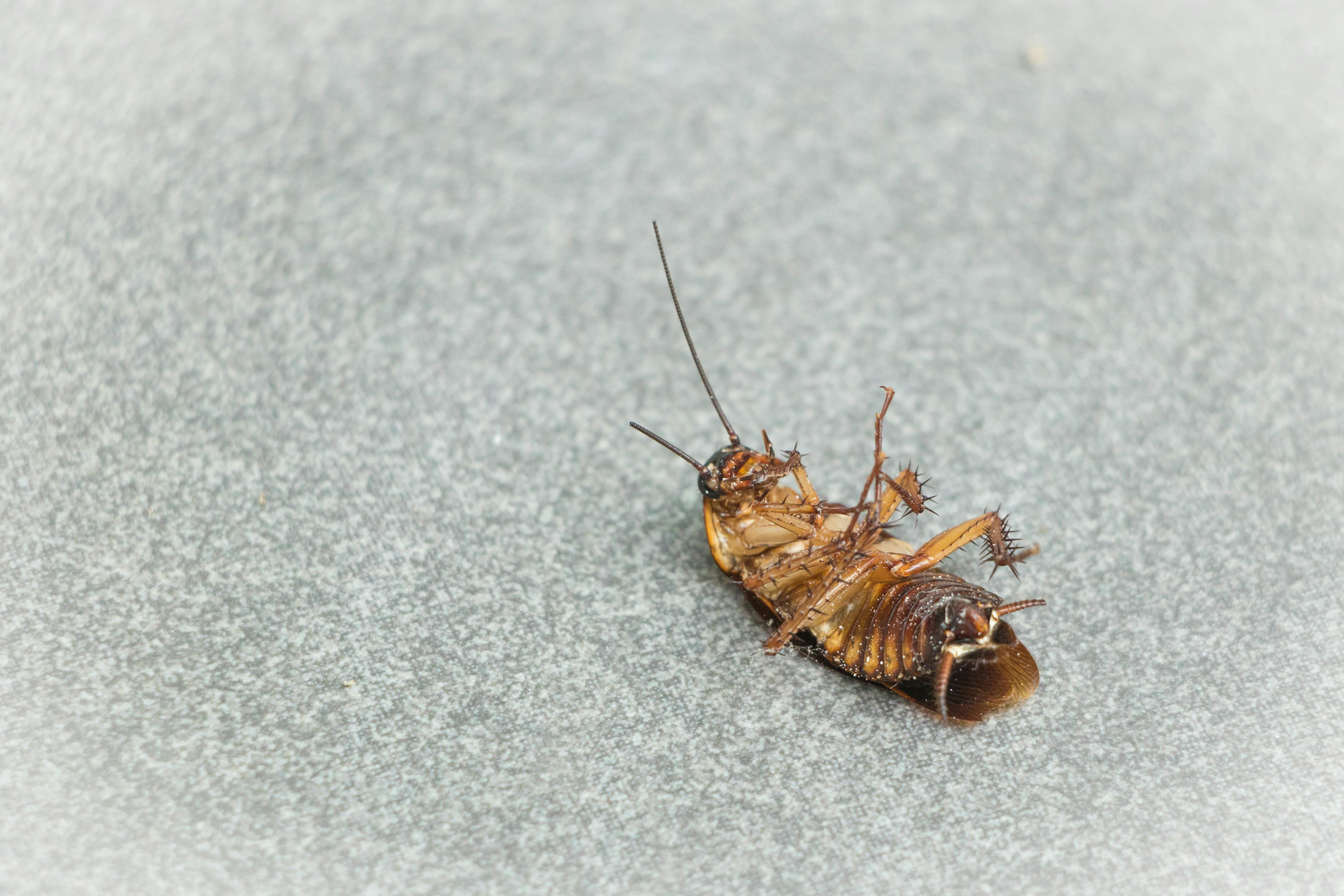
A single live sighting can signal a larger problem. German cockroaches are most active at night, so you might catch a few scurrying across countertops after the lights go out. Their egg cases, called oothecae, are about the size of a grain of rice and are often tucked in crevices or stuck to the underside of appliances. Droppings look like tiny black specks—roughly the size of a pencil eraser—scattered on surfaces, in cupboards, or along baseboards. A dead cockroach can also be a clue; they tend to accumulate near food sources, and the dead‑cockroach image below illustrates the typical shape and markings you should recognize.
Quick Checklist for Homeowners
- Do you see small, tan insects with two dark stripes on the pronotum?
- Are there live roaches active at night in kitchen or bathroom areas?
- Have you found rice‑sized egg casings in cracks, behind appliances, or in pantry shelves?
- Do you notice tiny black specks (droppings) on countertops, cabinets, or near food containers?
- Is there a dead cockroach near food preparation zones?
- Is there a persistent musty or oily odor, especially in hidden corners?
- Do you experience increased allergic reactions or asthma symptoms that worsen at home?
- Has the problem persisted despite regular cleaning and vacuuming?
If you tick more than a few boxes, it’s time to act. German cockroaches reproduce quickly—each female can produce up to 40 eggs in a single ootheca, and she can carry several oothecae in her lifetime. This rapid breeding can turn a few sightings into a full‑blown infestation within weeks. For a deeper dive into the health risks these pests pose, the EPA’s information on cockroach health impacts provides essential details on allergens, asthma triggers, and disease transmission.
Health Risks and Seasonal Patterns of Cockroach Activity
Allergens, Pathogens, and Asthma Triggers
Cockroach droppings, shed skins, and saliva contain proteins that act as potent allergens—one of the main reasons many families seek a cockroach exterminator near me Decatur as soon as activity is detected. When these particles become airborne, they can settle on food, kitchen surfaces, and even your bedding. For sensitive individuals, especially children and the elderly, exposure often leads to sneezing, skin irritation, and worsening of asthma symptoms. Studies show that homes with a visible cockroach problem have up to three times higher rates of asthma attacks compared to pest-free households.
EPA Findings on Indoor Air Quality
The U.S. Environmental Protection Agency (EPA) classifies cockroaches as a major contributor to indoor air pollution. Their research links cockroach infestations to elevated levels of particulate matter (PM2.5) and volatile organic compounds (VOCs) released from decaying organic matter. In sealed homes, these pollutants can accumulate quickly, degrading air quality and increasing the risk of respiratory infections. The EPA recommends regular monitoring and immediate remediation when cockroach activity is detected.
Seasonal Activity in Georgia
Georgia’s warm, humid climate creates a perfect breeding ground for cockroaches, but their numbers still follow a predictable seasonal rhythm. The chart below highlights the months when you’re most likely to see a surge in activity.
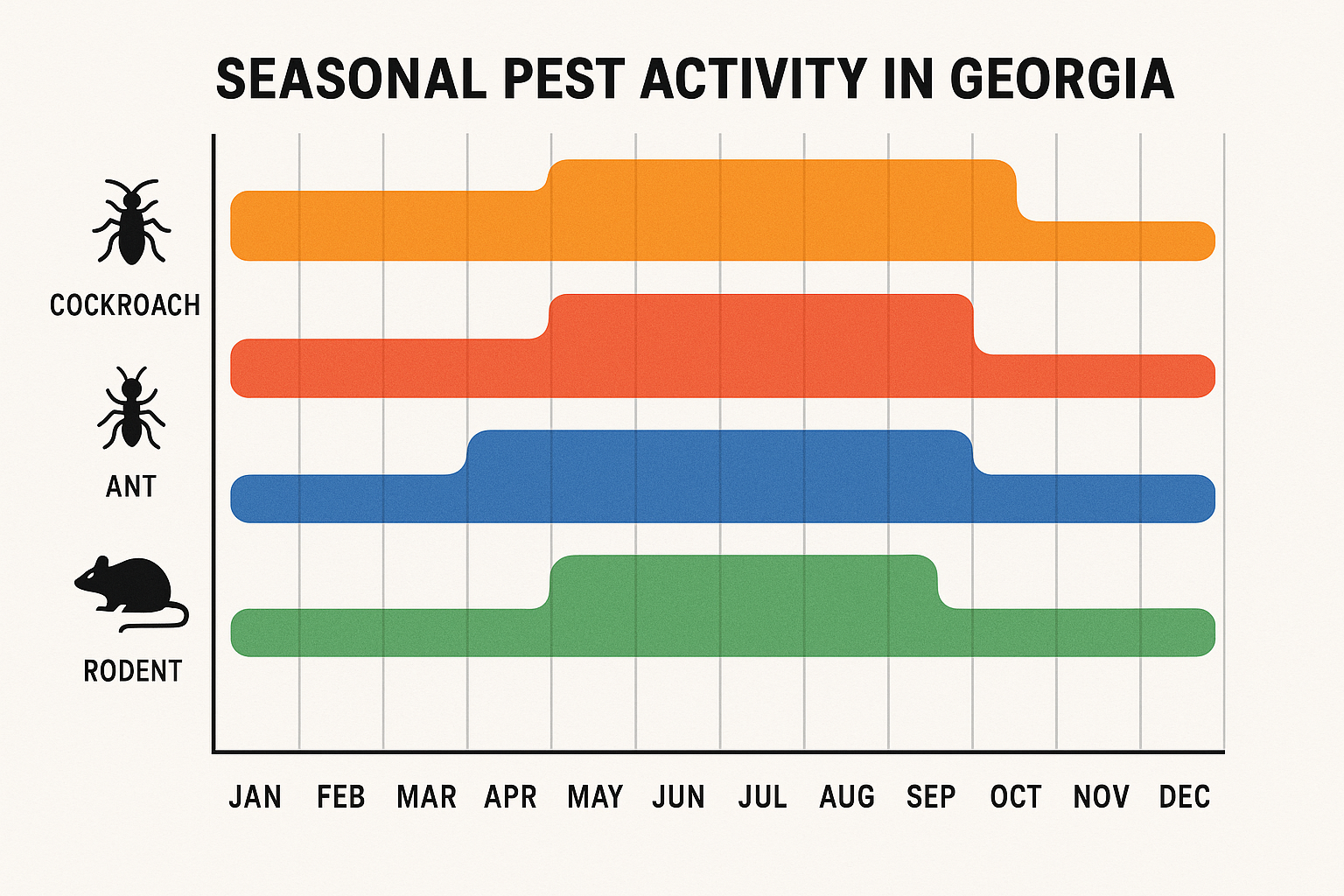
| Month | Activity Level |
|---|---|
| January | Low |
| February | Low |
| March | Moderate |
| April | Moderate |
| May | High |
| June | High |
| July | High |
| August | High |
| September | Moderate |
| October | Moderate |
| November | Low |
| December | Low |
Weather and Indoor Conditions
Temperature spikes above 80°F (27°C) and relative humidity above 60 % accelerate cockroach breeding cycles. Outdoor rainstorms drive insects indoors in search of shelter, while warm, damp basements or kitchens provide the ideal hideouts. Even a small leak under a sink can raise local humidity enough to trigger a population boom, especially during the late spring and summer months.
Monitoring and Reducing Seasonal Risk
Staying ahead of the infestation curve requires a mix of observation and preventive action. Here are practical steps homeowners can take as the season shifts:
- Inspect regularly: Look for droppings (tiny black specks), shed skins, or a faint oily odor in cabinets, behind appliances, and around garbage areas.
- Control moisture: Fix leaky pipes, use dehumidifiers in basements, and ensure exhaust fans work in bathrooms and kitchens.
- Seal entry points: Apply caulk around baseboards, pipe penetrations, and cracks in walls to block the routes cockroaches use to enter.
- Maintain clean surfaces: Wipe down countertops nightly, store food in sealed containers, and empty trash cans weekly.
- Schedule professional inspections: A licensed exterminator can perform targeted treatments before peak months, reducing the chance of a full‑blown outbreak.
Effective Treatment Options and Professional Services
DIY Approaches You Can Try at Home
Many homeowners start with over‑the‑counter solutions because they’re inexpensive and easy to apply. Common DIY tools include:
- Gel and bait stations – attract roaches with food‑based lures and poison them when they feed.
- Sticky traps – help you monitor activity and catch wandering insects.
- Boric acid powder – applied in thin layers behind appliances, it sticks to the cockroach’s legs and is ingested during grooming.
- Sanitation practices – eliminating food crumbs, fixing leaks, and sealing entry points dramatically reduces the insects’ ability to thrive.
When used correctly, these methods can knock back a light infestation and give you valuable insight into where the bugs are hiding.
Why DIY Often Falls Short
Even the best home remedies hit a ceiling. Cockroaches quickly develop resistance to many low‑dose chemicals, and most DIY products only affect the individuals that directly contact them. Hidden nests behind wall voids, under floorboards, or inside appliance cavities remain untouched, allowing the colony to rebound as soon as the bait runs out. In short, a surface‑level fix rarely eradicates the source.
Professional Treatments That Get the Job Done
Licensed technicians bring a toolbox of EPA‑approved products that work at the colony level:
- Gel baits – placed in cracks and crevices, they deliver a slow‑acting poison that roaches share with nest mates.
- Insecticidal dusts – silica‑based or diatomaceous earth dusts stay effective for months, targeting insects that travel through wall voids.
- Residual sprays – applied to baseboards, under sinks, and around entry points, they continue killing for weeks after the first application.
- Whole‑home fumigation – reserved for severe, multi‑unit infestations, this method saturates the entire structure with a gas that penetrates hidden spaces.
These treatments are calibrated to the species, infestation size, and layout of your home, delivering lasting control that DIY products can’t match.
The Value of a Certified Pest‑Control Technician

A certified technician from Anthem Pest Control conducts a thorough inspection, identifies hidden harborage sites, and selects the most effective combination of products. Their training ensures proper placement, dosage, and timing—critical factors that prevent re‑infestation. Moreover, technicians stay current on the latest resistance‑management strategies, so the chemicals they use remain potent against local cockroach populations.
Safety First: EPA‑Approved Practices
Professional applications follow strict EPA guidelines to protect your family and pets. Products are applied at label‑specified concentrations, and technicians wear protective gear to avoid cross‑contamination. After treatment, they provide clear re‑entry times and post‑application cleaning instructions. By choosing a licensed service, you eliminate the guesswork and reduce the risk of accidental over‑exposure that can occur with DIY sprays.
When It’s Time to Call a Pro
Consider professional help if you notice any of the following:
- Roach sightings persist after two weeks of consistent DIY treatment.
- Droppings, egg cases, or a strong oily odor appear in kitchens, bathrooms, or basements.
- Infestations spread to multiple rooms or levels of the house.
- You have young children, seniors, or pets that could be sensitive to over‑the‑counter chemicals.
Calling Anthem Pest Control early prevents a small problem from turning into a full‑scale invasion, saves you time, and ultimately protects your home’s health and value.
Pricing, Service Packages, and What to Expect
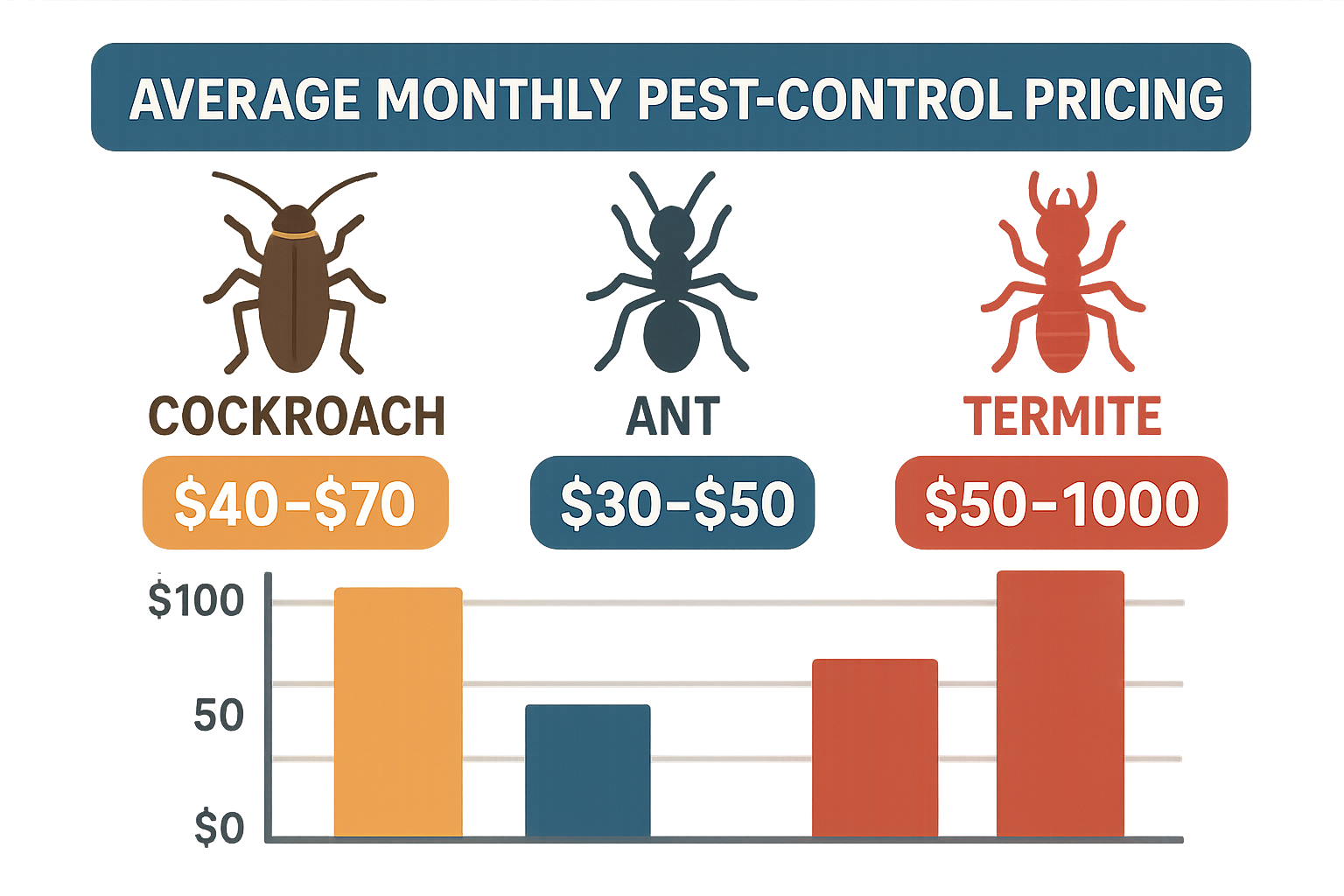
Understanding the cost of pest control helps you budget confidently and avoid surprise charges—especially when comparing options from a cockroach exterminator near me Decatur homeowners trust. Below is a snapshot of what most homeowners in Decatur, GA, typically spend each month for cockroach, ant, and termite services.
| Pest Type | One‑time Treatment | Quarterly Maintenance | Annual Plan |
|---|---|---|---|
| Cockroach | $120 – $180 | $30 – $45 per visit | $100 – $150 |
| Ant | $100 – $150 | $25 – $40 per visit | $80 – $120 |
| Termite | $300 – $500 | $80 – $120 per visit | $300 – $450 |
Common Pricing Models
- One‑time treatment: Ideal for a sudden infestation. You pay a single fee for the initial service, and the pest is usually cleared within a few weeks.
- Quarterly maintenance: A visit every three months keeps pests from returning. The cost is spread across four appointments, making cash flow easier.
- Annual plans: Bundles all four quarterly visits (or a continuous monitoring program) into a single yearly price, often with a small discount compared to paying per visit.
Factors That Influence Price
While the table gives a baseline, your actual quote may shift based on several variables:
- Infestation severity: Heavy populations require more product, labor time, and possibly multiple follow‑up visits.
- Property size: Larger homes or multi‑unit buildings need more treatment zones and longer service windows.
- Treatment type: Conventional sprays, bait stations, or eco‑friendly options each carry different material costs.
- Access challenges: Difficult-to‑reach areas (attics, crawl spaces) can add labor minutes.
How Anthem Pest Control Structures Its Quotes and Guarantees
Anthem Pest Control starts with a free, on‑site inspection. A licensed technician walks you through the findings, then provides a written estimate that breaks down:
- Product costs
- Labor hours
- Frequency of visits
- Any applicable taxes or fees
All estimates are transparent—no hidden surcharges. Anthem backs every service with a 30‑day satisfaction guarantee: if pests reappear within that window, a re‑treatment is scheduled at no extra charge. For long‑term plans, the company also offers a “Lifetime Protection” warranty on termite barriers, ensuring peace of mind for years to come.
Tips for Evaluating Value Beyond the Price Tag
Choosing the cheapest option can backfire if the service lacks depth. Consider these quality markers when comparing quotes:
- Certifications & licensing: Look for EPA‑approved products and state‑issued pest‑control licenses.
- Warranty coverage: A solid warranty signals confidence in the treatment’s durability.
- Follow‑up visits: Companies that schedule post‑treatment checks demonstrate a commitment to lasting results.
- Integrated Pest Management (IPM): Providers that combine chemical, mechanical, and educational tactics often deliver more sustainable outcomes.
- Customer reviews: Consistently high ratings and testimonials from Decatur homeowners are a reliable proxy for service quality.
By weighing these factors alongside the raw numbers, you’ll be able to select a pest‑control partner that offers true value—not just a low price.
Secure a Cockroach‑Free Home with Anthem Pest Control
By now you know how to spot a cockroach infestation—tiny droppings, a musty odor, and those nocturnal scurries—and why these pests pose serious health risks, from food‑borne bacteria to asthma triggers. You also learned that cockroaches thrive in the warm, humid months of spring and summer, making early‑season treatment essential to stop a small problem from exploding into a full‑blown invasion.
Because of that, prompt, professional treatment isn’t a luxury; it’s a protection plan for your family’s well‑being and your home’s integrity. A single, targeted application can eliminate hidden nests, while a follow‑up schedule blocks re‑entry and keeps your kitchen, bathroom, and storage areas cockroach‑free year‑round.
Why Choose Anthem Pest Control?
- Safe solutions – EPA‑approved products that protect children and pets.
- Effective results – Proven protocols that target all life stages of the roach.
- Affordable pricing – Transparent, upfront costs with no hidden fees.
We also offer a satisfaction guarantee, ensuring the treatment meets your expectations and your home stays roach‑free.
Scheduling a consultation with Anthem is as easy as picking up the phone or clicking a button. Our technicians arrive on time, assess the situation, and provide a clear, written estimate before any work begins. The entire process is designed to be hassle‑free, so you can focus on what matters most—enjoying a clean, healthy home.
Ready to eliminate cockroaches for good? Call us today at 877-371-8196 for a free, no-obligation quote, or request your estimate online from a cockroach exterminator near me Decatur homeowners trust at Anthem Pest Control. Our team is standing by to protect your home with the expertise you deserve.