Recognizing Millipedes and Their Presence in Suwanee
Millipedes are among the most common “creepy-crawlies” you’ll encounter in a Suwanee yard, especially after a rainy spell—often prompting homeowners to search for a millipede exterminator Suwanee GA they can trust. They typically measure between 1 and 4 inches long, sporting a smooth, cylindrical body that tapers slightly toward the rear. Most species in Georgia display earthy tones—shades of brown, black, or reddish-brown—that help them blend into leaf litter and soil.
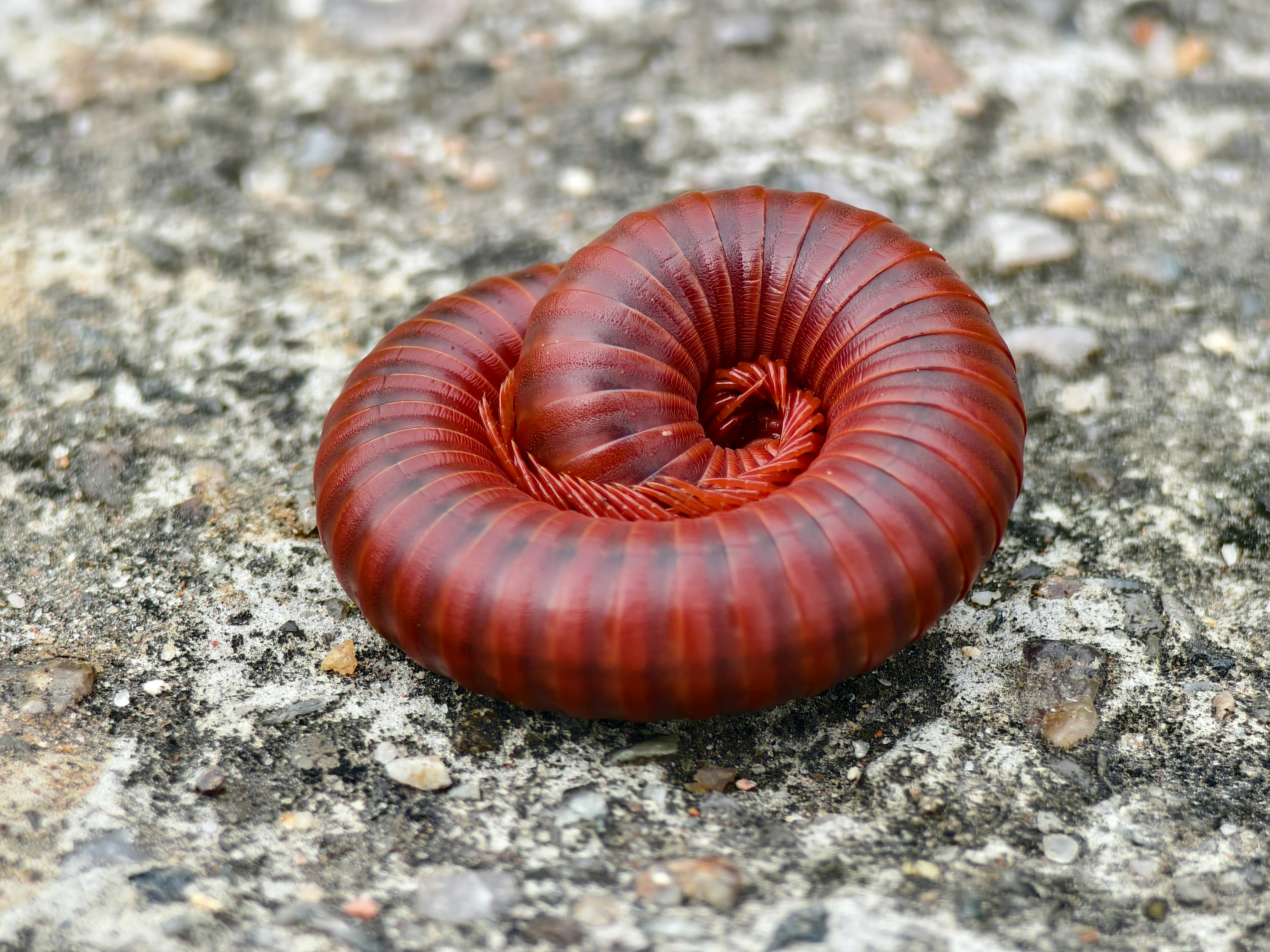
Key identification cues
- Segmented body: A millipede’s trunk is made up of dozens of ring‑like segments, each bearing two pairs of legs.
- Leg count: True millipedes have many legs—often 30 to 400—giving them a “thousand‑legged” appearance.
- Movement: They move in a slow, deliberate wave, curling into a tight coil when disturbed.
Where they like to hide around your home
In Suwanee’s humid climate, millipedes gravitate toward damp, organic material. Typical hotspots include:
- Loose soil or garden beds that stay moist after irrigation.
- Leaf litter, mulch, and compost piles where decaying matter provides food.
- Damp foundations and crawl spaces, especially where water seepage occurs.
- Under decks, porches, and any shaded area that retains moisture.
These insects are most active in late spring through early fall, when frequent rain keeps the ground saturated. After a heavy downpour, you’ll often see them emerging from the mulch or soil in search of drier shelter, which can bring them closer to your doorstep.
Common entry points
When the soil around your foundation becomes saturated, millipedes will seek the path of least resistance into your house. Look for:
- Cracks in exterior walls or foundation joints.
- Gaps around utility penetrations, such as pipes and vent pipes.
- Improperly sealed door sweeps and garage doors.
- Openings around window frames that lack weather‑stripping.
Sealing these openings with caulk or weather‑stripping not only blocks millipedes but also helps keep out more destructive pests.
Distinguishing millipedes from look‑alikes
It’s easy to confuse millipedes with other arthropods that share a similar silhouette. Here’s how to tell them apart:
- Centipedes: Faster movers with a flattened body and one pair of legs per segment. They are predators and can bite.
- Woodlice (pill bugs): Much shorter, with a segmented, oval shell and seven pairs of legs. They can roll into a ball for defense.
- Millipedes: Slower, rounder, and equipped with two pairs of legs per segment; they release a harmless, sometimes odorous, defensive fluid when threatened.
While millipedes don’t damage structures or pose a health risk, large numbers can become a nuisance, especially if they congregate on windowsills or inside entryways. If you notice an influx of these harmless critters, it’s a sign that moisture is lingering near your foundation.
Understanding these traits helps you confirm whether the visitor at your doorstep is a harmless millipede or a pest that may require professional attention. If you notice large numbers gathering near foundations or inside living spaces, give Anthem Pest Control a call at 877‑371‑8196 for a targeted, eco‑friendly solution.
Seasonal Activity of Millipedes in Georgia
Climate drivers that set the stage
In Georgia, millipedes are most responsive to two environmental cues: temperature and moisture. When daytime highs climb above 65°F (18°C) and the soil retains moisture, the arthropods emerge from their underground hideouts to feed and mate—often increasing the need for a millipede exterminator Suwanee GA during peak activity periods. Conversely, a dry spell or a sudden frost pushes them back into the leaf litter, where they remain dormant until conditions improve. This push-and-pull creates a predictable rhythm that homeowners can track.
Year‑long activity snapshot
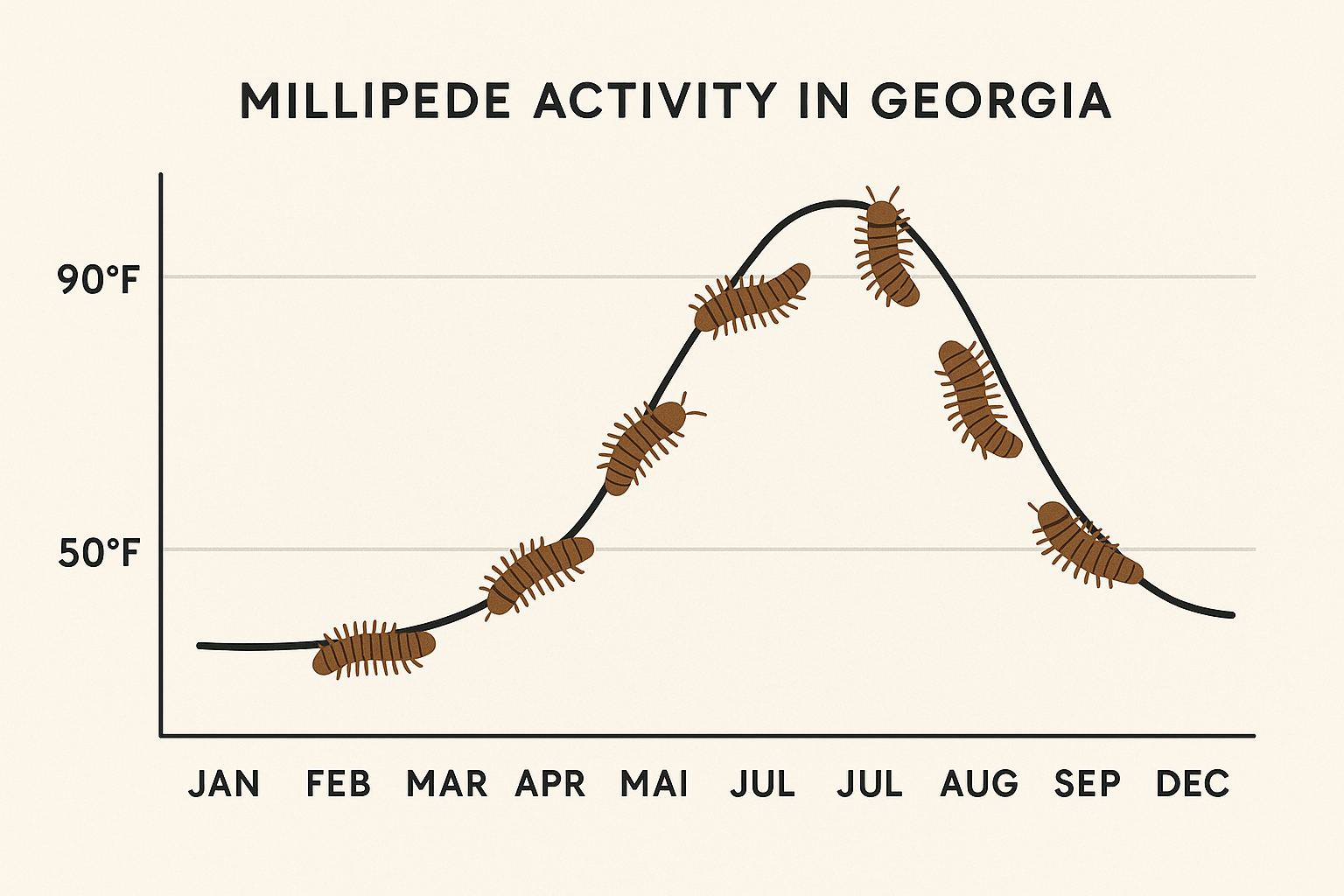
The line chart above illustrates average millipede sightings across the calendar year. Activity is low during the cold months of January and February, begins to rise in March as soils warm, and reaches a pronounced peak in August. September still sees elevated numbers, then a gradual decline through the cooler months.
Rainfall’s role – what the EPA tells us
Recent EPA precipitation data shows a steady uptick in annual rainfall for the Southeast, with summer months receiving the most consistent moisture. More rain means richer, damp soil—perfect breeding grounds for millipedes. That late‑summer spike in the chart aligns directly with the region’s heightened rainfall, explaining why August often feels like a millipede “high‑season.”
How to keep an eye on them
- Visual checks after rain: Within 24 hours of a heavy downpour, walk the perimeter of your home and glance at mulch, flower beds, and the foundation. Clusters of tiny, dark bodies are a clear sign of activity.
- Inspect mulch and wood chips: Millipedes love the cool, decaying organic matter. If you notice dense patches, it’s a cue to thin the material or replace it with coarser landscaping.
- Use a flashlight at night: Their nocturnal habits mean they’re more active after sunset. A quick sweep with a handheld light can reveal hidden hot spots.
Early‑season prevention steps
Taking action before the summer surge can dramatically reduce the number of millipedes that make their way indoors.
- Improve soil drainage: Ensure that low‑lying areas slope away from the house. Adding a layer of coarse sand or installing French drains can prevent water from pooling near foundations.
- Remove excess organic debris: Trim back overgrown vegetation, clear fallen leaves, and replace old, soggy mulch with a thinner layer of hardwood chips that dry out faster.
- Seal entry points: Check for gaps around windows, doors, and utility penetrations. Even a ¼‑inch opening can invite swarms of millipedes seeking shelter.
By aligning inspection schedules with the climate‑driven activity curve—focusing on late‑spring checks and pre‑emptive measures before the August peak—homeowners in Suwanee and the broader Georgia area can stay one step ahead of these harmless but nuisance‑making critters.
Potential Problems Millipedes Can Cause at Home
Seeing a line of millipedes marching across your doorstep or patio can be unsettling, even though they’re harmless to the structure itself. When these arthropods gather in large numbers, they become a noticeable nuisance—especially on smooth indoor floors where they glide in like a slow‑moving carpet. Homeowners often mistake the sheer volume for a more dangerous infestation, prompting unnecessary worry.
Moisture‑Related Warning Signs
Millipedes are drawn to damp environments, so a sudden appearance in basements, crawl spaces, or near leaky pipes is a red flag. Their presence often signals underlying moisture problems that, if left unchecked, can lead to mold growth, wood rot, or even structural damage. Addressing the source of excess humidity is a critical first step before any chemical treatment is considered.
Potential Structural Damage
While millipedes primarily feed on decaying organic matter, they can accelerate the breakdown of already compromised wood. In homes with poor maintenance—such as untreated wood framing or lingering water intrusion—these insects may hasten rot, especially in hidden areas where inspection is difficult. Regular inspections and prompt repairs can mitigate this rare but possible risk.
Allergic Reactions and Skin Irritation
When crushed, millipedes release defensive secretions that contain mildly irritating chemicals. Direct contact with these fluids can cause temporary skin redness, itching, or a mild allergic response in sensitive individuals. It’s advisable to avoid crushing them and instead sweep them up with a dustpan or use a professional vacuum.
Psychological Impact on Homeowners
The sight of countless millipedes can affect a homeowner’s sense of comfort and security, leading to heightened stress or the perception of a broader pest problem. Even though they pose little direct threat, the visual impact alone can diminish the enjoyment of indoor and outdoor spaces, prompting many to seek professional assistance.
Proactive Control: Perimeter Treatment
One of the most effective ways to keep millipedes at bay is a targeted perimeter treatment. This approach creates a protective barrier around the foundation, deterring the insects from entering the home while also addressing any moisture‑related attractants nearby.

By combining moisture management, structural repairs, and a well‑applied perimeter treatment, homeowners can eliminate the nuisance of millipedes and restore peace of mind. If you notice any of the above signs, contacting a local expert like Anthem Pest Control ensures a safe, effective solution tailored to your Suwanee home.
Treatment Options, Pricing, and Choosing a Professional
DIY Approaches
Homeowners in Suwanee often start with low-cost, do-it-yourself methods. The first line of defense is habitat modification—removing leaf litter, wood debris, and stone piles that provide shelter for millipedes. Next, moisture control is crucial; fixing leaky gutters, improving drainage, and using dehumidifiers can make your yard far less inviting. Finally, barrier sprays such as diatomaceous earth or low-toxicity insecticidal granules create a physical or chemical shield around foundations, though persistent activity may still require a millipede exterminator Suwanee GA for long-term control.
- Pros: Minimal upfront expense, immediate implementation, and a sense of control over your property.
- Cons: Results are often short‑term, require consistent maintenance, and may not reach hidden nests deep in soil or crawl spaces.
Professional Solutions
When an infestation exceeds the reach of DIY tactics, professional pest control delivers lasting relief. Anthem Pest Control typically begins with a perimeter treatment that targets entry points around the home’s foundation, using EPA‑approved granules that migrate into the soil where millipedes congregate. Inside the house, indoor residual sprays are applied to cracks, baseboards, and other hiding spots, creating a protective layer that continues to work for weeks. Many providers also employ an Integrated Pest Management (IPM) plan—combining monitoring, habitat alteration, and targeted chemicals—to keep populations below nuisance levels without over‑reliance on pesticides.
Safety Considerations
Both DIY and professional options must prioritize the health of children and pets. Look for products labeled “EPA‑approved” and “low‑toxicity.” Professional crews often use formulations that are safe for indoor air once dried, and they can apply child‑ and pet‑friendly options such as botanical‑based sprays. Always read label instructions, wear protective gloves when handling granules, and keep treated areas off‑limits until the product has set.
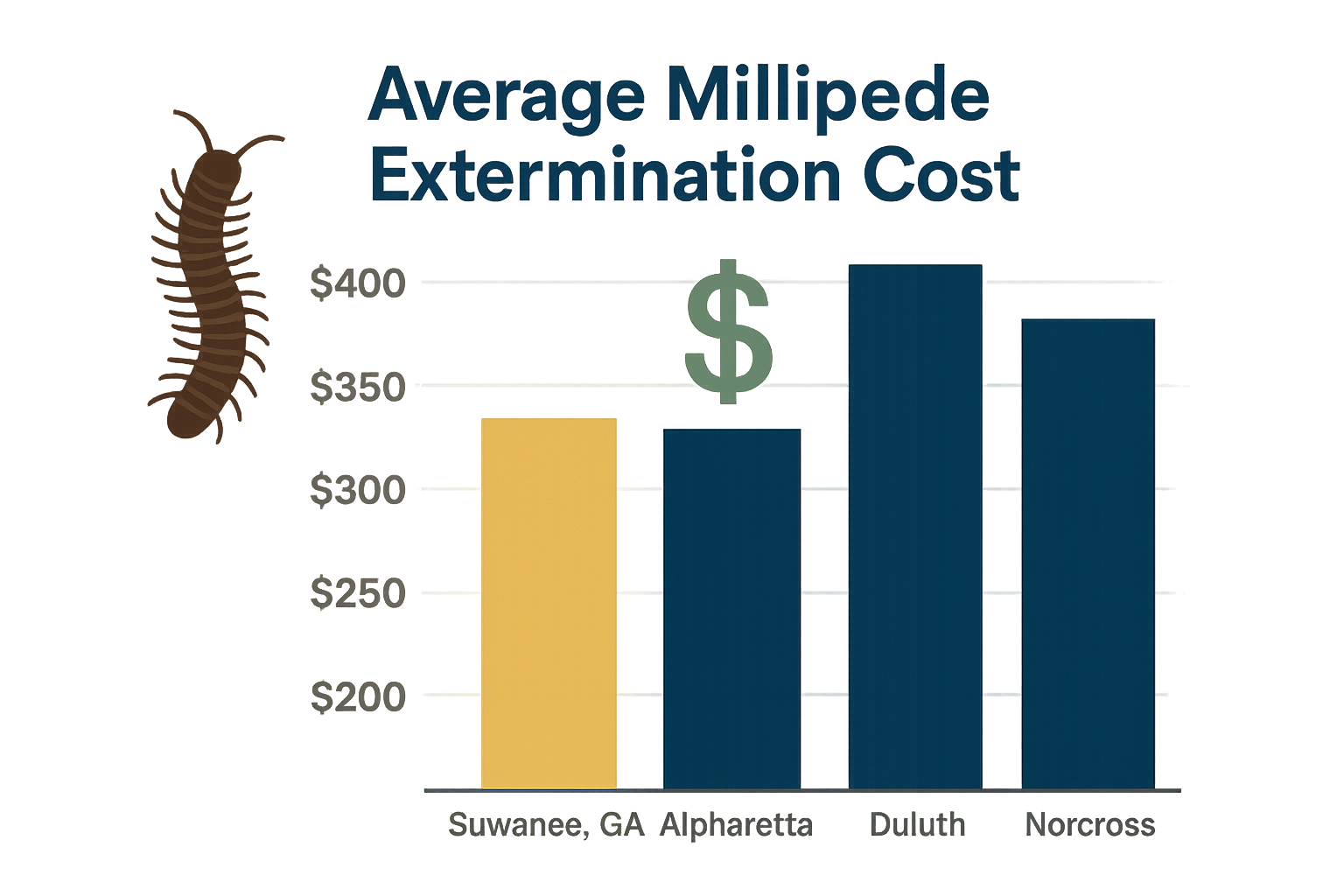
Cost Comparison
| Location | Standard Perimeter Treatment | Full‑Home Integrated Service |
|---|---|---|
| Suwanee, GA | $180 – $240 | $350 – $420 |
| Alpharetta, GA | $190 – $250 | $360 – $440 |
| Duluth, GA | $175 – $235 | $340 – $410 |
| Norcross, GA | $185 – $245 | $355 – $425 |
What Drives the Price?
Several factors influence the final quote. Larger properties require more product and labor, raising the cost of perimeter applications. The severity of the infestation—measured by the number of millipedes observed and the extent of their hiding places—dictates whether a single treatment will suffice or a series of follow‑ups is needed. Finally, treatment frequency matters; an annual maintenance plan spreads the expense over the year and often includes a complimentary inspection.
Anthem Pest Control’s Transparent Pricing
Anthem Pest Control sets itself apart by offering a clear, itemized estimate before any work begins. Their pricing model accounts for square footage, infestation level, and the specific services you select, so you never encounter hidden fees. Homeowners can request a free, no‑obligation quote through the website or by calling 877‑371‑8196. Once the scope is confirmed, Anthem provides a written agreement that outlines the exact products, application dates, and warranty coverage, ensuring you know exactly what you’re paying for and why.
Protect Your Home with Expert Millipede Control
By now you know how to spot a millipede invasion, when they’re most active, and the damage they can cause to your home’s foundation, drainage and landscaping. Spring rains and the humid summer months in Suwanee create the perfect breeding ground, turning a few harmless critters into a nuisance that can clog gutters, attract other pests, and even lead to moisture‑related wood rot.
While DIY sprays might knock a few of them back, only a professional treatment guarantees lasting protection. Anthem Pest Control uses EPA‑approved products that target millipedes at every life stage, ensuring the colony is eliminated, not just the adults you see crawling across your porch.
- Long‑lasting results: Our technicians apply a barrier that remains effective for months, reducing the need for repeat visits.
- Safety first: Trained specialists know how to protect your family, pets, and plants while eradicating the pests.
- Peace of mind: With a proven track record in Suwanee and surrounding neighborhoods, you can trust that the problem is handled once and for all.
We understand that inviting a pest‑control professional into your home is a big step, which is why we offer a free, no‑obligation inspection and detailed quote. Our local technicians will walk you through the findings, explain the treatment plan, and answer any questions you might have—no pressure, just clear information.
Ready to stop millipedes before they become a costly headache? Give us a call today at 877‑371‑8196 or visit our website to schedule your complimentary inspection:
Anthem Pest Control Suwanee team knows the local climate, soil conditions, and the hidden entry points that millipedes love—experience that sets a trusted millipede exterminator Suwanee GA apart. Our affordable, customized solutions keep your home dry, structurally sound, and pest-free, all backed by a satisfaction guarantee. Let us take care of the millipedes so you can enjoy a safe, comfortable home year-round.
Contact us today and let the experts handle the problem before it spreads.