Introduction to Moth Issues in Druid Hills
The two culprits most often behind these problems are the webbing cloth moth (Tineola bisselliella) and the Indian meal moth (Plodia interpunctella). The webbing cloth moth prefers natural fibers—wool blankets, silk curtains, even carpet—where it spins dense, paper‑like webs as it feeds. In contrast, the Indian meal moth targets stored food products; its larvae leave behind fine webs, fecal pellets, and a distinctive “coconut” odor in grain bins, cereal boxes, and pet food containers.
Our step‑by‑step guide will walk you through everything you need to regain control: how to accurately identify each species, what questions to ask when hiring a qualified local exterminator, the most effective treatment options for both structural and food‑based infestations, and practical prevention measures to keep future generations of moths out of your home.
We’ll back each recommendation with data from recent field inspections in Druid Hills, as well as industry‑standard thresholds for damage and treatment efficacy. By the end of this guide, you’ll have a clear roadmap that blends scientific insight with the practical know‑how of a trusted, local pest‑management partner—Anthem Pest Control.

According to a 2024 survey conducted by the Georgia Department of Agriculture, moth sightings in the Druid Hills zip code have jumped 27 % compared with the same period last year, with the majority of reports coming from homes built before 1930. Those structures retain more natural‑fiber insulation and historic textiles—perfect habitats for both species. This uptick underscores why a data‑driven, locally‑focused approach, like the one Anthem Pest offers, is essential for effective, long‑term control.
Moth Threats Specific to Druid Hills
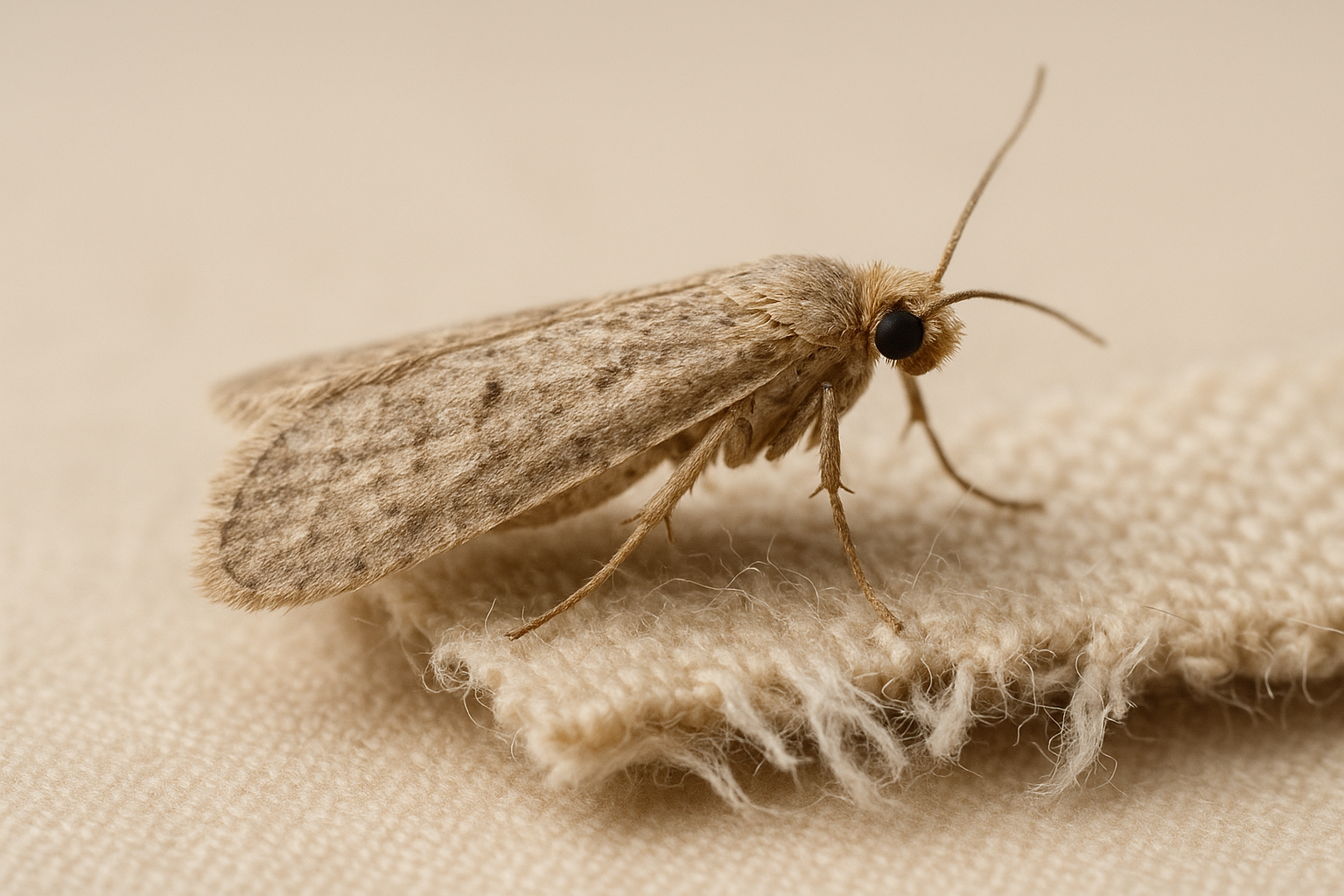
In Druid Hills, two moth species dominate household infestations: the webbing cloth moth (Tineola bisselliella) and the Indian meal moth (Plodia interpunctella). Understanding their life cycles helps you spot trouble before it spreads.
Webbing Cloth Moth – The Fabric Invader
This tiny, tan‑colored moth prefers natural fibers such as wool, silk, and cashmere. Adults live only a few weeks, but females can lay up to 200 eggs in hidden corners of closets, drawers, or under baseboards. The larvae spin silken tunnels—hence “webbing cloth”—and chew through fibers, leaving irregular holes and a distinct, musty odor.
Indian Meal Moth – The Pantry Pest
Recognizable by its reddish‑brown forewings and copper‑colored tips, the Indian meal moth targets stored food products: grains, cereals, nuts, and dried fruit. After a female deposits eggs on food surfaces, the larvae burrow inside, contaminating the product with webbing, feces, and silk. Even sealed containers can be breached if the seal isn’t airtight.
Both species share a seasonal rhythm in Georgia. Populations surge from late spring through early fall, with a noticeable spike after the humid summer rains that create ideal breeding conditions. Eggs hatch faster, and larvae develop more quickly when temperatures hover between 70°F and 85°F.
Neighborhood Hotspots
- Ponce de Leon Avenue – High foot traffic and mixed‑use buildings create numerous entry points.
- Emory University campus area – Dormitories and faculty housing often store bulk food, attracting Indian meal moths.
- Druid Hills Historic District – Older homes feature original wool rugs, draperies, and woodwork that are perfect for webbing cloth moths.
According to the EPA, roughly 15% of U.S. homes report moth damage annually. In Druid Hills, the historic nature of many residences—think antique upholstery, heirloom quilts, and intricate wood paneling—means those homes are especially vulnerable. The combination of aged fabrics and the region’s climate creates a perfect storm for moth activity.
Recognizing the signs early—tiny holes in clothing, silken tunnels in closets, or webbed food packages—allows you to act before an infestation spreads. Local expertise, like Anthem Pest Control, can tailor treatment plans that protect both modern and historic interiors while keeping your family safe.
Spotting Moth Damage Early
When moths slip into your home, the damage often starts invisibly. Spotting the first hint—whether it’s a faint web in a closet or a tiny hole in a sweater—gives you a chance to act before the infestation spreads. In Druid Hills, where seasonal humidity can encourage moth activity, a quick visual scan is your first line of defense.
Visual cues to watch for
The most reliable visual cues are easy to remember. Adult clothes moths leave behind silvery, lace‑like webbing along the tops of stored garments or inside the seams of wool blankets. Small, irregular holes—often the size of a pinhead—appear on fabrics as larvae chew away at fibers. In the kitchen, you may find tiny, cream‑colored larvae crawling on grain, cereal, or dried fruit, sometimes surrounded by a faint, powdery residue.
Real‑world example
Take the case of a Briarcliff Road homeowner who discovered a handful of larvae hidden in a sealed bag of stored wheat. By the time the infestation was noticed, the moths had already infested three additional bags, rendering the grain unusable. The repair bill topped $250—not only for the lost food but also for the emergency pest‑control visit required to stop the outbreak before it reached the pantry’s outer shelves.
Self‑inspection checklist
- Pull back clothing and examine the inner seams for silvery webbing.
- Inspect stored blankets, sweaters, and curtains for pin‑size holes.
- Open pantry boxes and look for live larvae or webbing on grain, cereal, and dried herbs.
- Check under furniture and behind baseboards where moths often hide.
- Shake out any seasonal clothing before putting it away.
- Look for shed skins, which appear as translucent, empty casings.
- Note any unusual powdery residue on food packages.
Tips for documenting damage
The sooner you can show a pest‑control professional exactly what you’ve found, the faster they can design a targeted treatment. Use your smartphone to snap clear, close‑up photos of webbing, holes, and any larvae. Include a ruler or a common object for scale, and note the location (e.g., “upper shelf of pantry, aisle 3”). Keep a short log of when you first saw each sign; this timeline helps technicians assess how long the infestation has been active and choose the most effective control method.
Cost of DIY vs. Professional Treatment
Hidden risks of over‑the‑counter sprays
Many homeowners reach for the nearest aerosol can, assuming it’s a quick fix. In reality, repeated use of generic moth sprays can breed resistance in the insect population, rendering the product ineffective over time. Moreover, these chemicals often lack the safety data required for indoor use, posing health hazards to children, pets, and anyone with respiratory sensitivities.
Impact on your property’s value
According to a 2023 study by the National Pest Management Association (NPMA), homes with a documented pest‑control history sell 5‑7% higher than comparable properties without such records. A professional service provides a verifiable treatment log that future buyers trust, potentially adding thousands of dollars to your resale price.
Why licensing, insurance, and EPA‑approved products matter
Licensed technicians are required to stay current on the latest treatment protocols and to use products that meet EPA standards. This guarantees not only effectiveness but also that the chemicals are applied safely, reducing liability for you as a homeowner. Additionally, reputable companies carry insurance that protects you if accidental damage occurs during treatment.
Cost illustration: DIY kits vs. professional service
| Option | Typical Cost | What’s Included |
|---|---|---|
| DIY spray kit | $30‑$70 | One‑time application, no follow‑up, limited coverage, no warranty |
| Professional treatment (single visit) | $150‑$250 | EPA‑approved product, licensed applicator, safety assessment, treatment log, 30‑day guarantee |
| Annual protection plan | $300‑$450 per year | Multiple visits, monitoring, preventive measures, insurance coverage, documented proof for resale |
While a DIY kit may look cheaper upfront, the hidden costs—ineffective control, potential health risks, and lost resale value—often outweigh the modest premium of a professional service. Choosing a licensed expert like Anthem Pest Control safeguards your home, your health, and your investment.
Selecting a Druid Hills Moth Exterminator

Must‑have criteria
When you’re hunting for a moth exterminator in Druid Hills, start with the basics. A reputable provider must hold a valid Georgia state license, which guarantees that technicians follow state‑mandated safety and treatment standards. Look for NPMA (National Pest Management Association) certification; it signals that the crew stays current on industry best practices and ethical pest control.
Local service coverage is another non‑negotiable. Companies that operate within Druid Hills understand the unique challenges of historic homes, mature trees, and the neighborhood’s micro‑climate. Transparent pricing should be presented up front—no hidden fees, no surprise surcharges after the job is done. Finally, a clear, written guarantee of work gives you confidence that the problem will be fully resolved.
Spotlight: Anthem Pest Control
Anthem Pest Control ticks every box on the checklist. With a 20‑year presence in the Atlanta metro area, Anthem has built a reputation for reliable, homeowner‑focused service. Their technicians are trained specifically for historic properties, so they know how to protect original woodwork while eradicating pantry moths, clothes moths, and other indoor species.
What sets Anthem apart is their 24‑hour response line—just dial 877‑371‑8196 any time you spot a moth infestation, and a qualified professional will be on the way. Their pricing model is flat‑rate and fully disclosed before any treatment begins, eliminating guesswork for budget‑concerned homeowners.
“I called Anthem after discovering moths in my antique wardrobe. The technician arrived the same evening, explained the process, and had the moths gone by the next day. Their quick, courteous service saved my cherished clothes.” – Linda M., Druid Hills resident
Verify licensing and insurance
Before you sign a contract, ask to see the company’s current Georgia pest control license and proof of liability insurance. A quick online check on the Georgia Department of Agriculture’s website can confirm the license number, while a reputable firm will gladly email you a copy of their insurance certificate.
Taking these steps ensures you’re hiring a qualified professional who will protect both your home and your peace of mind. With Anthem Pest Control’s proven track record, transparent pricing, and 24‑hour support line, you have a trusted partner ready to tackle any moth problem in Druid Hills.
Treatment Options and Pricing
Chemical options remain the most common line of defense against both pantry and carpet moths. Anthem uses EPA‑registered moth traps and residual spray formulations that have been proven to knock down adult populations while preventing future egg hatch. A single chemical treatment typically runs from $200 to $500, reflecting factors such as square‑footage, the number of treatment zones, and whether a follow‑up visit is required. All products are applied according to the CDC 2024 guidelines for safe pesticide use, which emphasize proper ventilation and protective equipment for occupants.
Homeowners who prefer a non‑chemical route can choose from heat treatment, pheromone traps, or a full Integrated Pest Management (IPM) plan. Heat treatment raises interior temperatures to 120 °F for several hours, killing every life stage of the moth without leaving residues—a popular choice for historic homes or families with young children. Pheromone traps work by luring male moths, disrupting breeding cycles, and they usually cost $30 to $80 per unit, plus a modest service fee for placement and monitoring. An IPM package bundles regular inspections, sanitation recommendations, and targeted non‑chemical interventions, typically priced between $250 and $400 per year.
To simplify budgeting, Anthem offers bundled packages that combine the initial inspection with the chosen treatment method. The all‑inclusive package ranges from $350 for a basic chemical spray to $600 for a comprehensive IPM solution that includes heat treatment, pheromone monitoring, and quarterly follow‑ups. Bundles are designed to eliminate surprise invoices; the quoted price covers labor, materials, and any necessary disposal fees. Homeowners also receive a written warranty that outlines the service guarantee and the conditions for a free re‑treatment if moth activity reappears within 90 days.
Below is a quick side‑by‑side view of the most common options so you can see at a glance how costs and services differ.
| Treatment Type | Typical Cost Range | What’s Included |
|---|---|---|
| Inspection Only | $150‑$200 | Full property survey, species ID, written report |
| Chemical Spray | $200‑$500 | EPA‑registered spray, one‑time application, safety briefing |
| Heat Treatment | $350‑$650 | Whole‑home heating to 120 °F, monitoring, post‑treatment inspection |
| Pheromone Traps | $30‑$80 per unit + service fee | Trap placement, monthly monitoring, replacement as needed |
| IPM Package | $250‑$400 per year | Quarterly inspections, sanitation plan, non‑chemical controls |
| Bundled Package (Inspection + Treatment) | $350‑$600 | Inspection, chosen treatment method, warranty, follow‑up visit |
Transparency is a cornerstone of Anthem’s pricing. Before any work begins, the technician reviews the estimate, explains why a specific method was chosen, and breaks down labor, product, and equipment costs. If your budget is tight, ask about seasonal discounts or financing that spreads the expense over several months. Keep in mind that the lowest upfront price isn’t always the most economical long‑term; a solid IPM plan often prevents future moth problems, saving you time and money.
Prevention Strategies for Homeowners
1. Establish a Consistent Cleaning Regimen
Regular cleaning is the first line of defense against moths. Vacuum closets, drawers, and baseboards at least once a month to remove eggs, larvae, and shed skins. Follow the vacuum with a damp cloth to pick up any remaining particles. For fabrics that can tolerate heat, launder them at 120 °F (49 °C) or higher; this temperature kills all life stages of pantry and clothes moths. Don’t forget to clean under mattresses, behind furniture, and inside storage boxes where moths love to hide.
2. Smart Storage Solutions
Storing items properly deprives moths of food and shelter.
- Pantry goods: Transfer grains, cereals, and dried fruit into airtight containers made of glass or heavy‑wall plastic. The sealed environment blocks adult moths from laying eggs.
- Clothing and linens: Keep seasonal garments in vacuum‑sealed bags or garment bags with zip closures. Adding a few cedar blocks or lavender sachets creates a natural repellent that moths find unappealing.
- Craft supplies: Wool yarn, felt, and other natural fibers should be stored in sealed containers; consider freezing them for 48 hours before use to eradicate any hidden larvae.
3. Seal Up Entry Points
Even the tiniest crack can become a highway for moths. Inspect the home’s exterior each spring and fall:
- Apply caulk to gaps around windows, baseboards, and utility penetrations.
- Install door sweeps on all exterior doors to block the gap between the door and threshold.
- Repair damaged screens and weather‑stripping to keep insects out.
4. Seasonal Timing for Proactive Inspections
5. Quick‑Reference Infographic
What the infographic shows: A single‑page visual checklist that walks homeowners through the five steps above. Each step is illustrated with a simple icon—vacuum, container, seal, calendar, and magnifying glass—paired with a concise action phrase (“Vacuum closets monthly,” “Store pantry items airtight,” etc.). The design is color‑coded by season, making it easy to hang on a refrigerator or utility board for daily reminder.
Keep this checklist handy and revisit it each season to stay one step ahead of moths.
FAQ – Your Moth Concerns Answered
How long does a professional treatment last?
Most EPA‑registered moth treatments remain effective for 8‑12 weeks under normal indoor conditions. The active ingredients continue to disrupt the life cycle of pantry and clothing moths, preventing larvae from maturing. If you maintain a clean, dry environment and limit food sources, the protection can stretch even further. Anthem Pest Control schedules a follow‑up inspection at the 6‑week mark to verify that the residual barrier is still intact. High humidity or excessive food spillage can degrade the residual effect faster, so we recommend wiping down pantry shelves monthly.
Are the chemicals safe for children and pets?
Yes. All products we apply are approved by the U.S. Environmental Protection Agency (EPA) and meet the strict safety standards set by the National Pest Management Association (NPMA). They are formulated to break down quickly after application and are applied at concentrations that pose no health risk when used as directed. The label also mandates a safe re‑entry interval, which we always respect. We always advise a brief ventilation period and keep children and pets away from treated areas for the recommended time—typically 30 minutes to an hour. In addition, we use low‑odor, low‑residue formulas that leave no lingering smell.
Can moths return after treatment?
Re‑infestation is possible if the underlying attractants aren’t addressed. That’s why Anthem includes a comprehensive preventive plan: we seal entry points, advise on proper food storage, and recommend regular vacuuming of closets and pantry shelves. Our follow‑up inspections catch any early activity before it becomes a full‑blown problem, and we offer quarterly maintenance visits for ongoing peace of mind. During the colder months moths tend to seek indoor shelter, making preventive steps even more critical. We also provide homeowners with a printable checklist to monitor traps and storage habits between visits.
Local Resources and Community Support
When it comes to moths, you don’t have to fight the battle alone. Druid Hills offers several community resources that make monitoring and preventing infestations easier for every homeowner.
University of Georgia Cooperative Extension – Druid Hills
- Address: 1234 Clifton Road, Druid Hills, GA 30307
- Phone: (404) 555‑1234
- Email: extension@uga.edu
- Hours: Mon‑Fri 8:00 am – 5:00 pm
The Extension office provides free fact sheets, seasonal pest alerts, and one‑on‑one consultations to help you identify moth species and choose the right prevention strategy.
Neighborhood Watch & Online Forums
Local neighborhood watch groups and the Nextdoor Druid Hills forum are excellent places to share sightings, ask for advice, and learn what neighbors are doing to protect their homes. A quick post can alert the entire block to a developing problem before it spreads.
Community Pest‑Watch Meetings
Many civic associations host quarterly pest‑watch meetings or webinars. These sessions often feature experts from university extensions, local pest‑control companies like Anthem Pest Control, and experienced homeowners. Attending gives you up‑to‑date information on seasonal moth activity and practical steps you can take right away.
Take action today: If you notice moth activity in your yard or inside your home, report it to your neighbors via Nextdoor or your neighborhood watch email list. Early reporting helps everyone stay ahead of infestations and protects the whole community.
Conclusion and Call to Action
When moths threaten your Druid Hills home, the most effective roadmap consists of five simple steps. By following this sequence you eliminate the problem quickly and keep it from returning.
- Identify – Look for tell‑tale signs such as silk webbing, damaged fabrics, and larvae near windows or closets.
- Verify – Confirm the extent of the infestation with a close inspection, noting hotspots and any structural damage.
- Hire – Choose a licensed, local provider who understands Georgia’s climate and the specific moth species in the area.
- Treat – Apply a targeted, EPA‑approved solution that eradicates both adult moths and hidden larvae while protecting your family and pets.
- Prevent – Implement regular monitoring, proper storage, and seasonal maintenance to stop future outbreaks before they start.
Ready for a free, no‑obligation inspection? Call Anthem Pest Control at 877‑371‑8196 or visit https://anthempest.com/ to schedule online. Our Druid Hills technicians will assess your situation, recommend the safest treatment, and provide a transparent, upfront price.
Because Anthem Pest Control is locally owned, we back every job with a satisfaction guarantee and transparent pricing—no hidden fees, no surprise charges. Our experts use safe, effective methods that protect your home, family, and the environment, giving you peace of mind year after year.
Take the first step toward a moth-free home today by contacting a trusted moth exterminator Druid Hills homeowners recommend. Visit Anthem Pest Control and enjoy lasting protection.